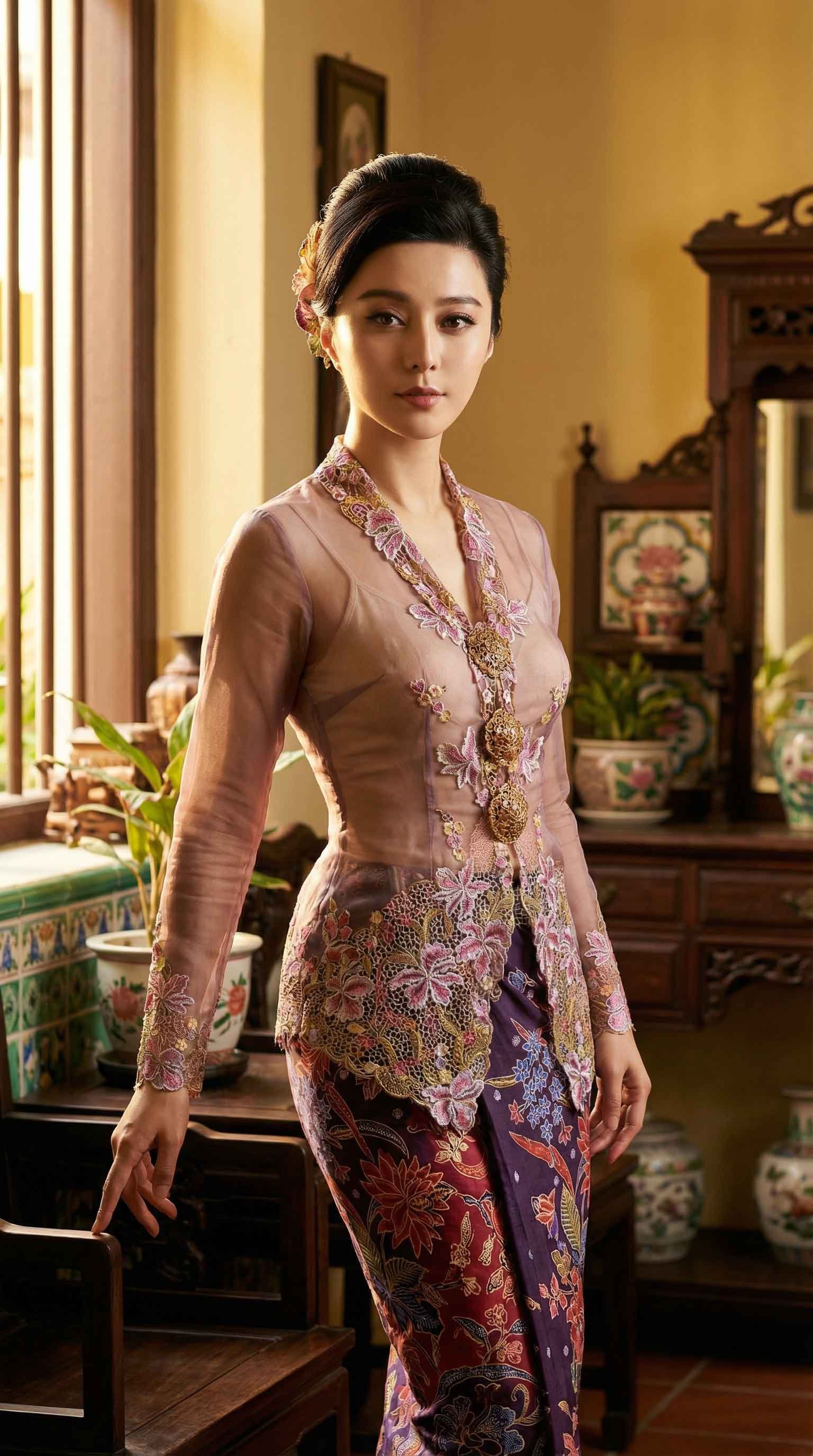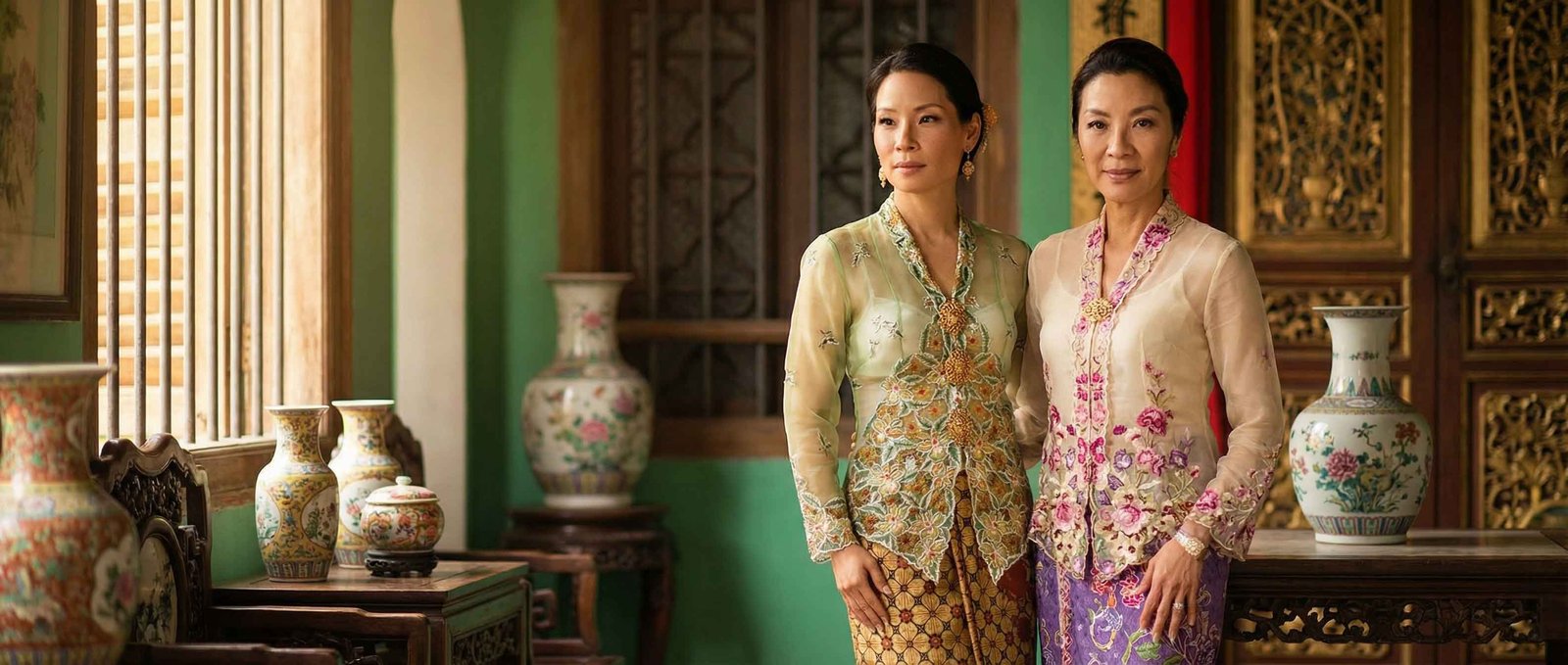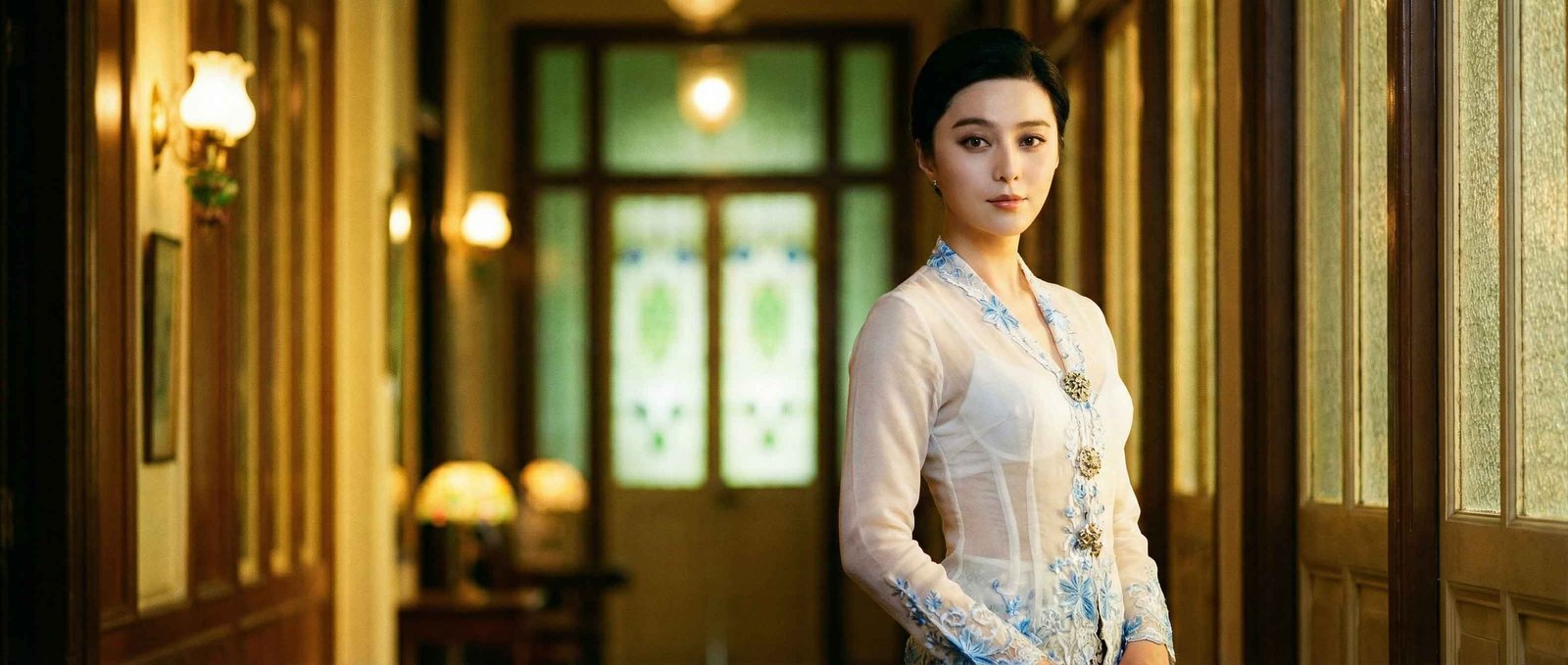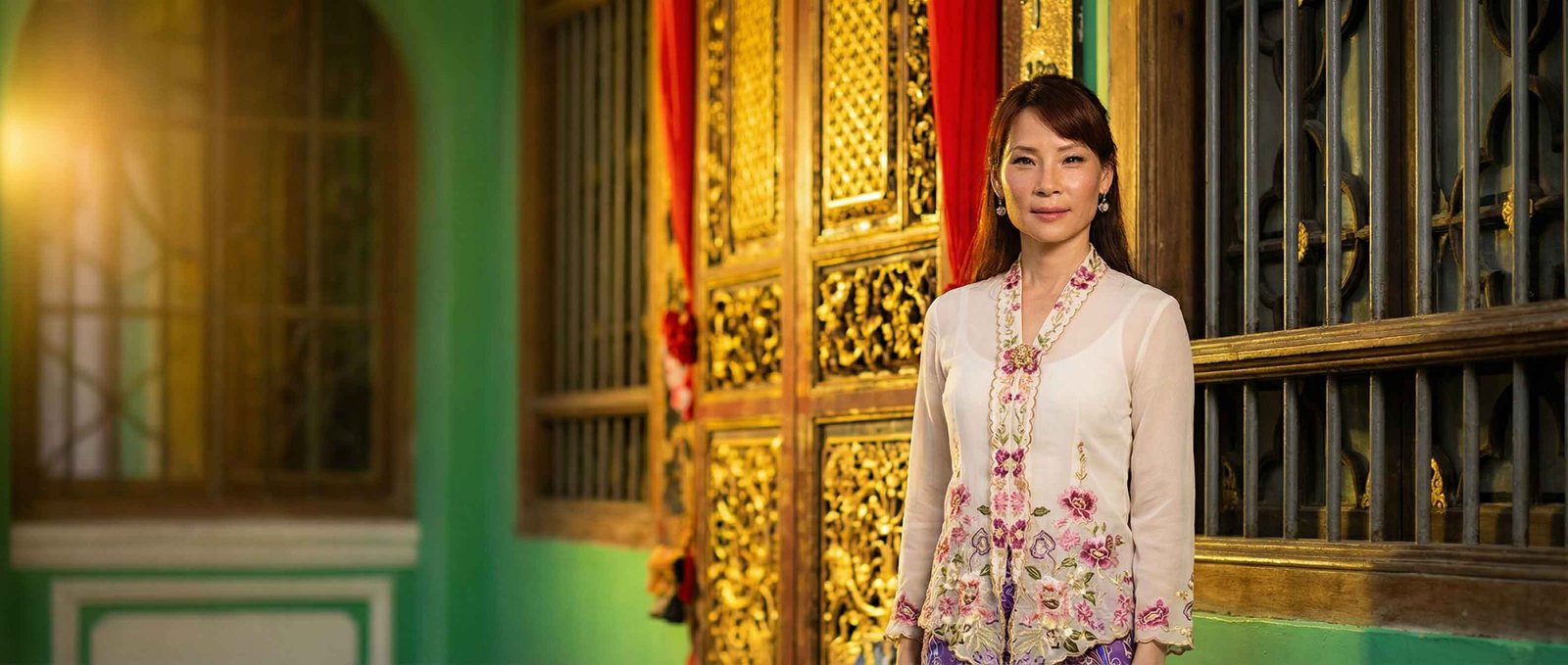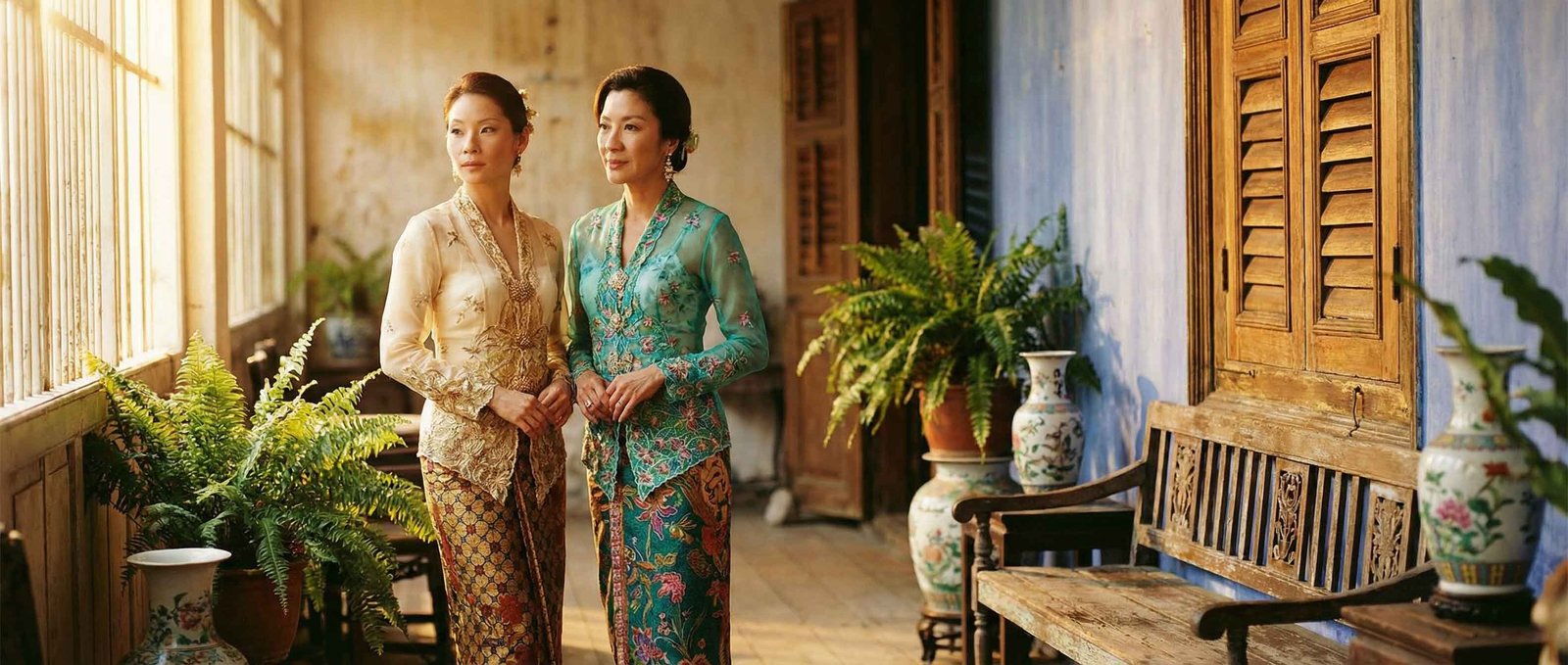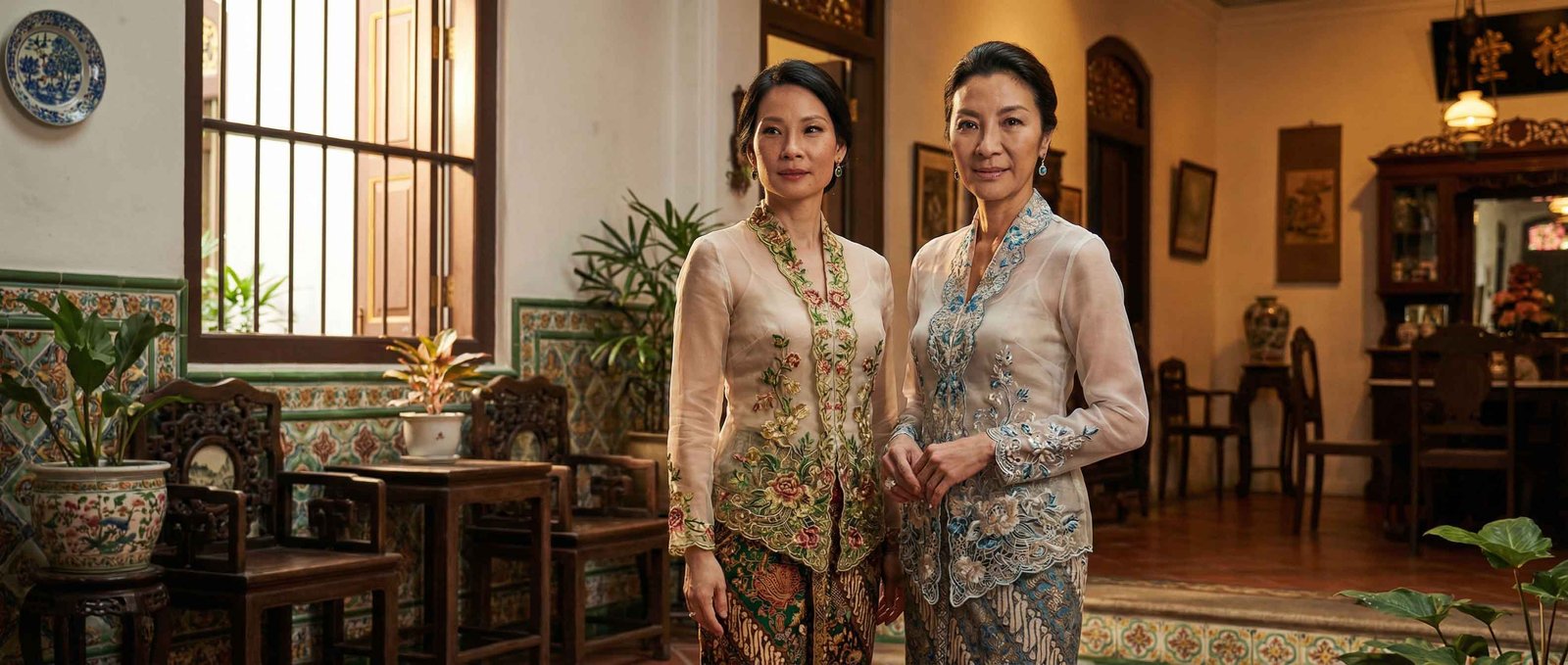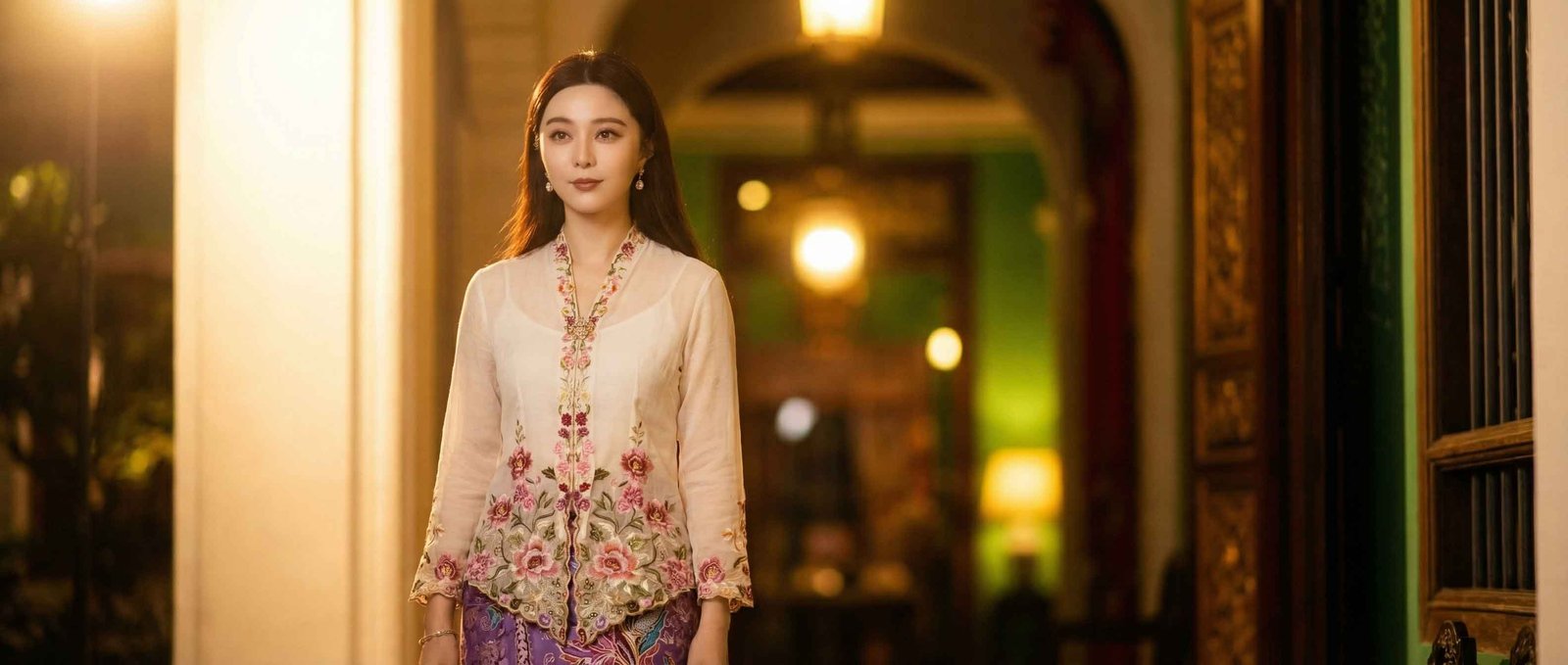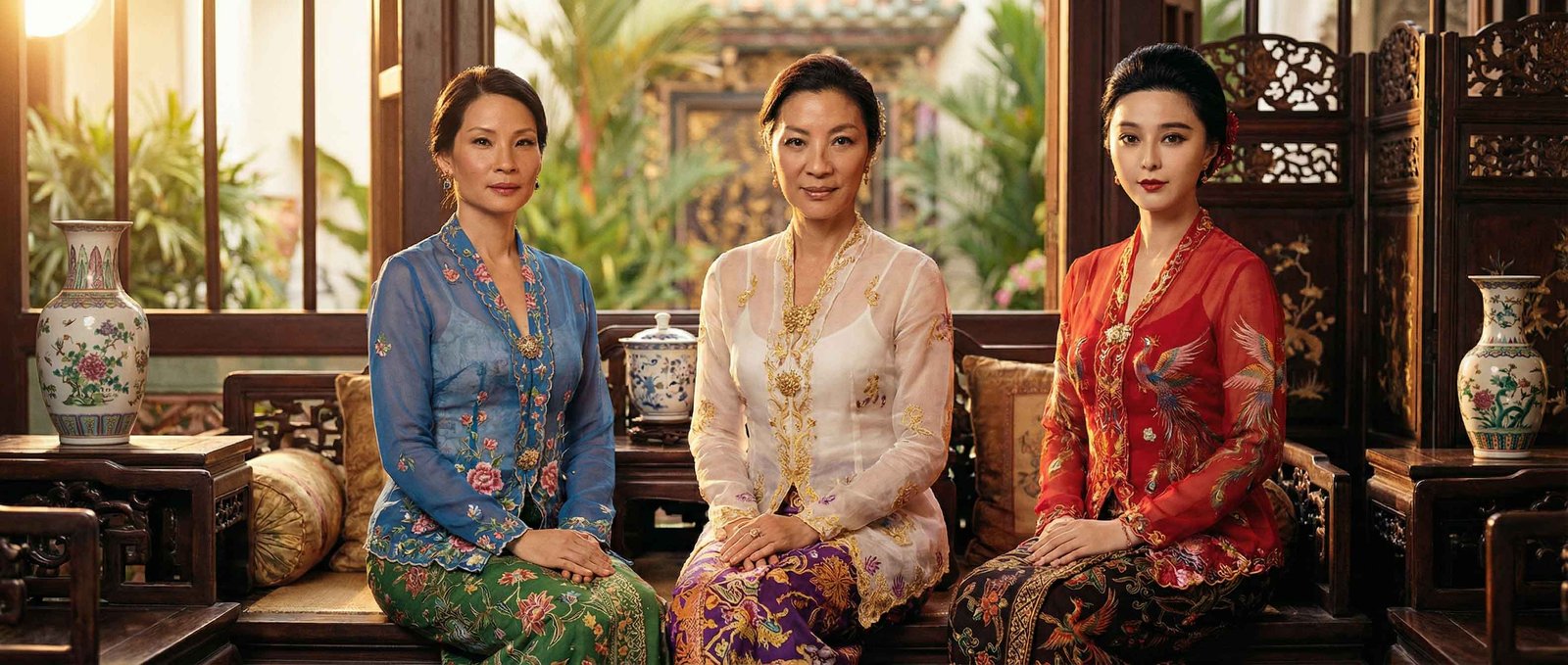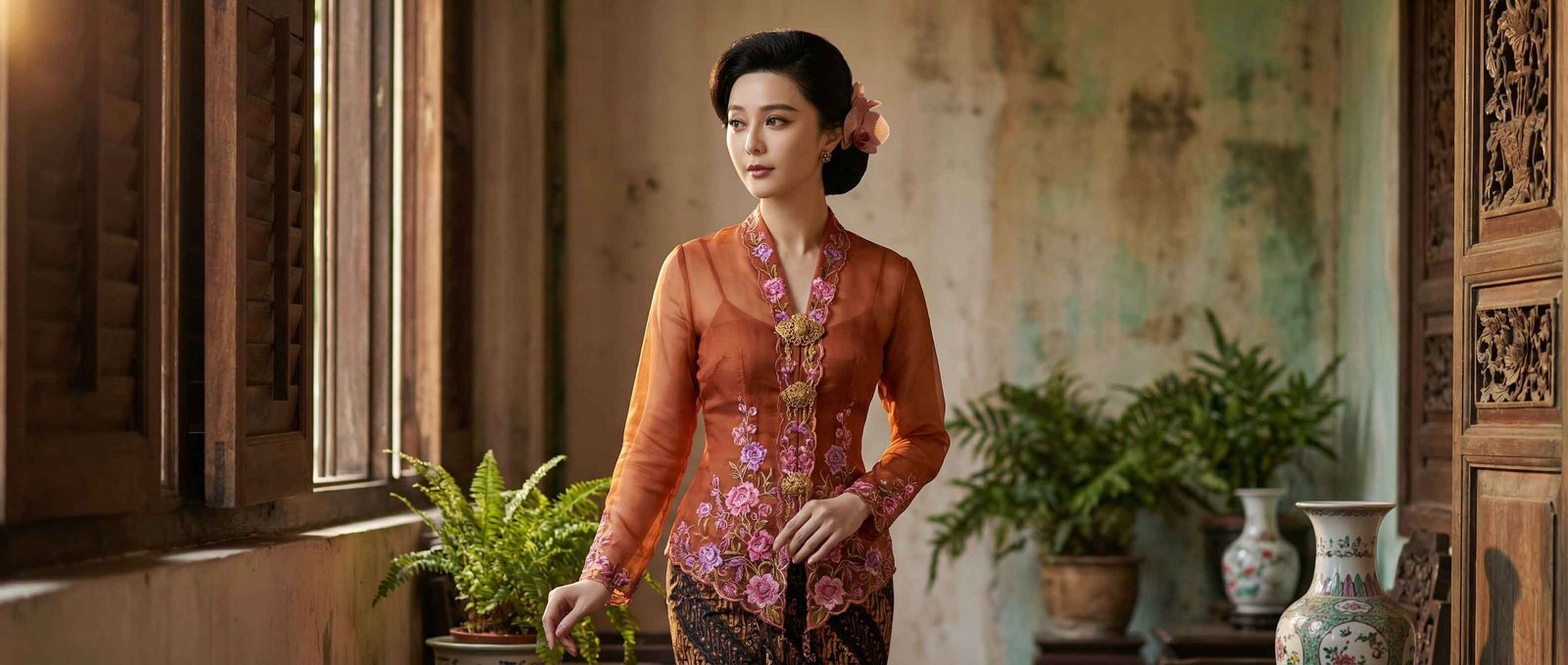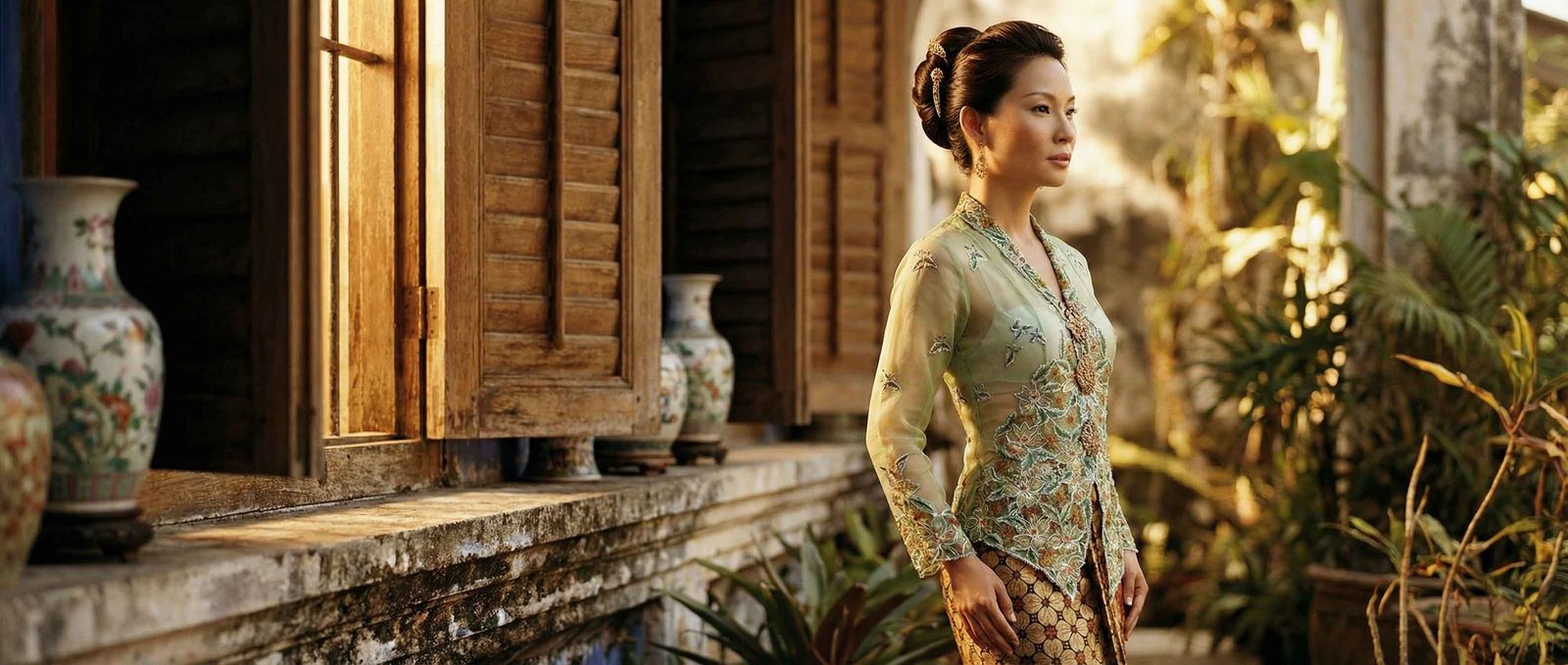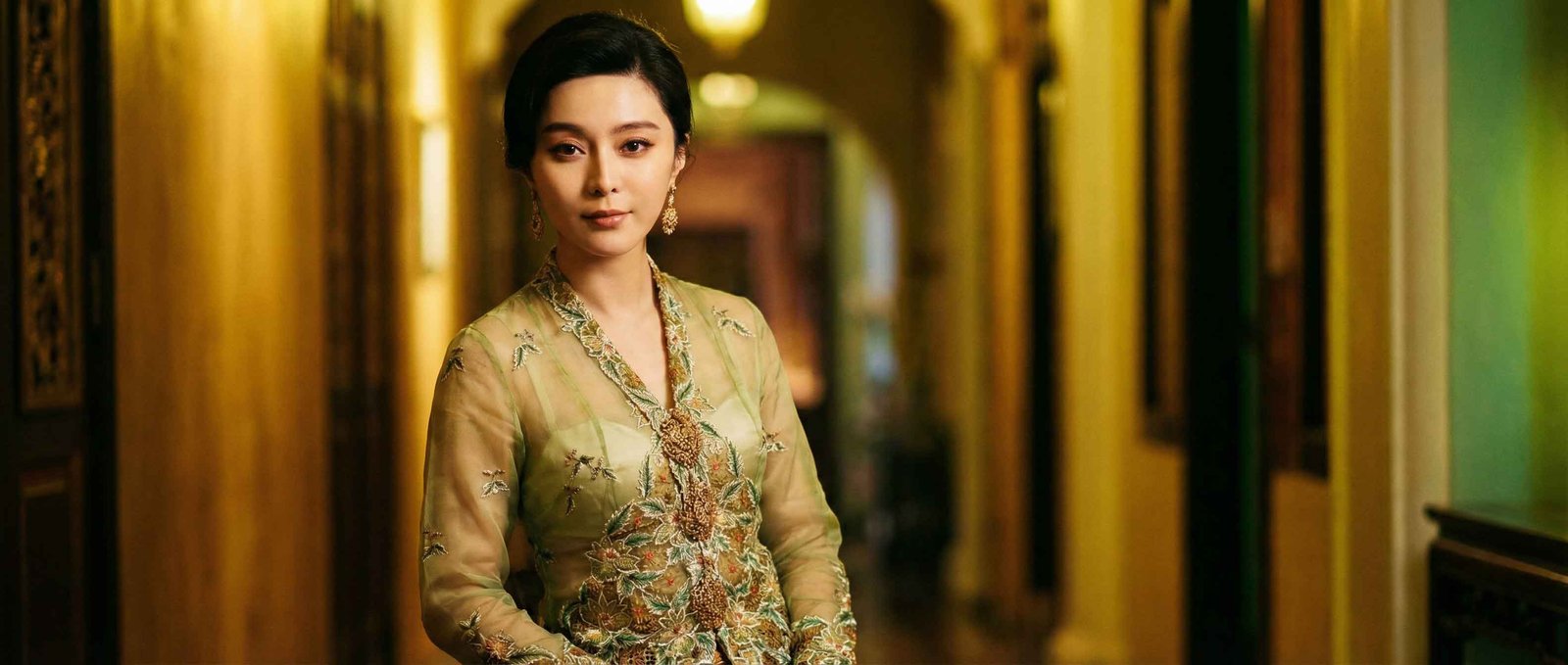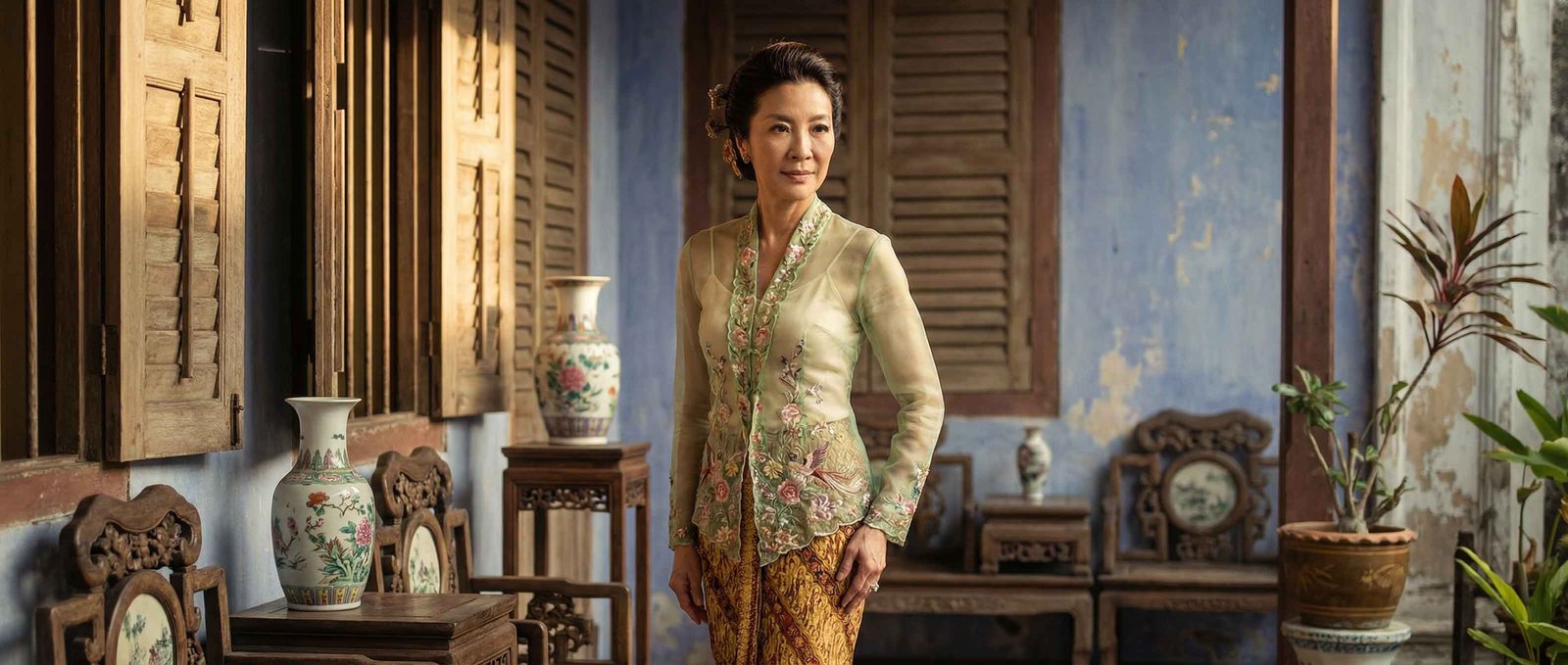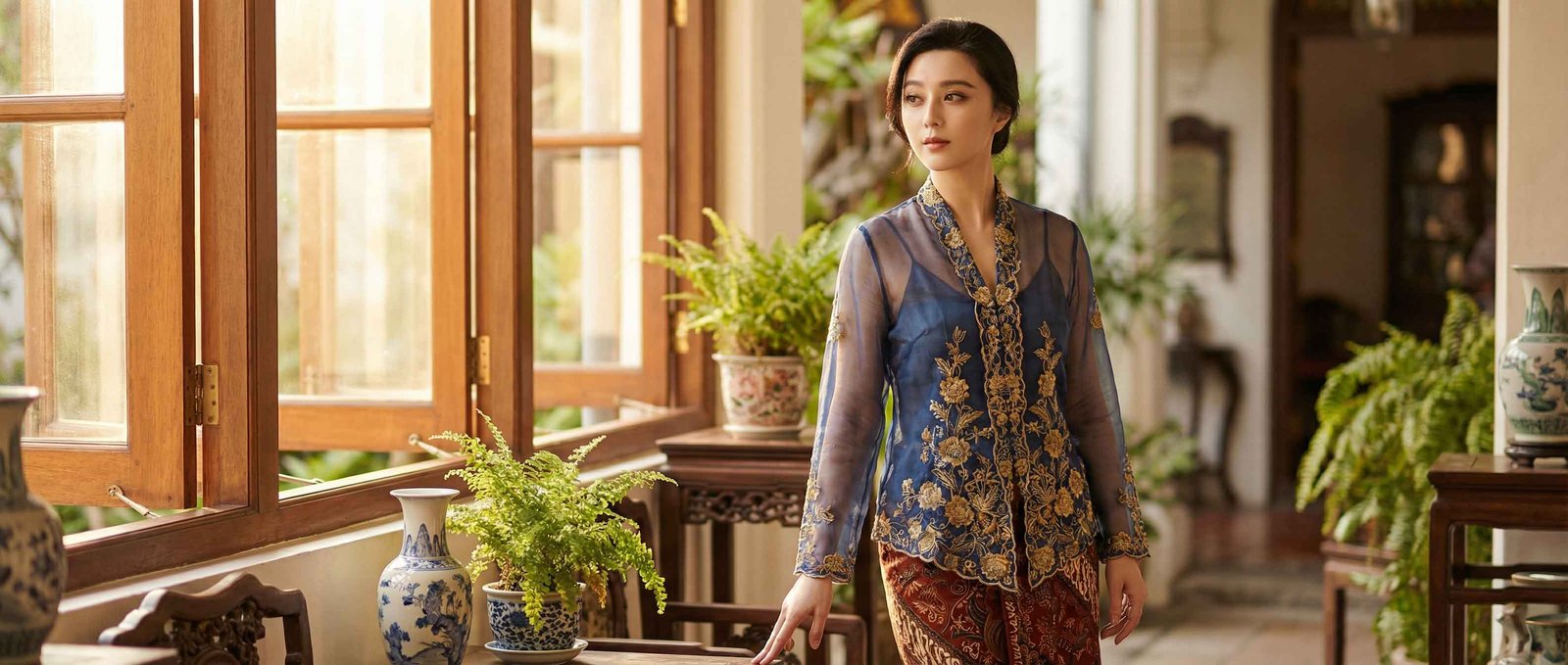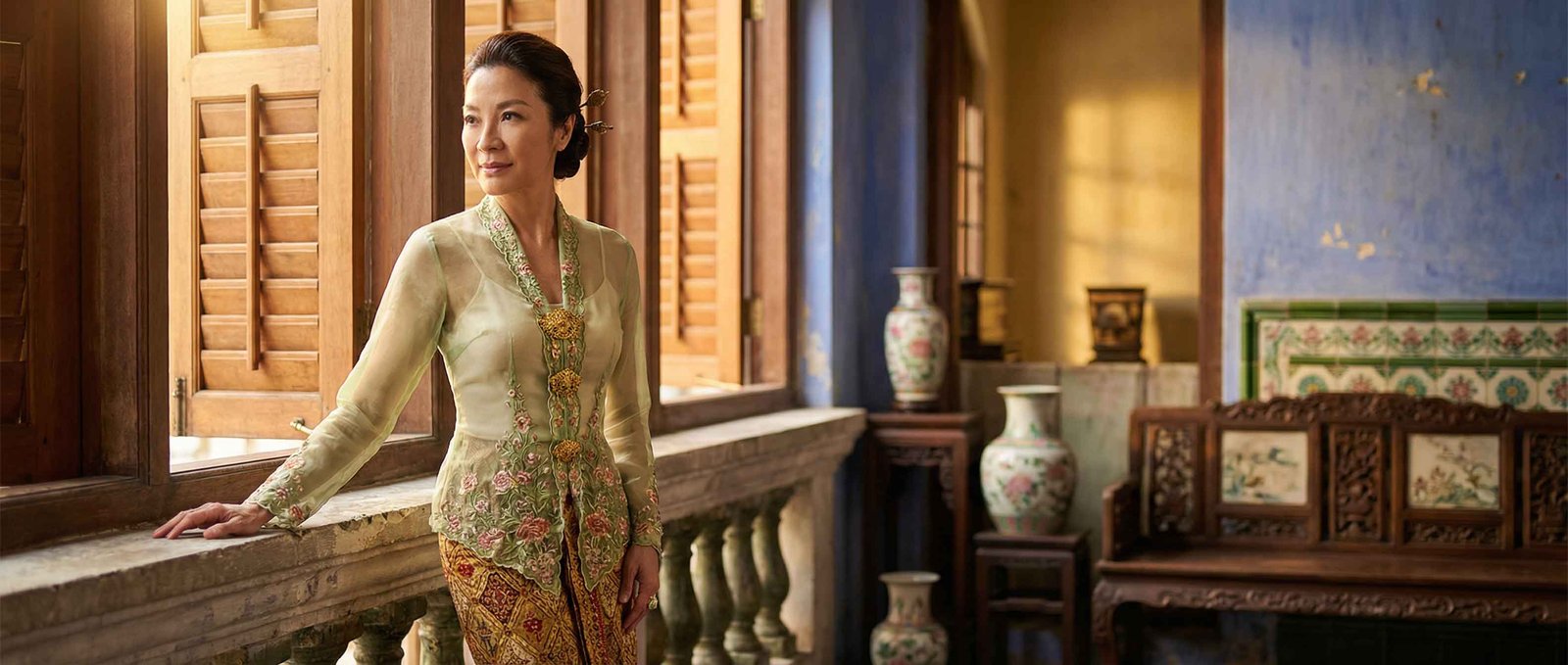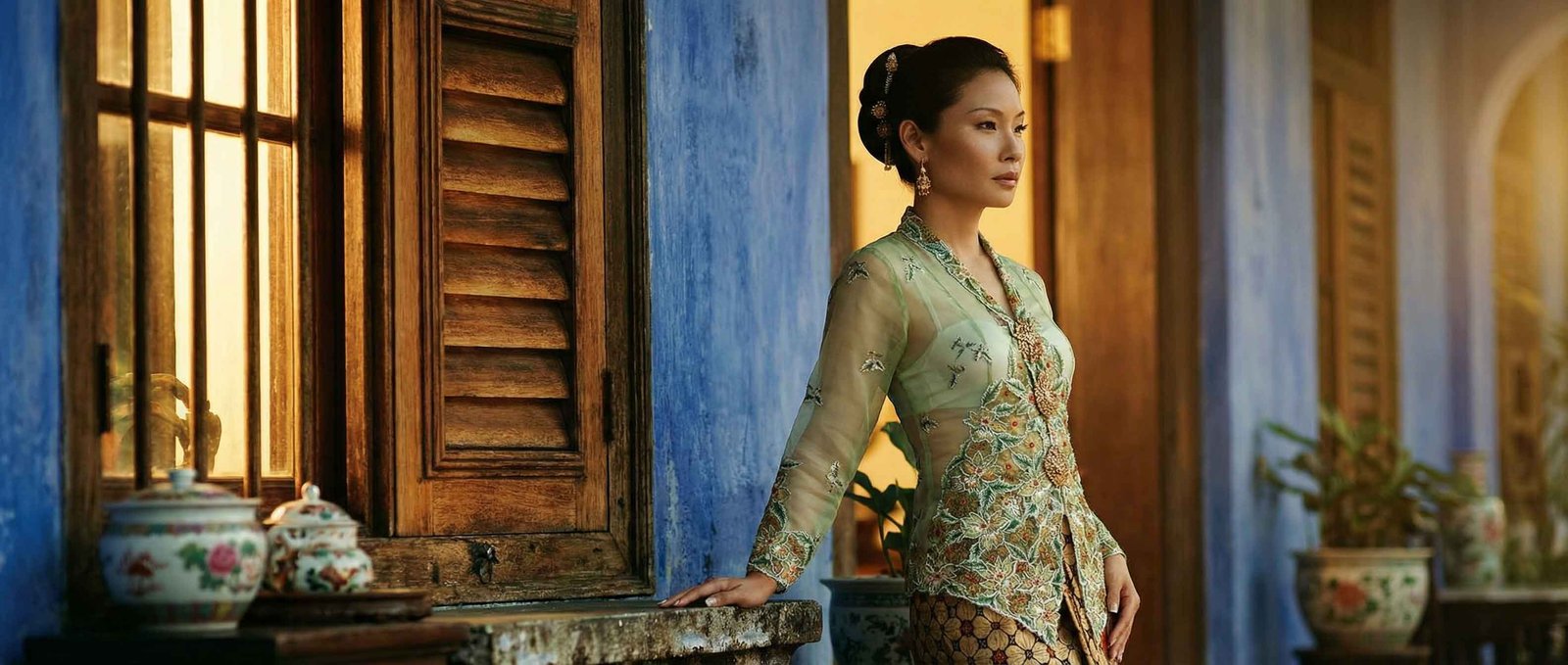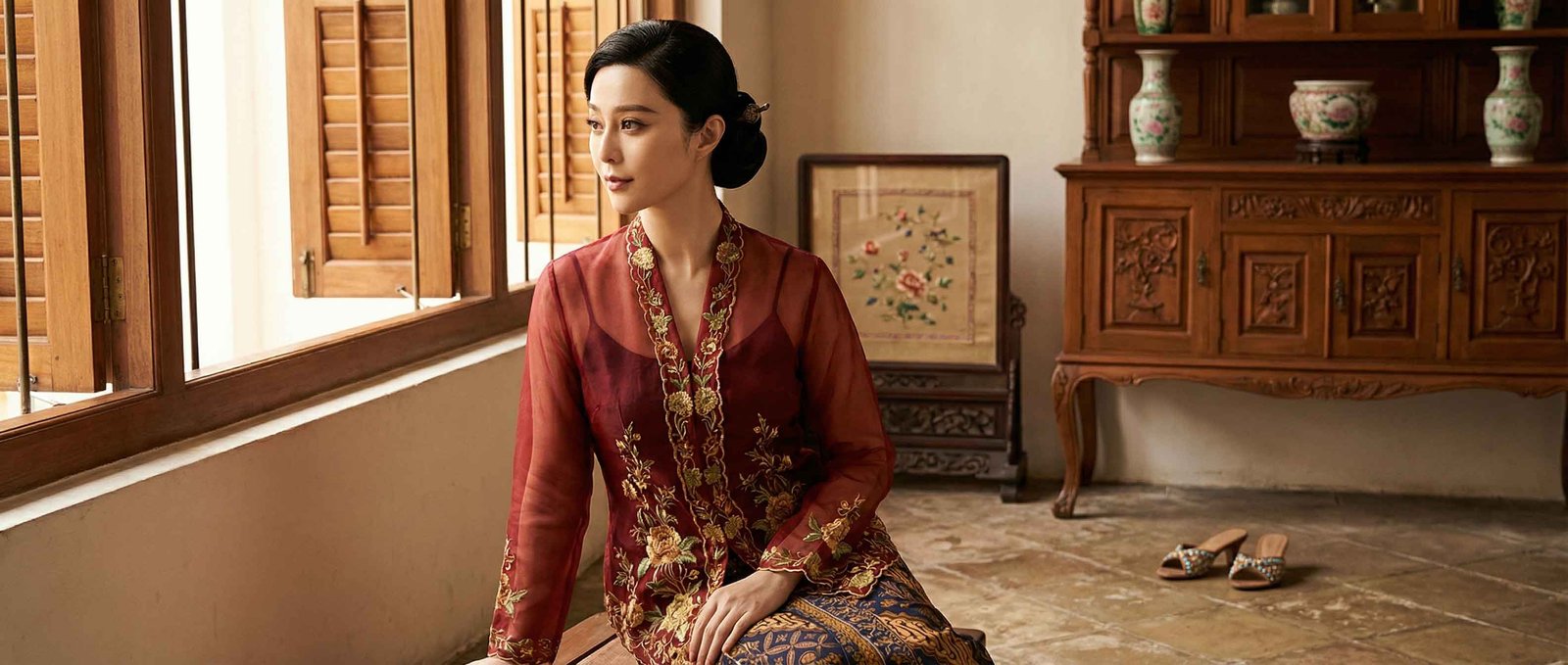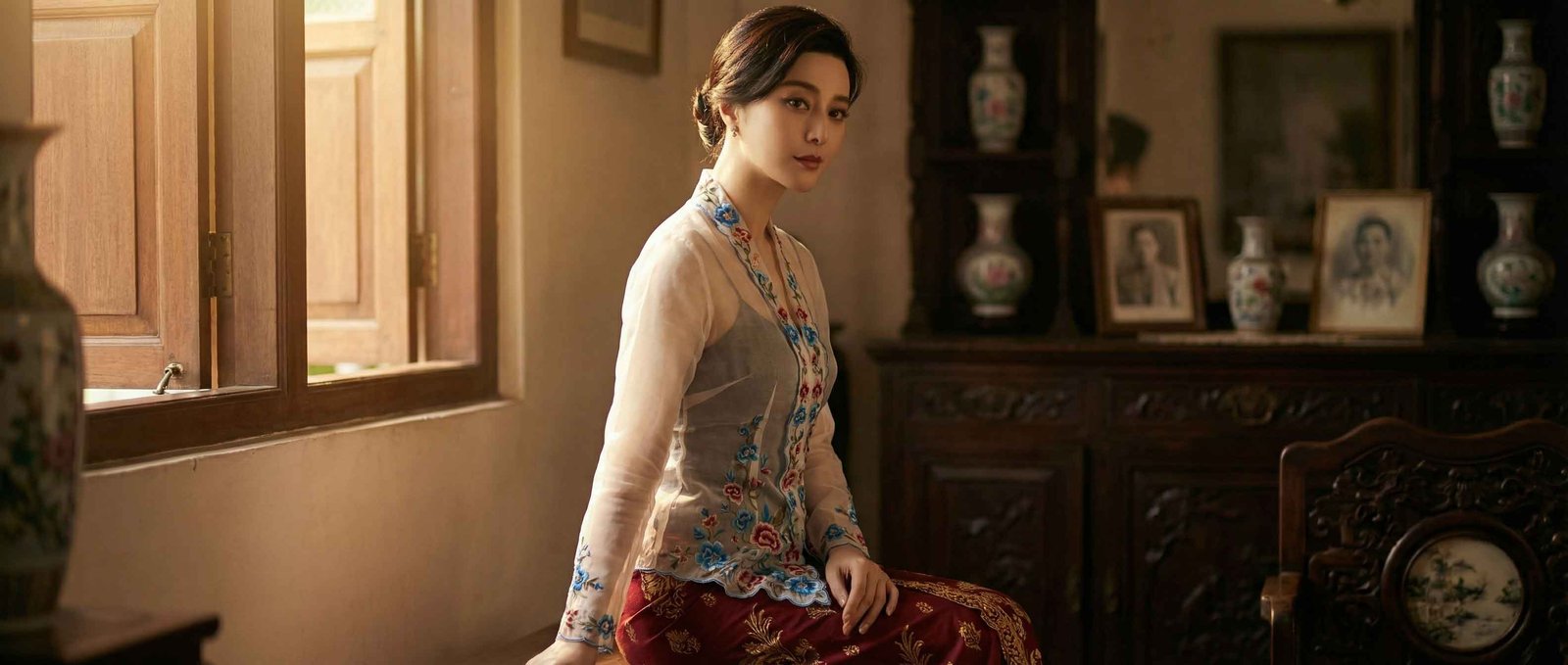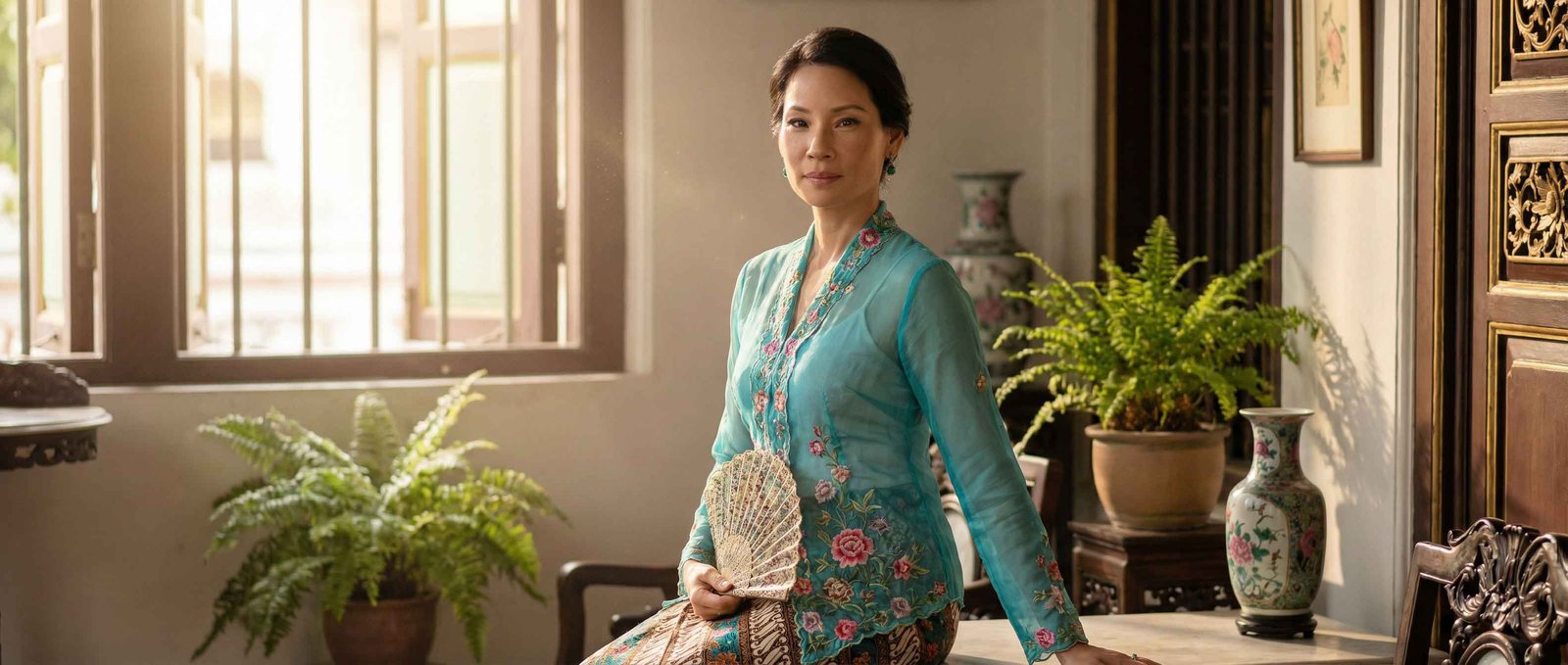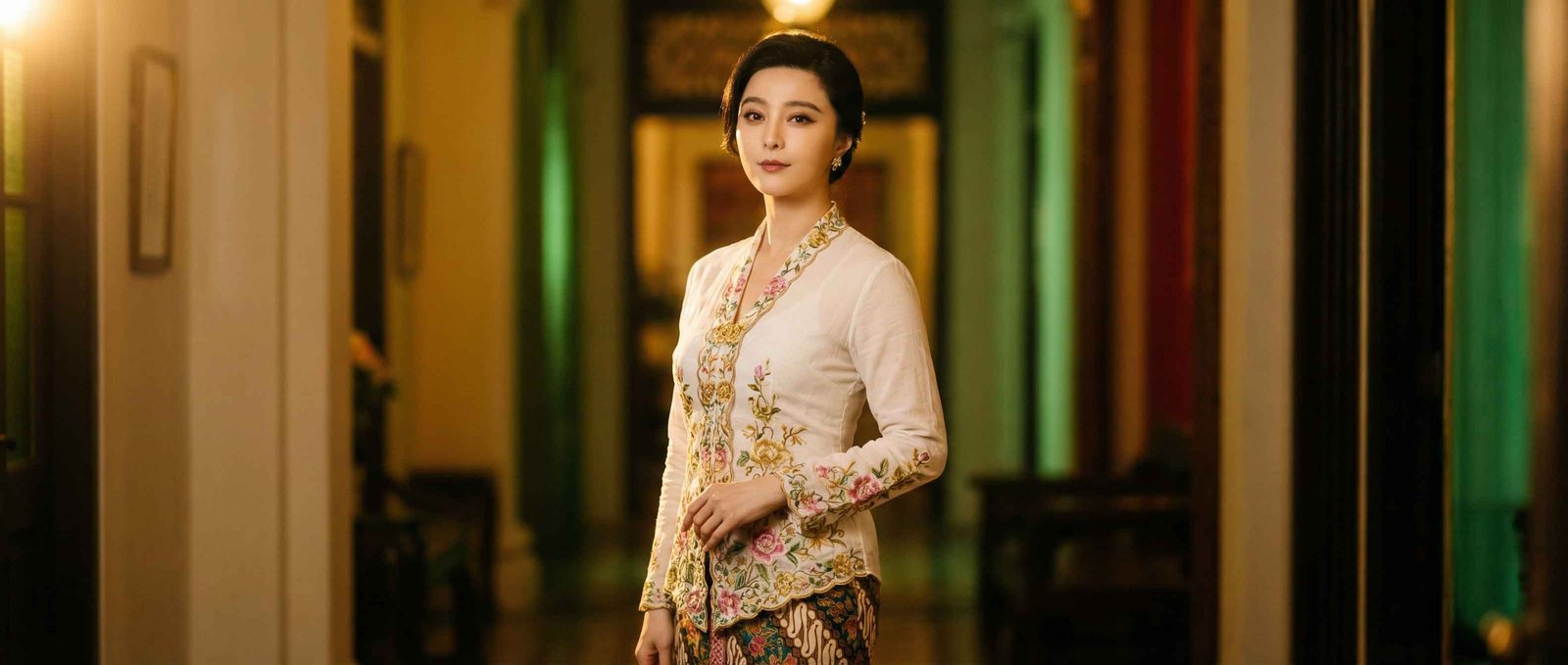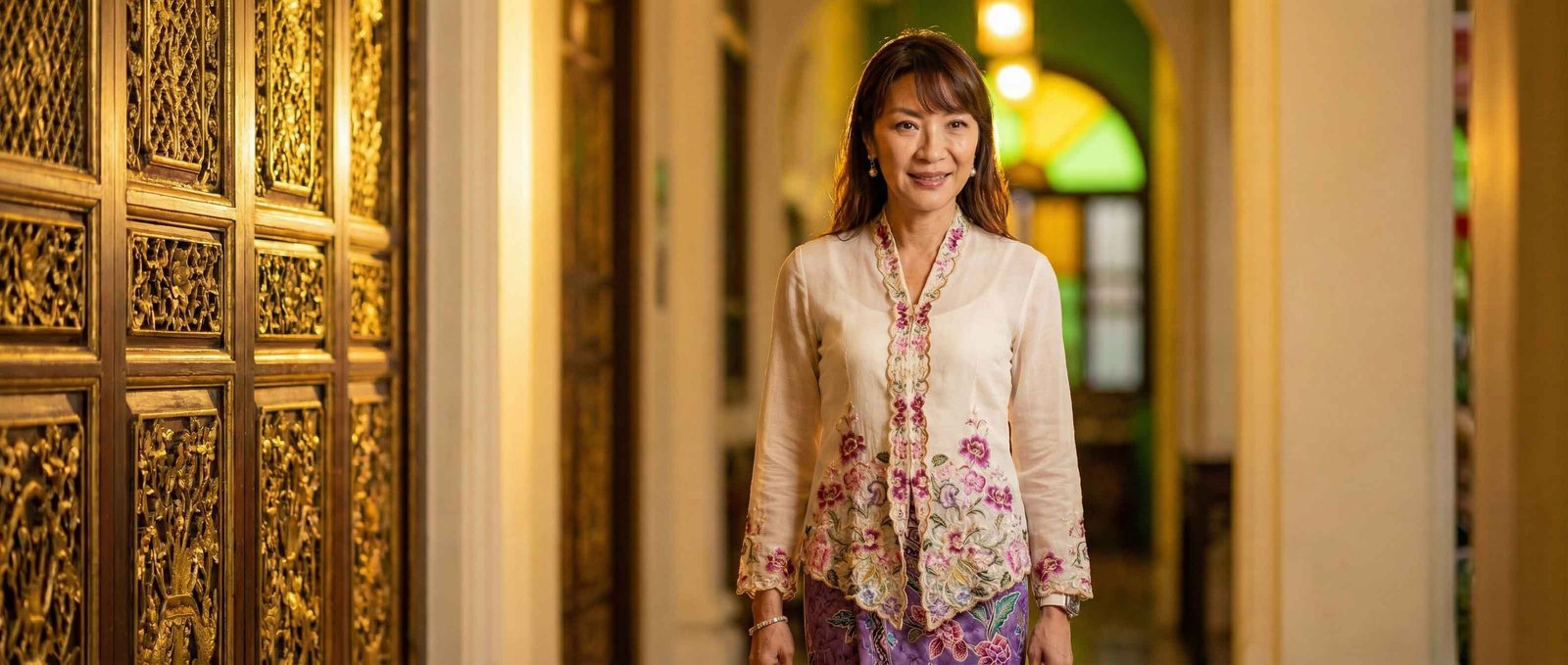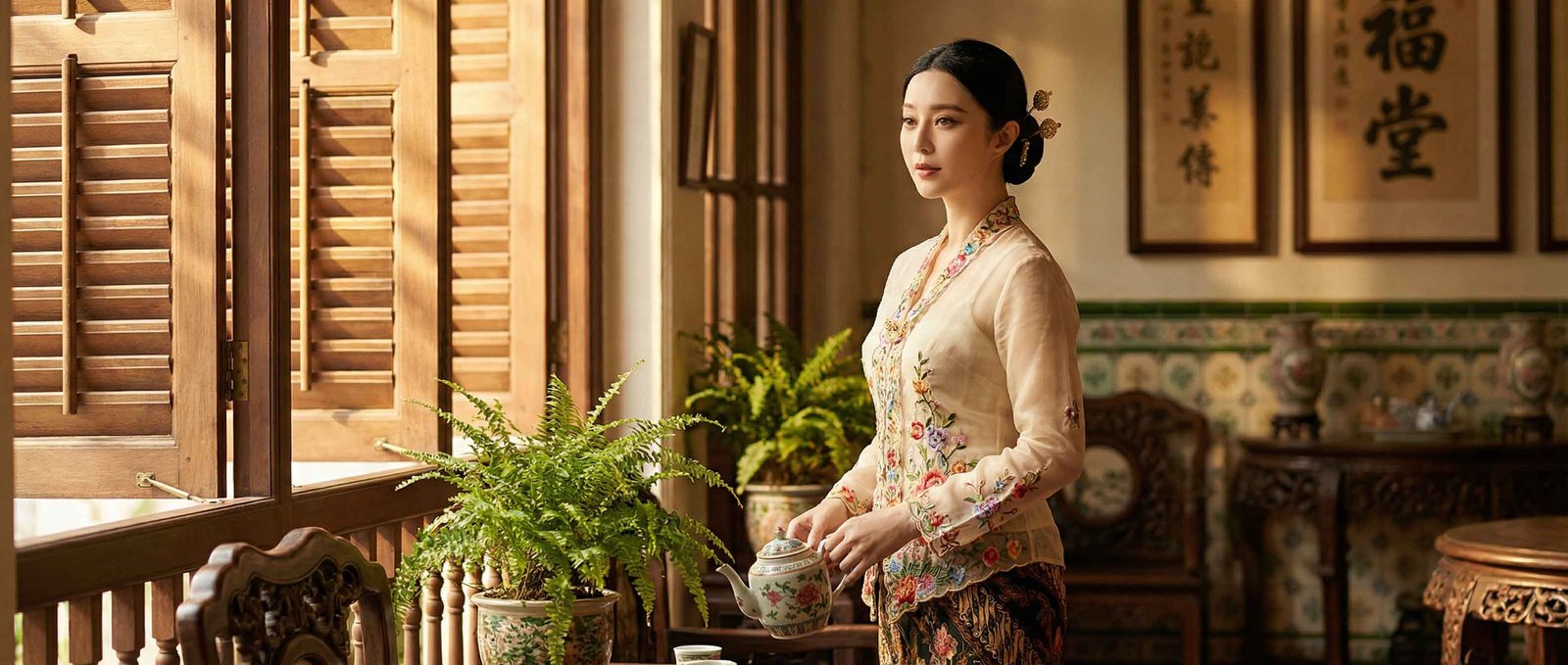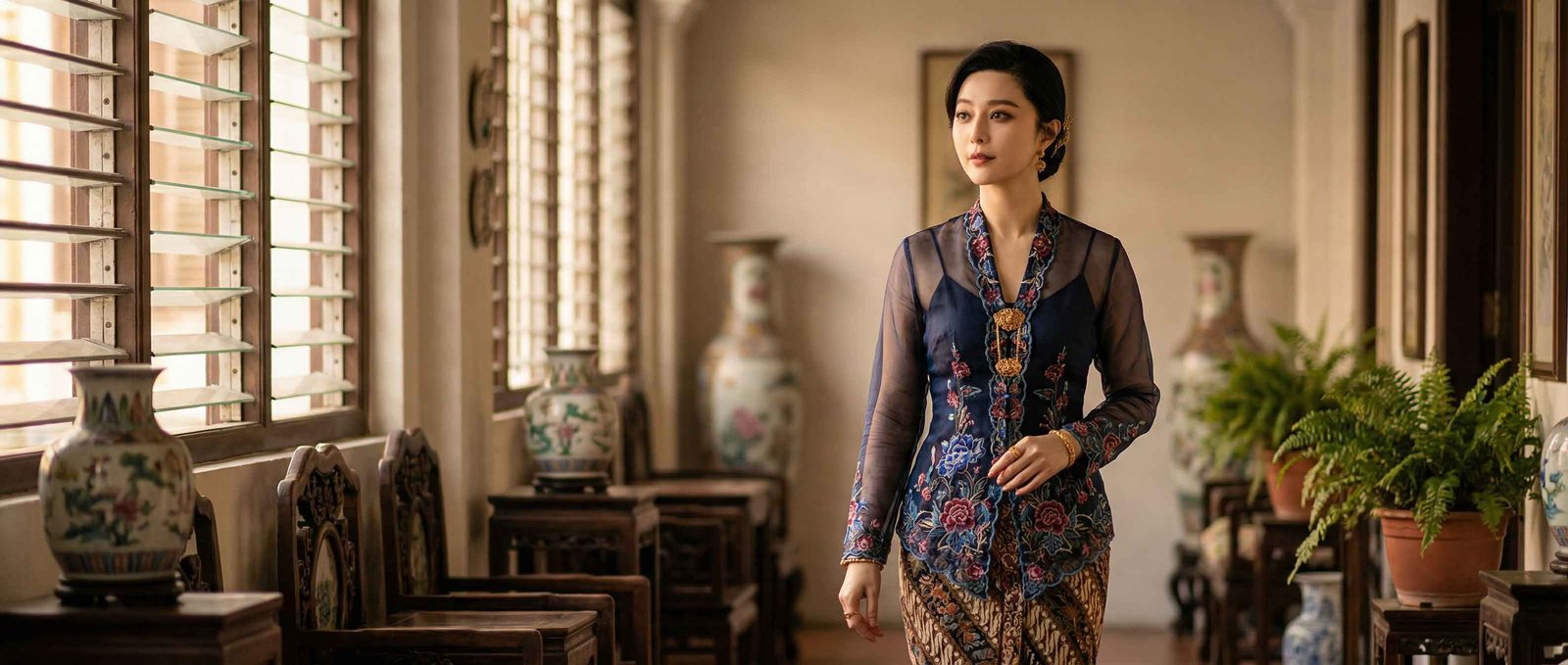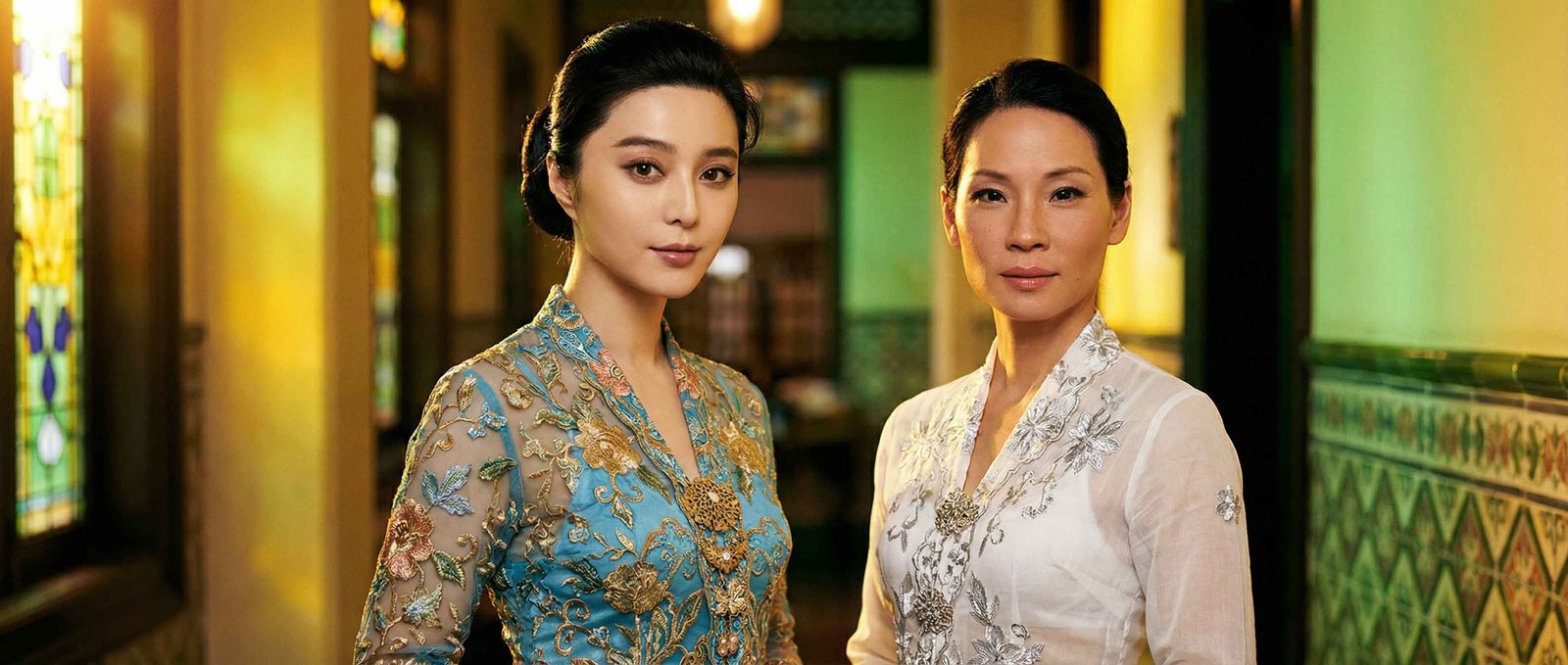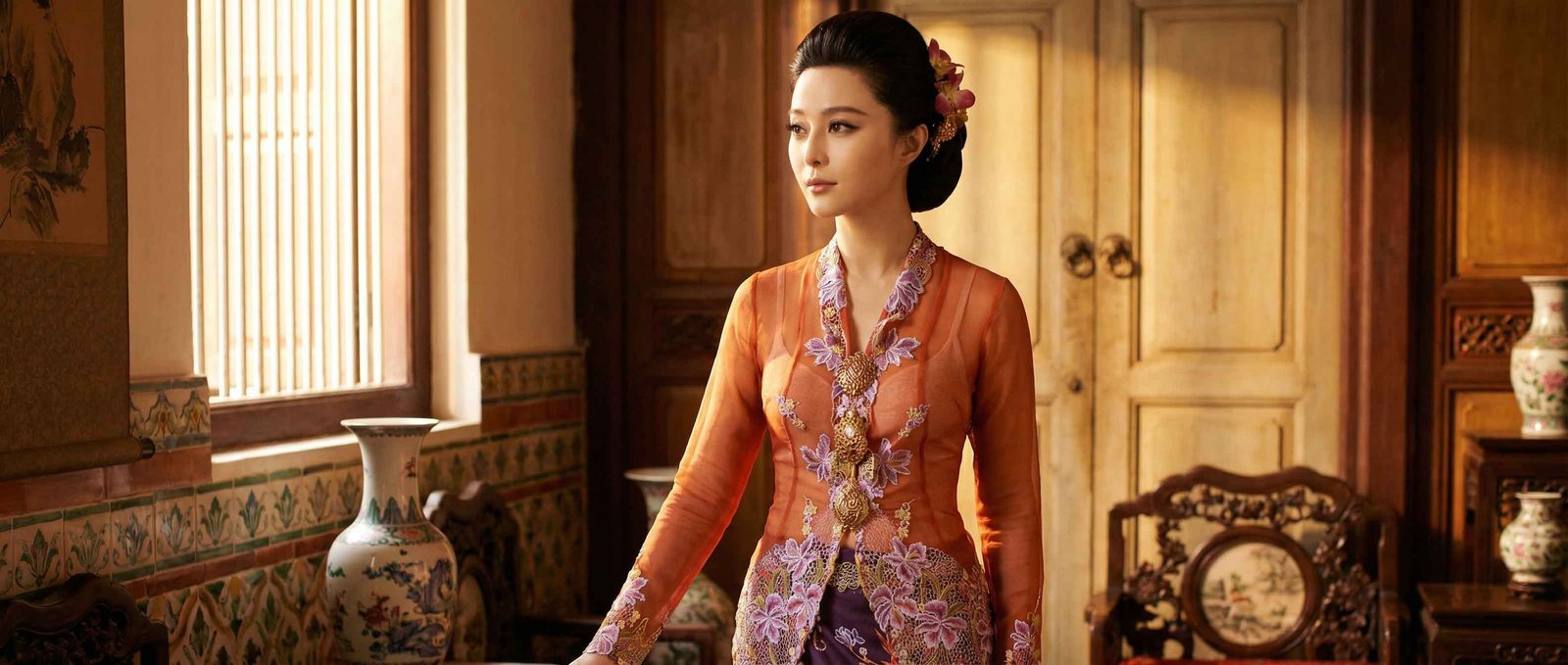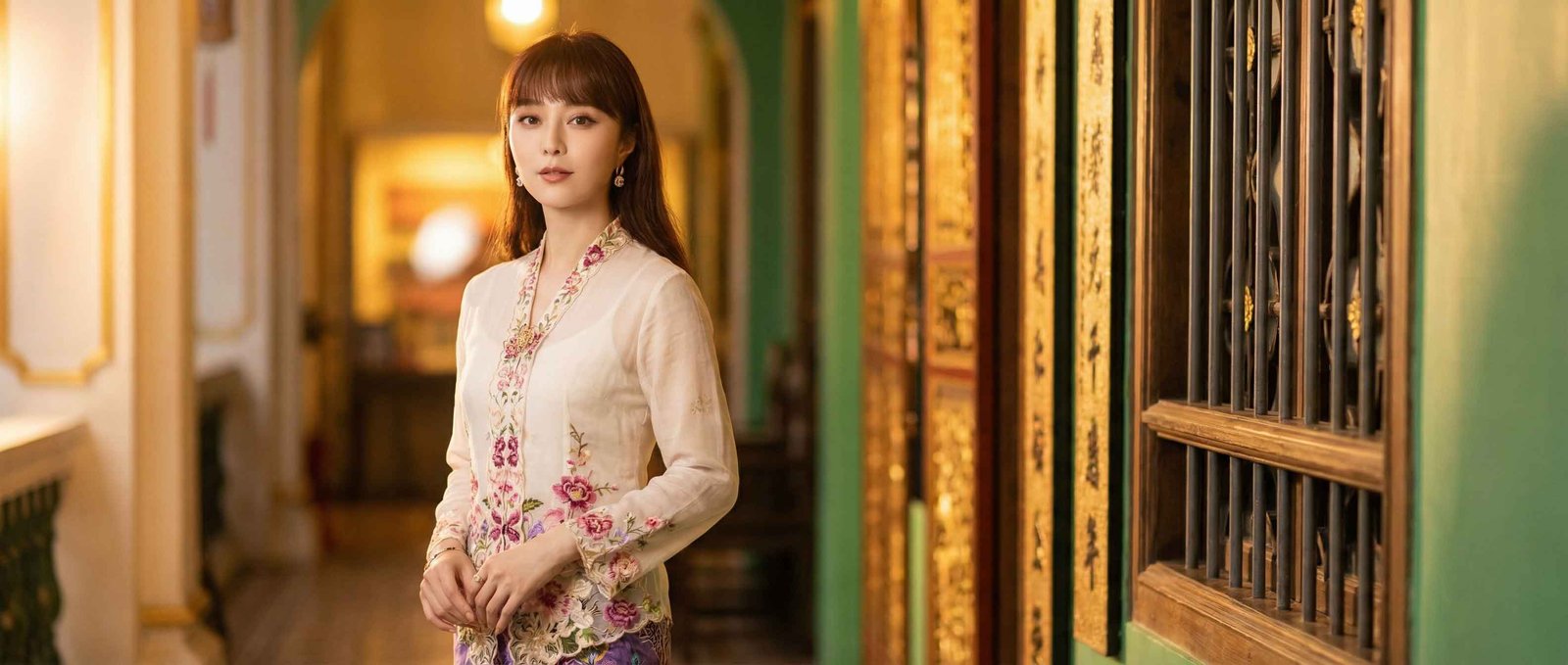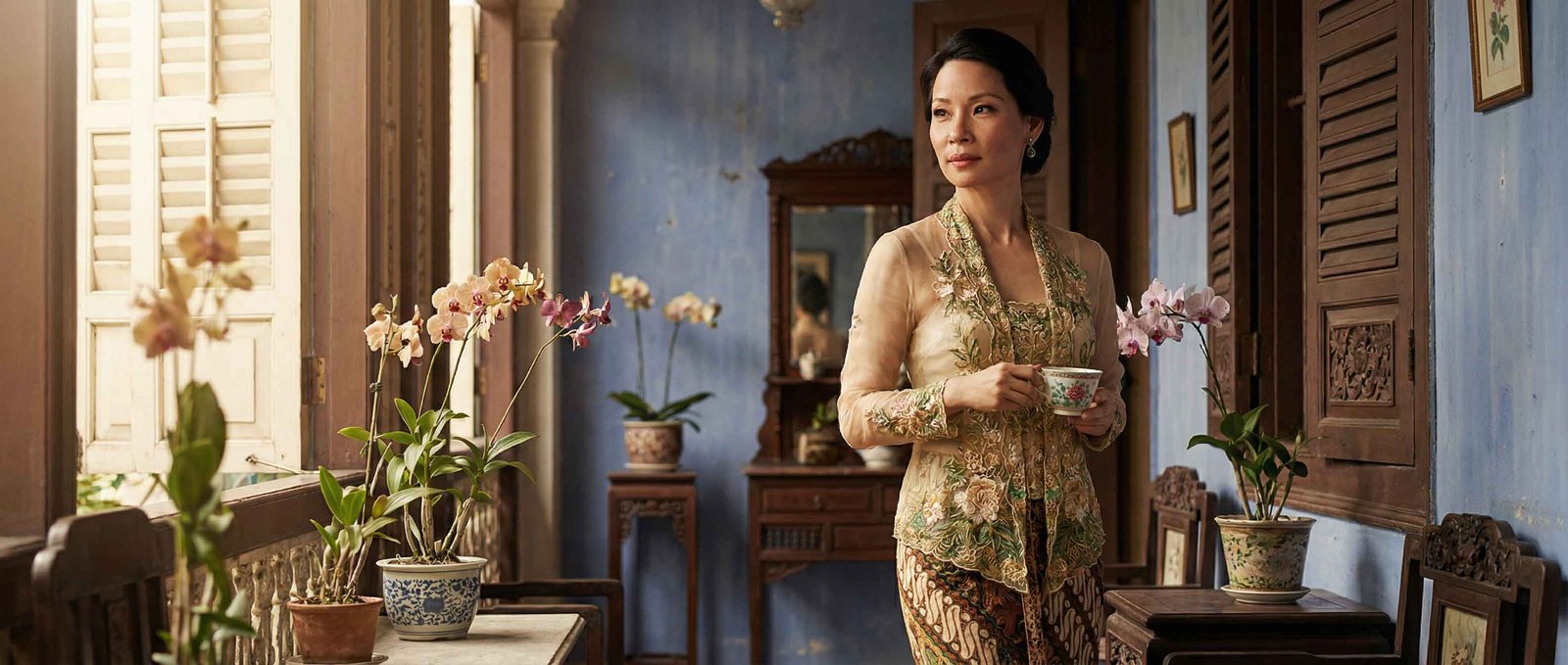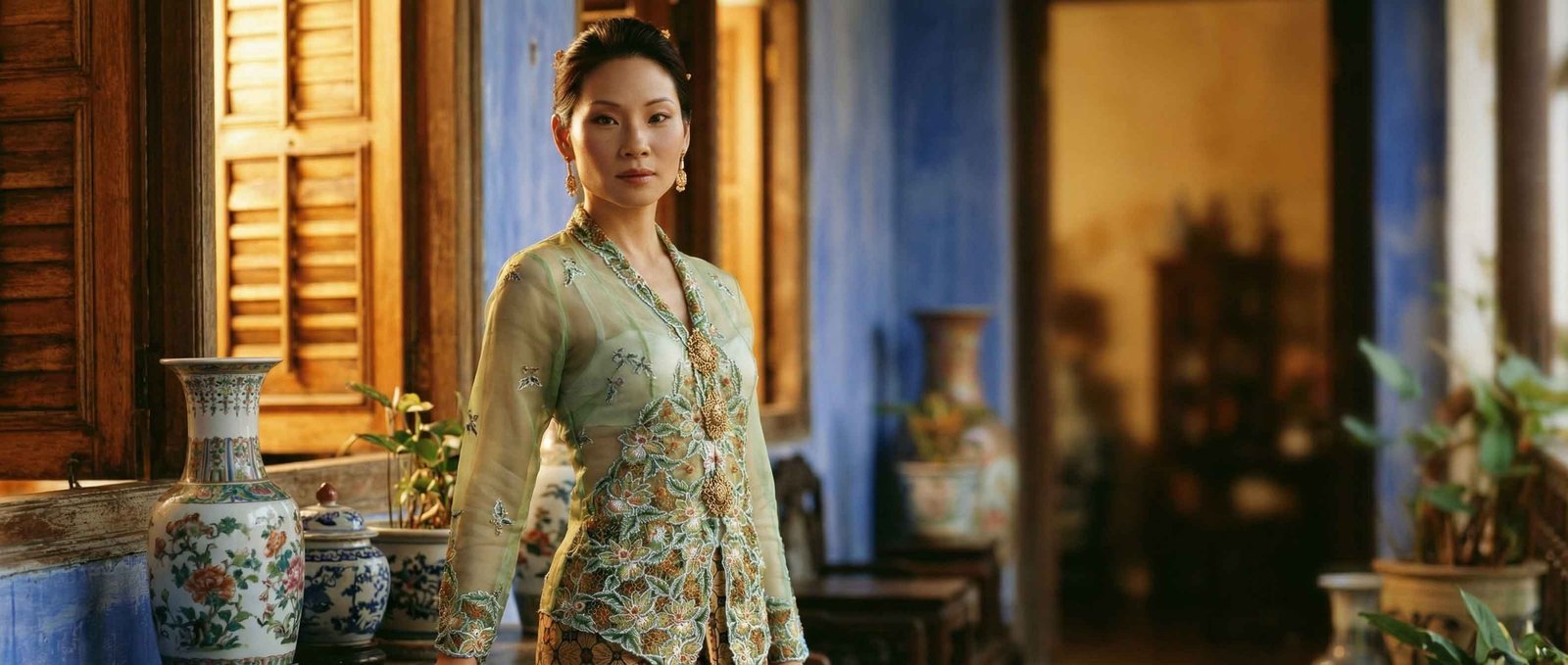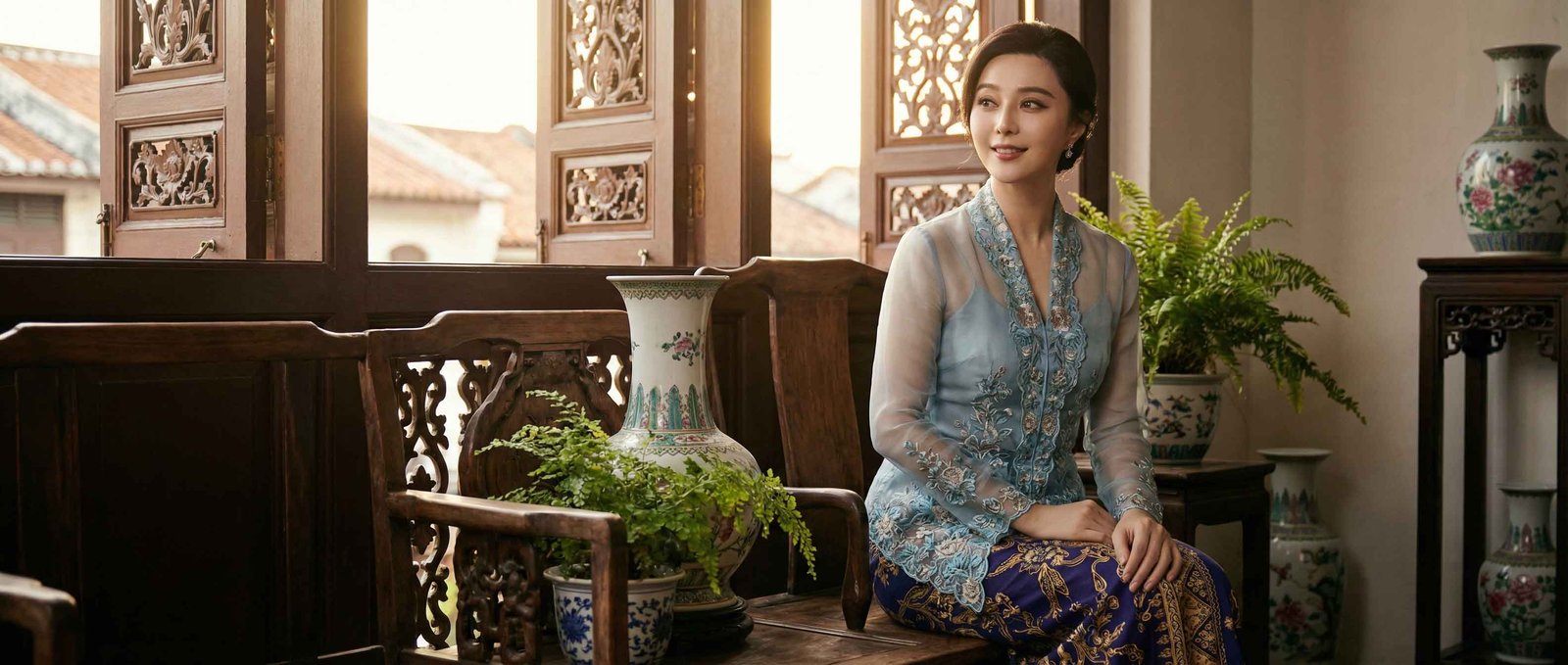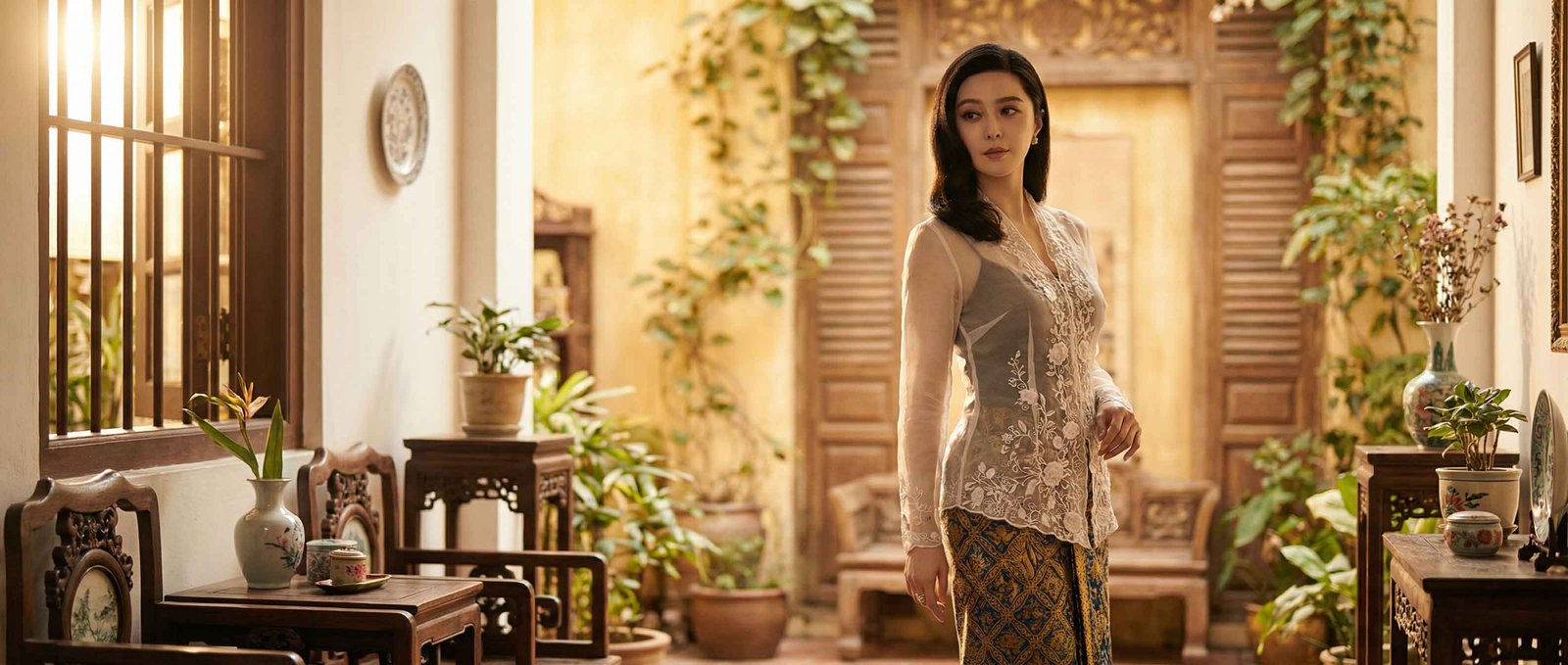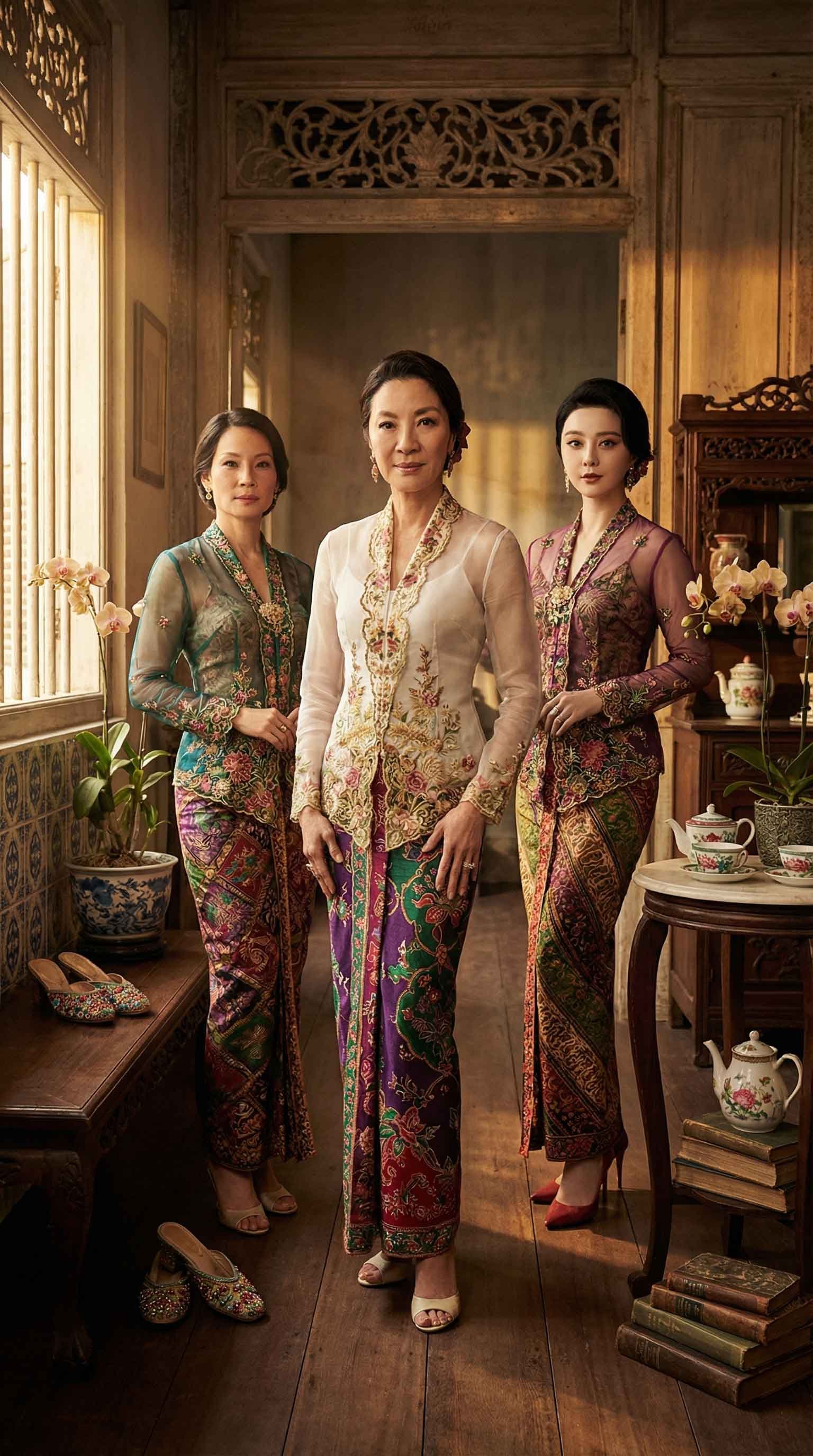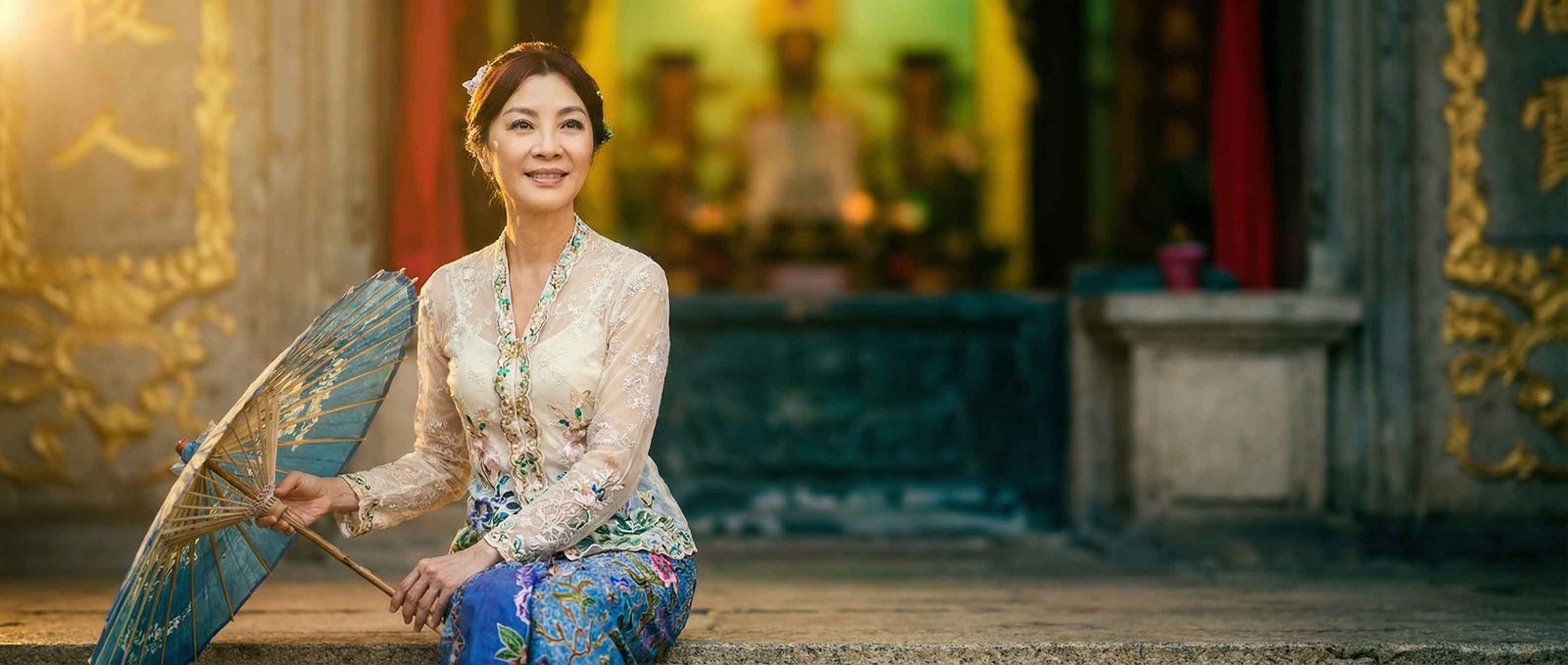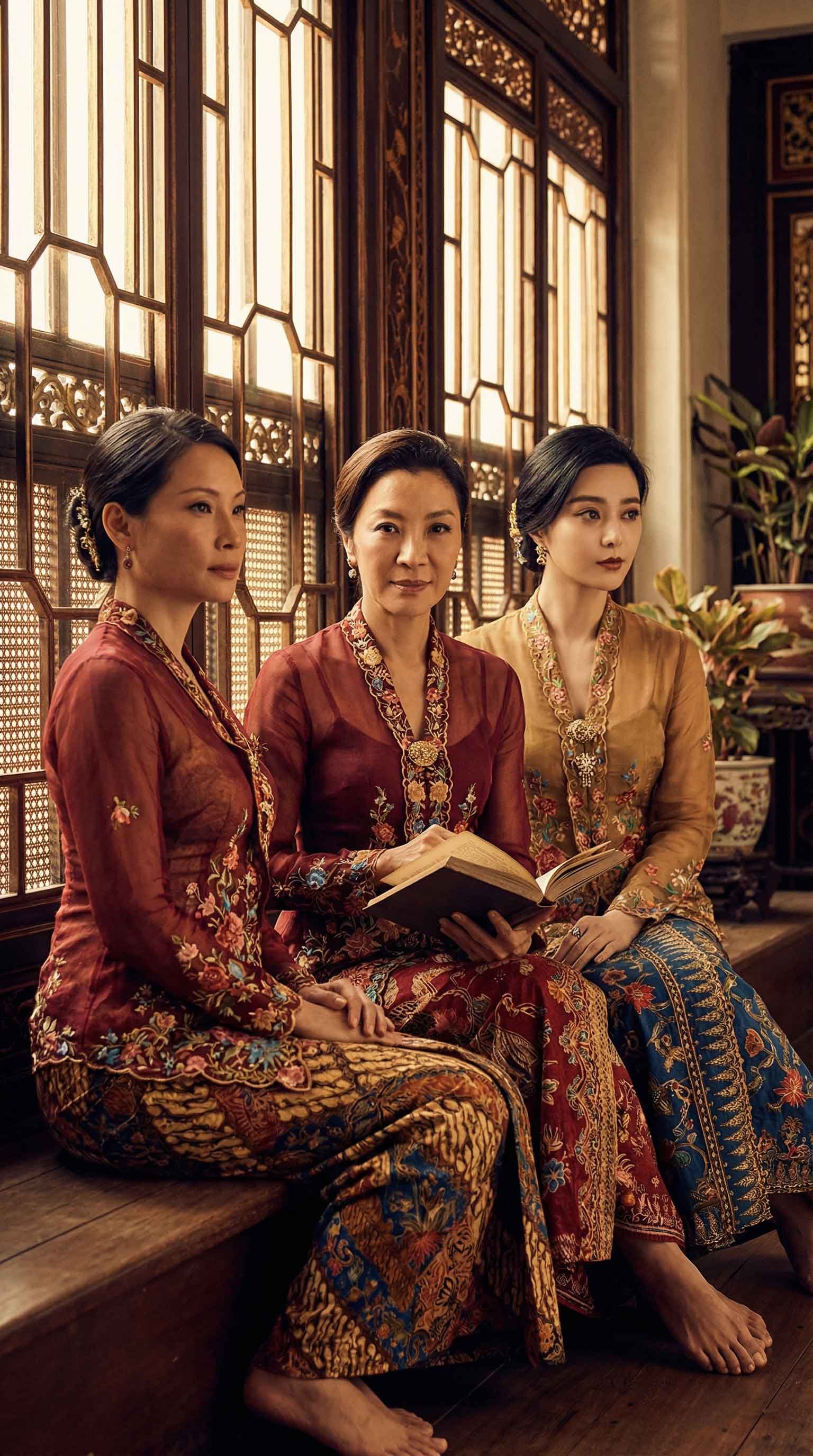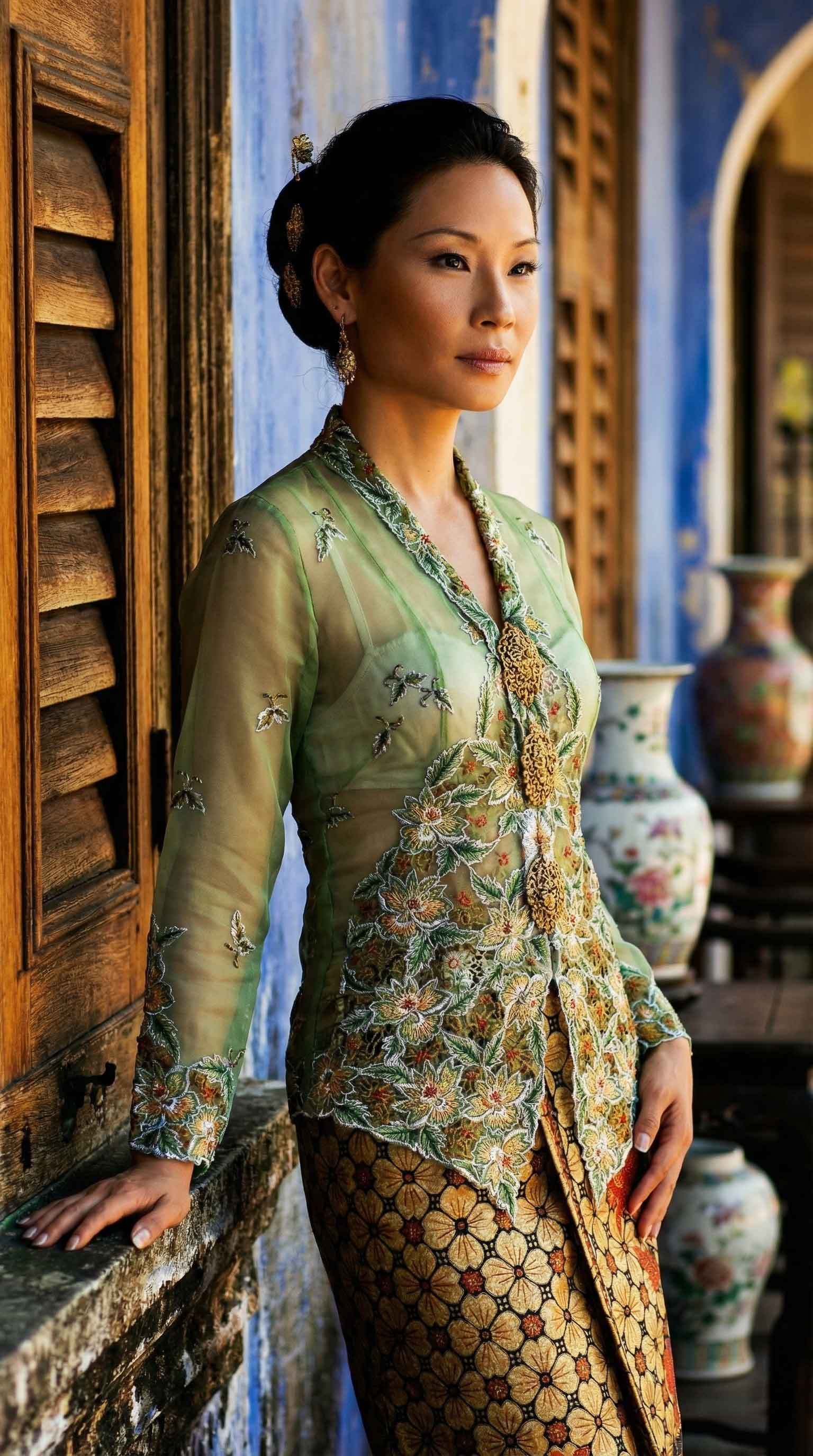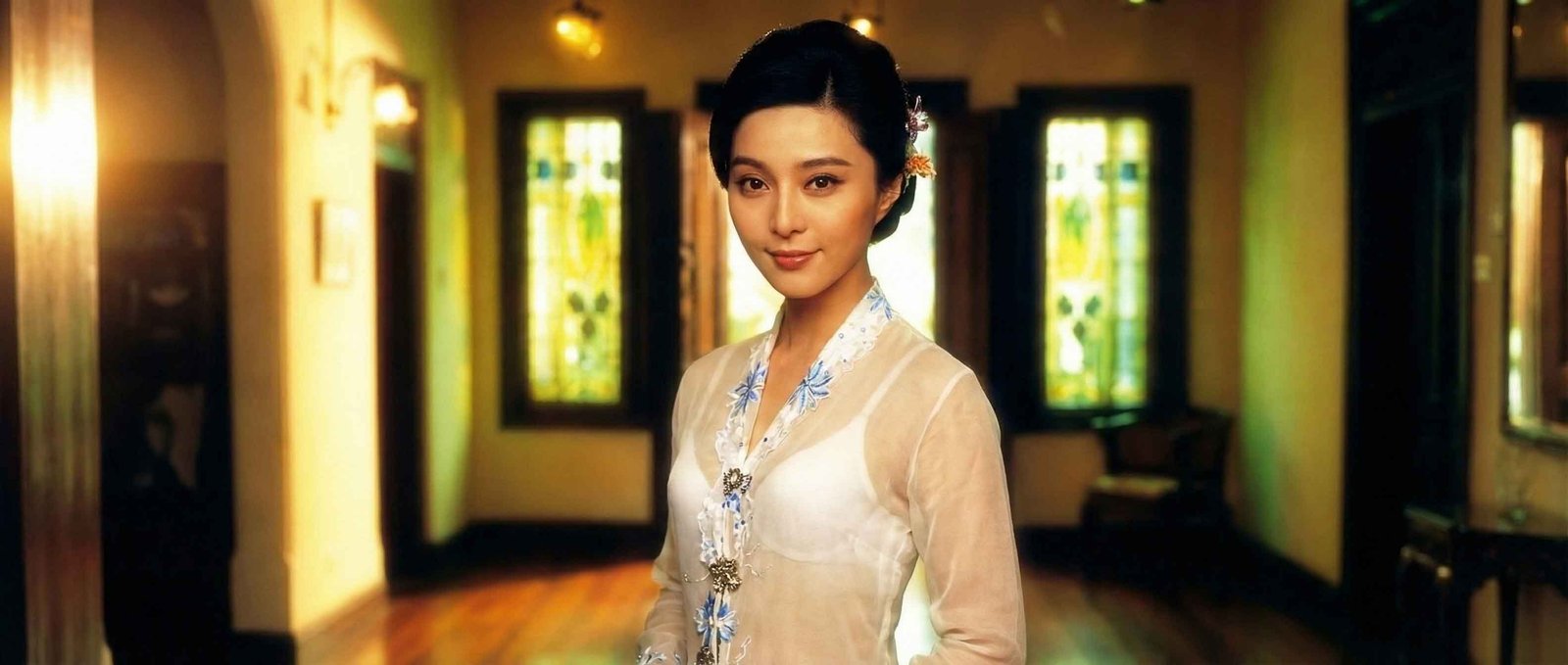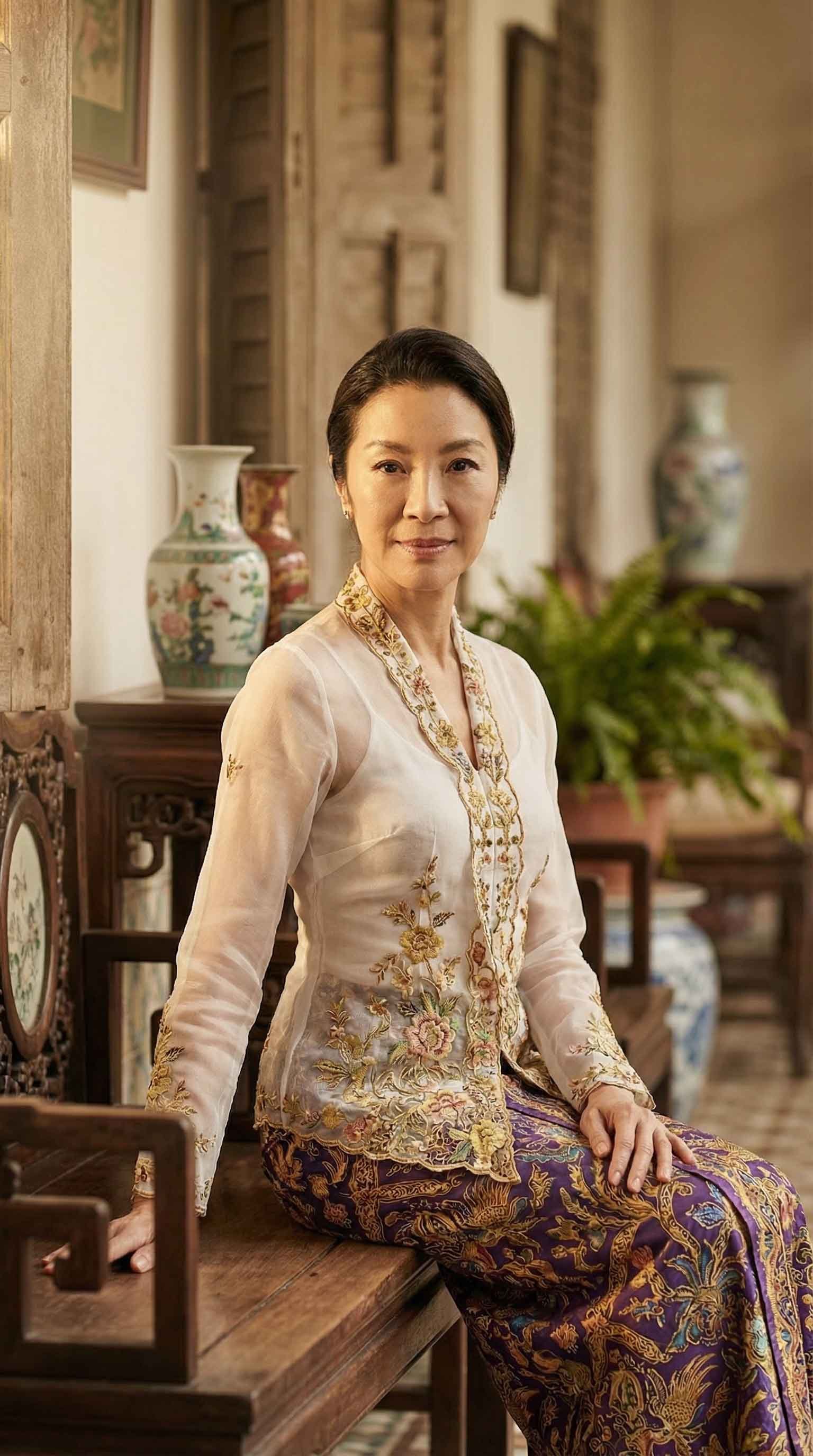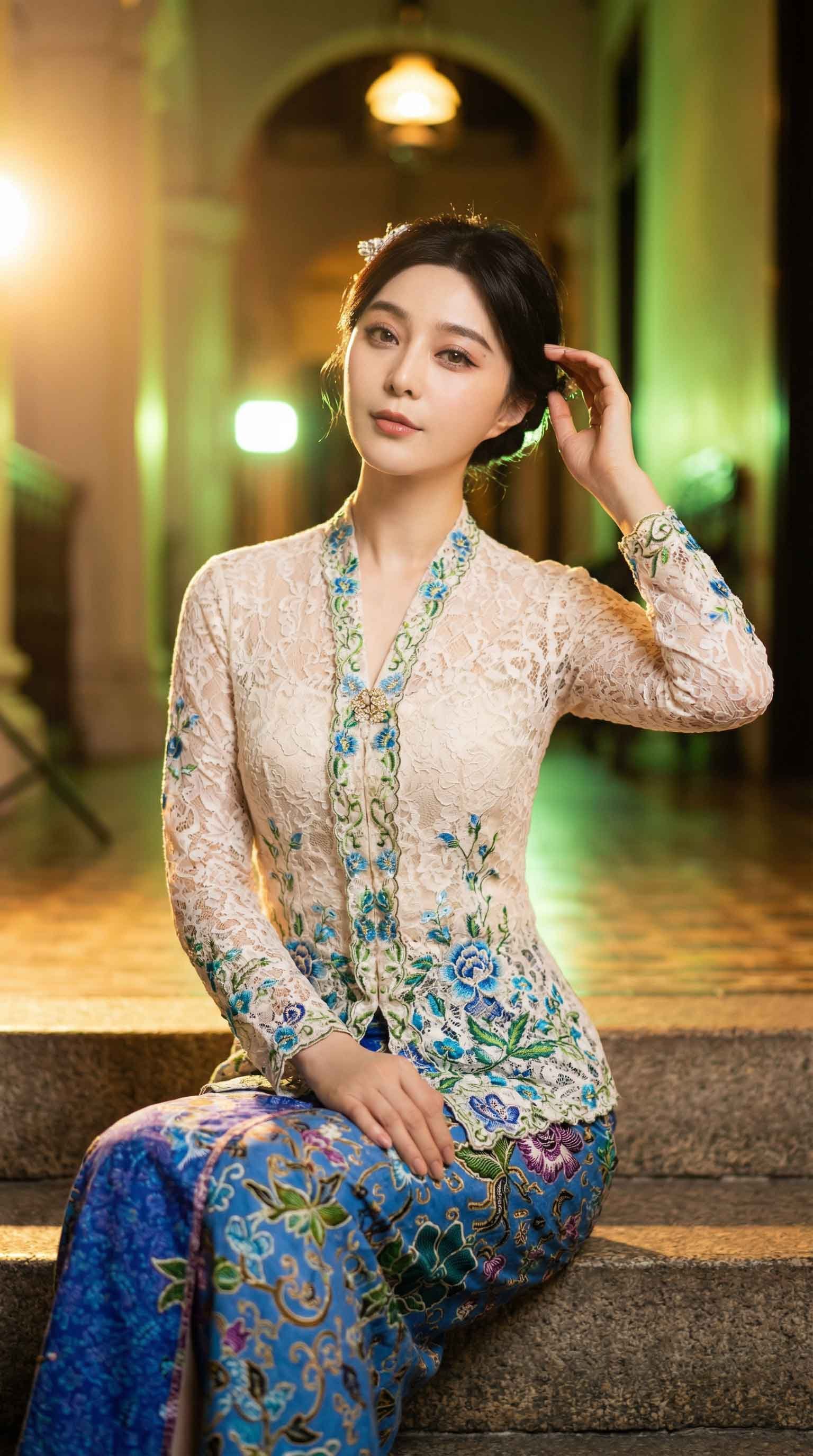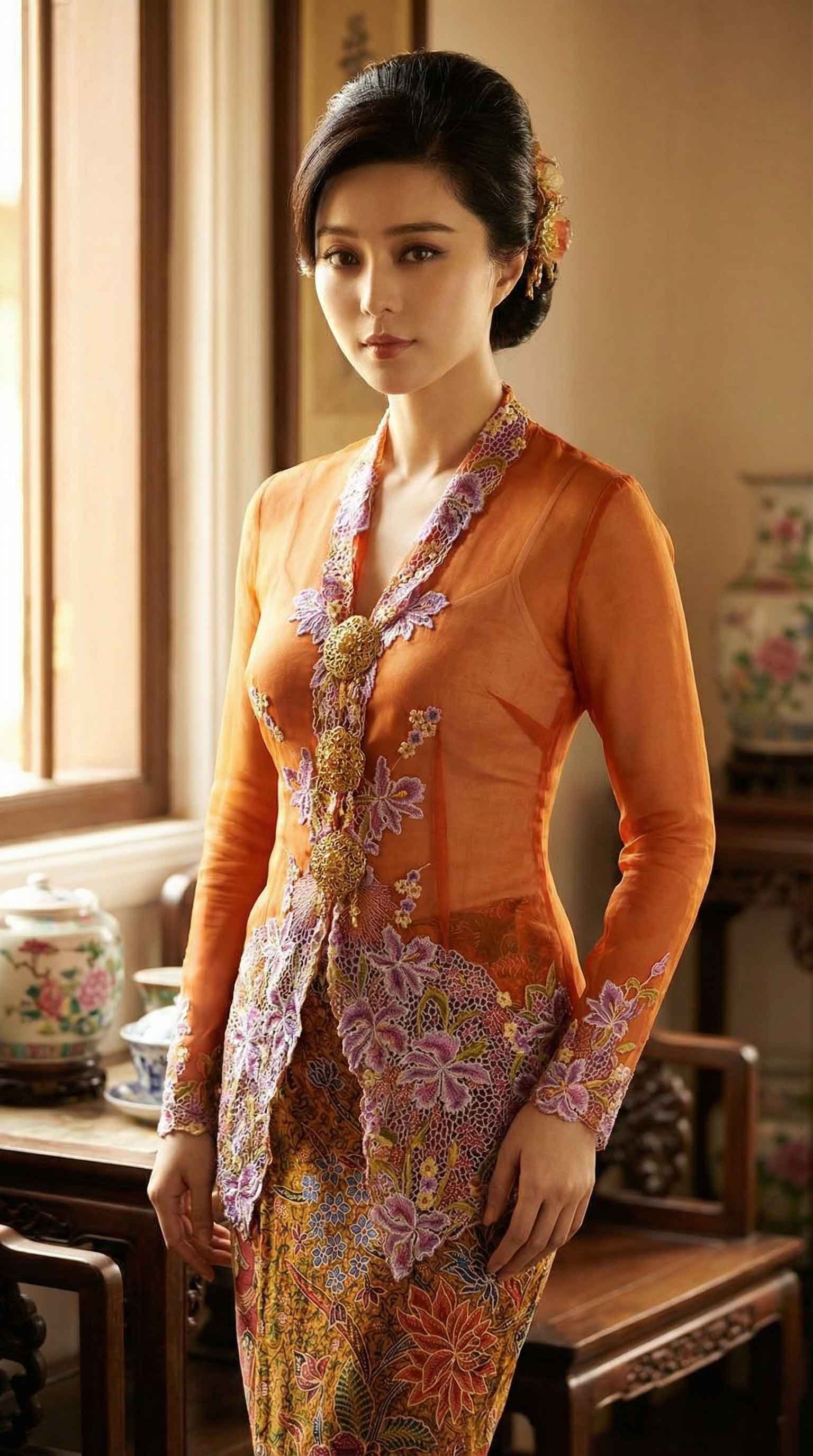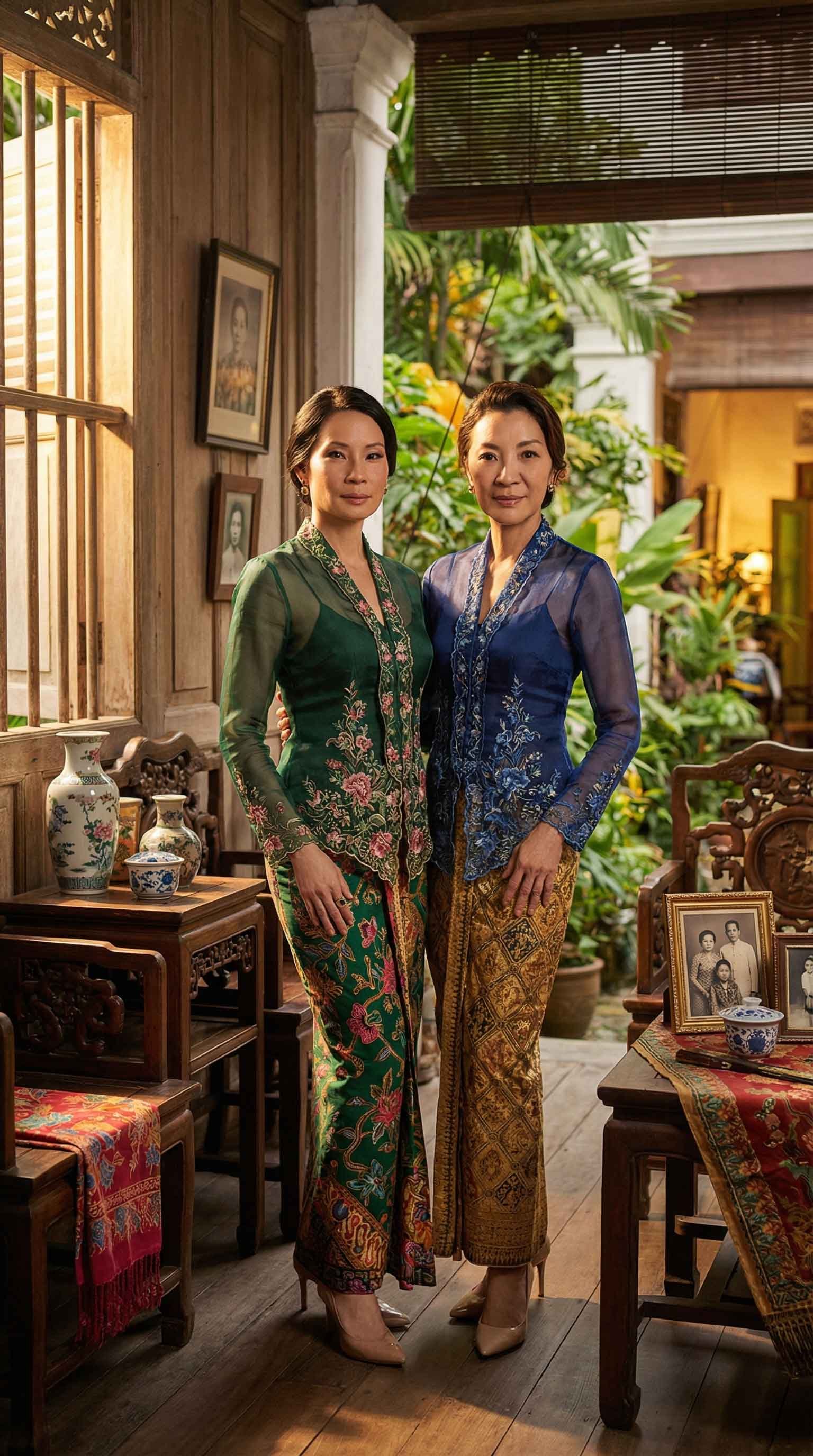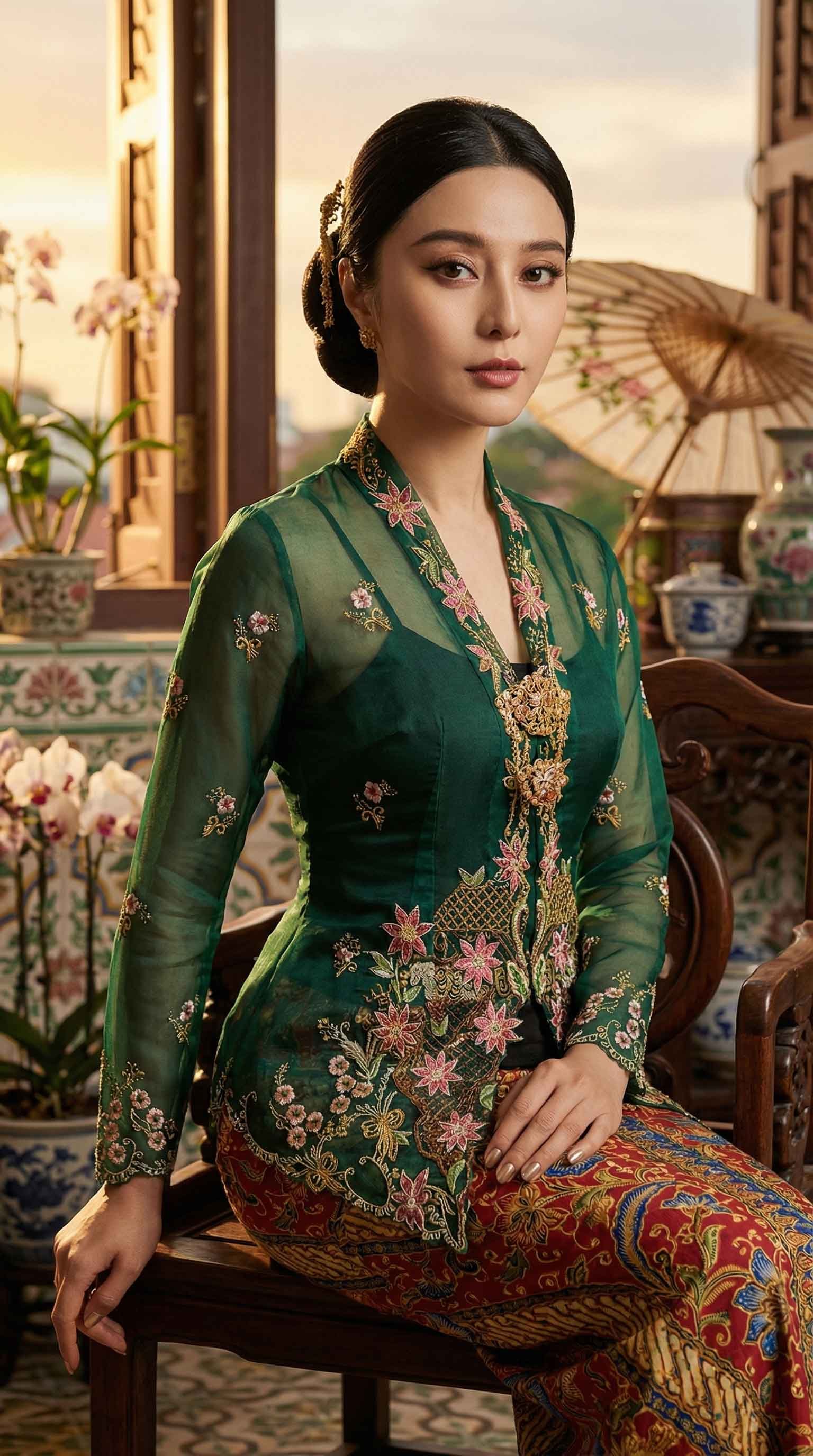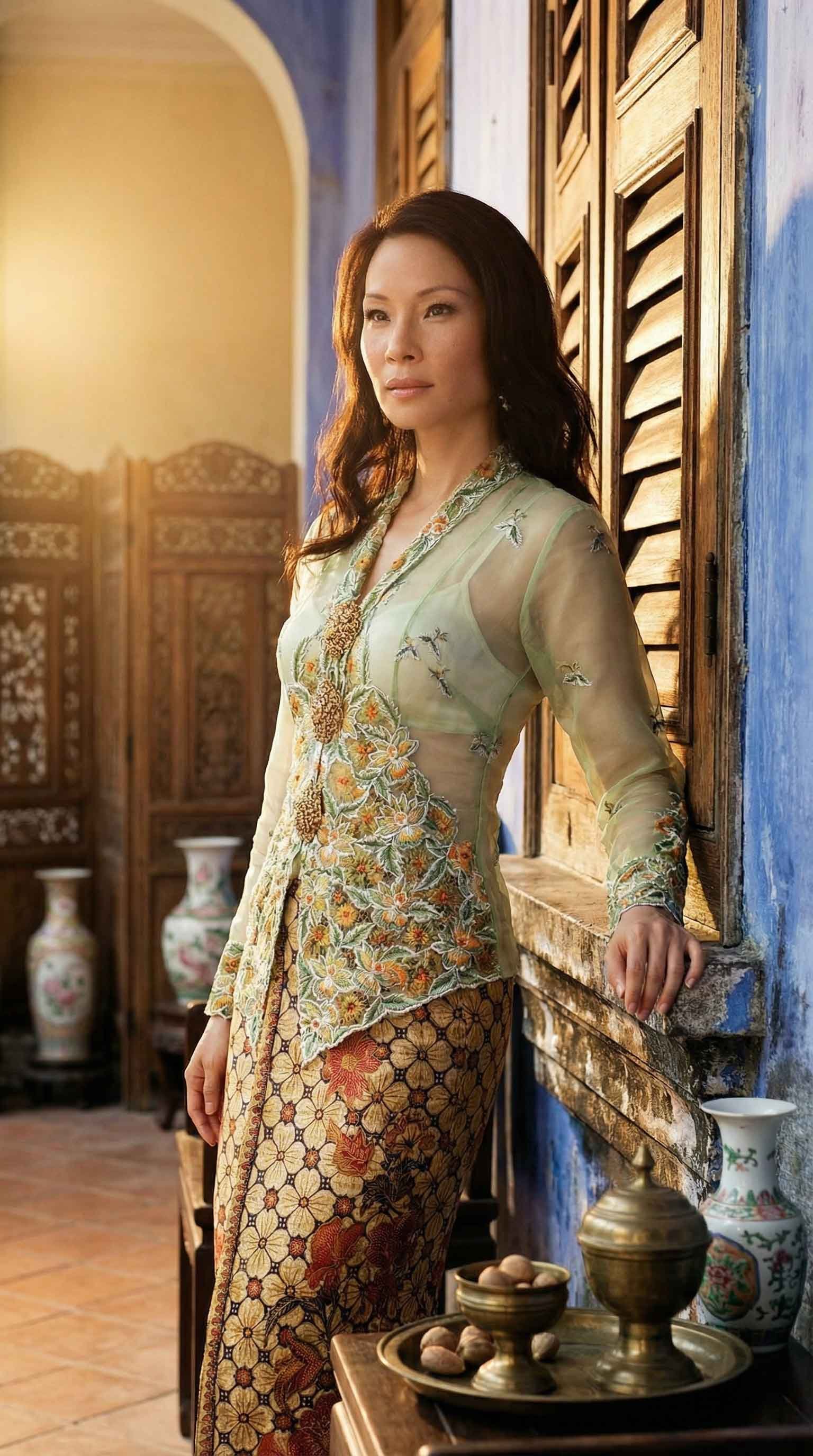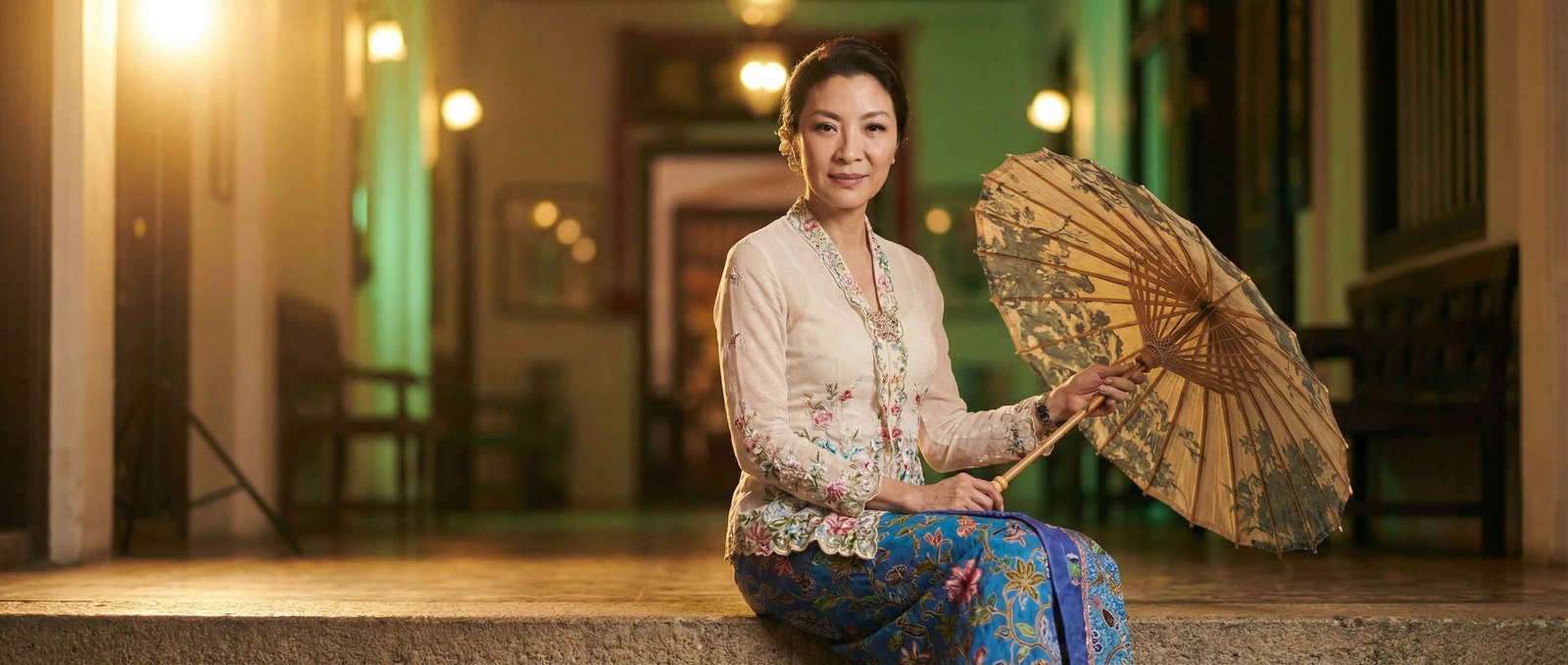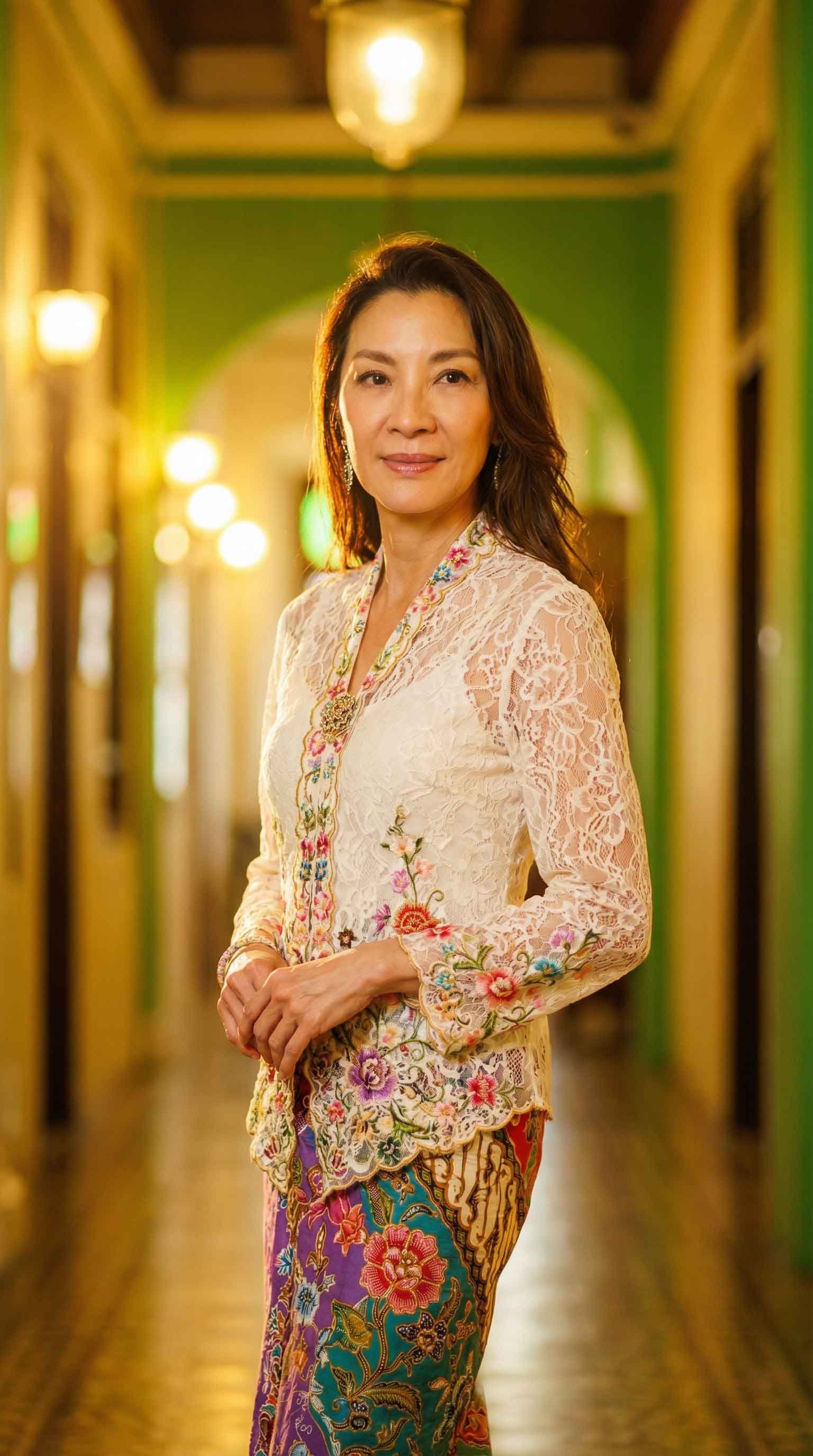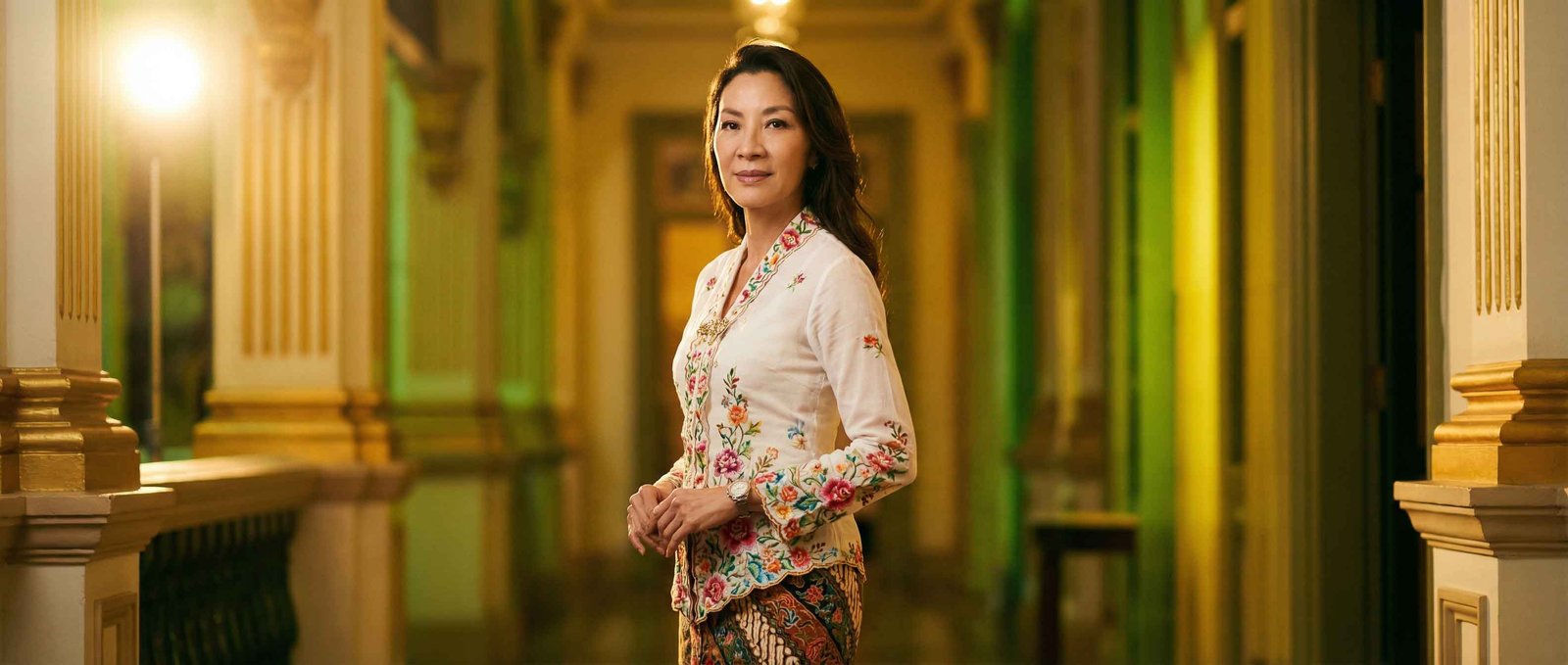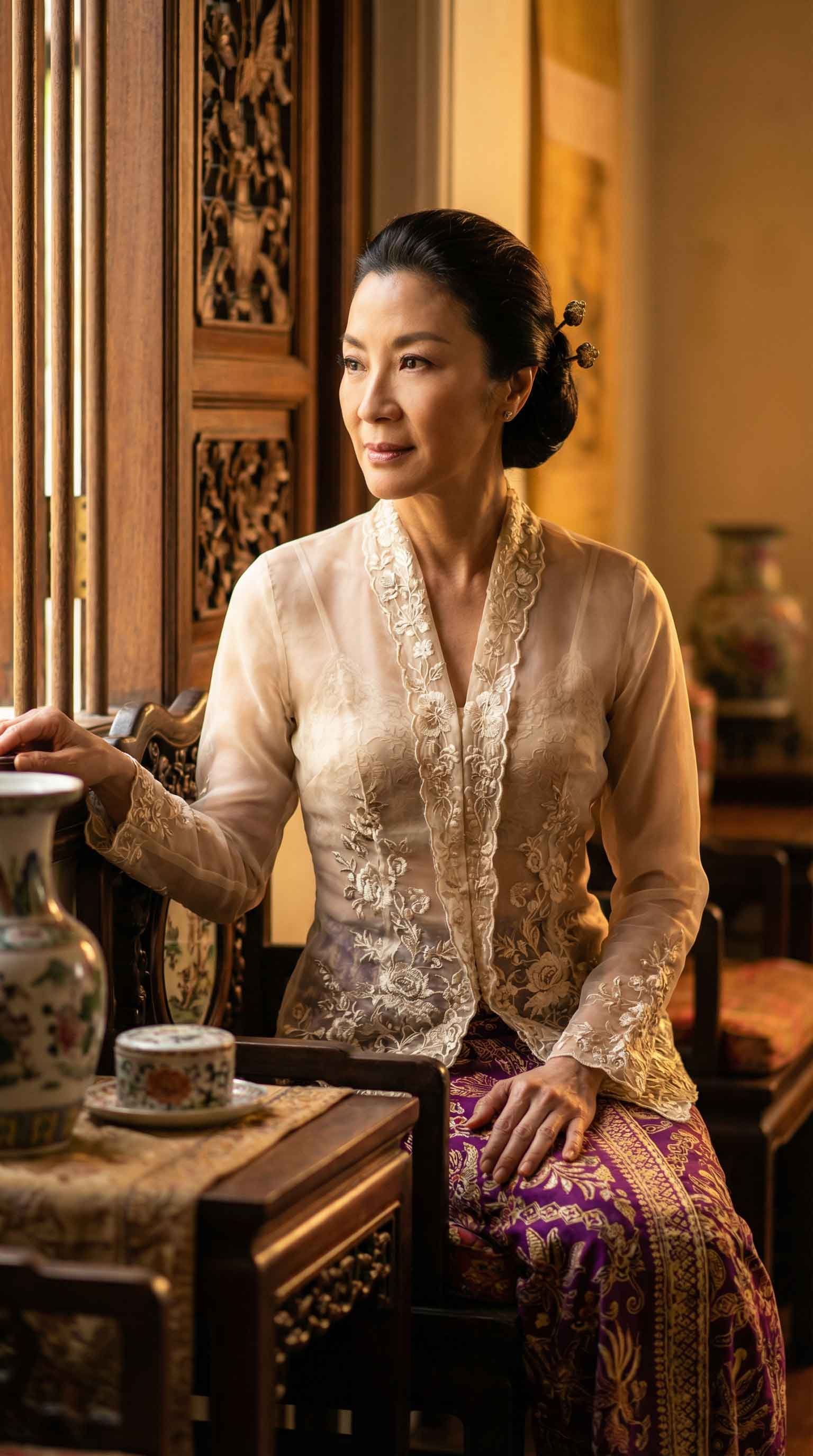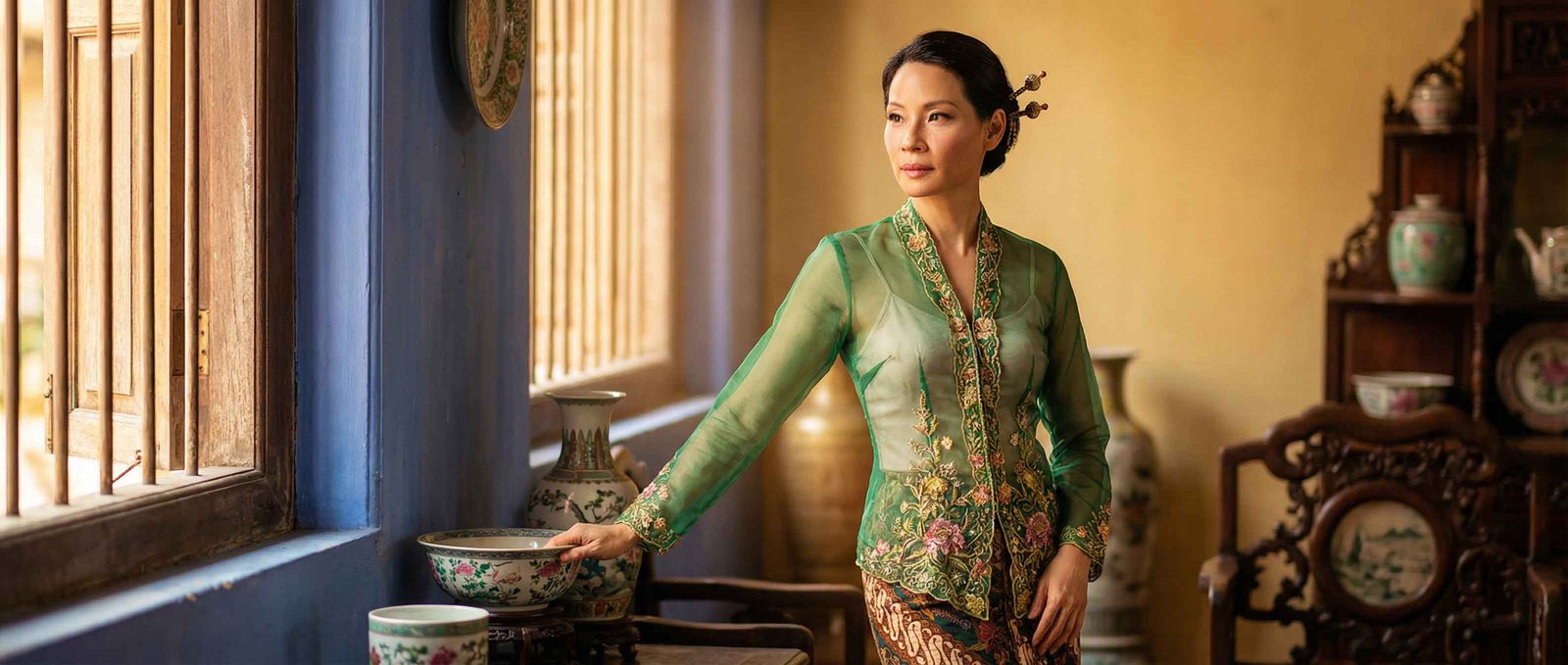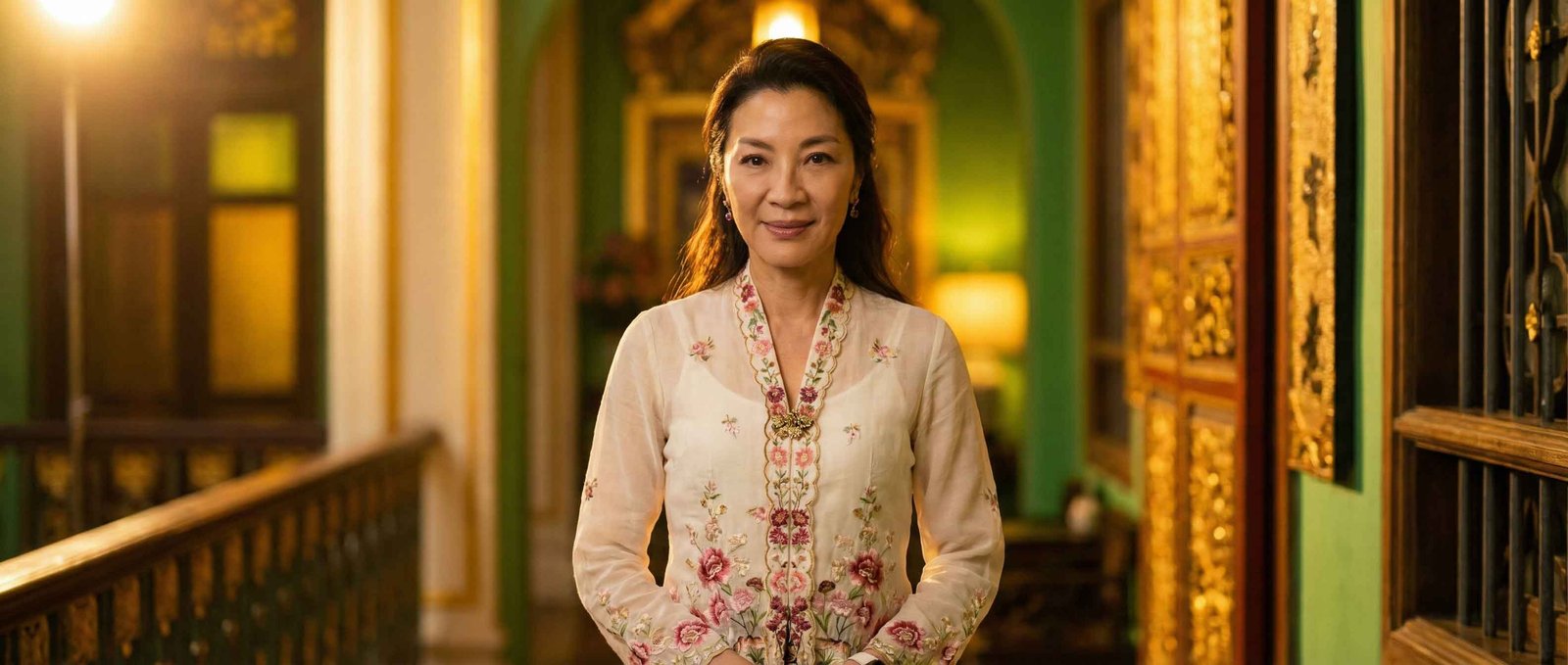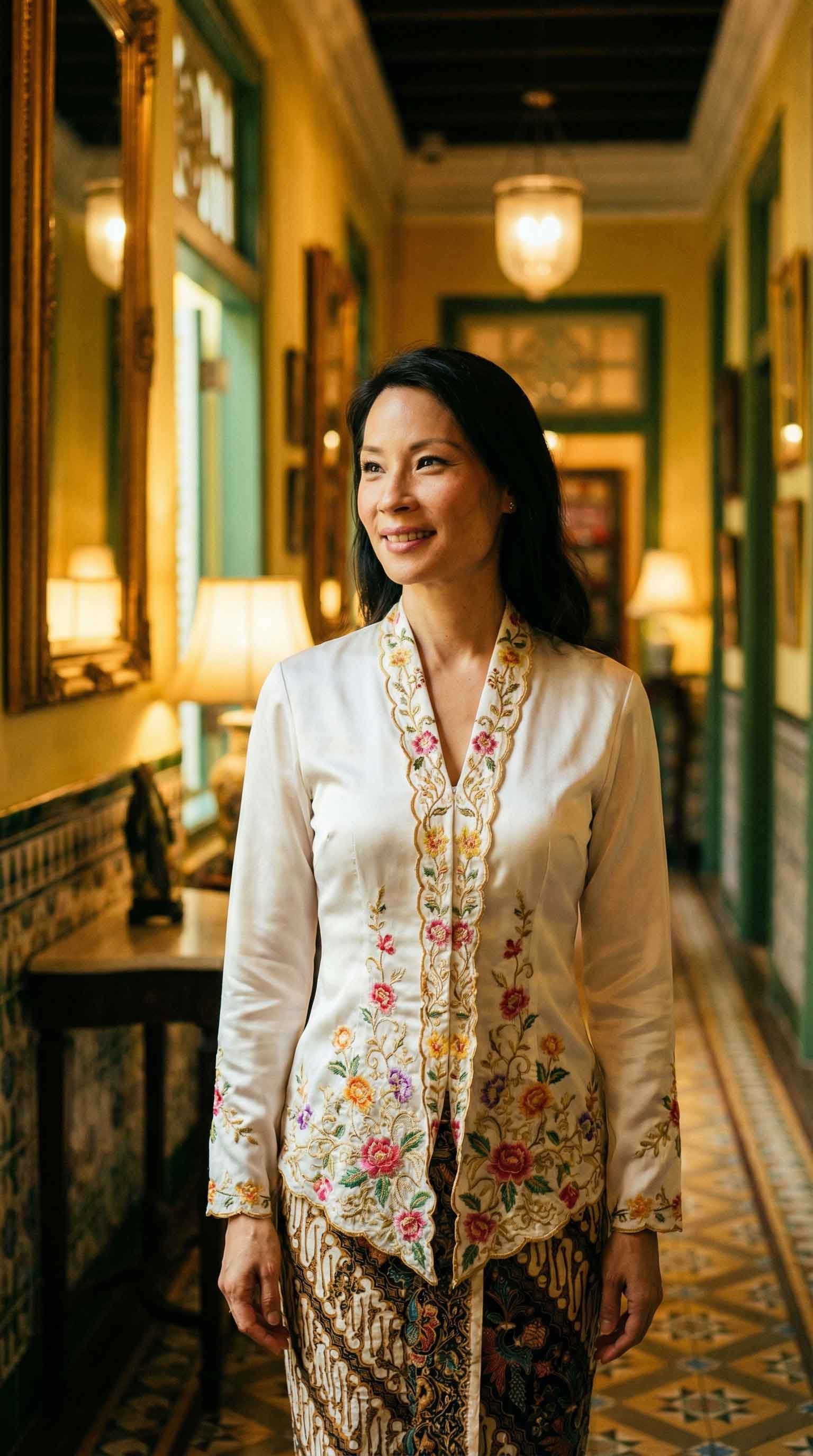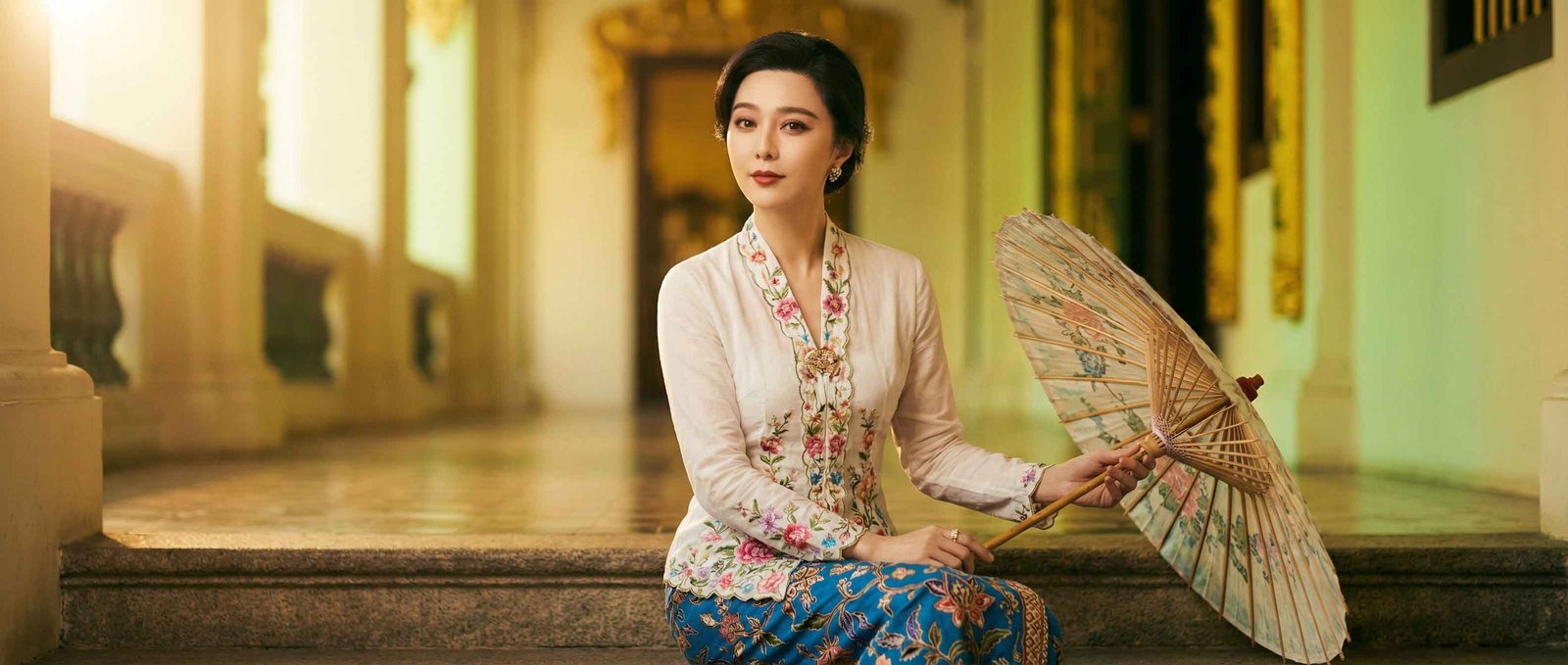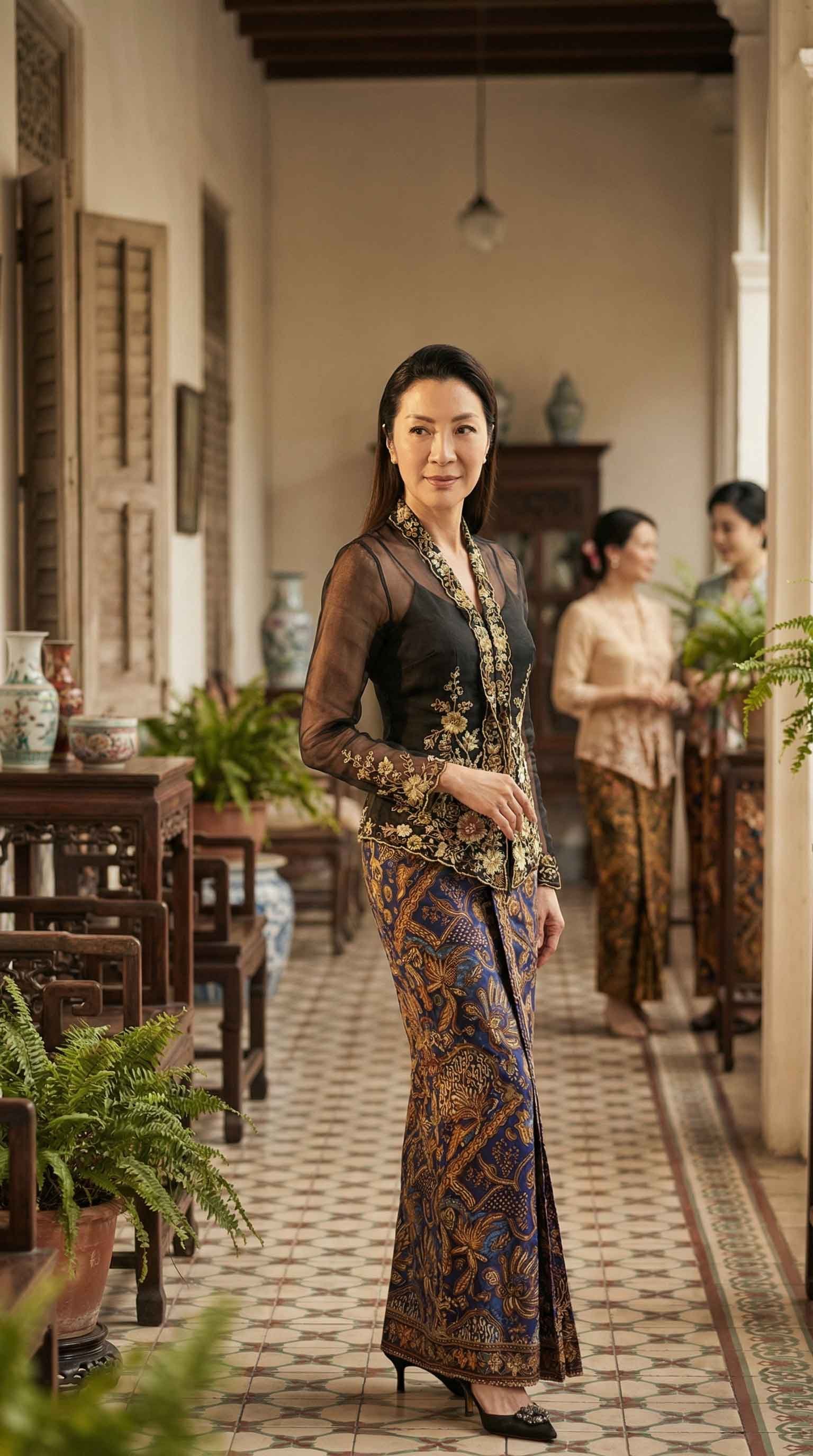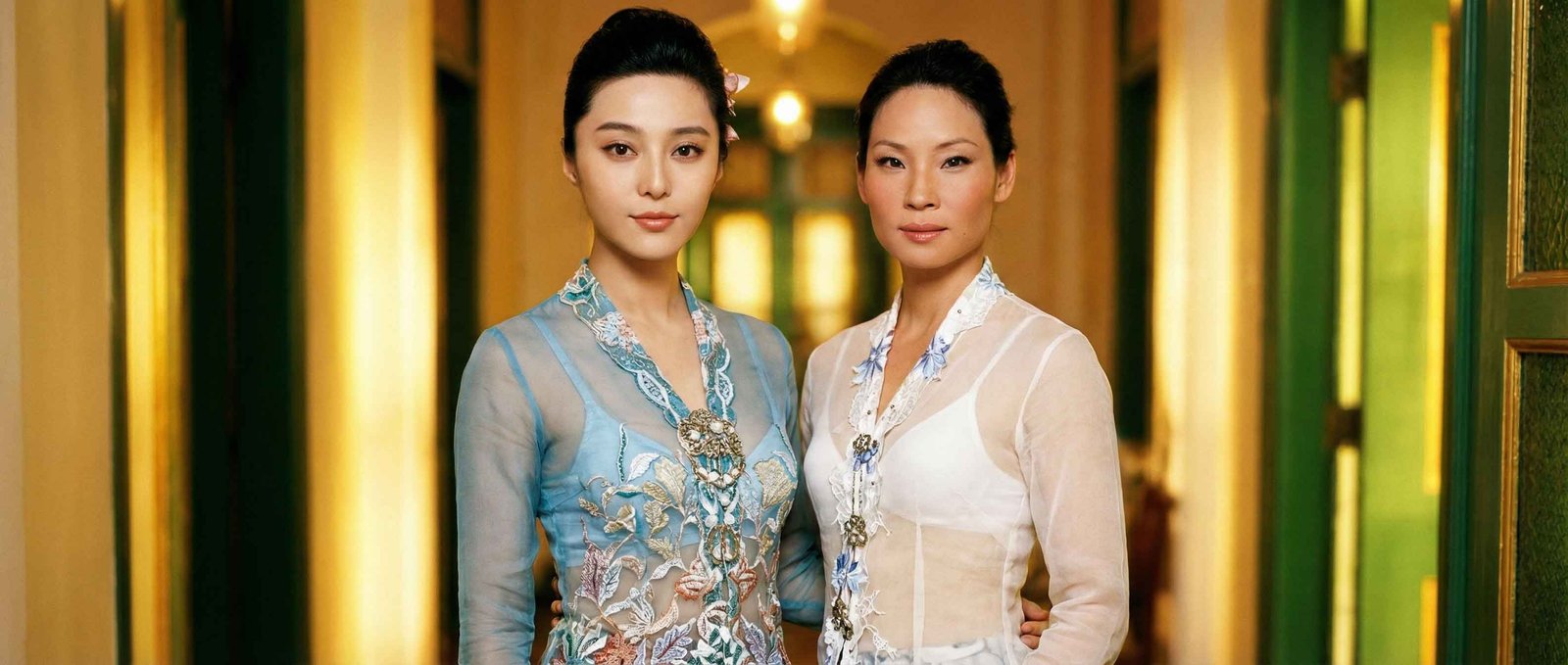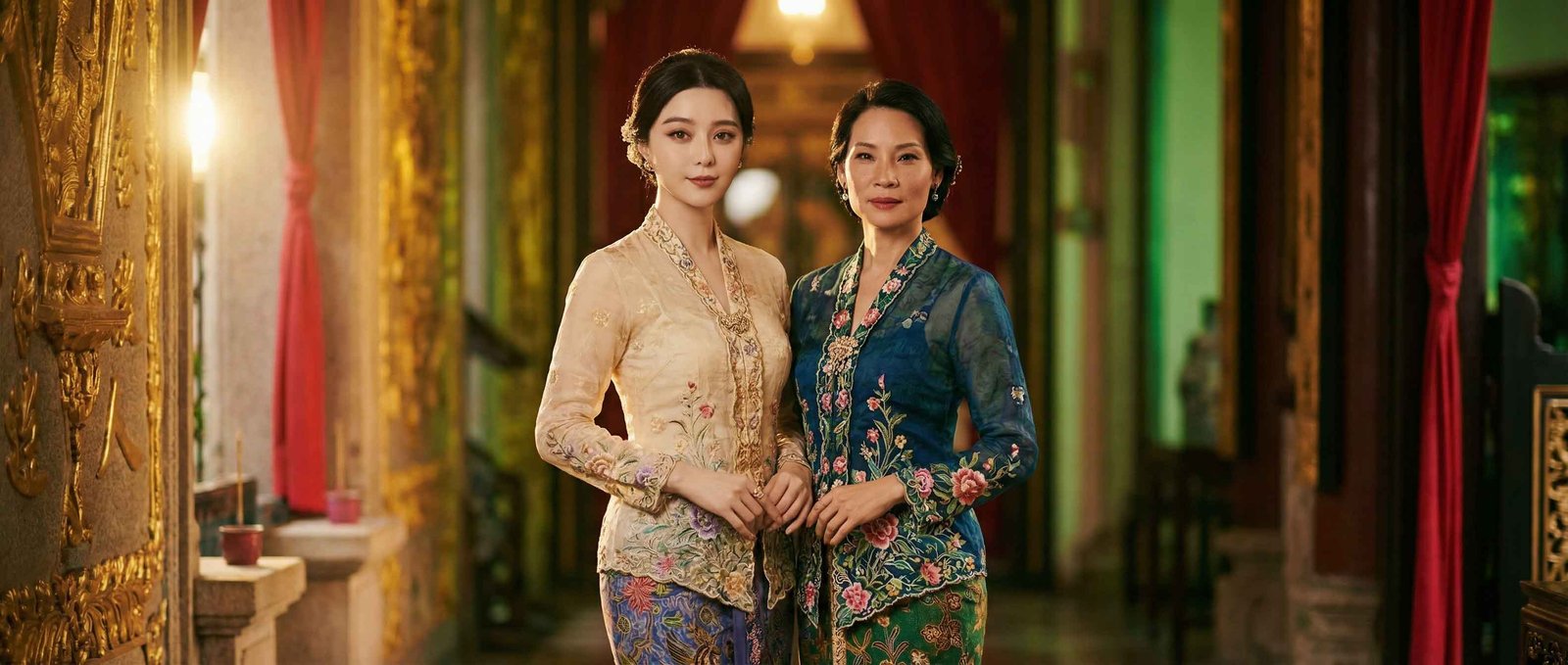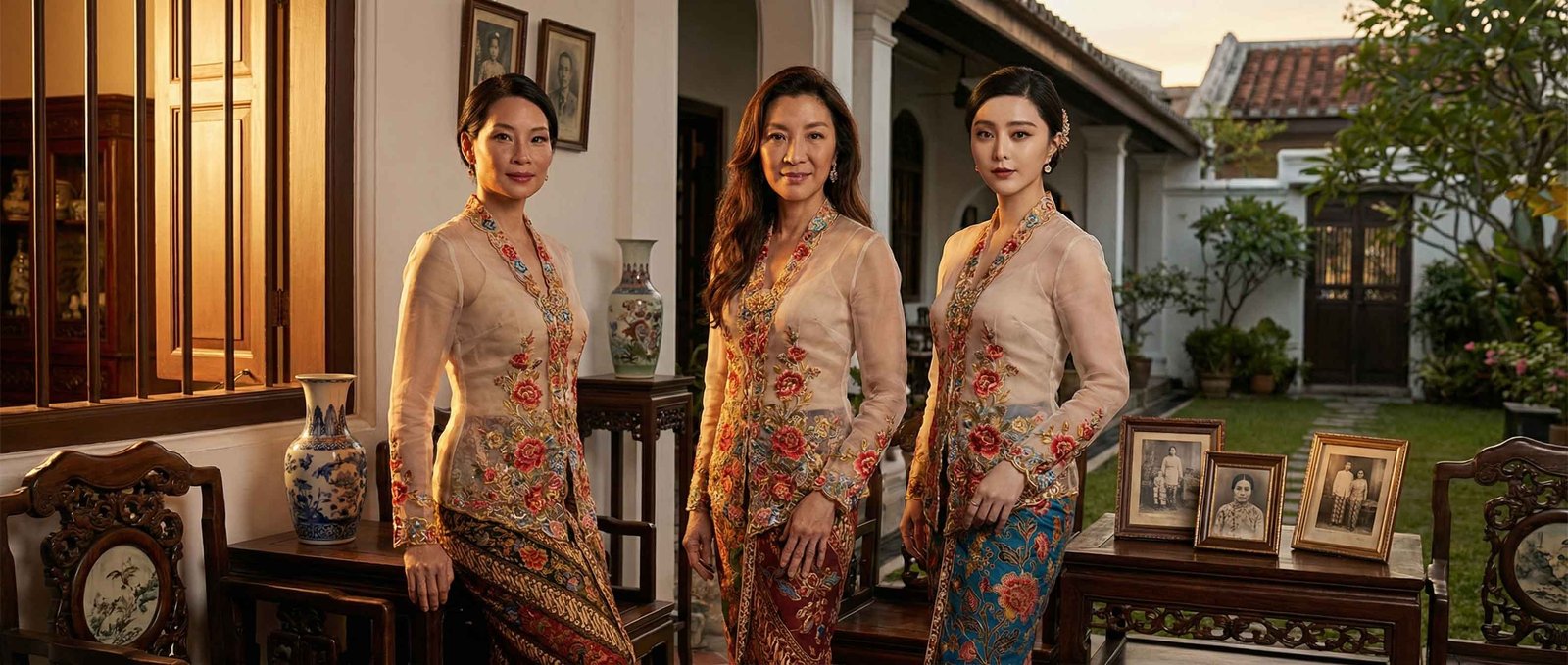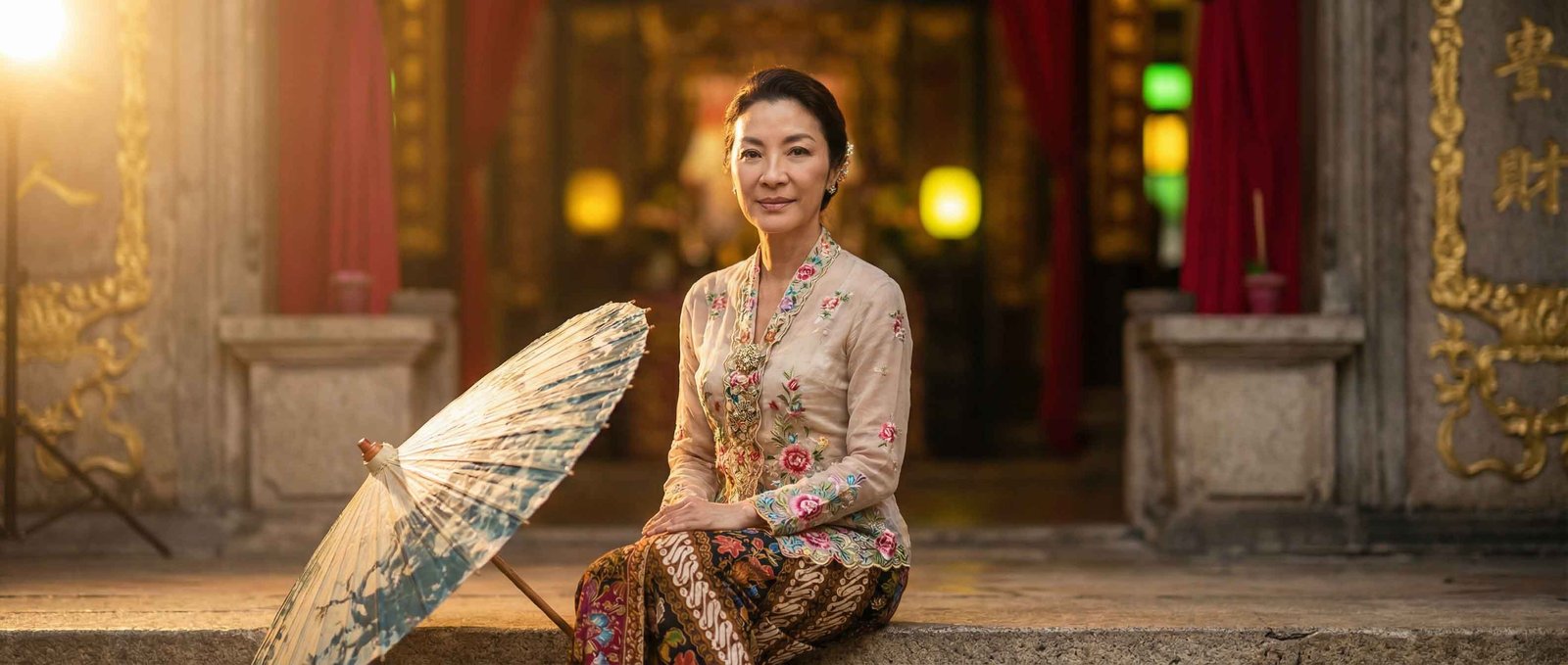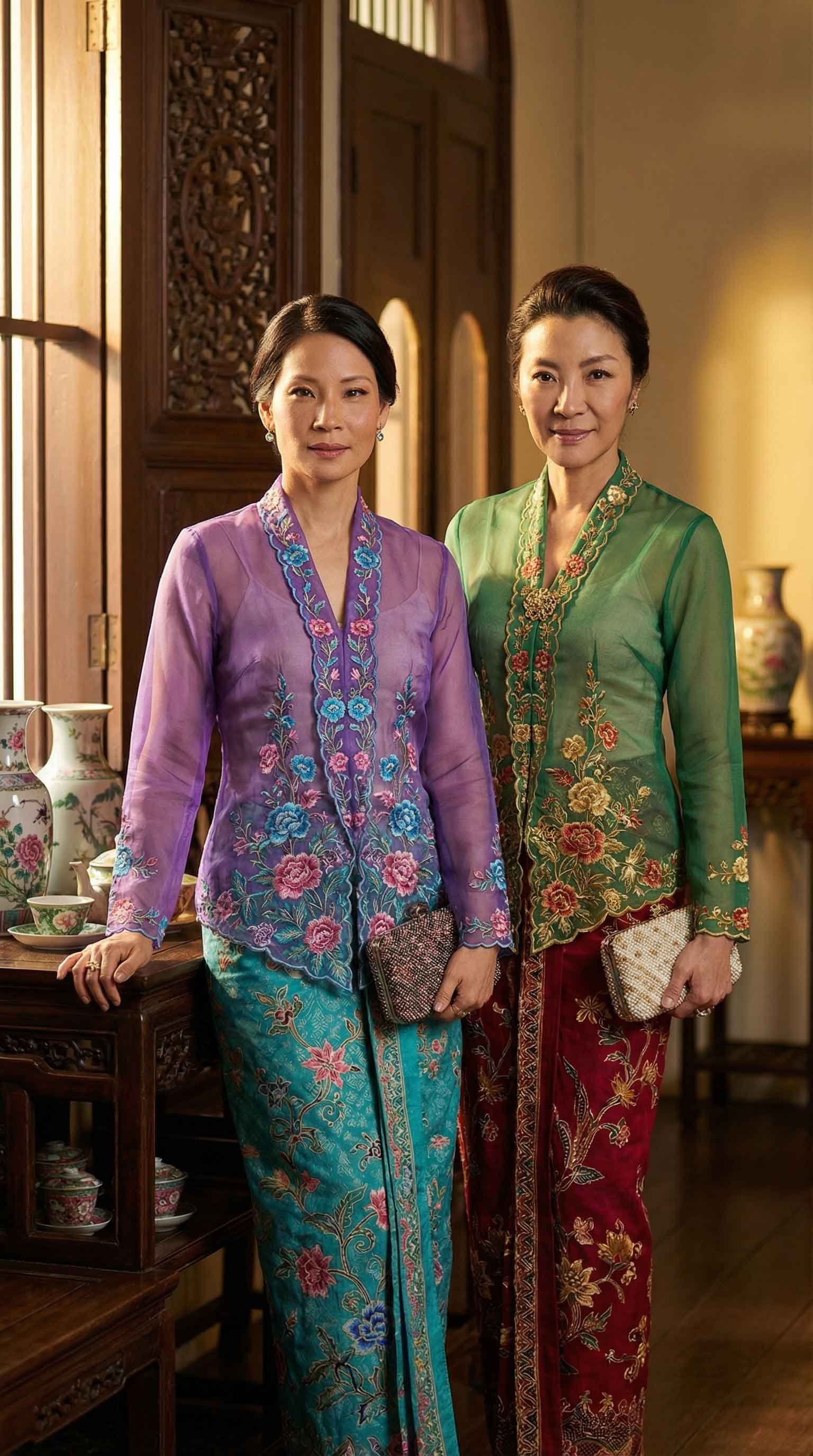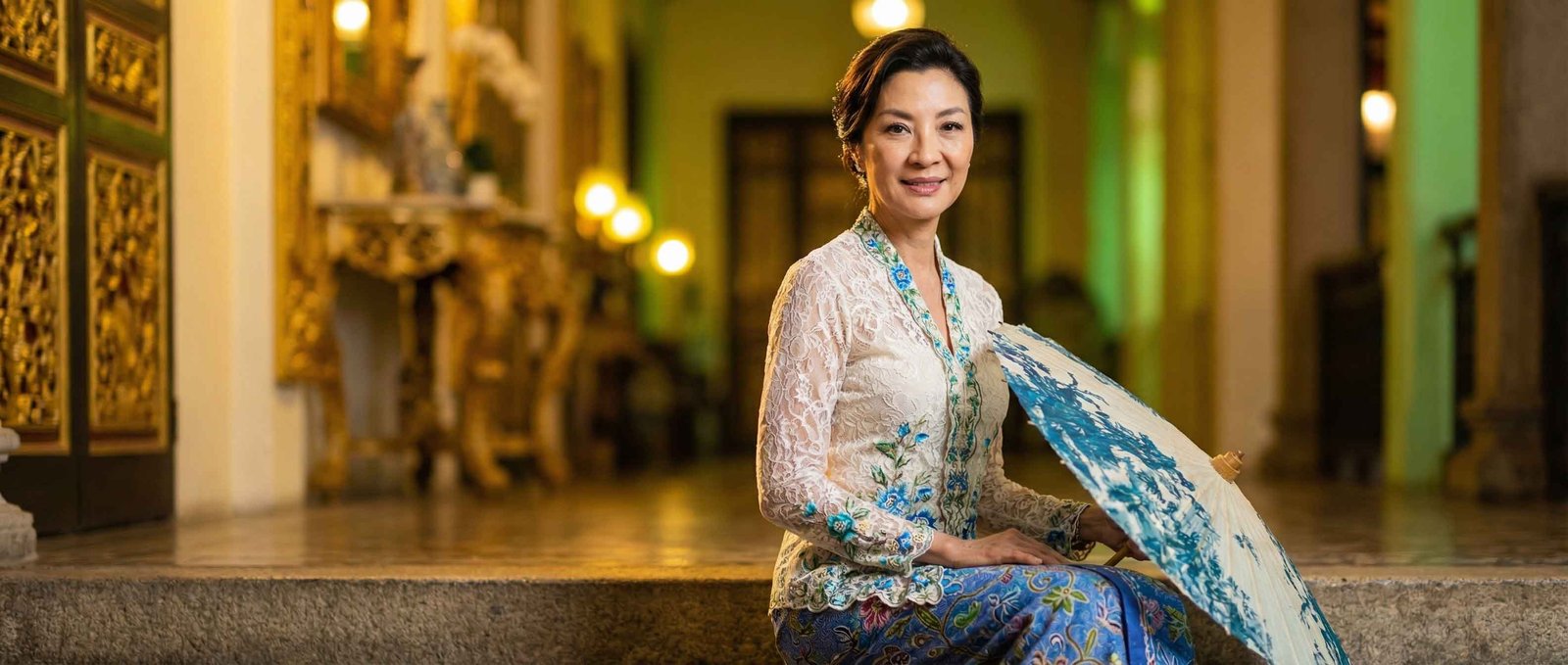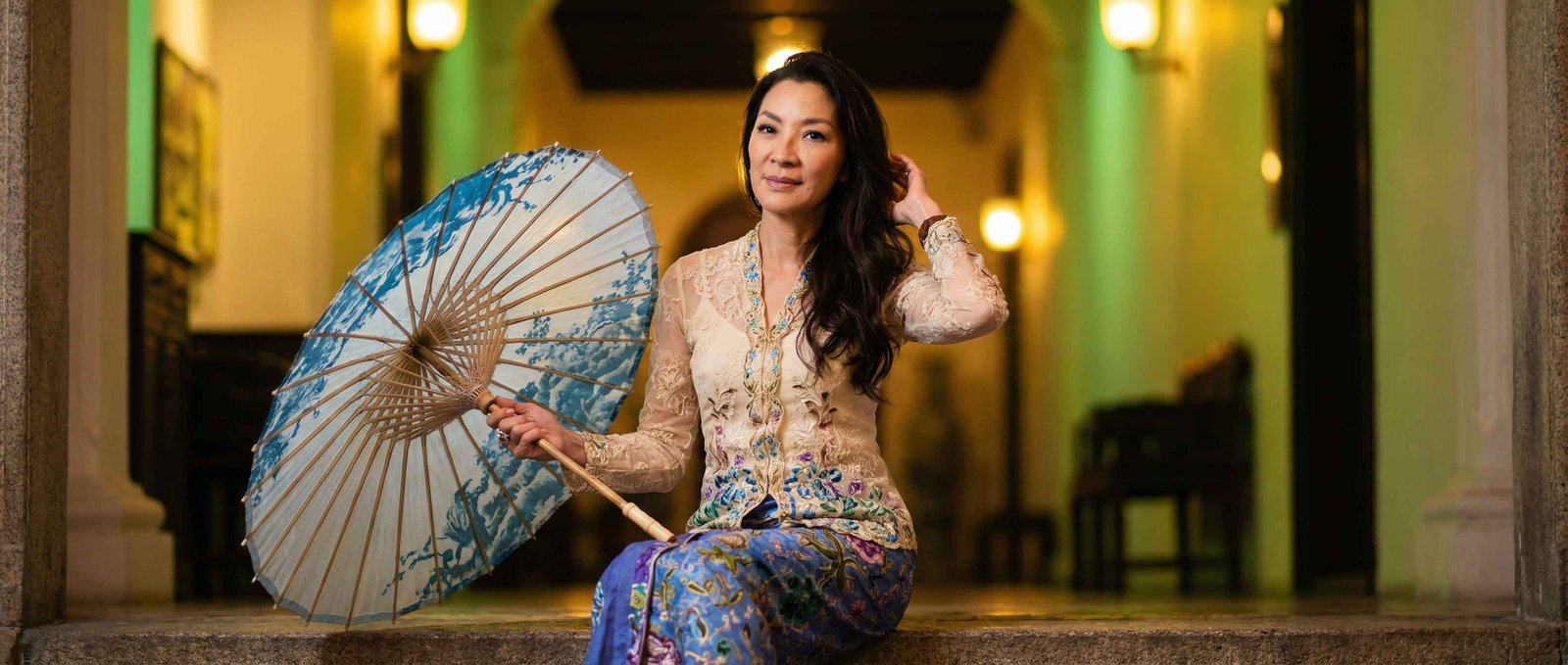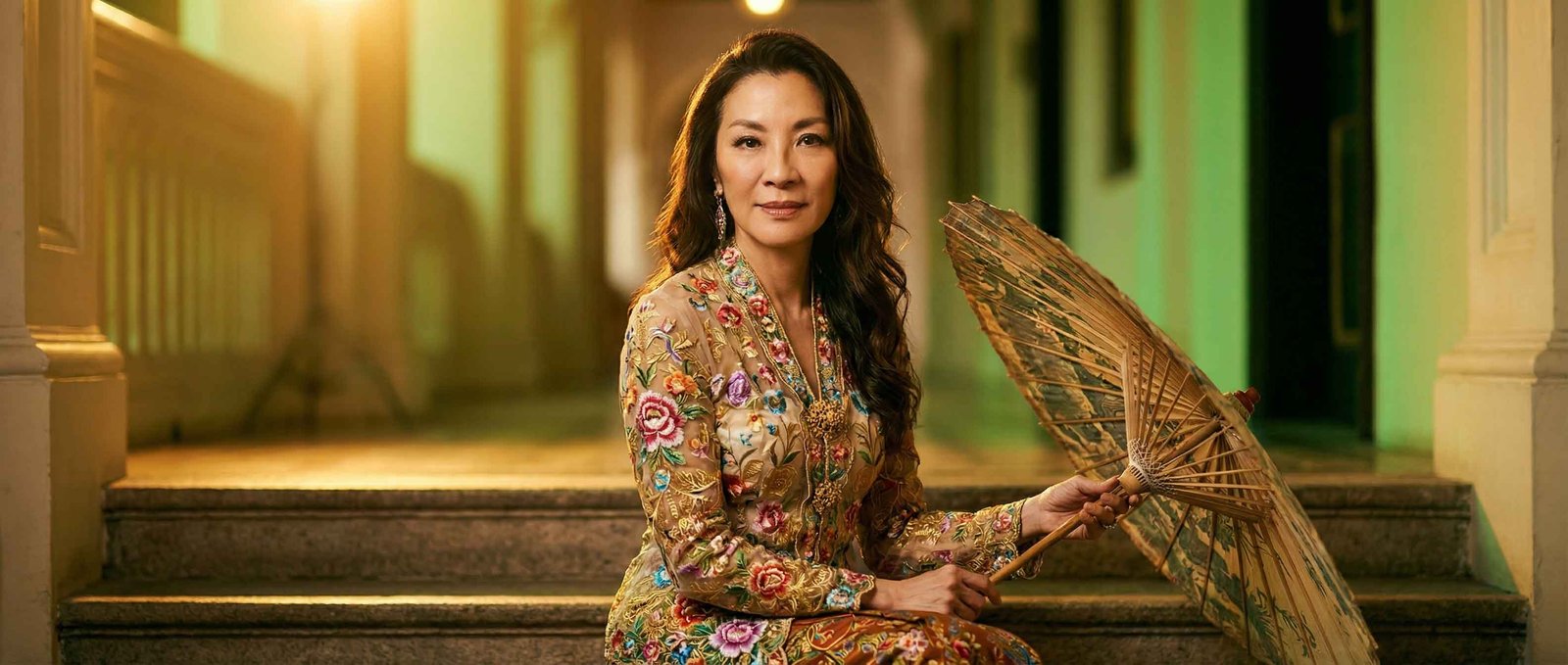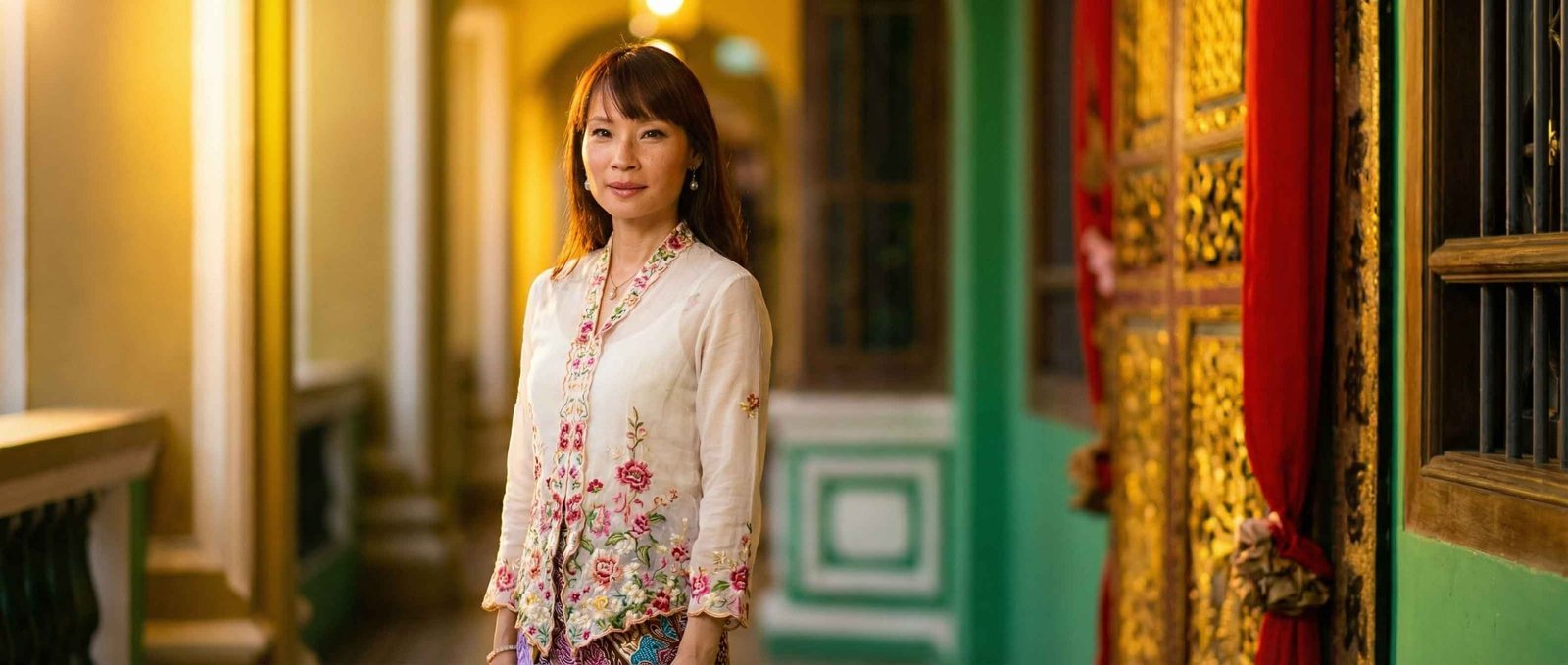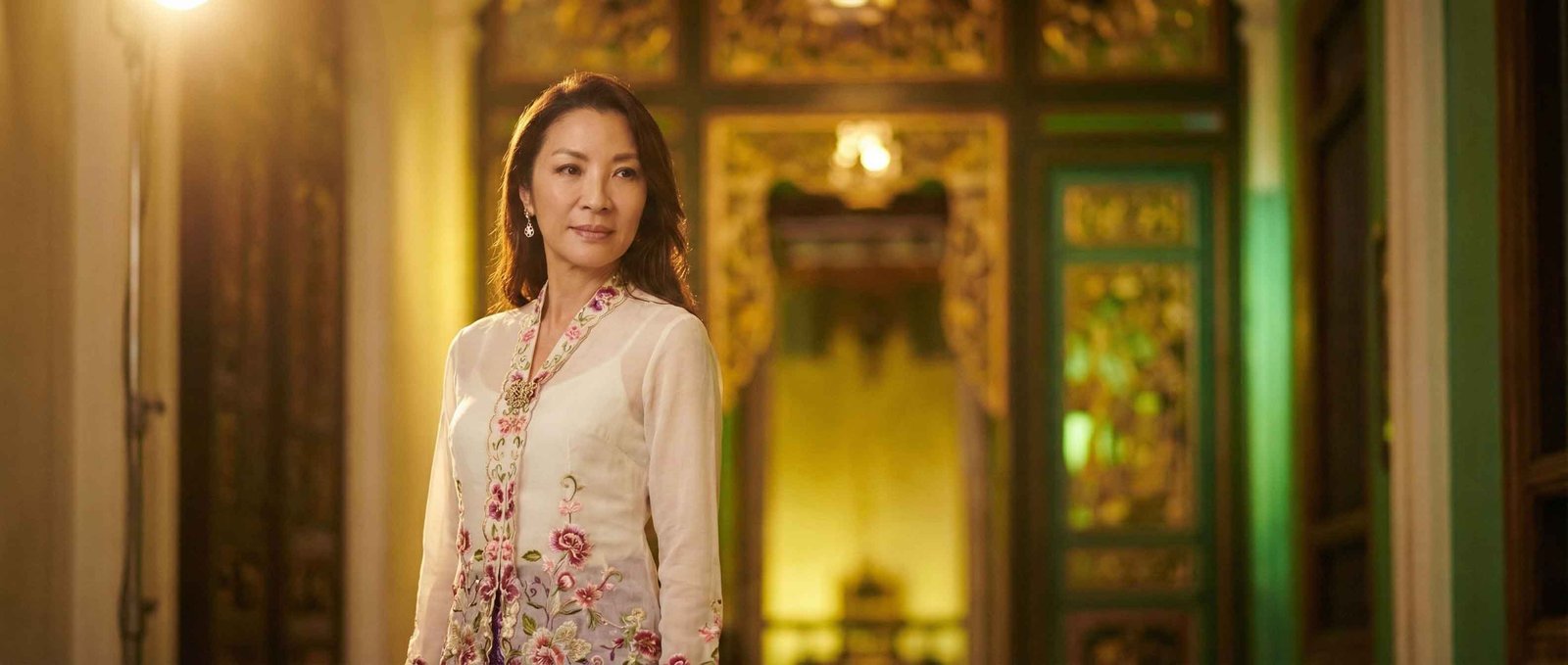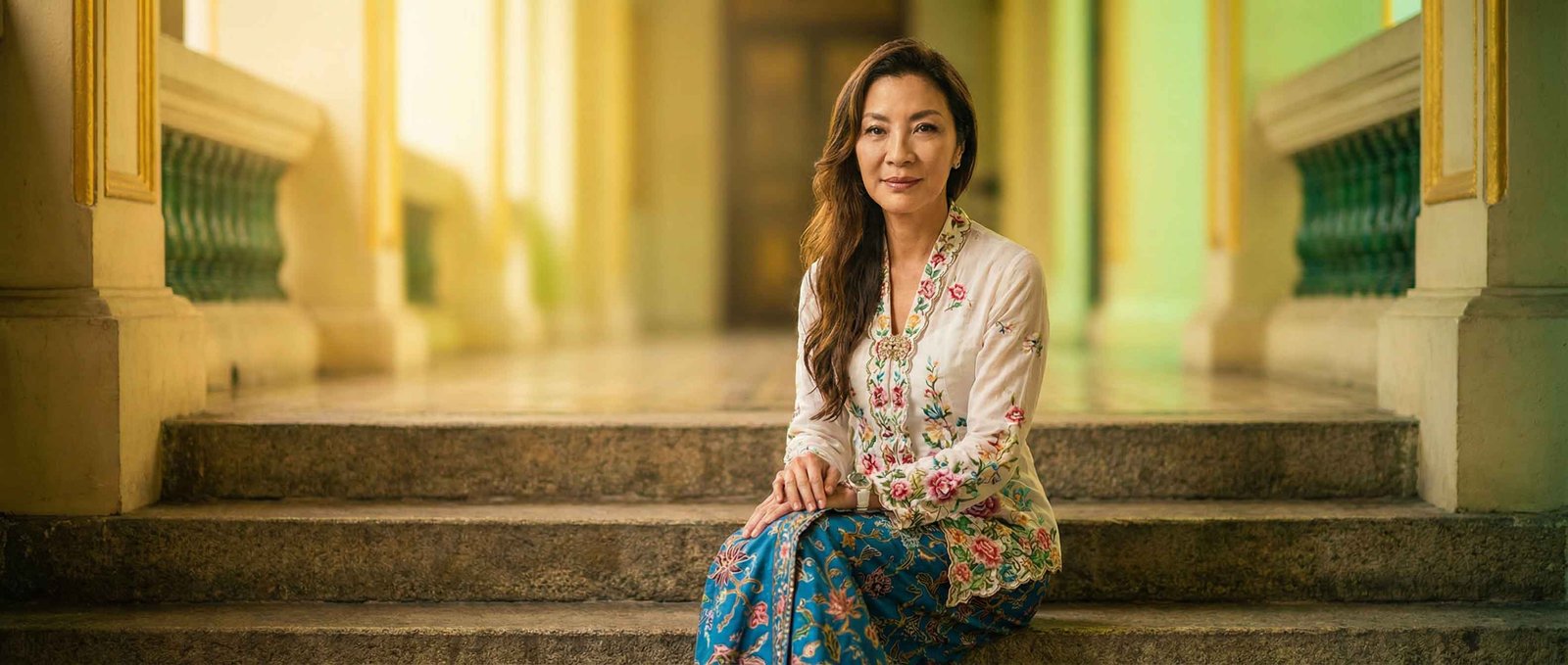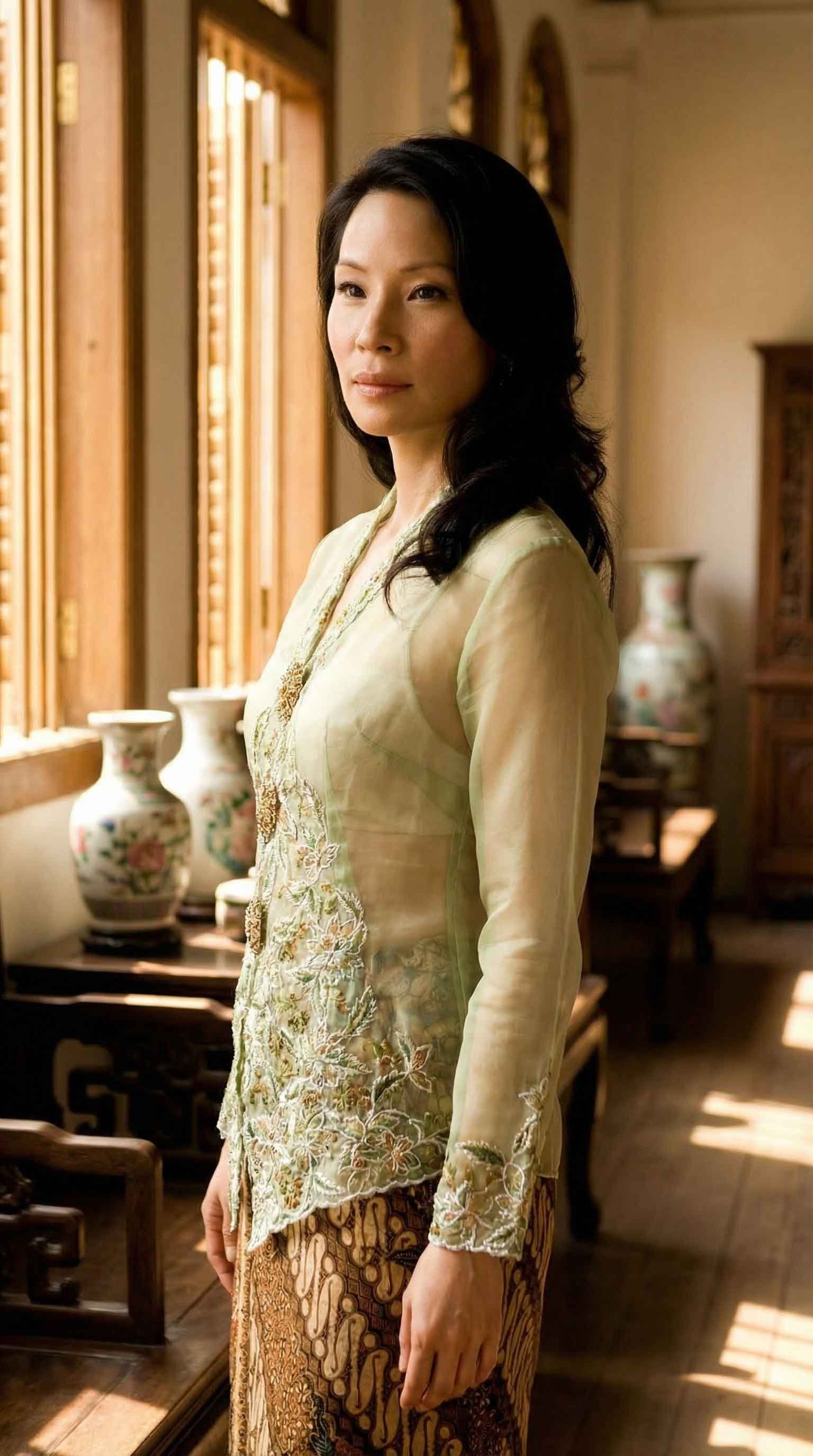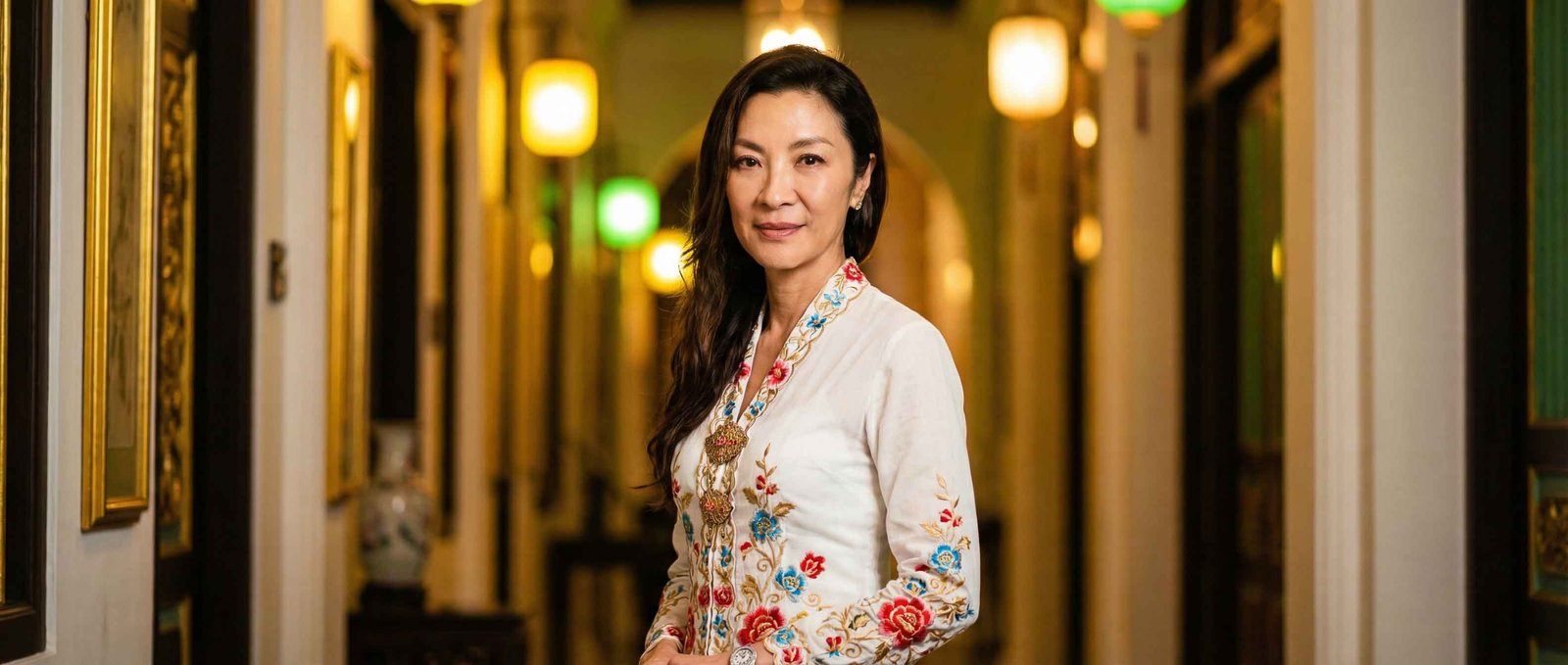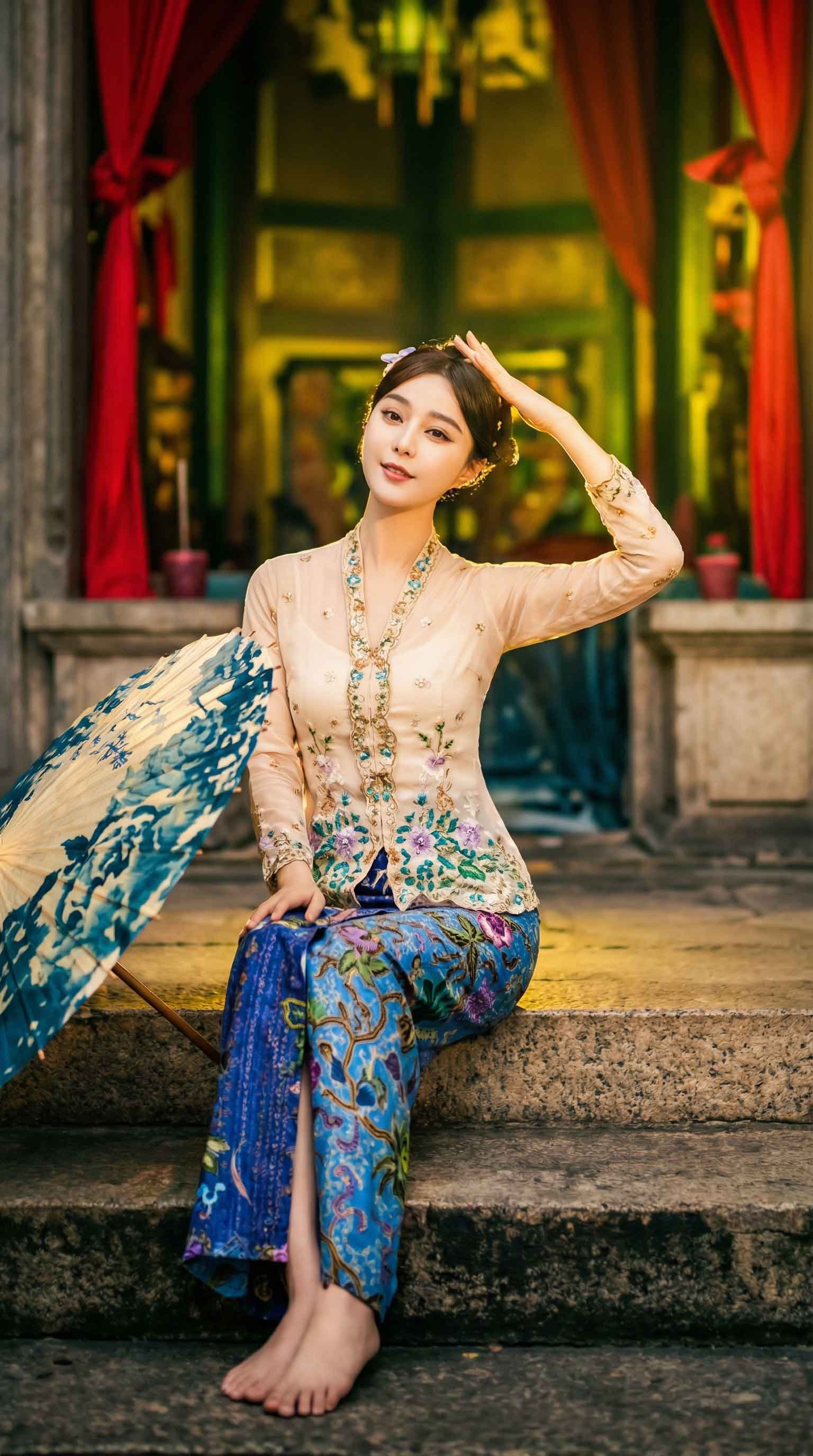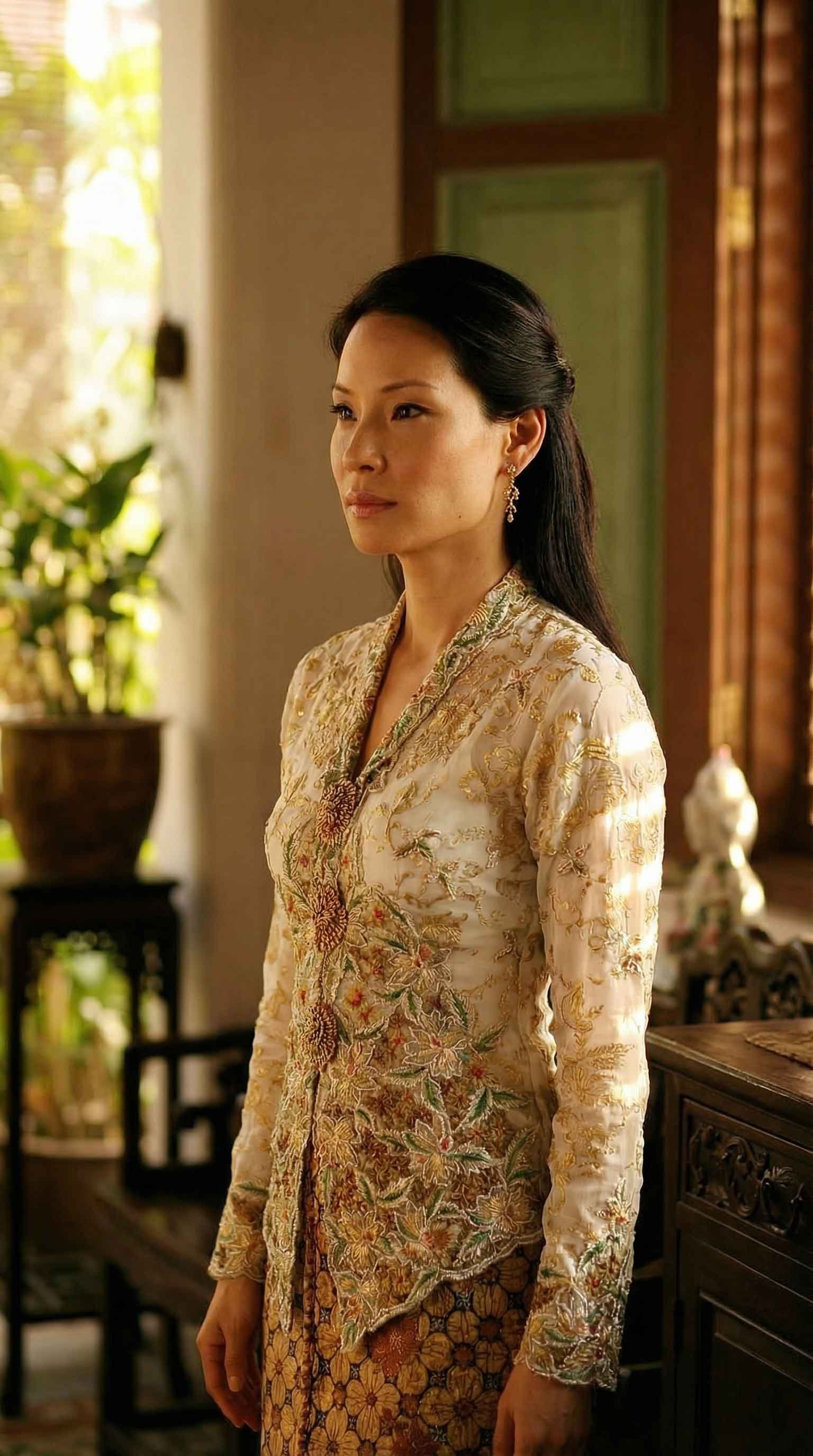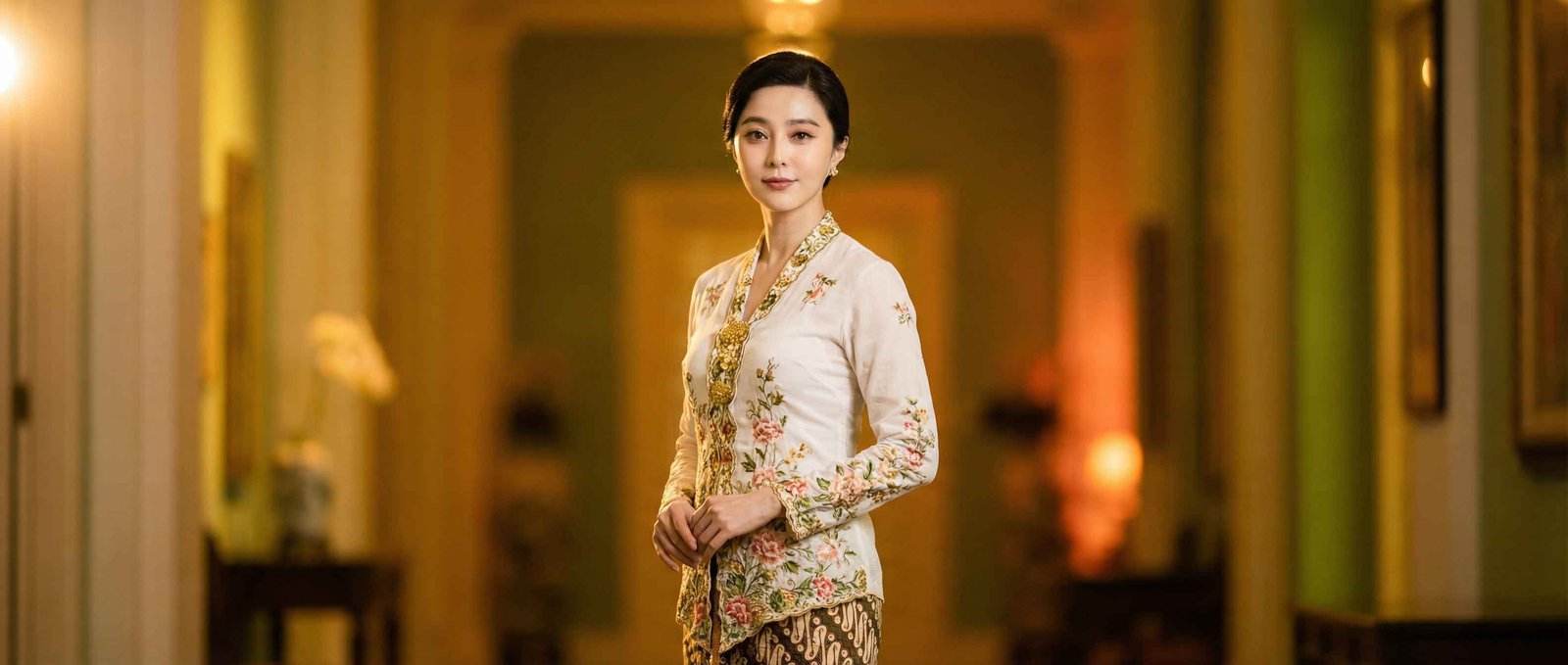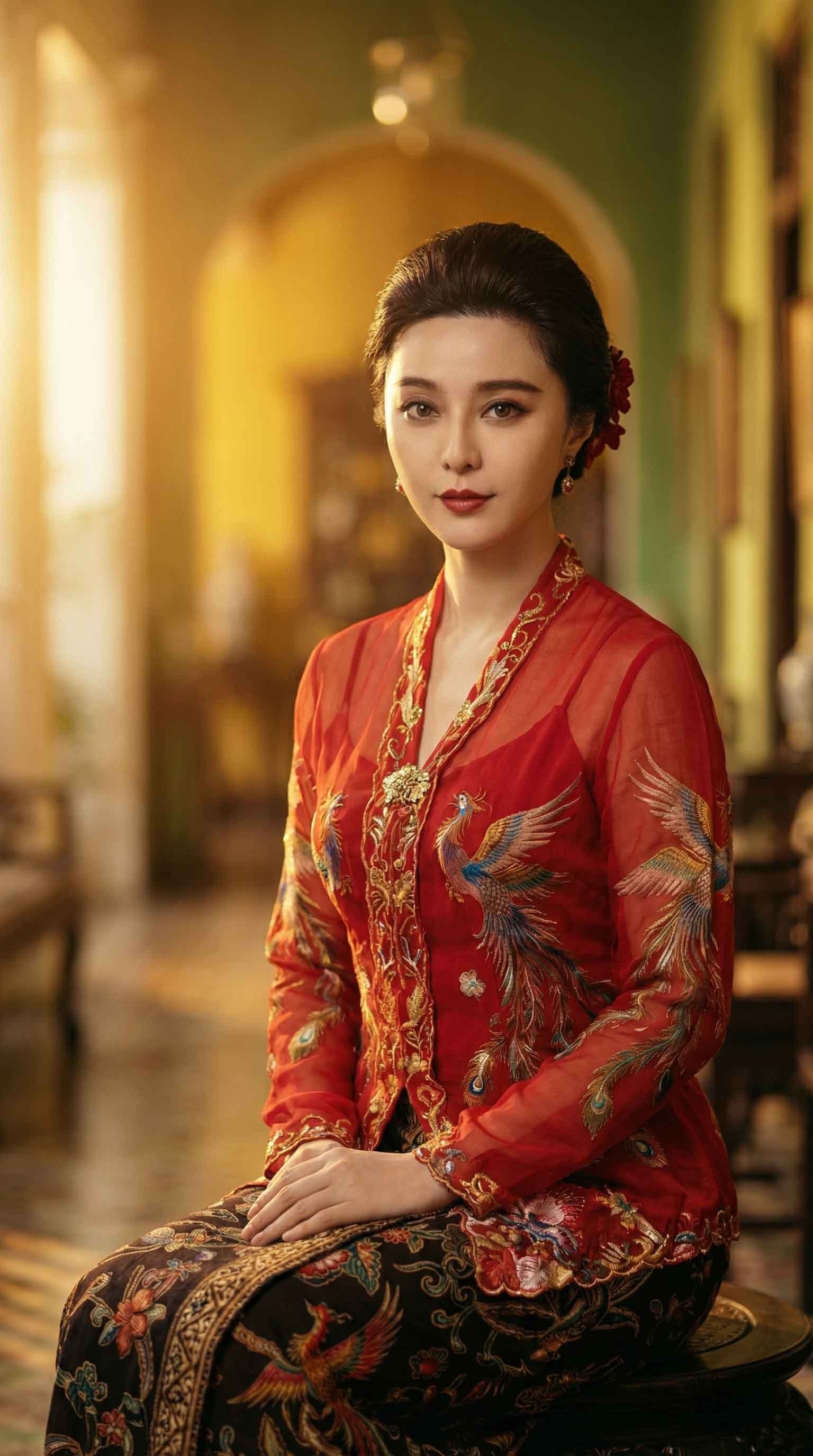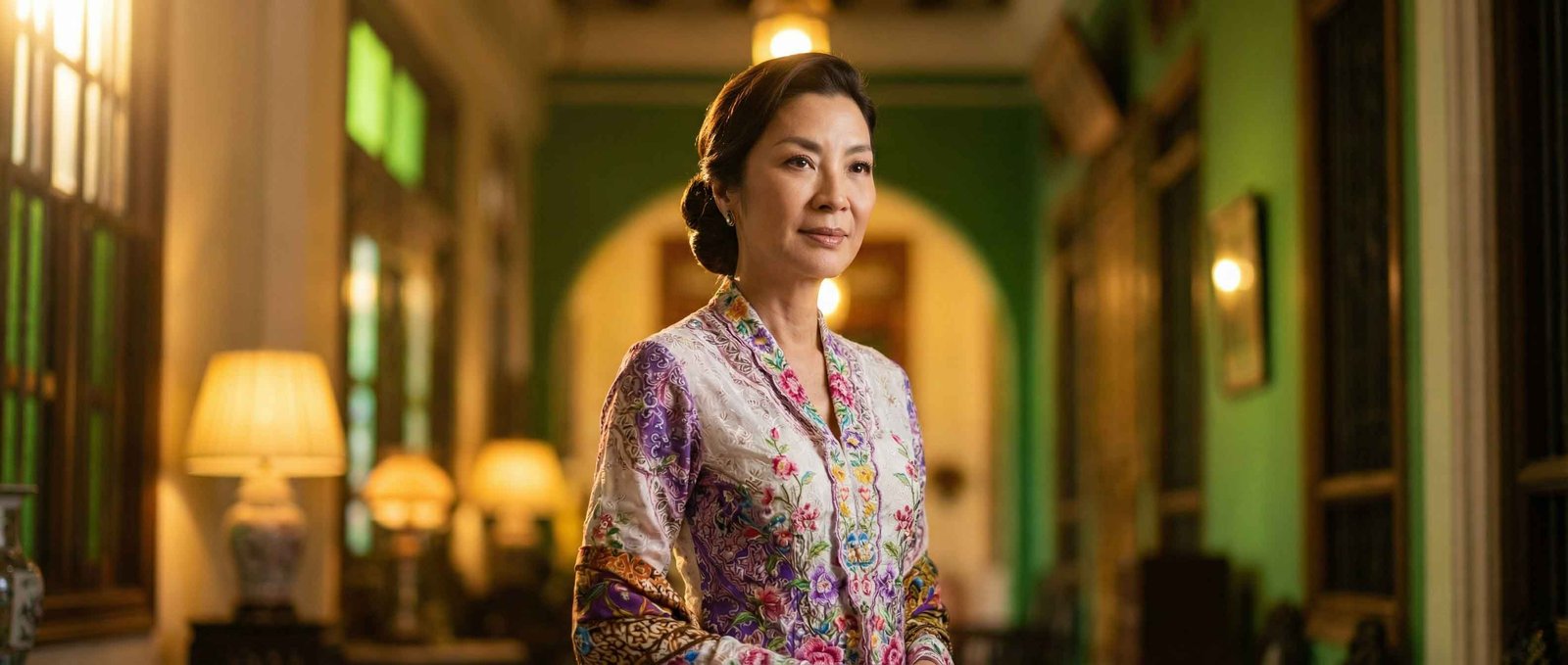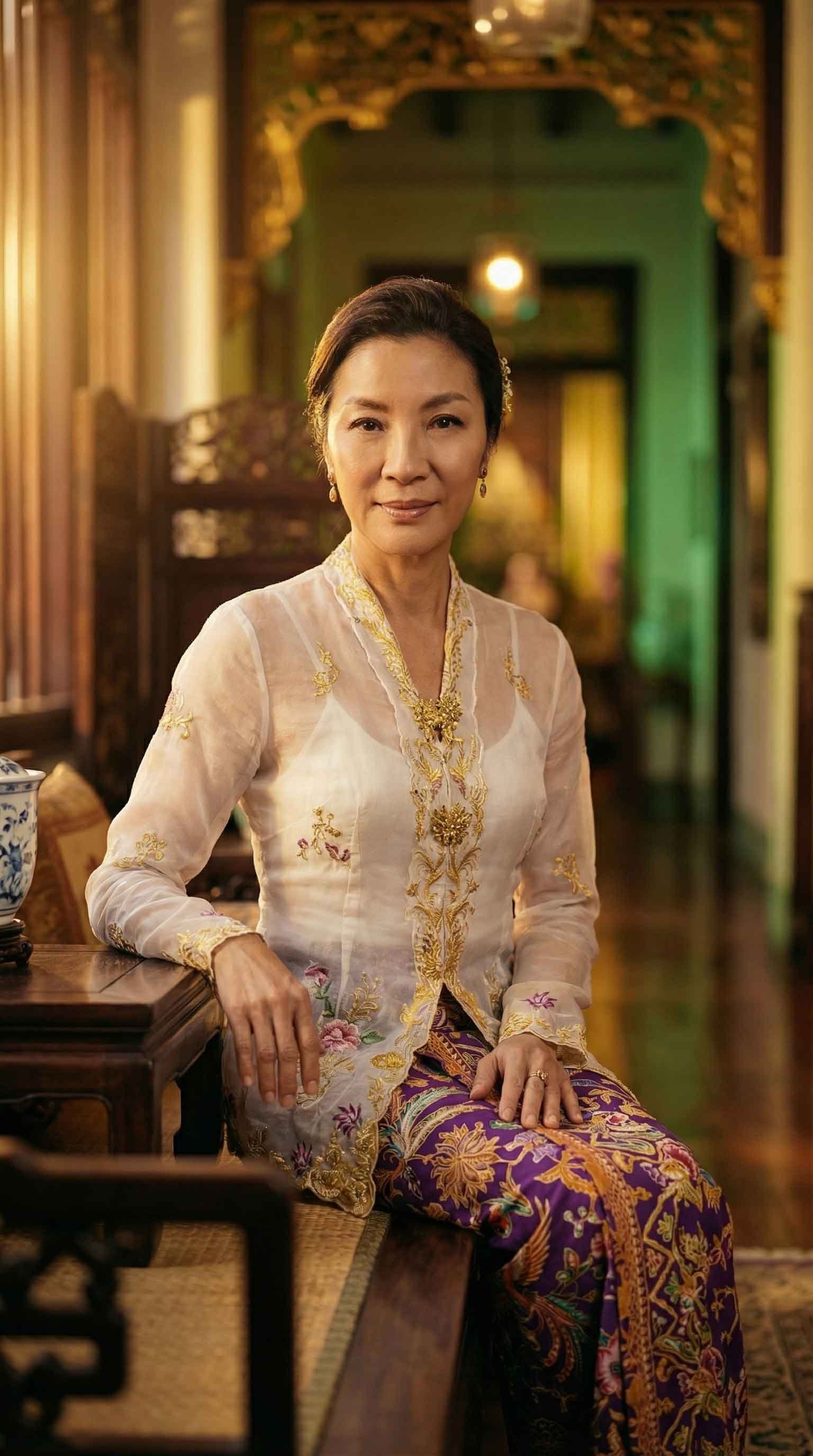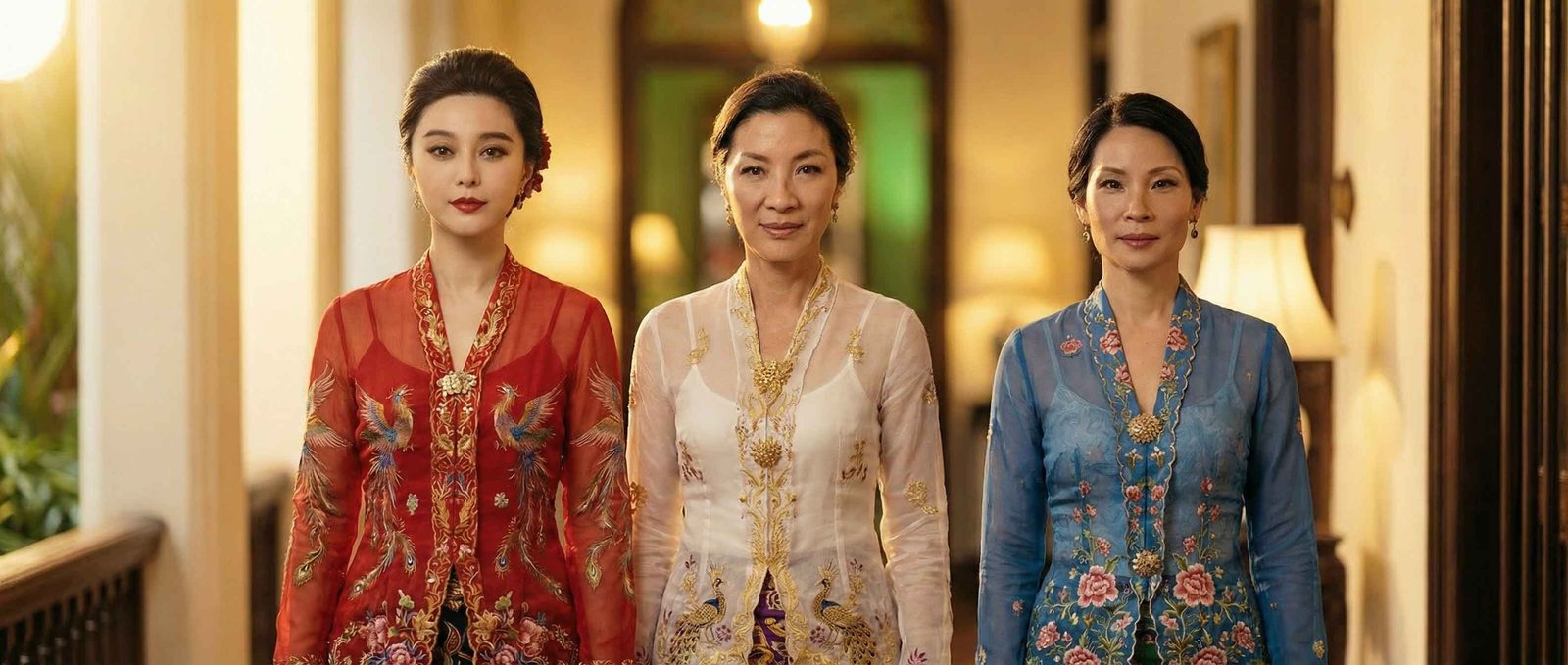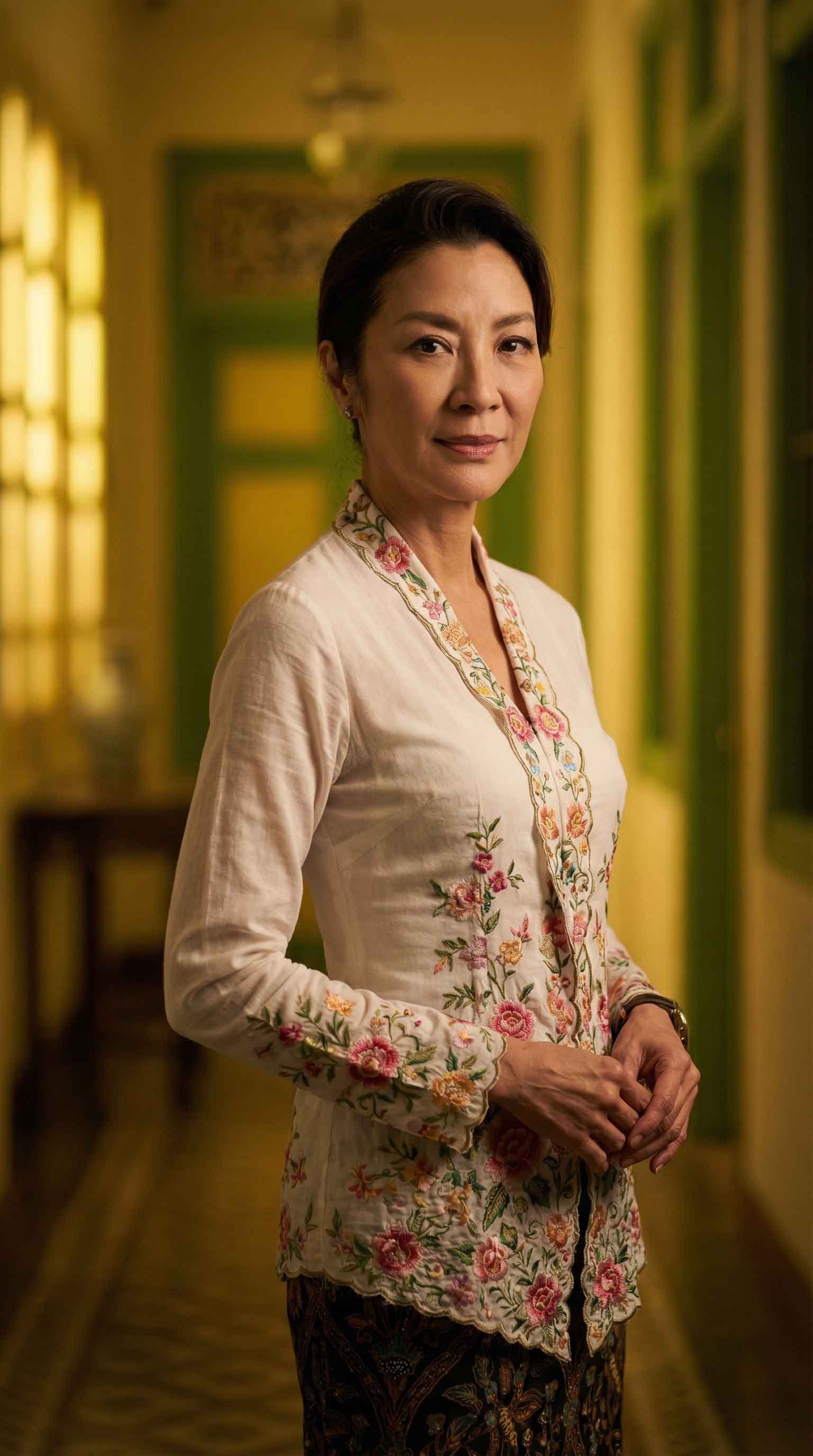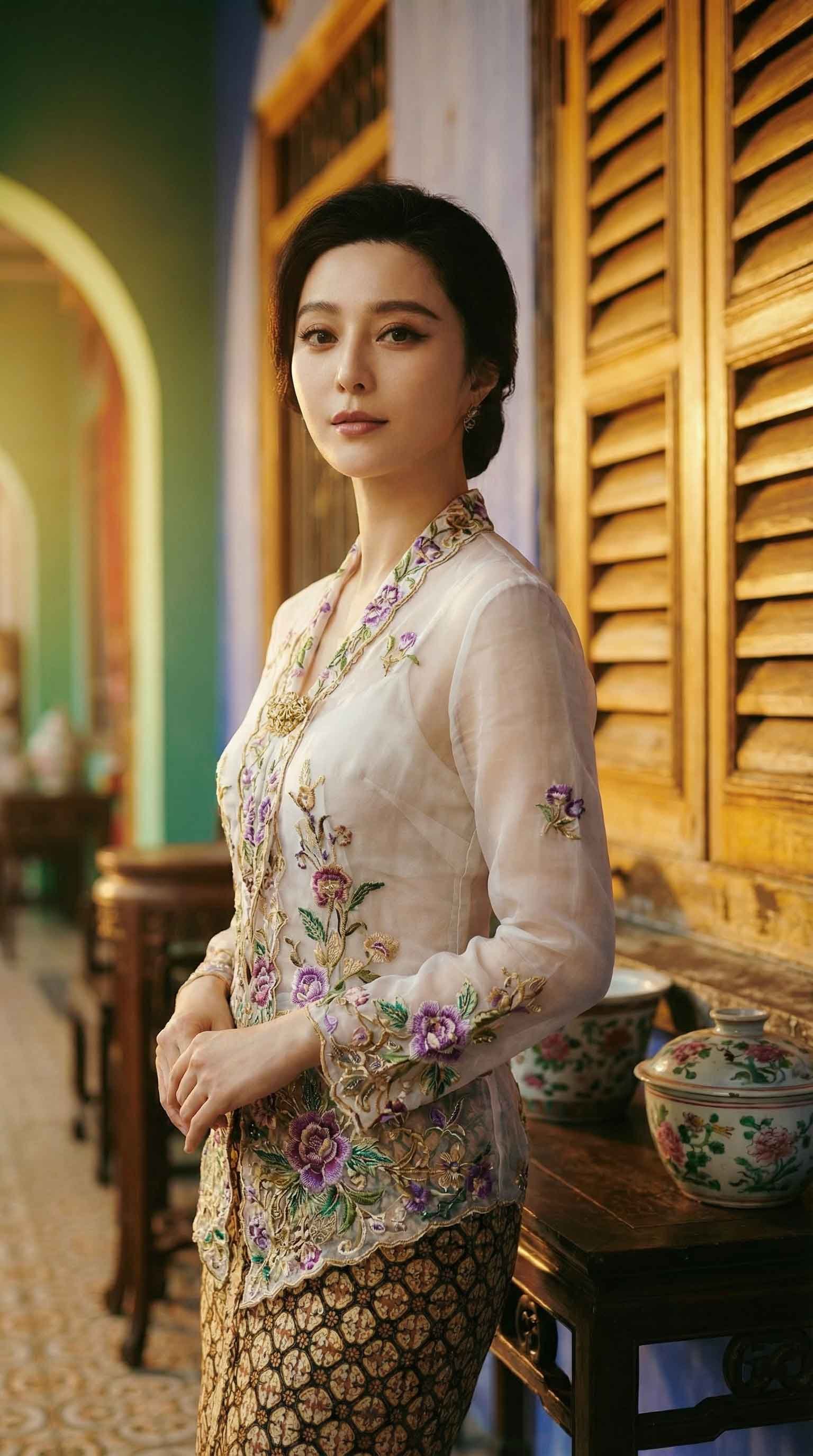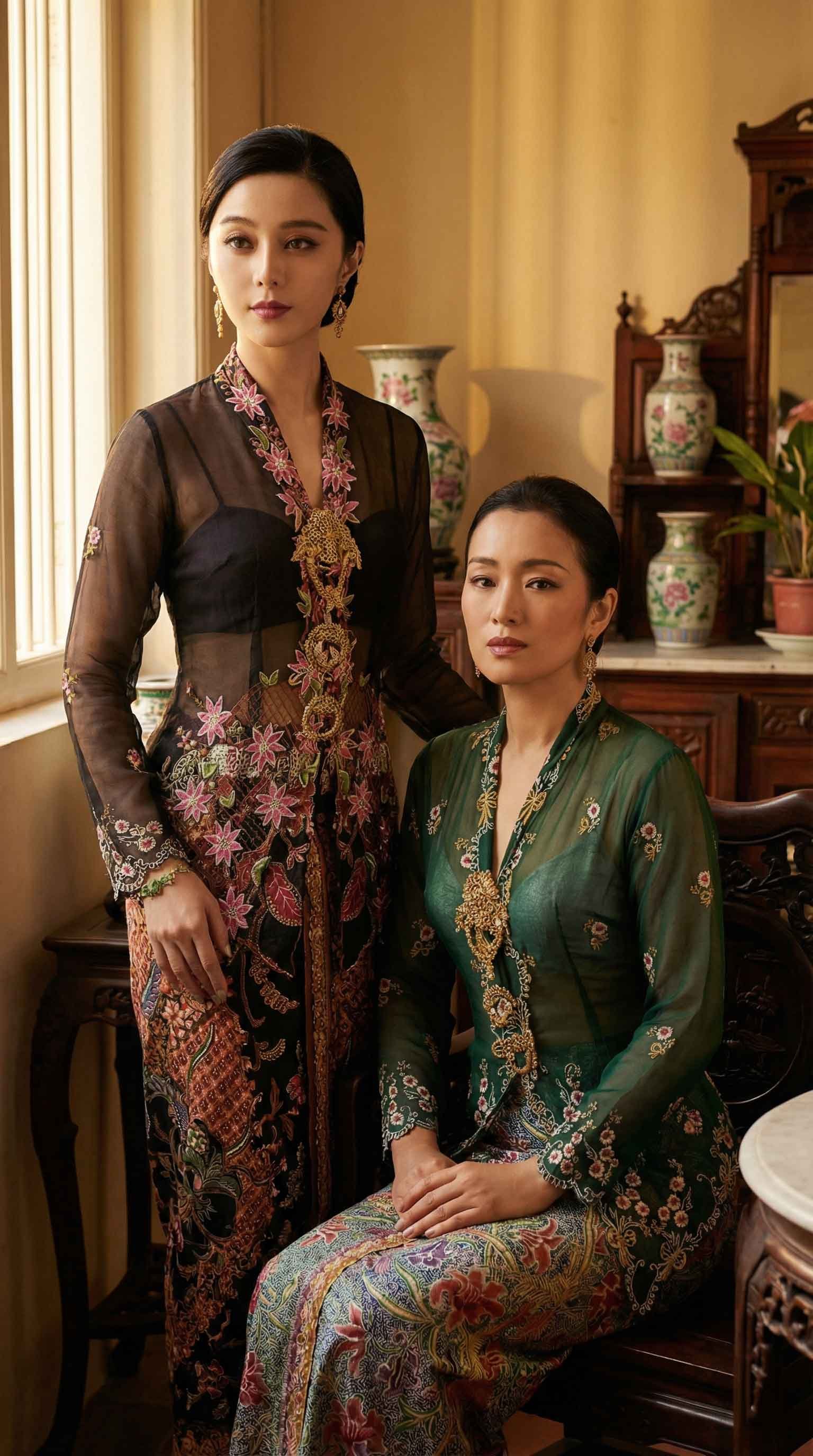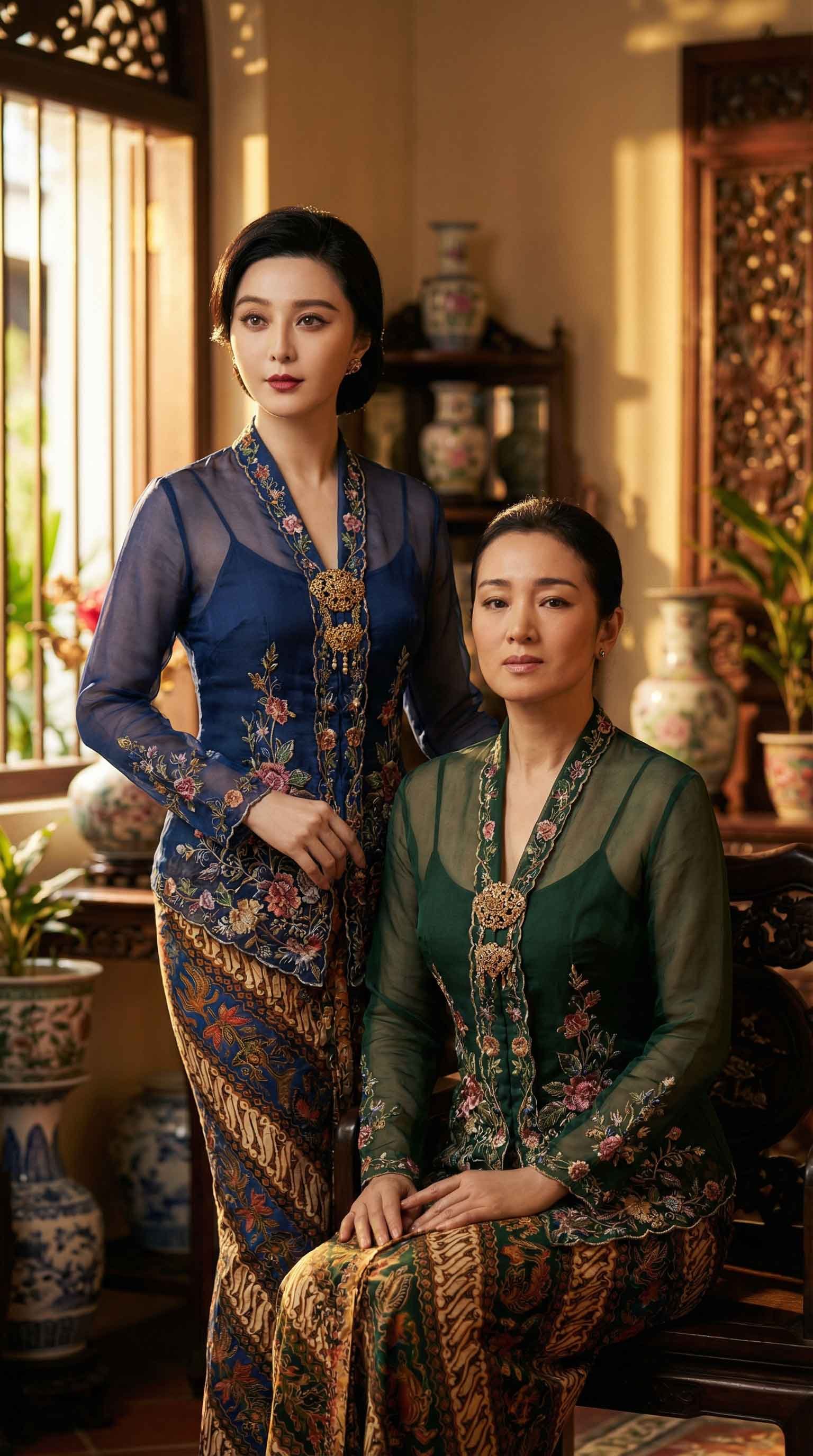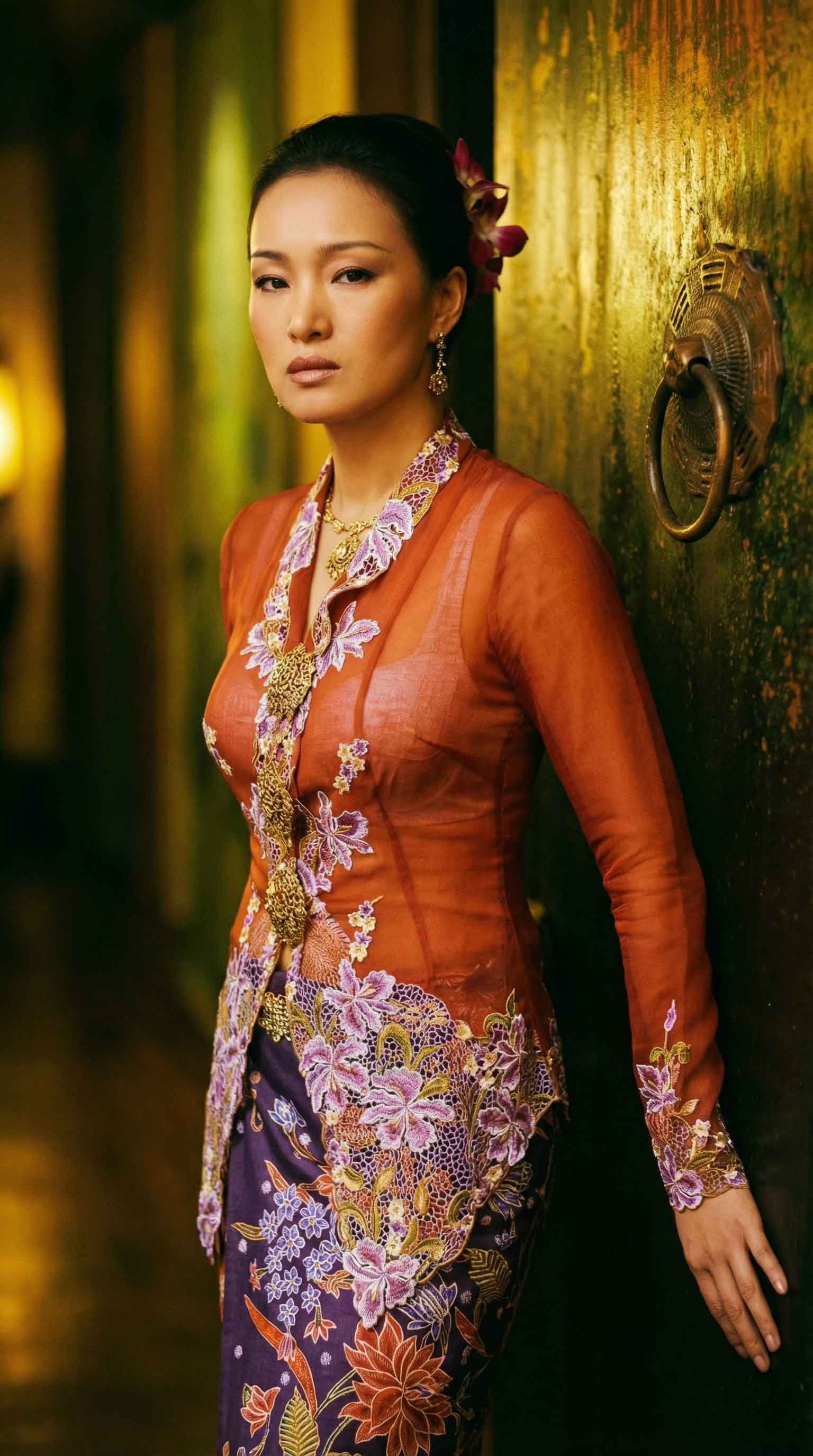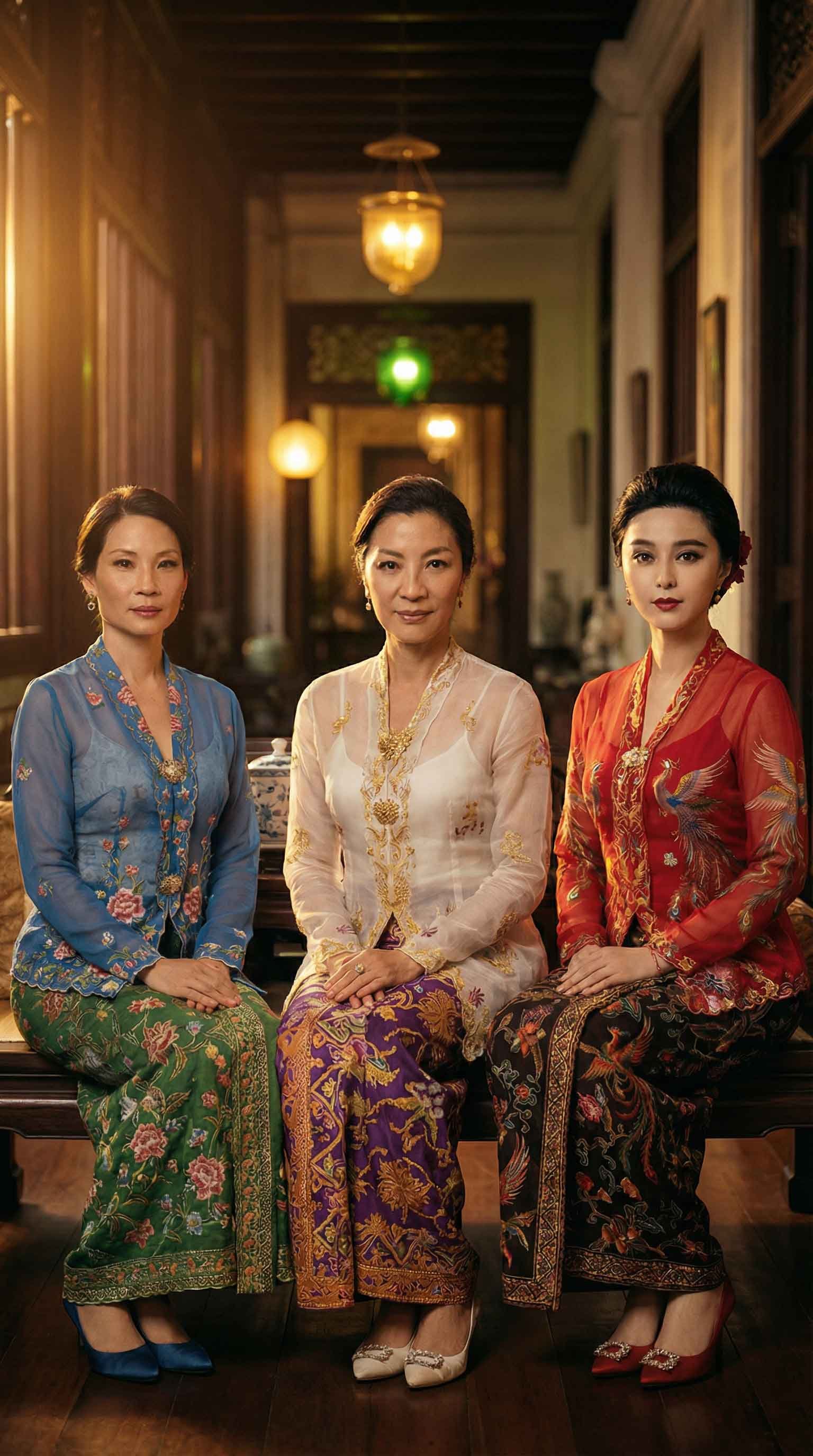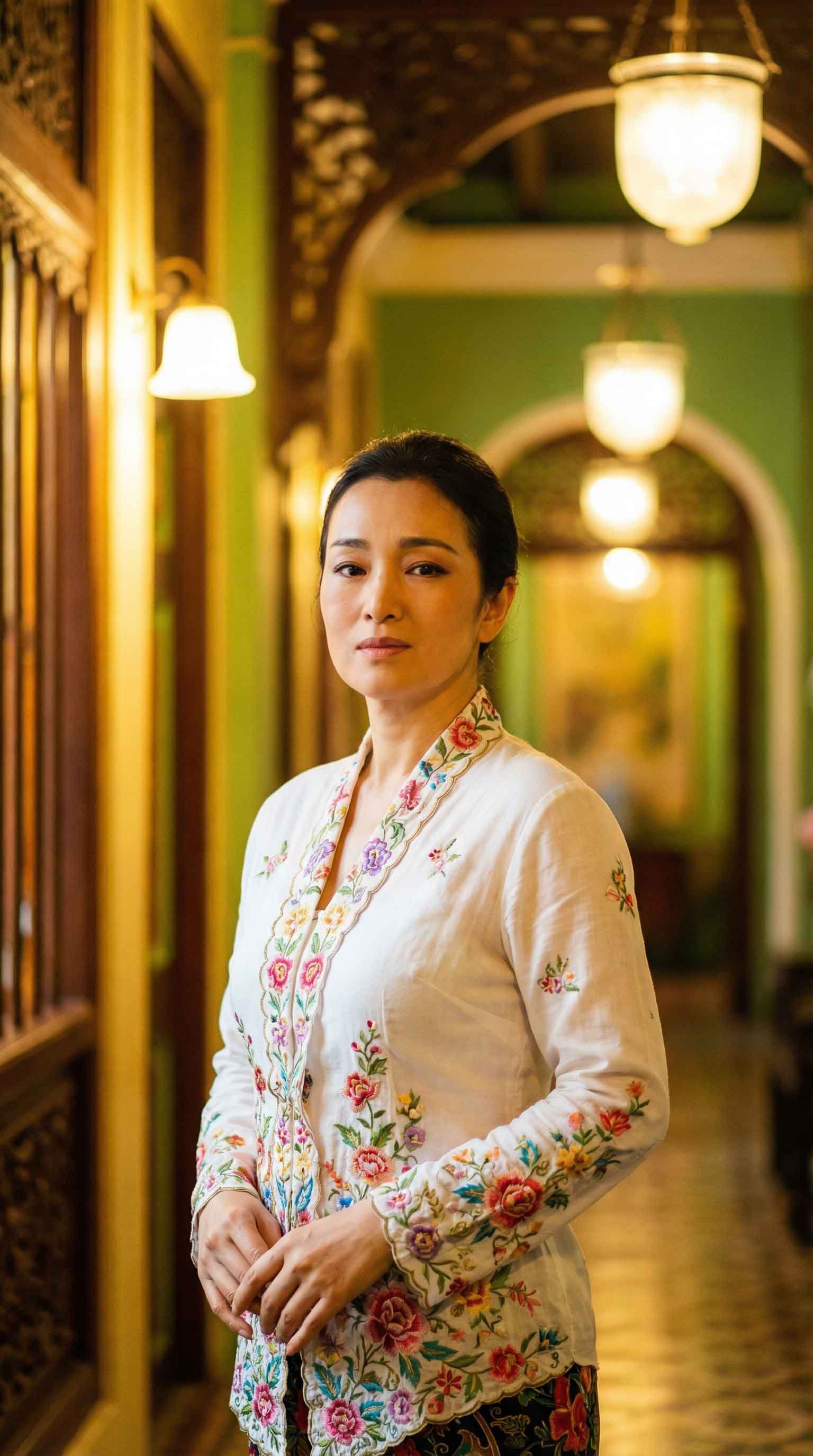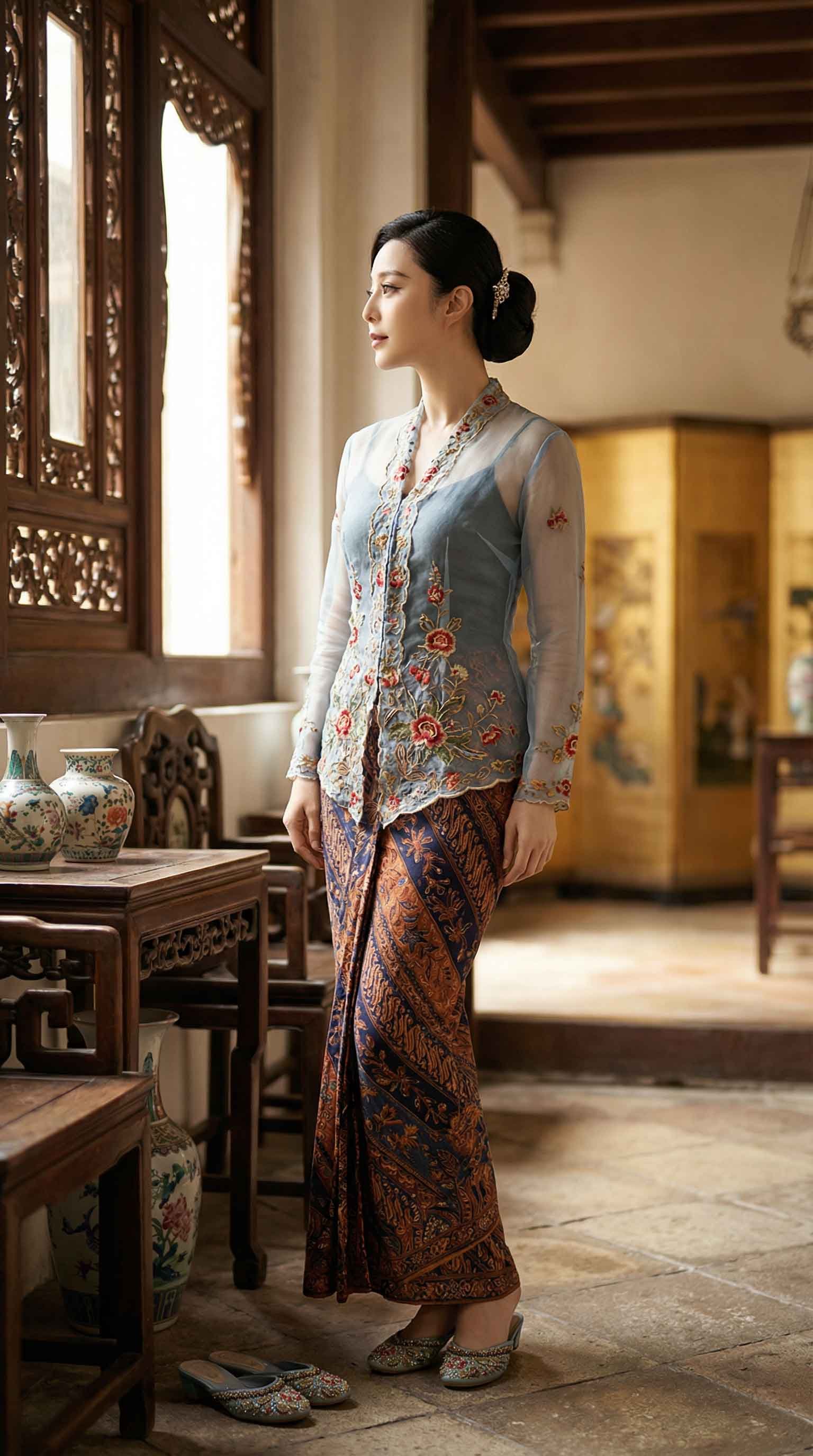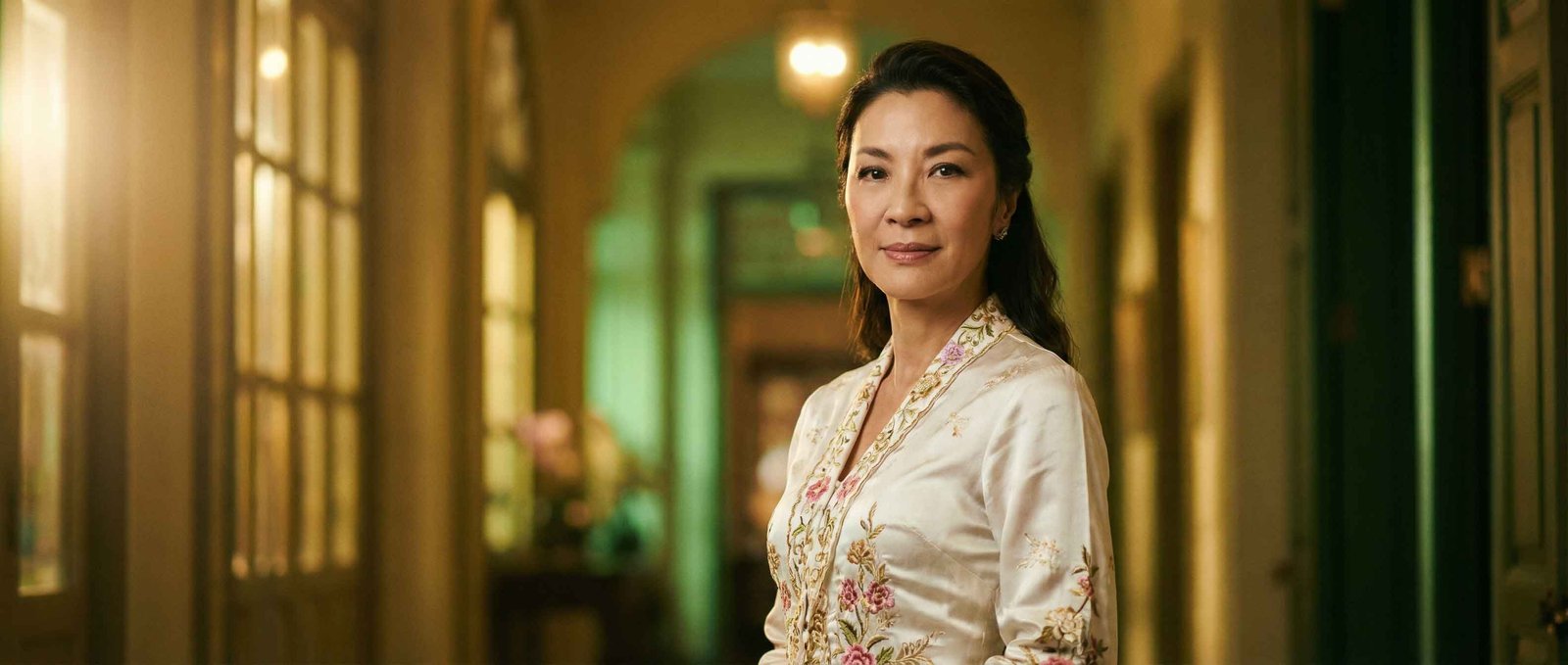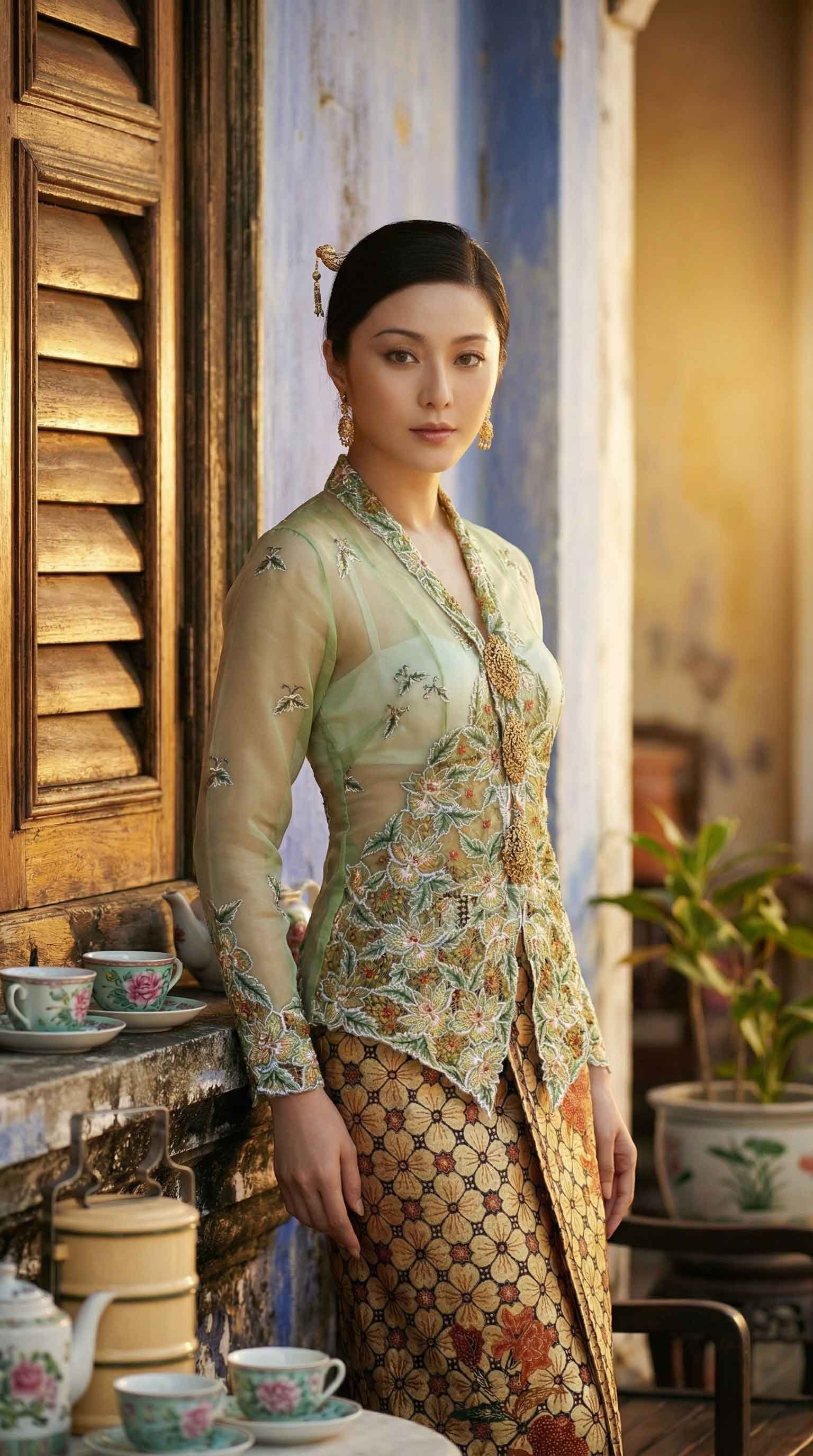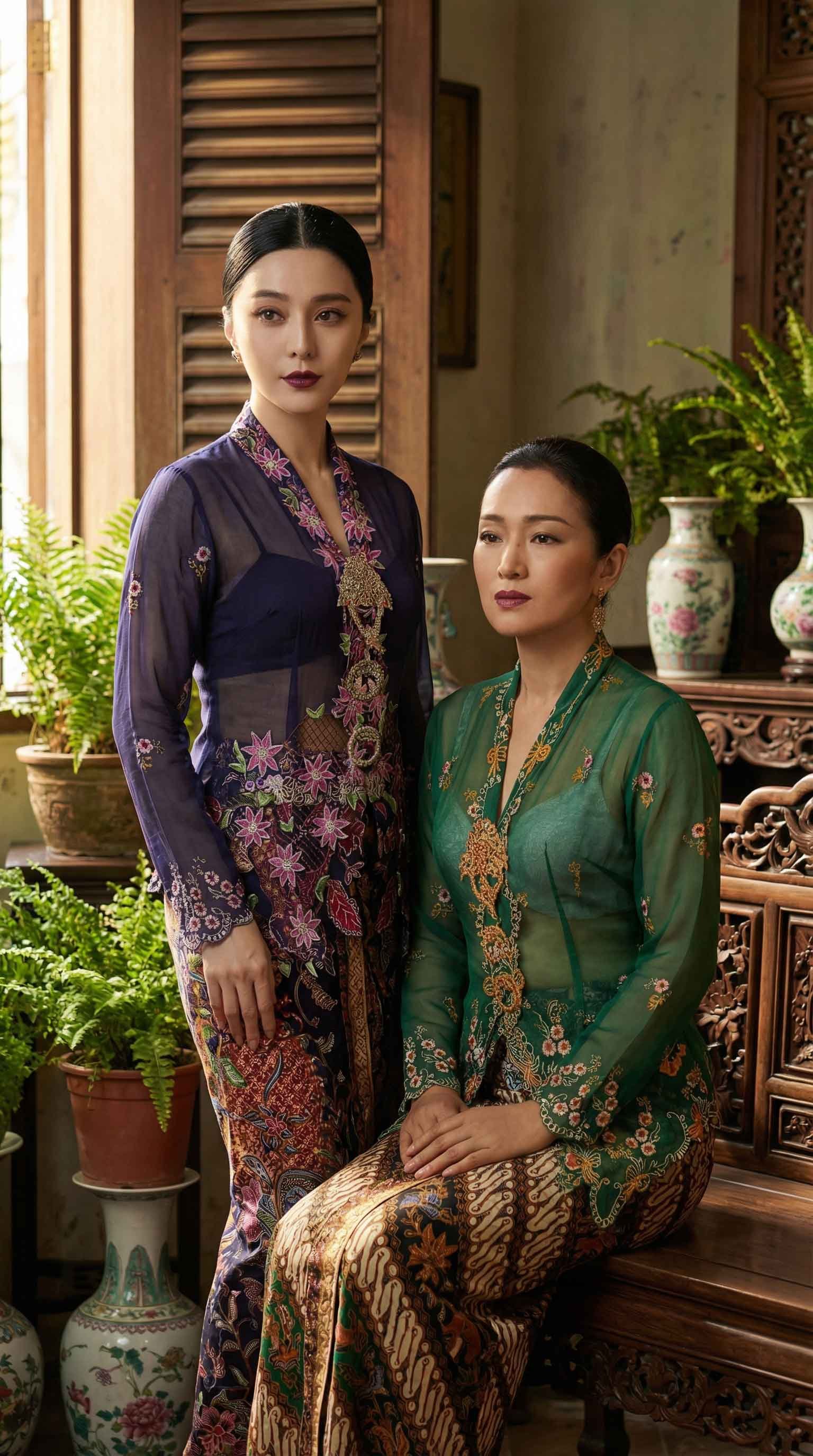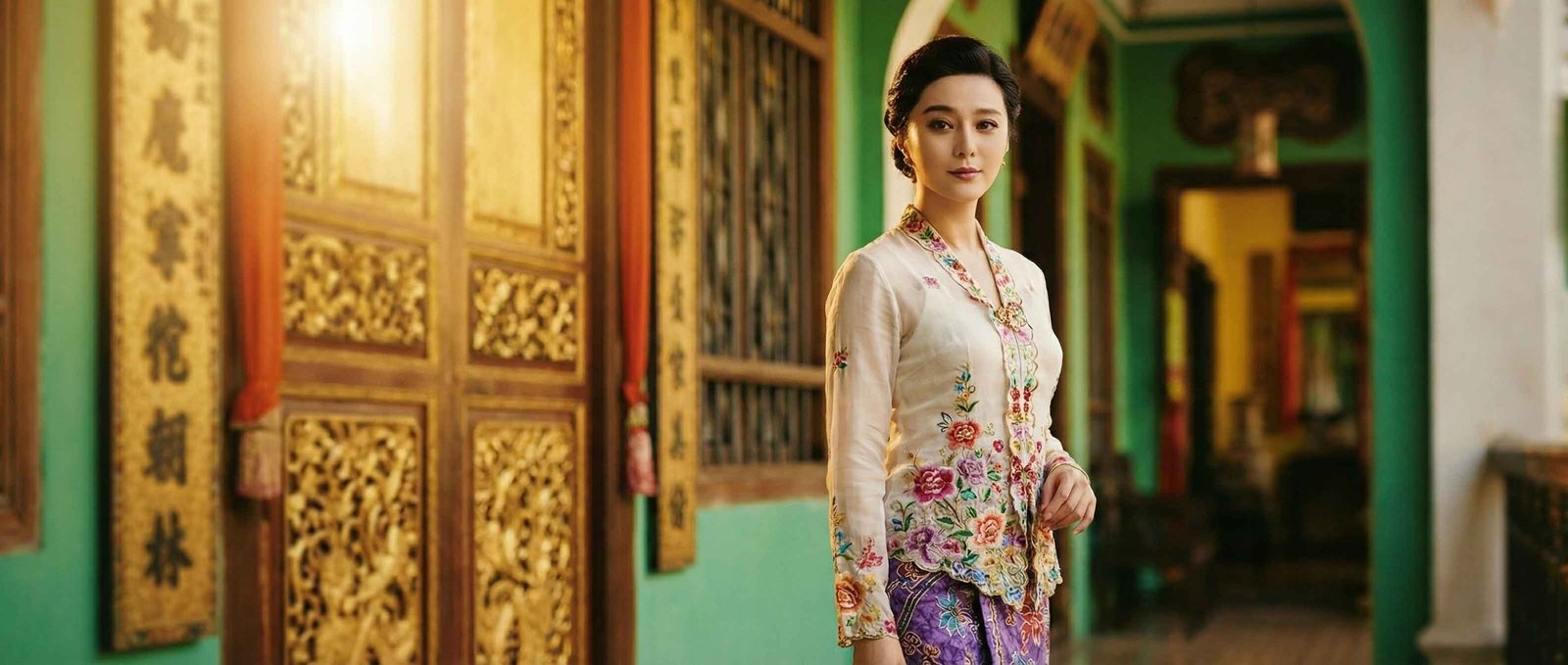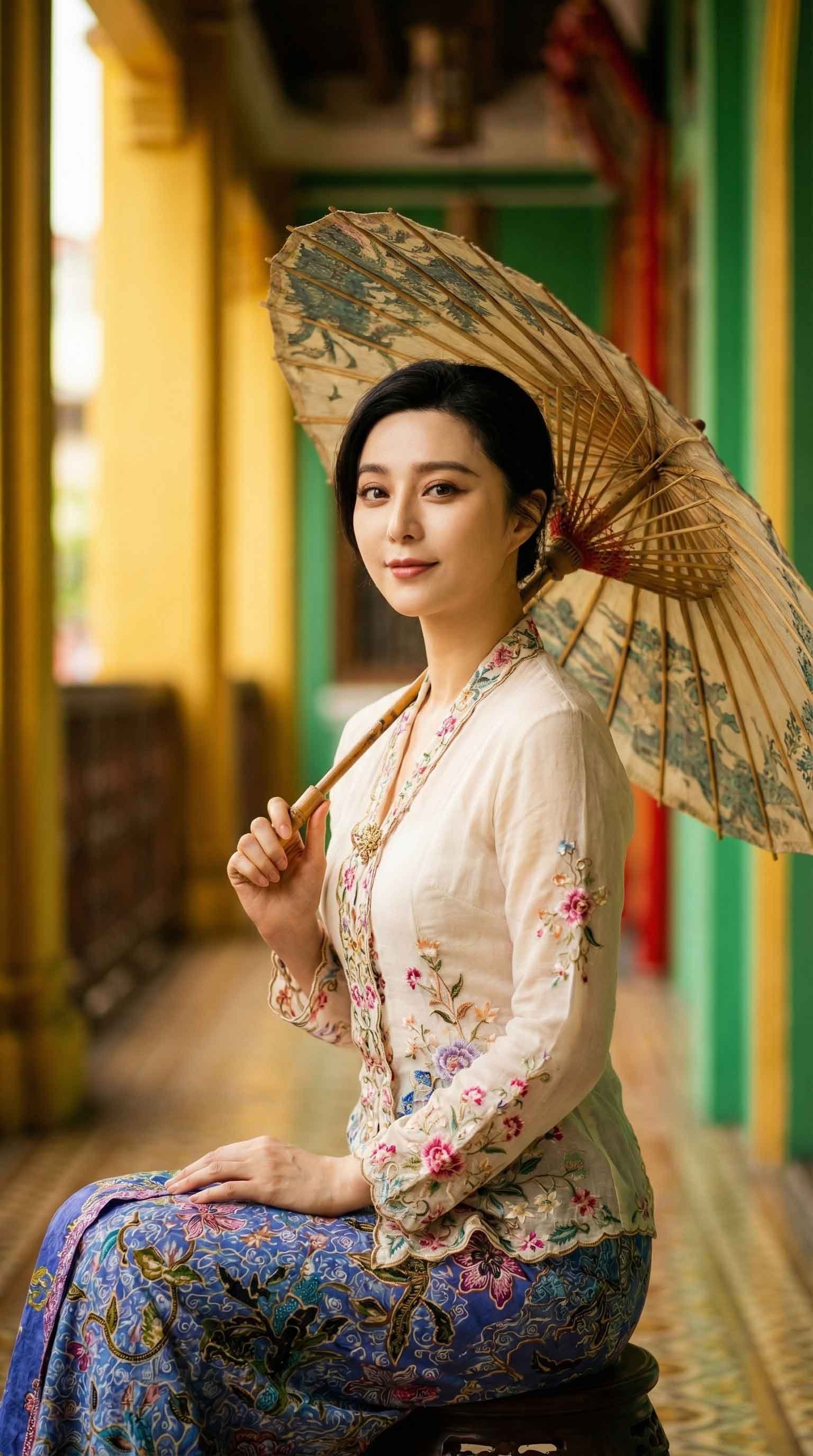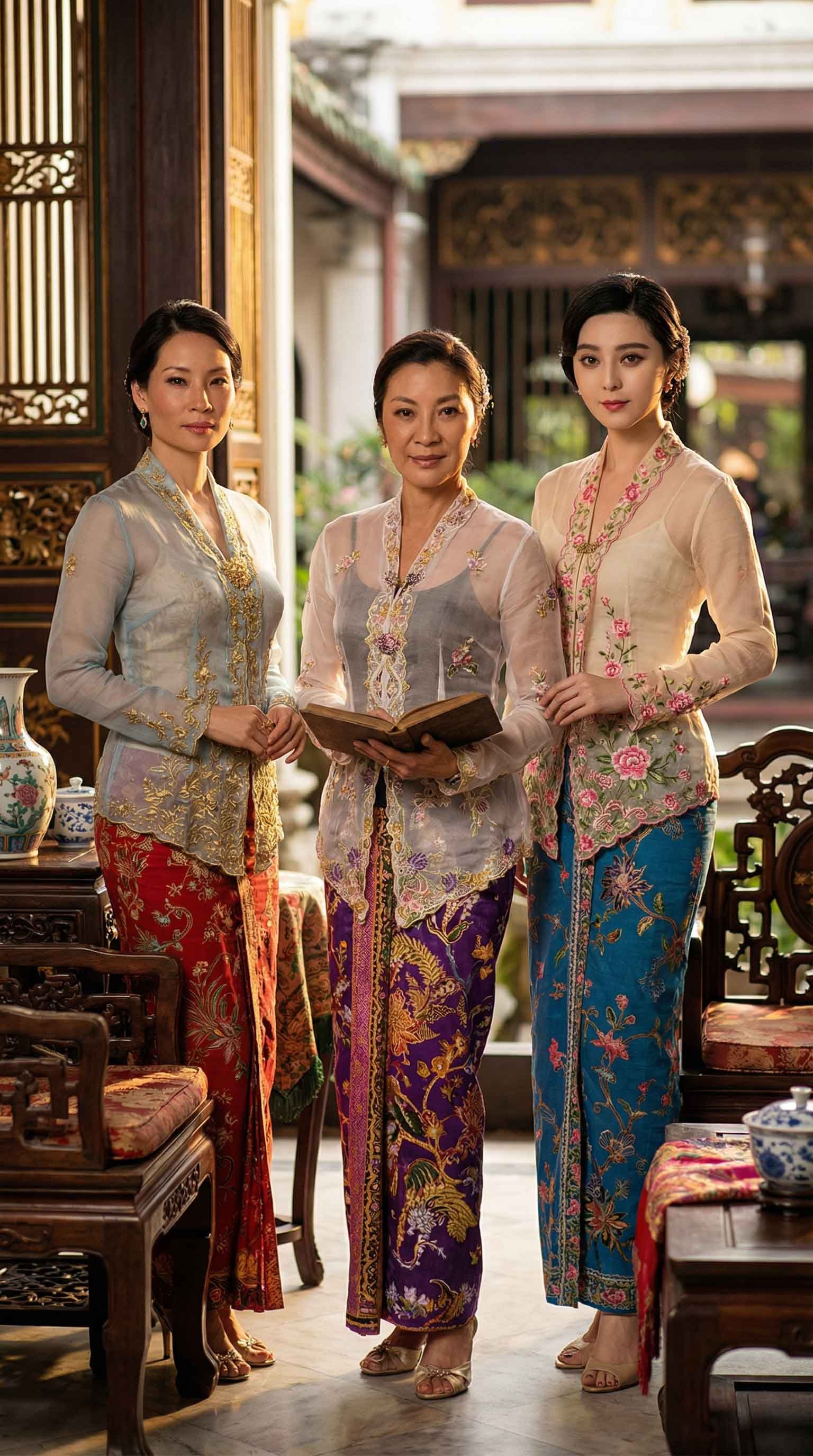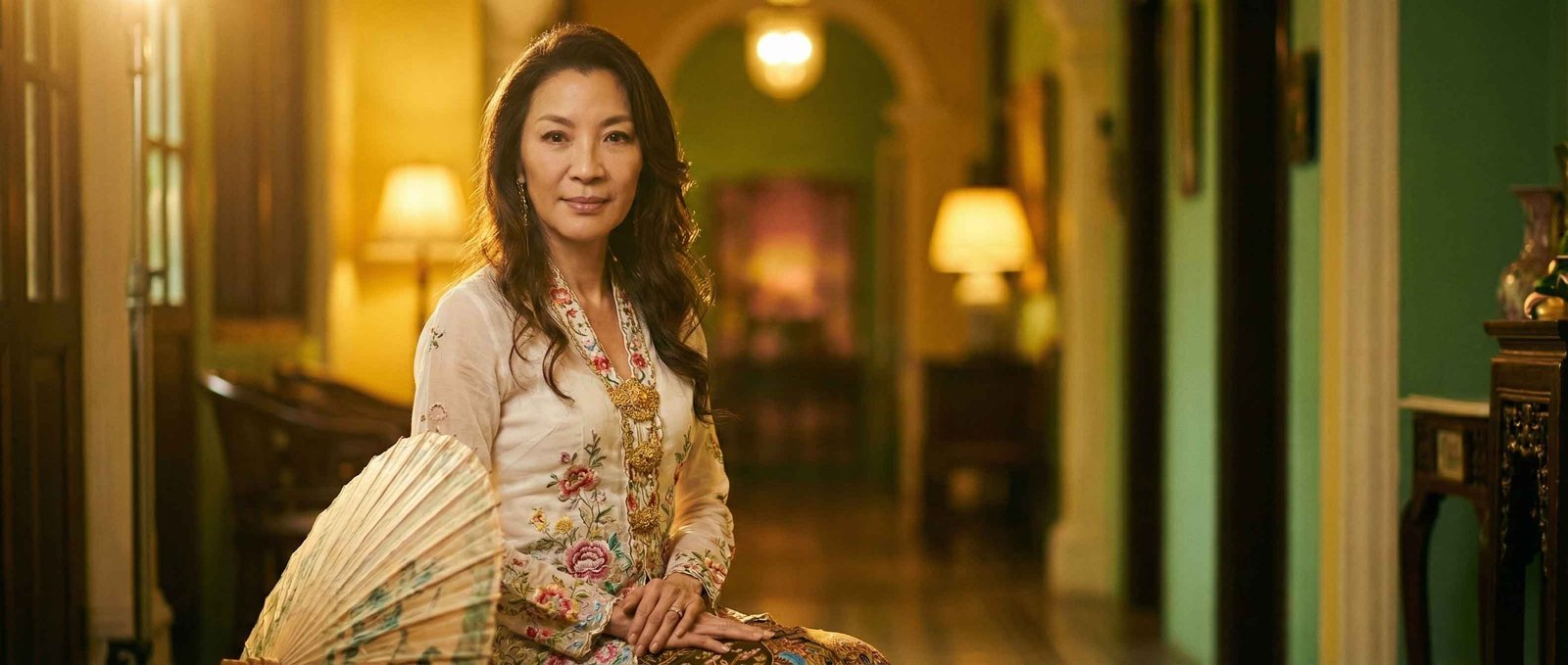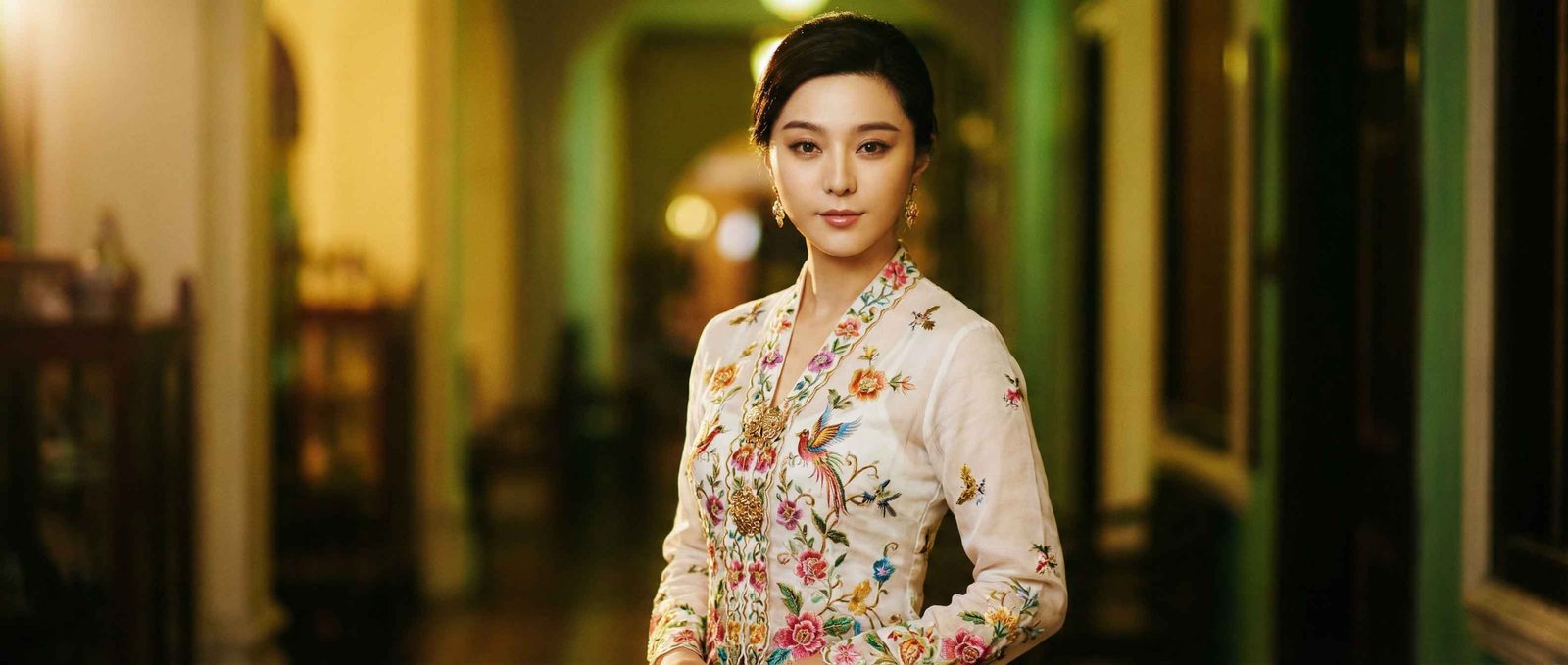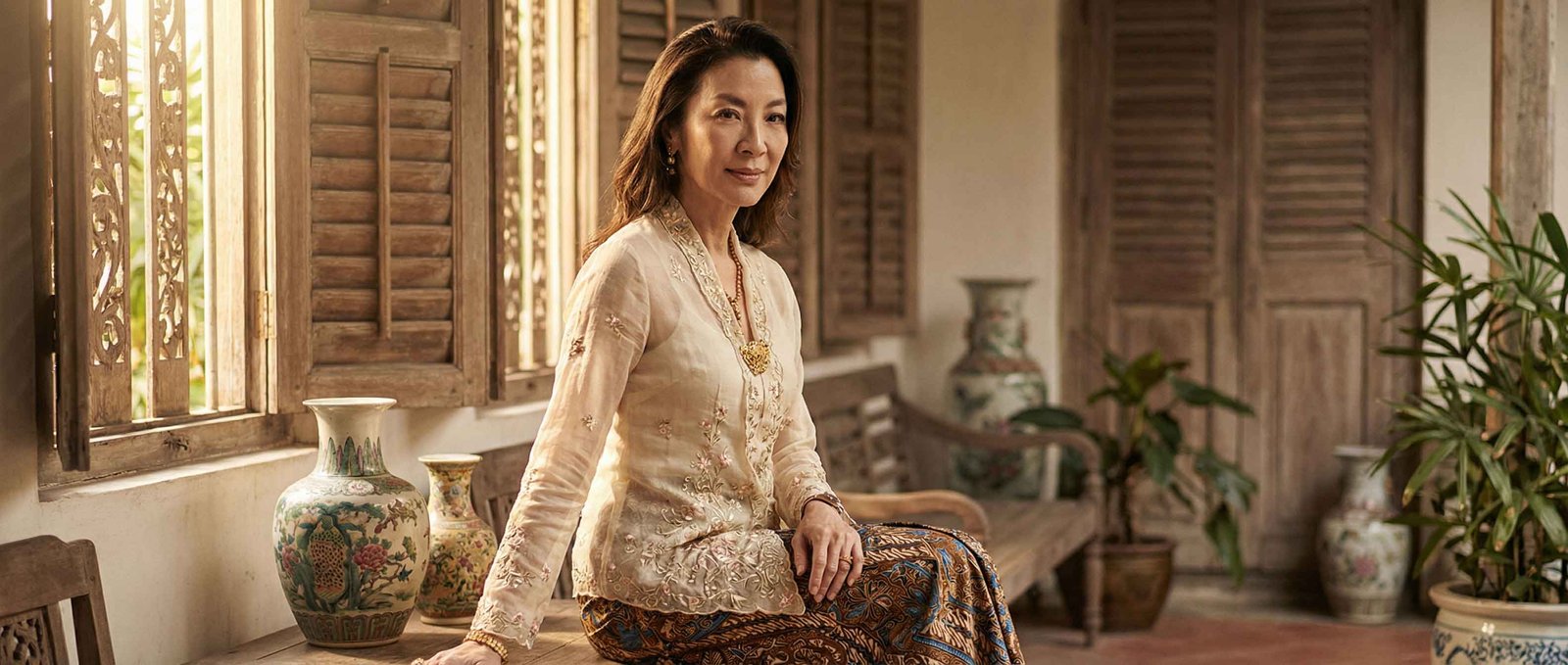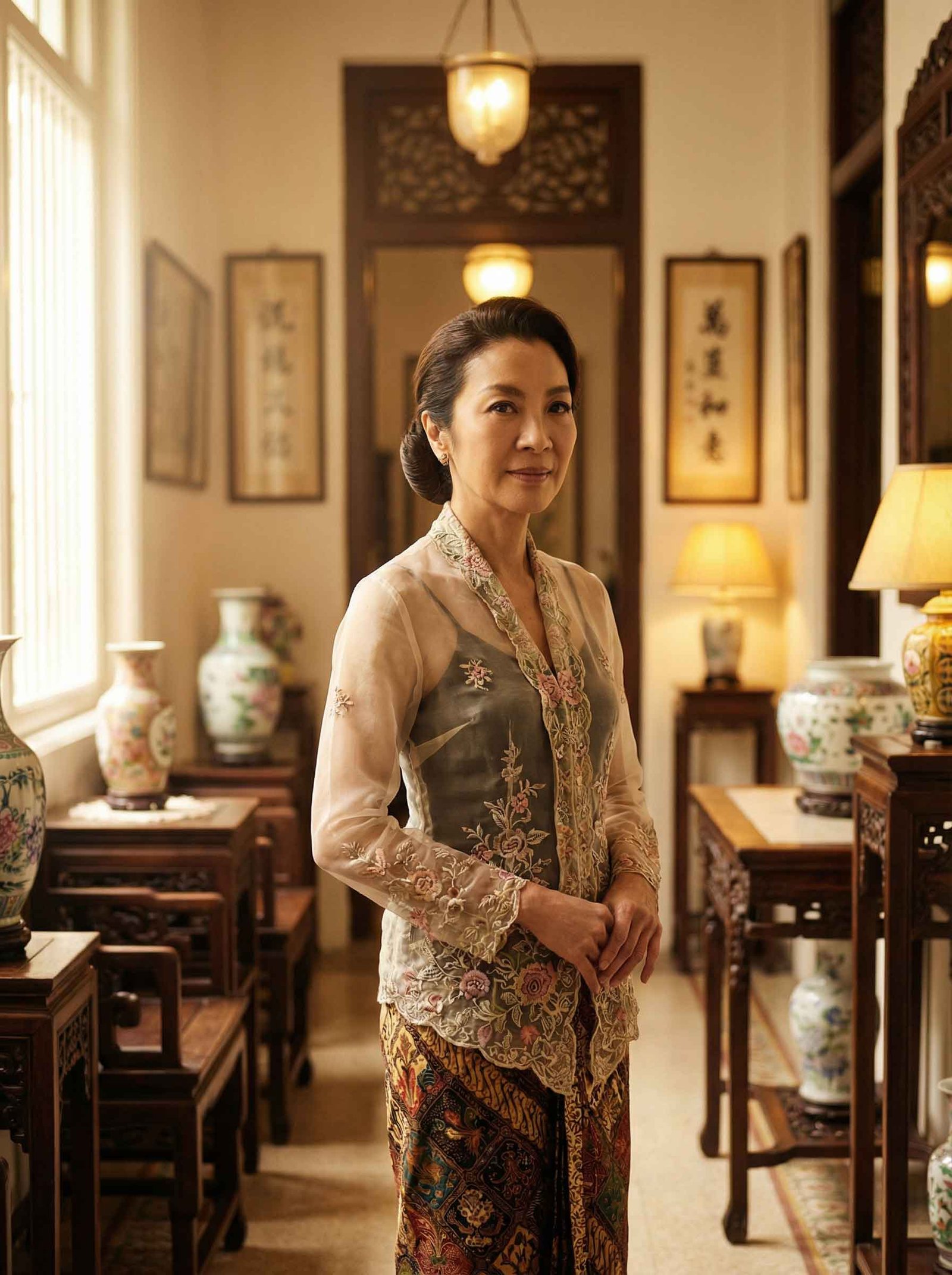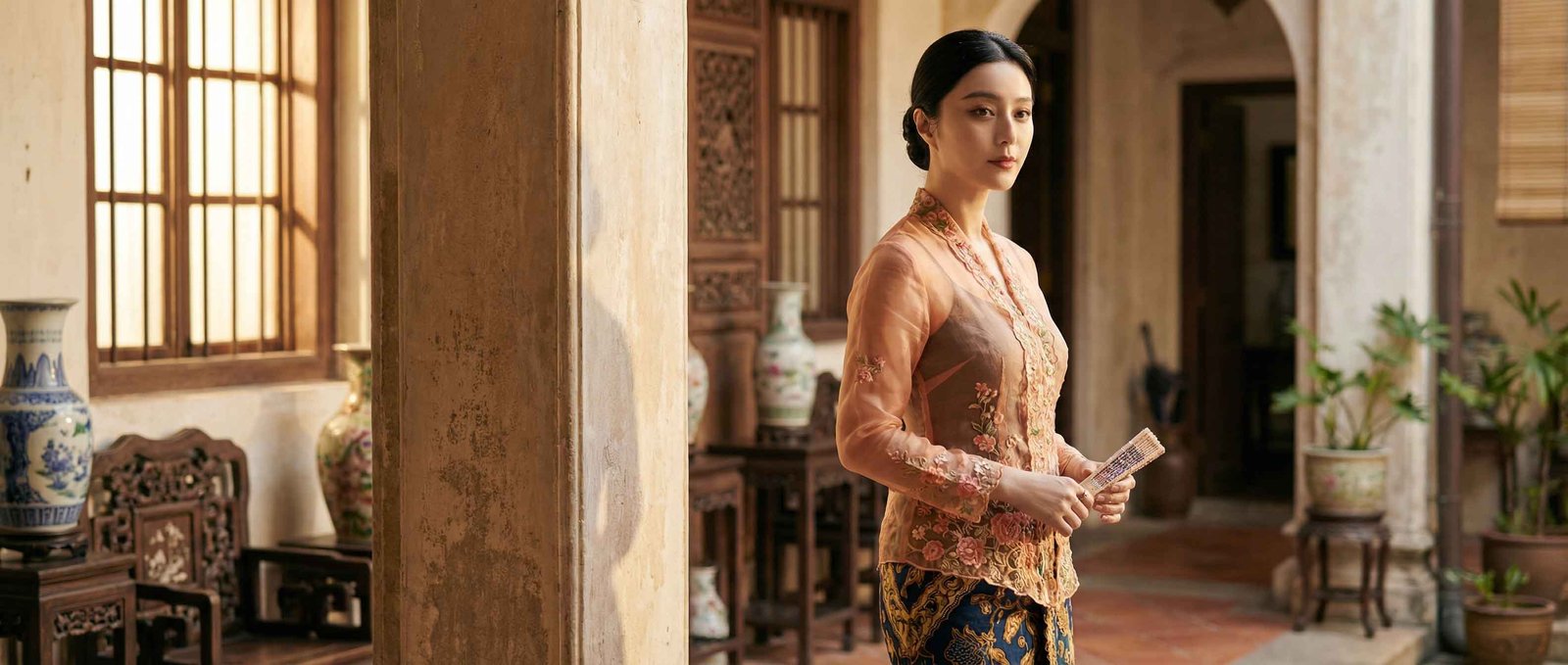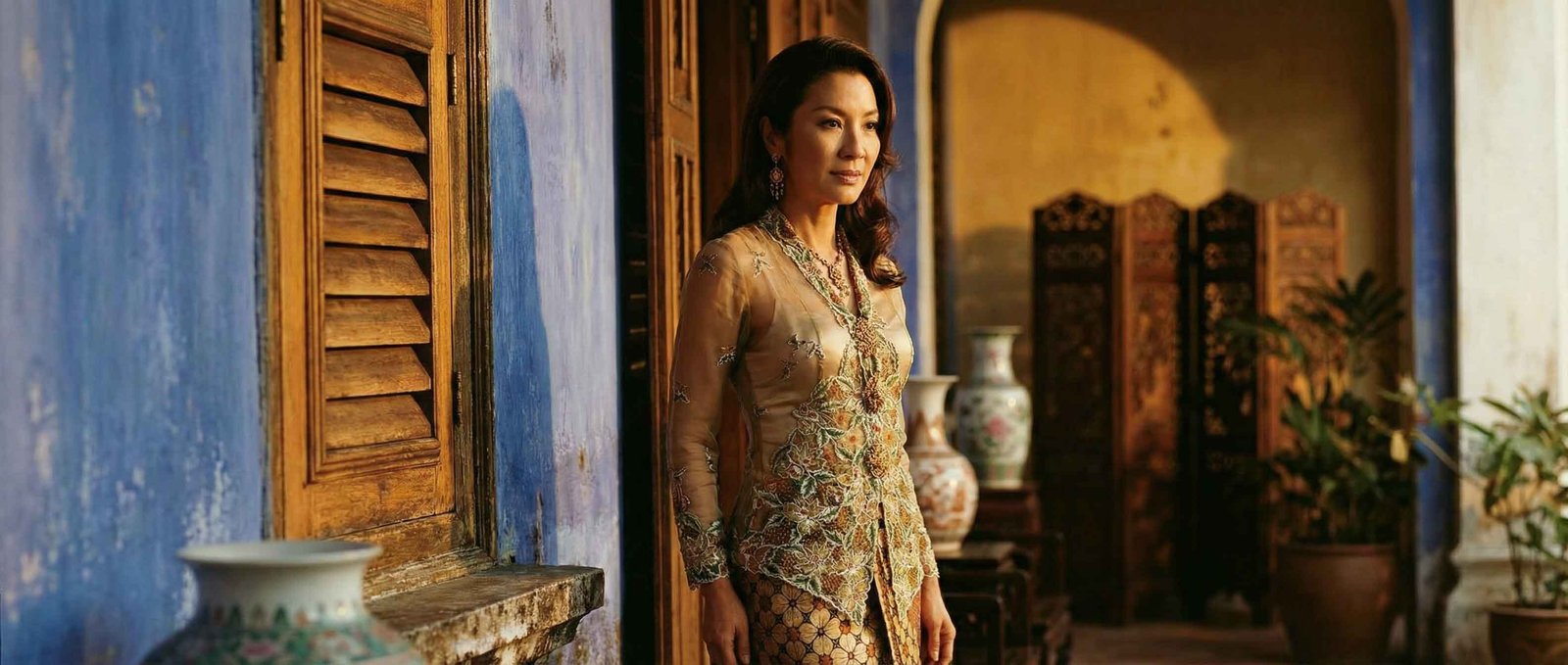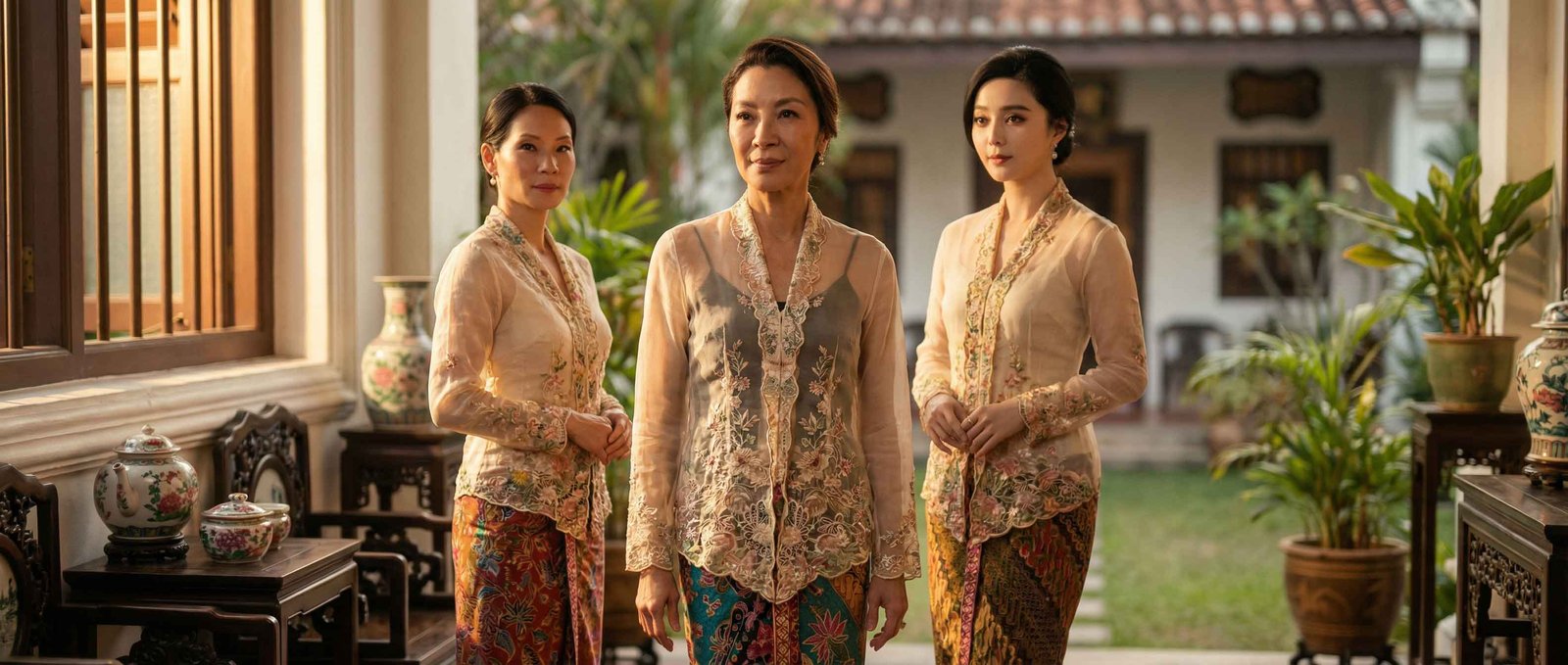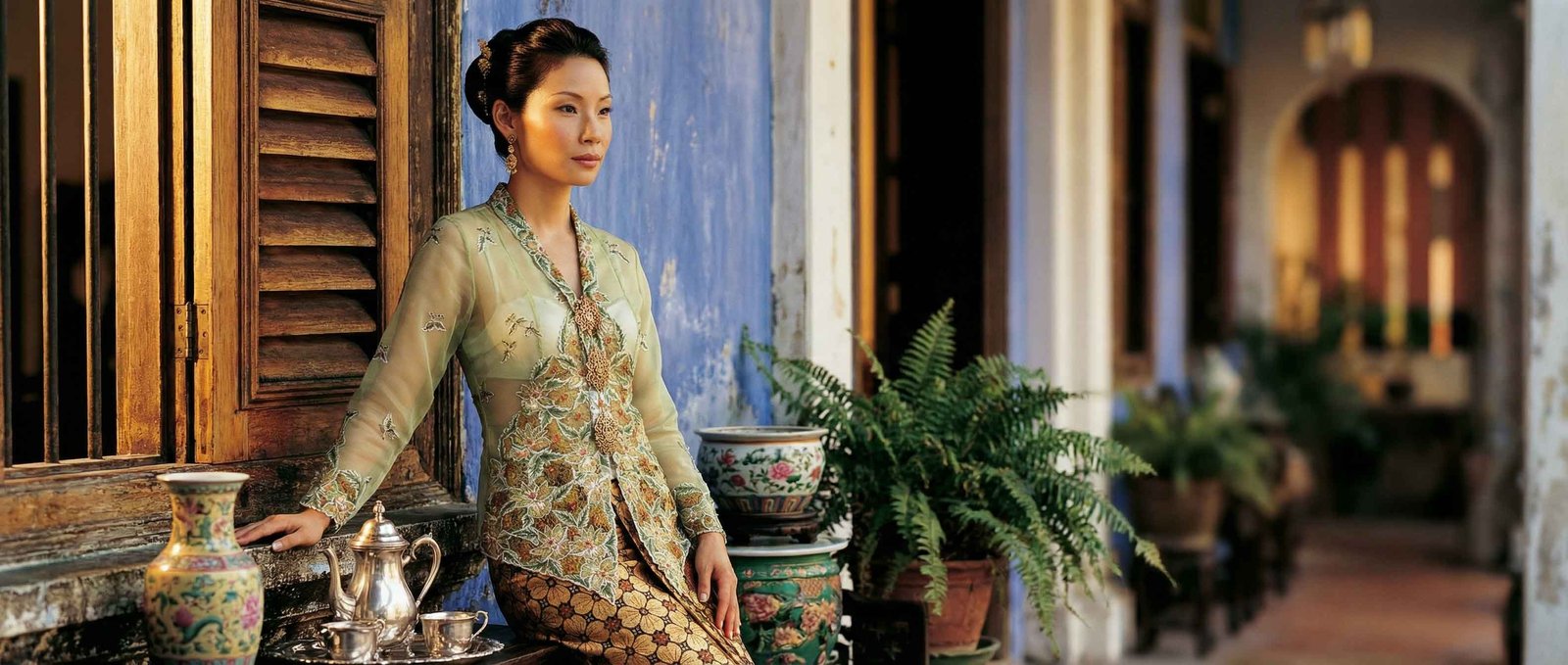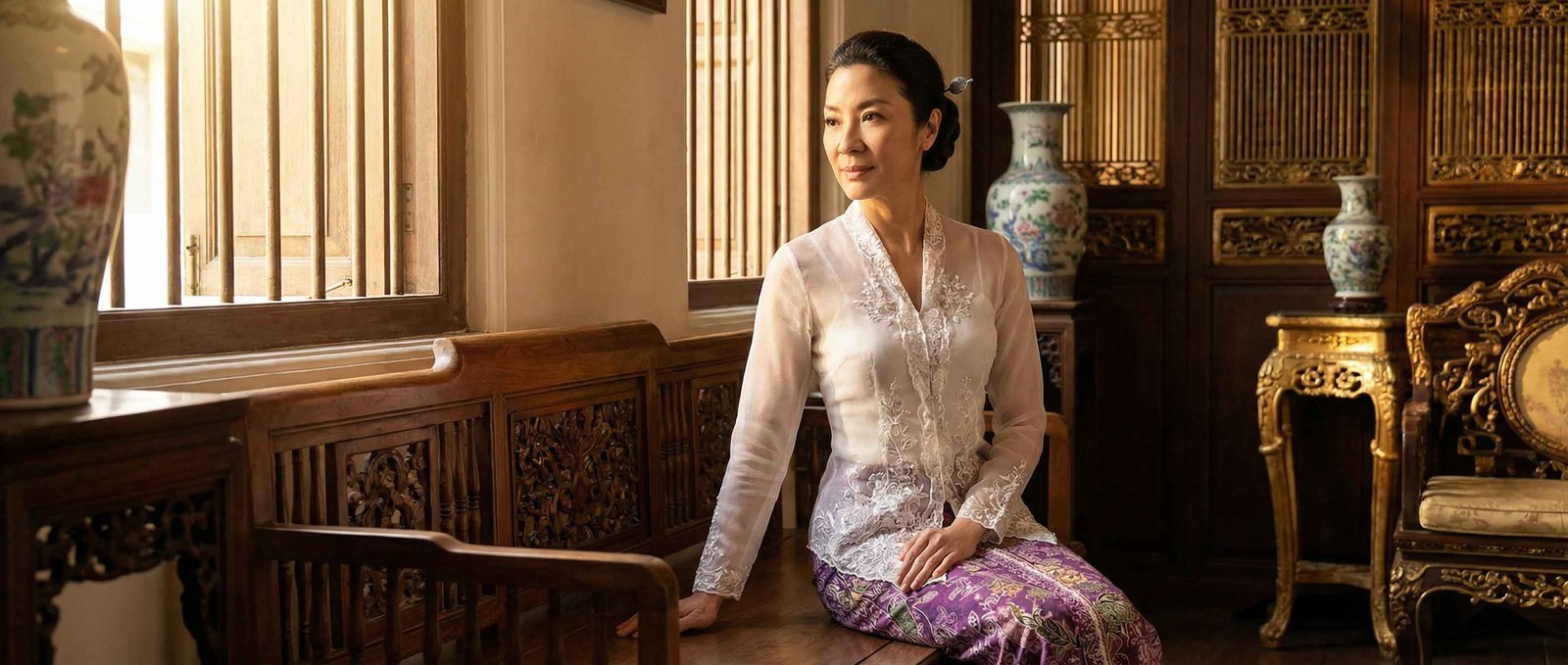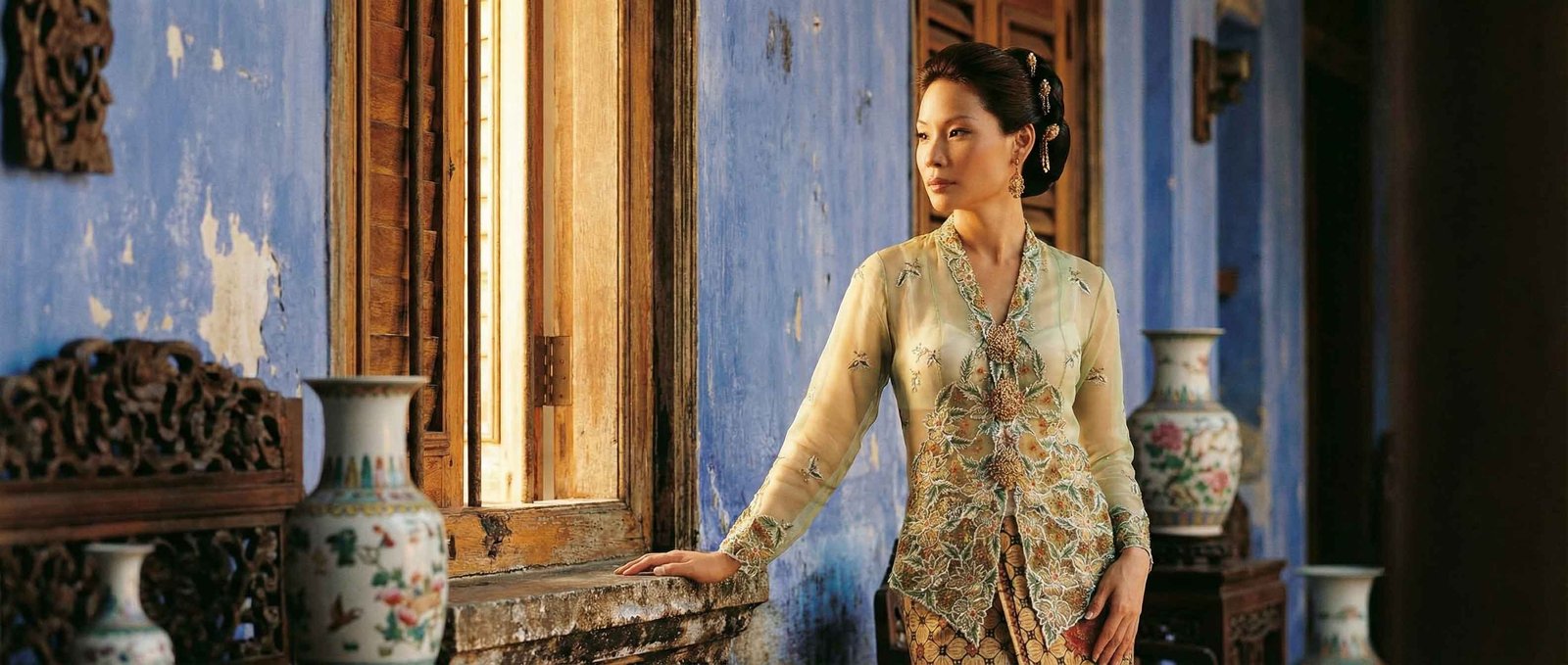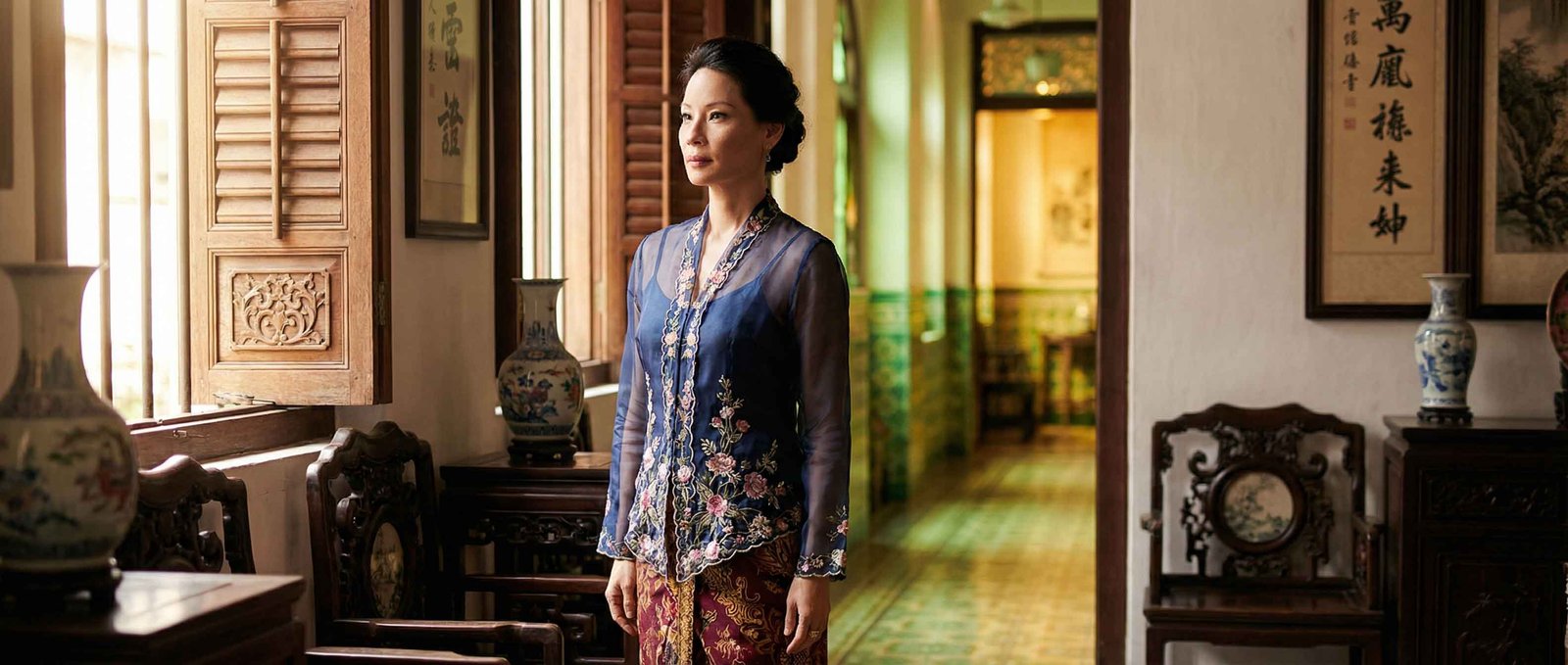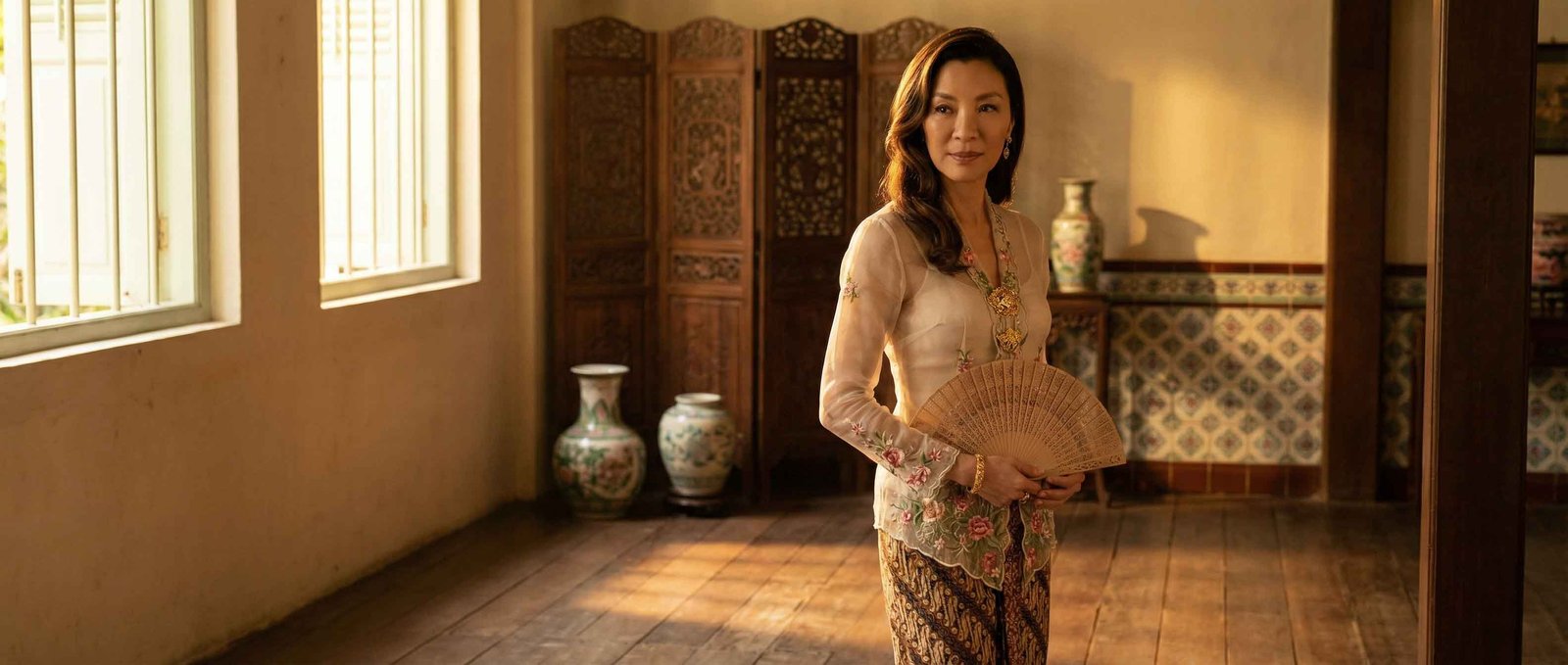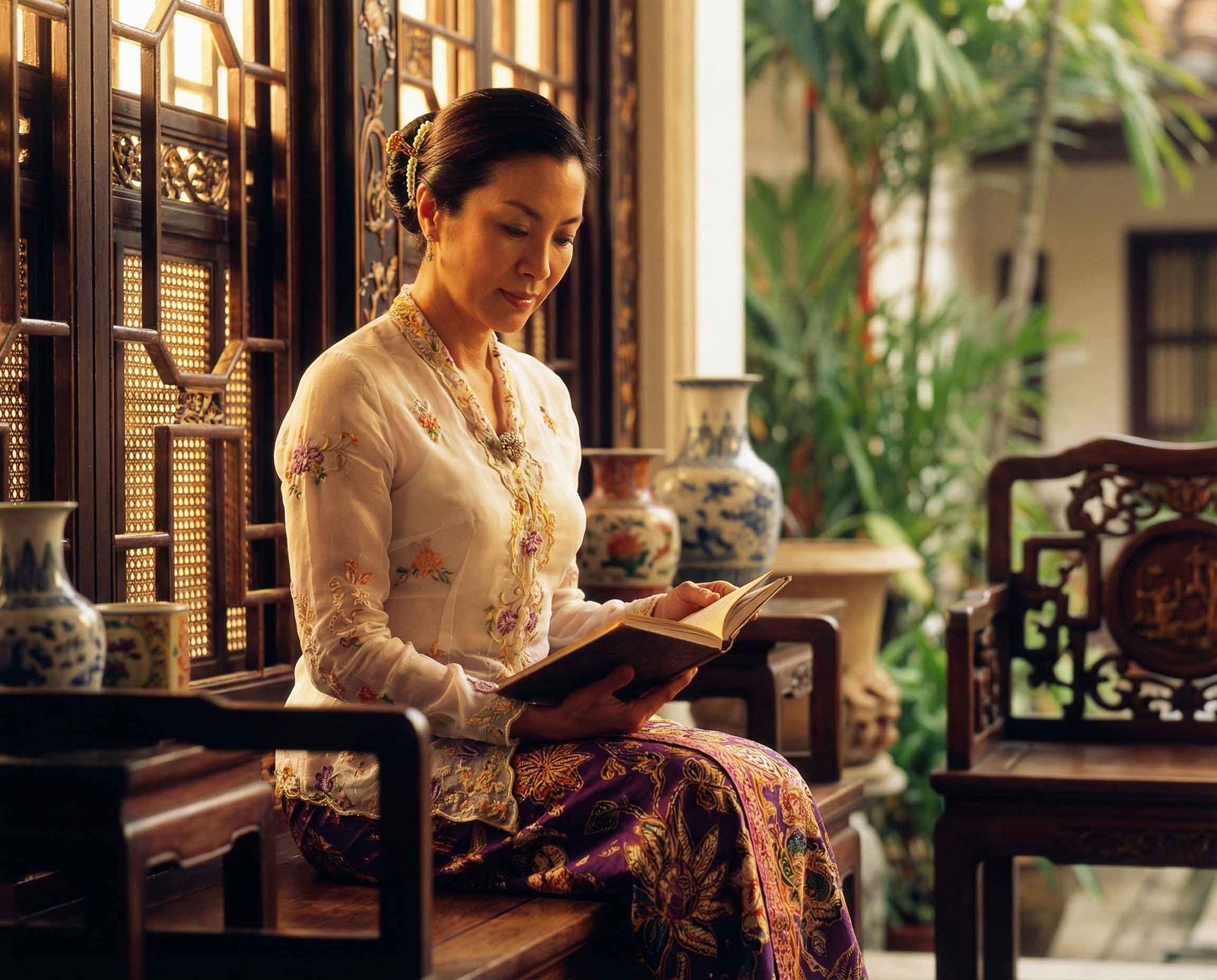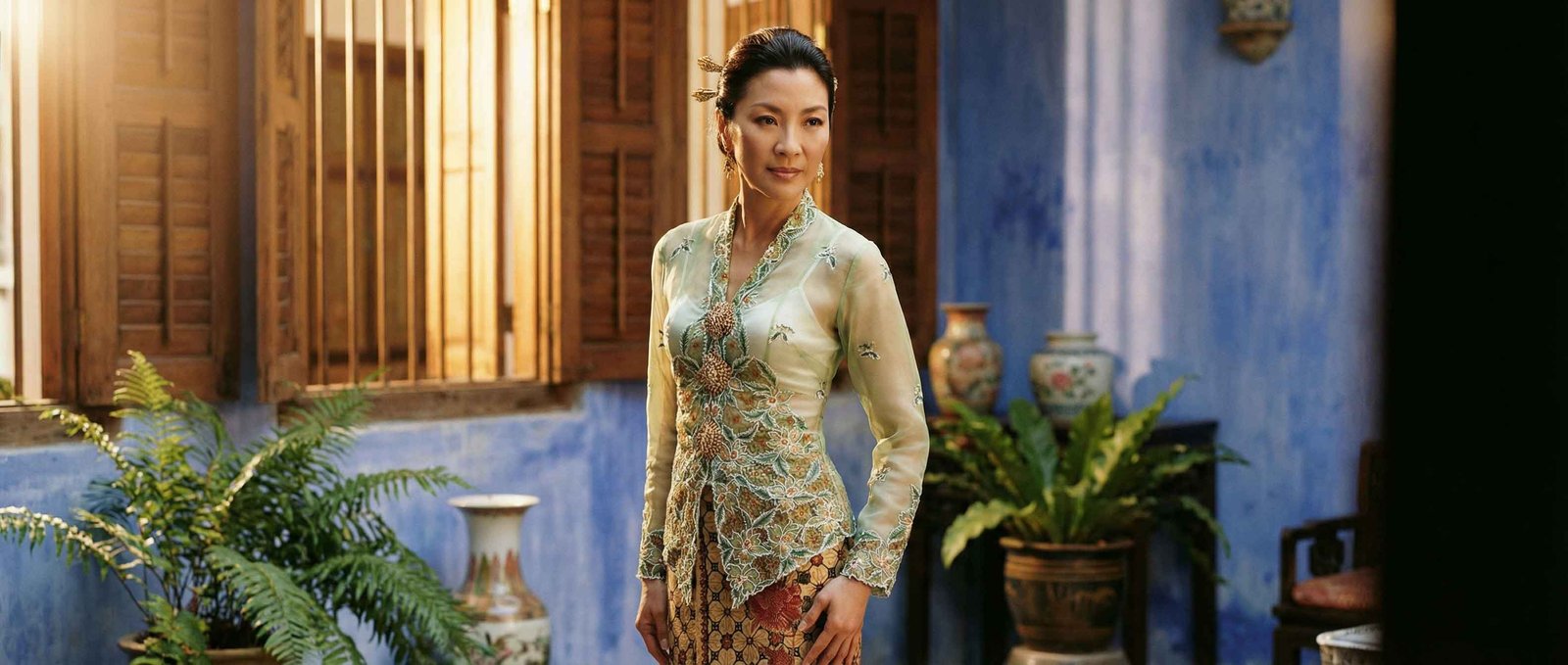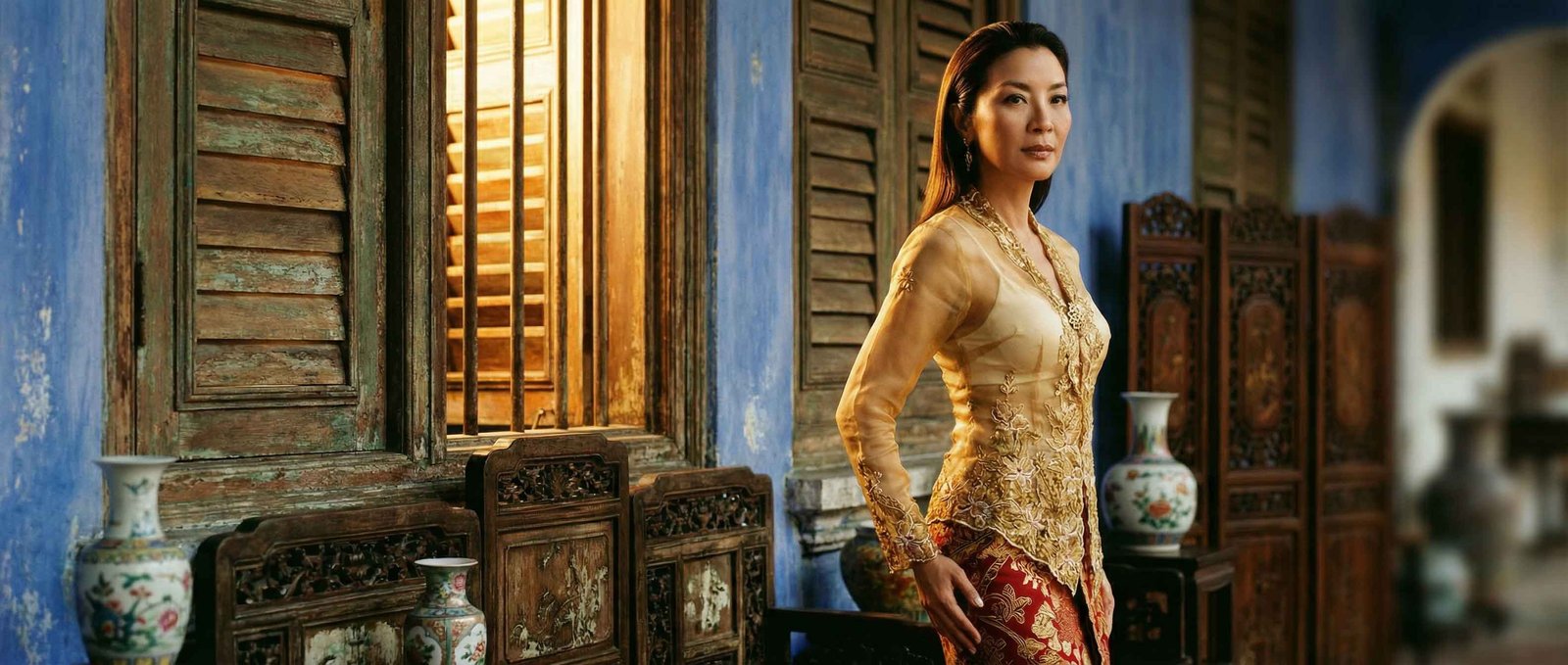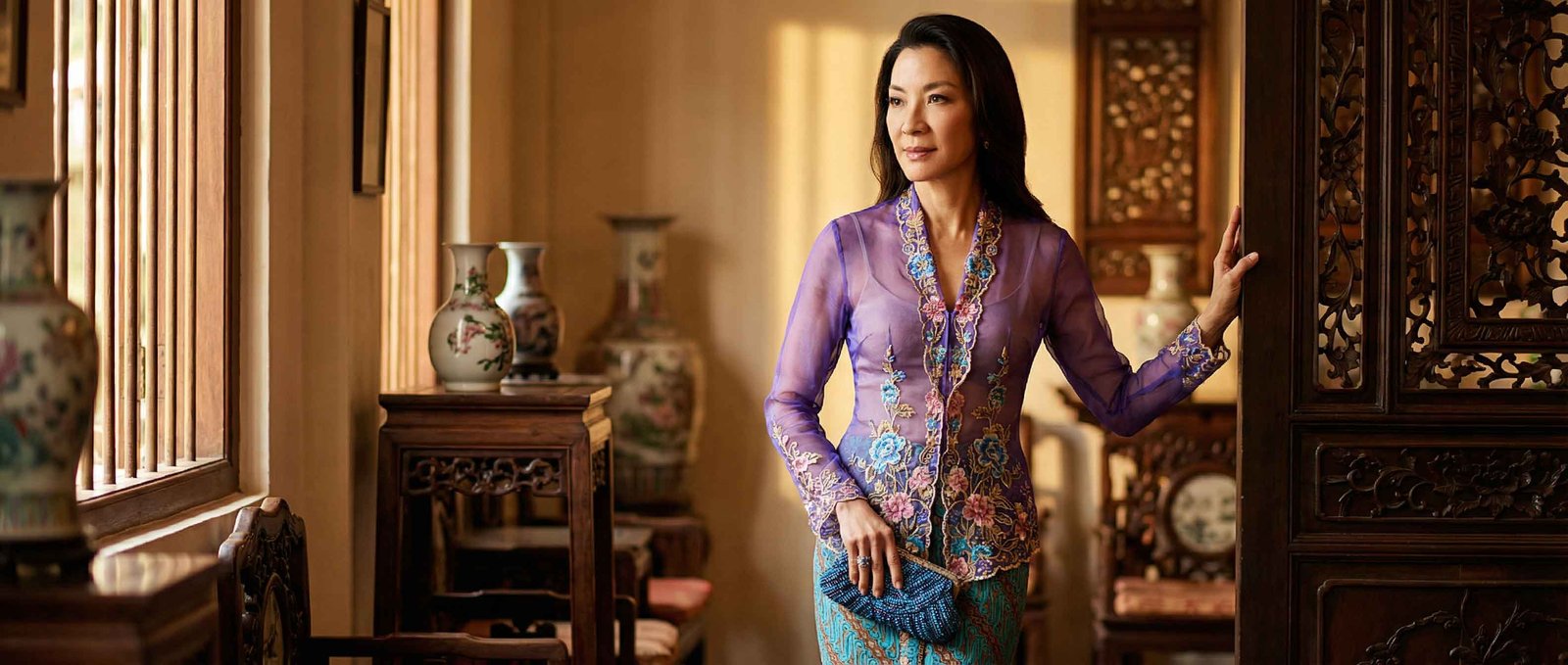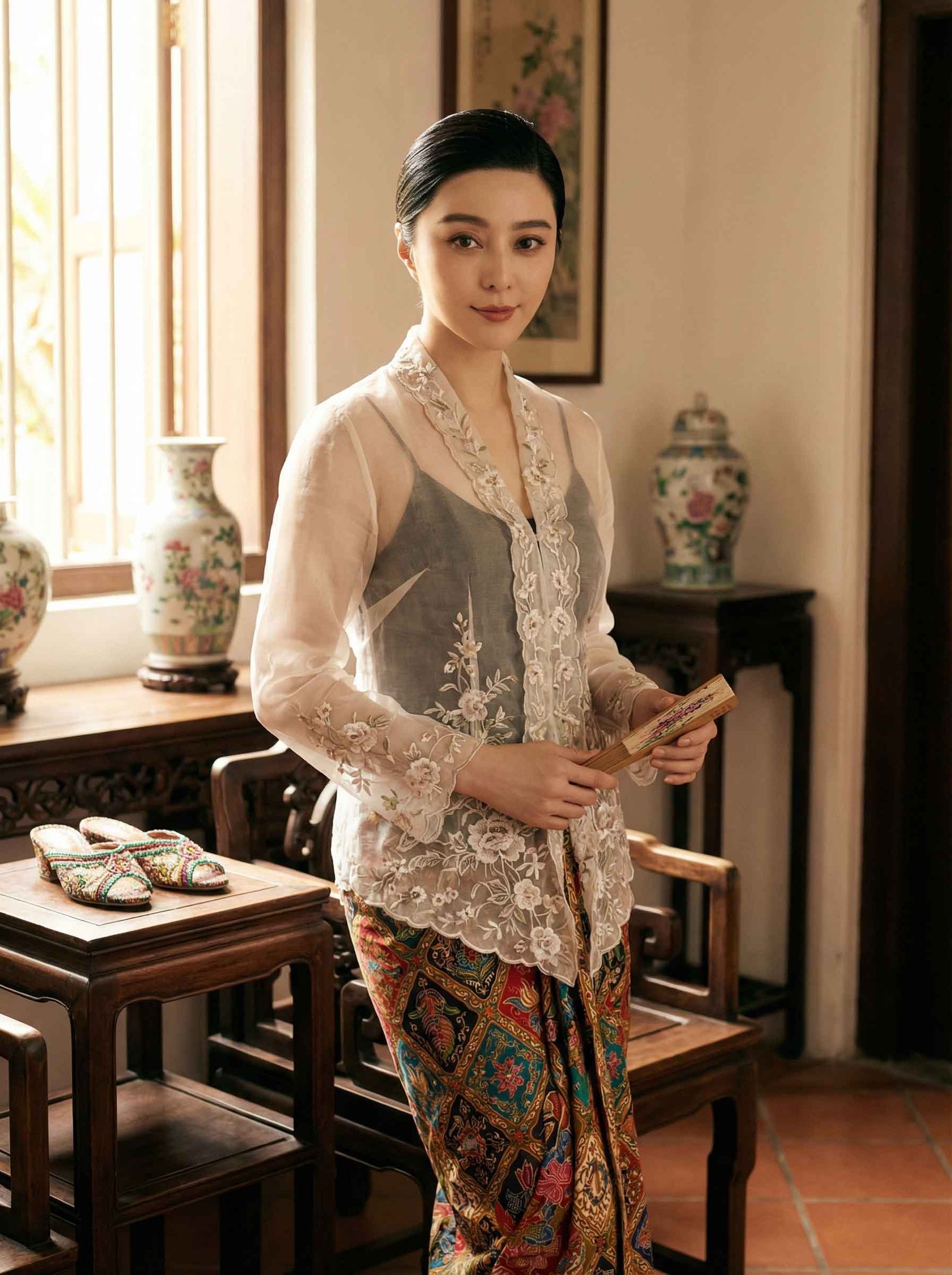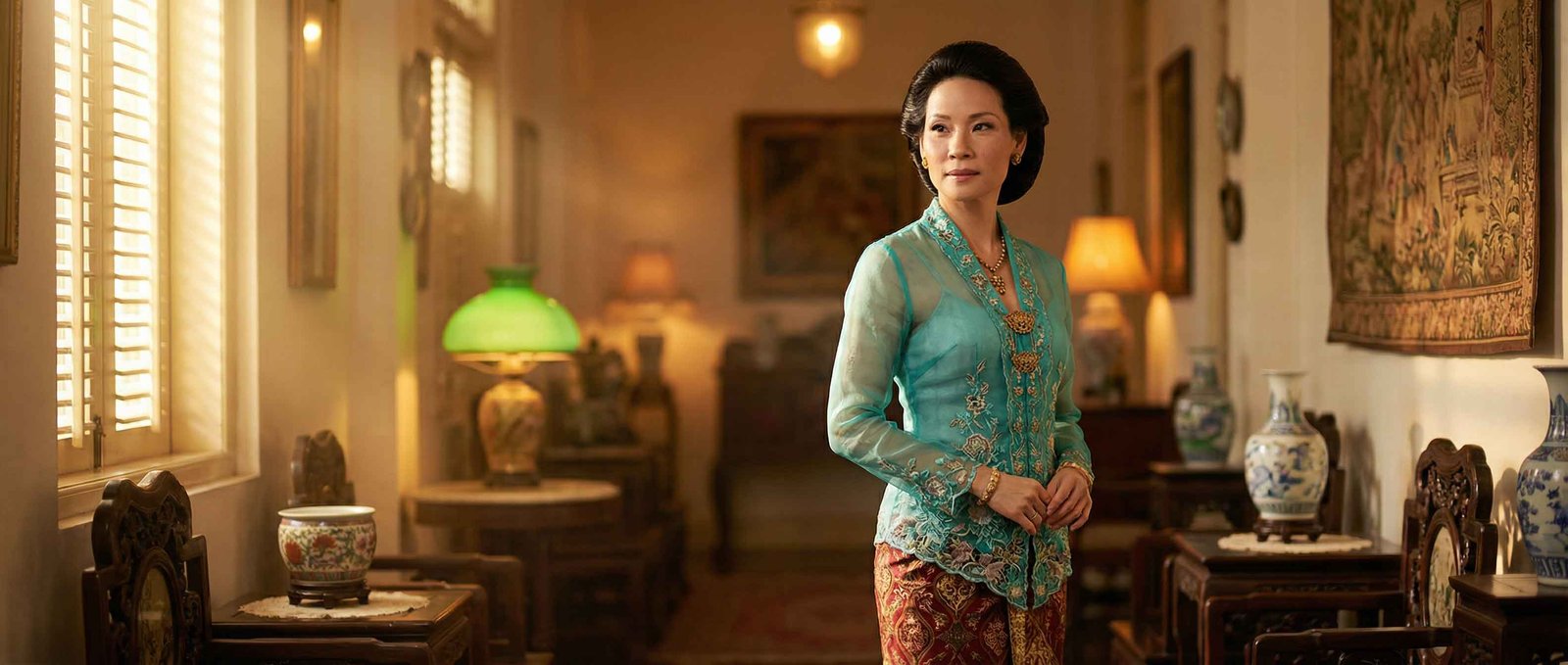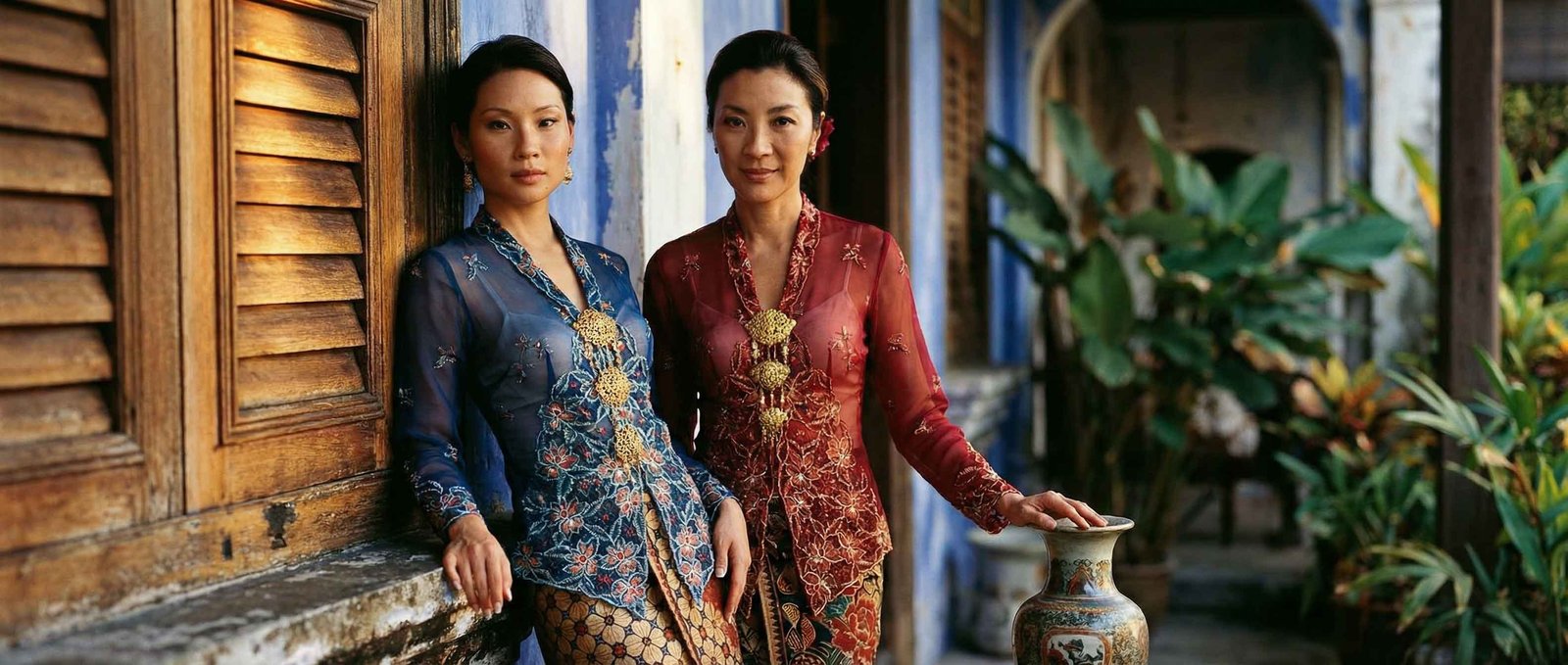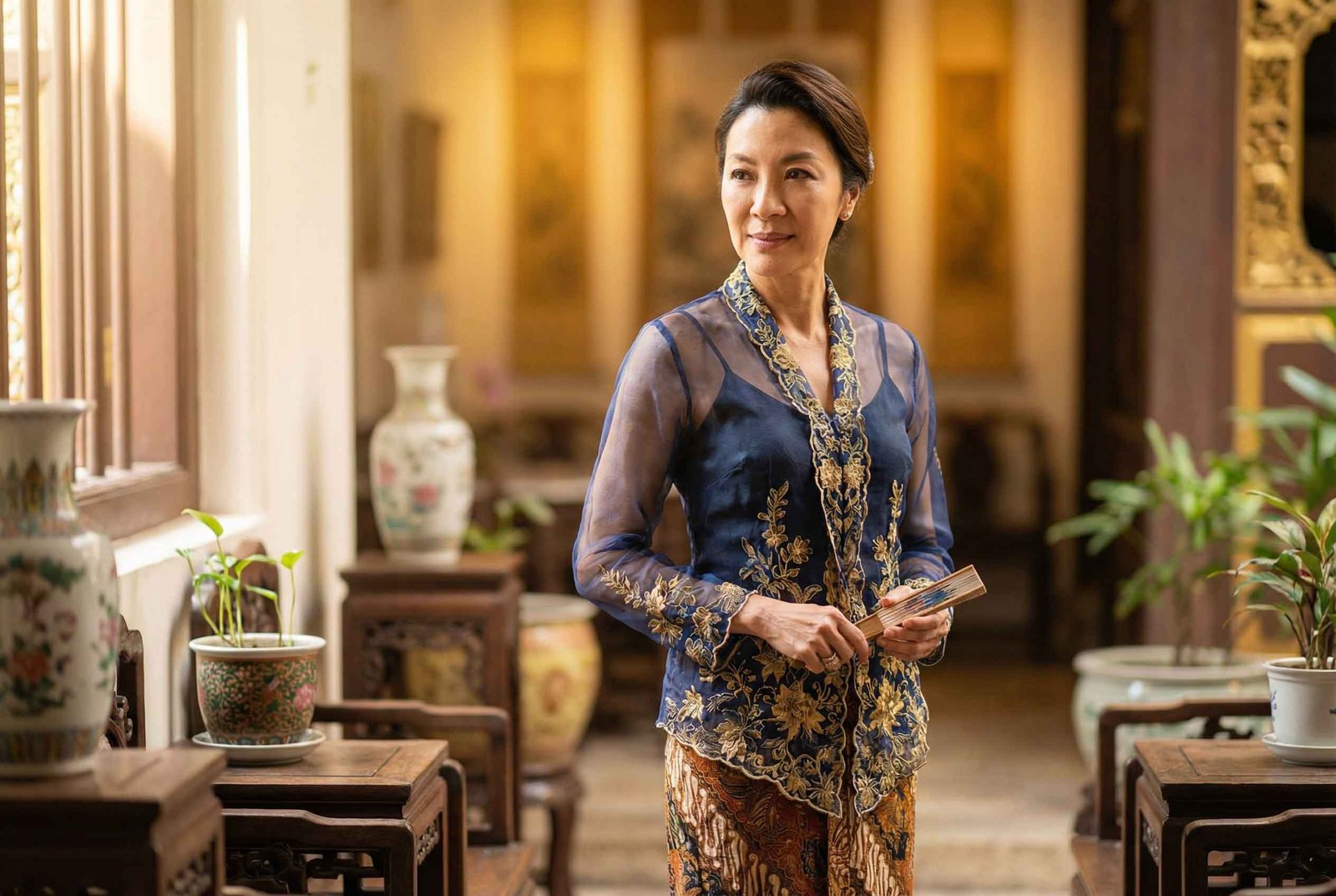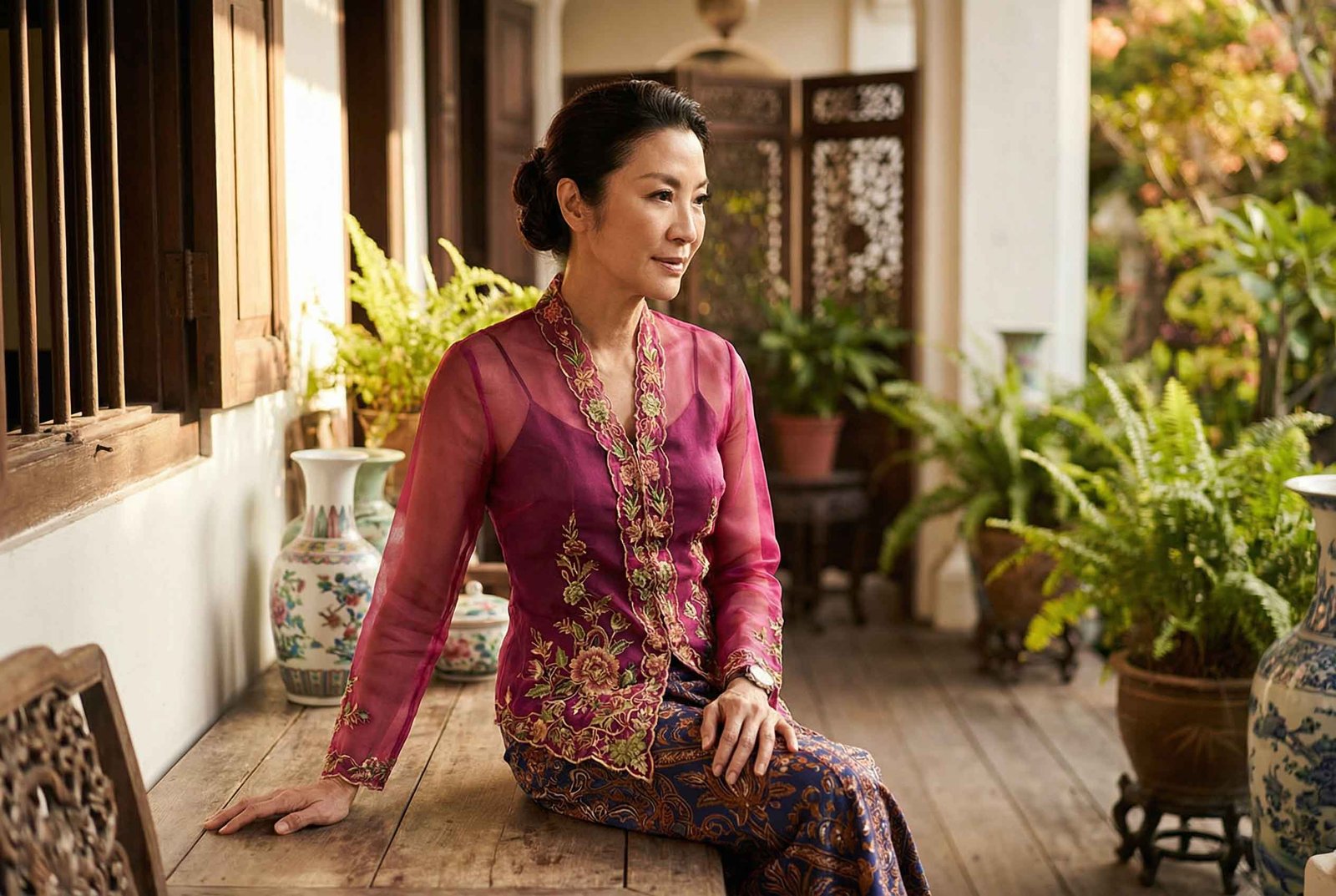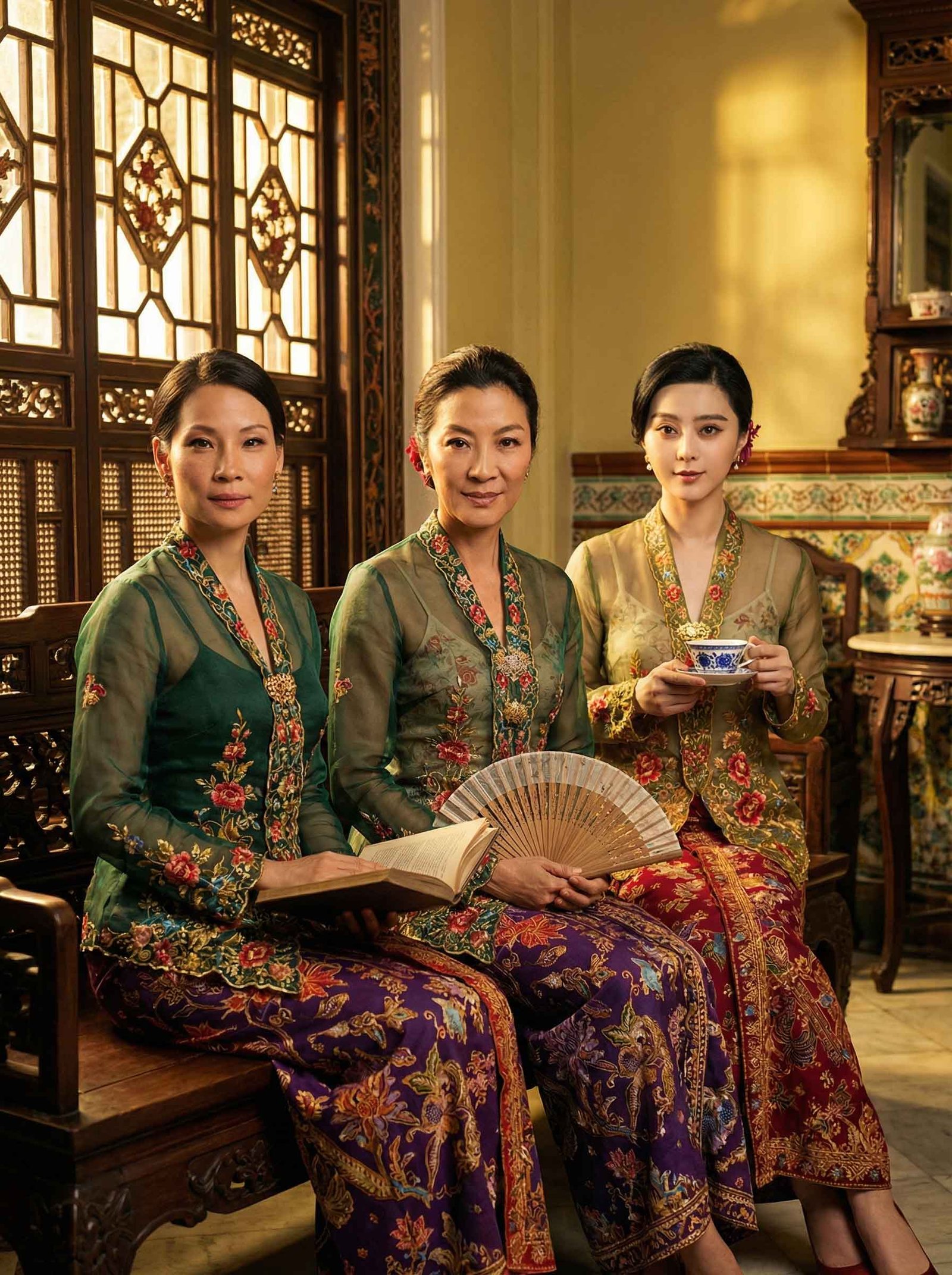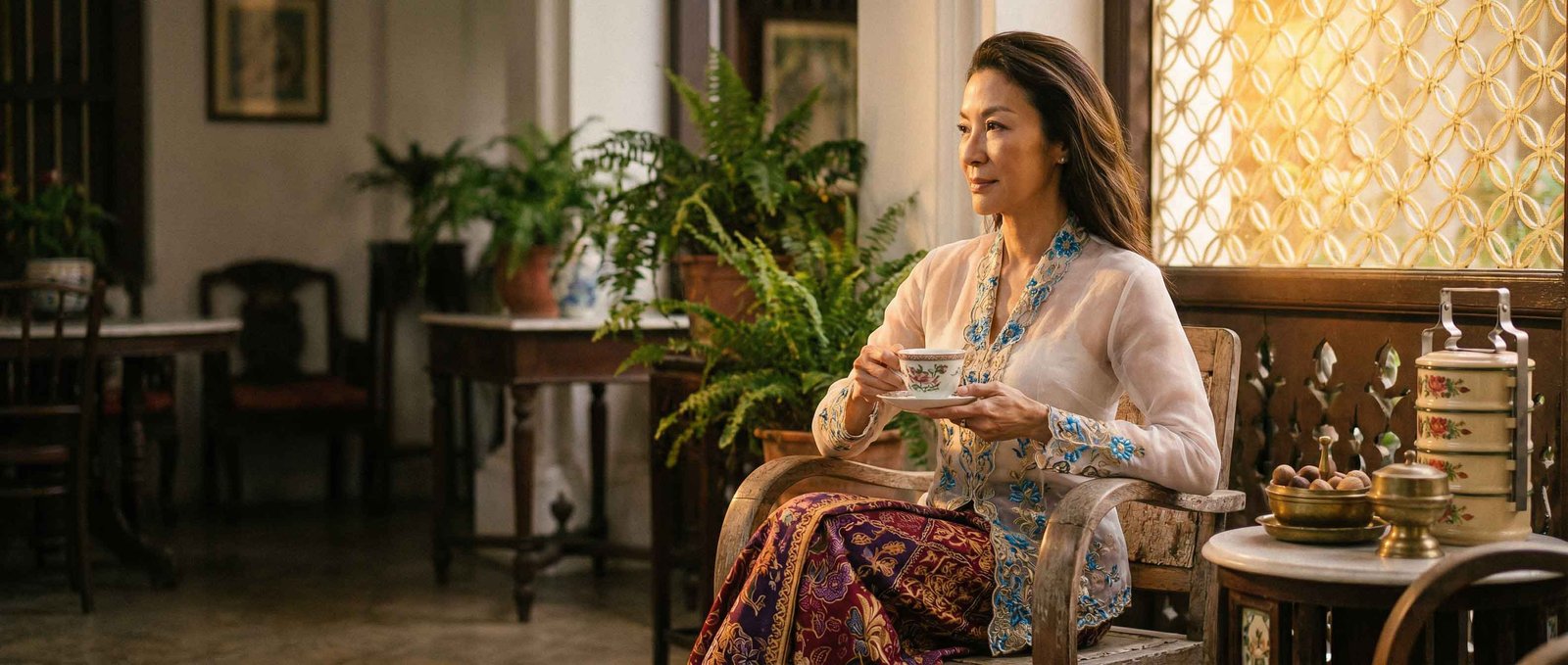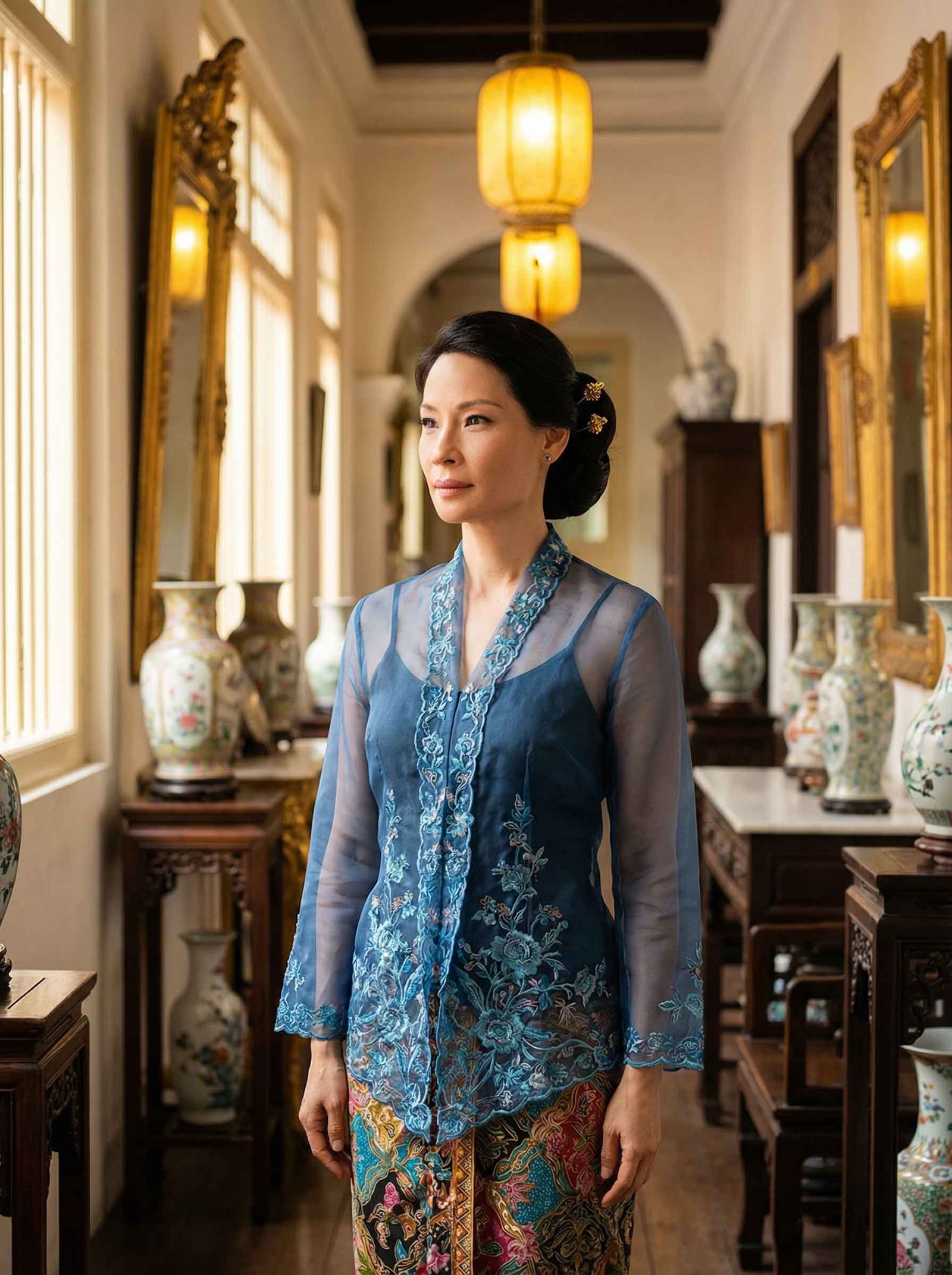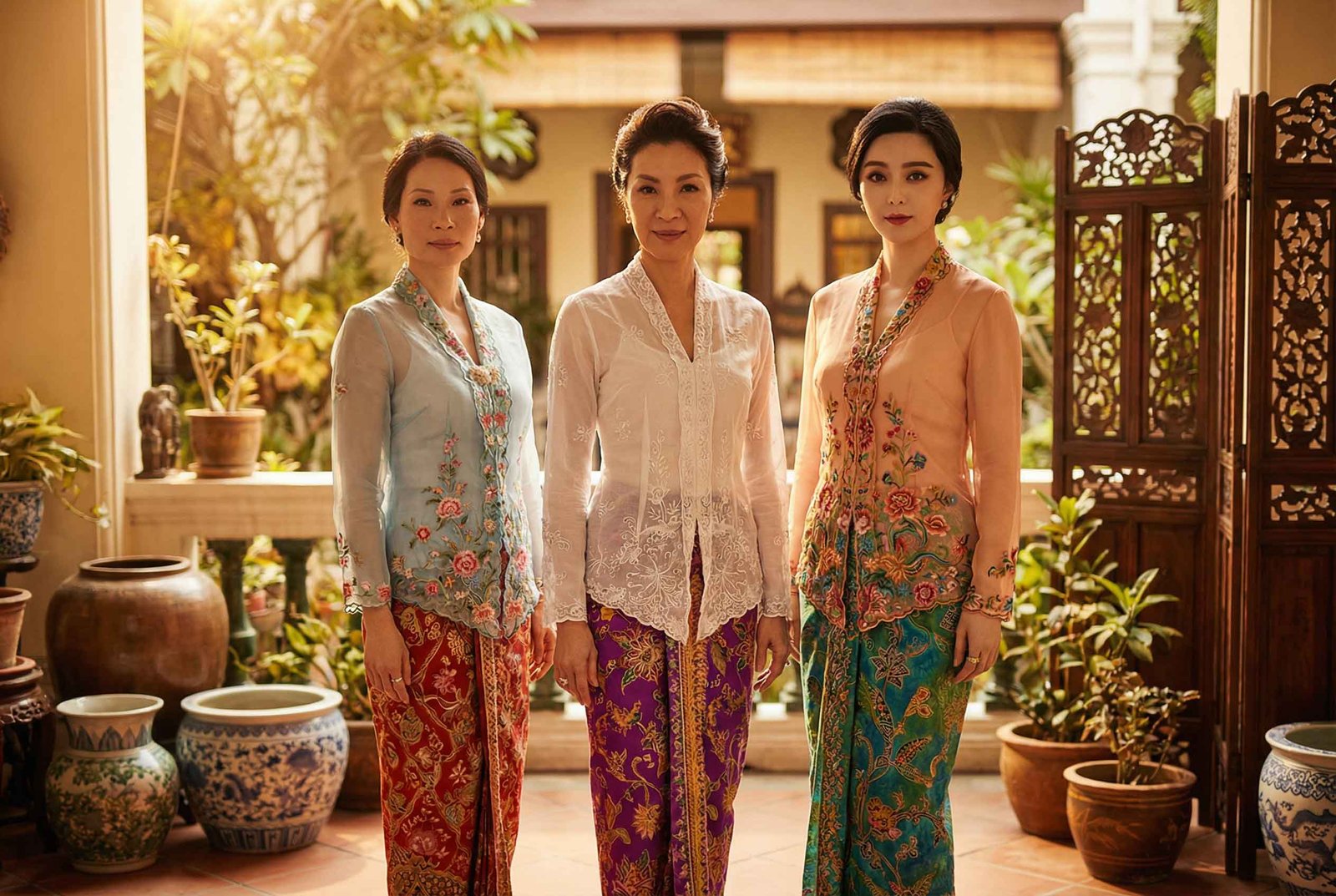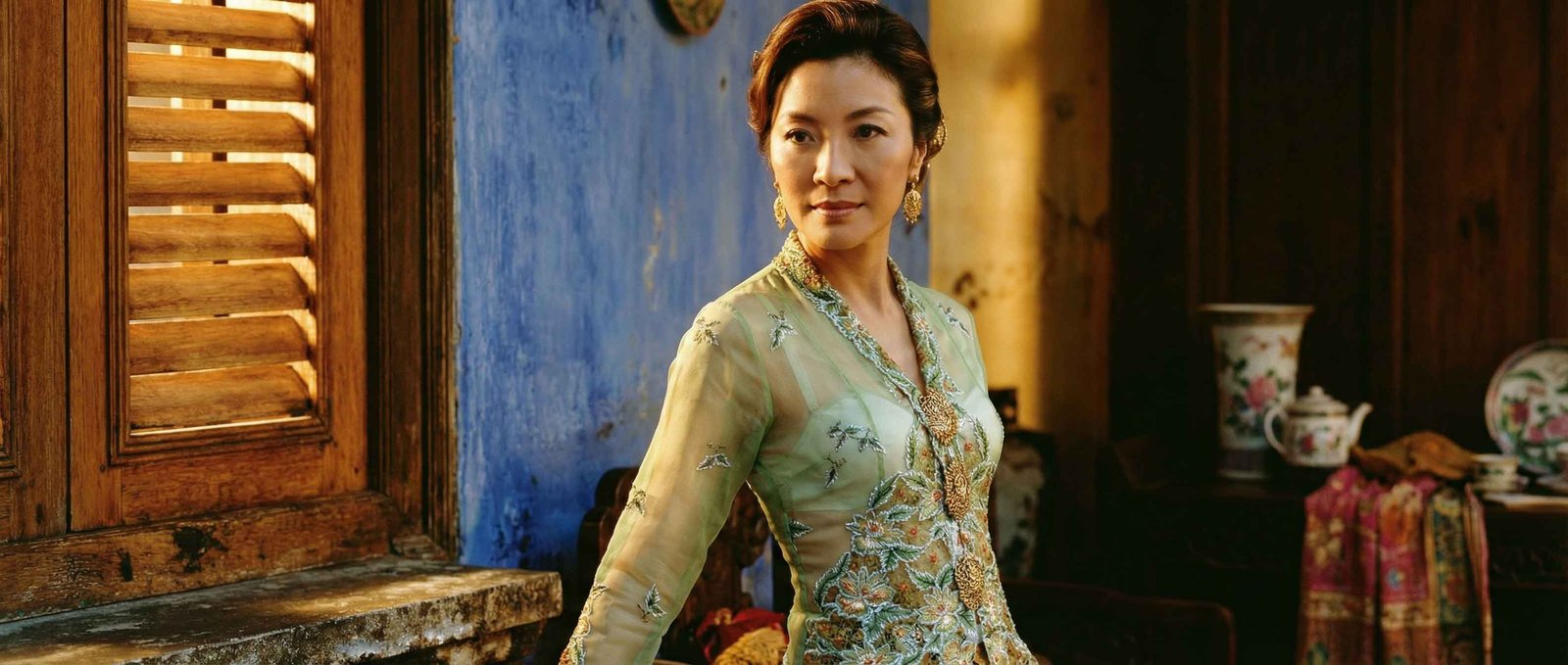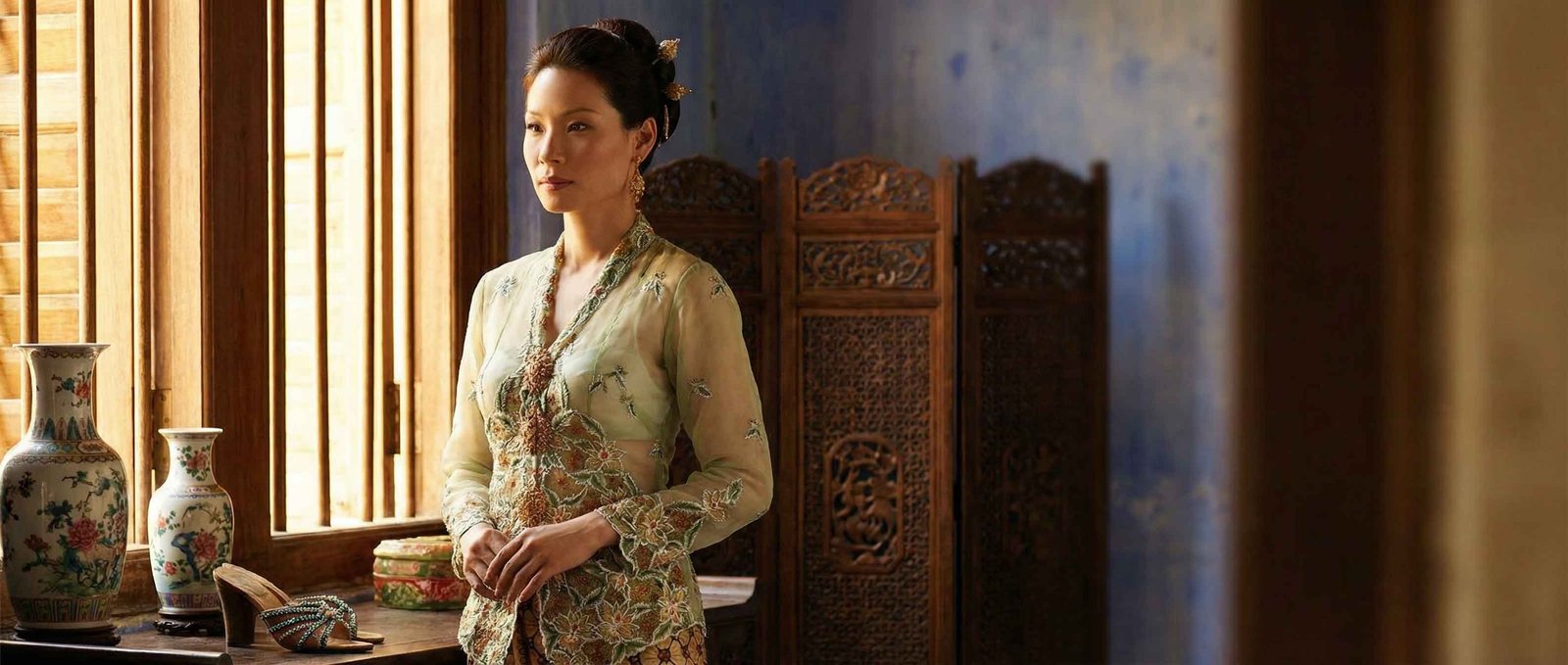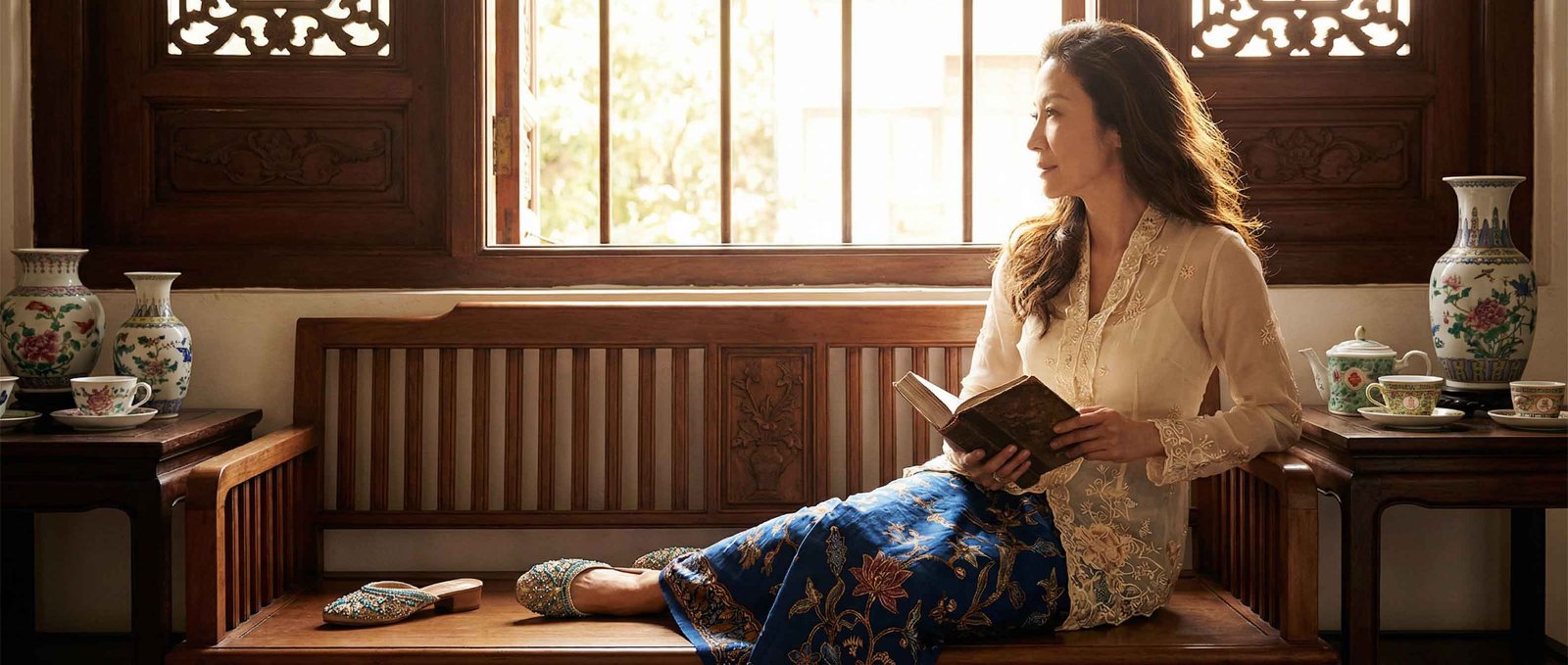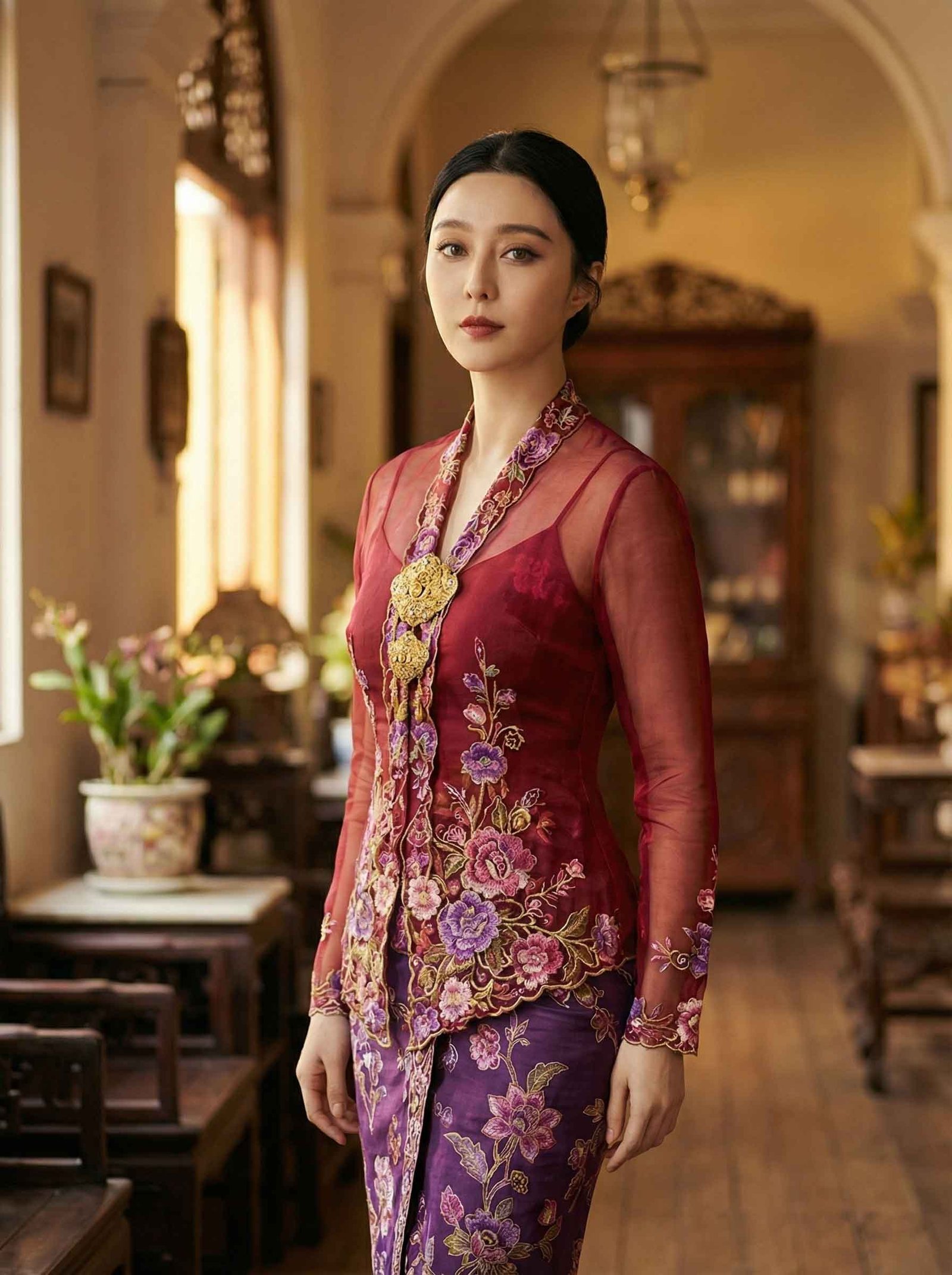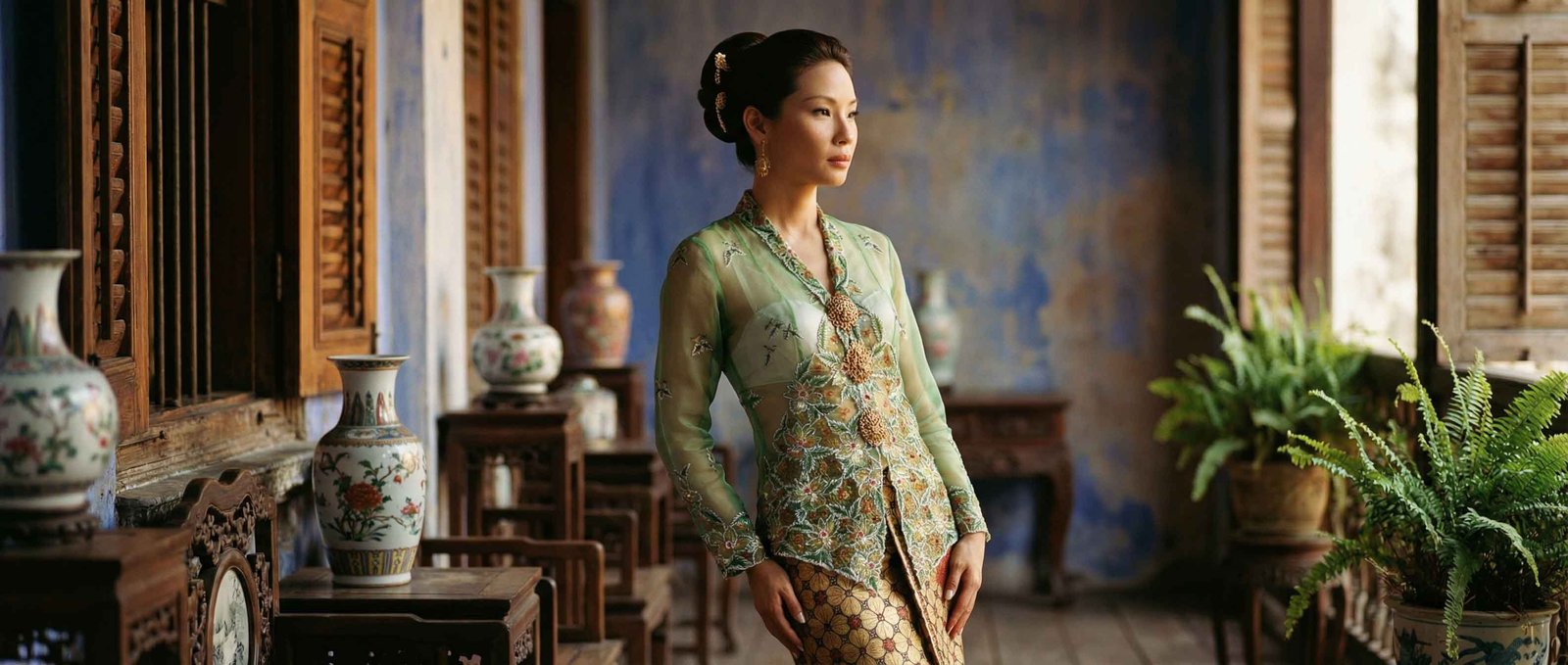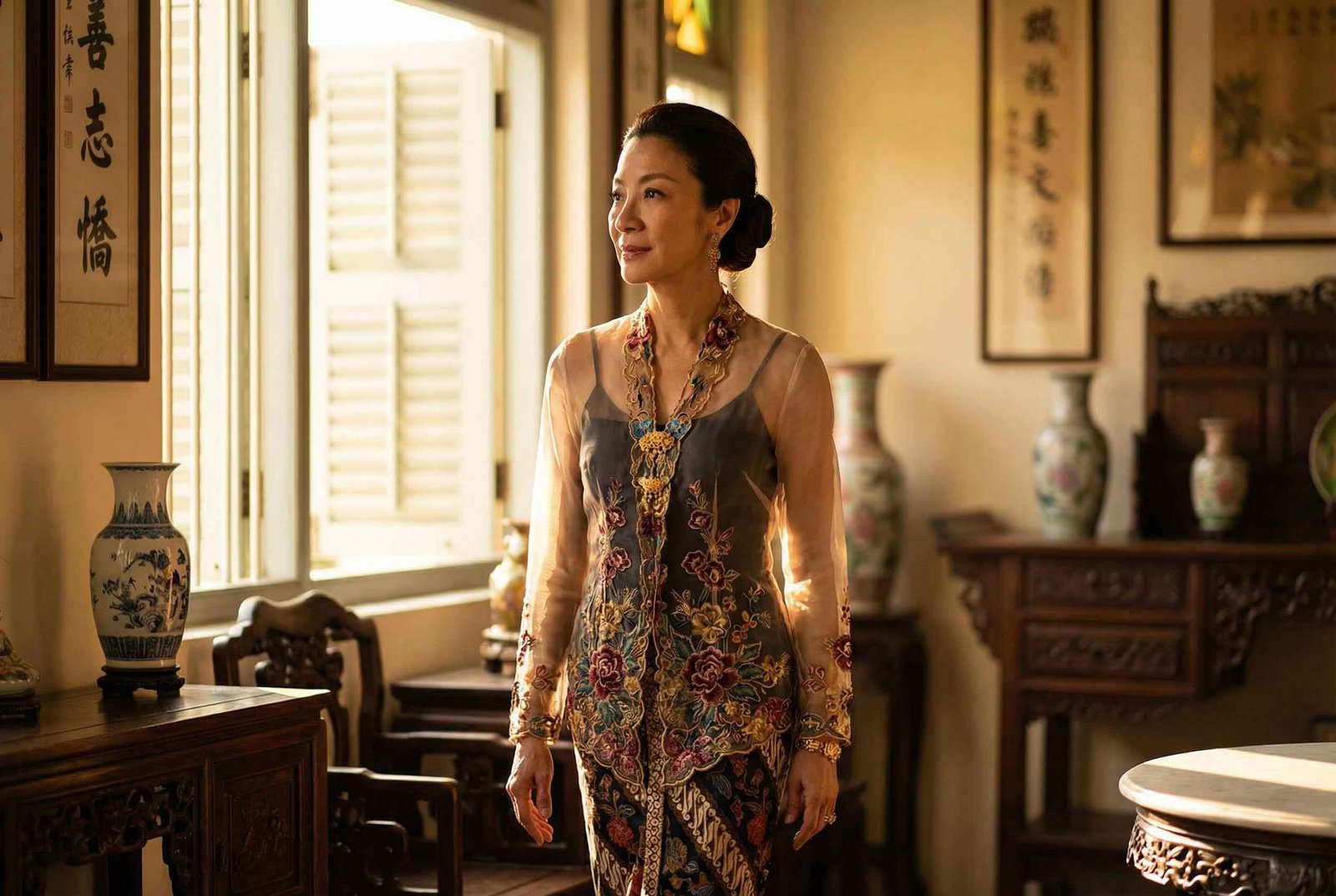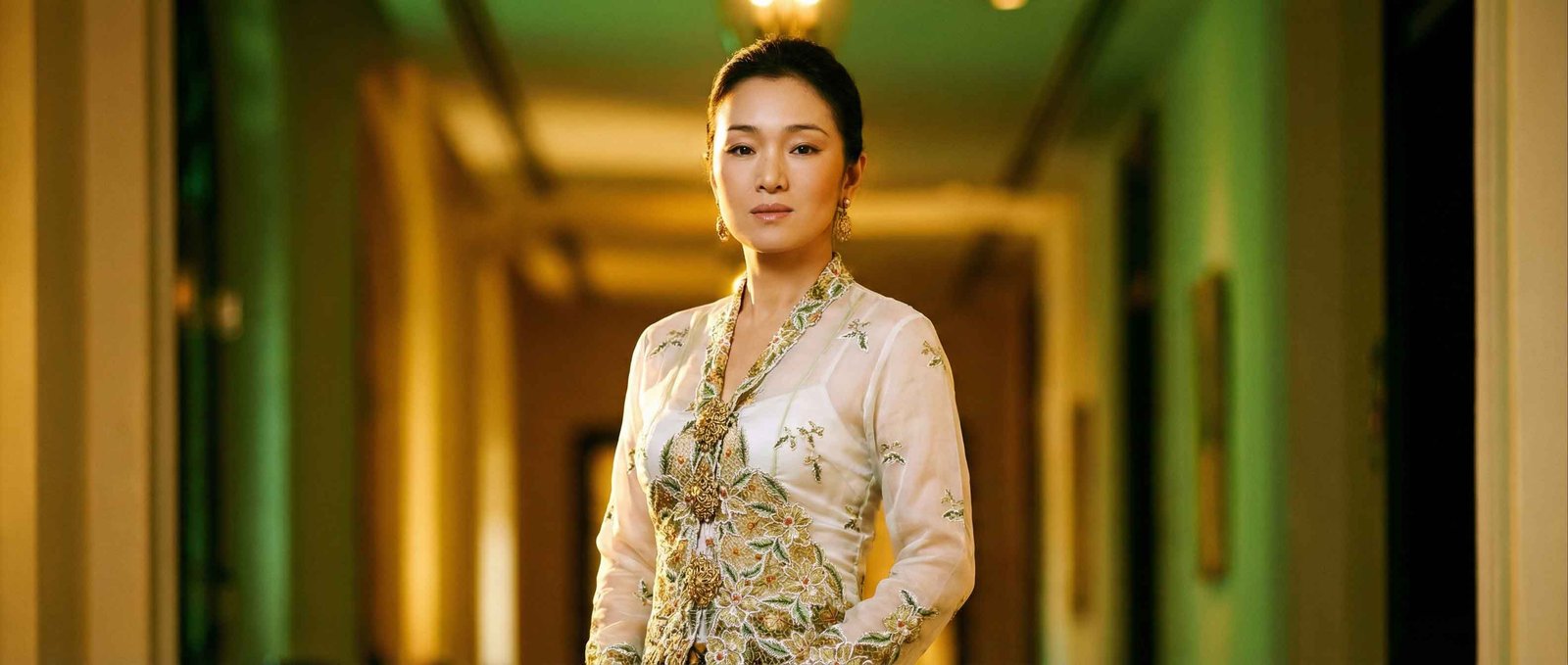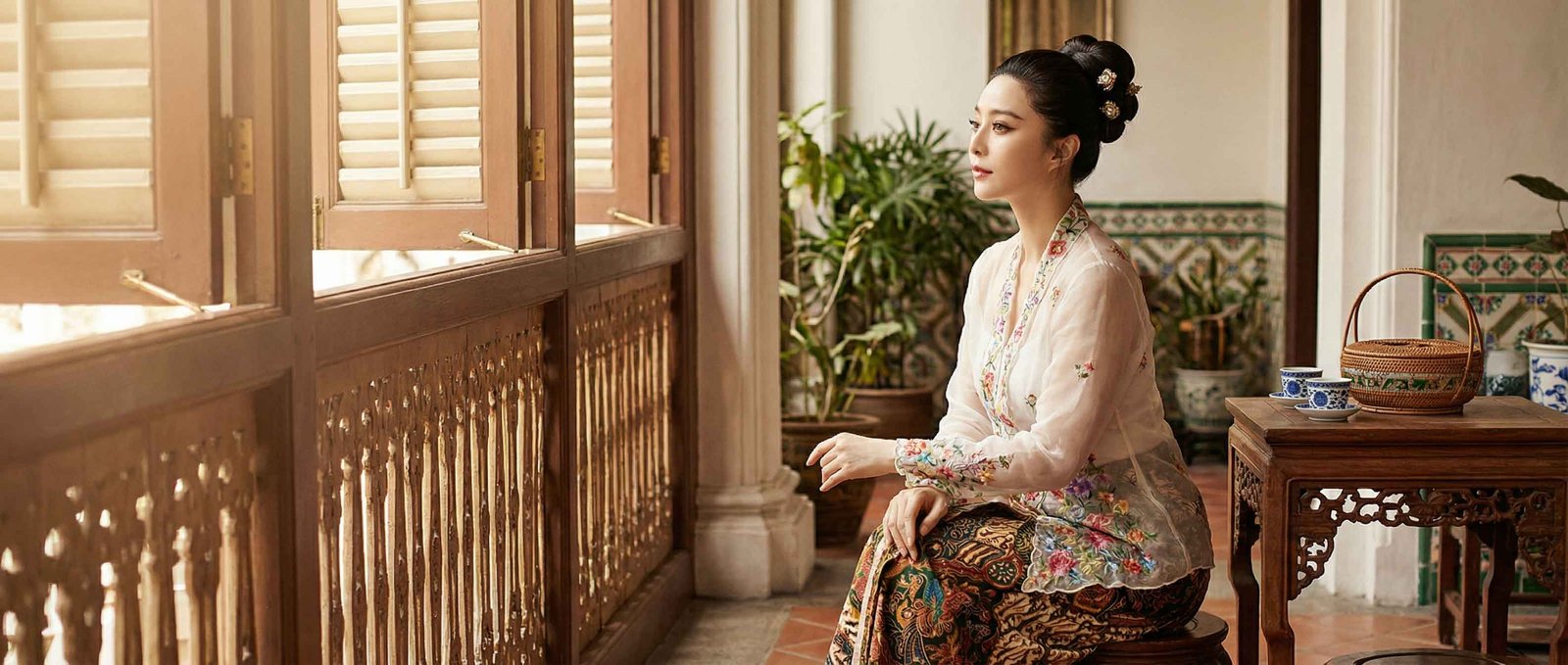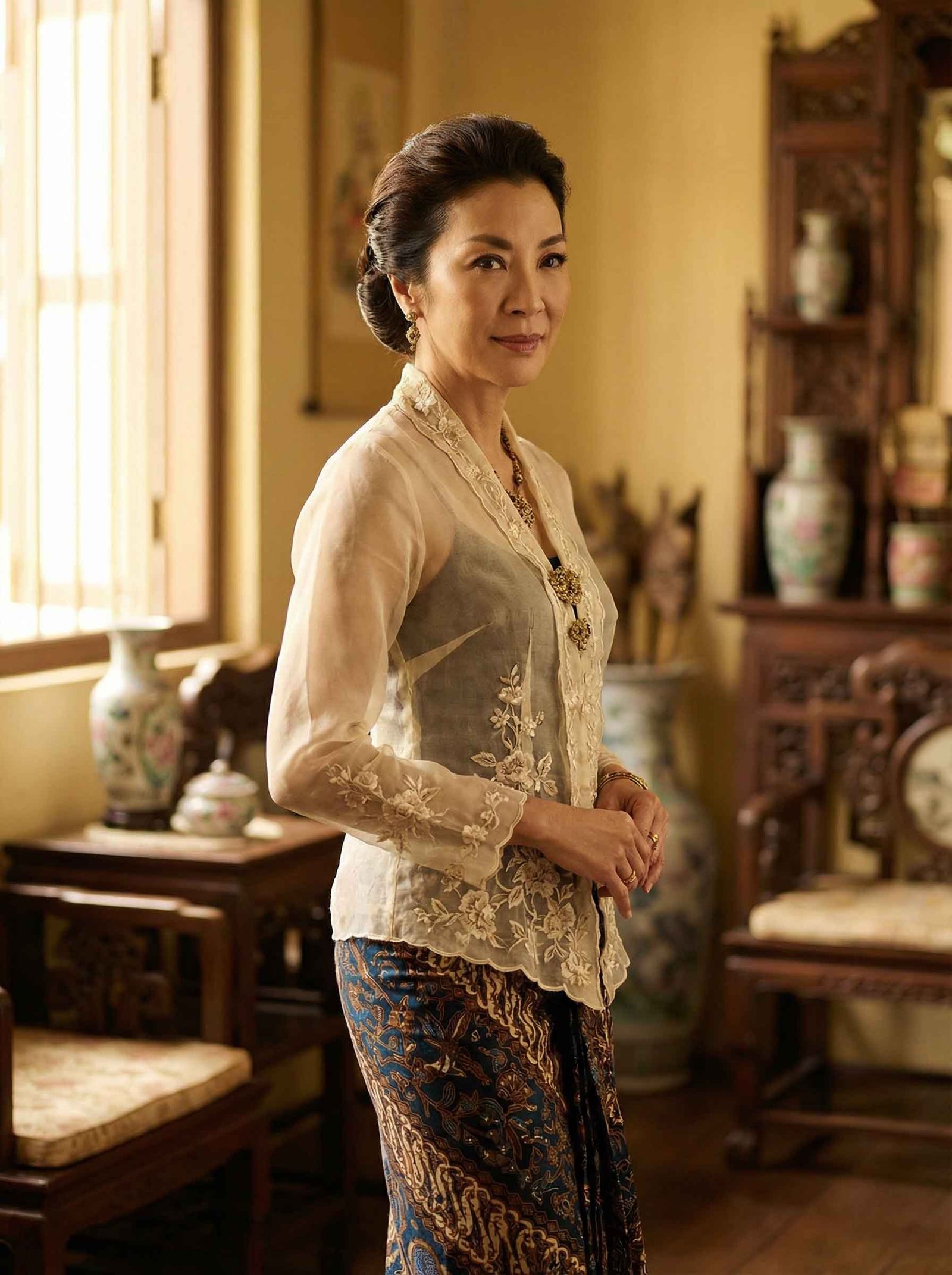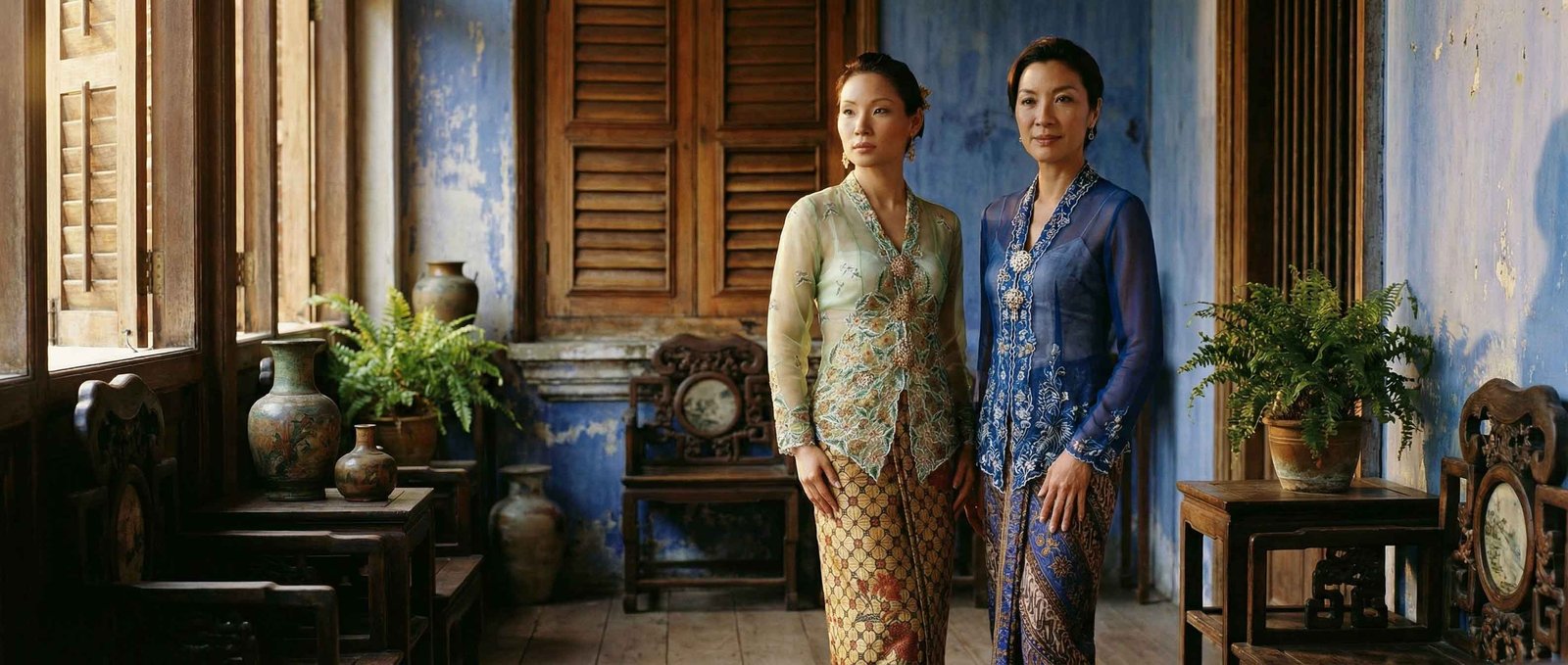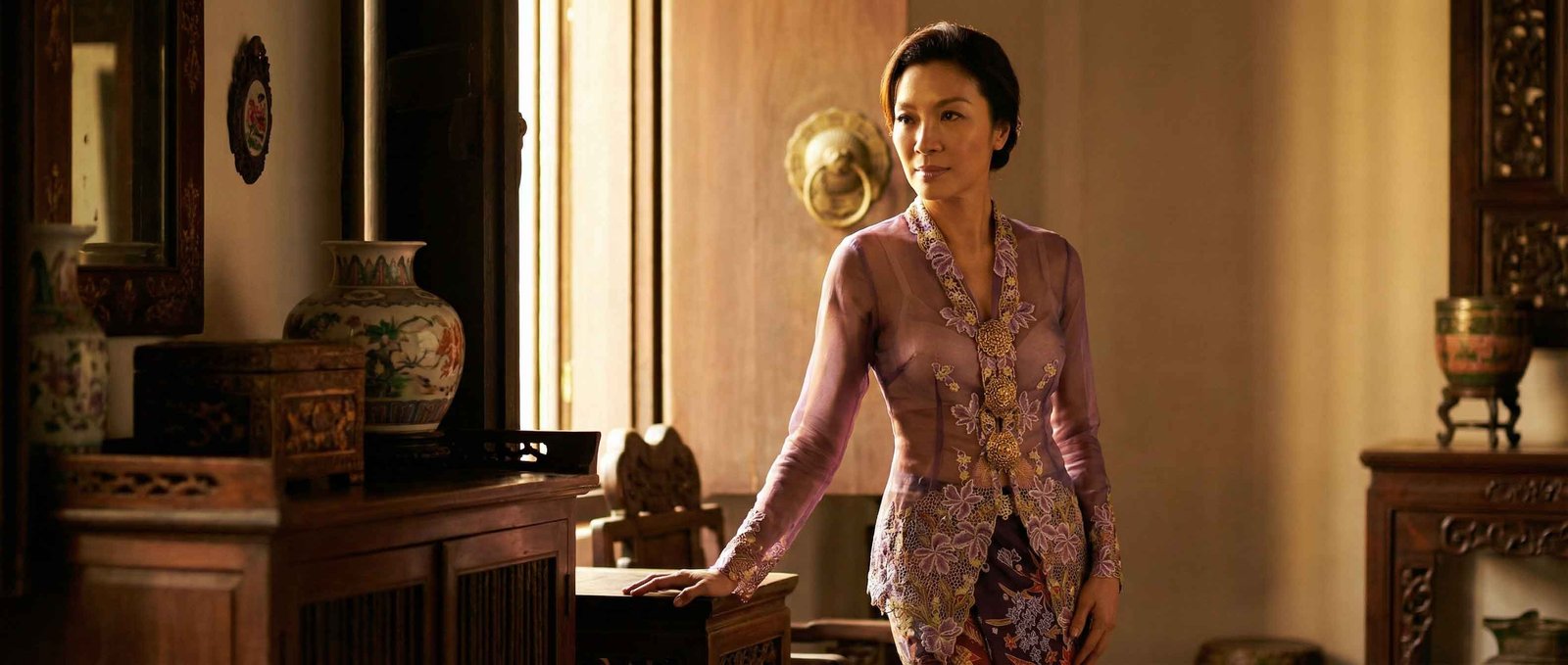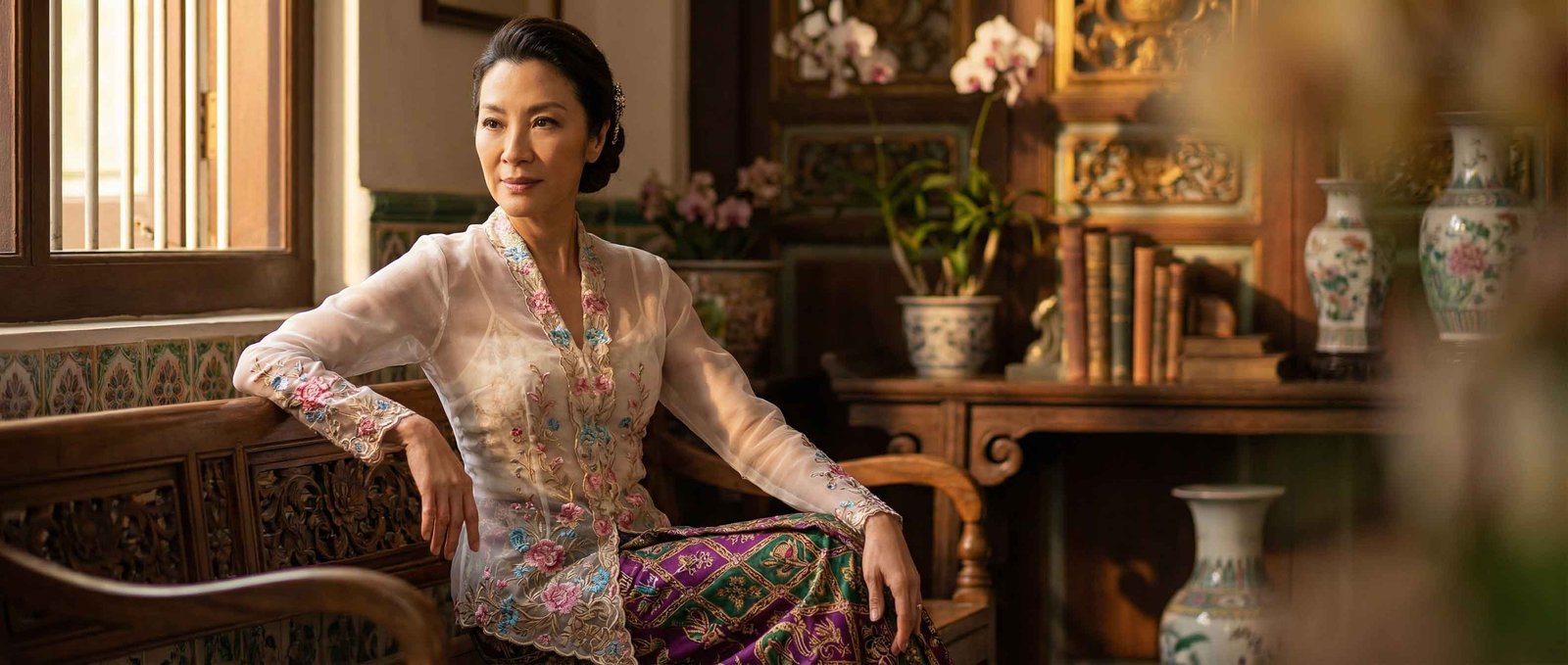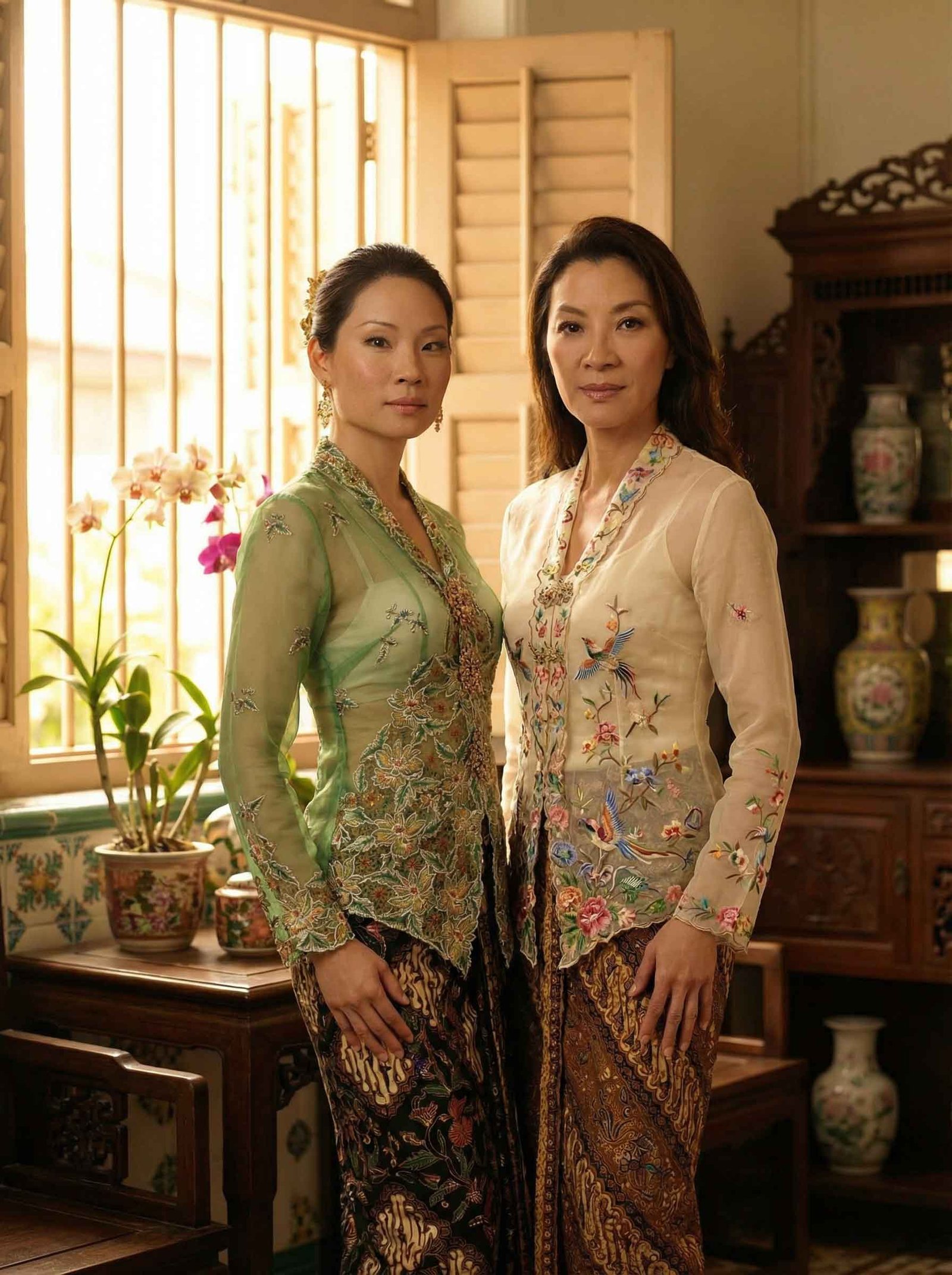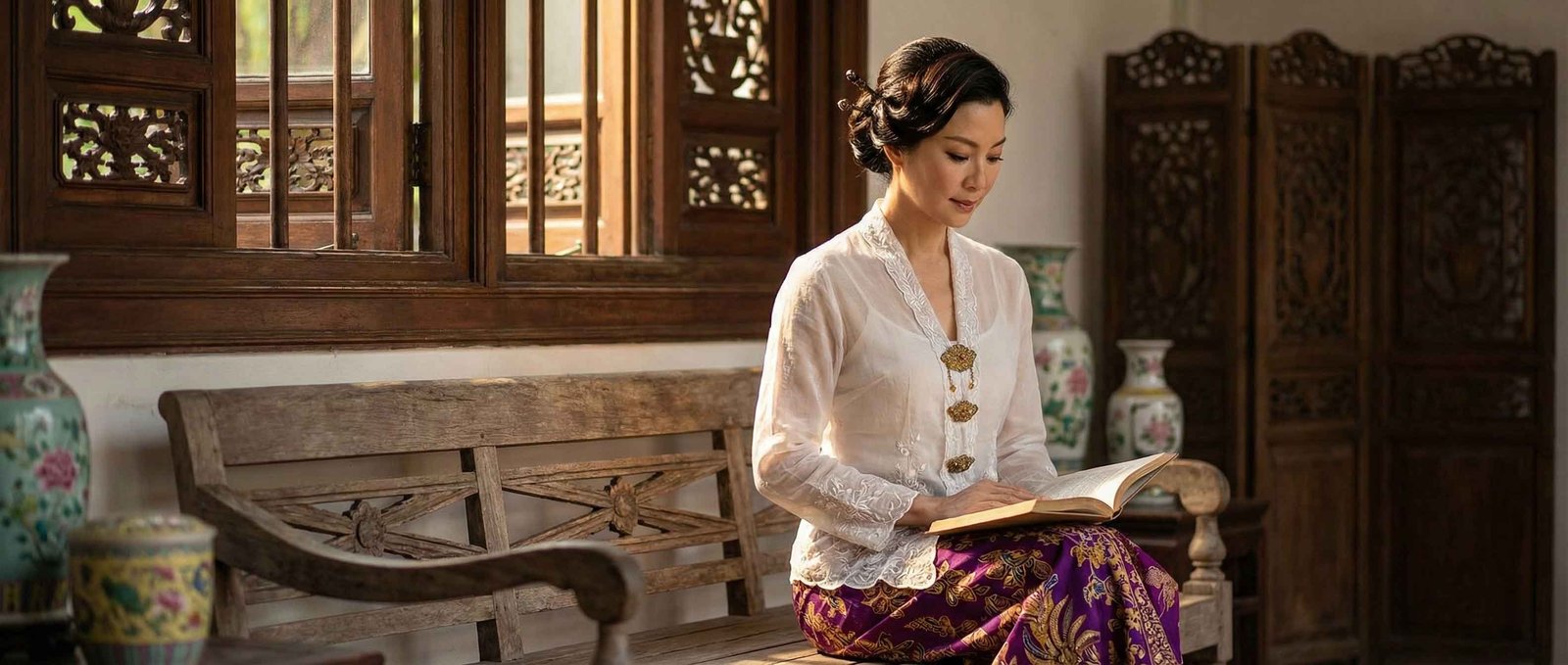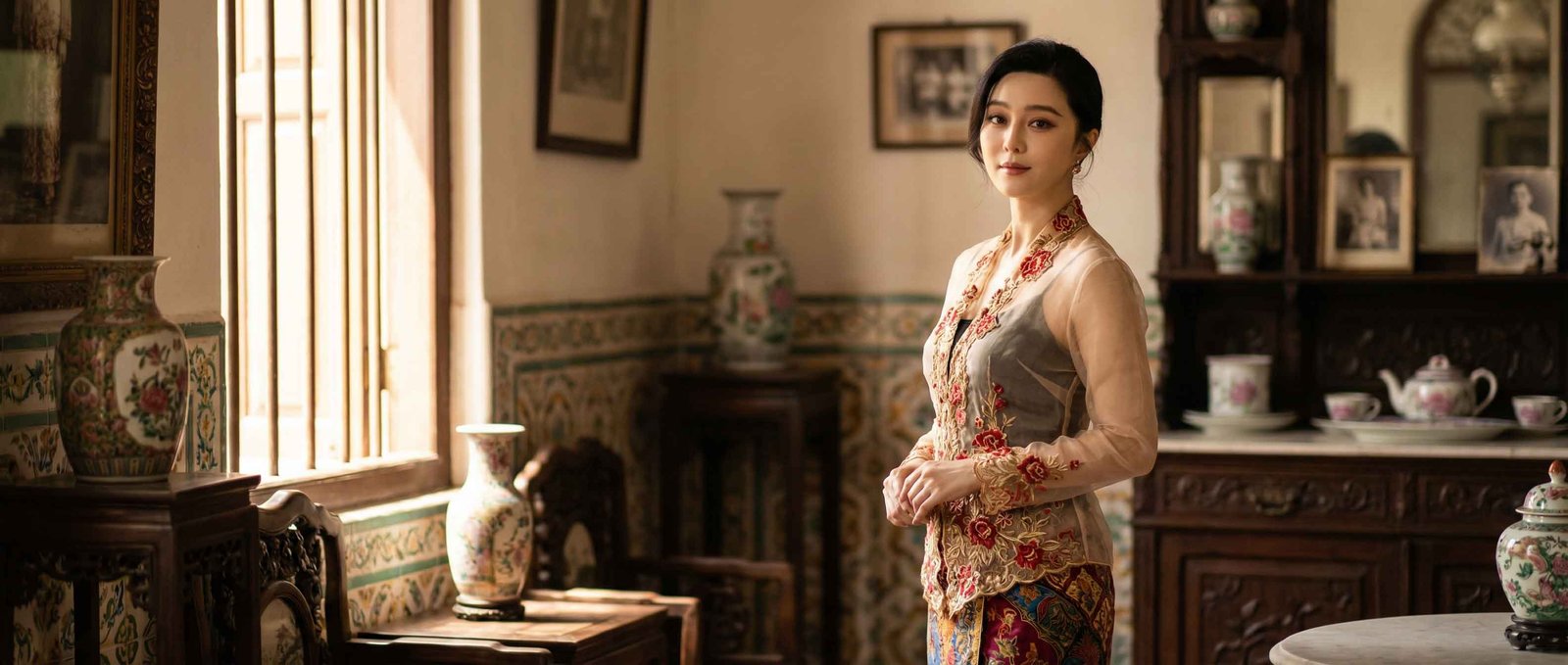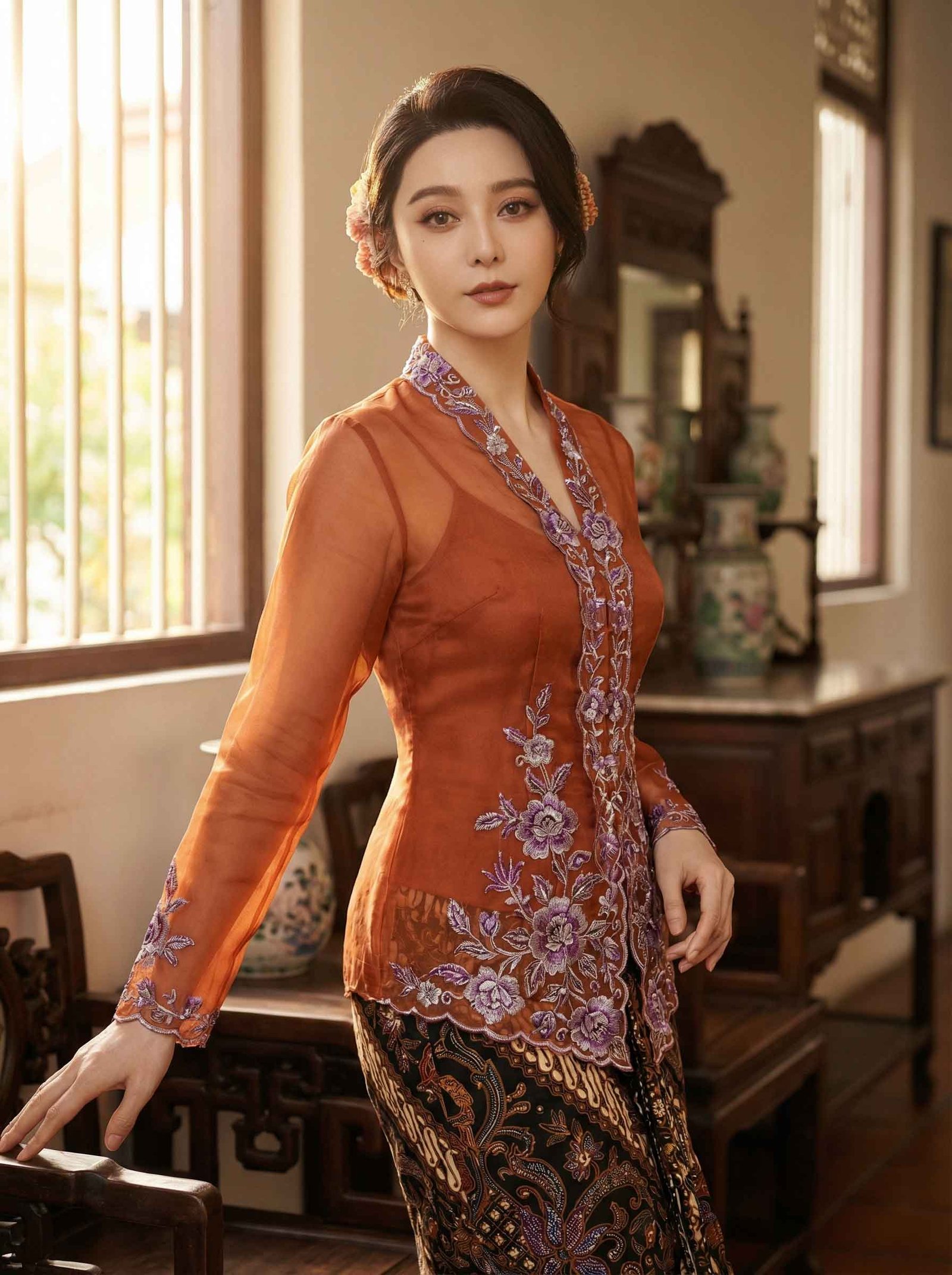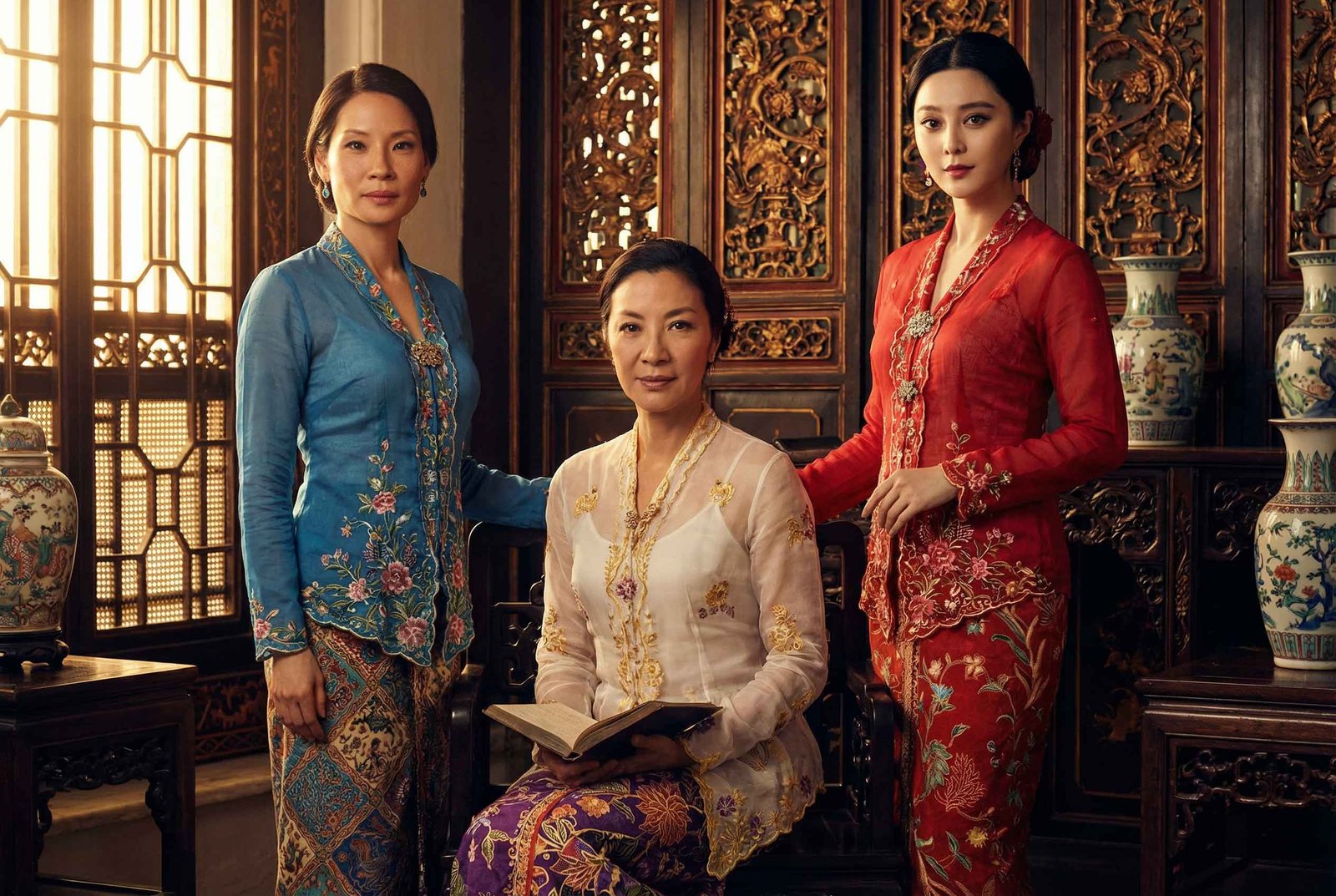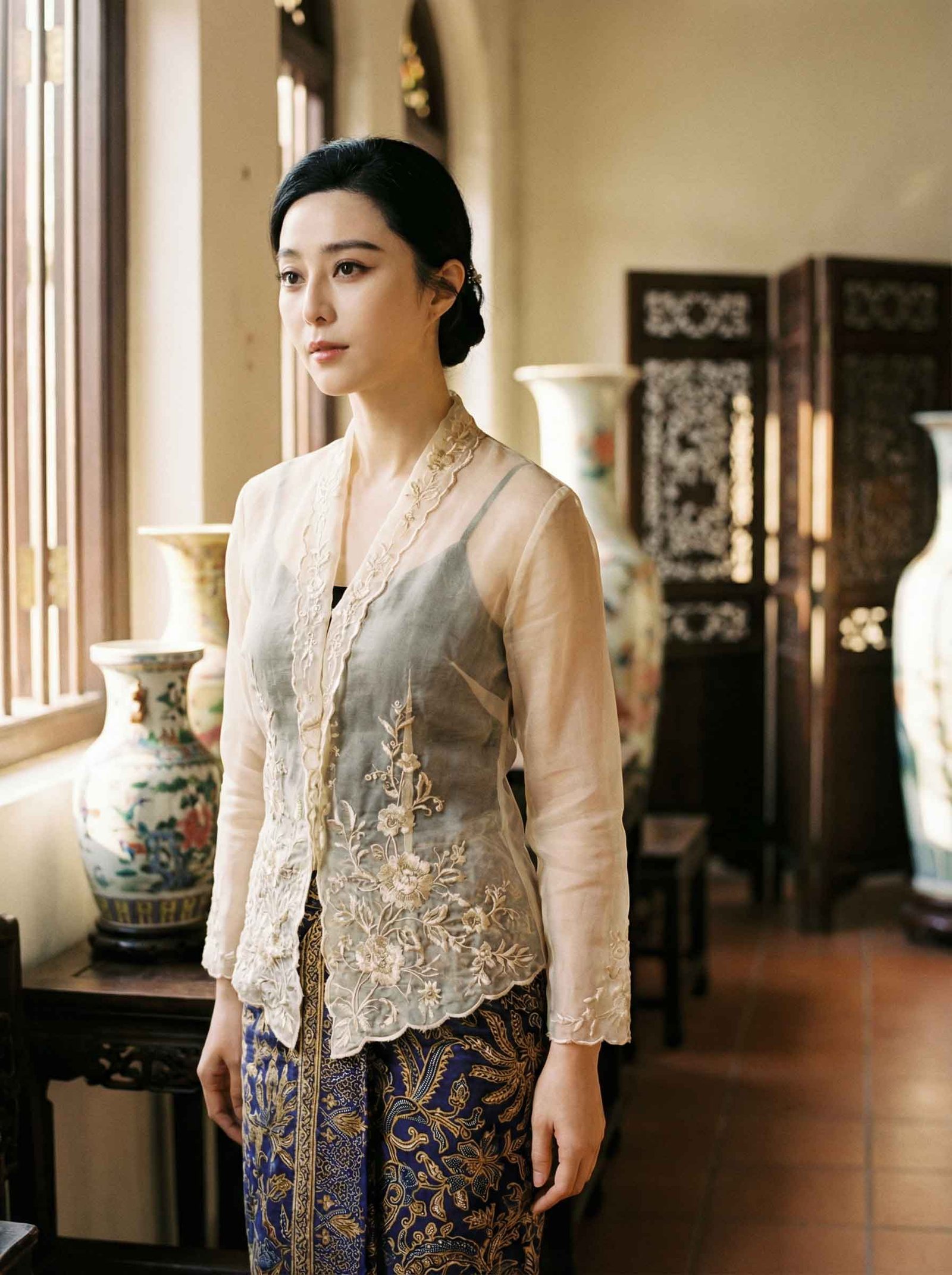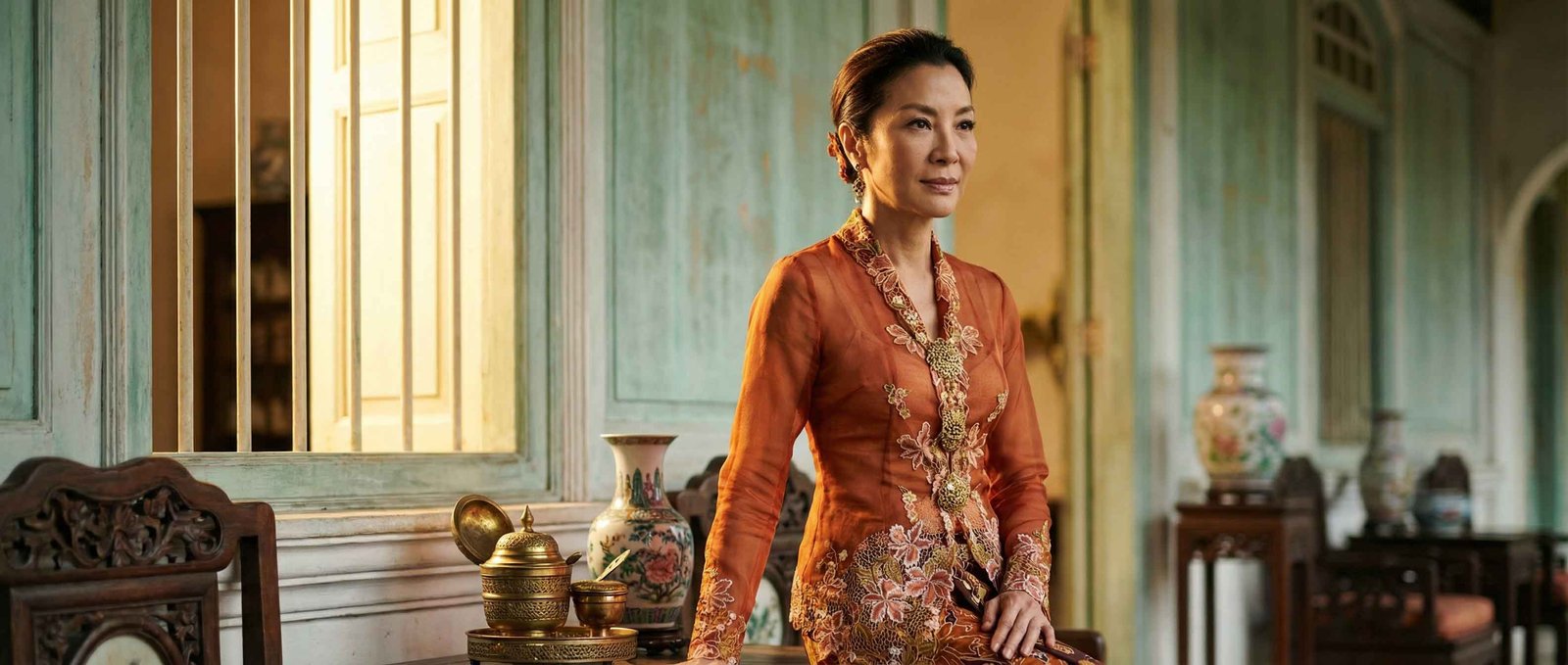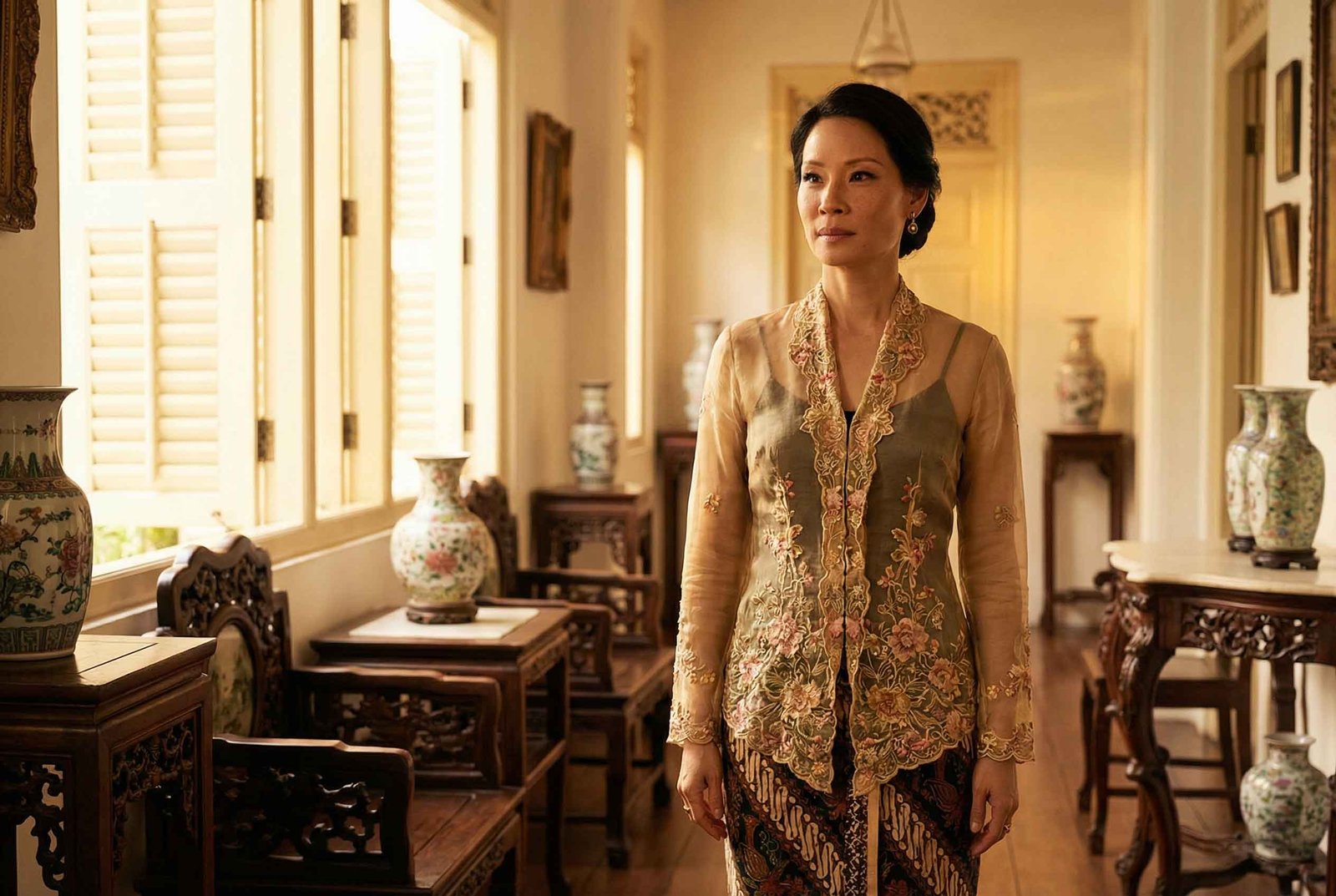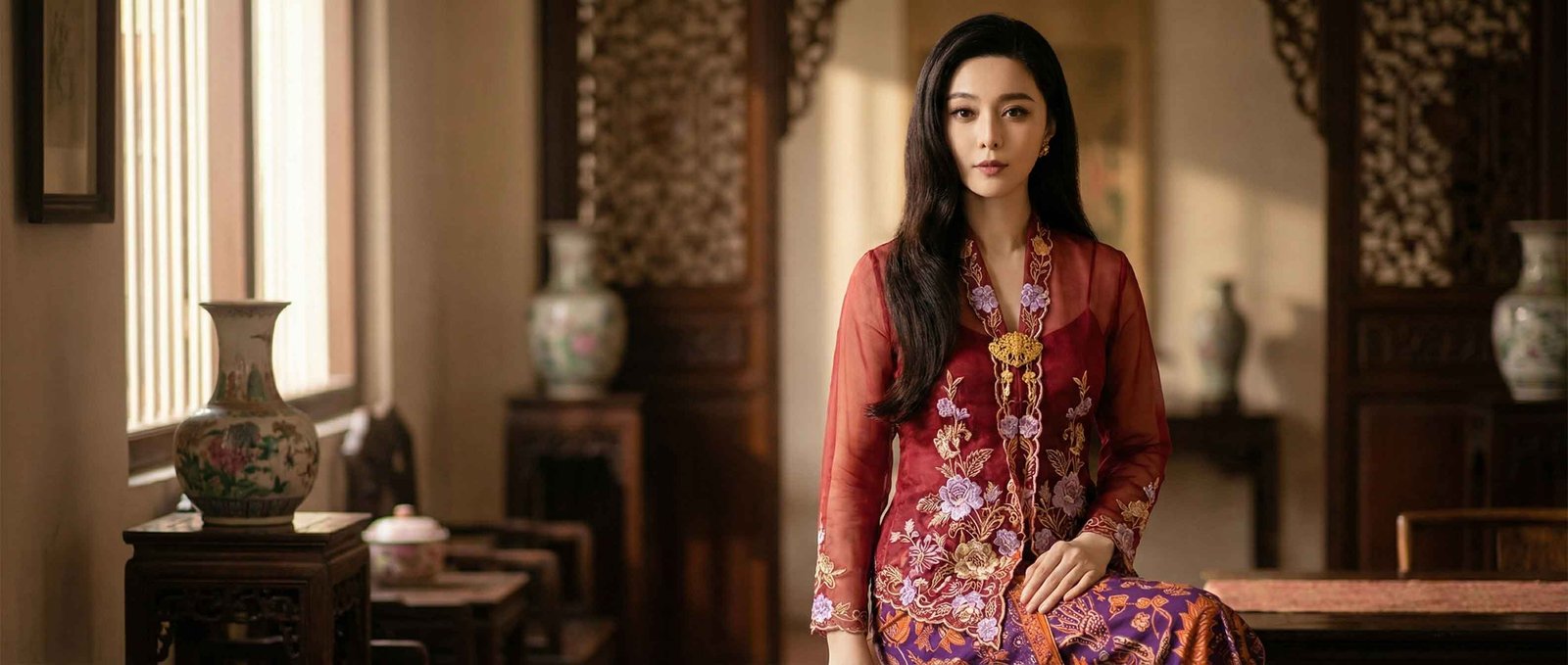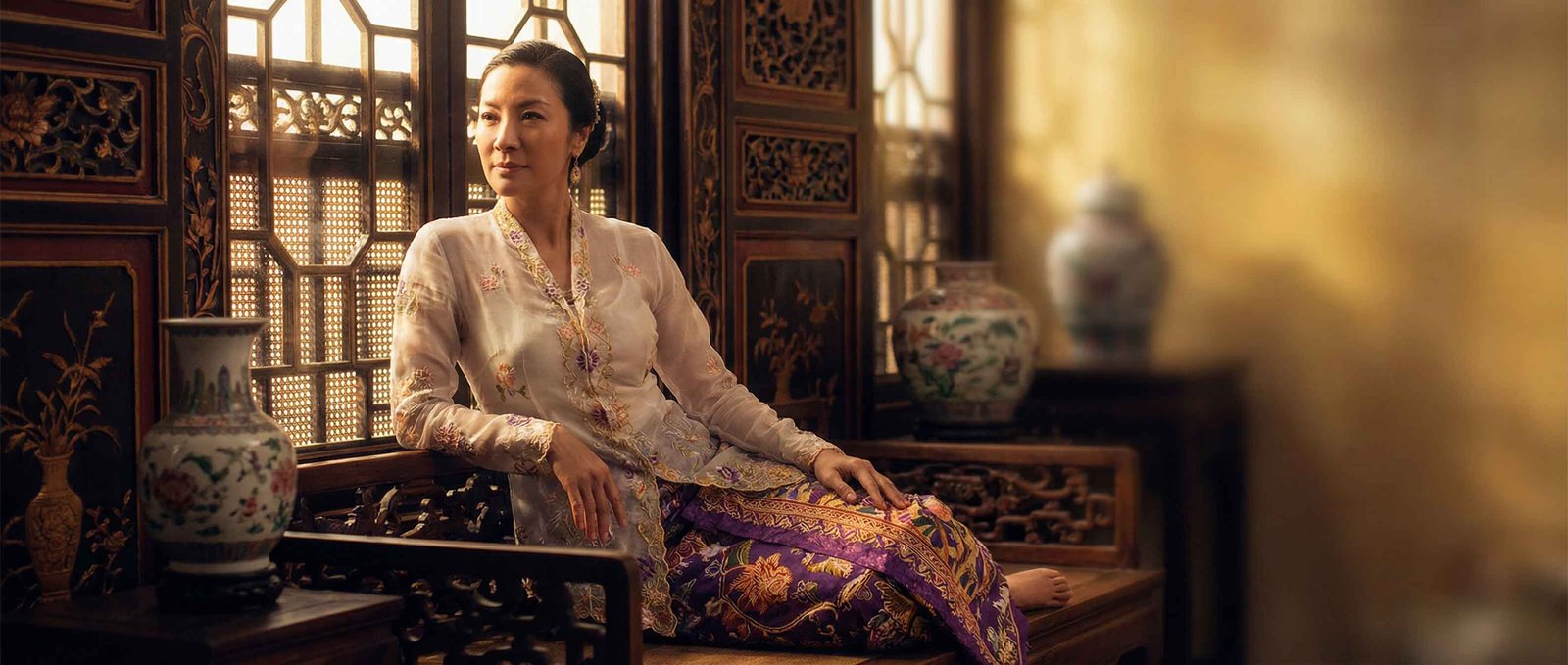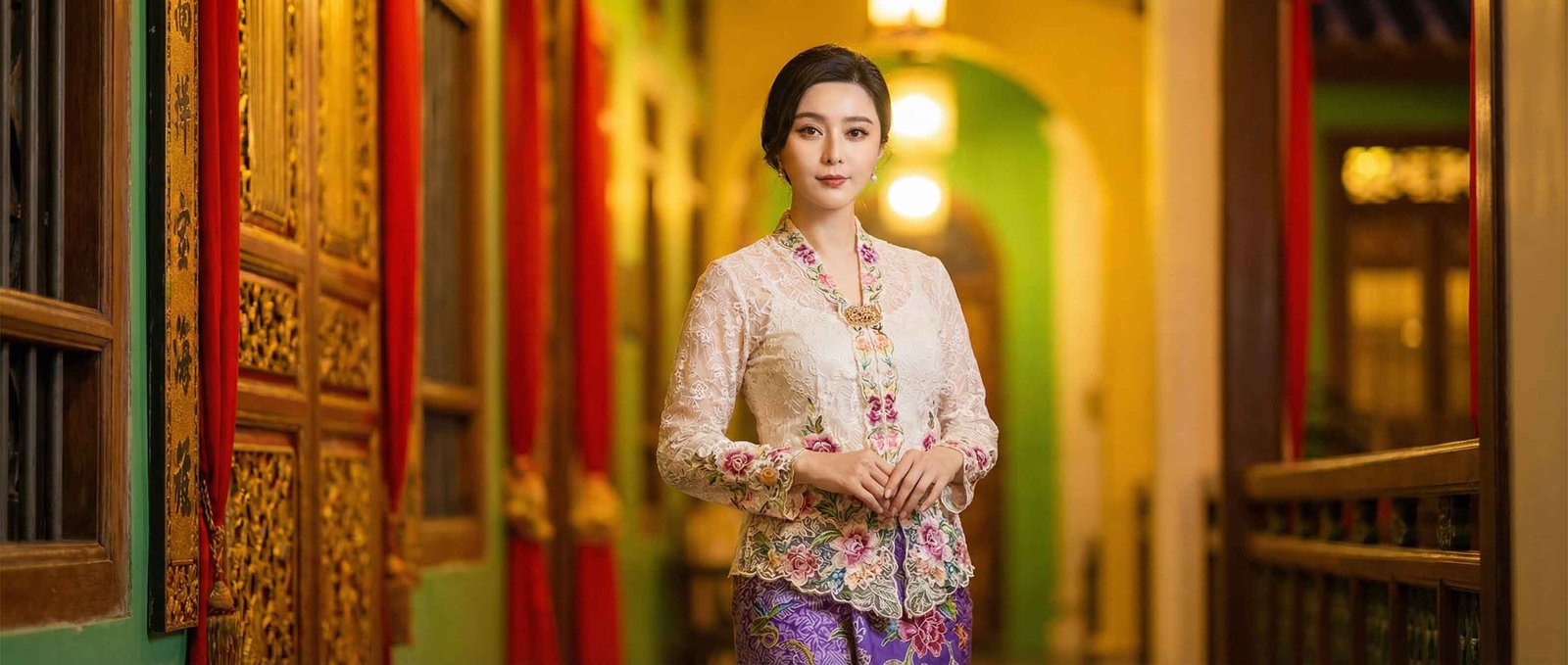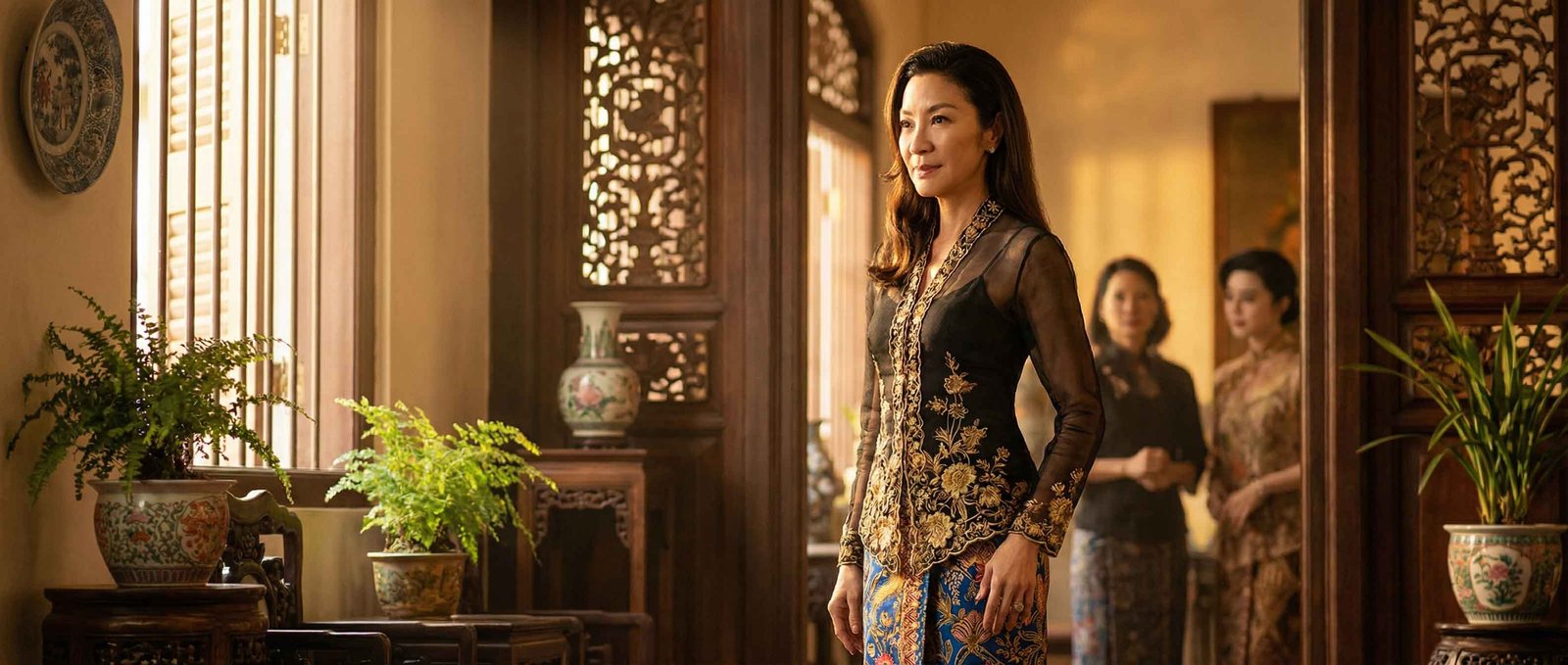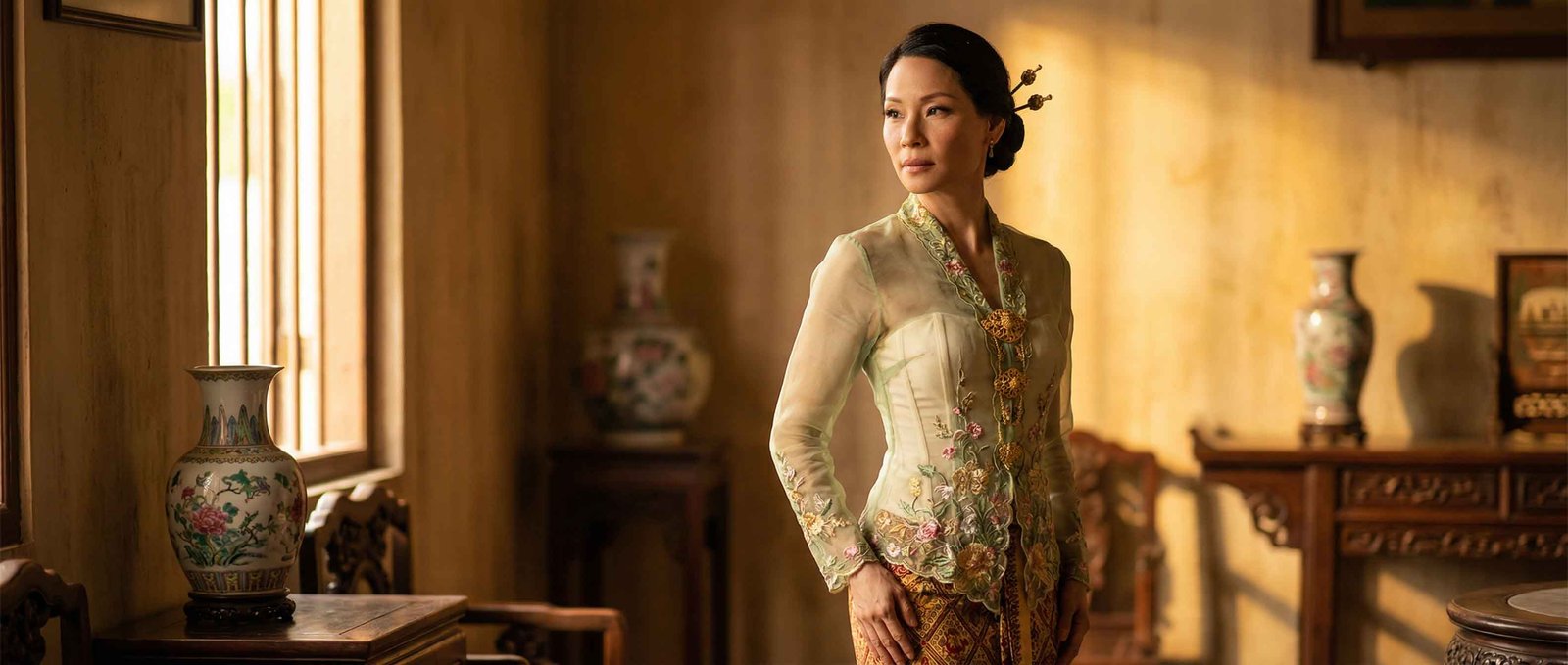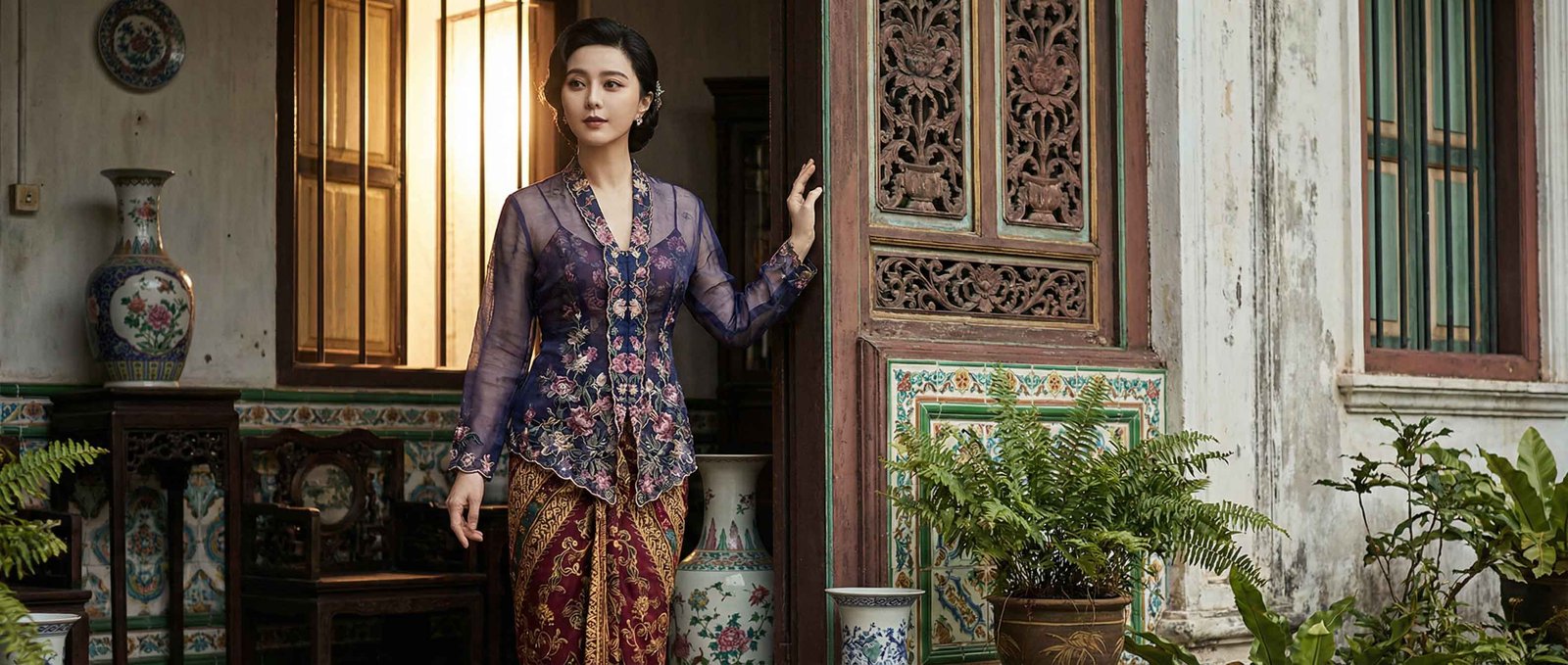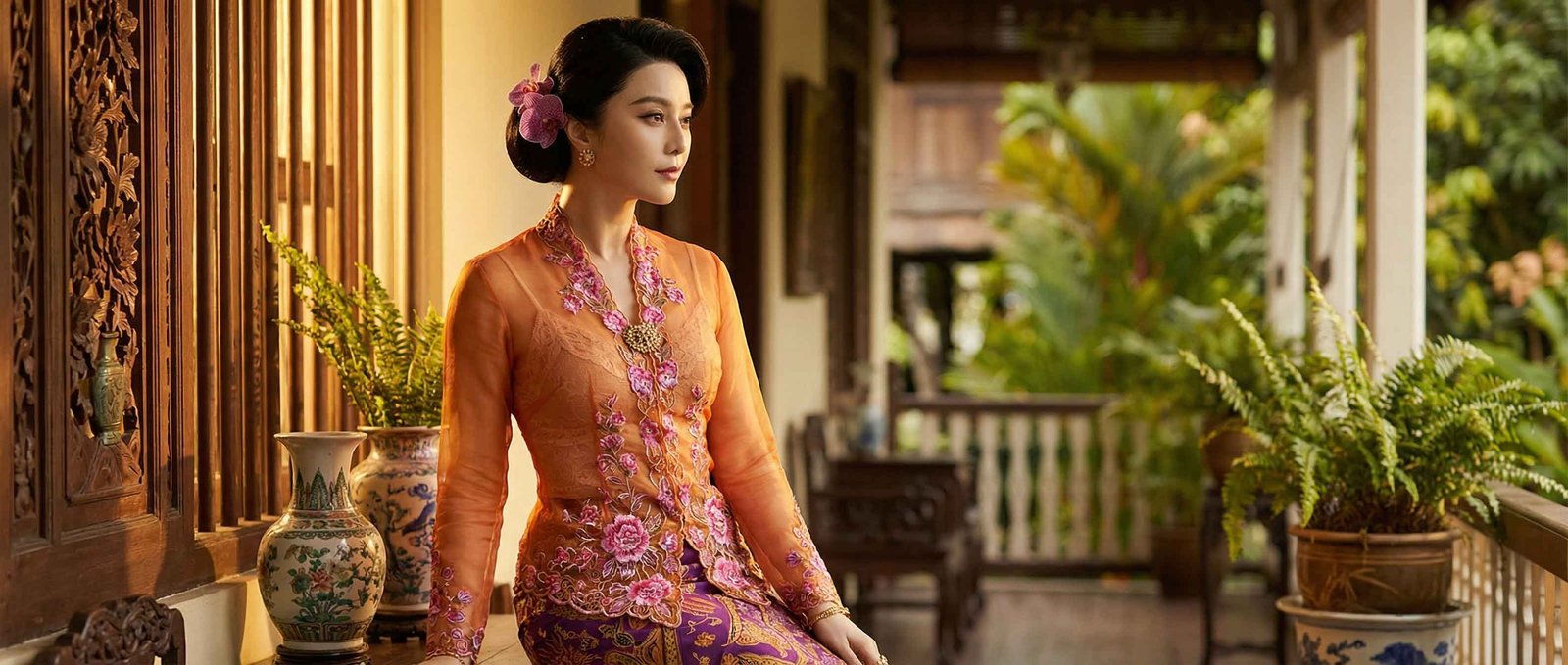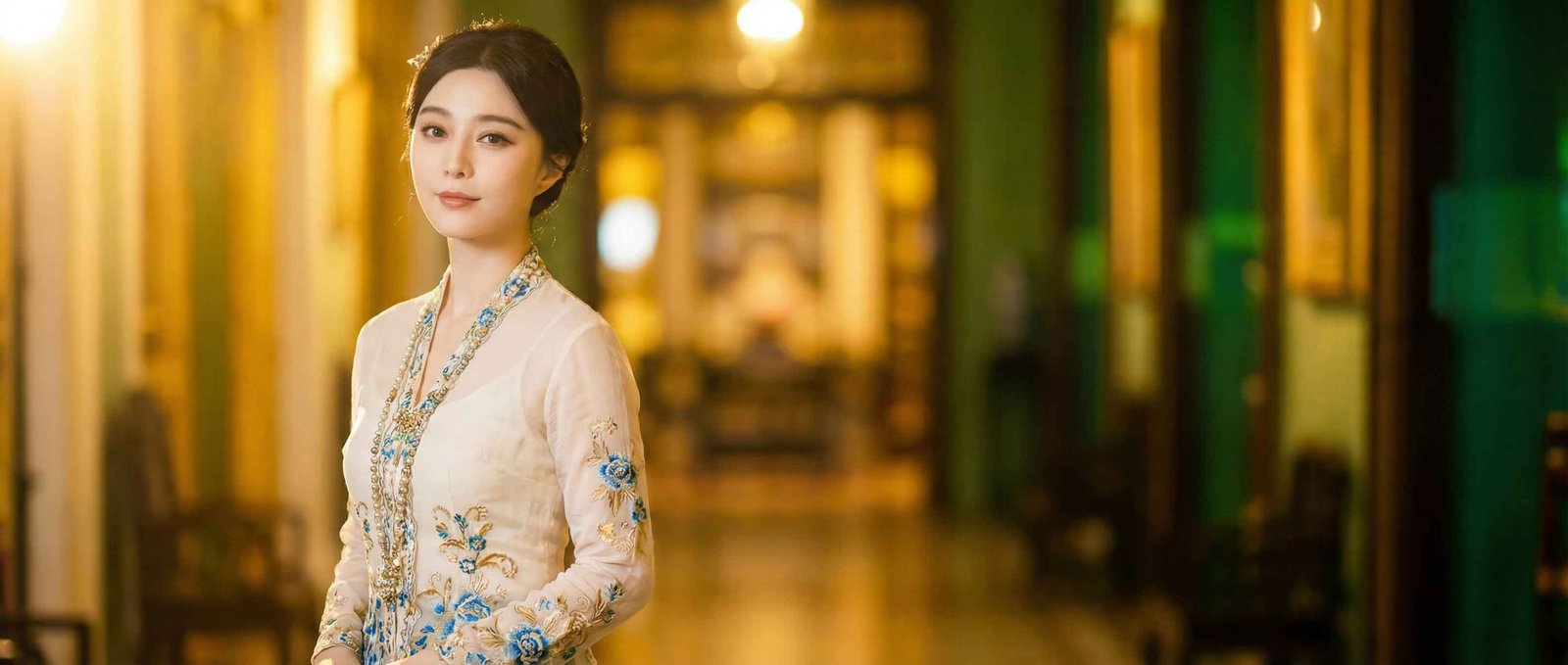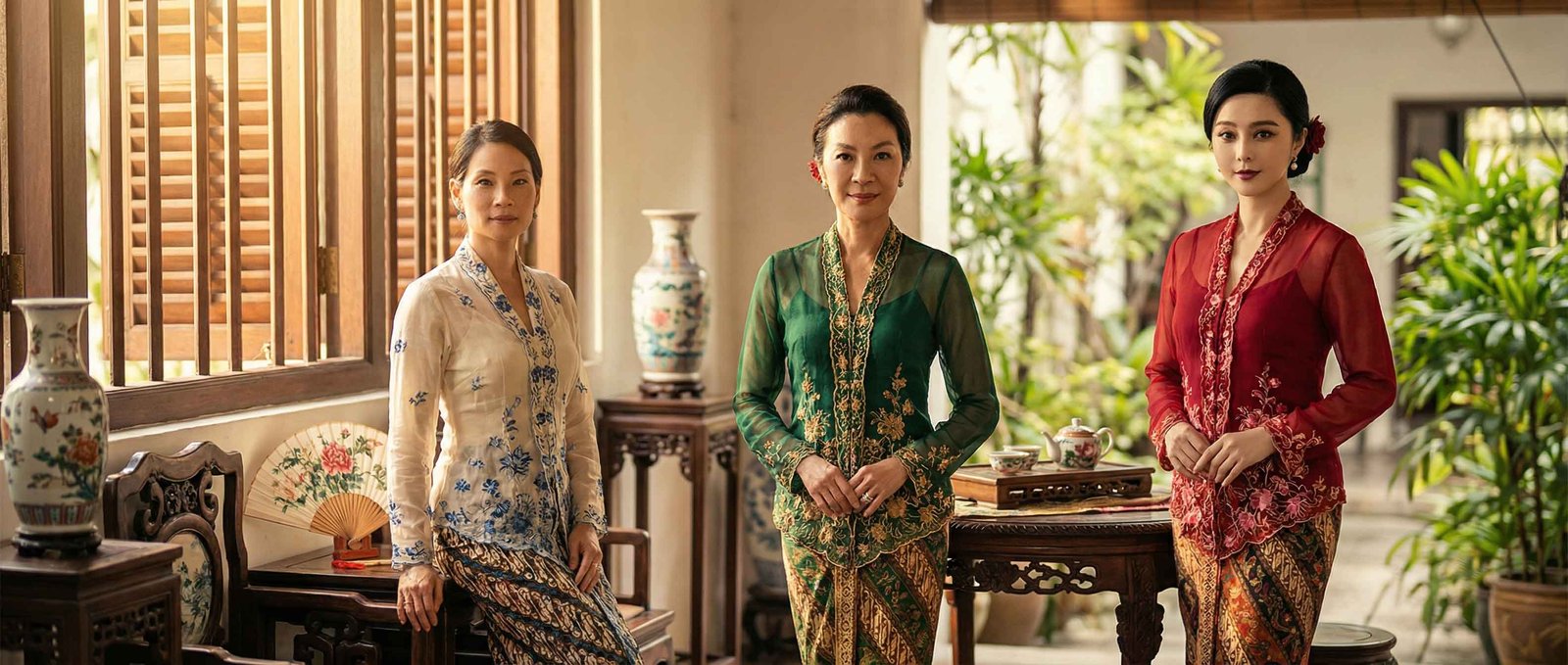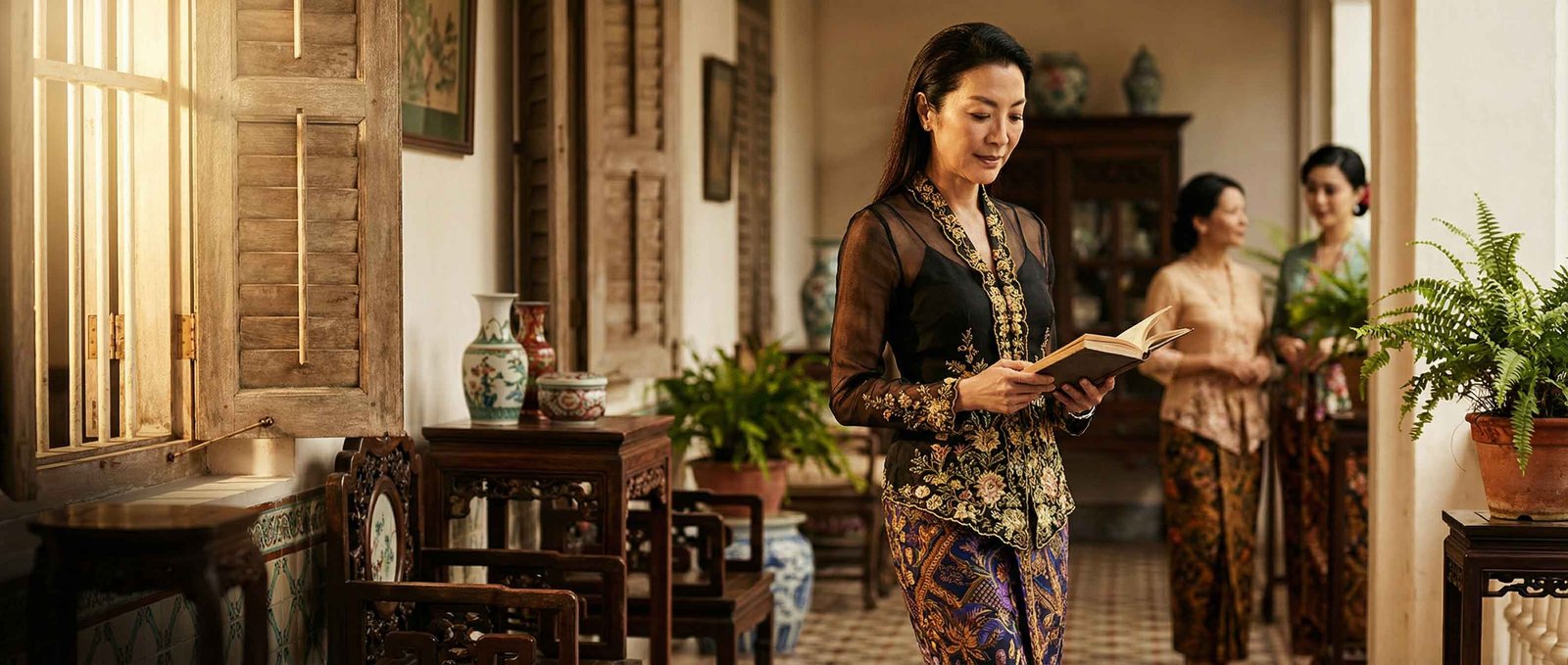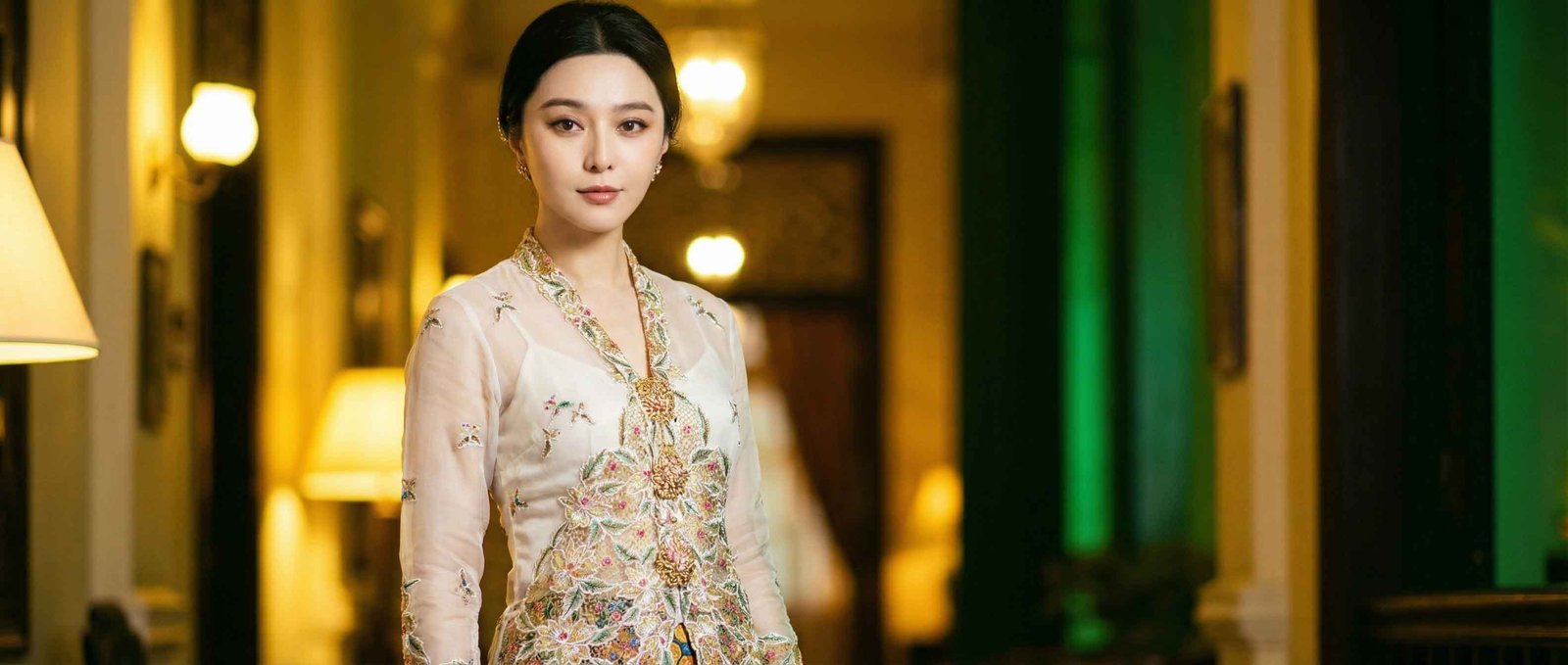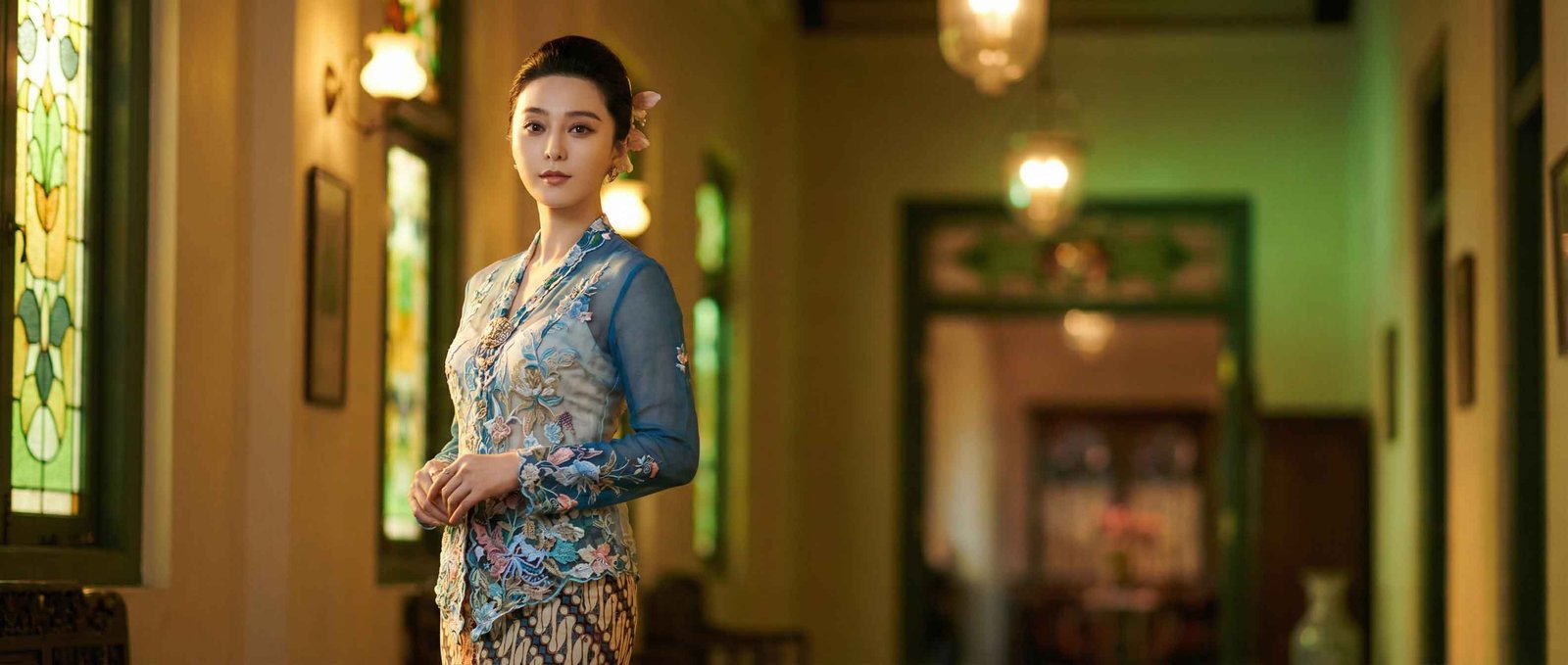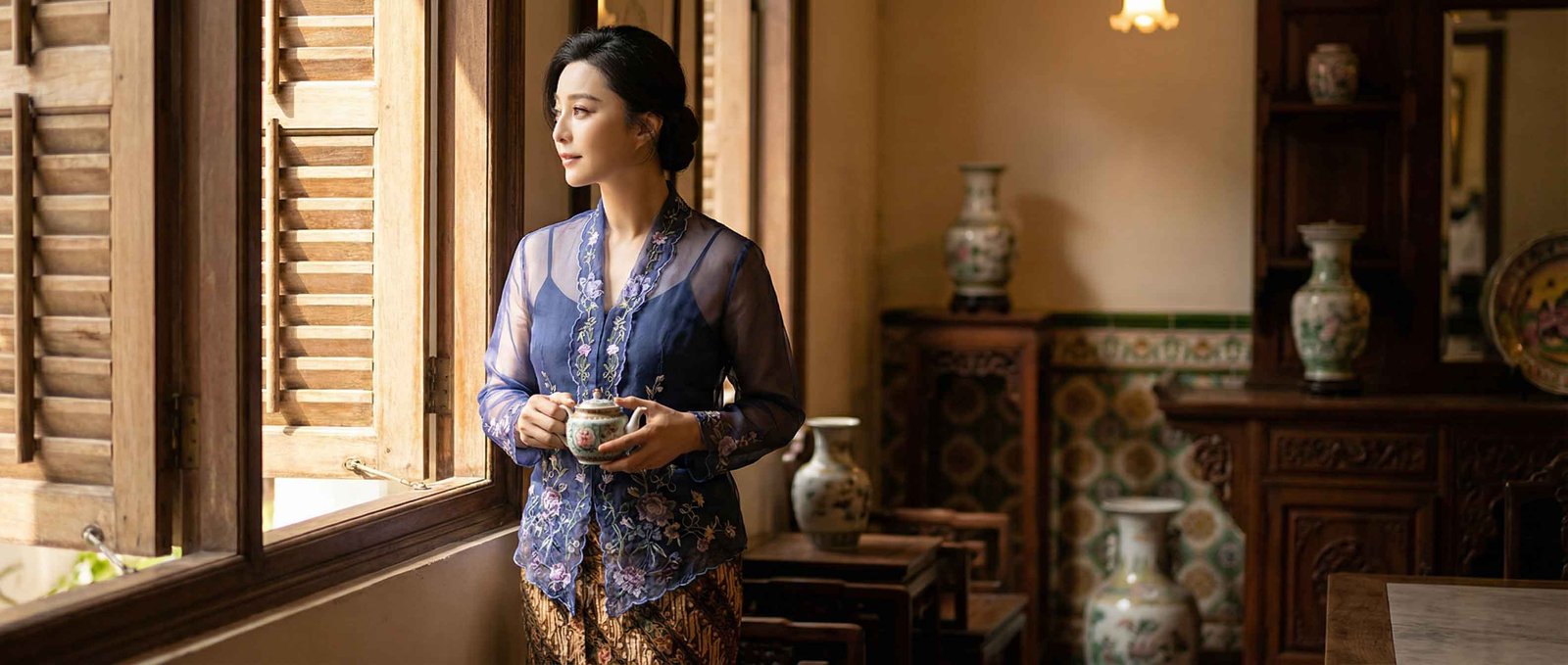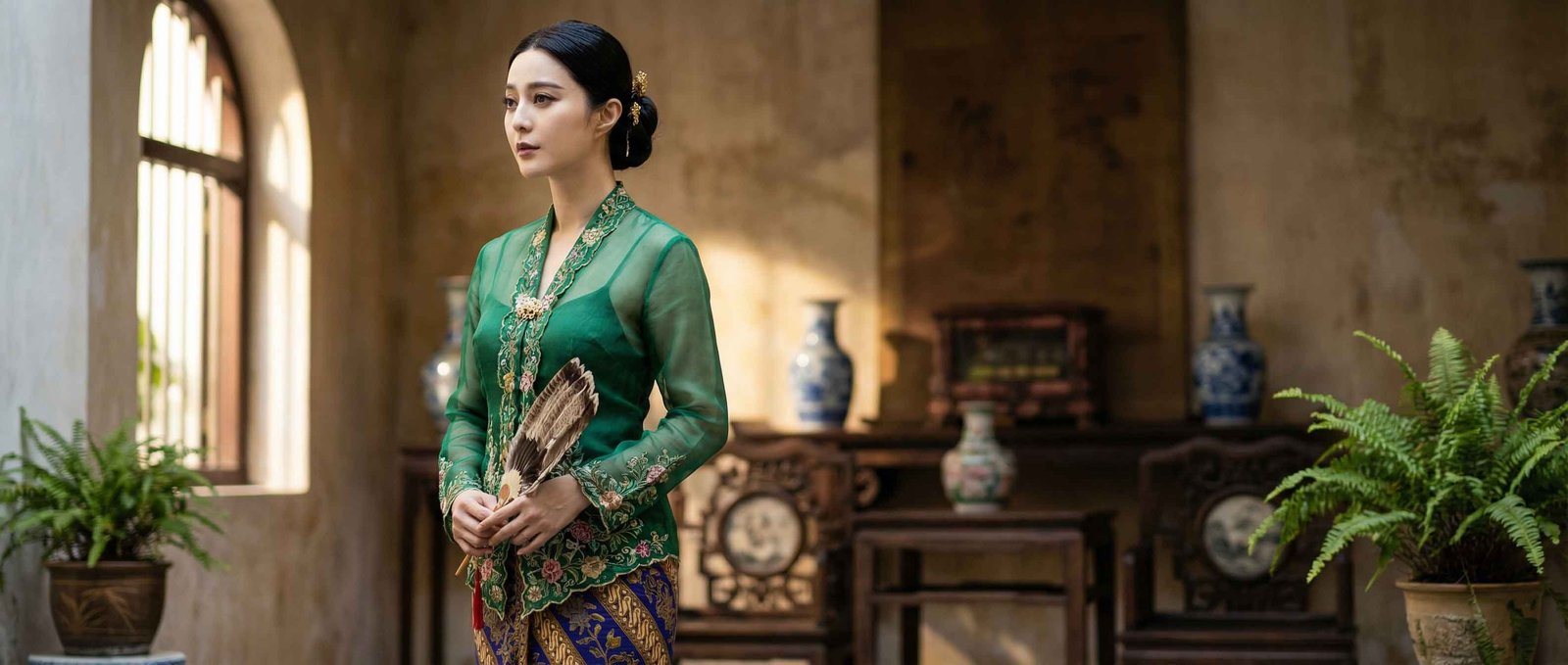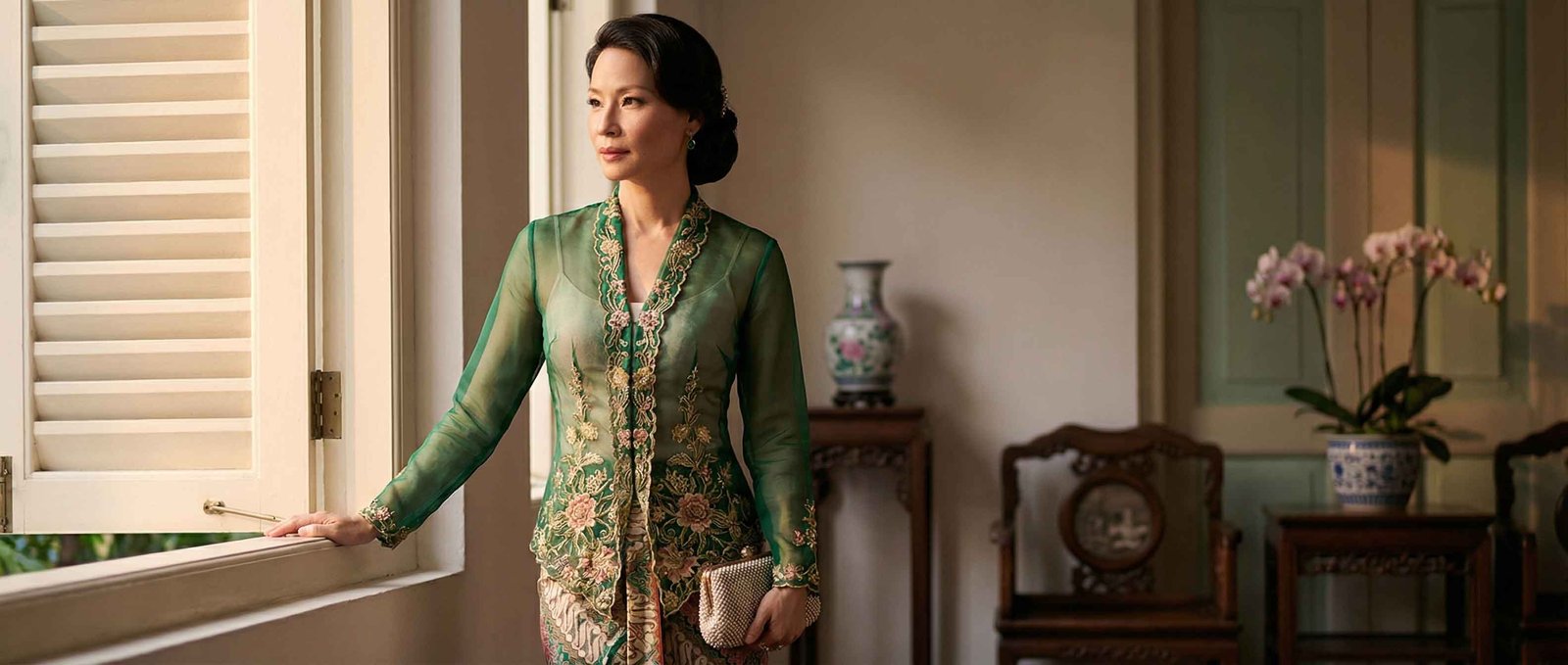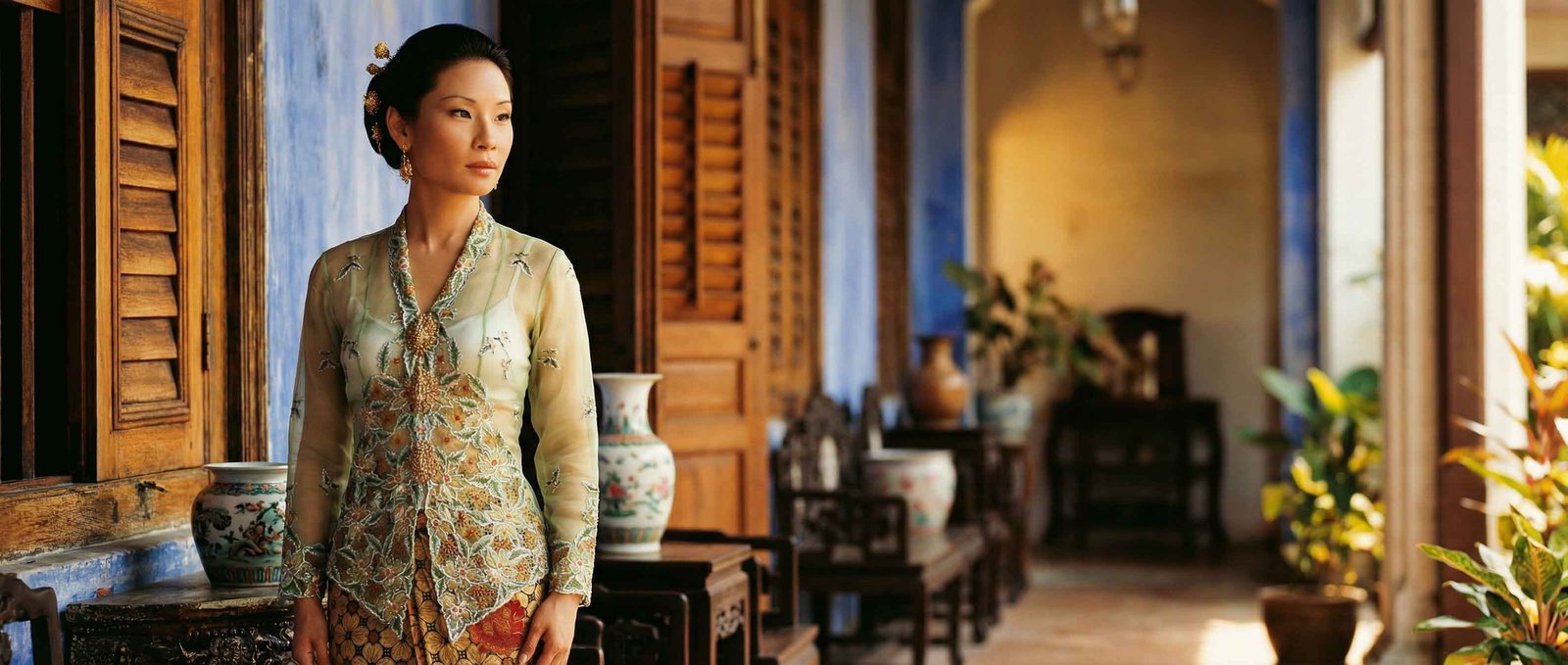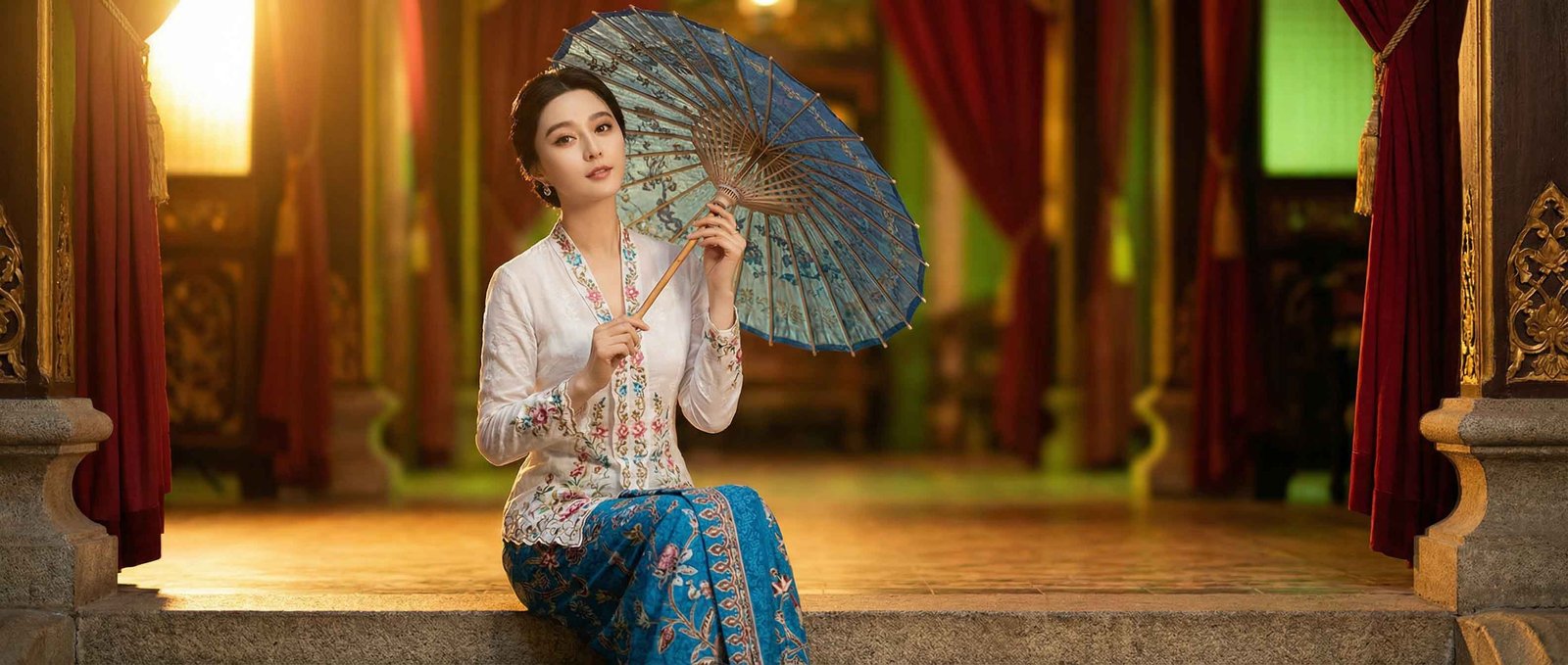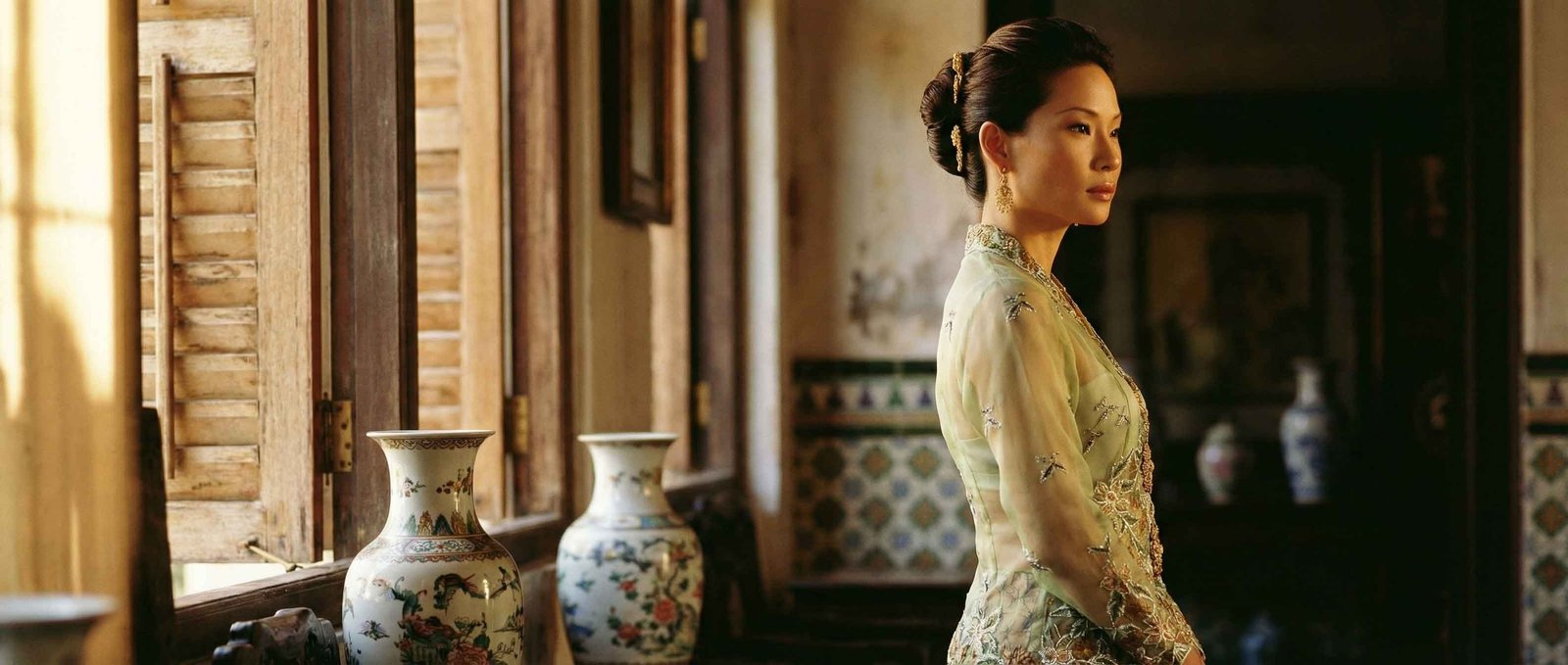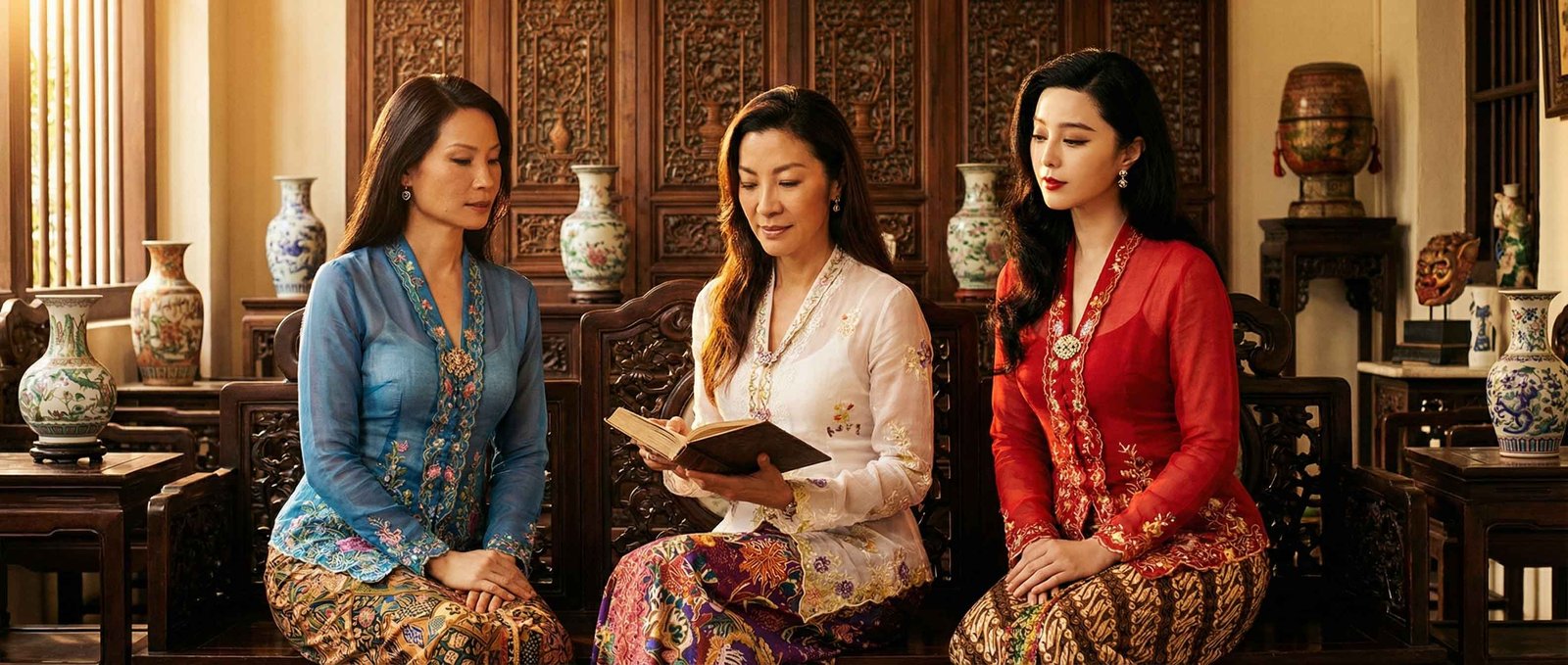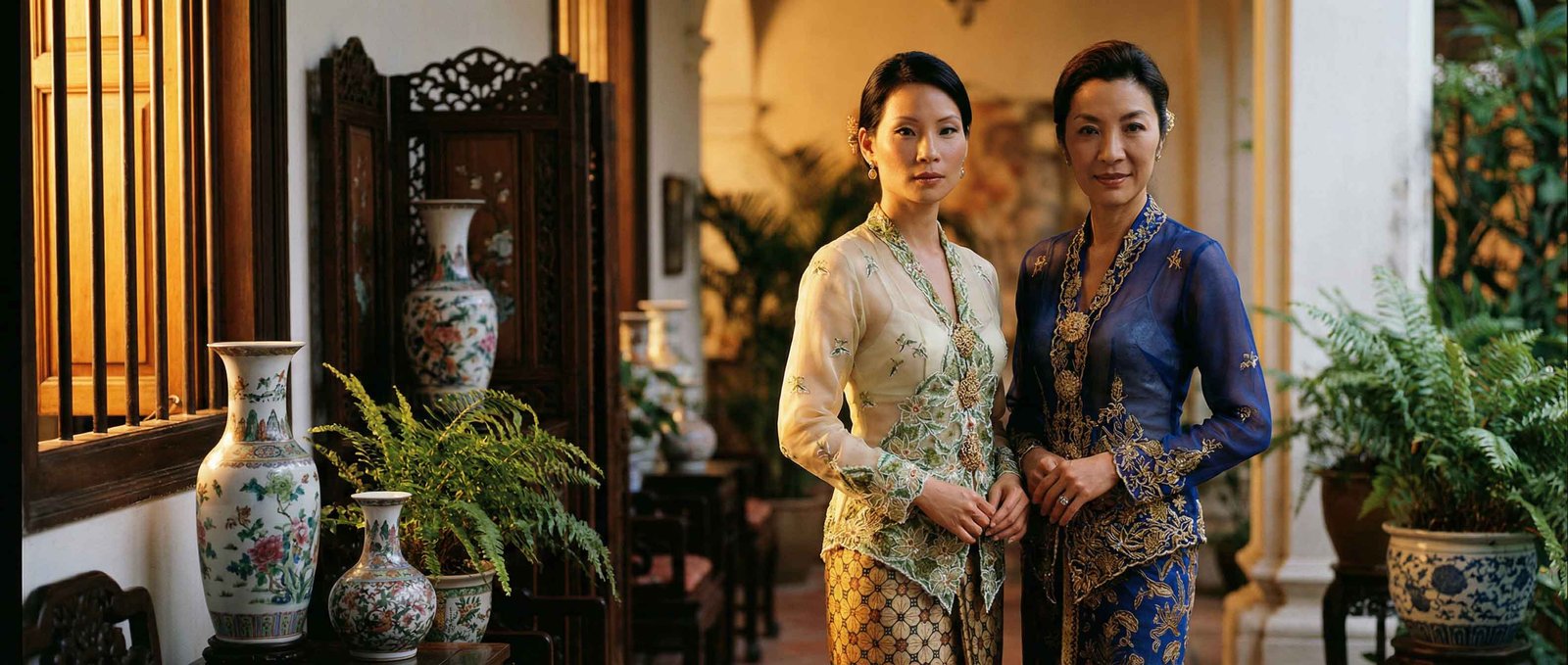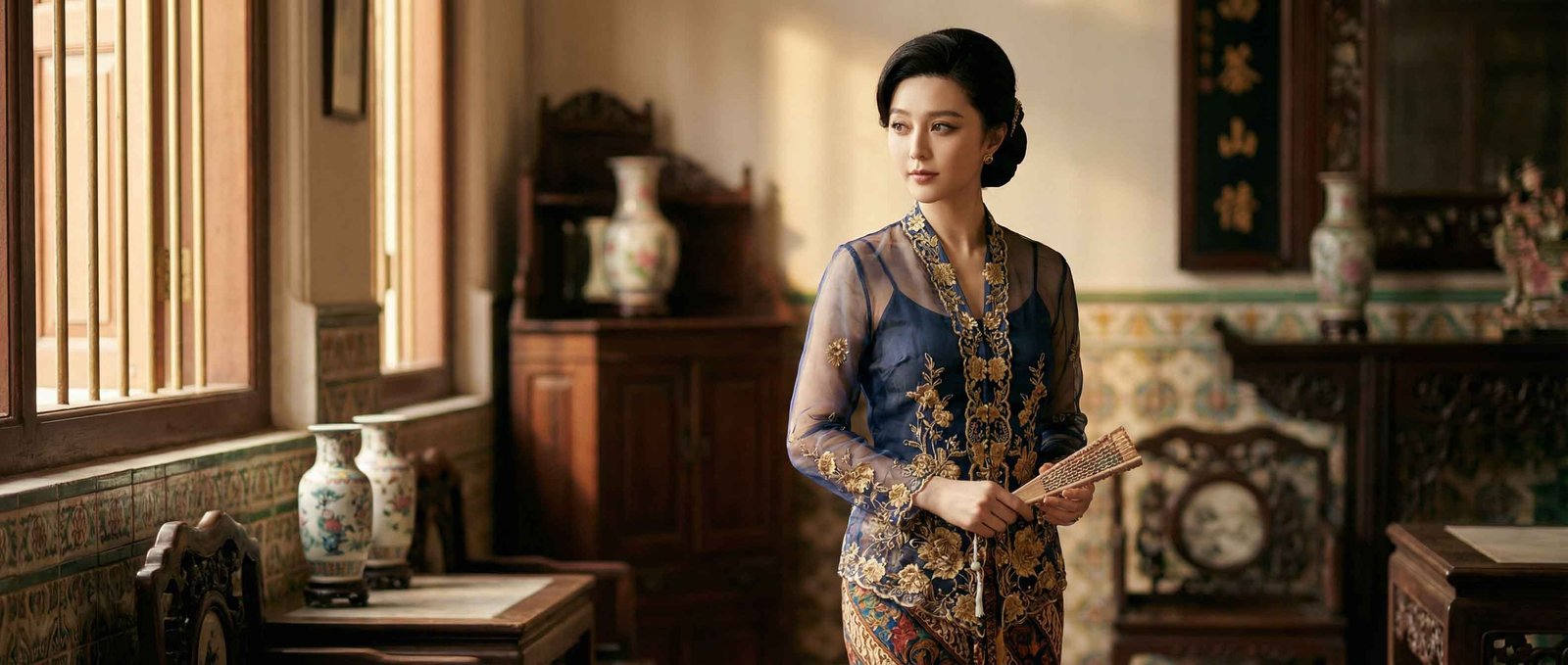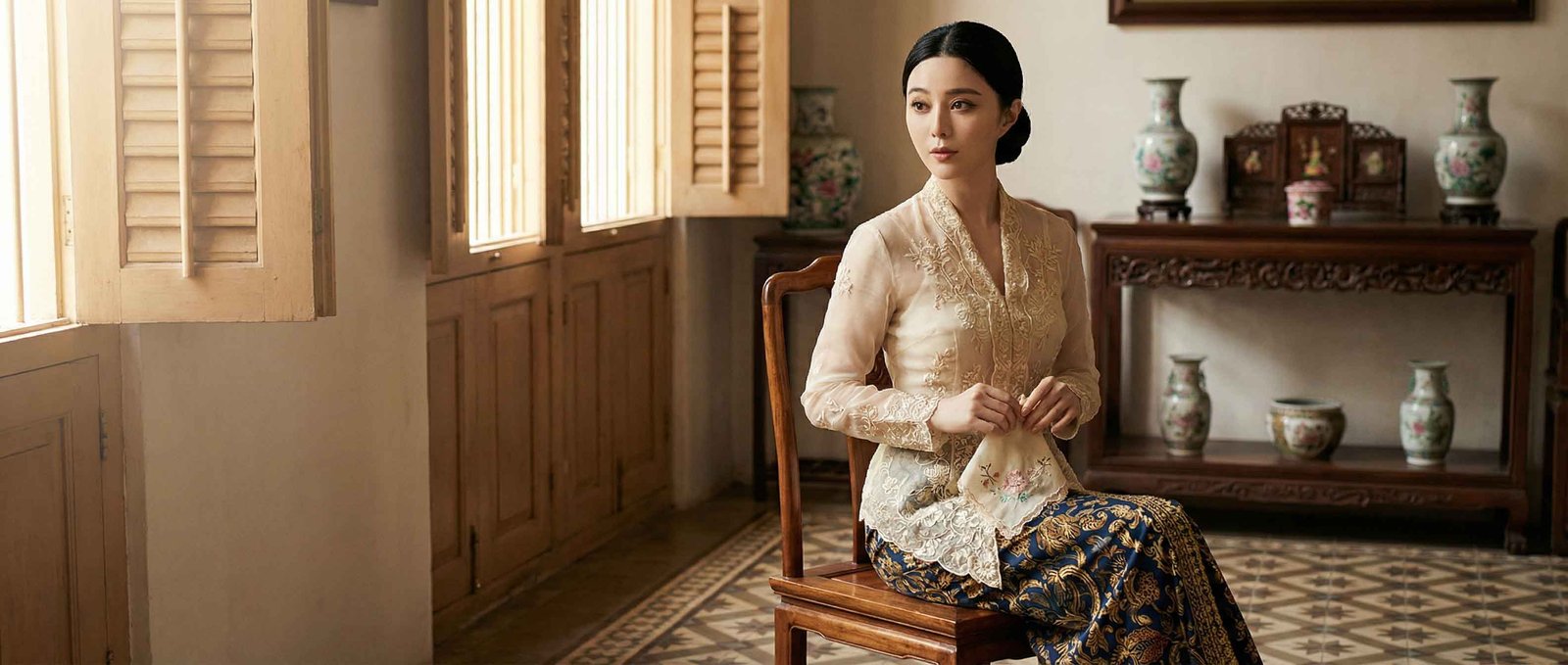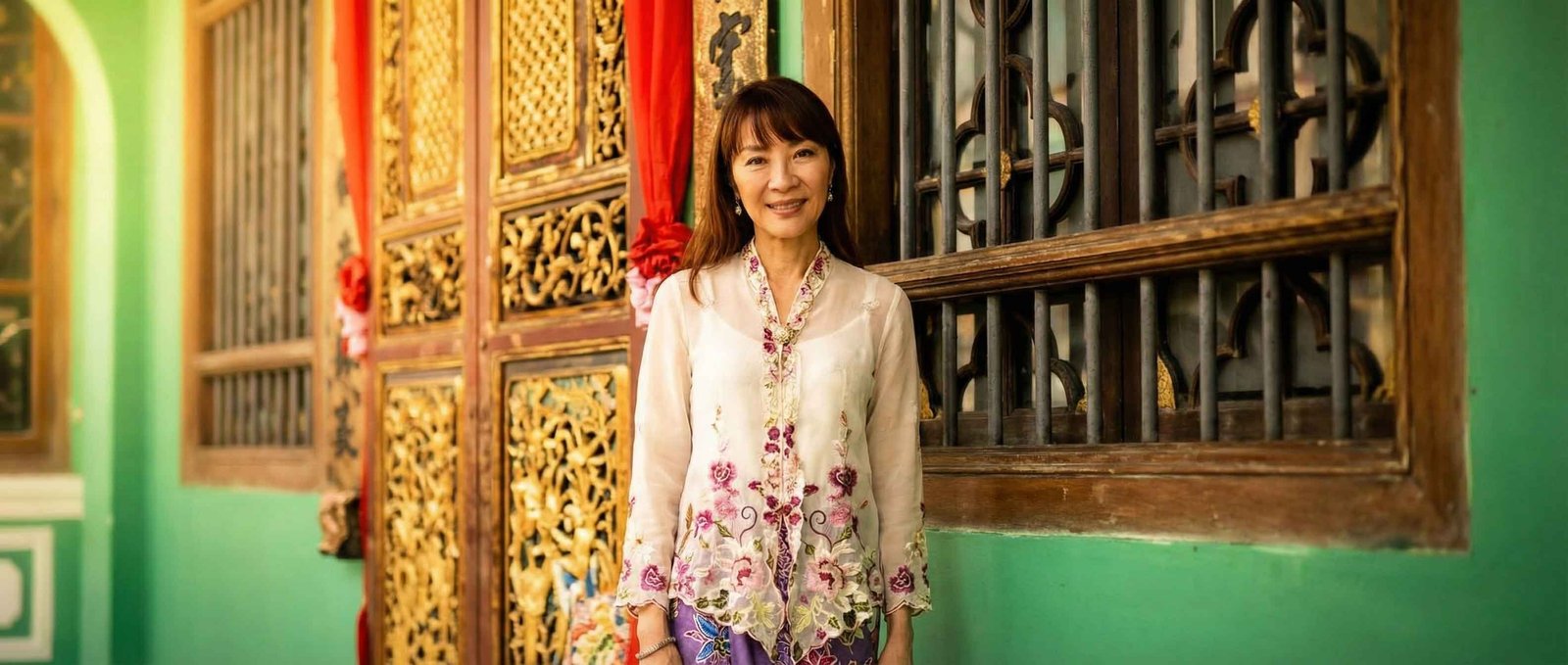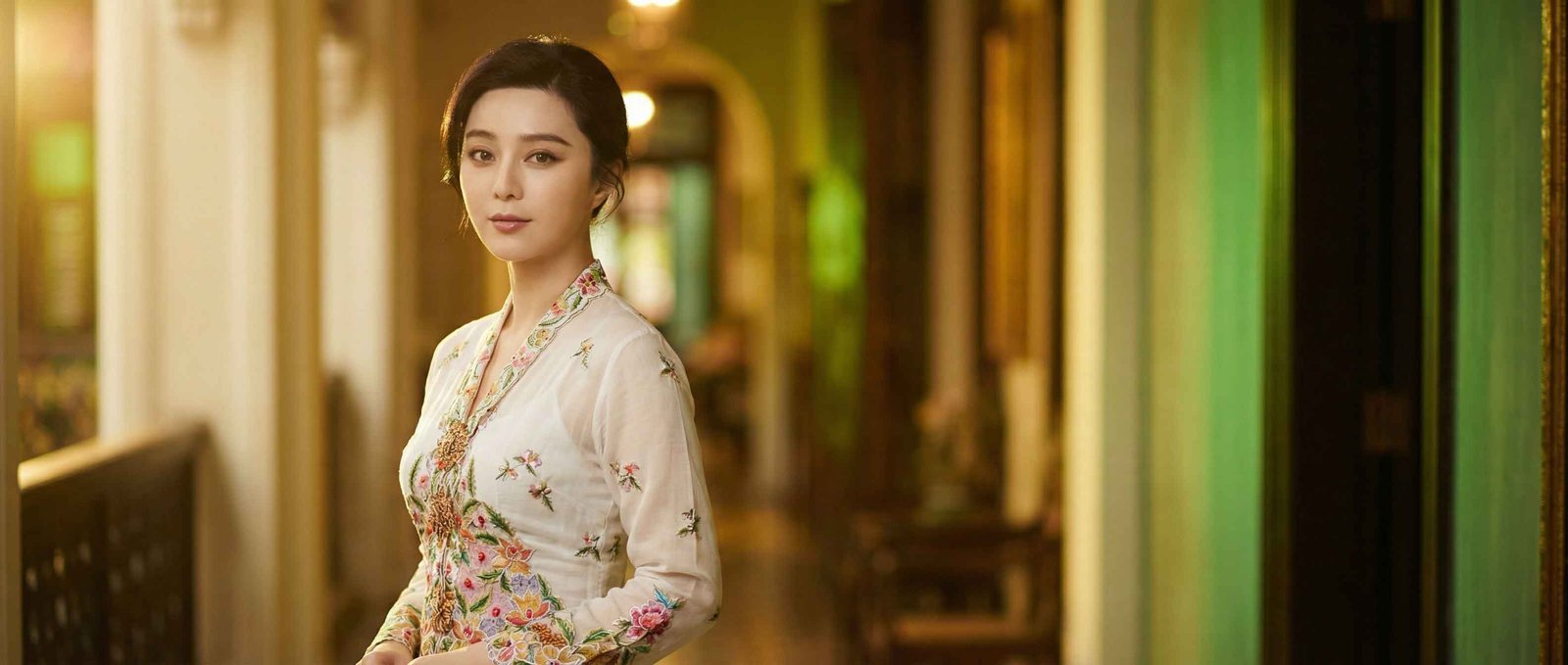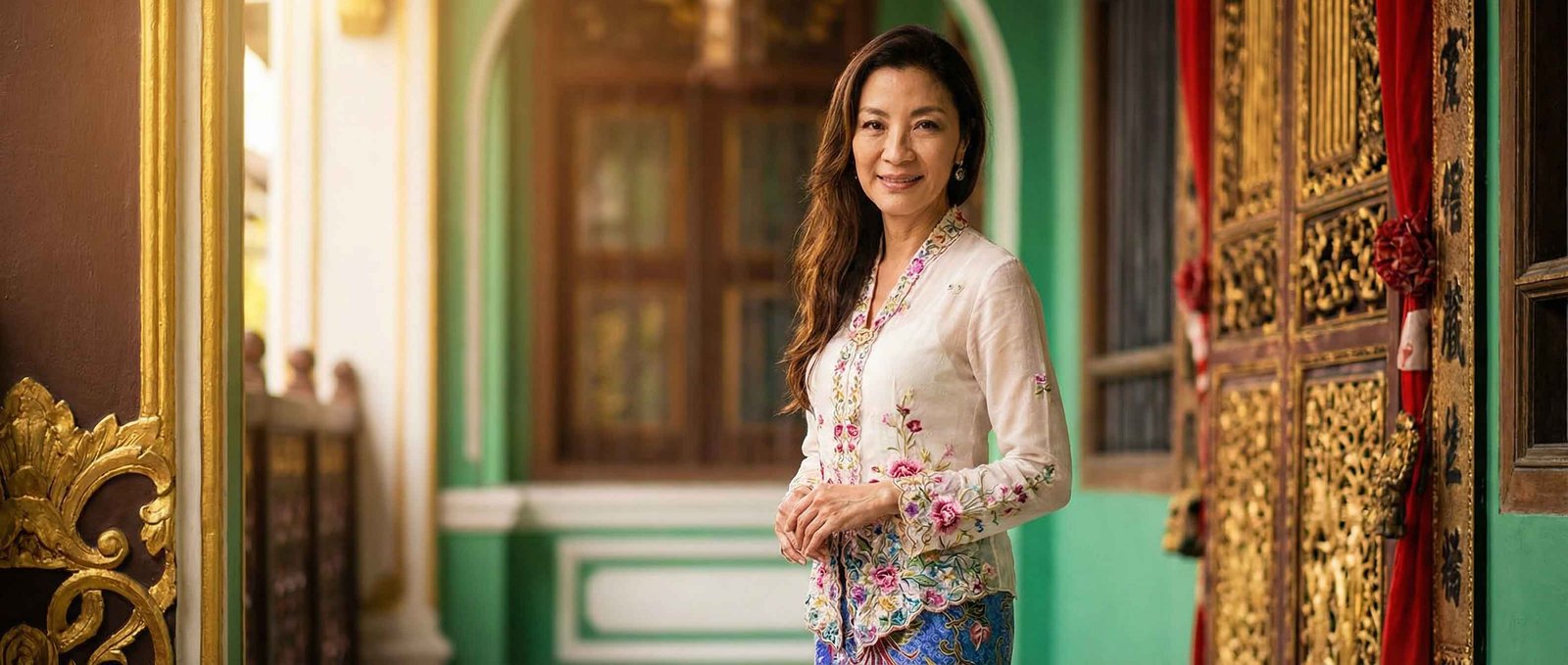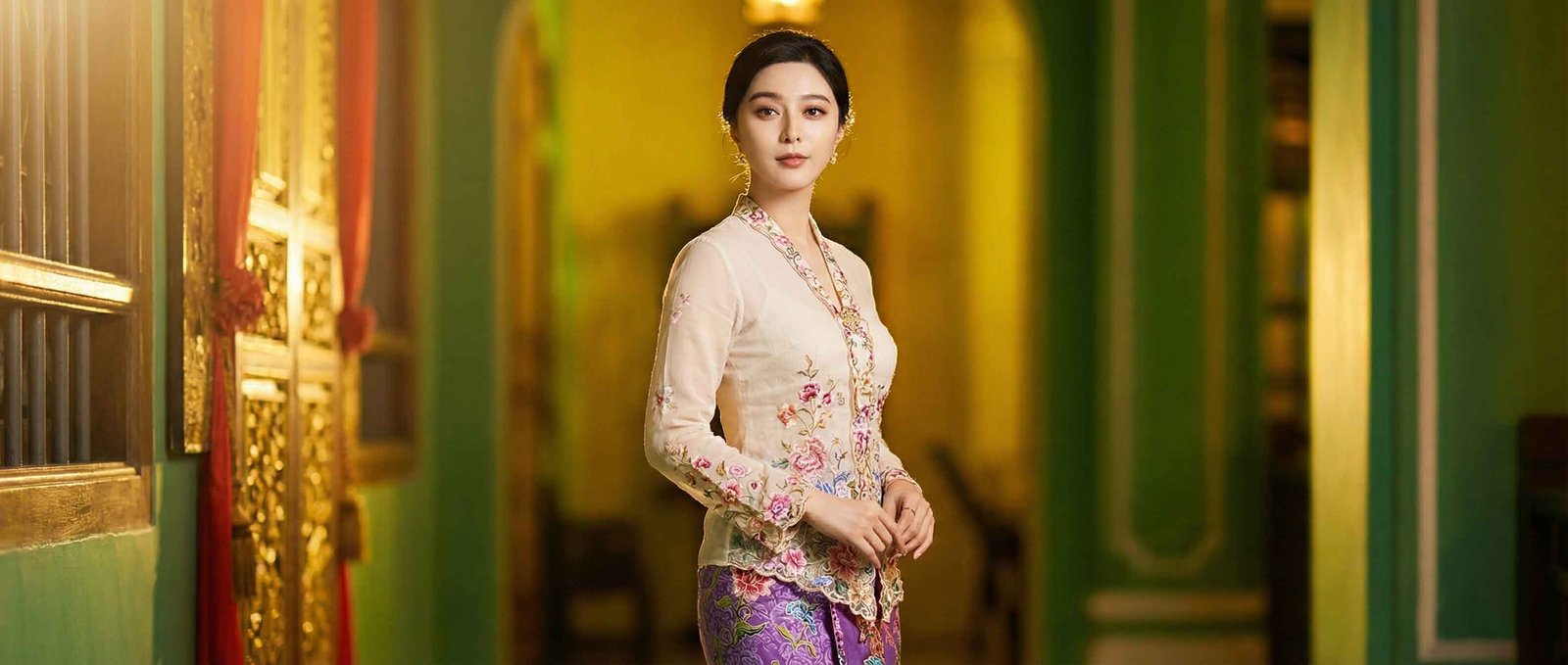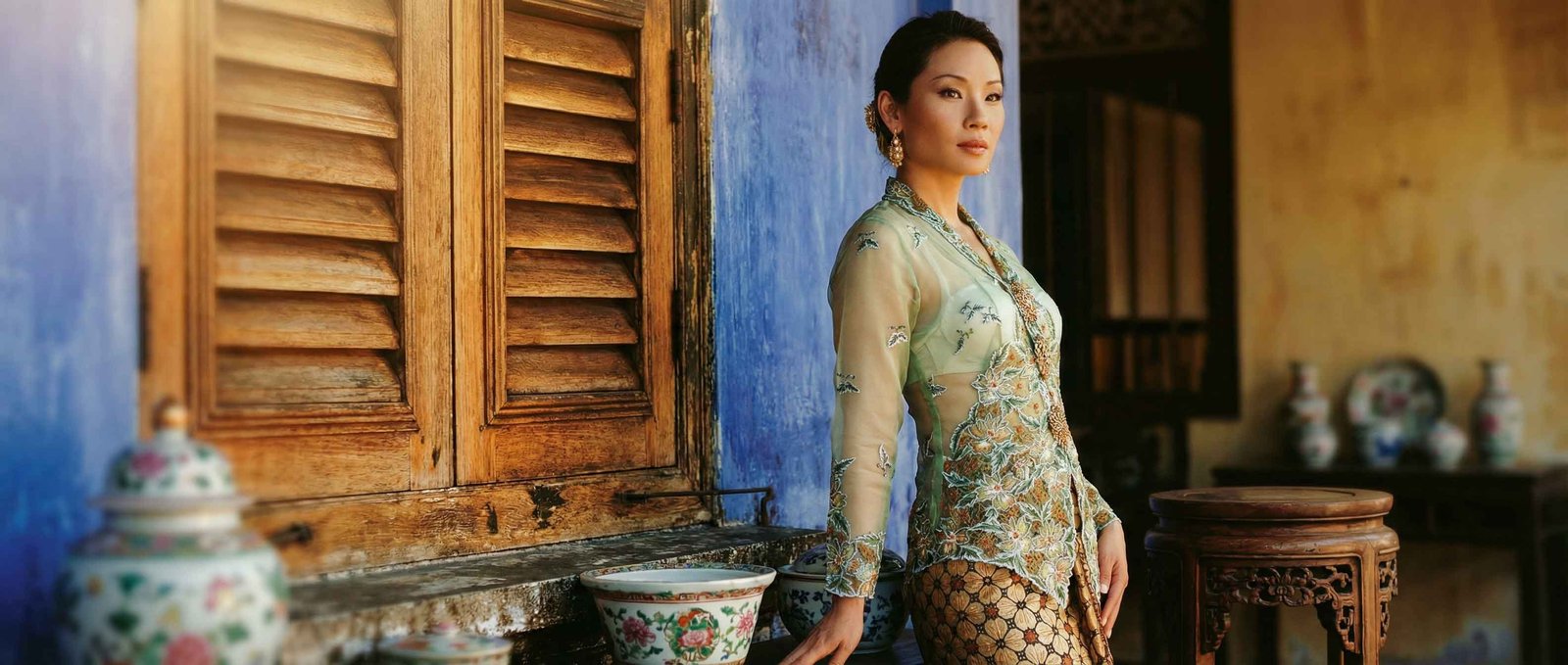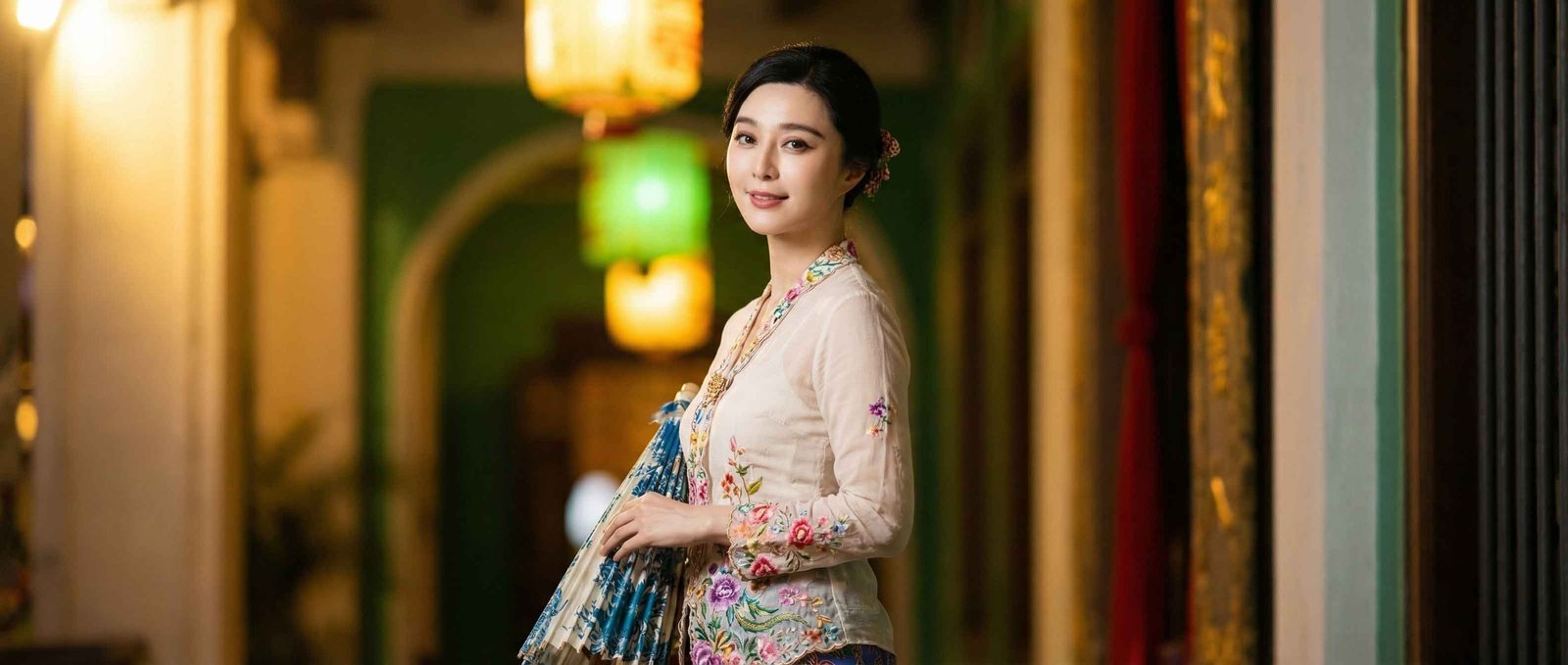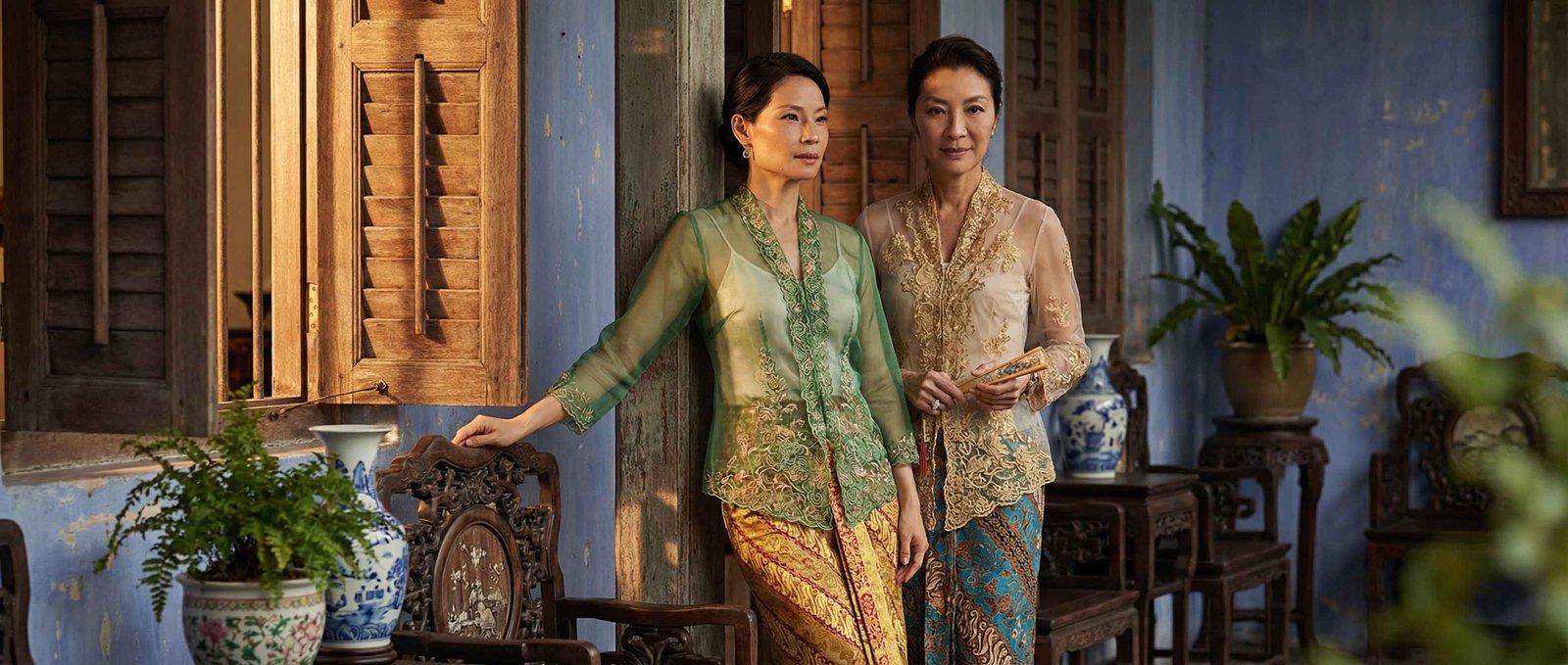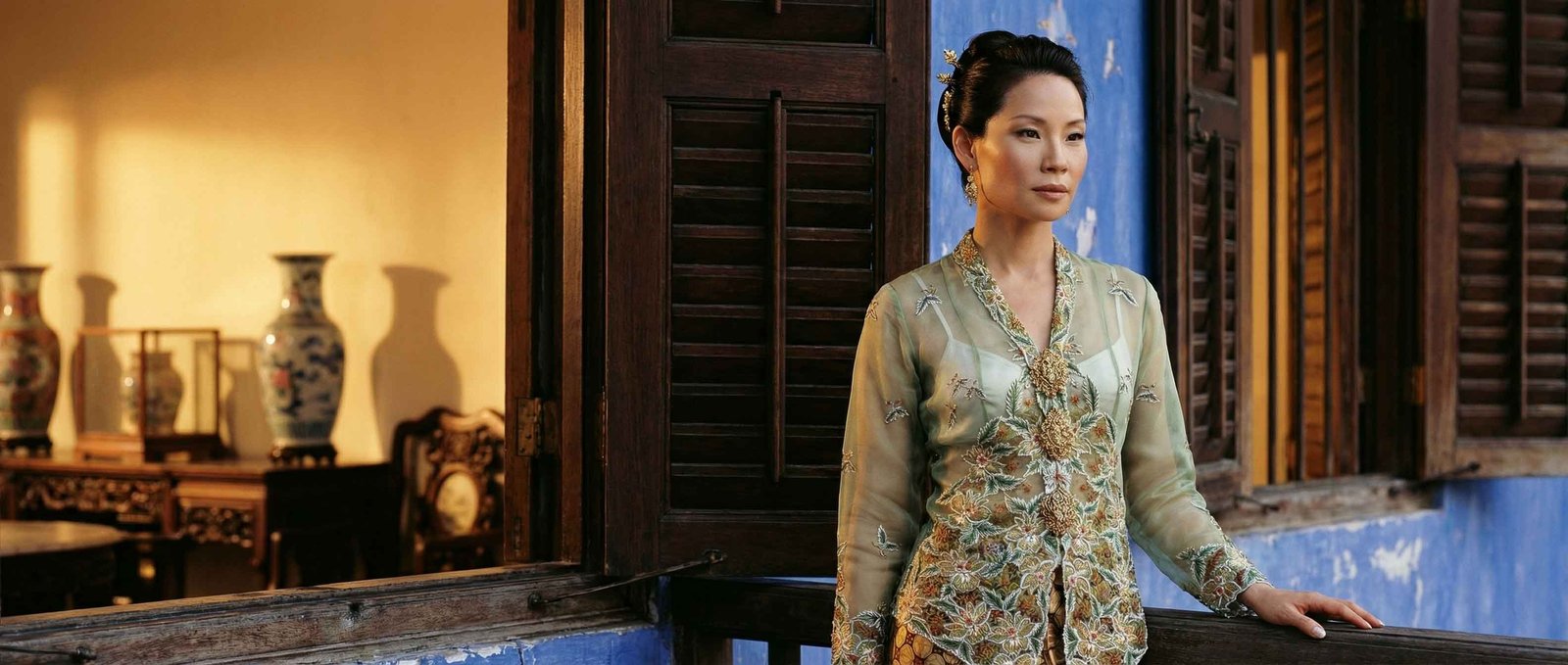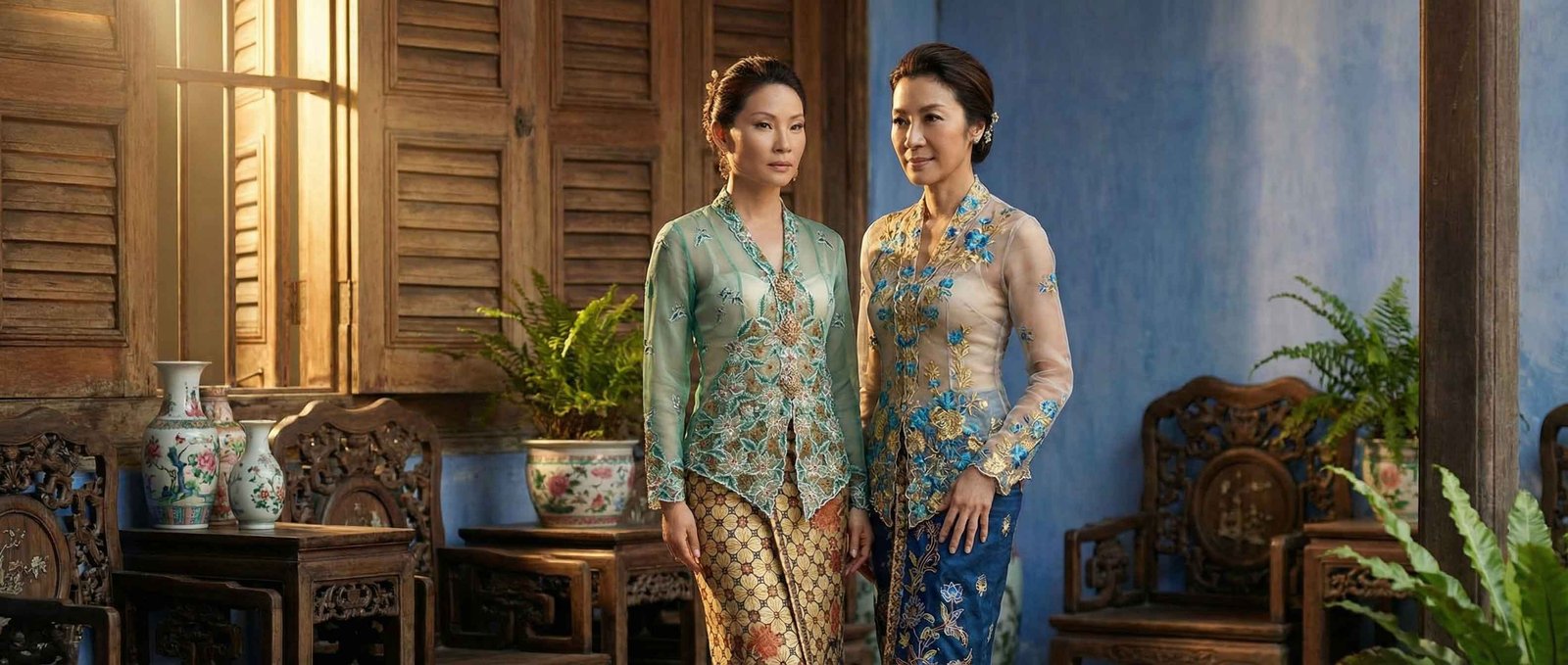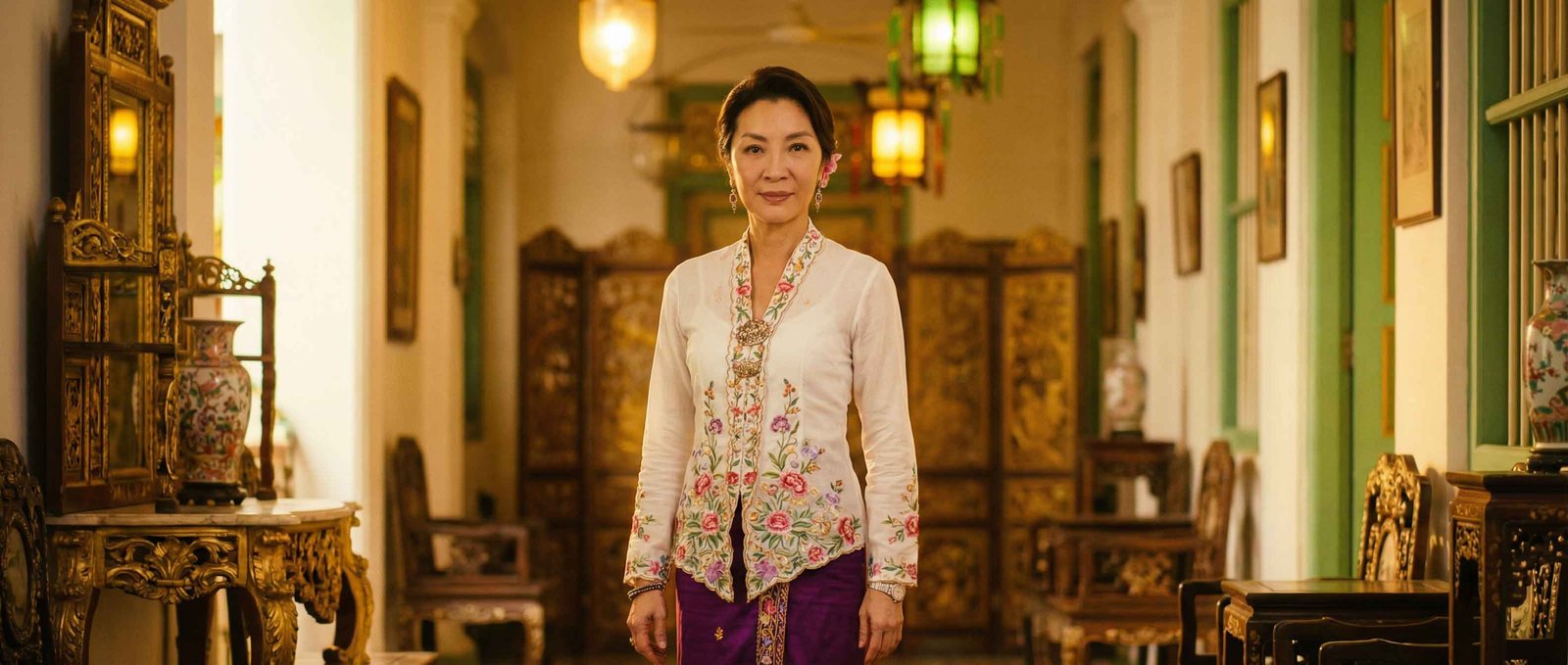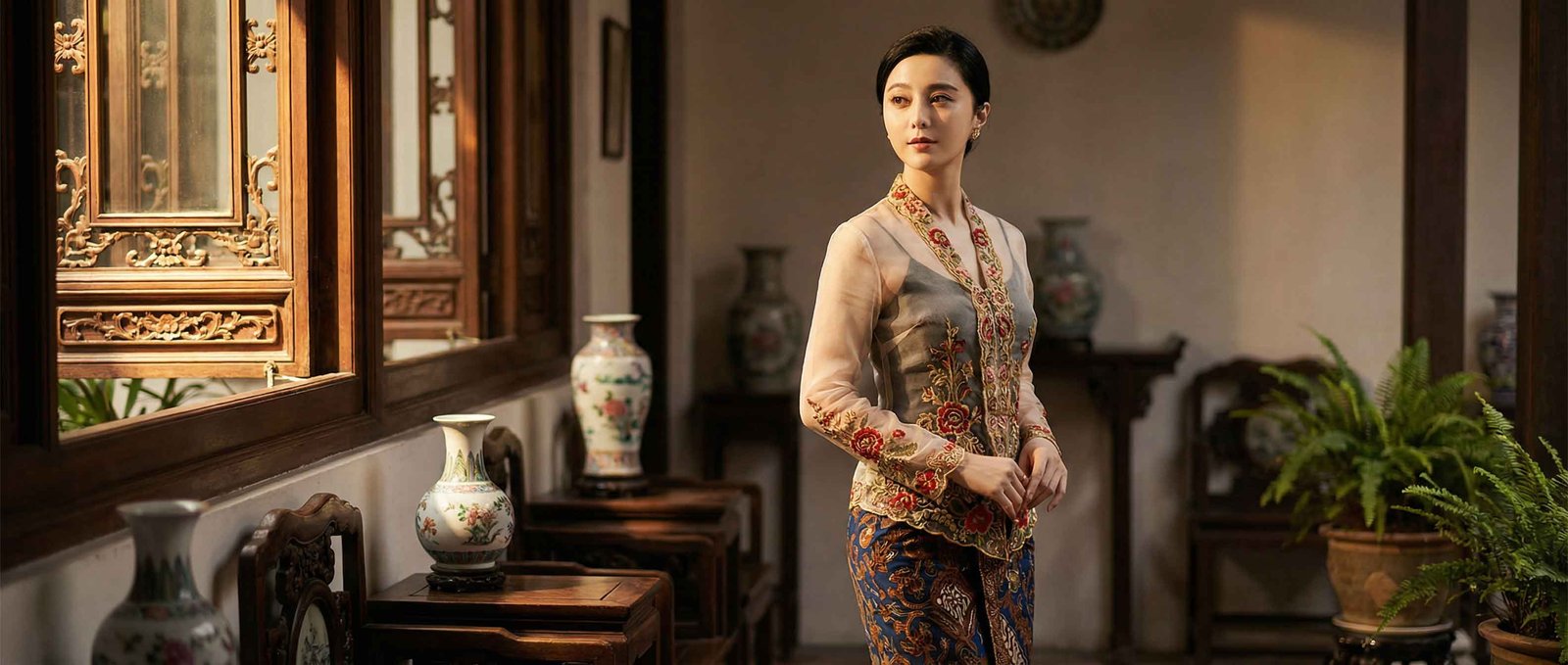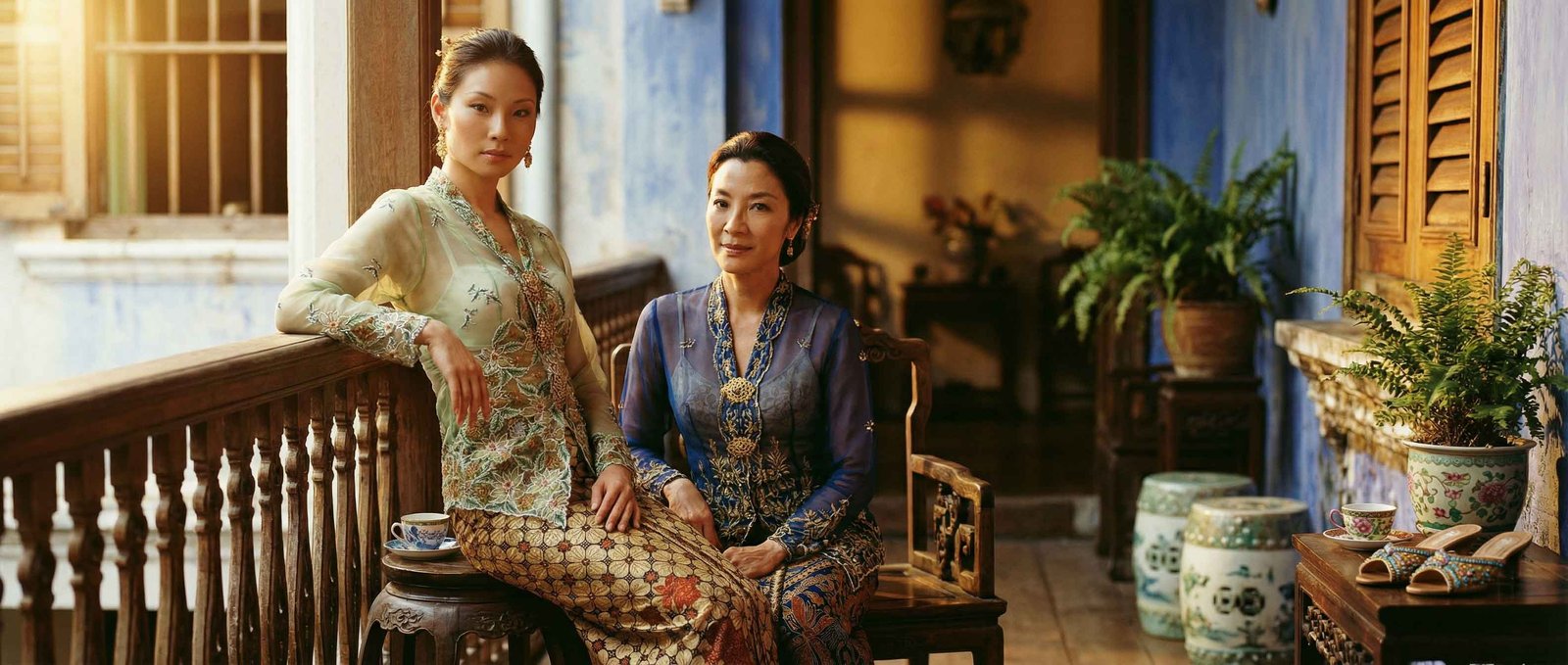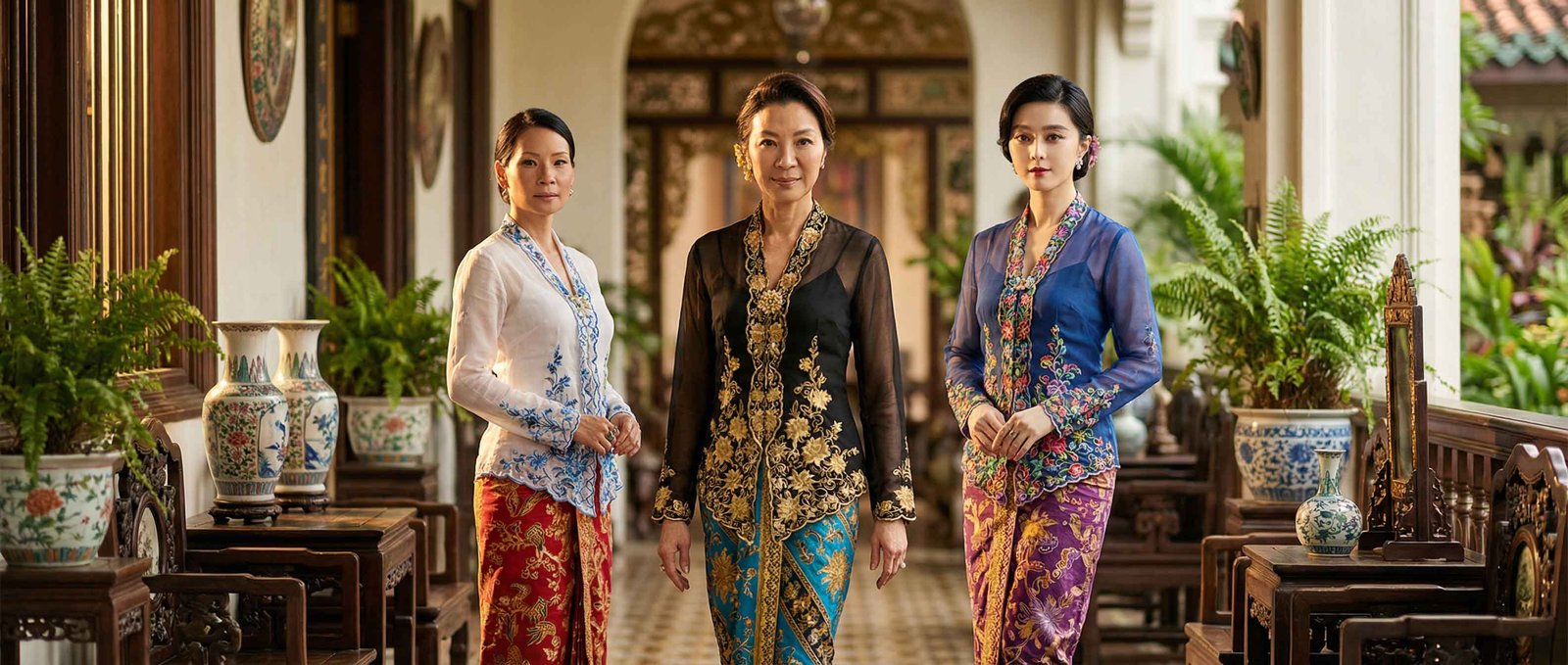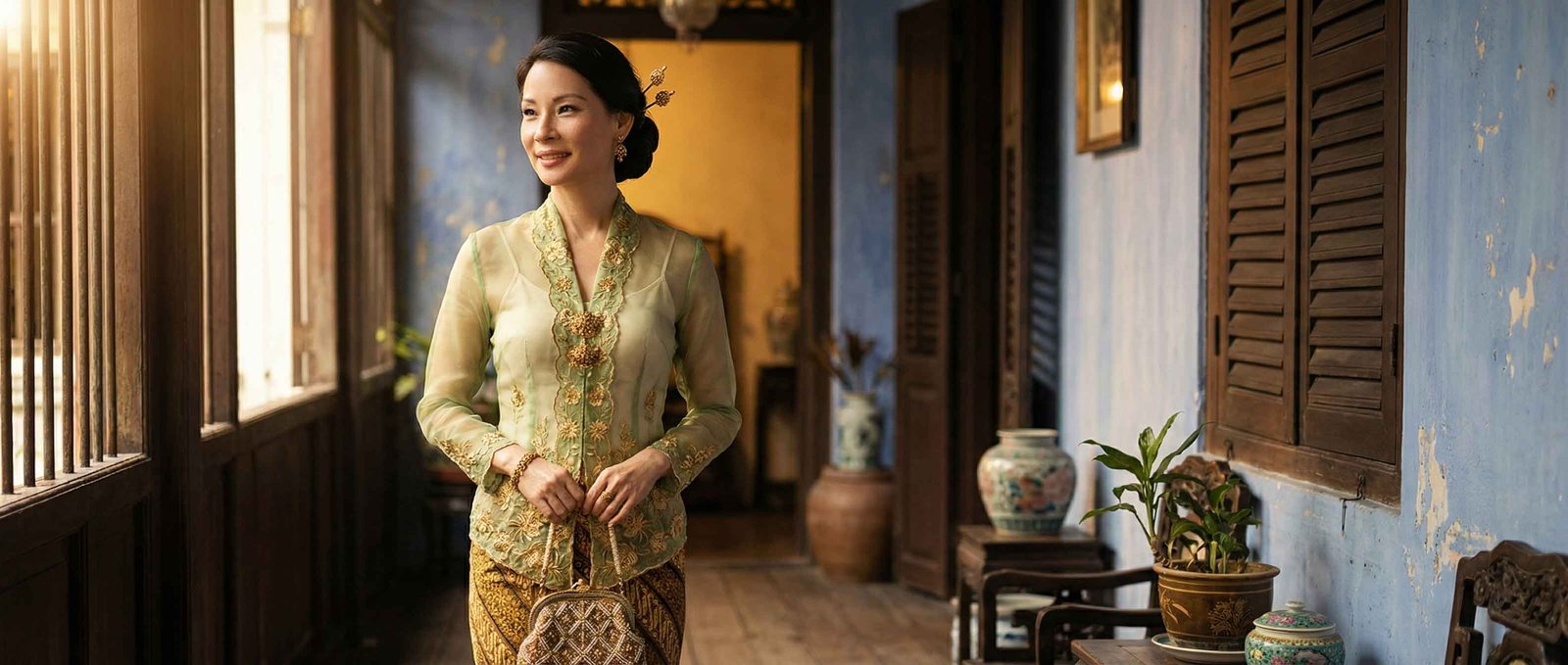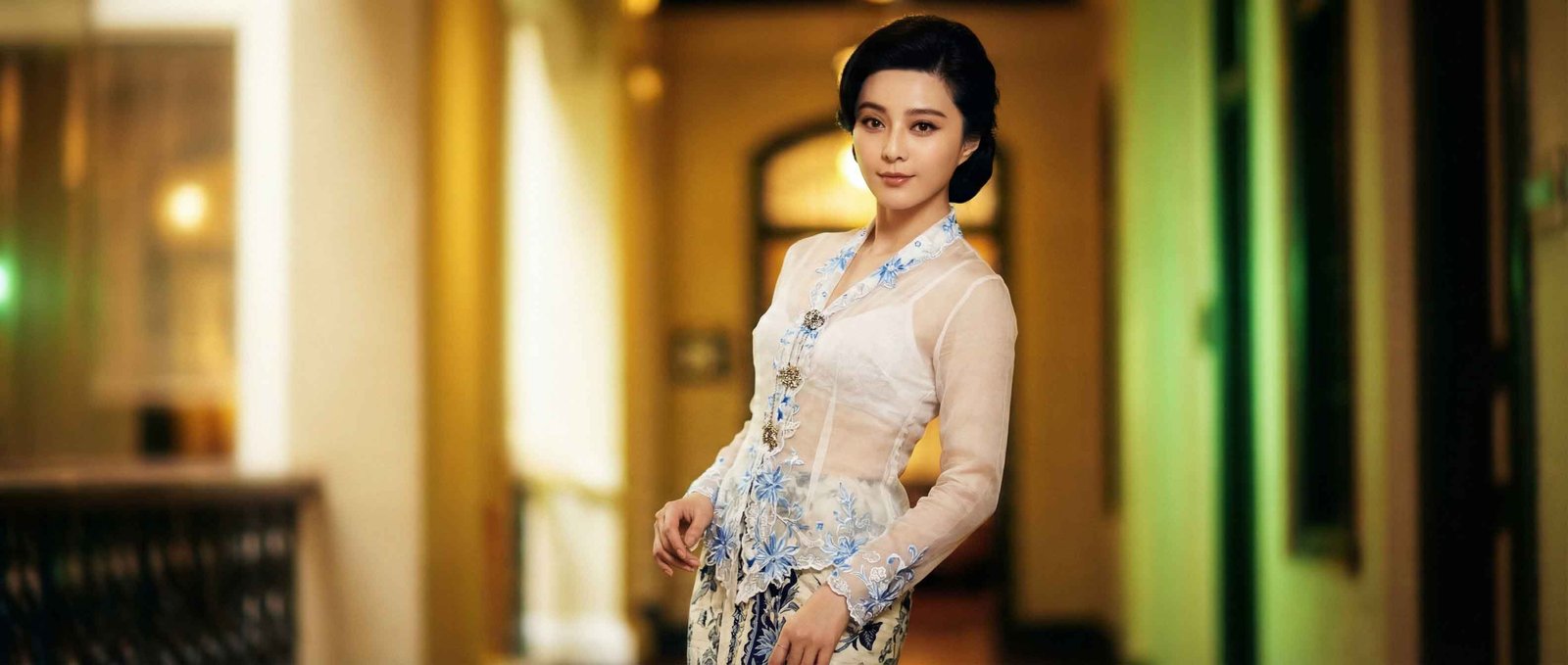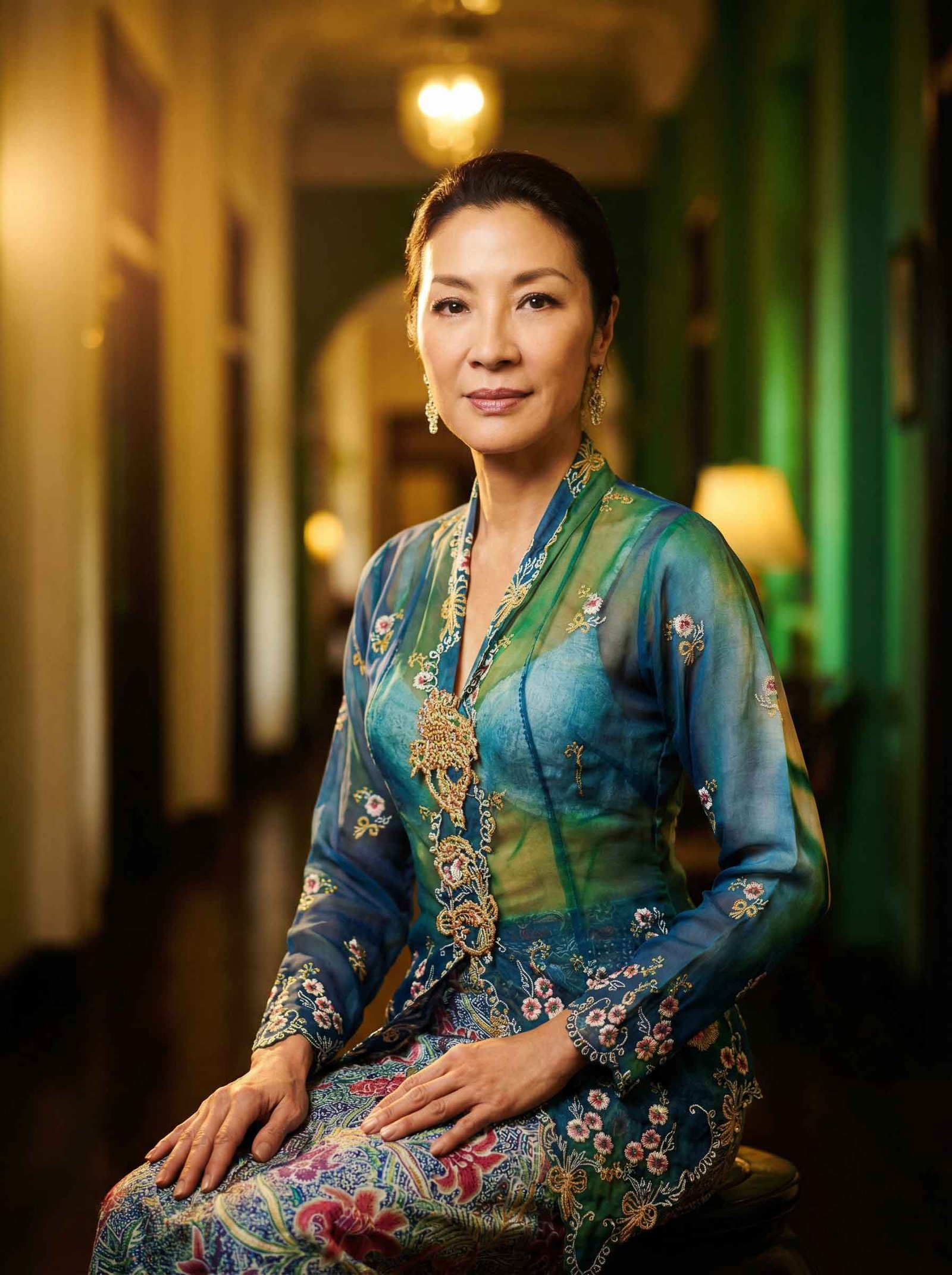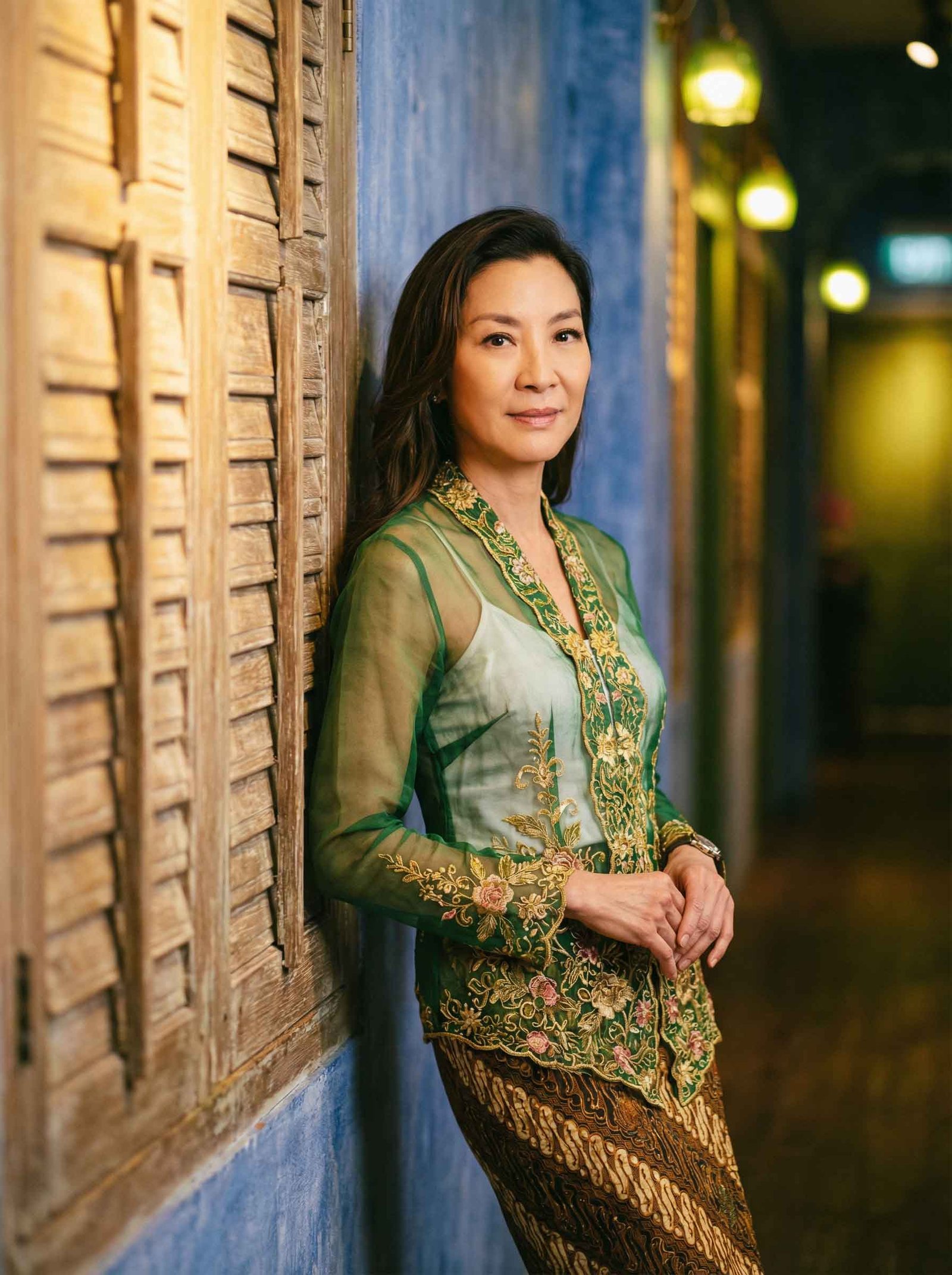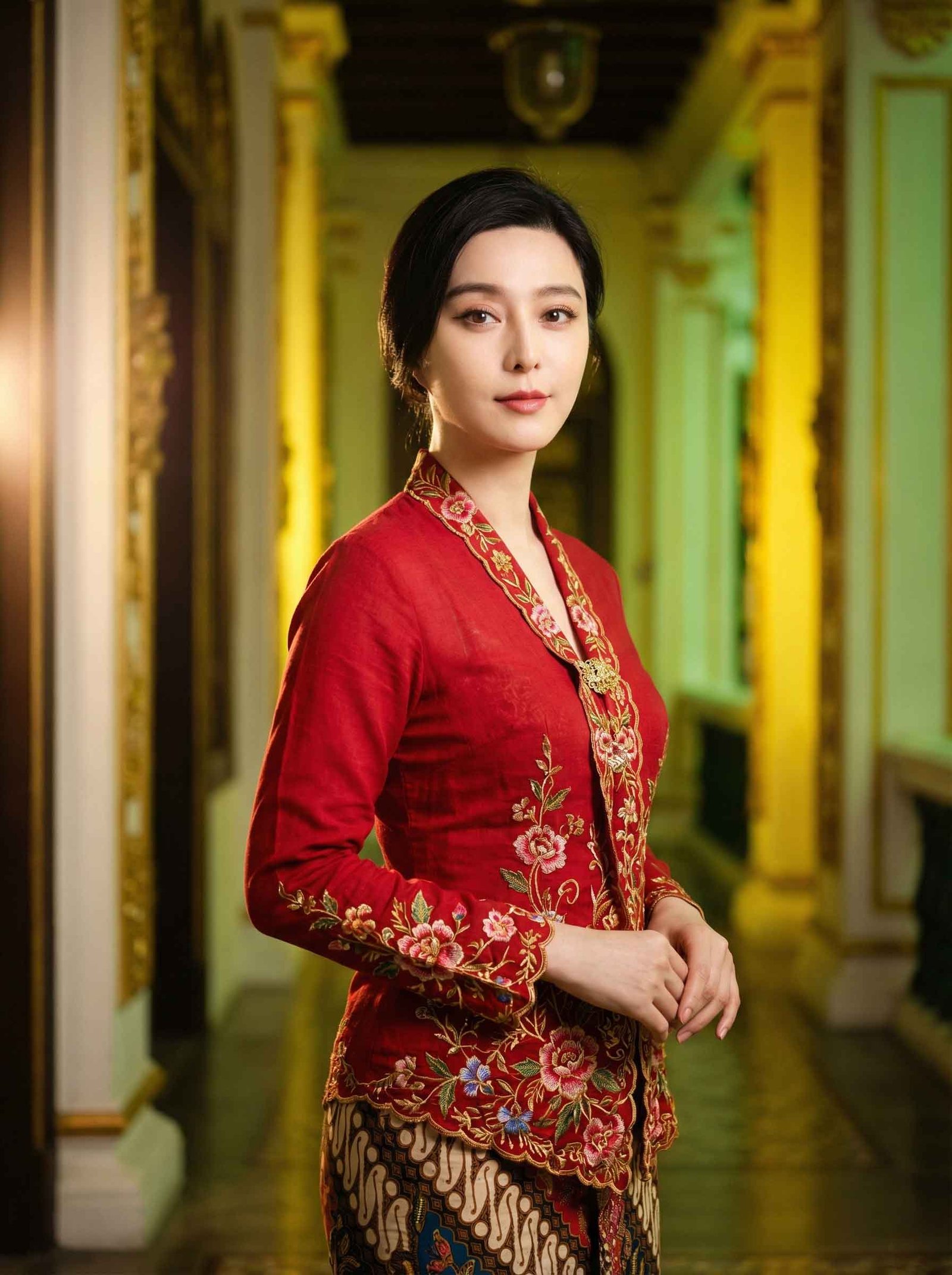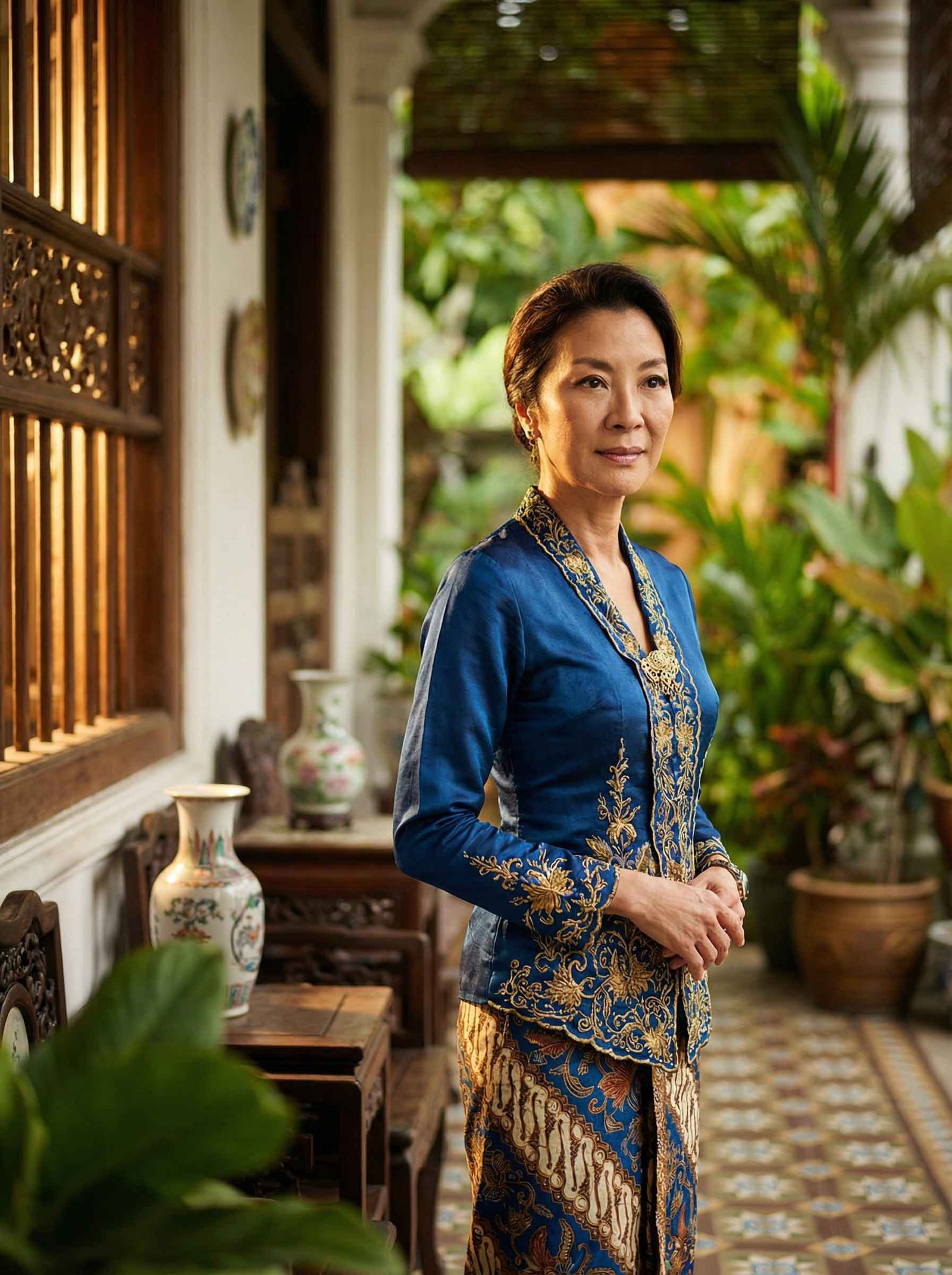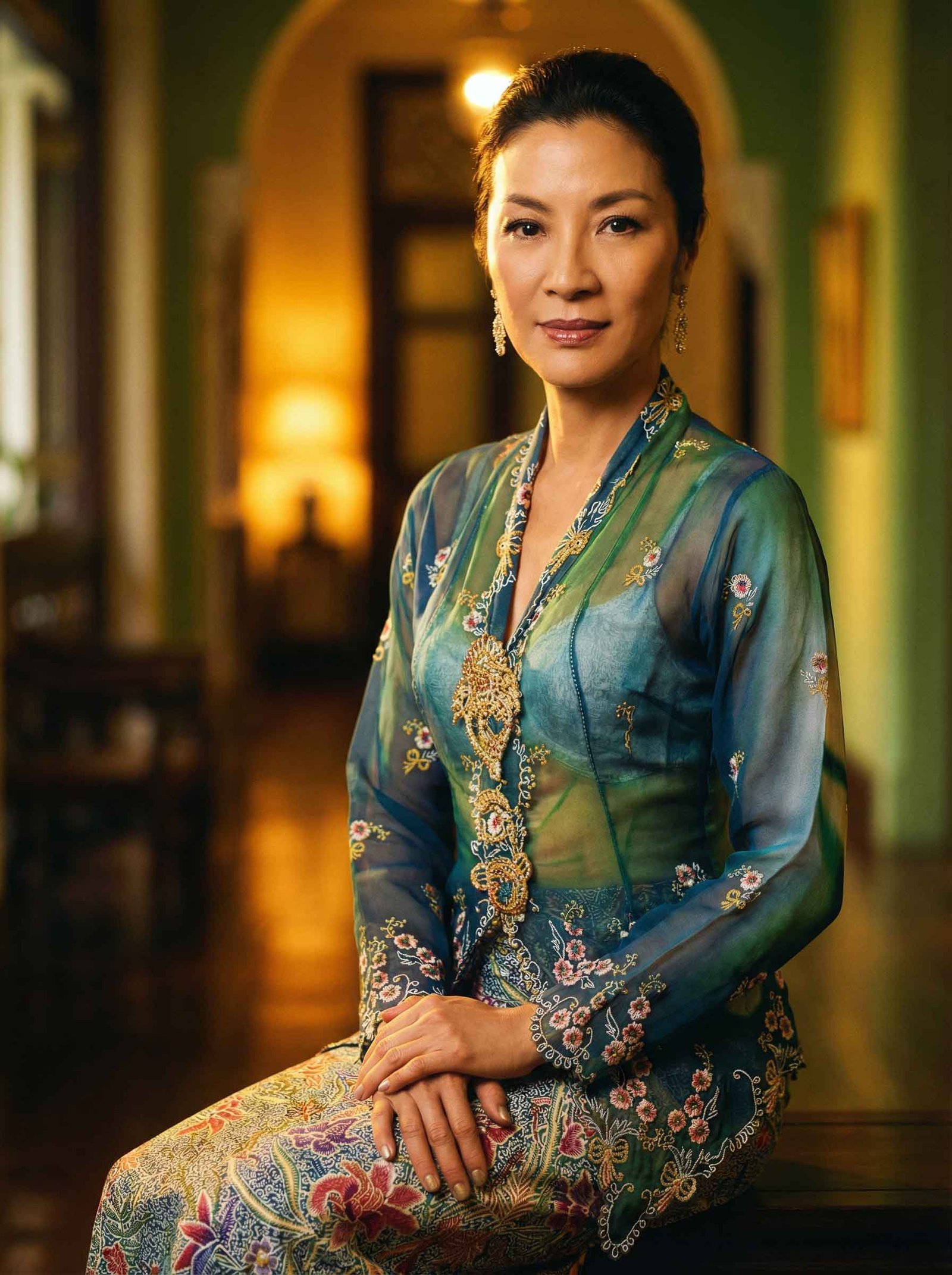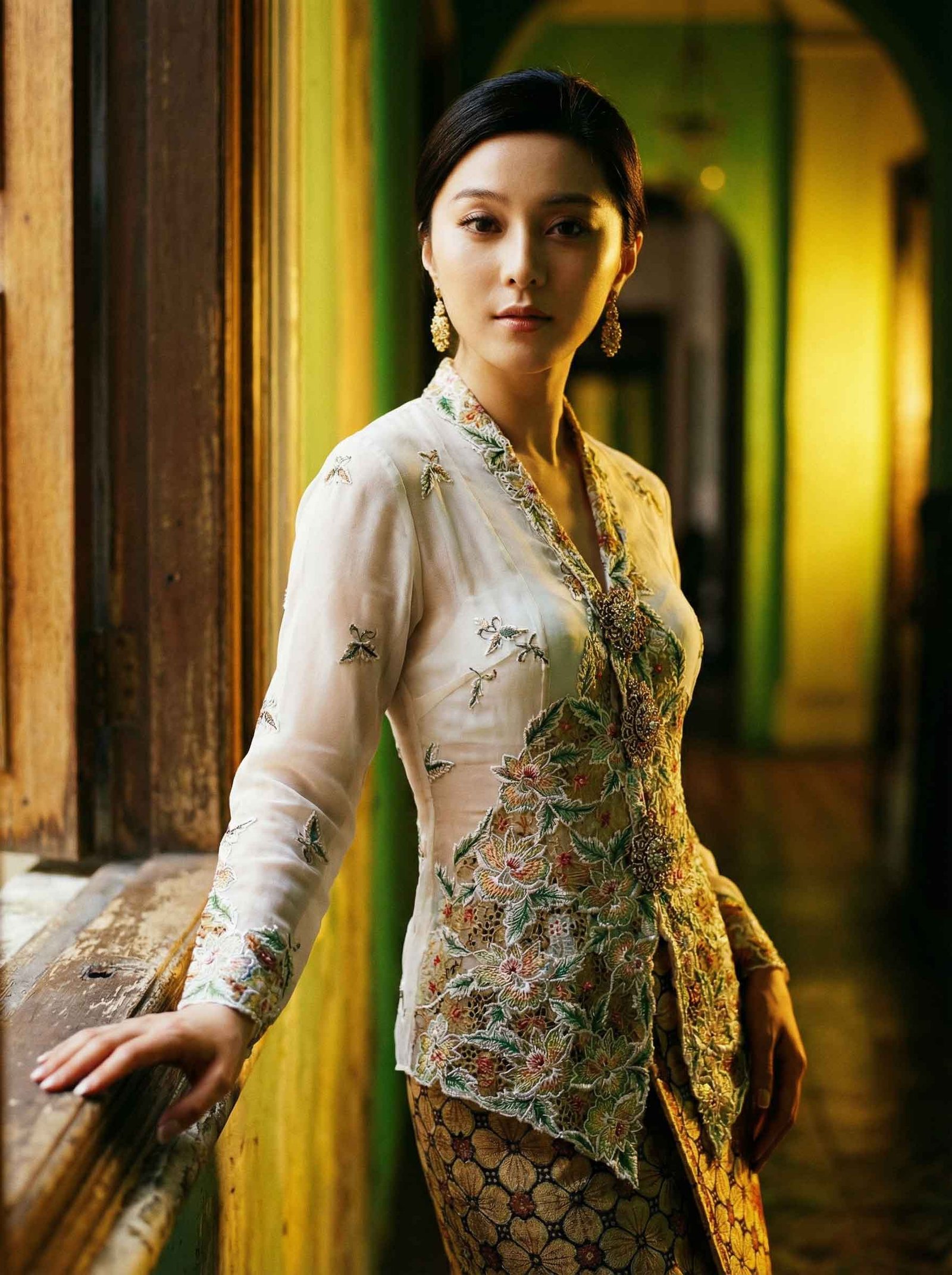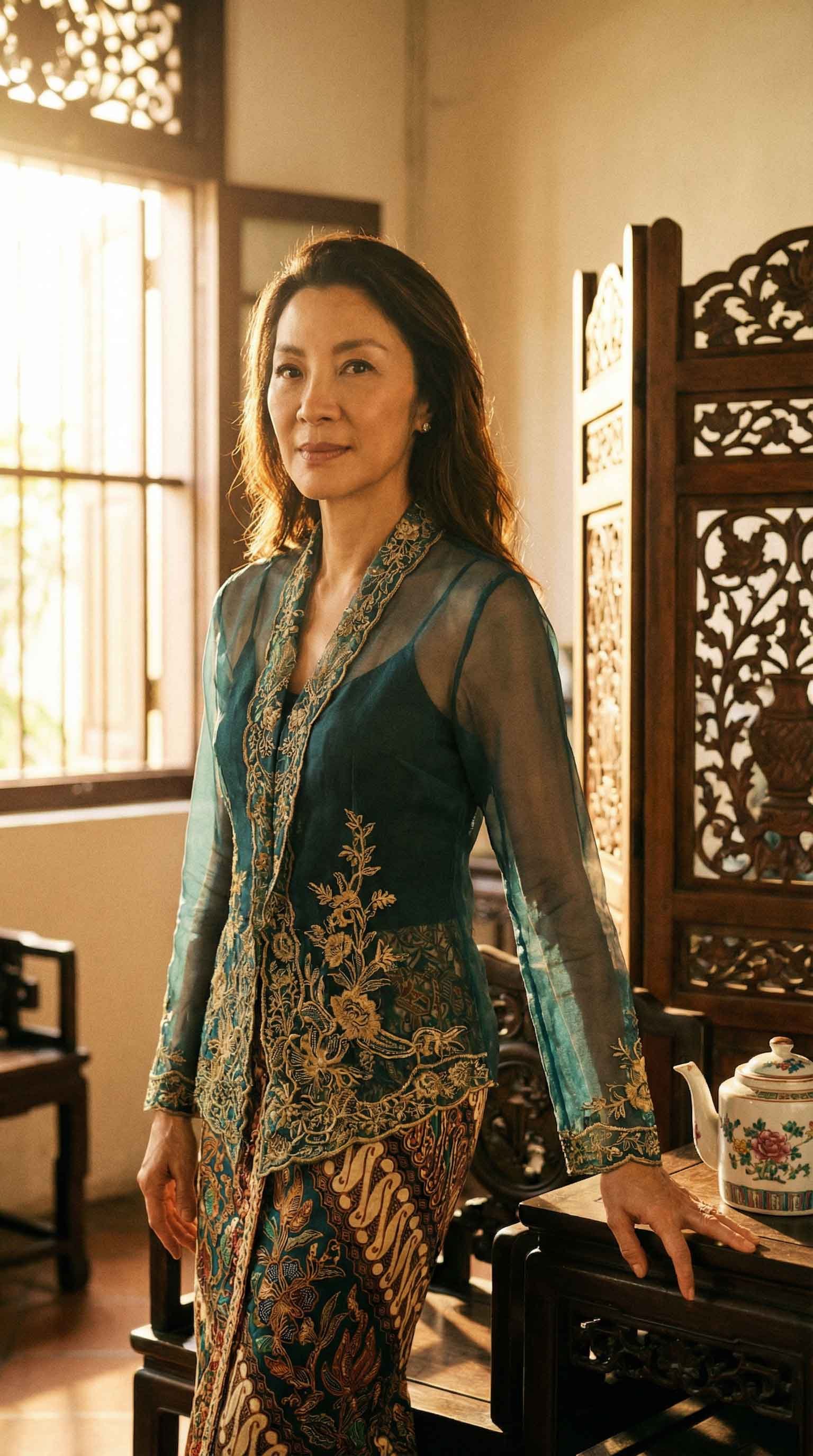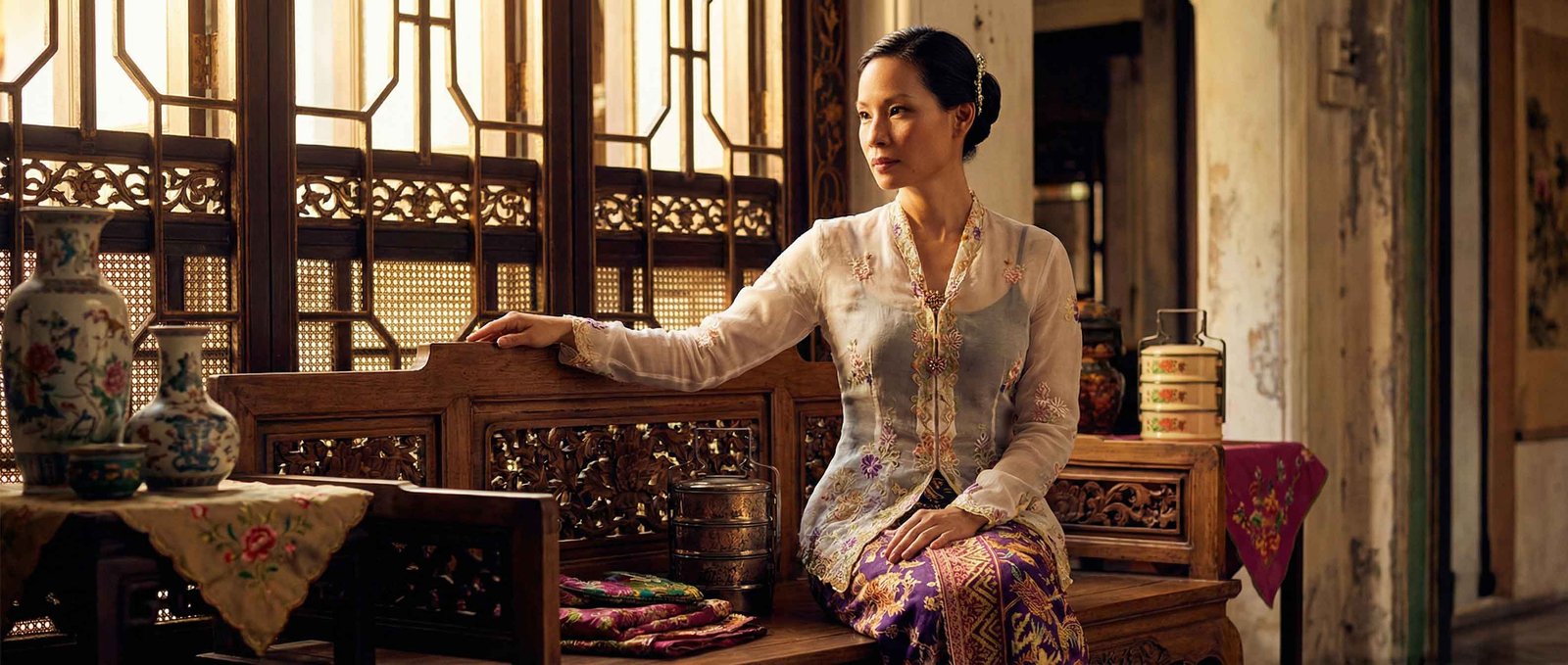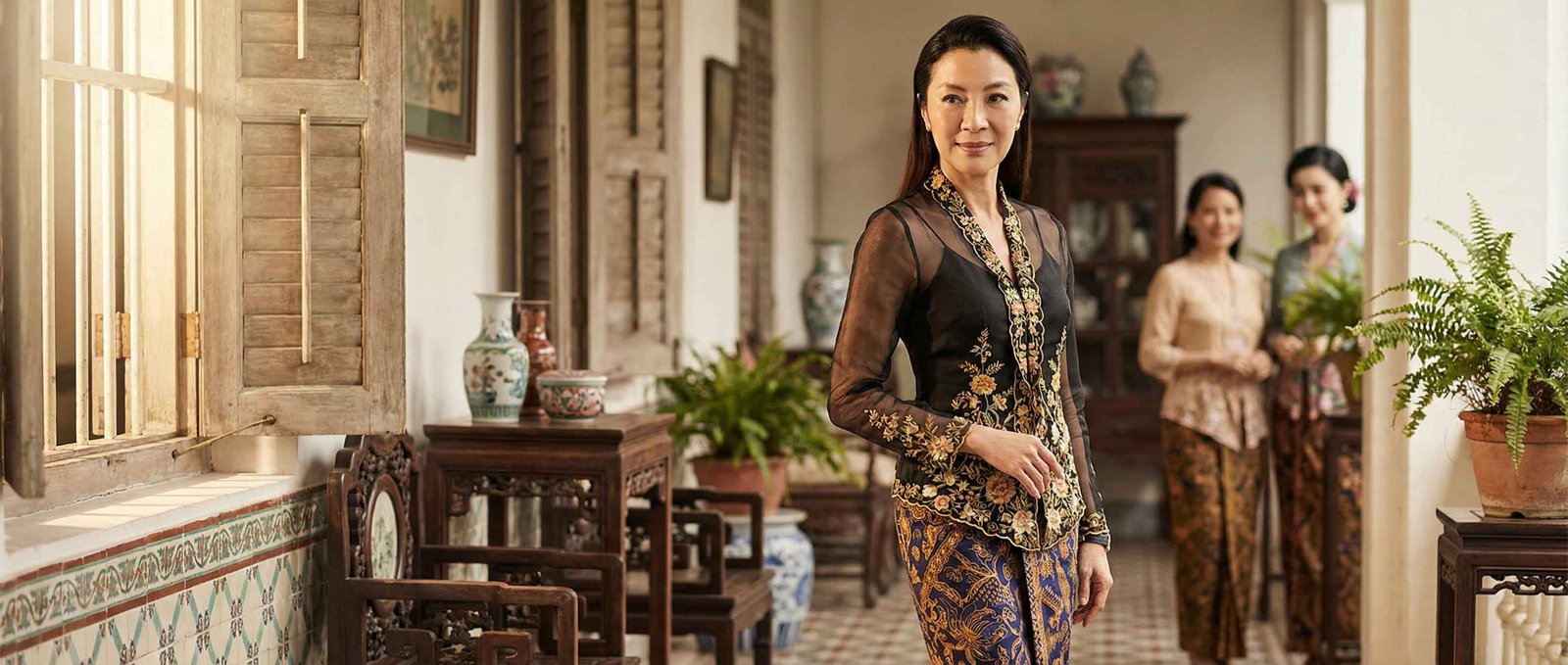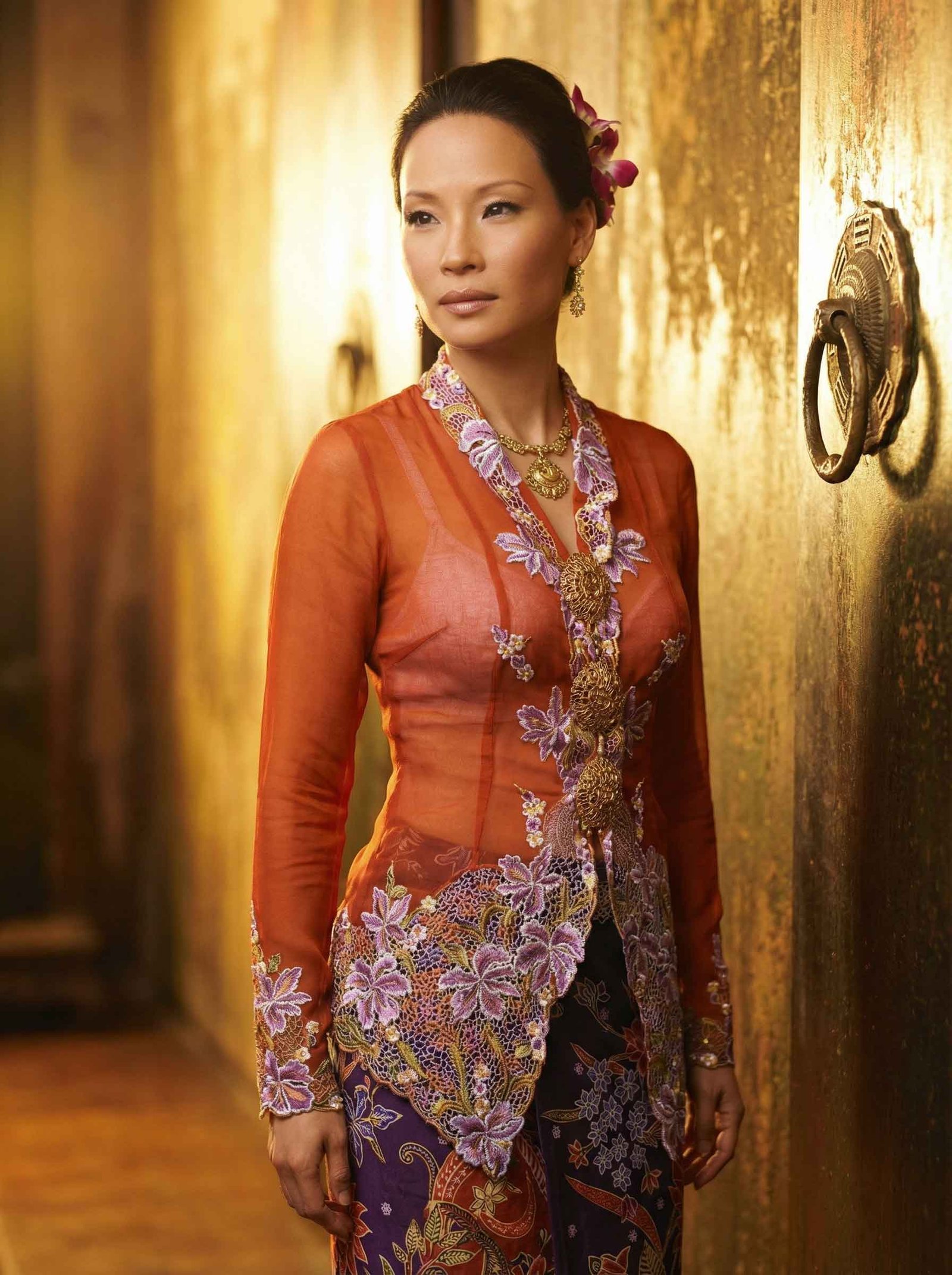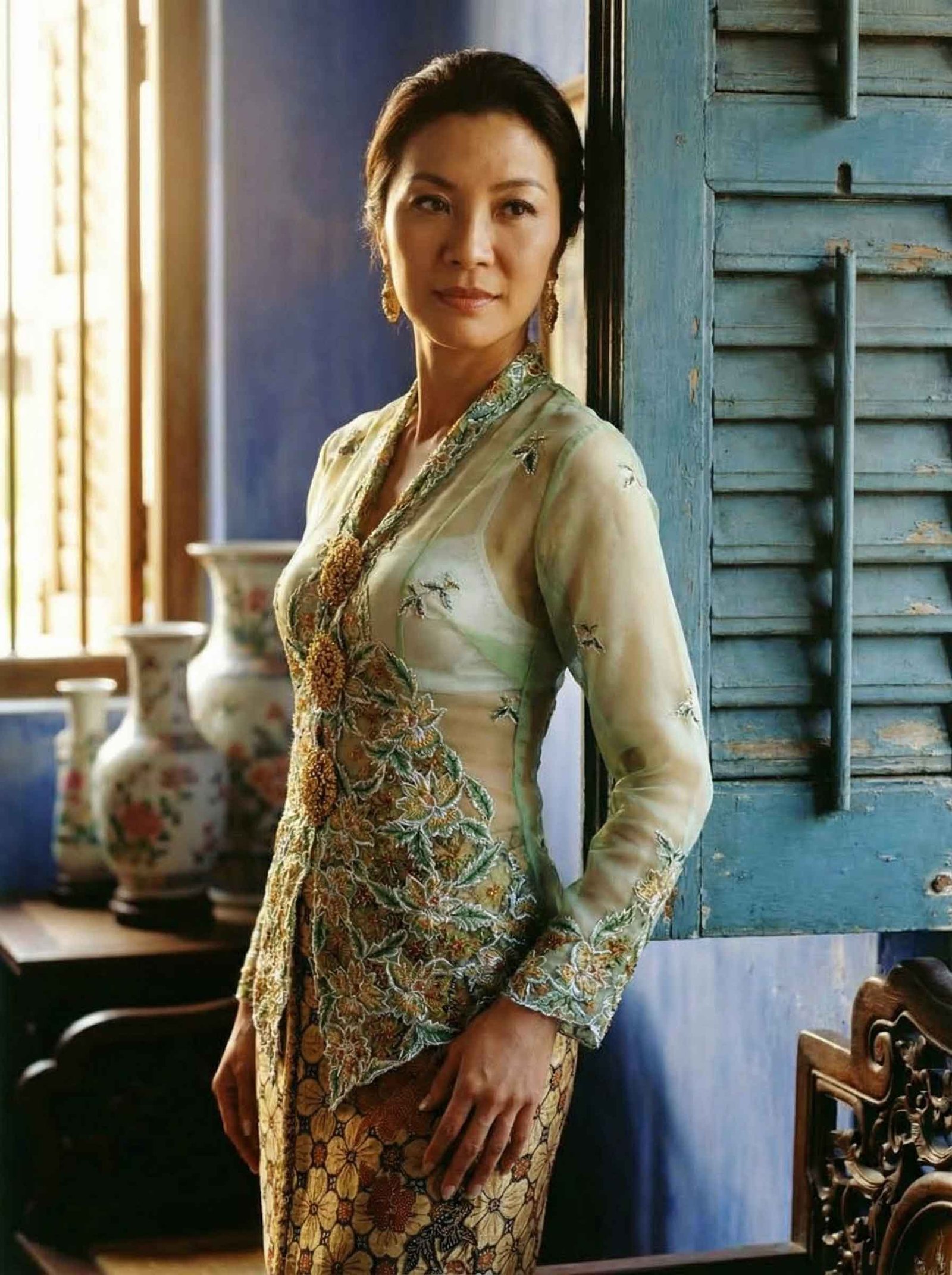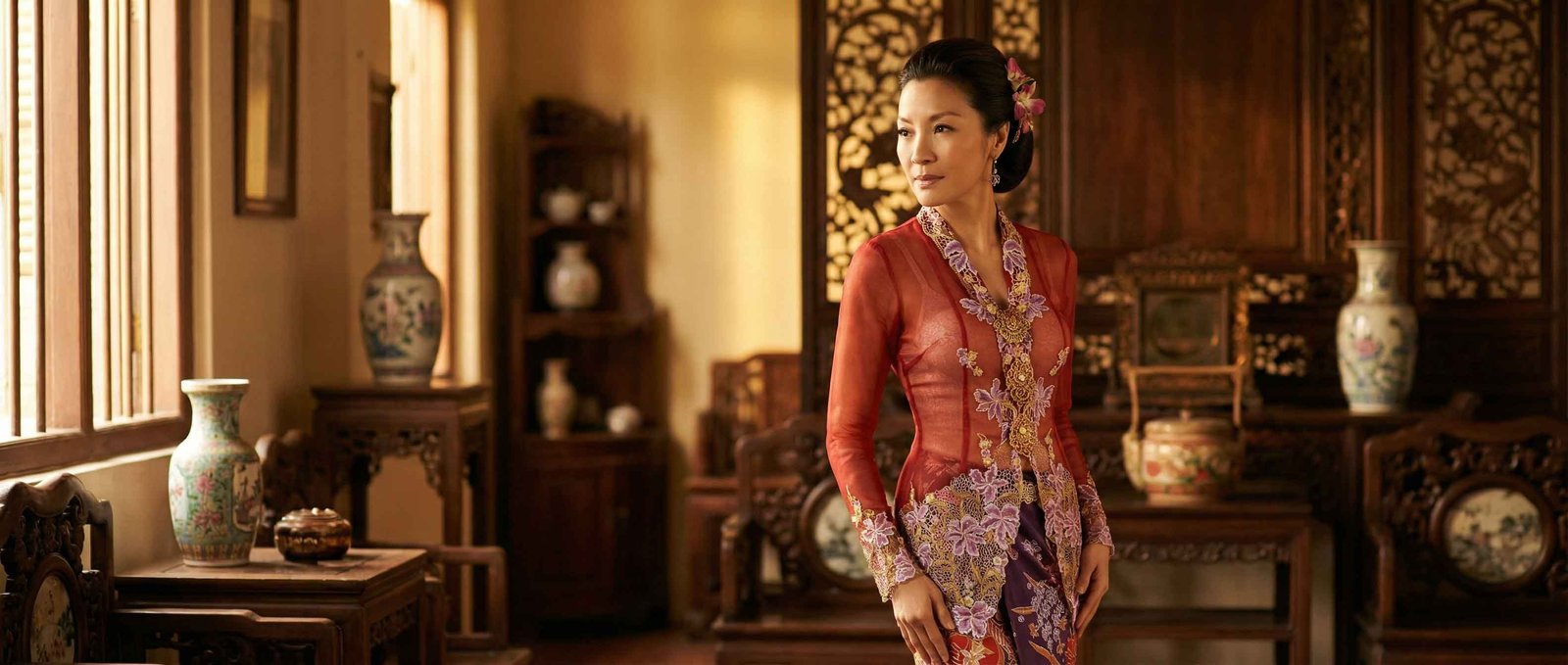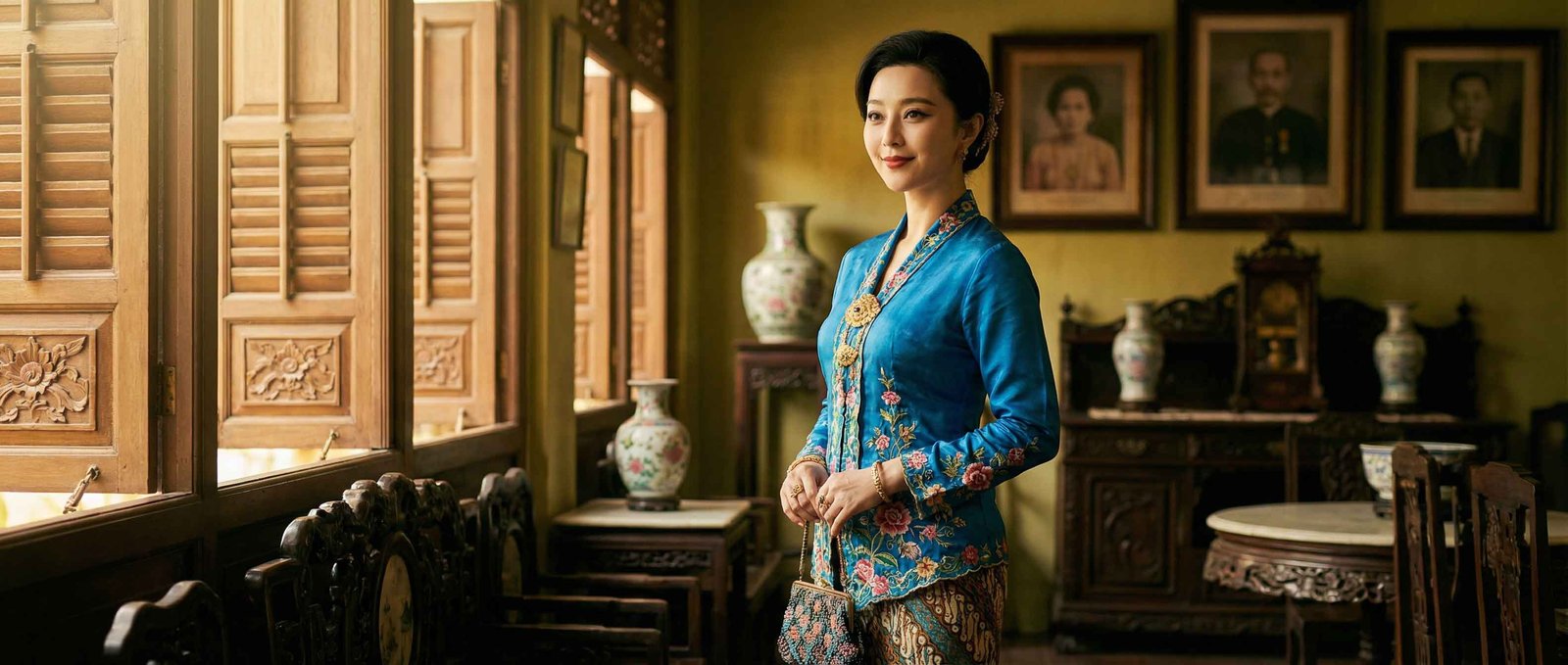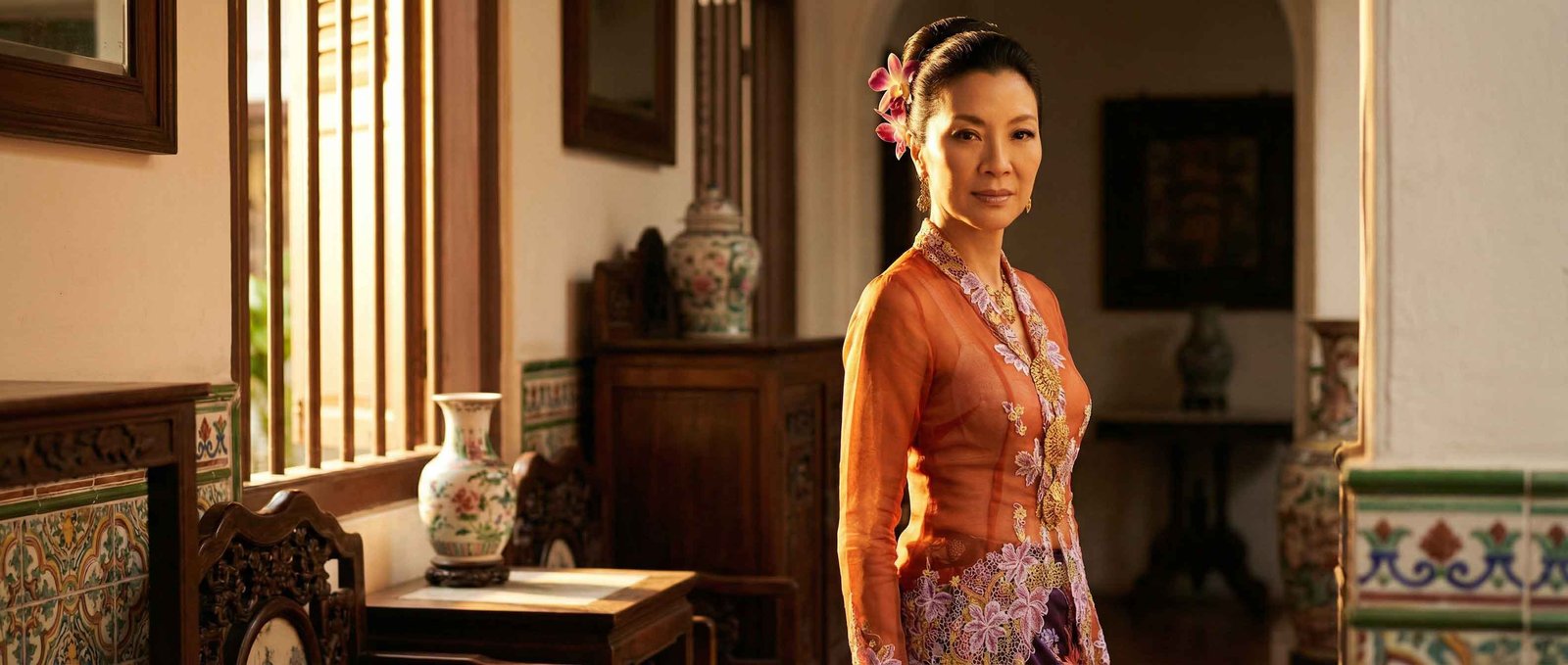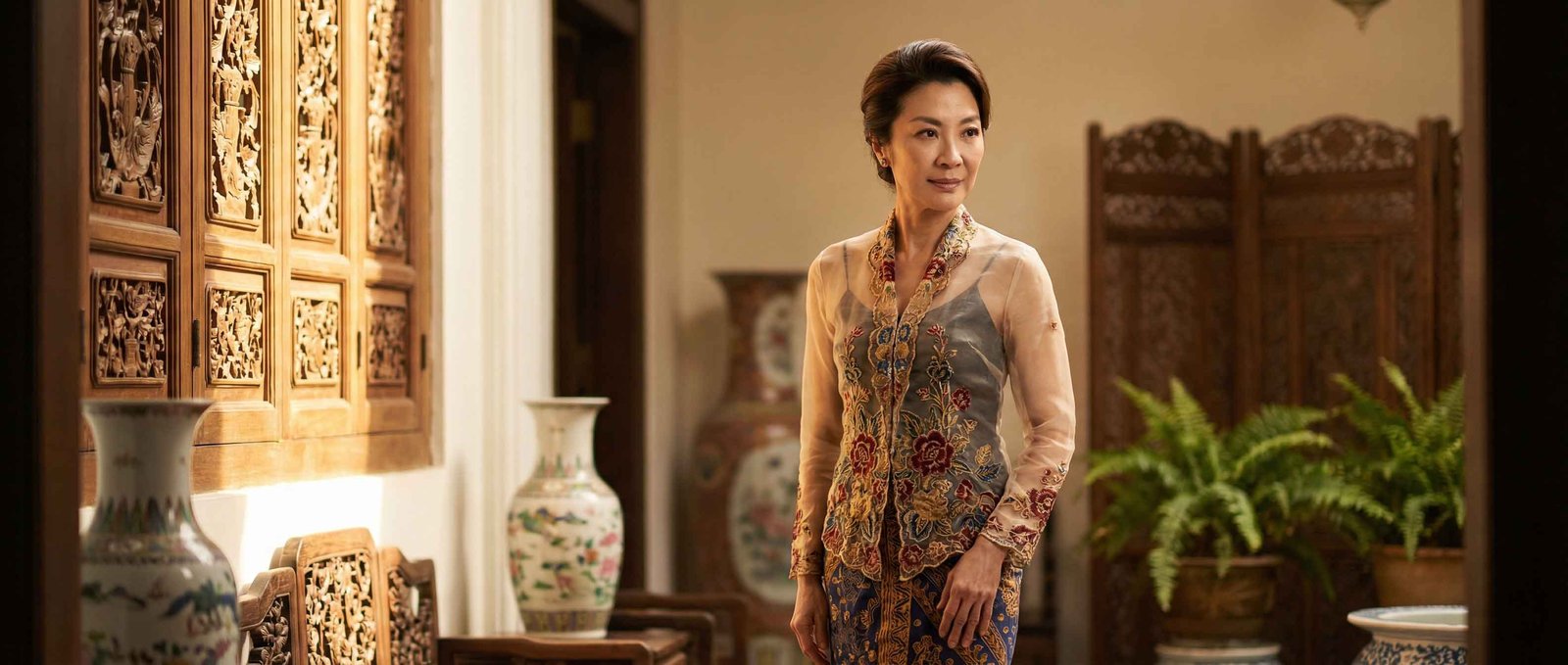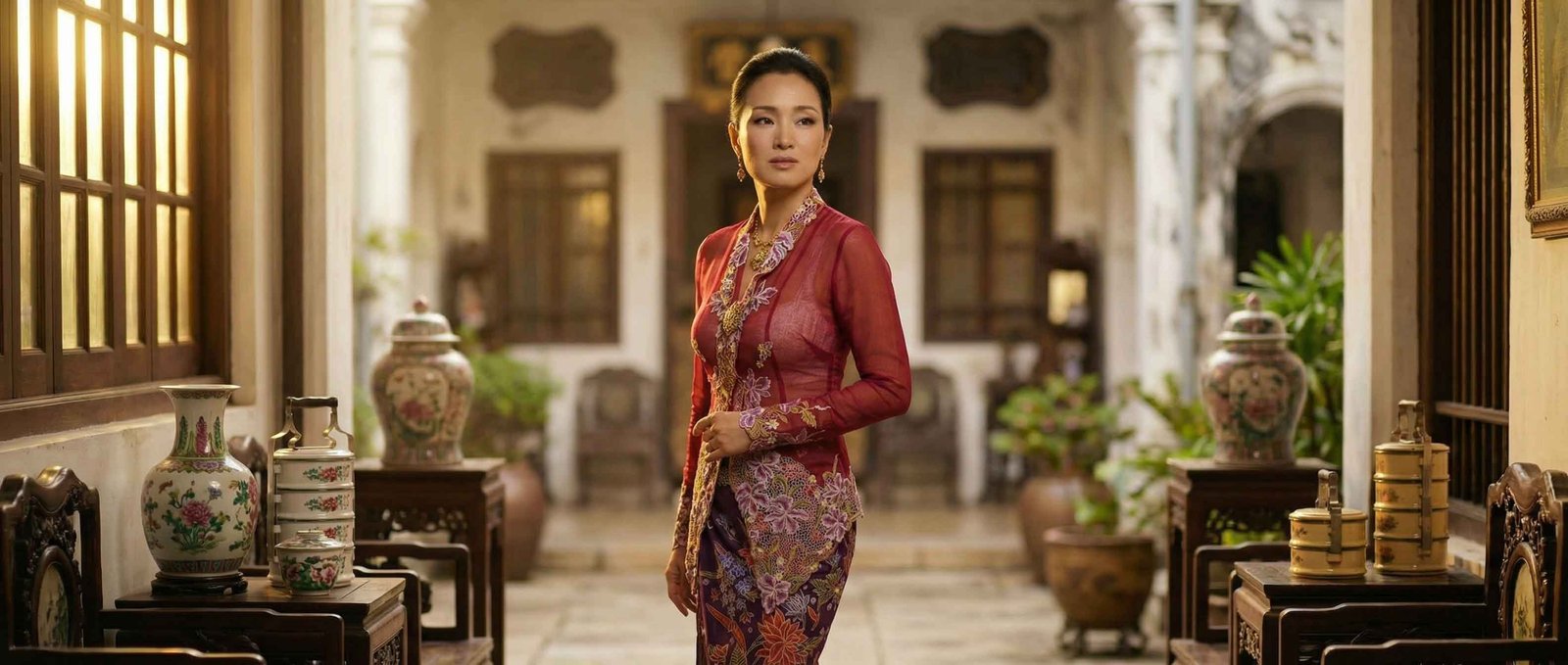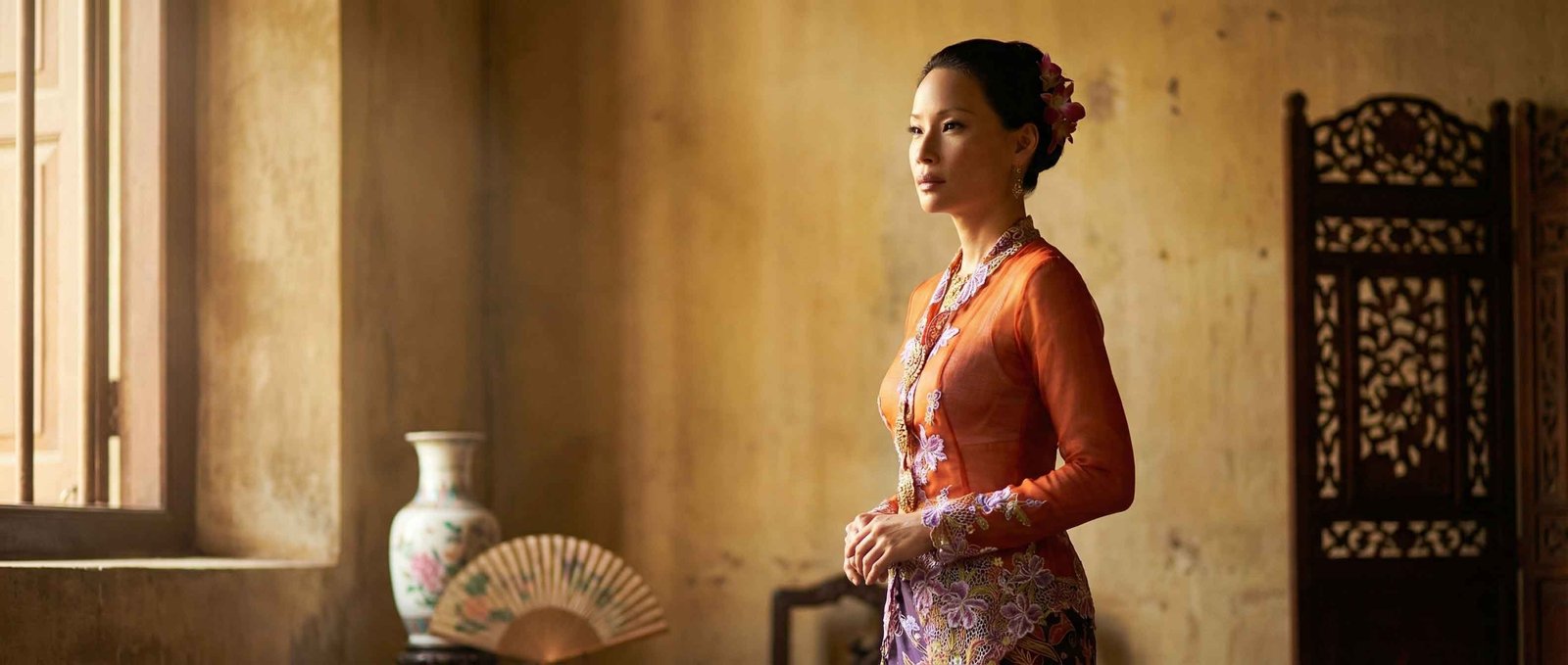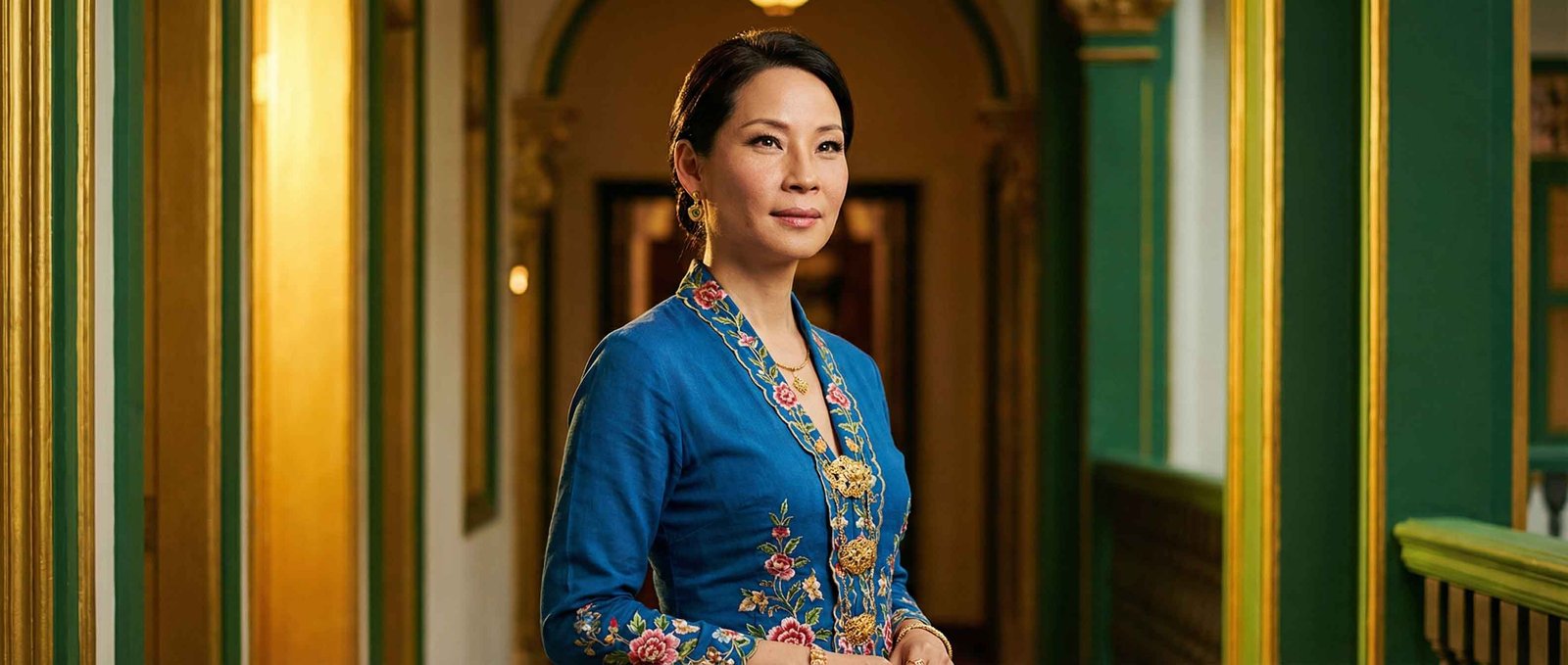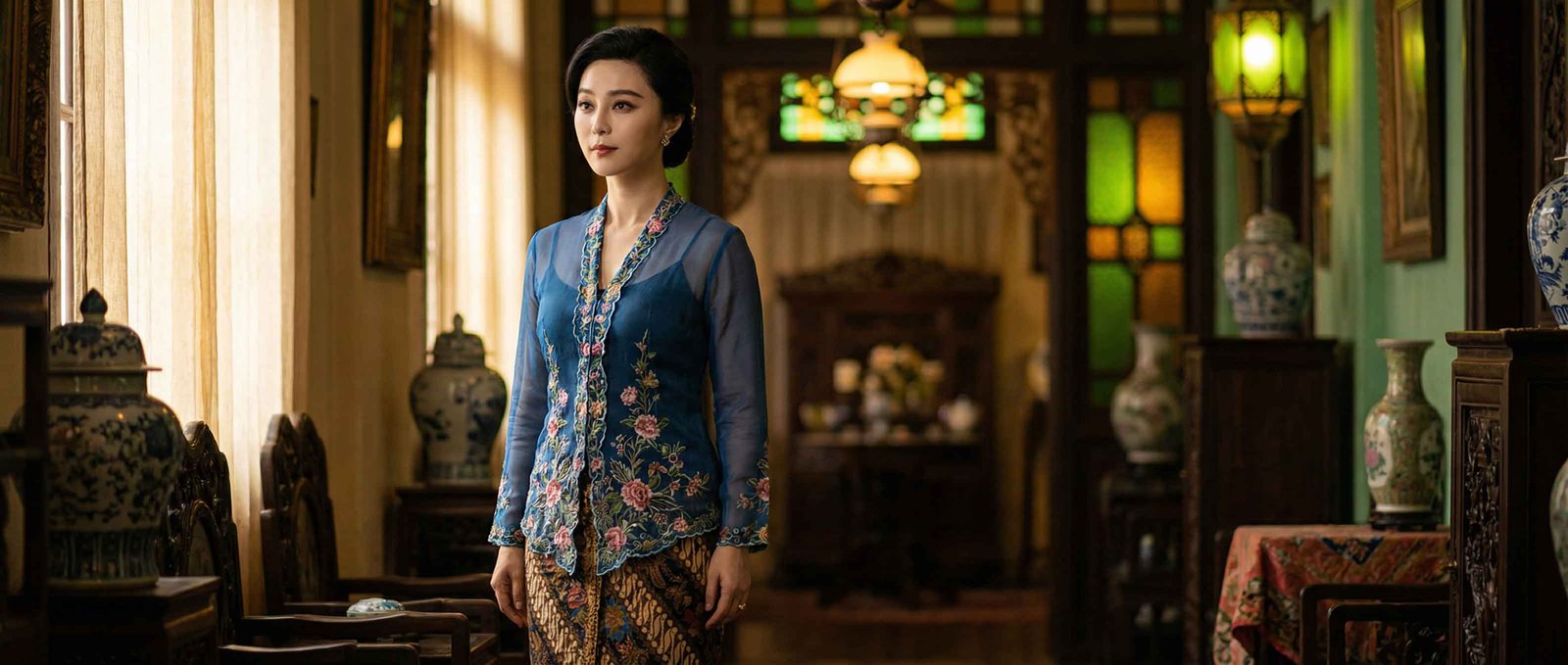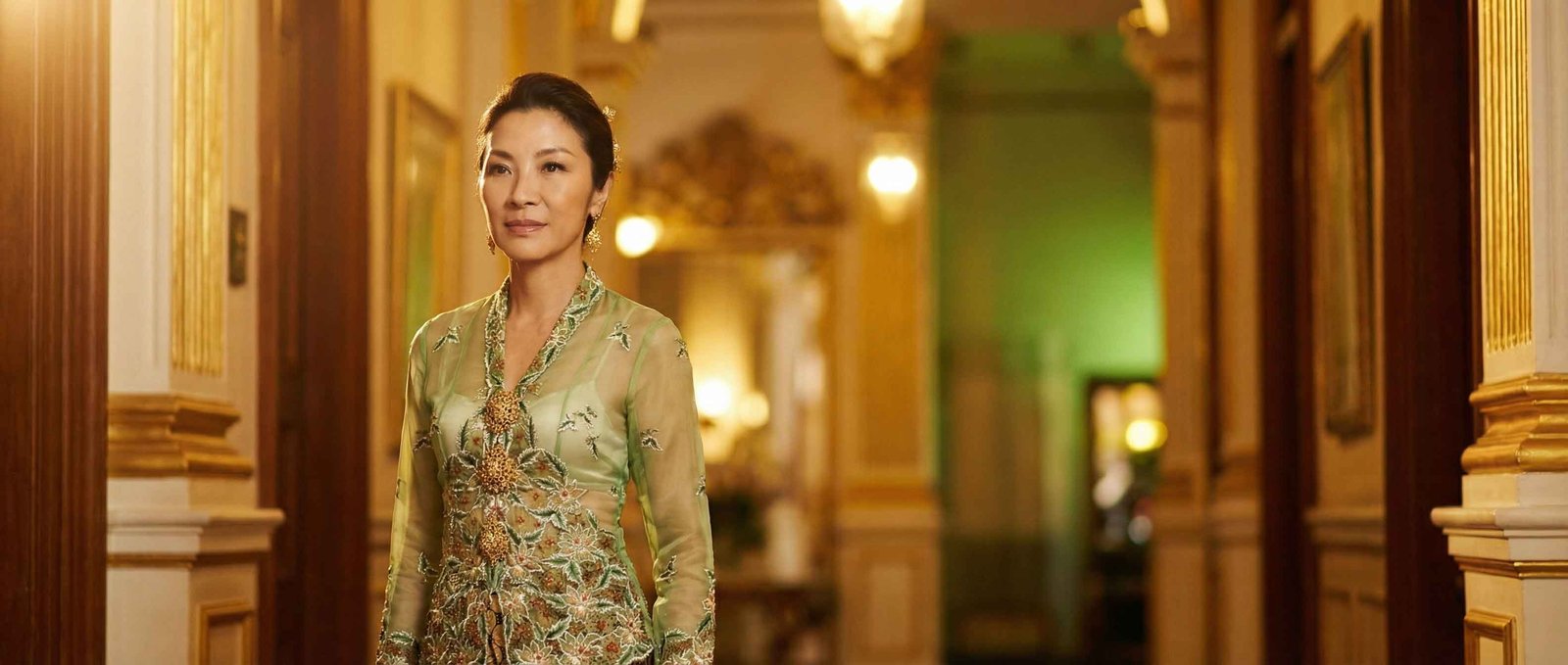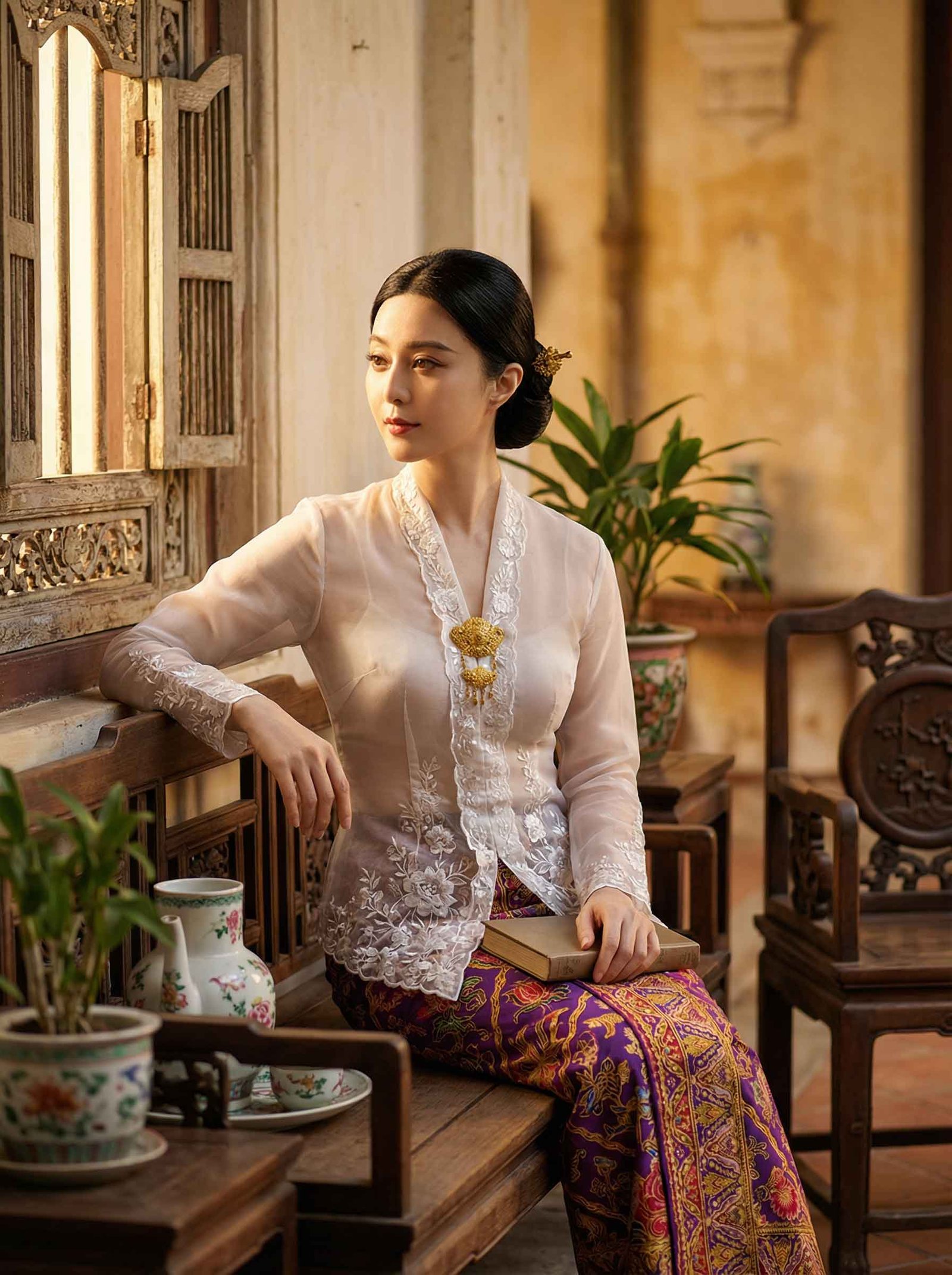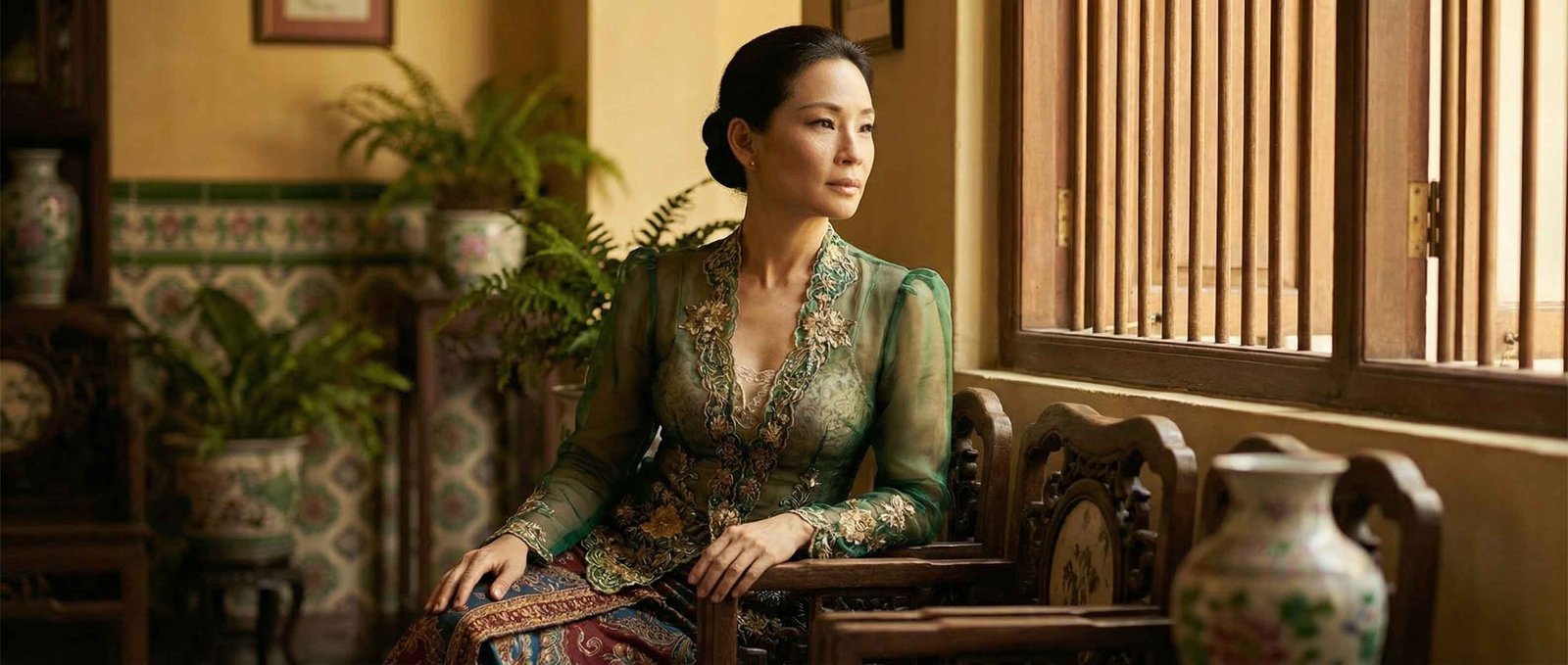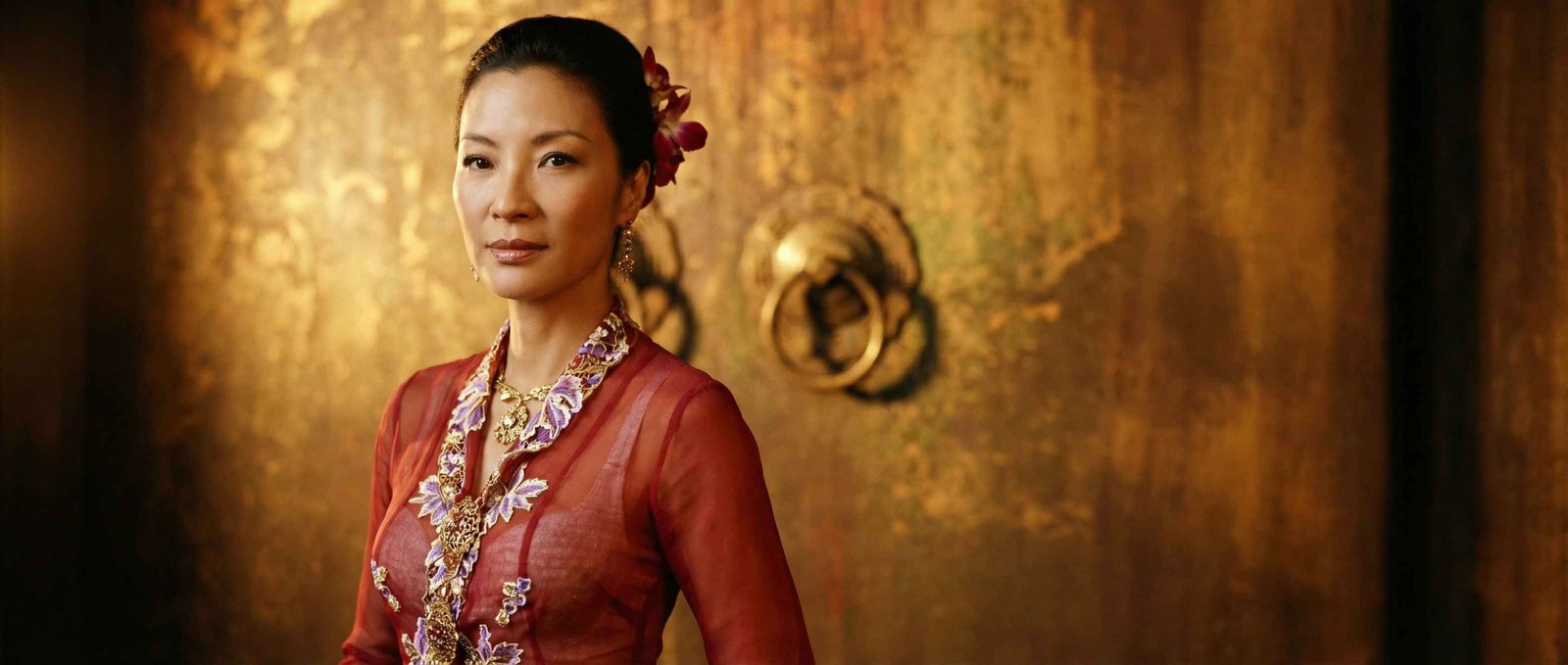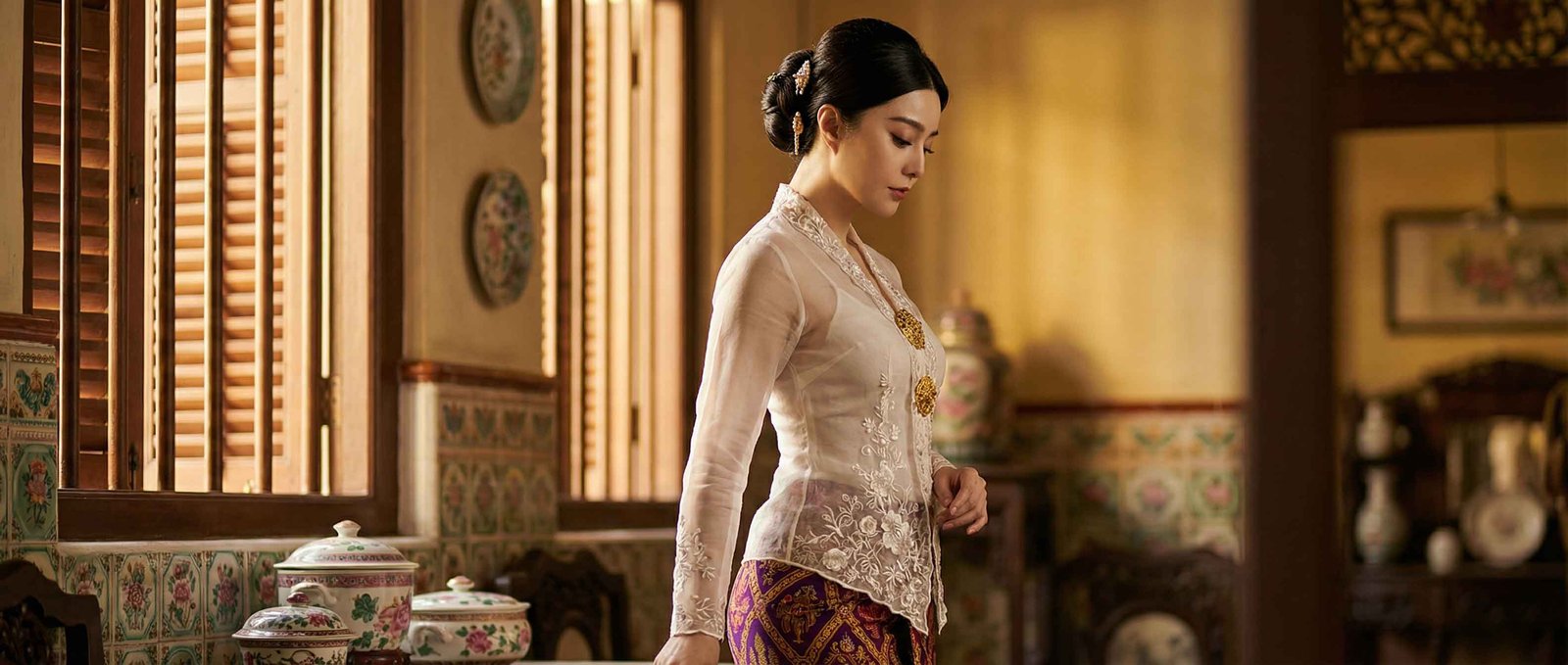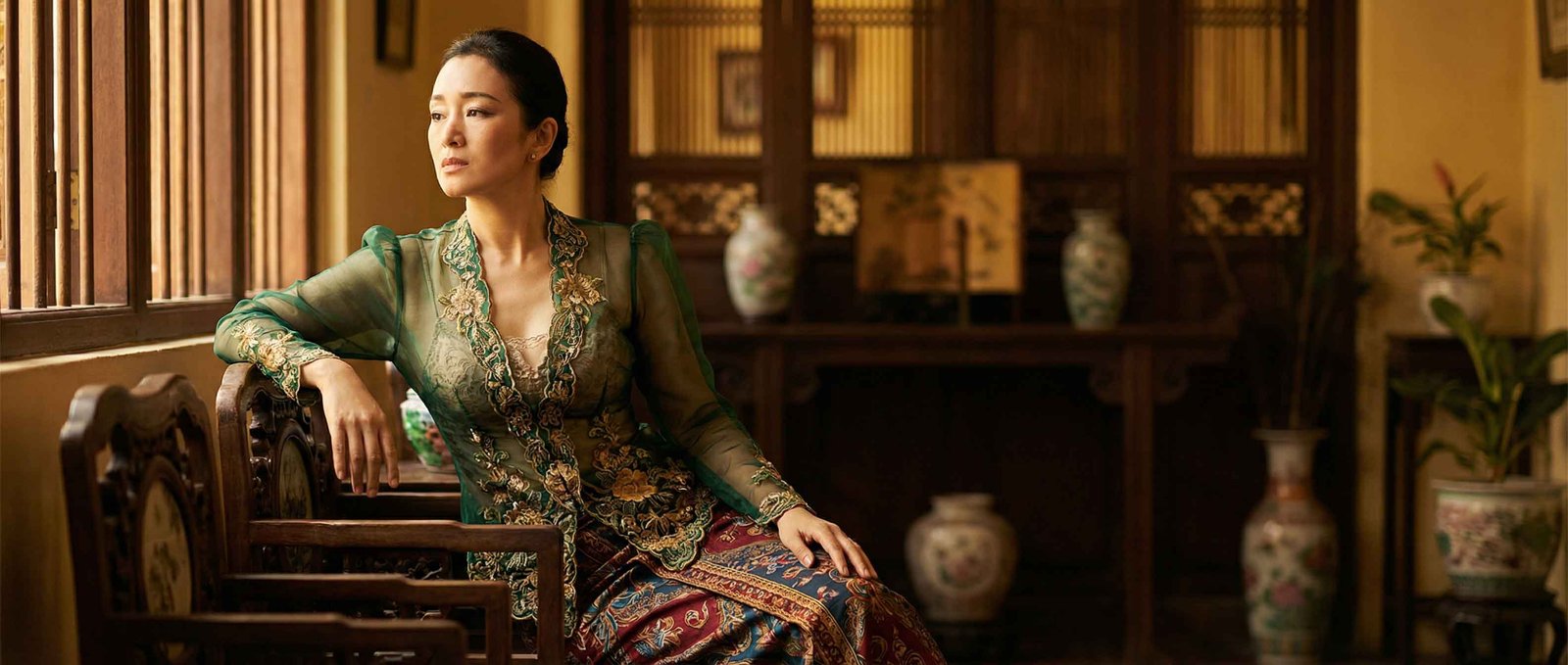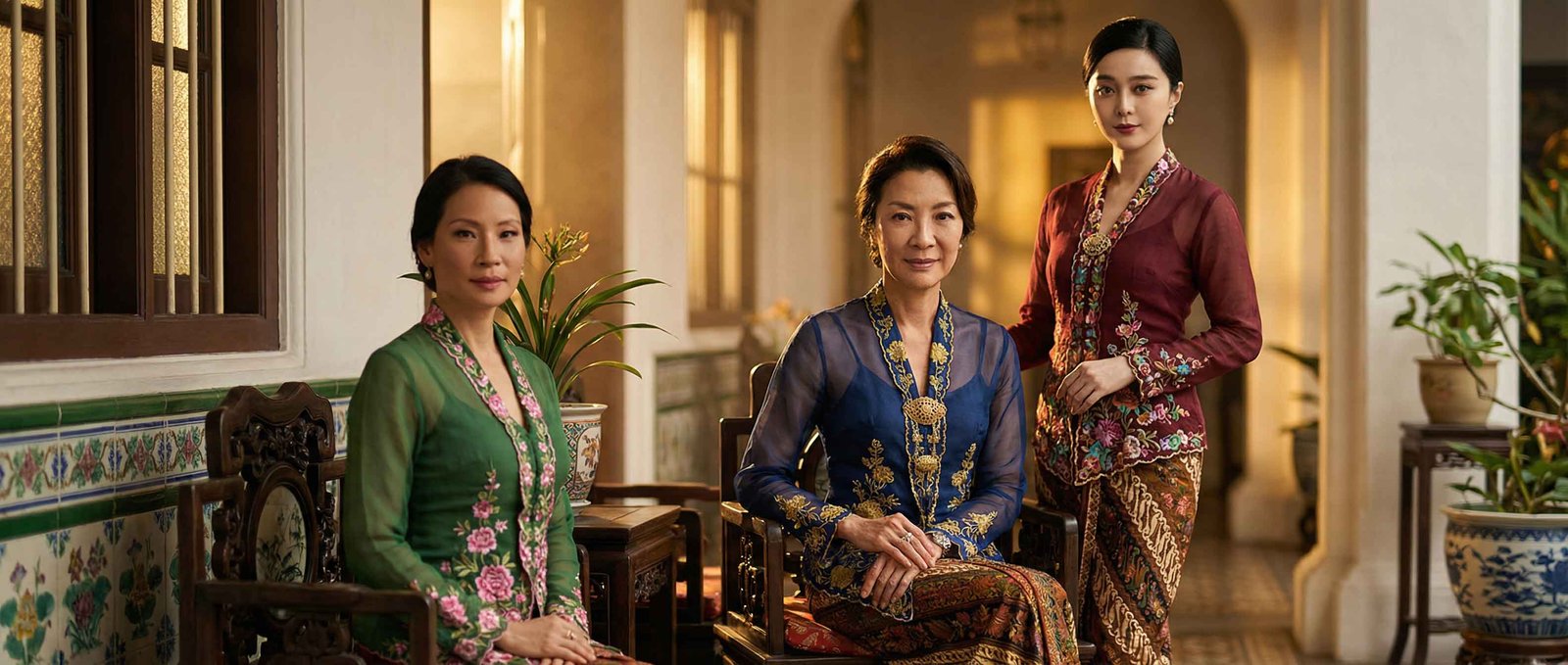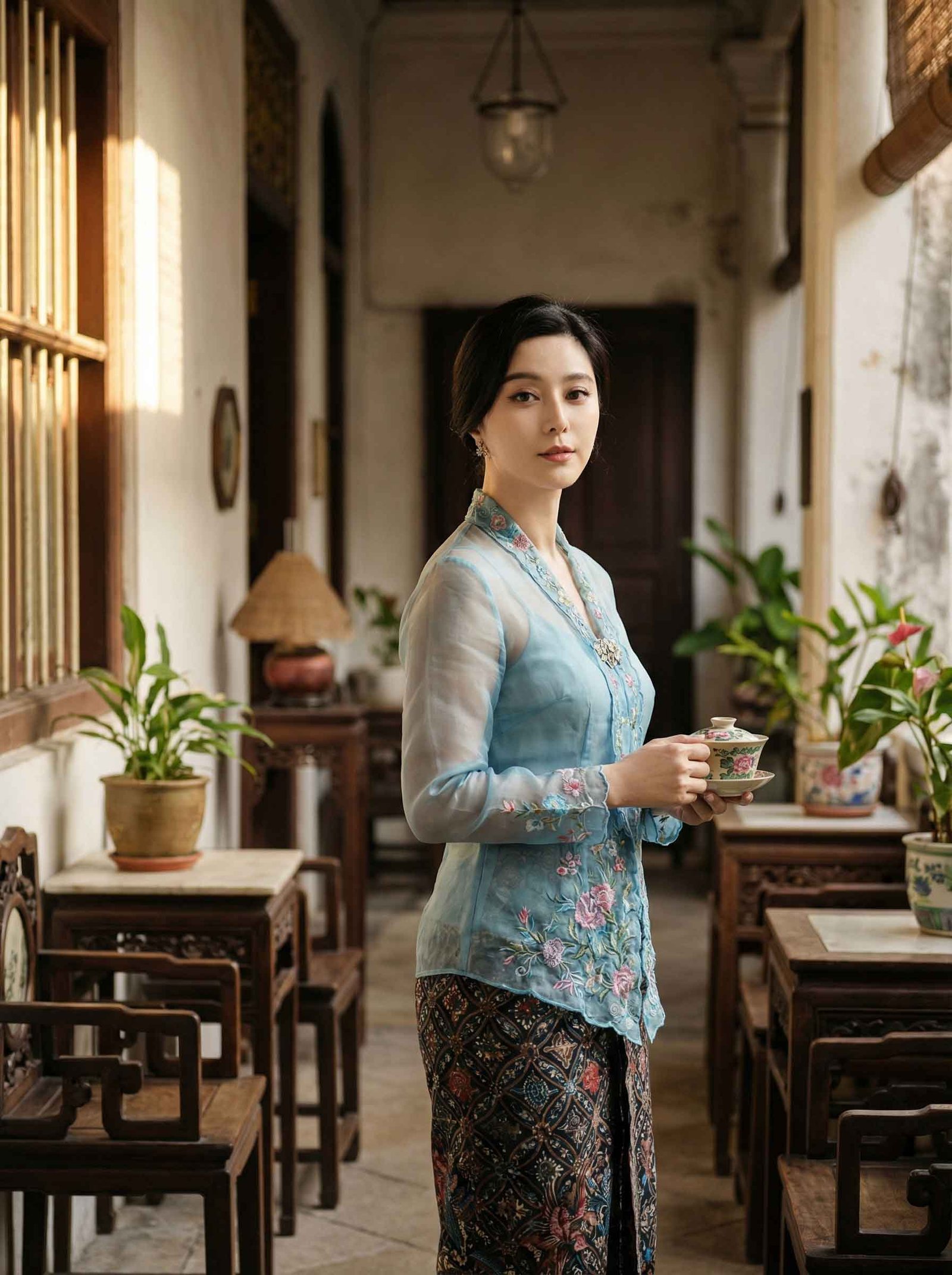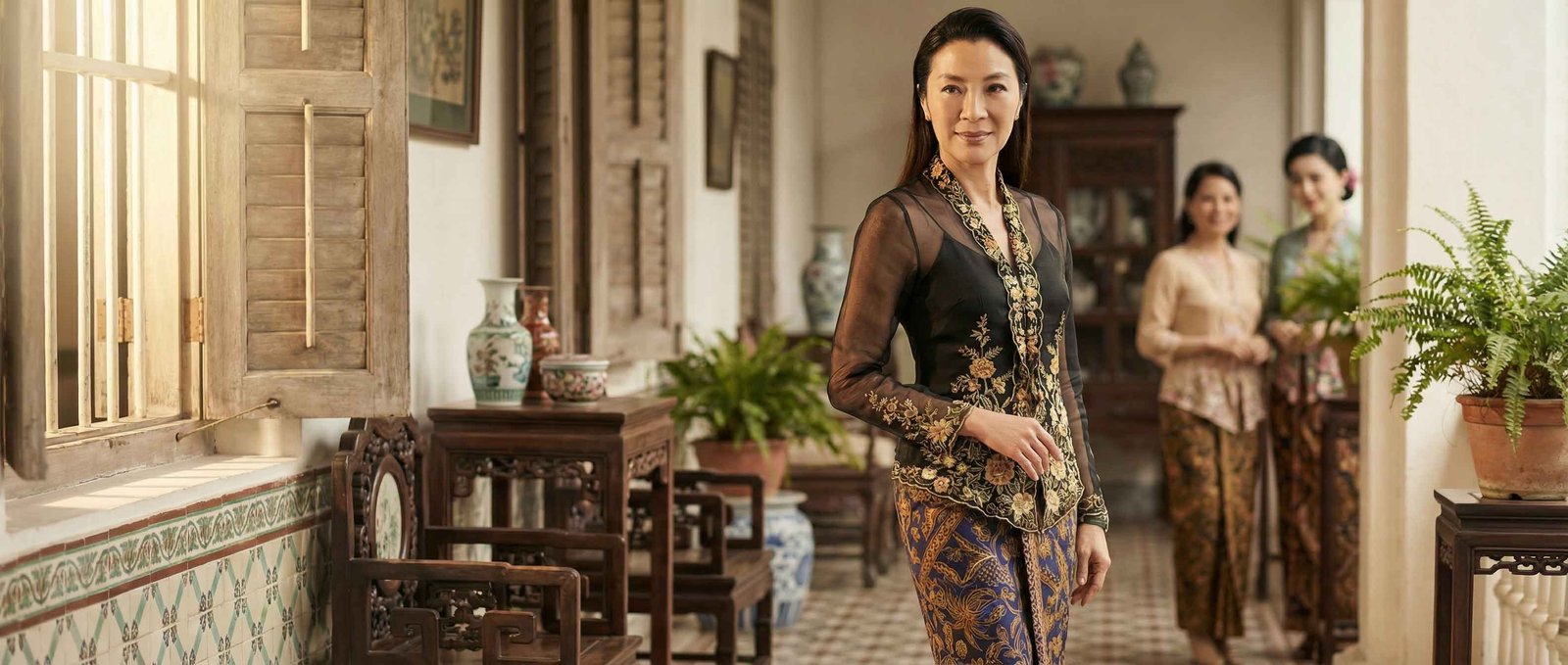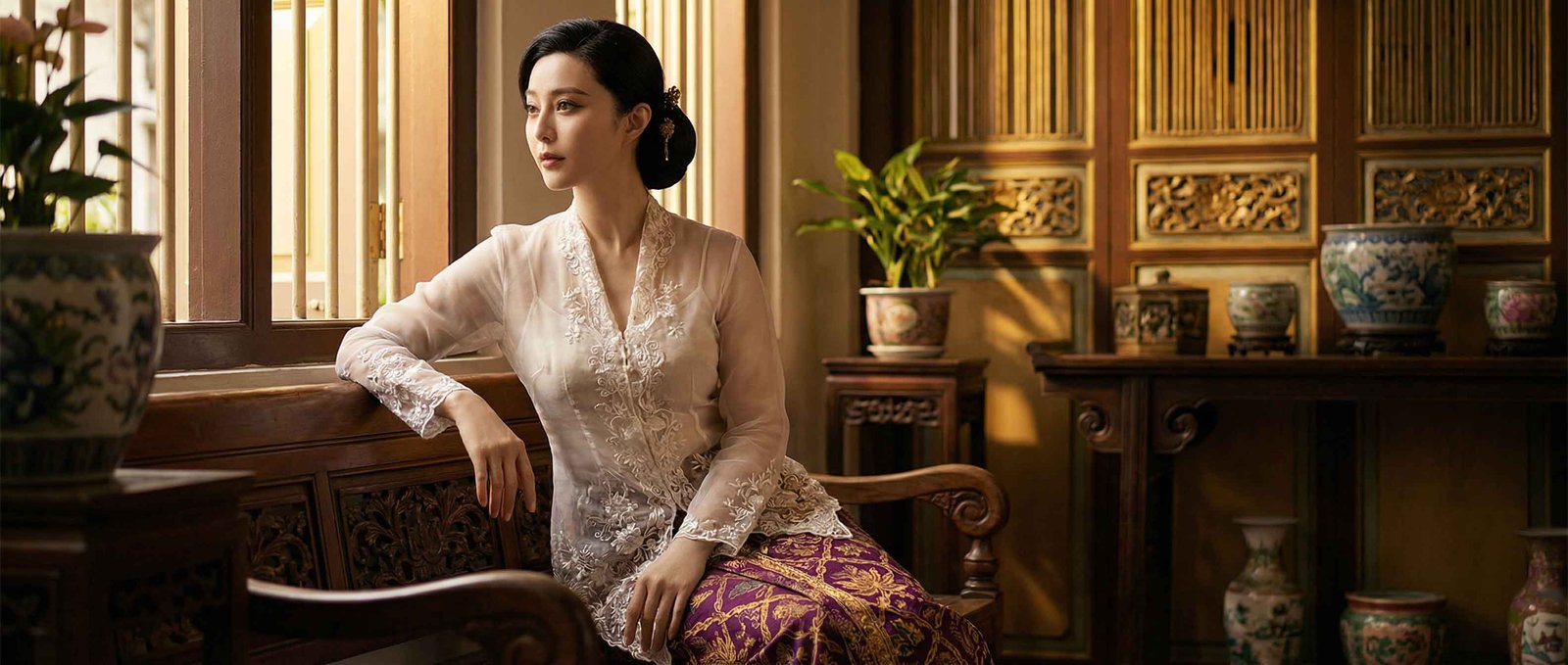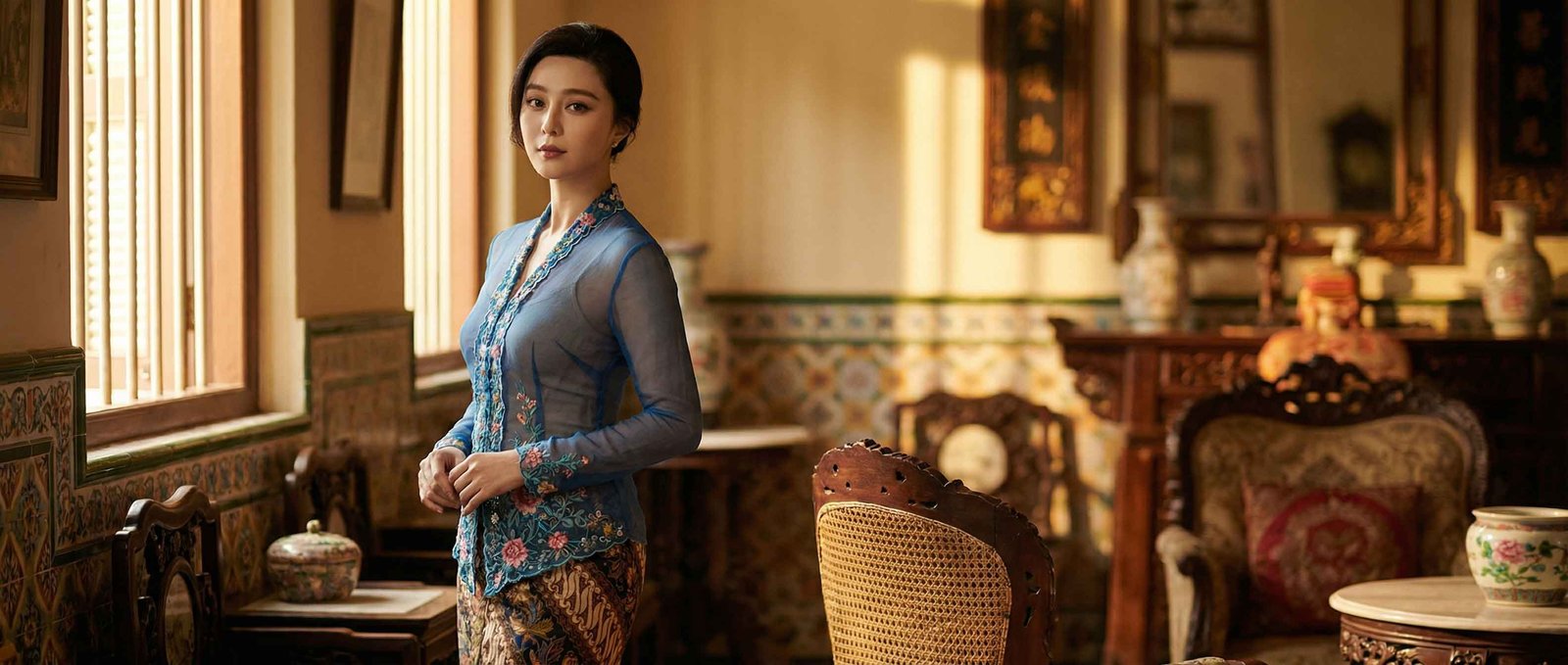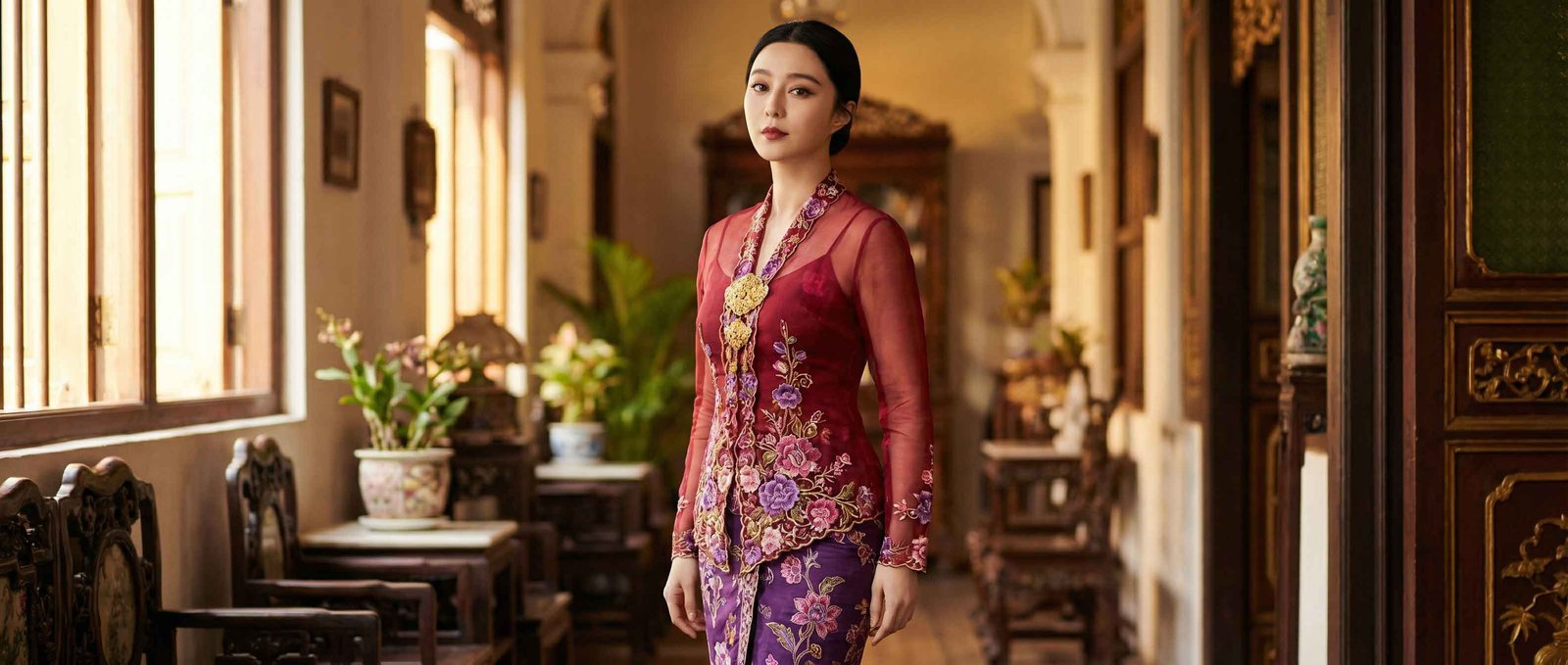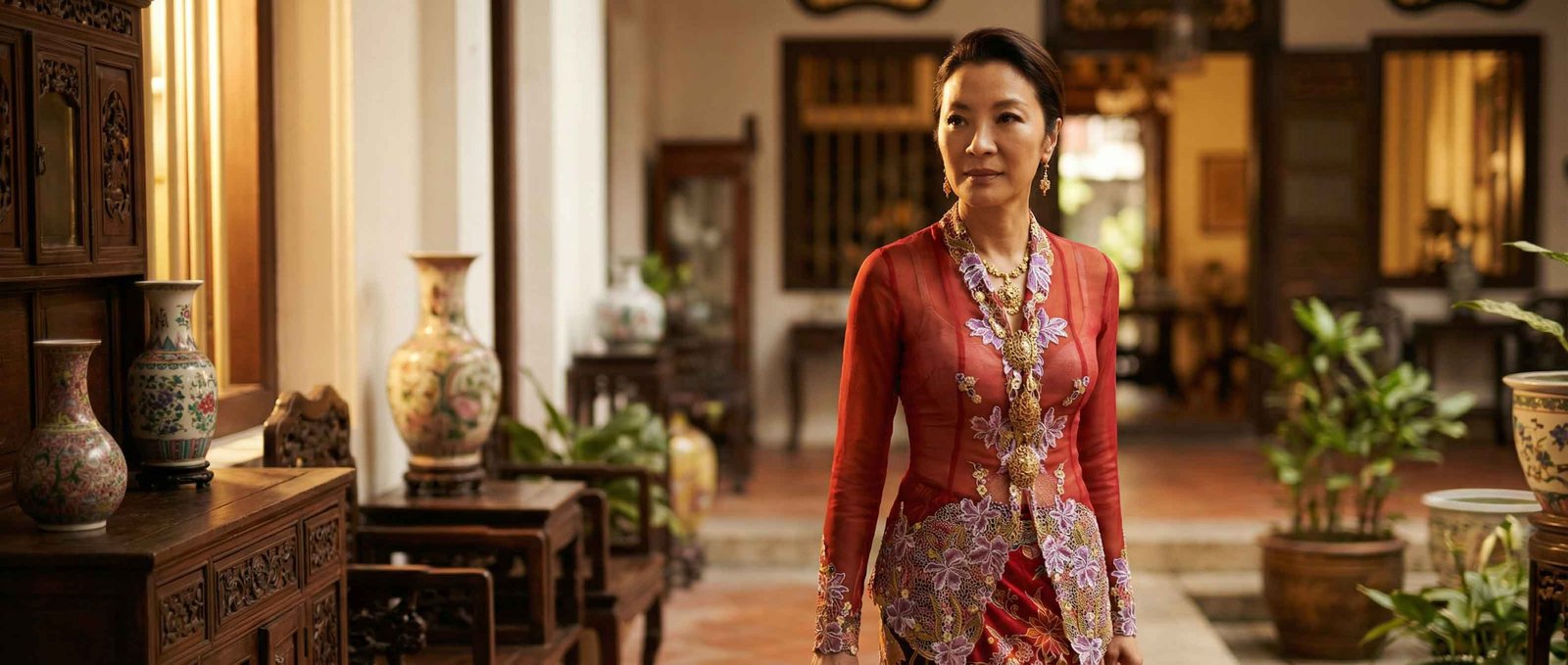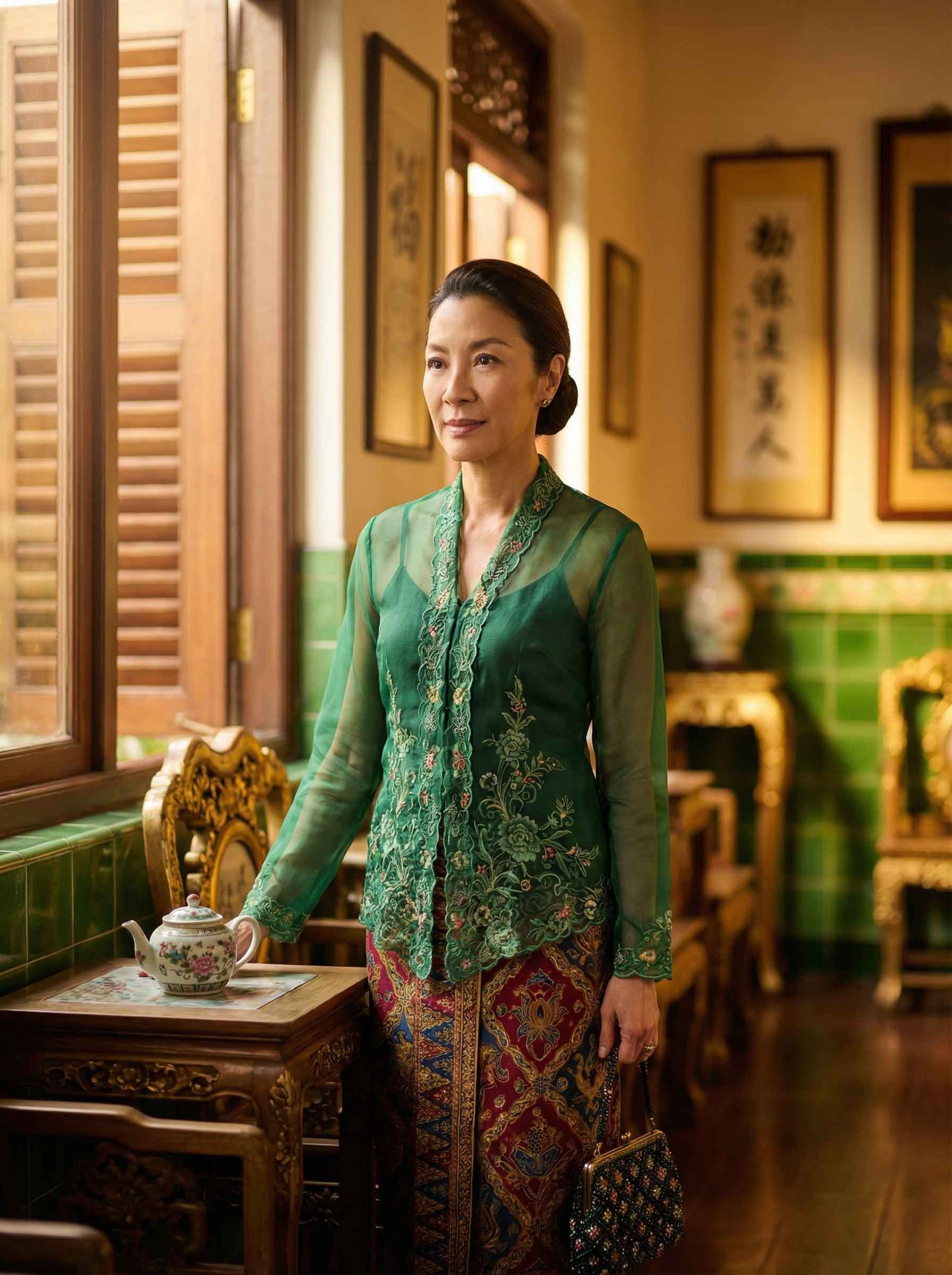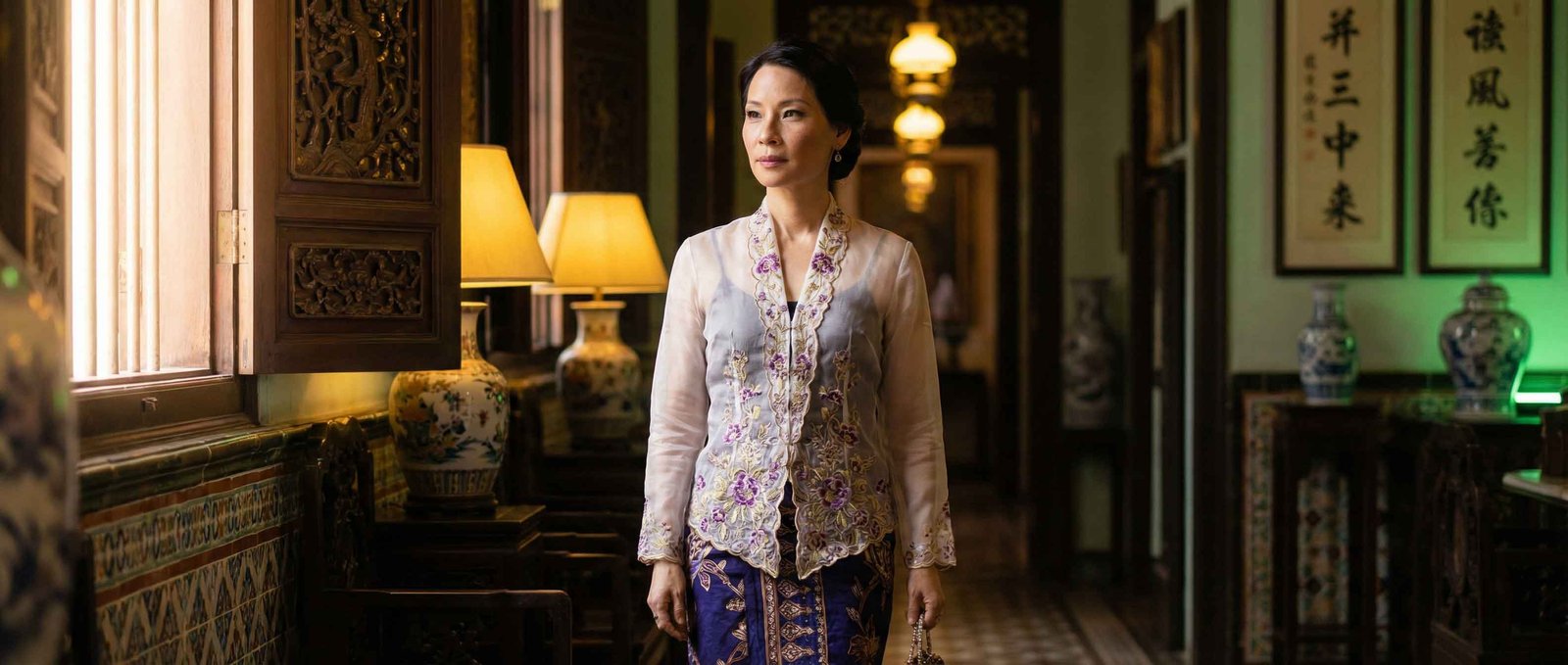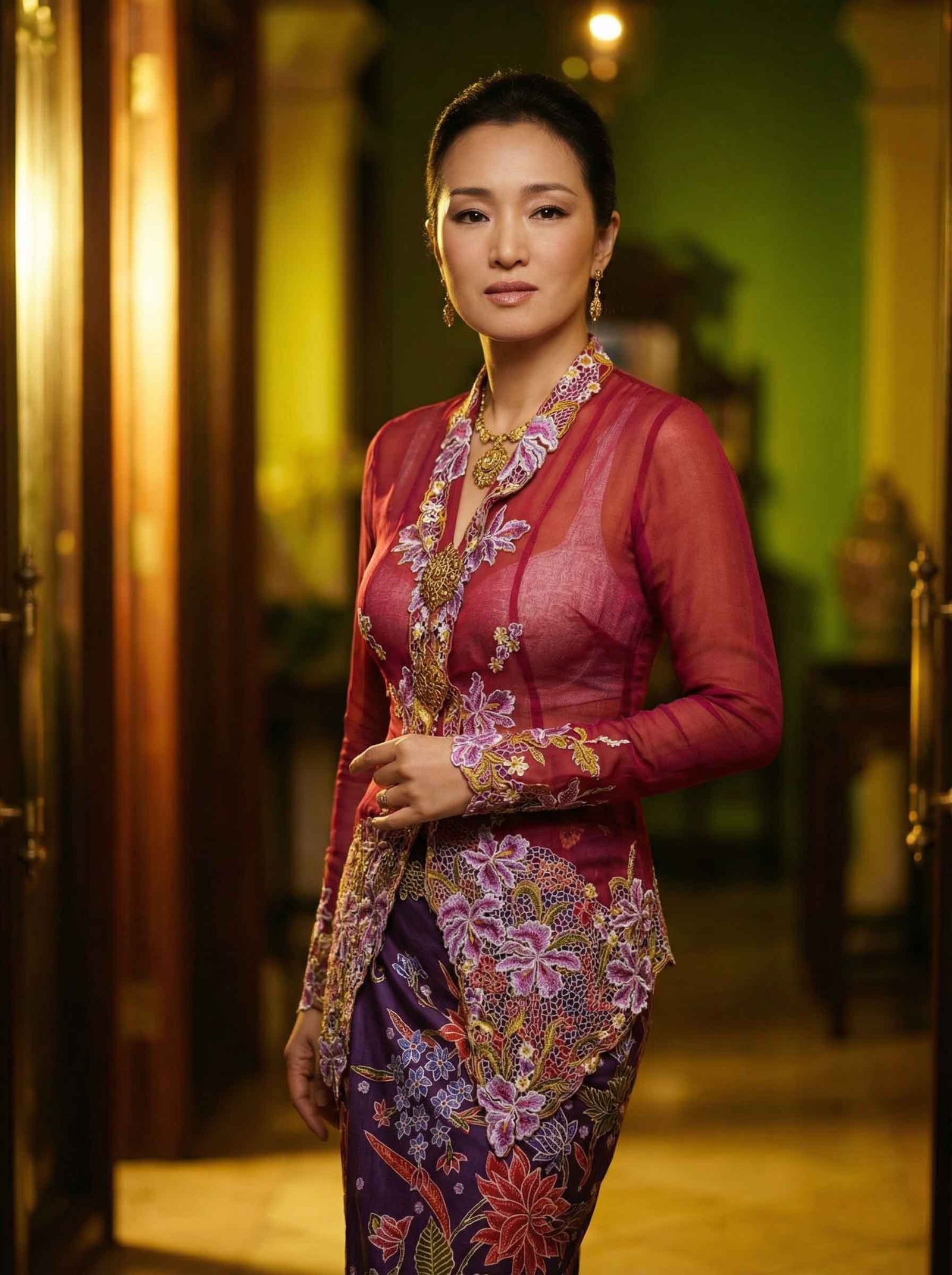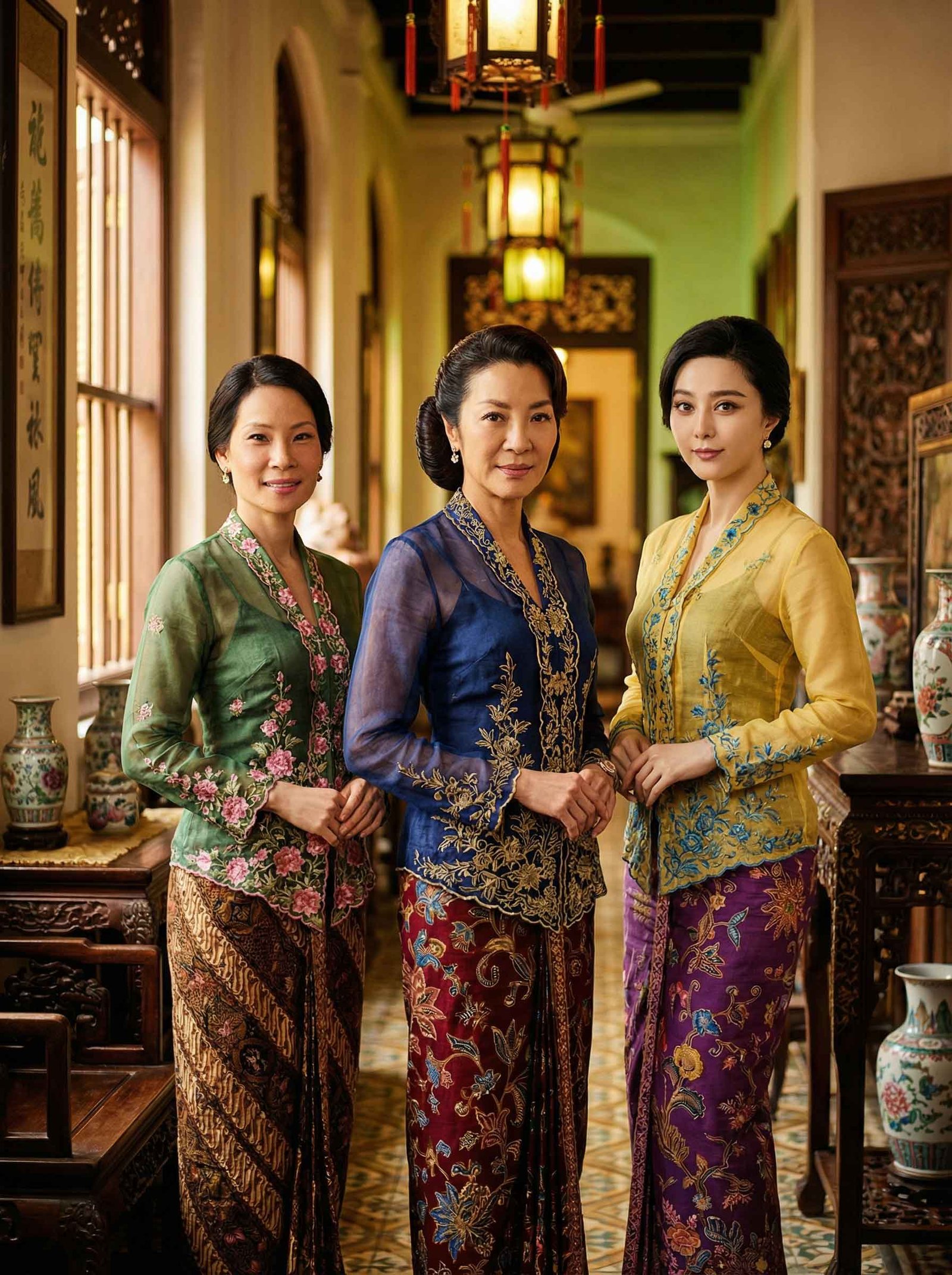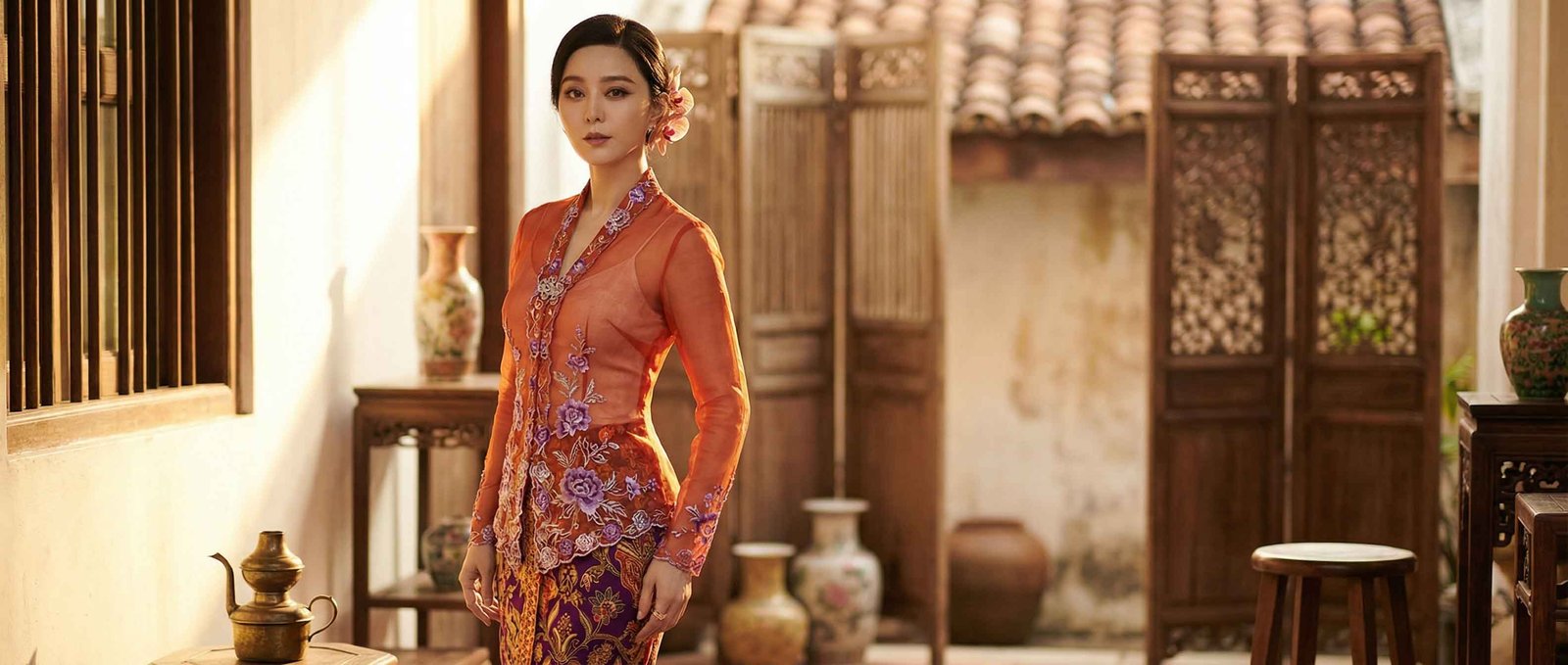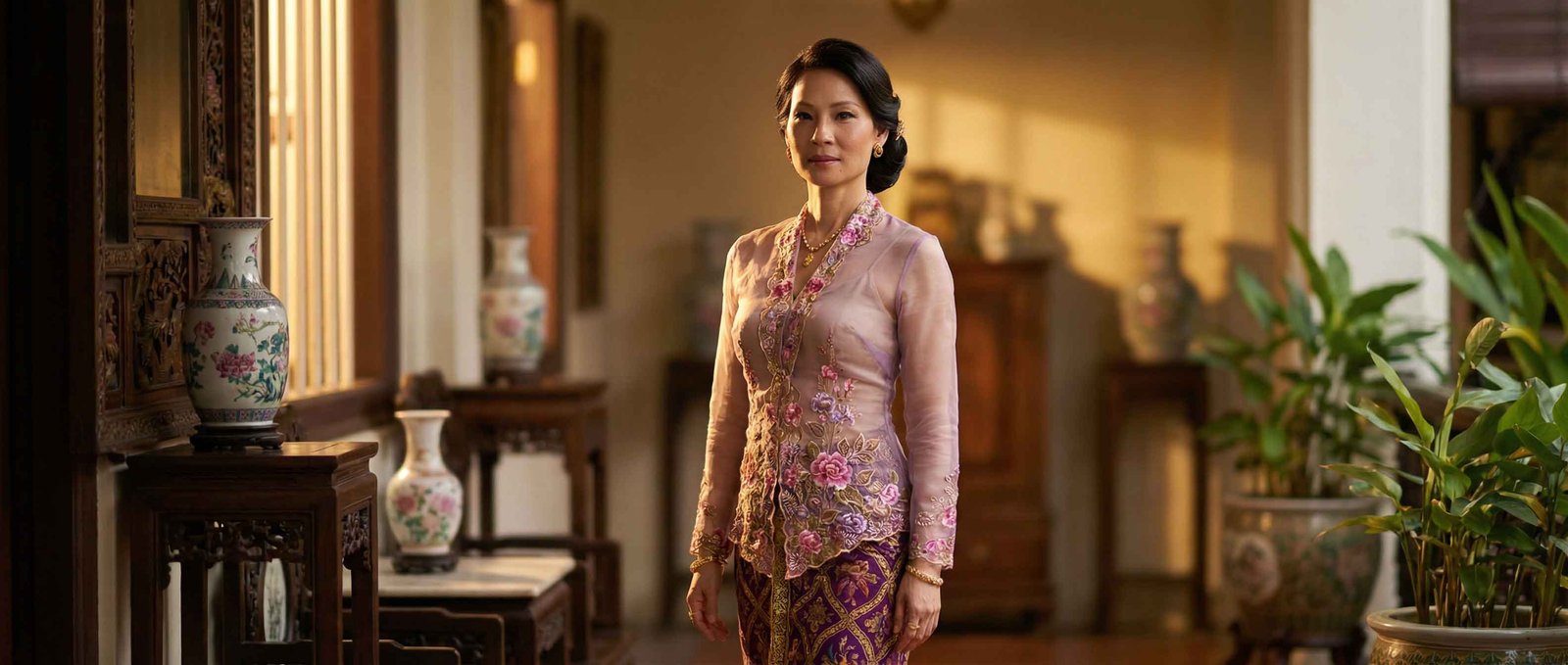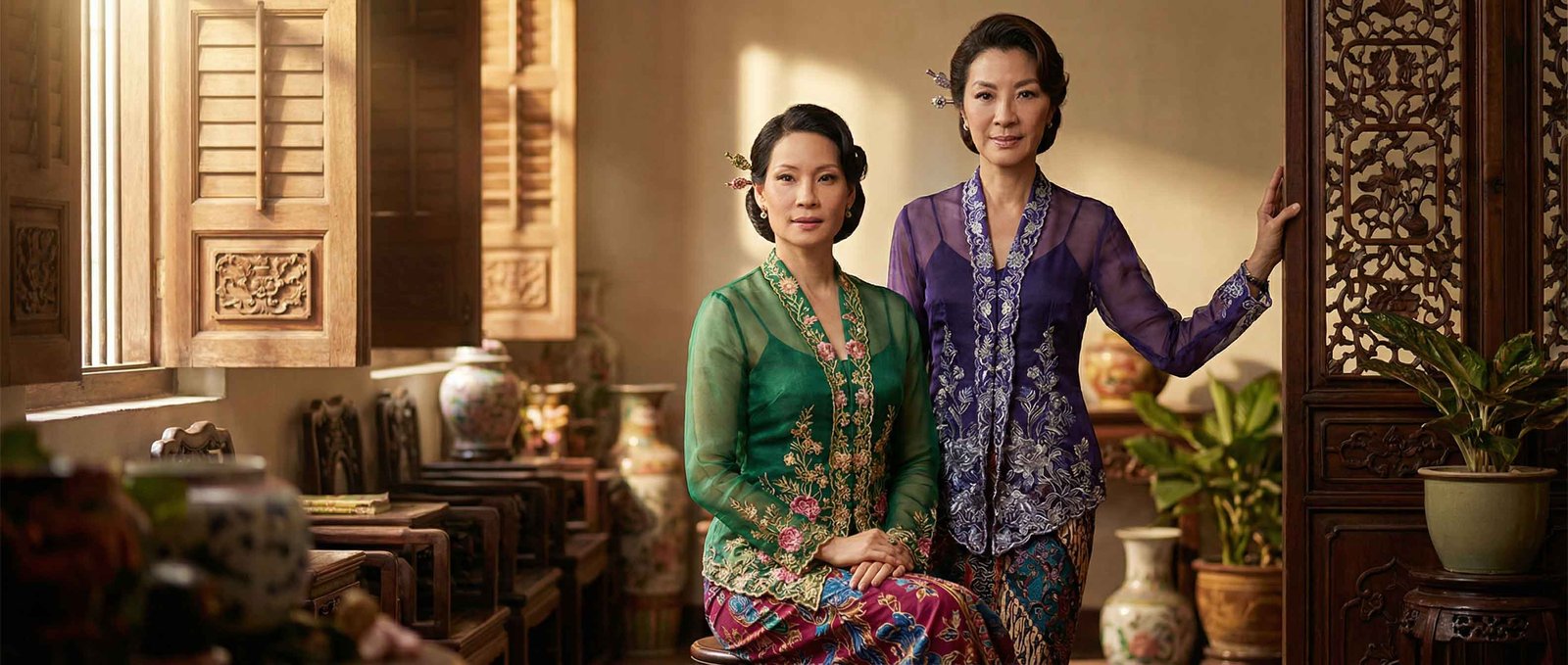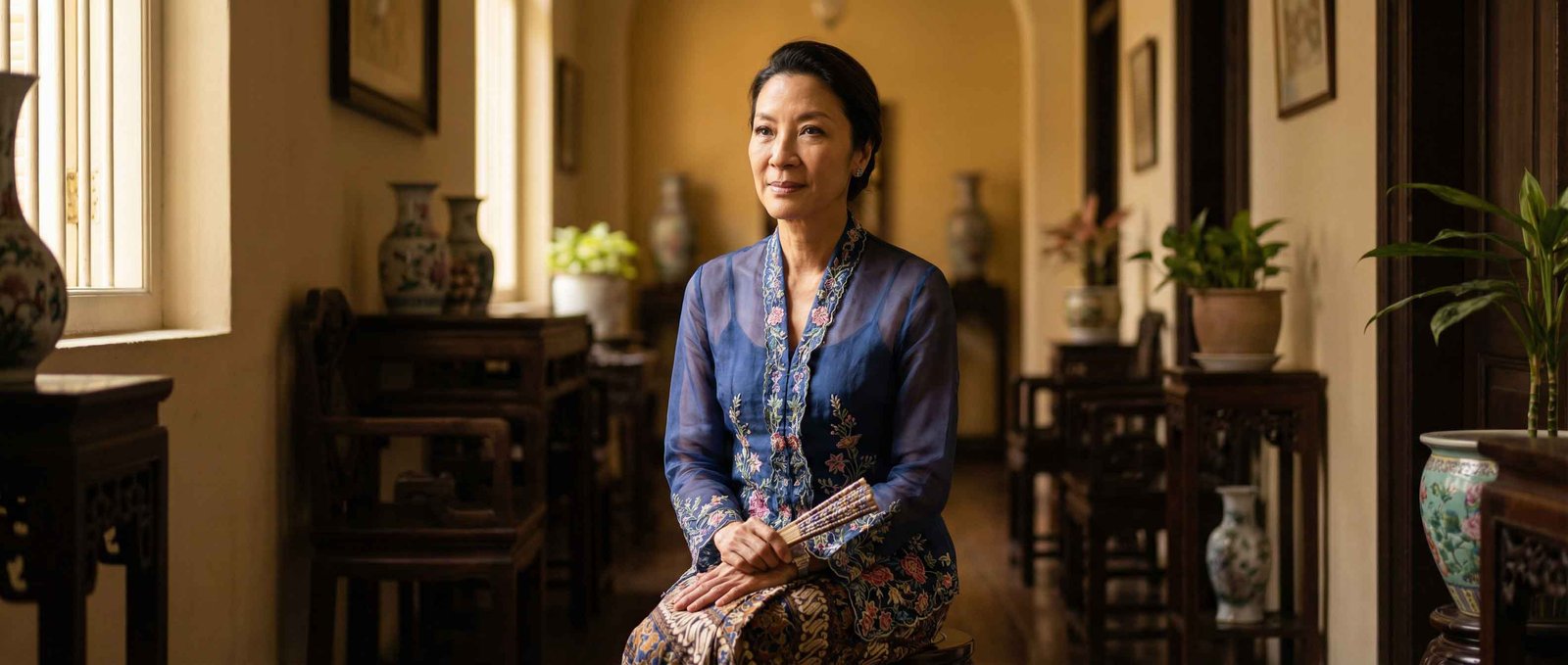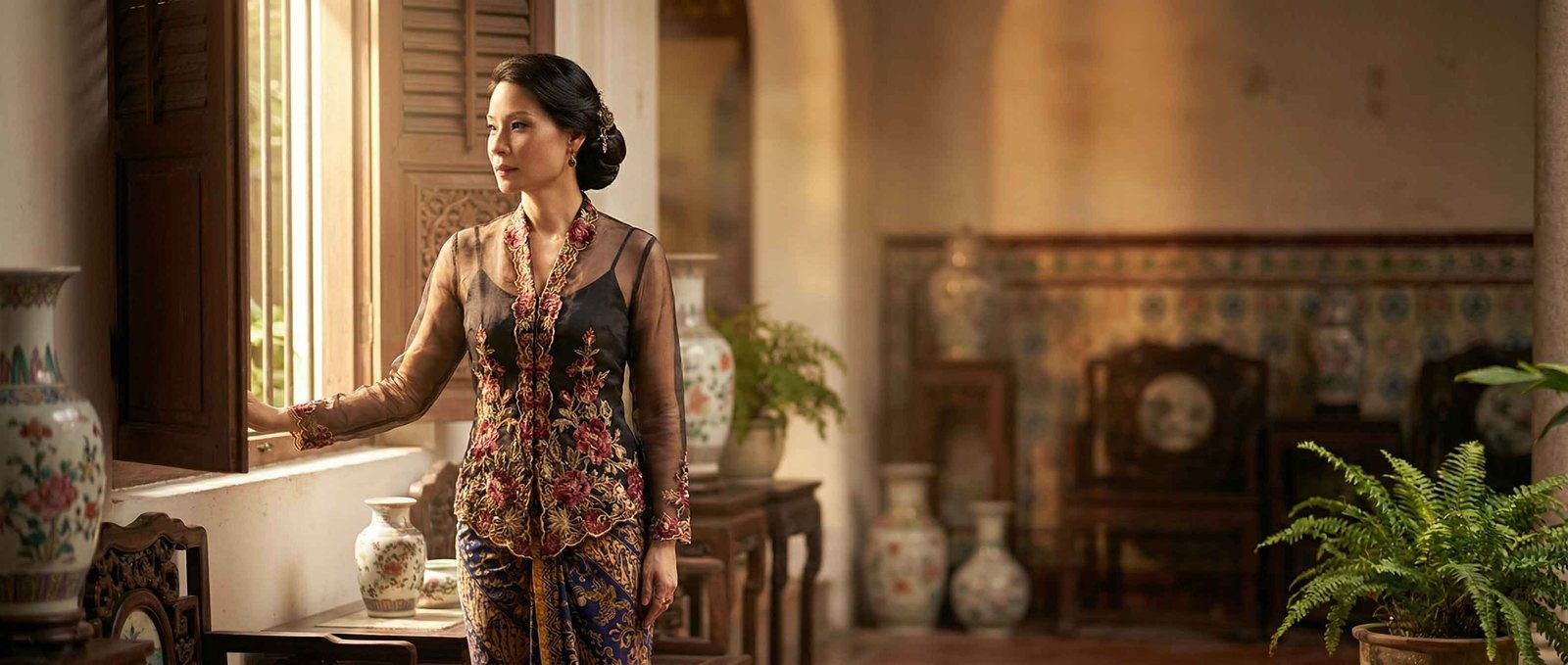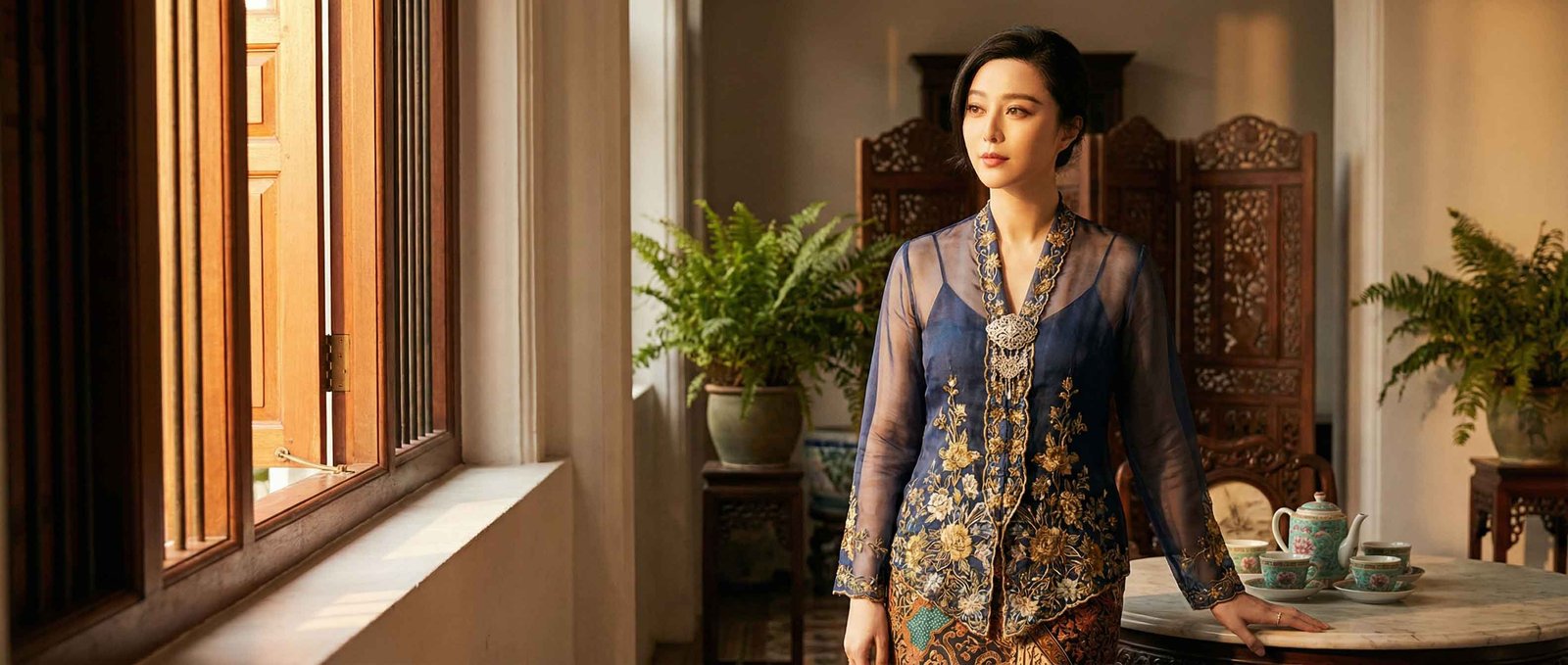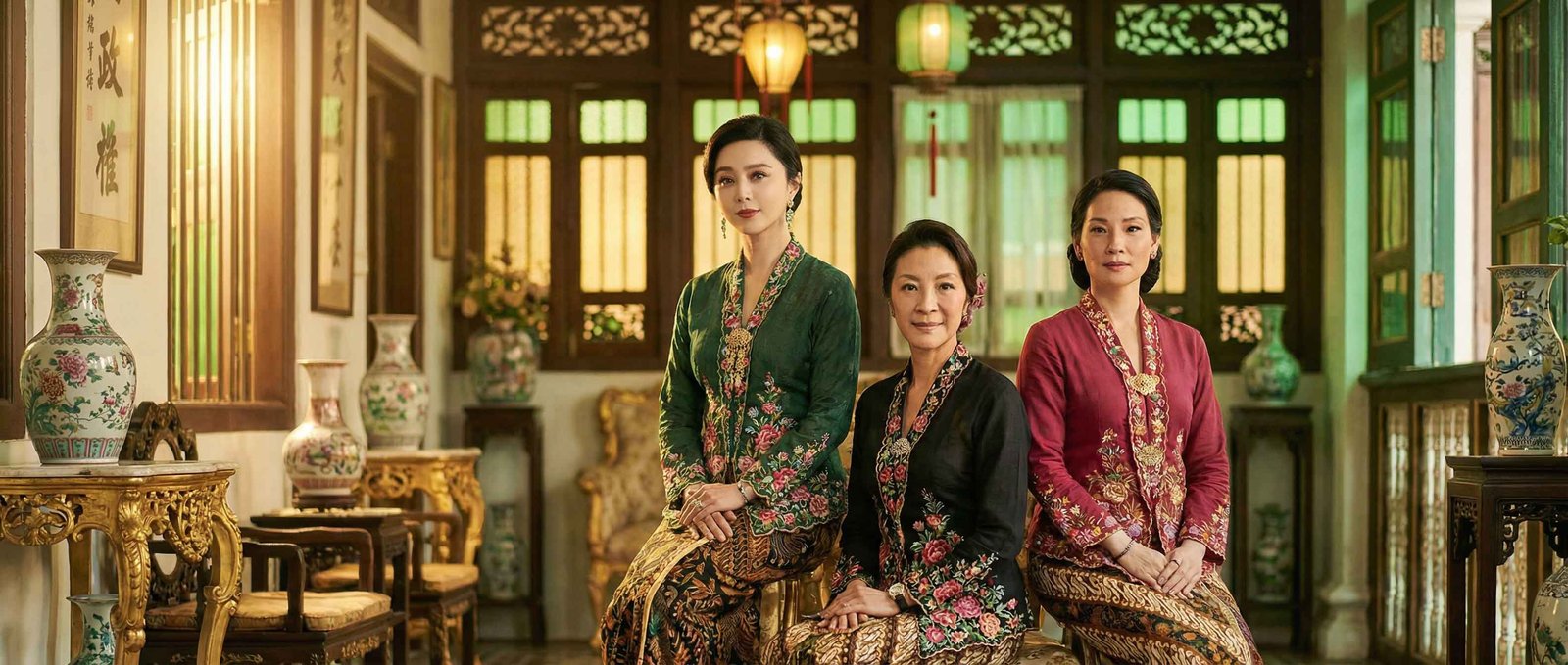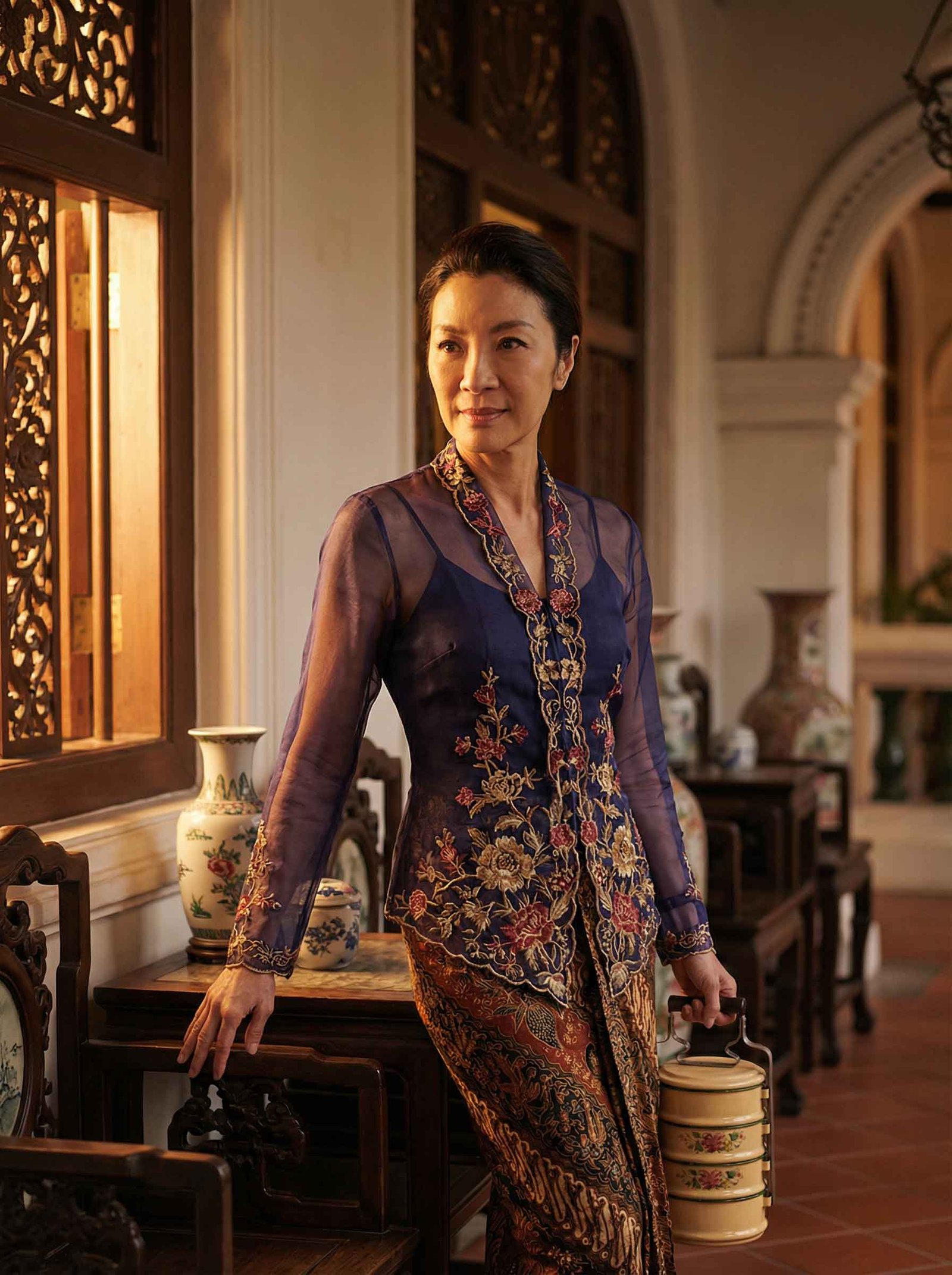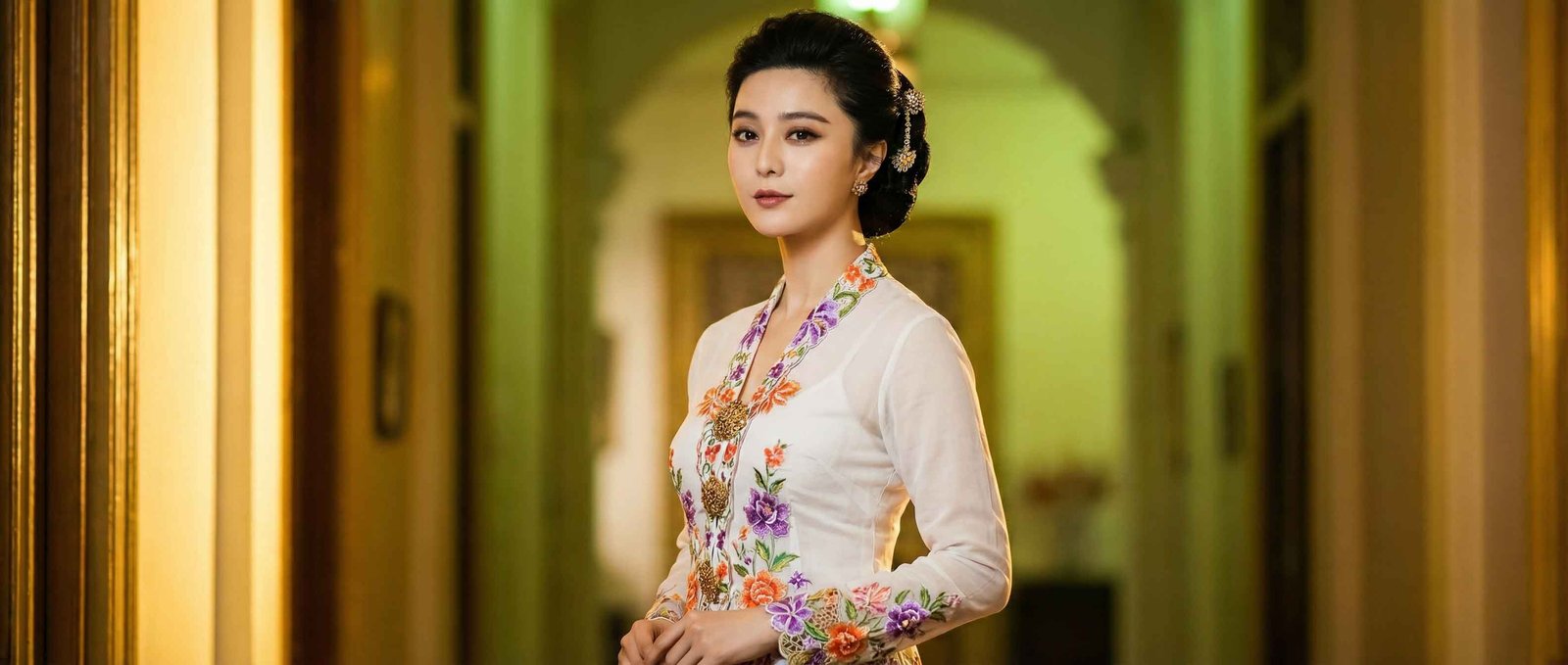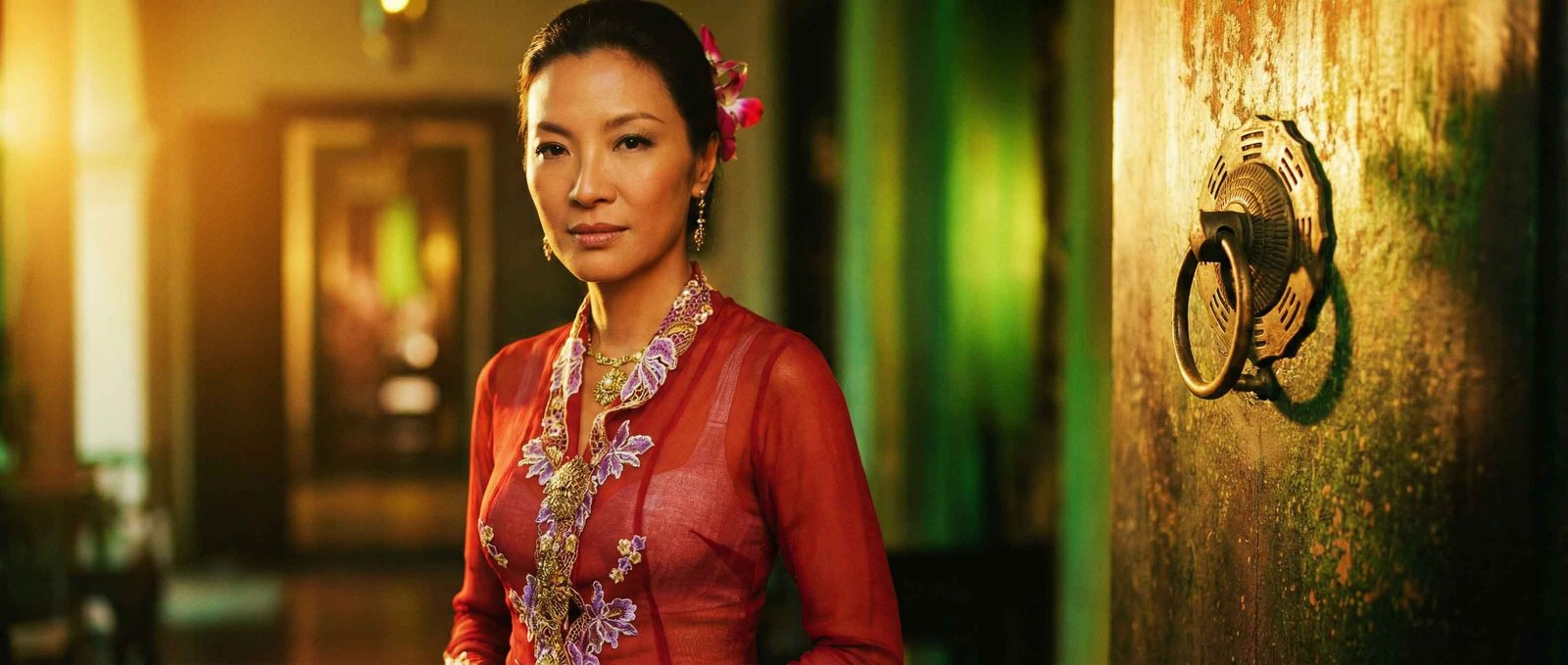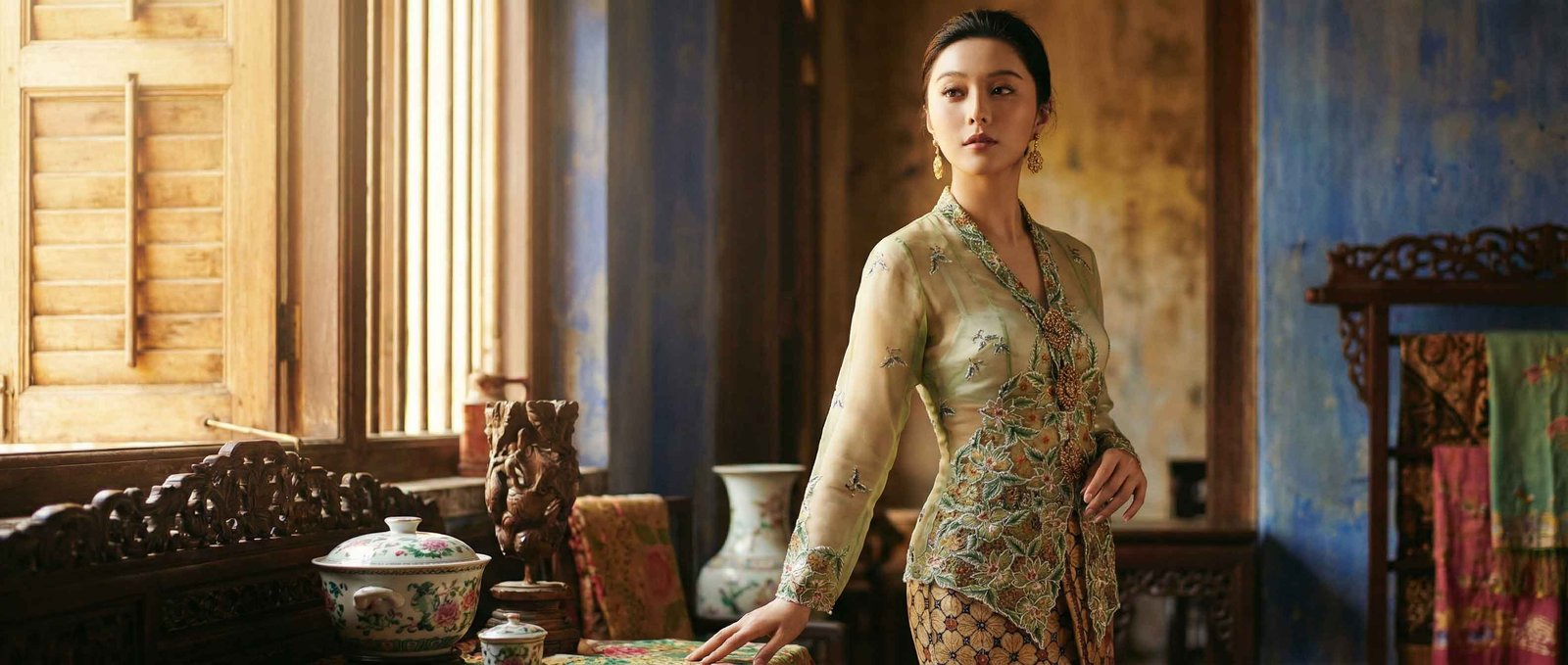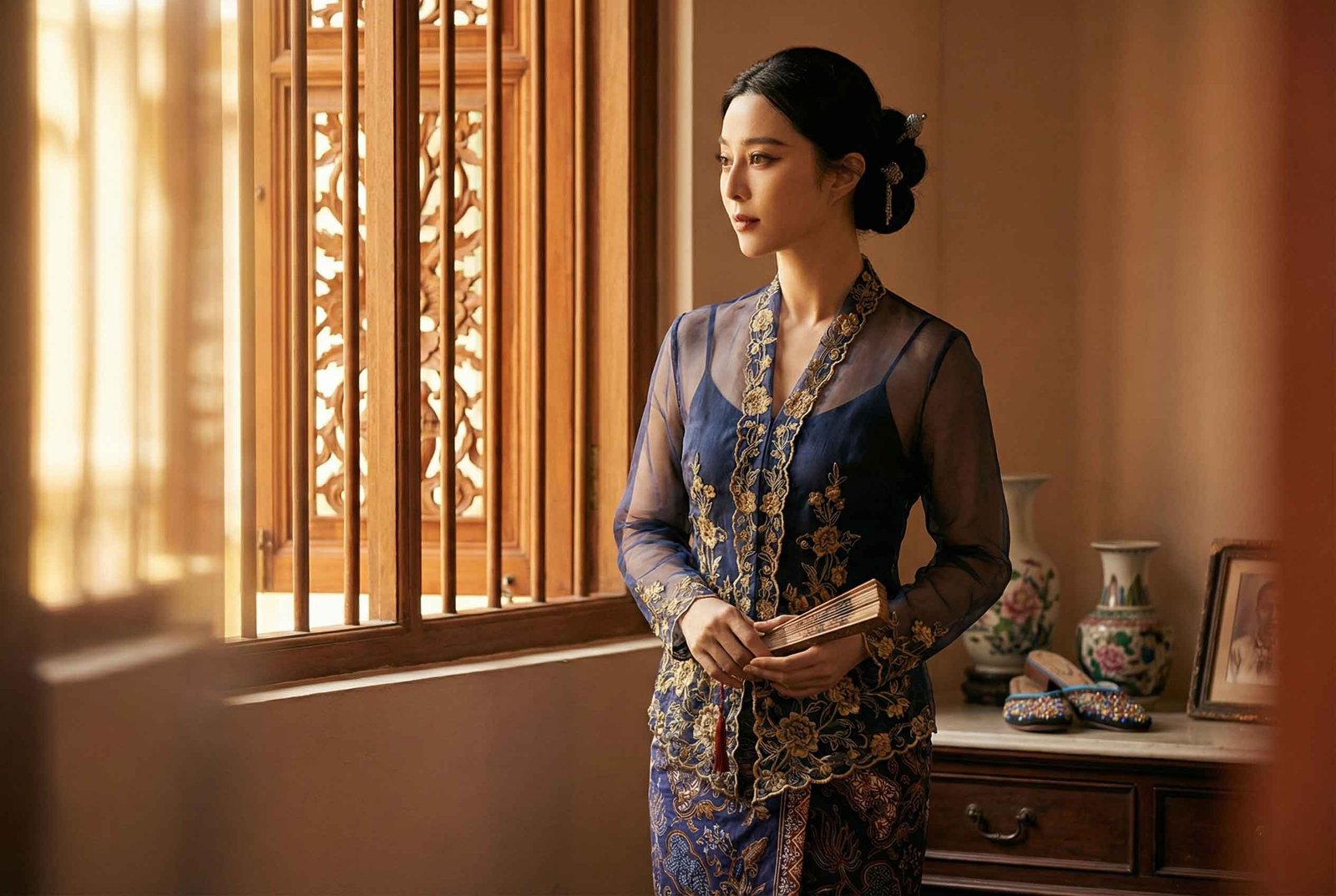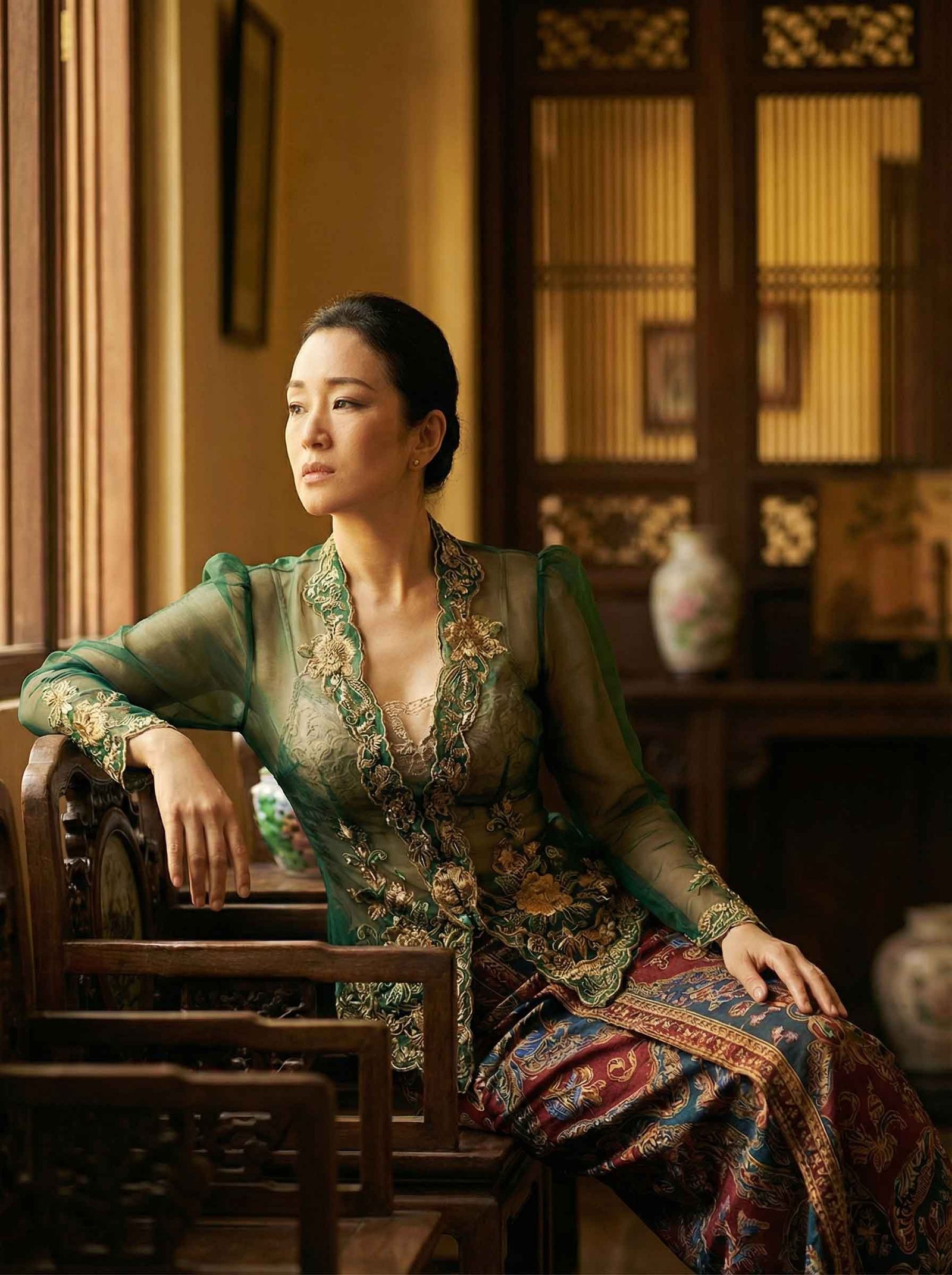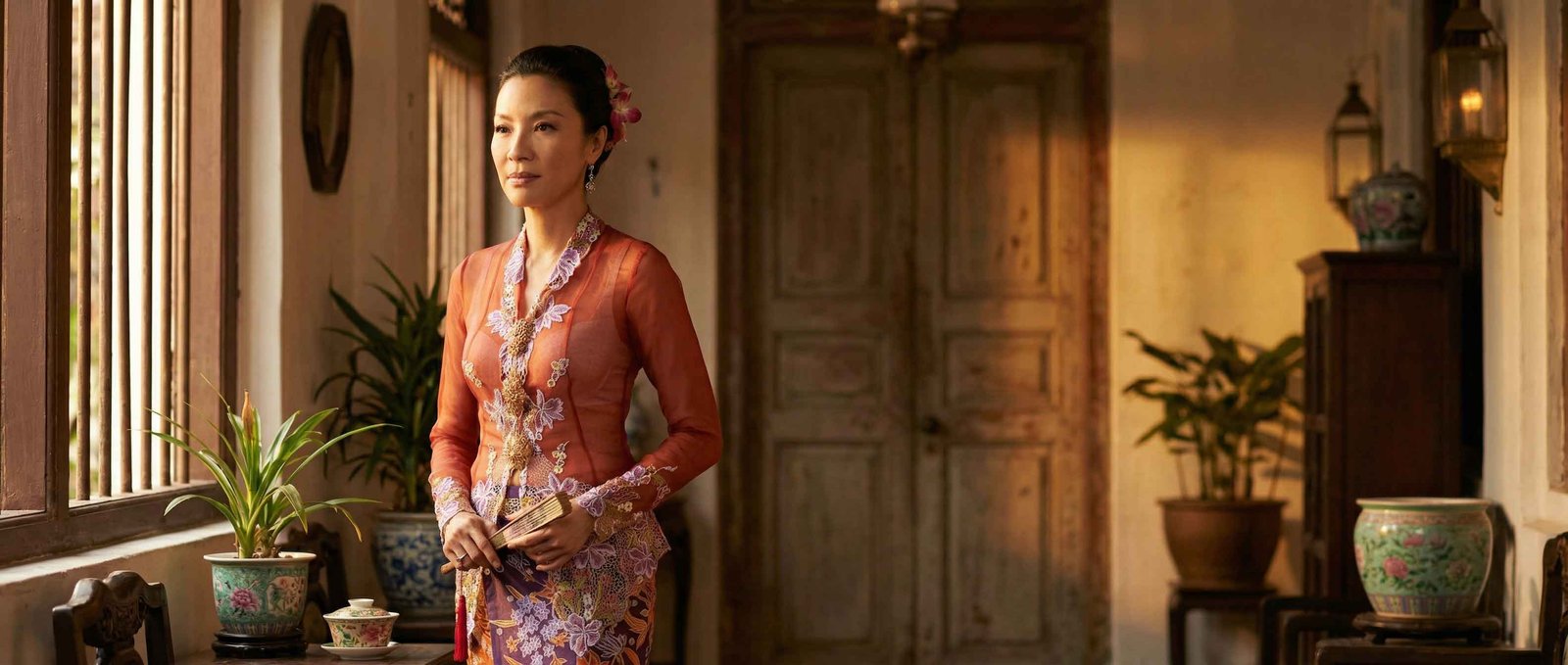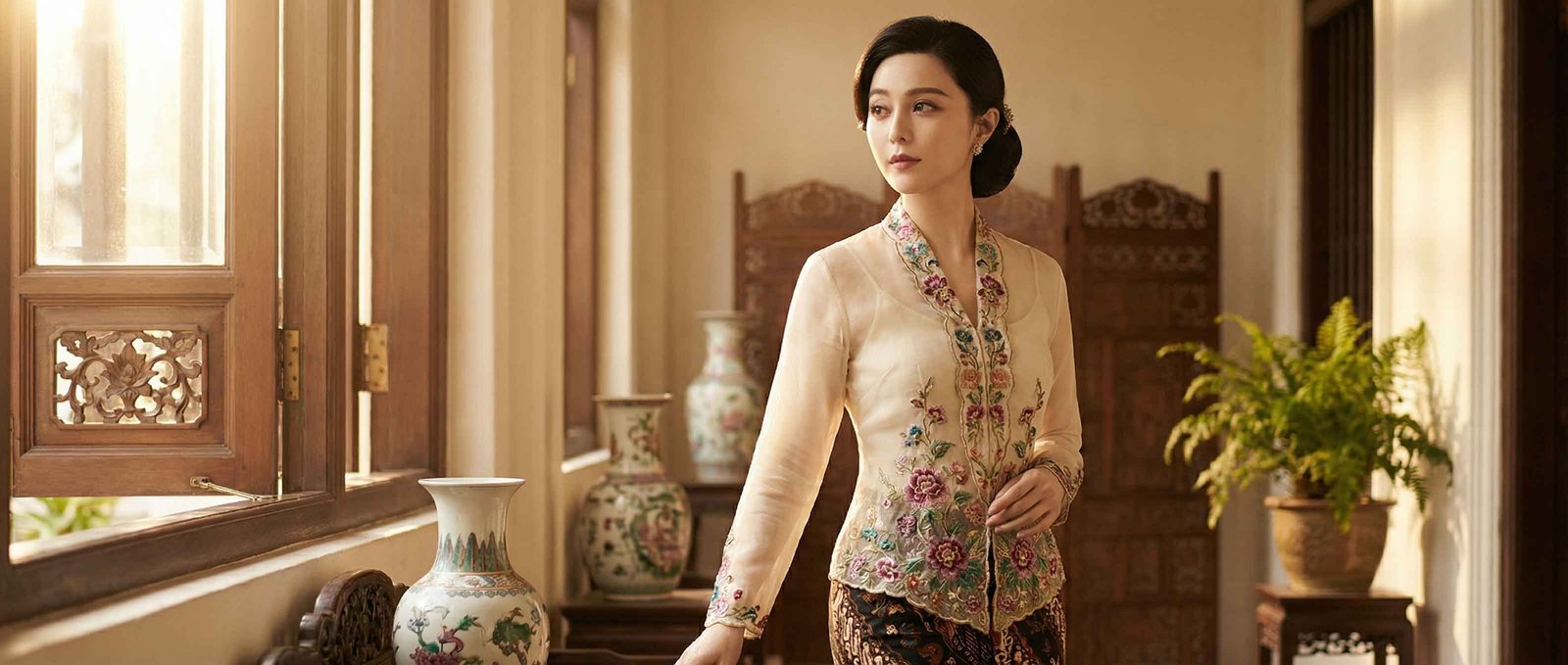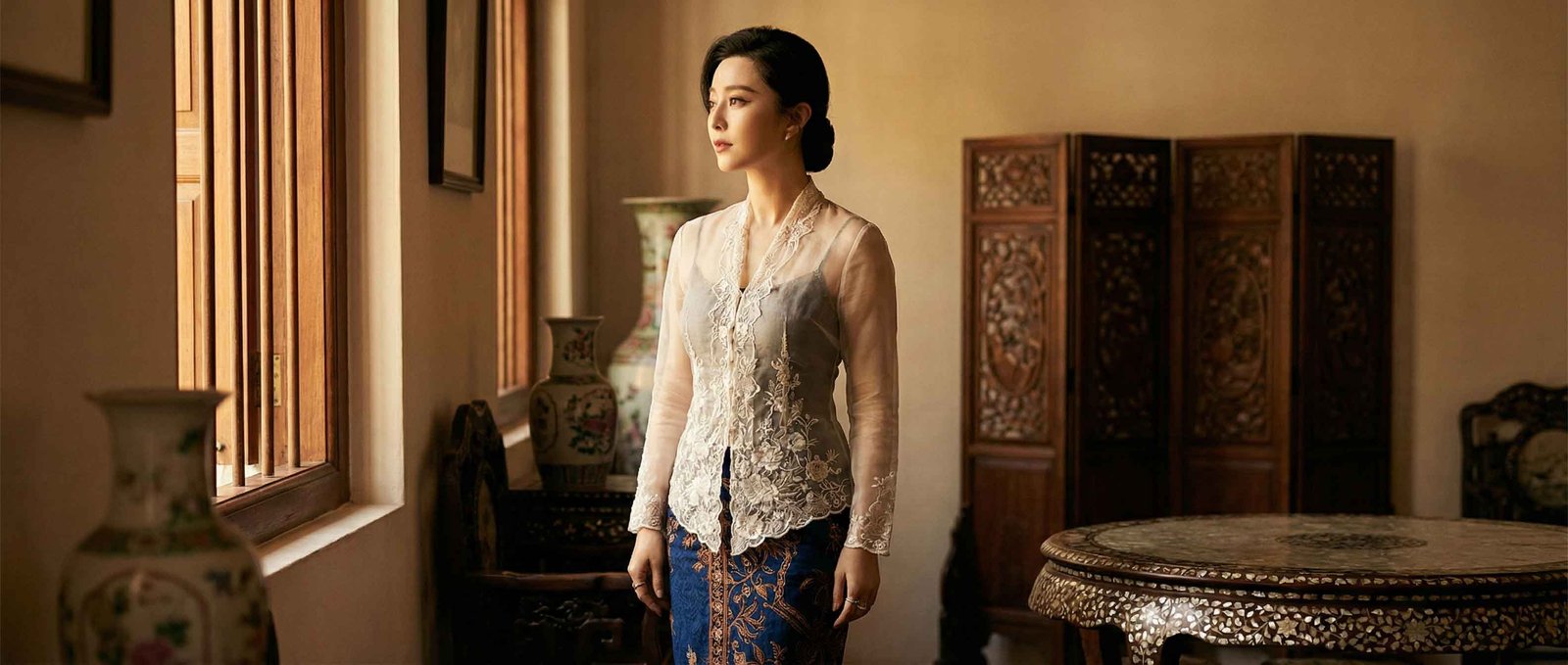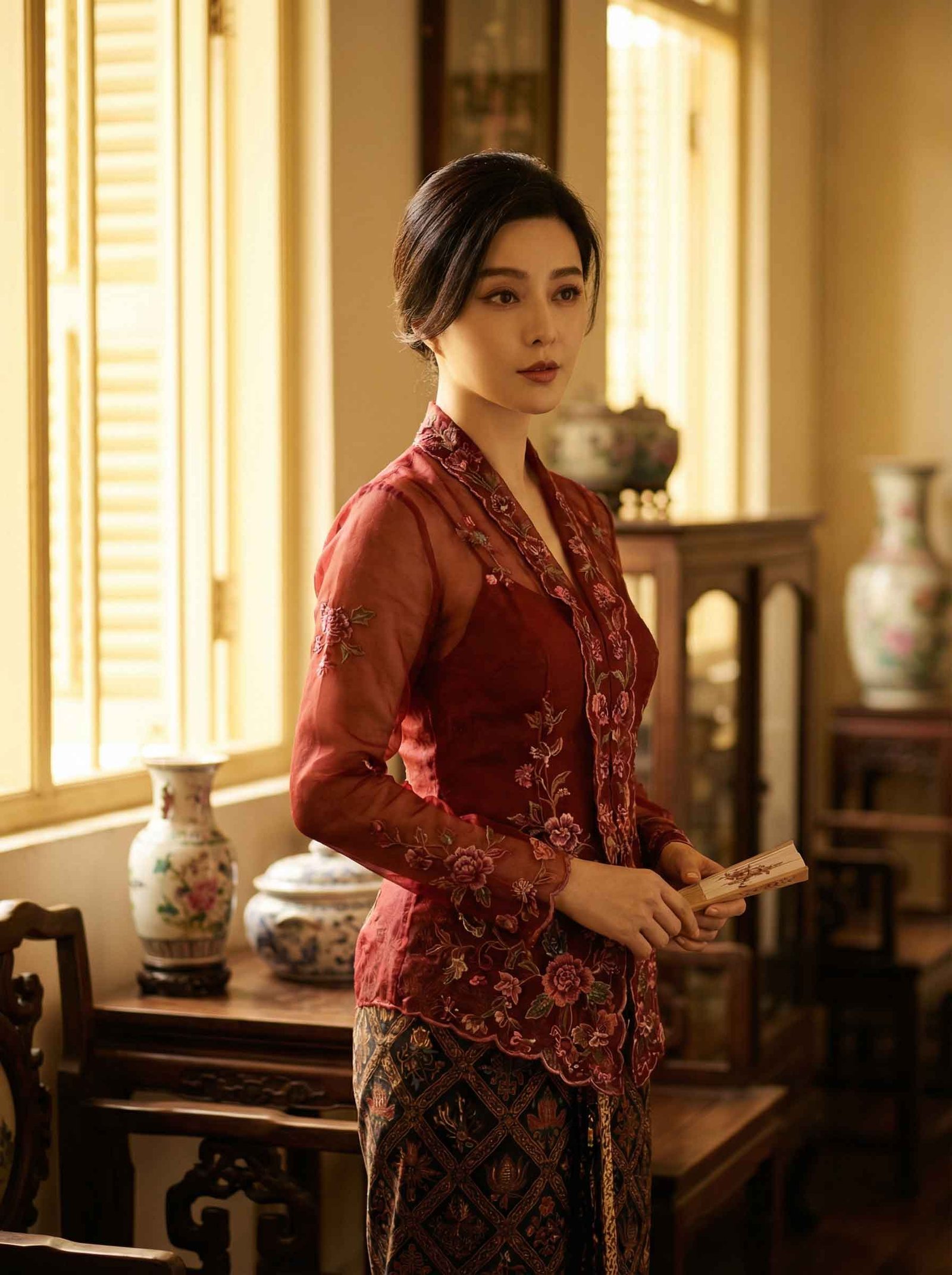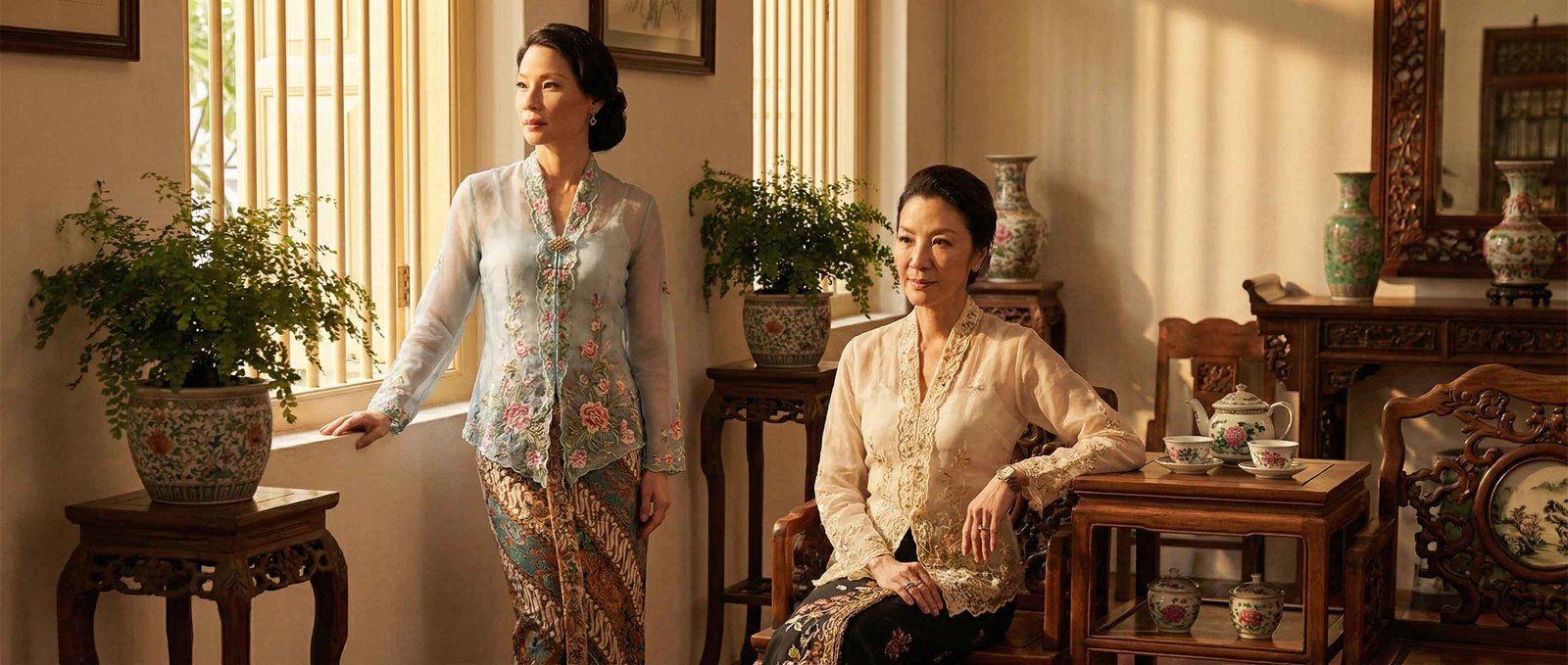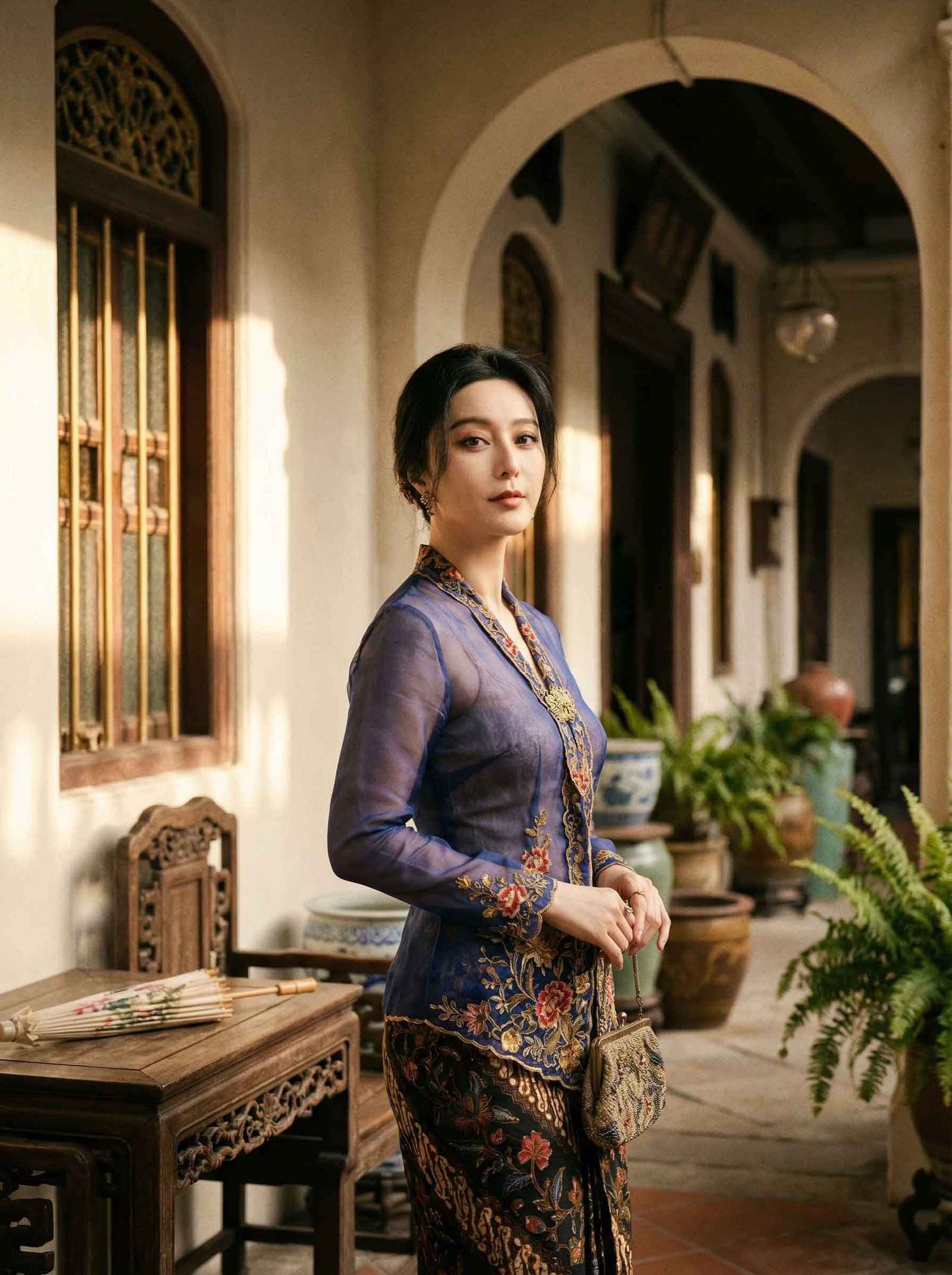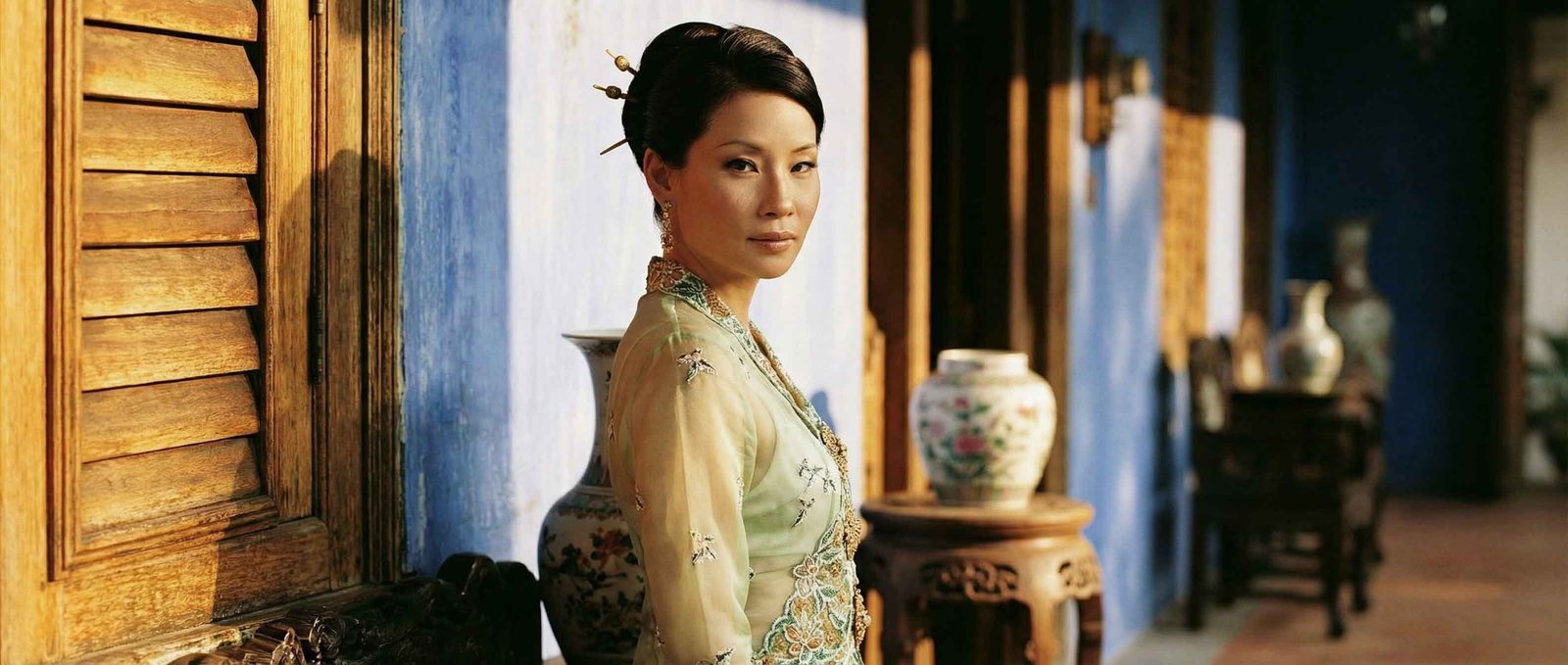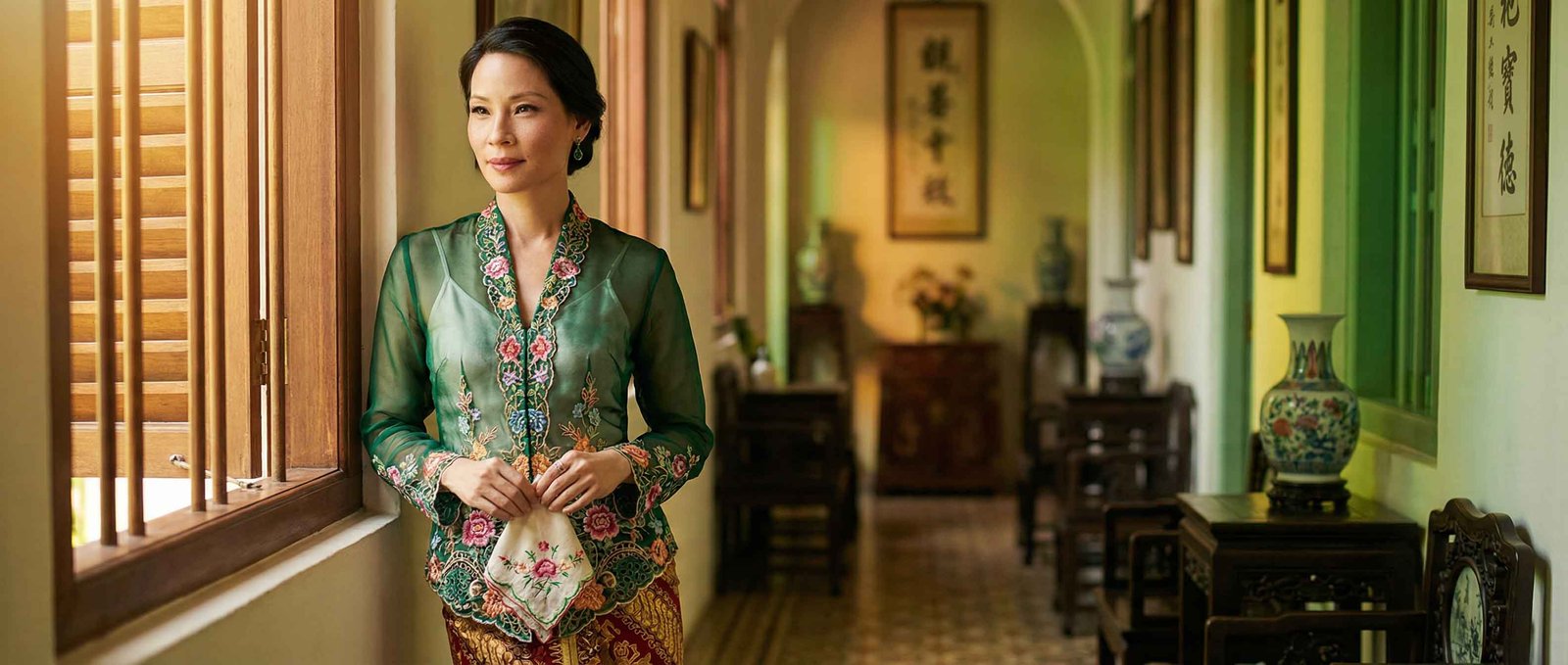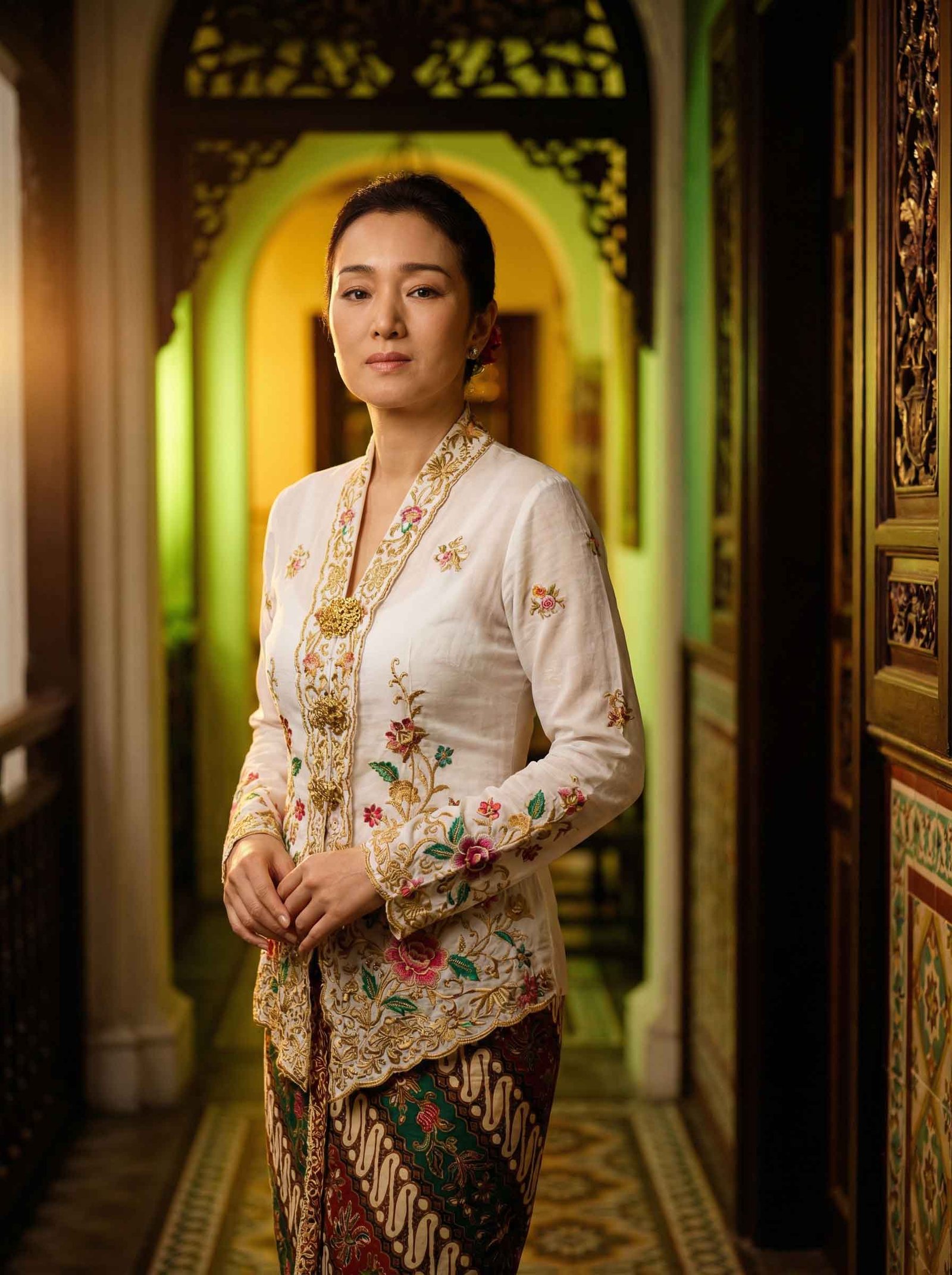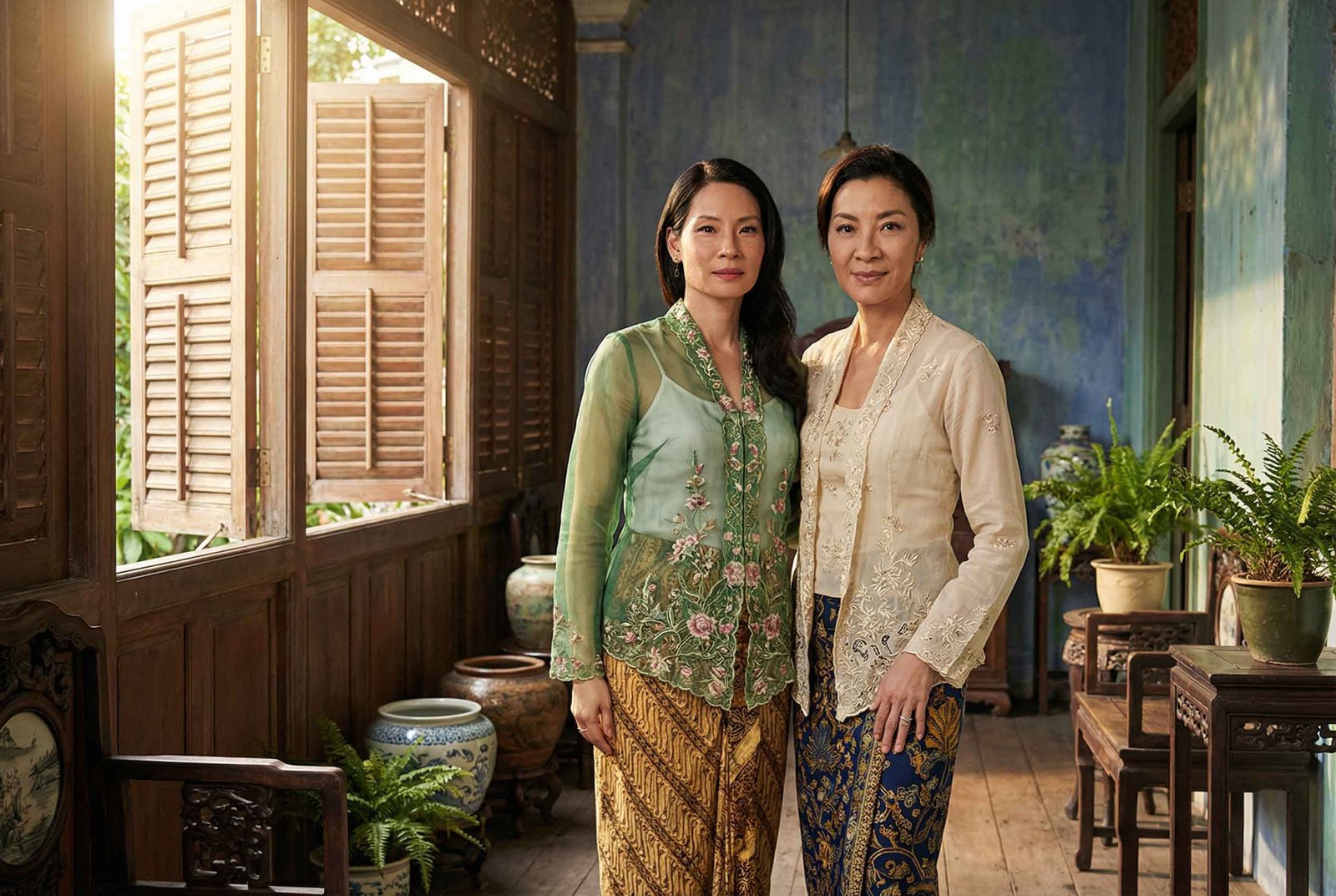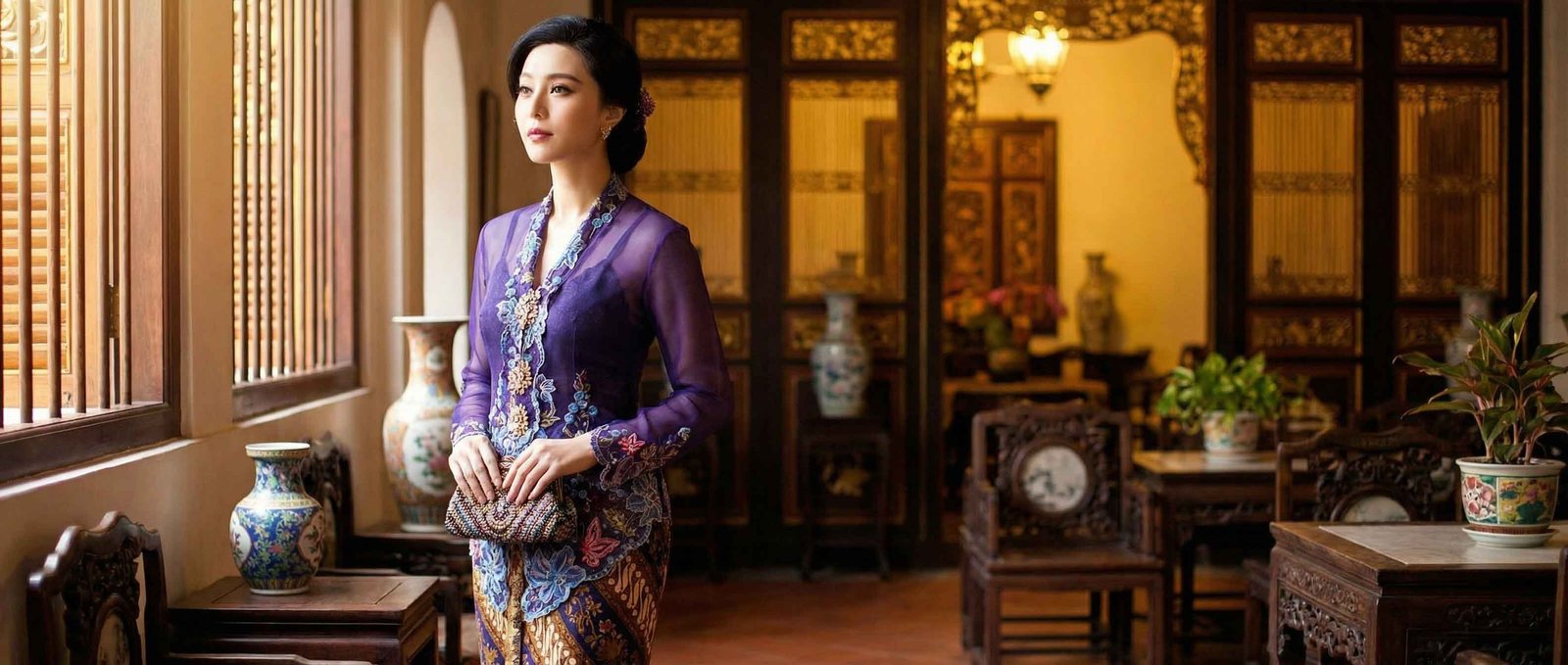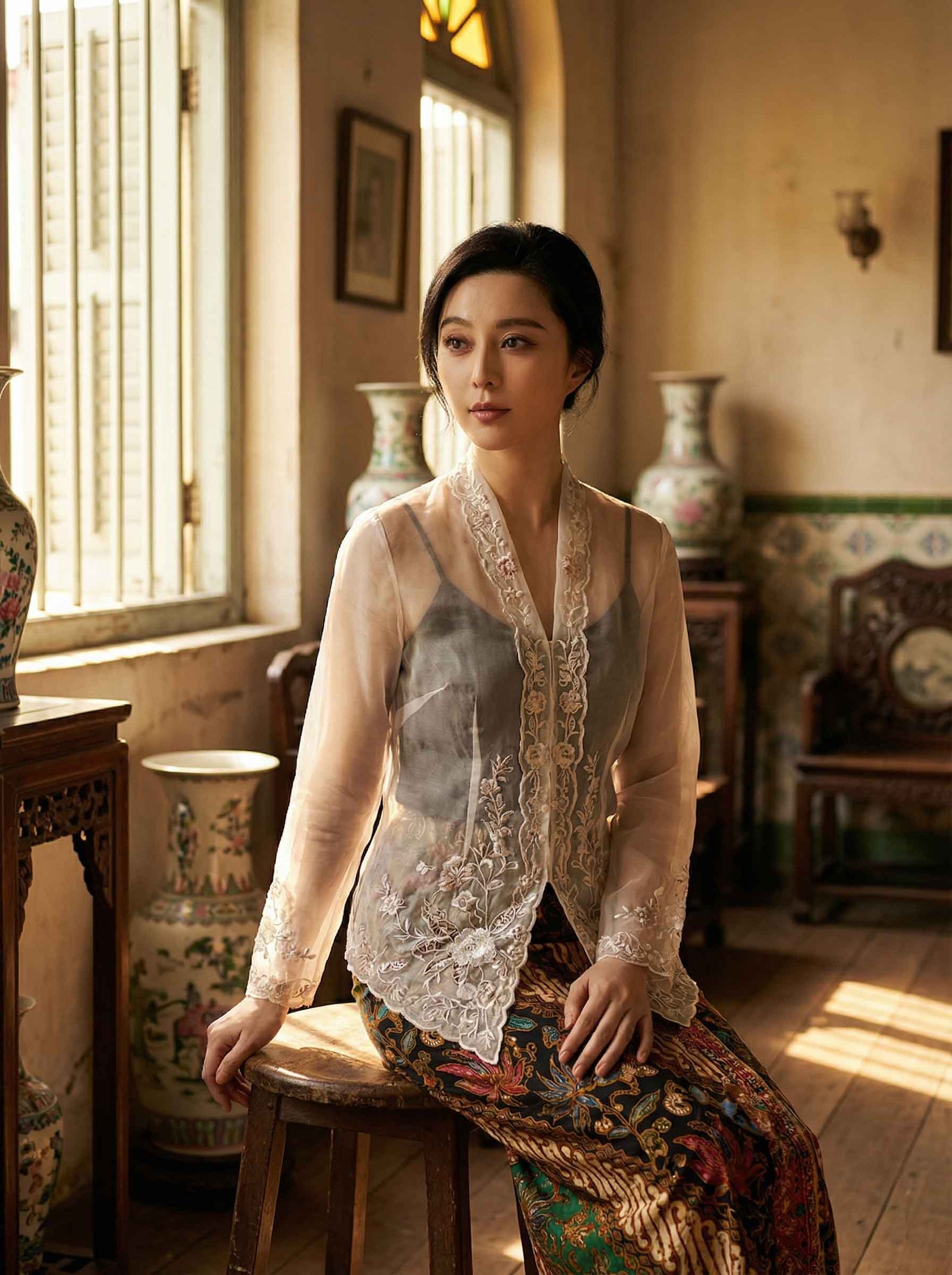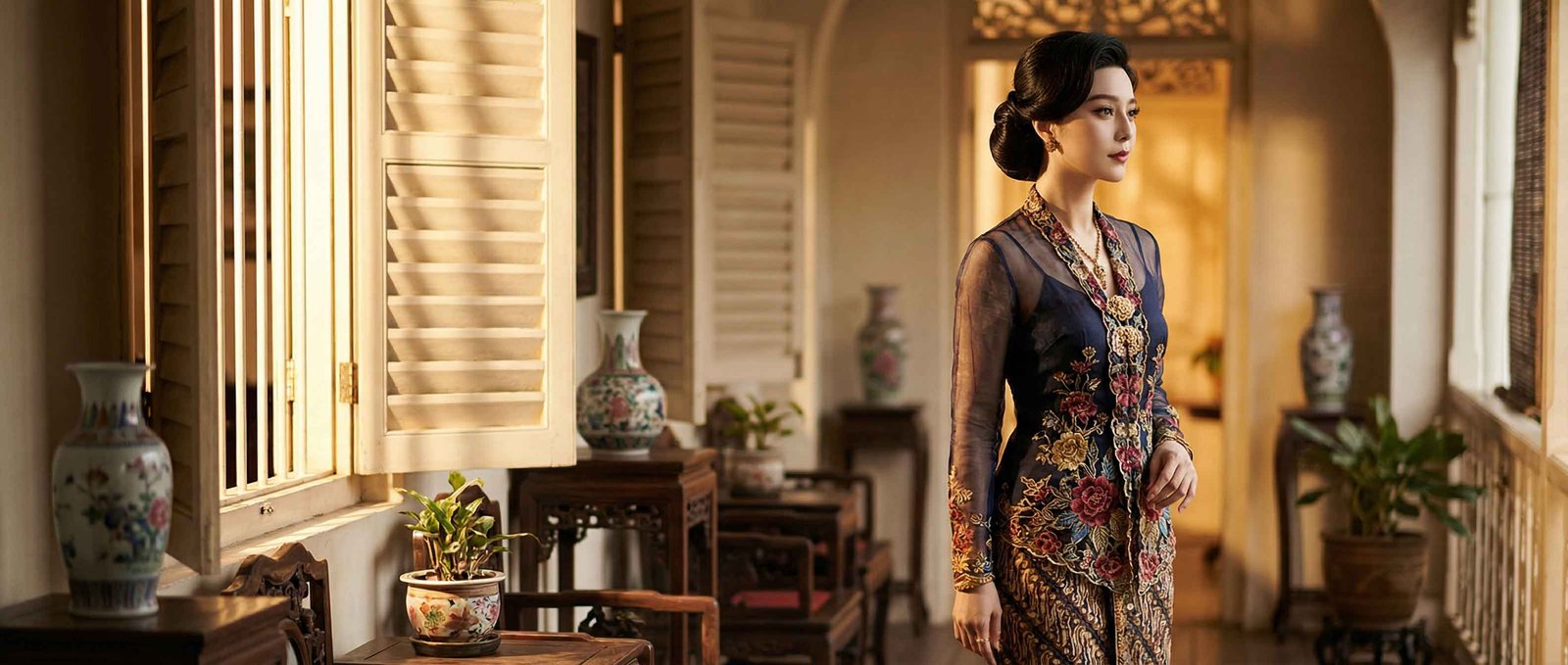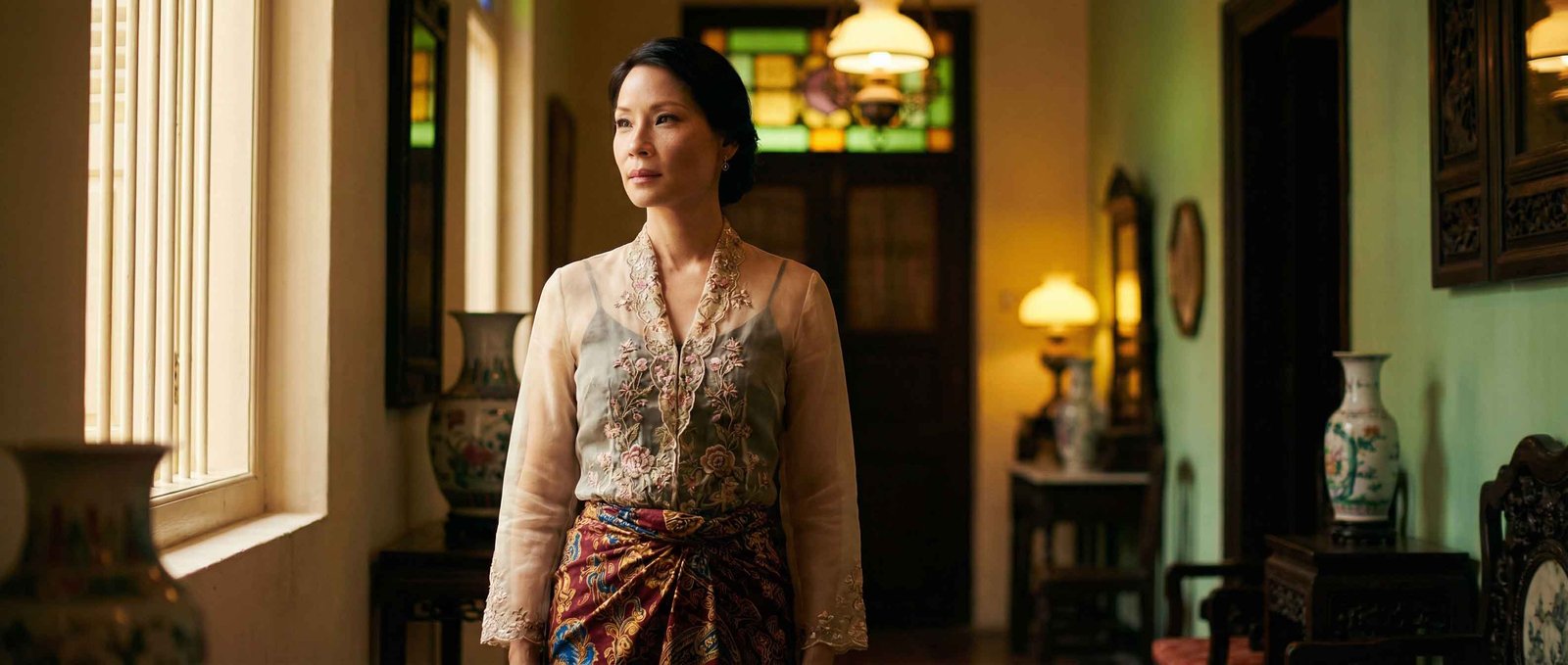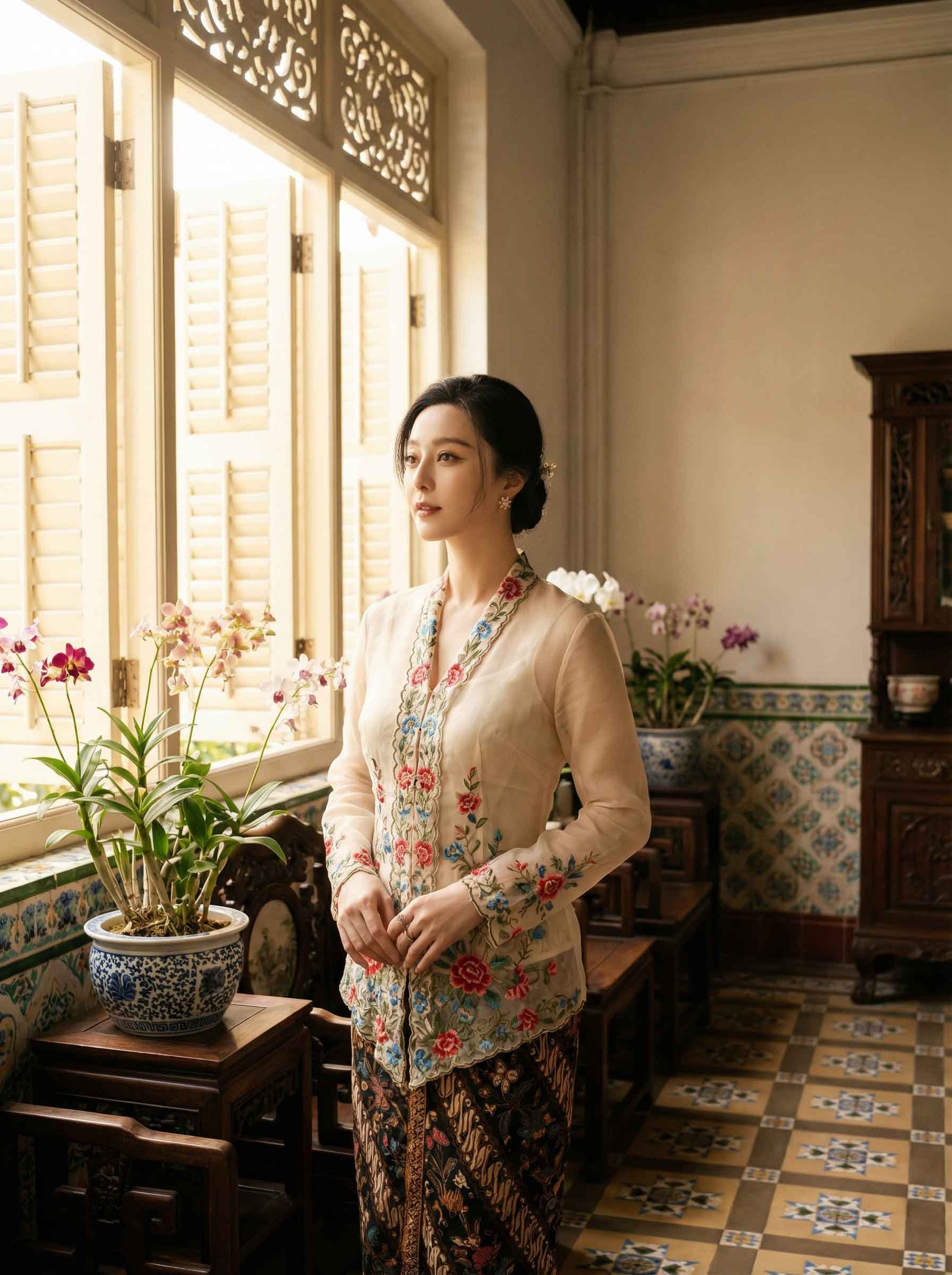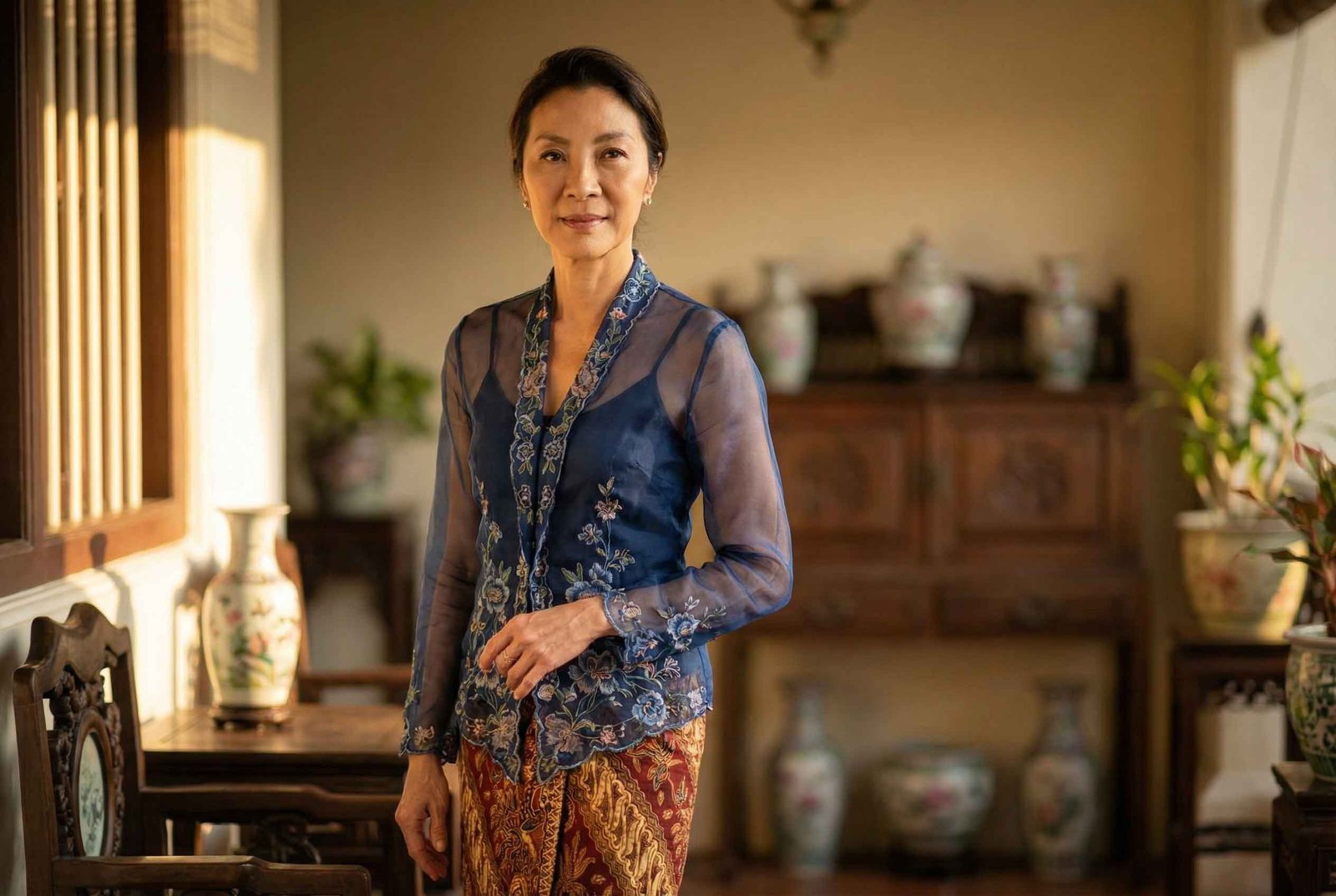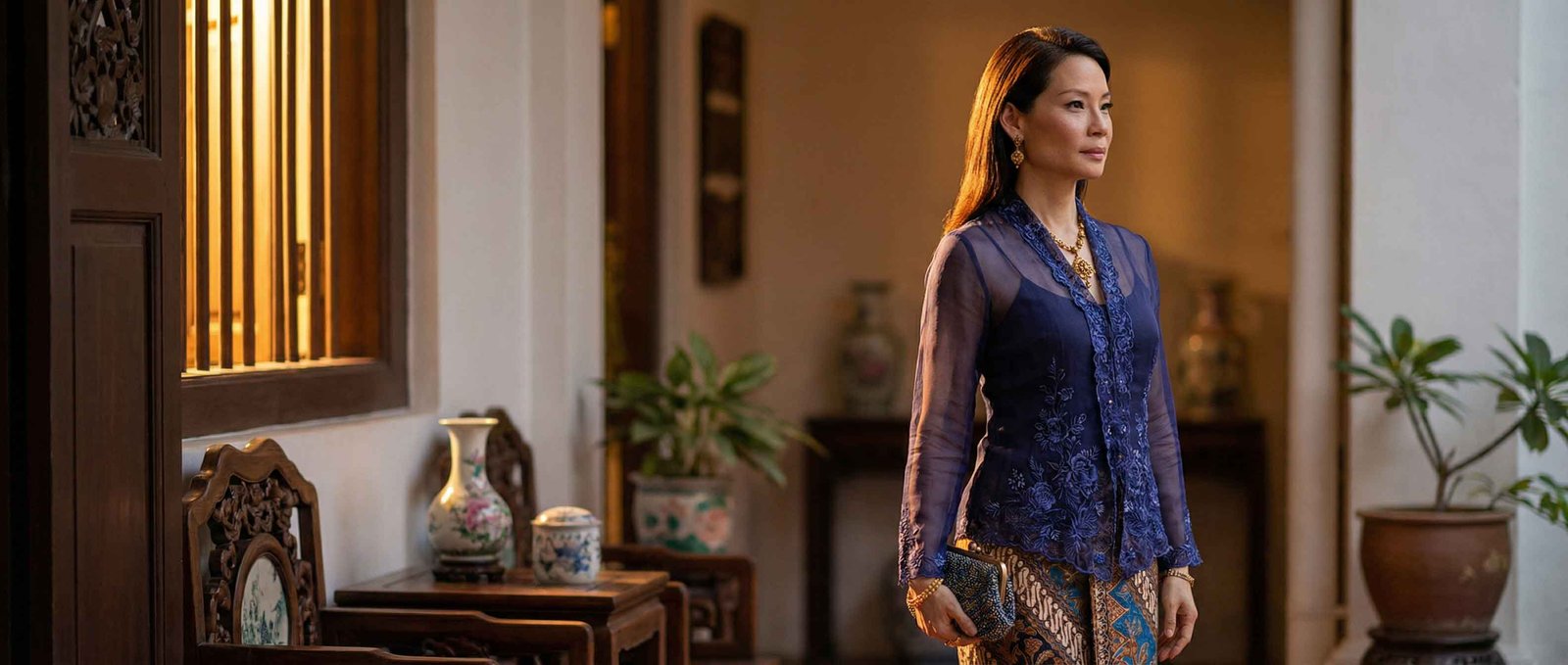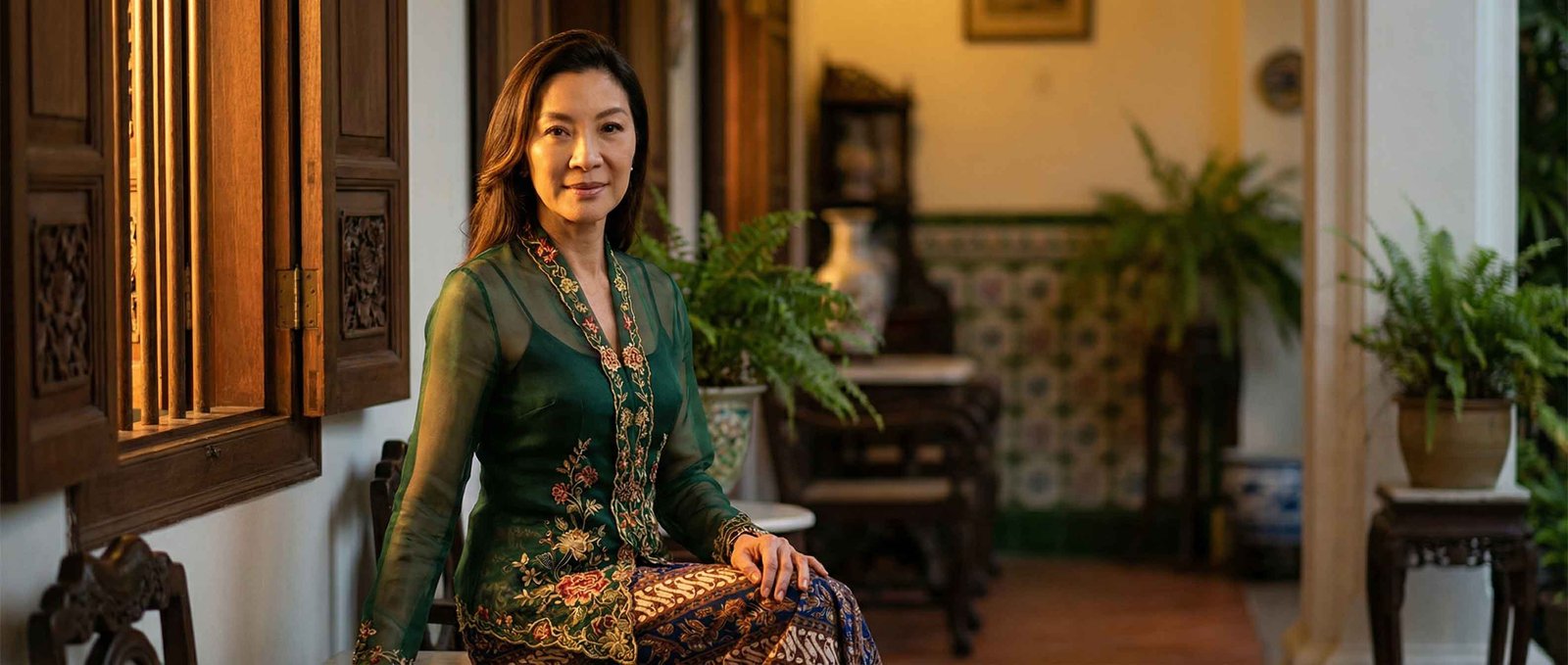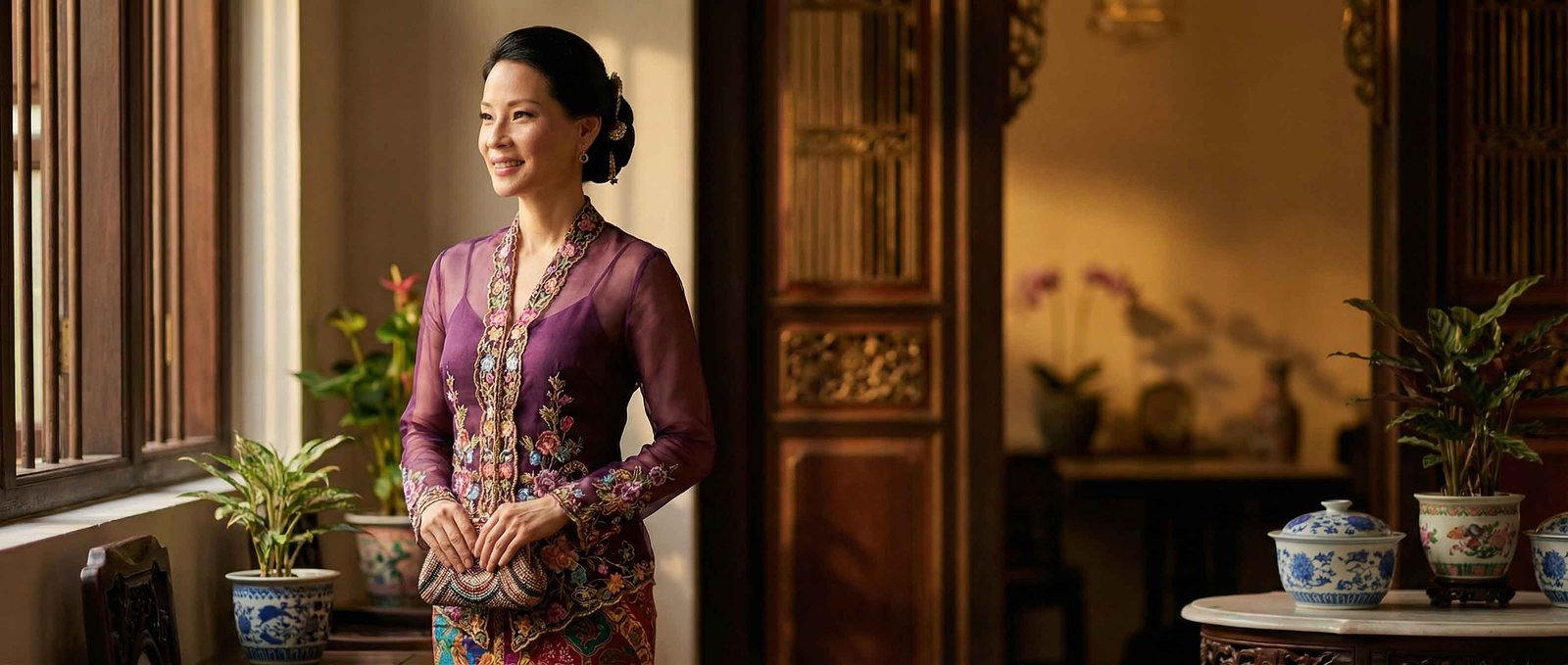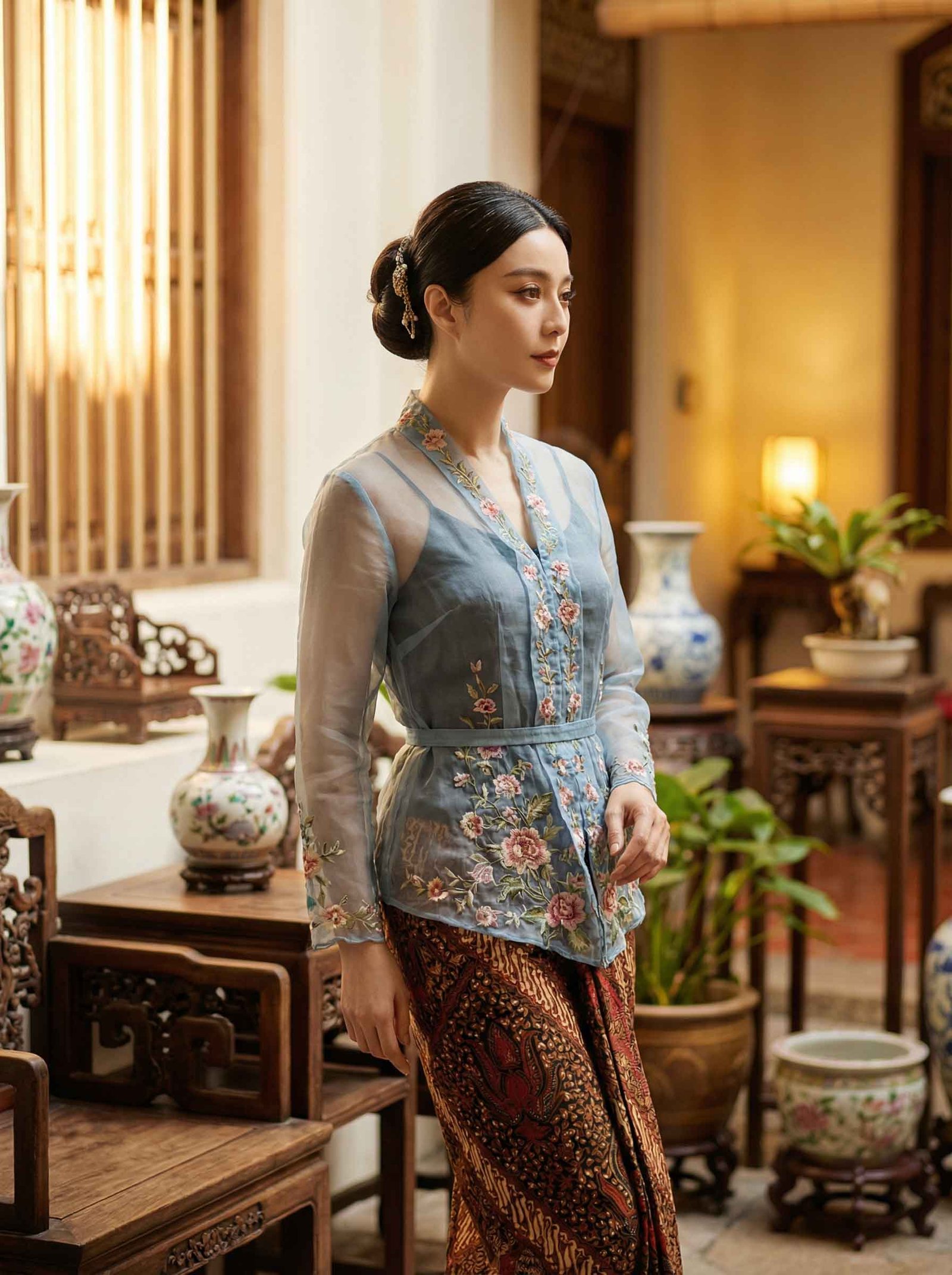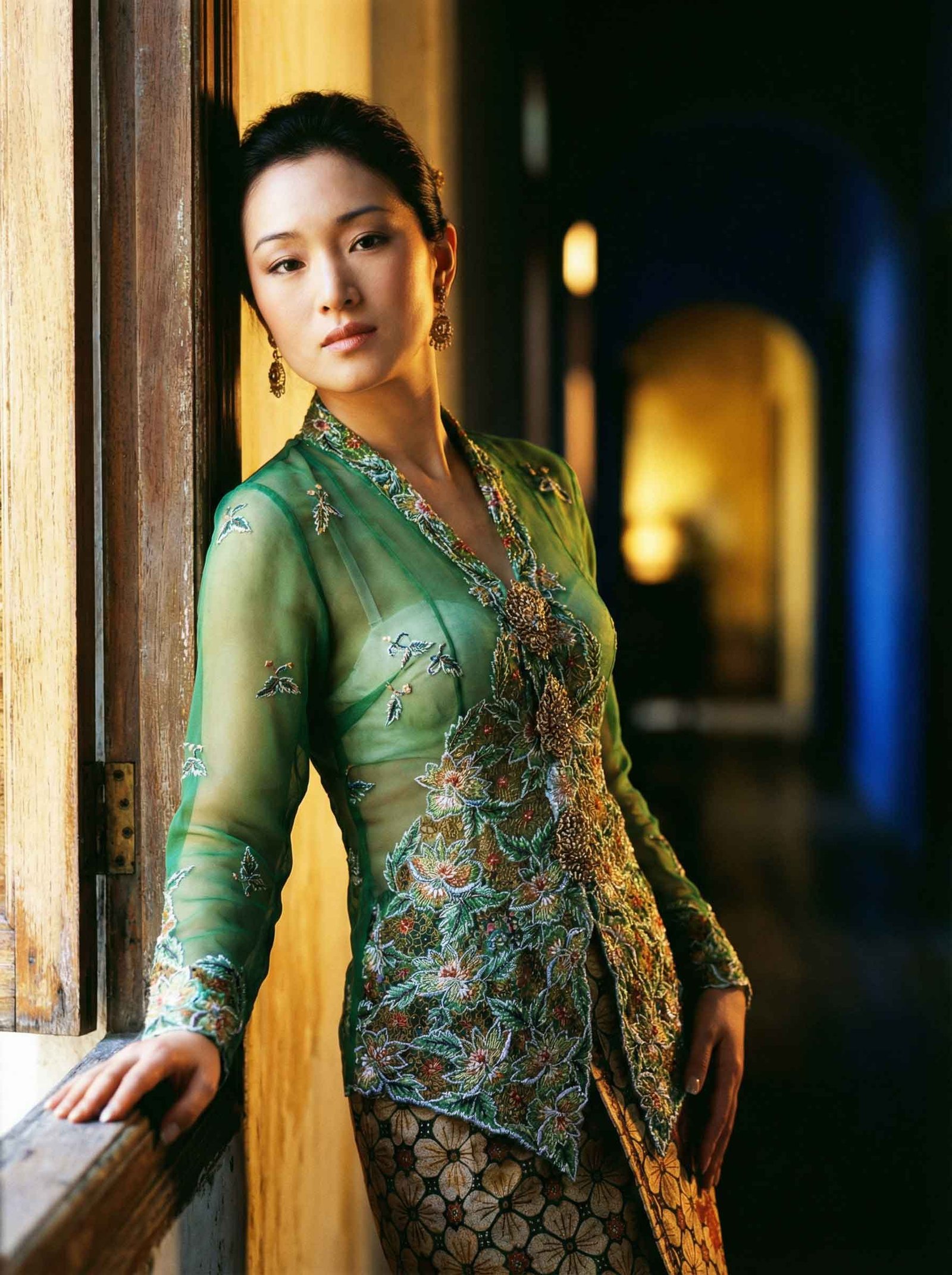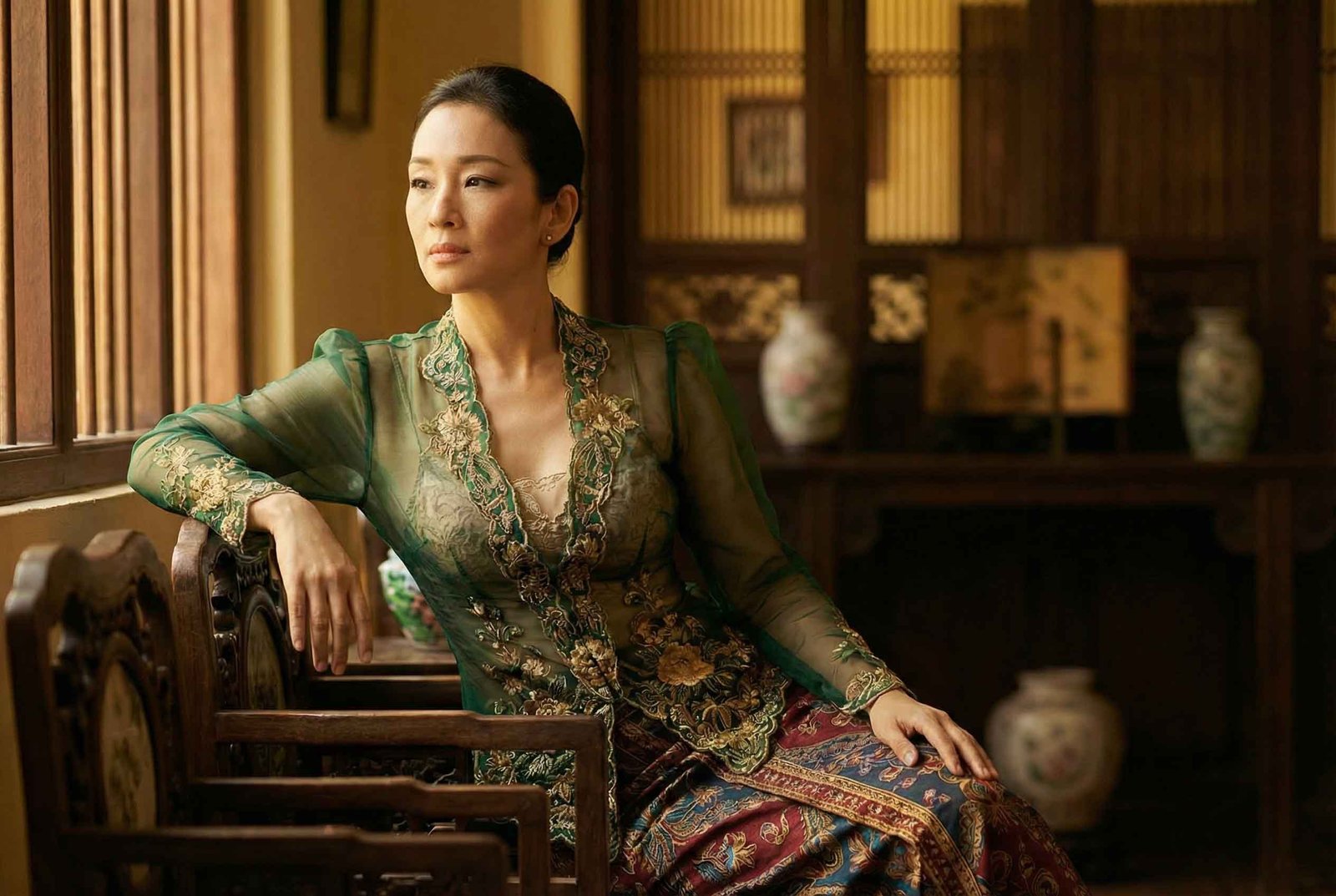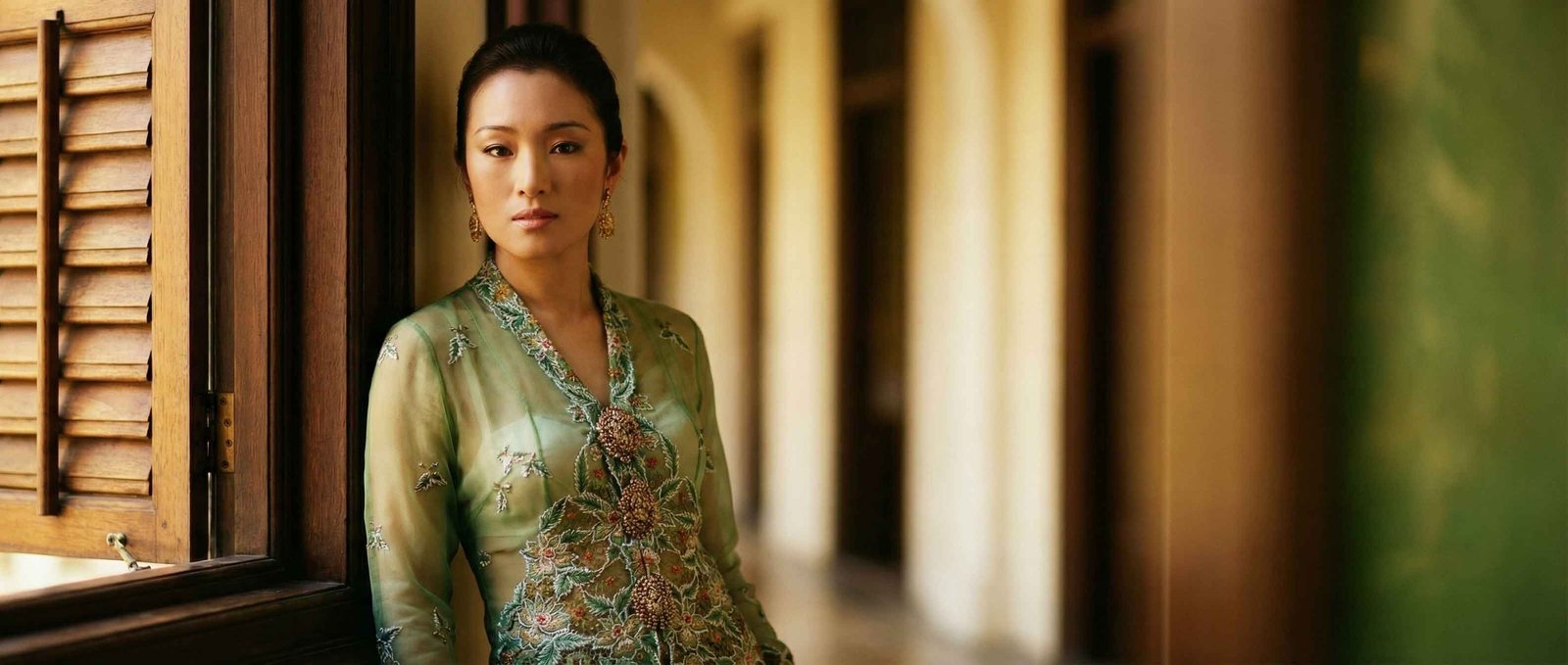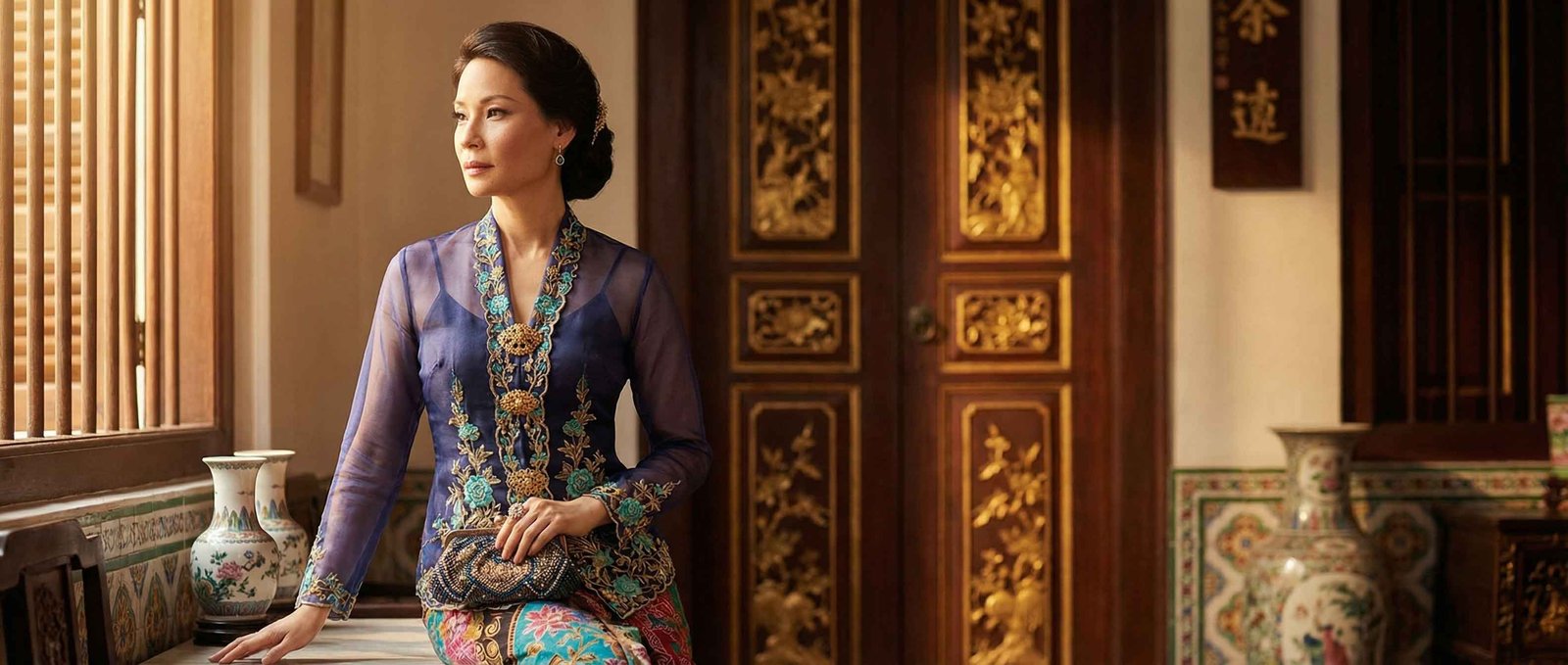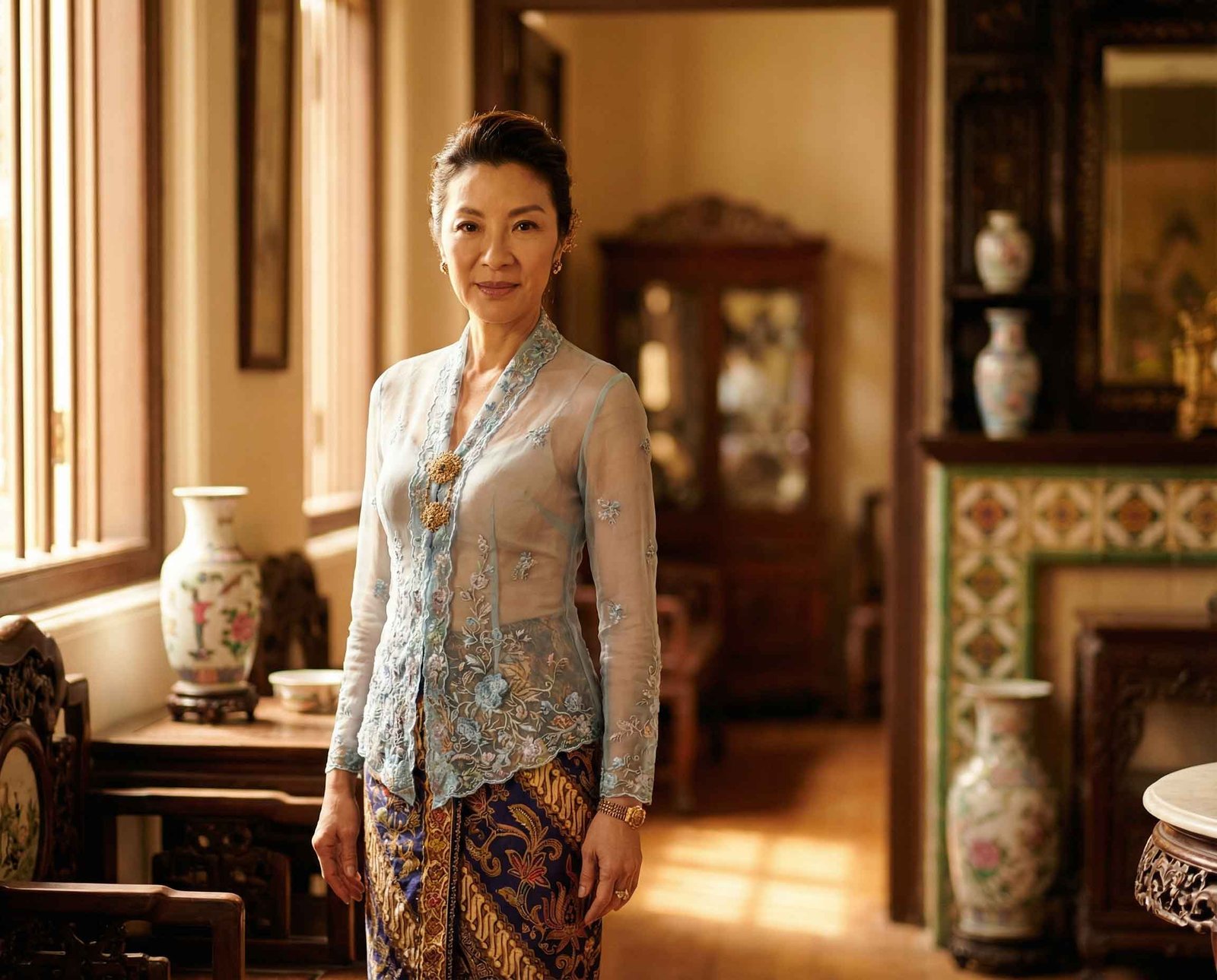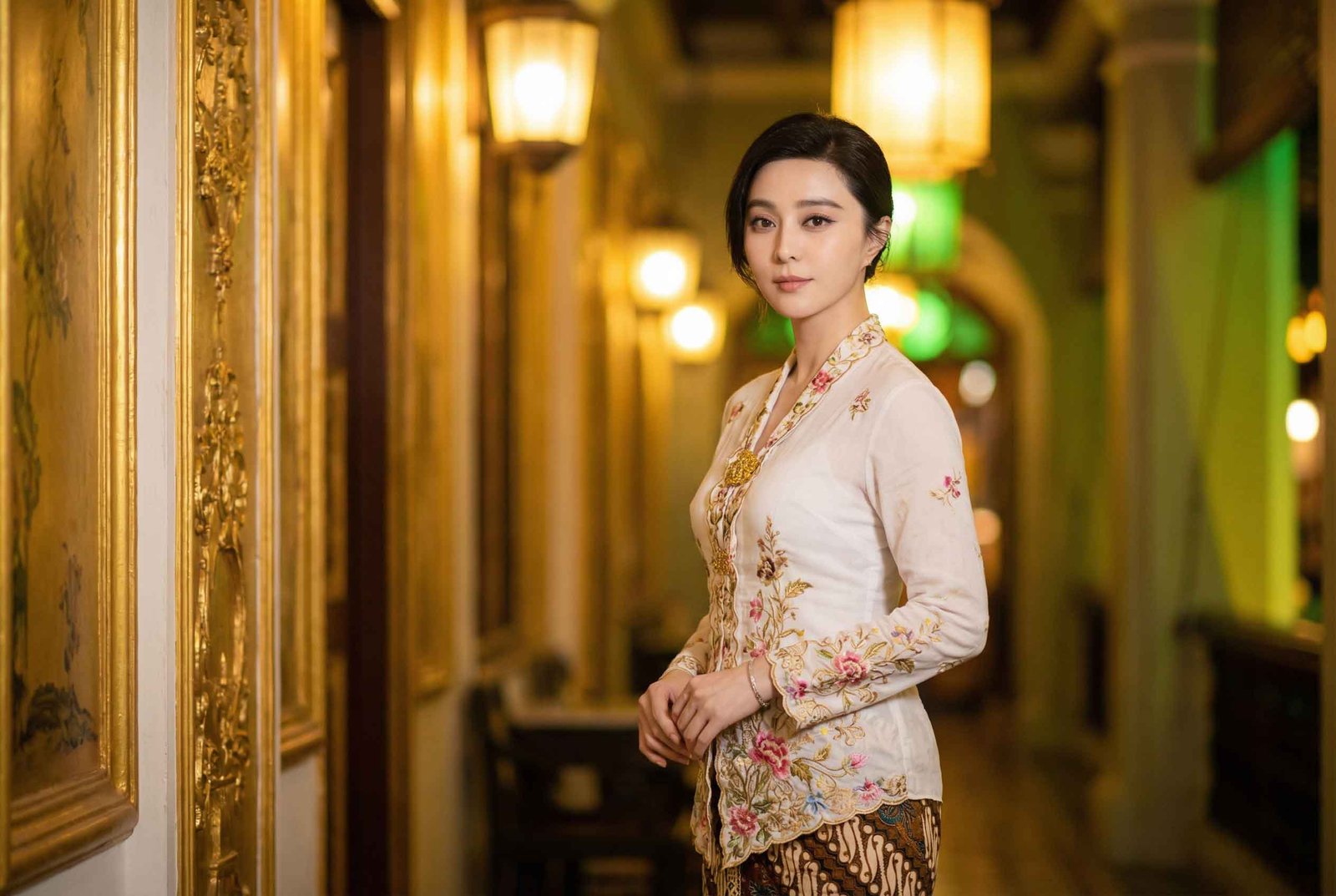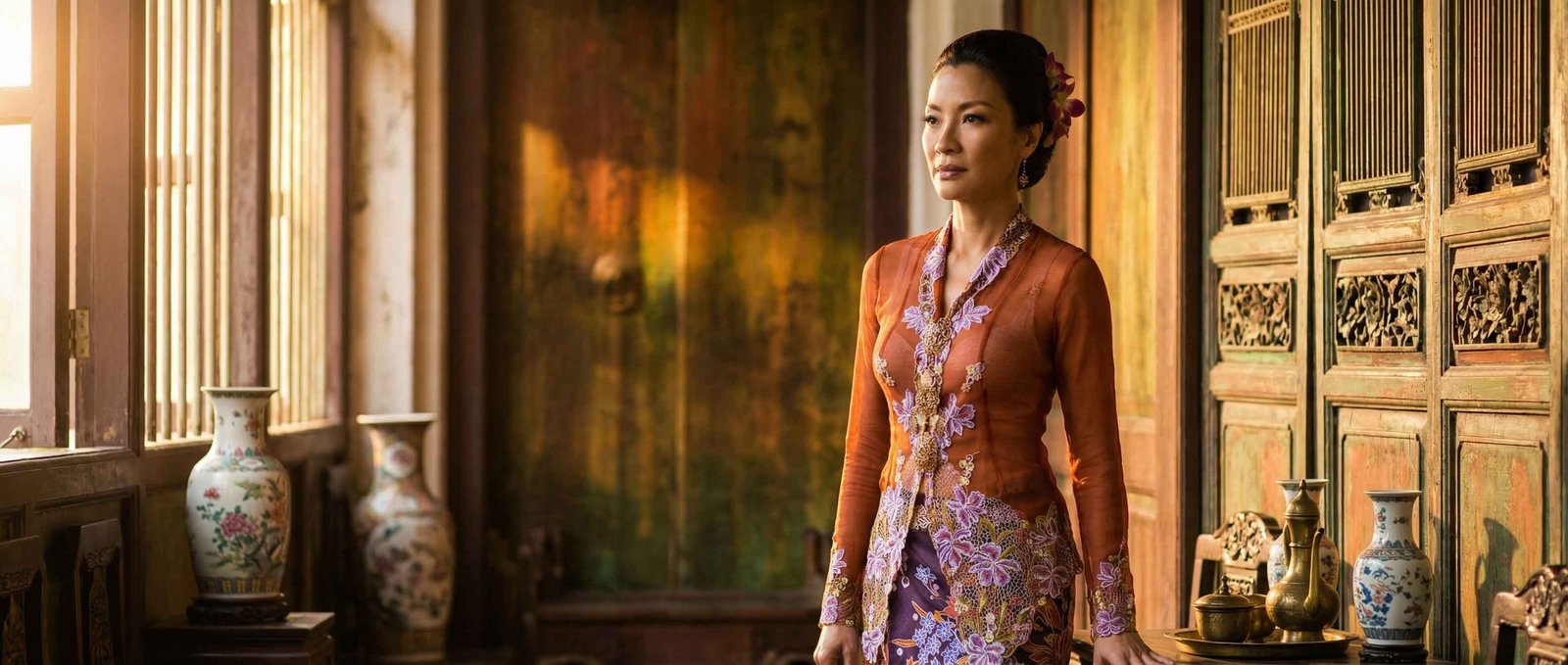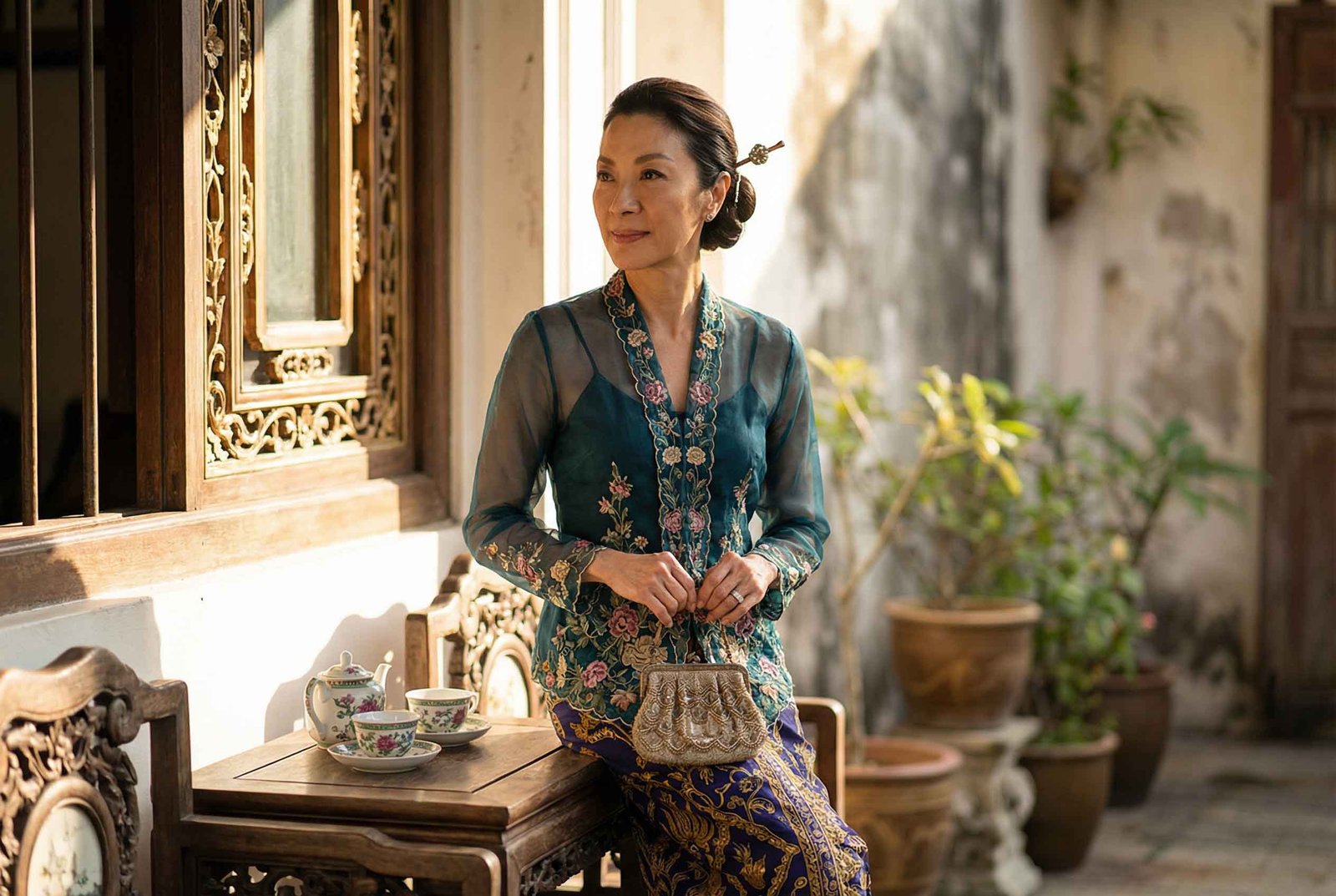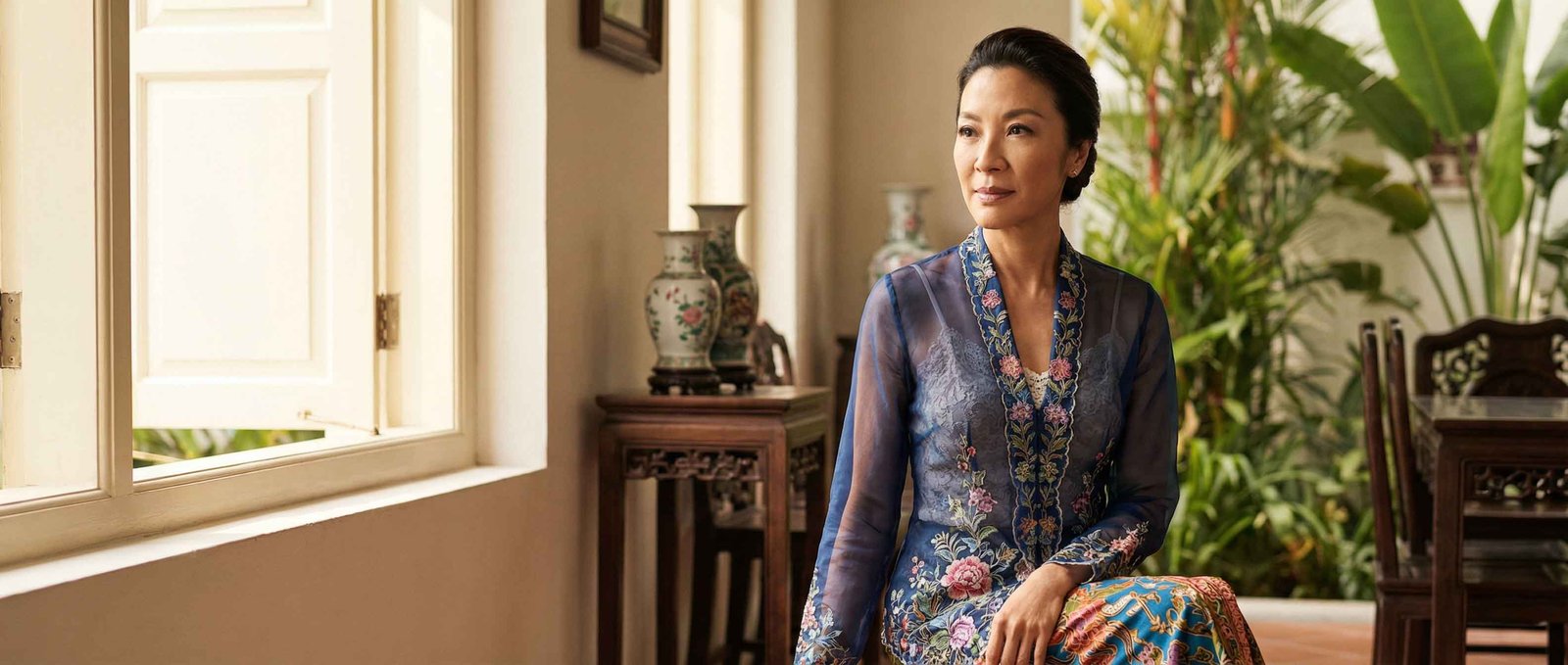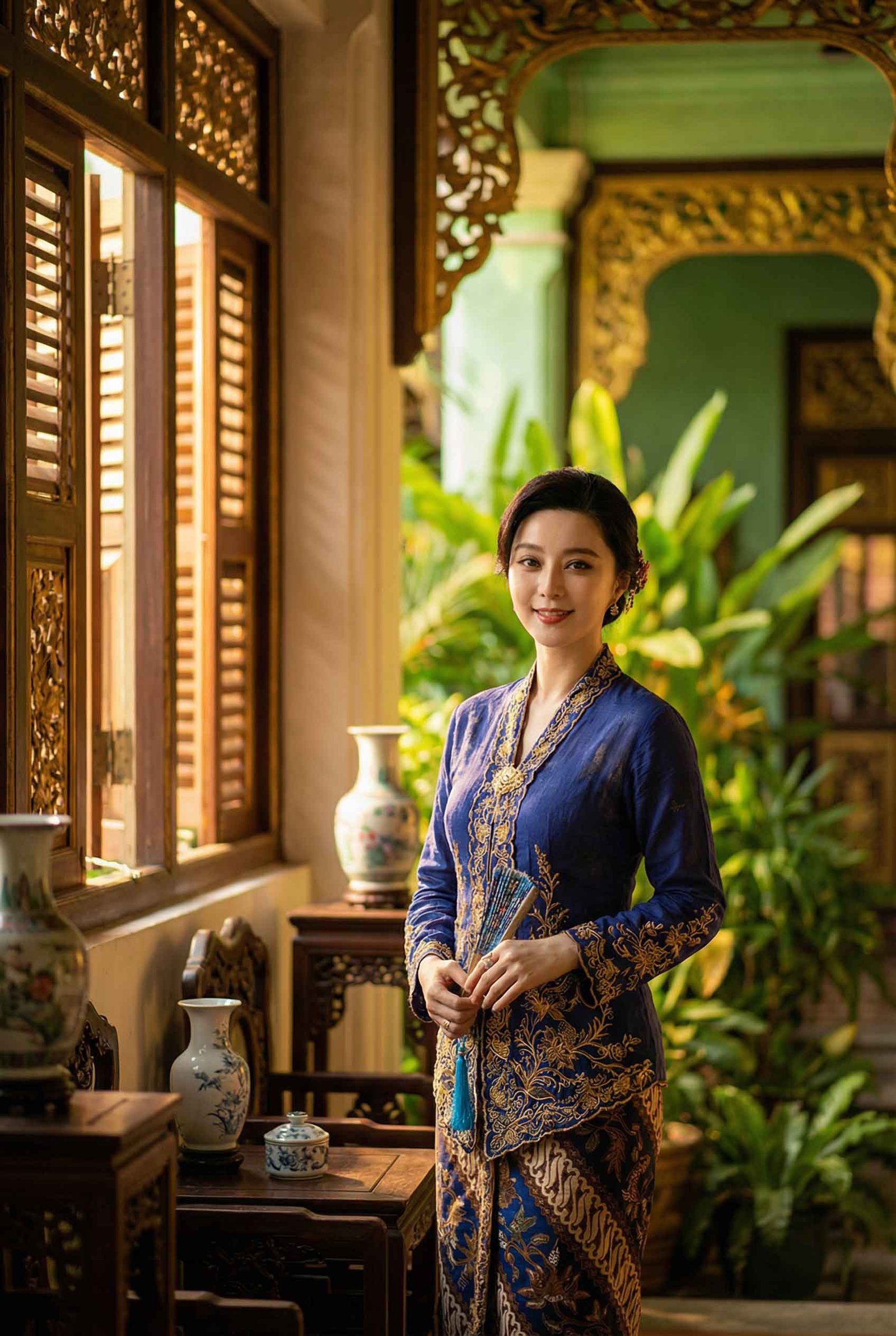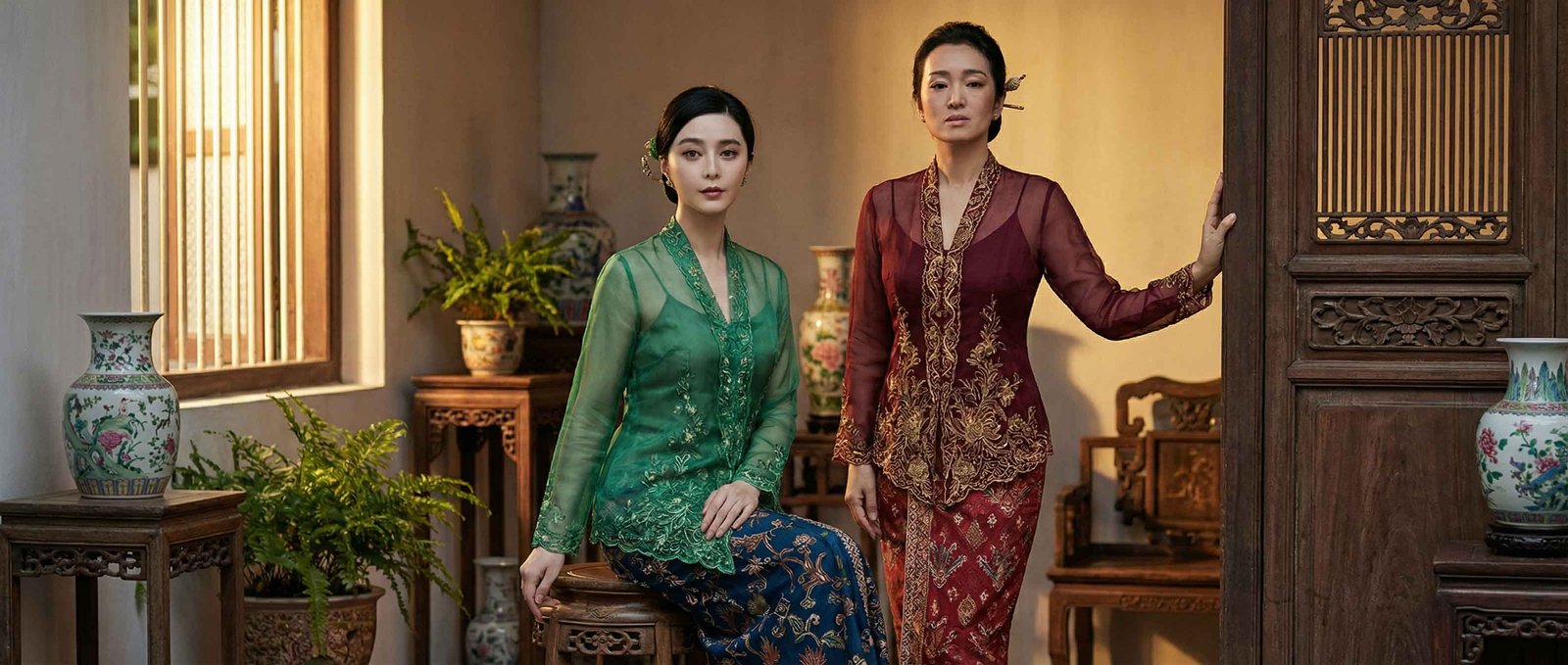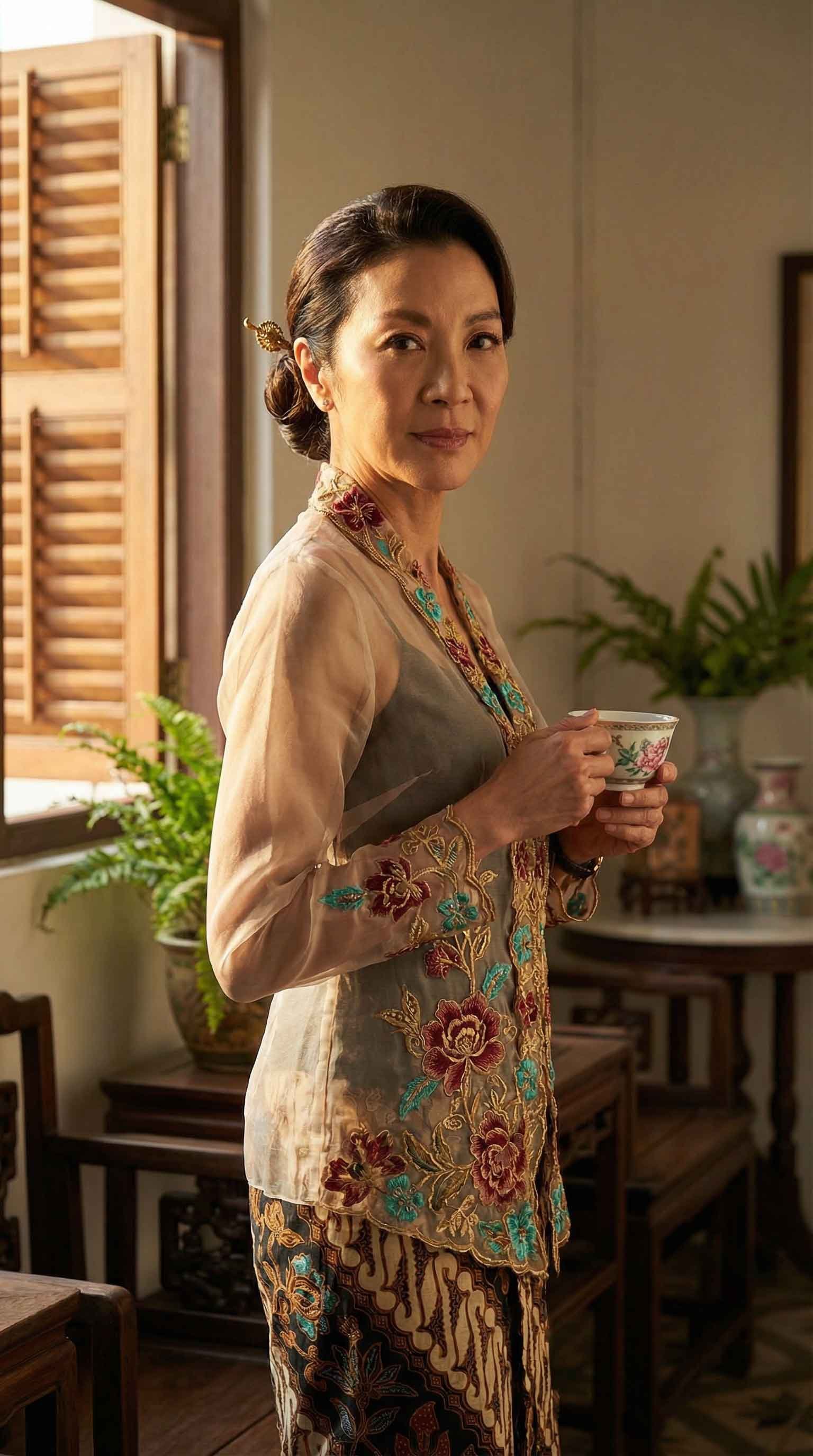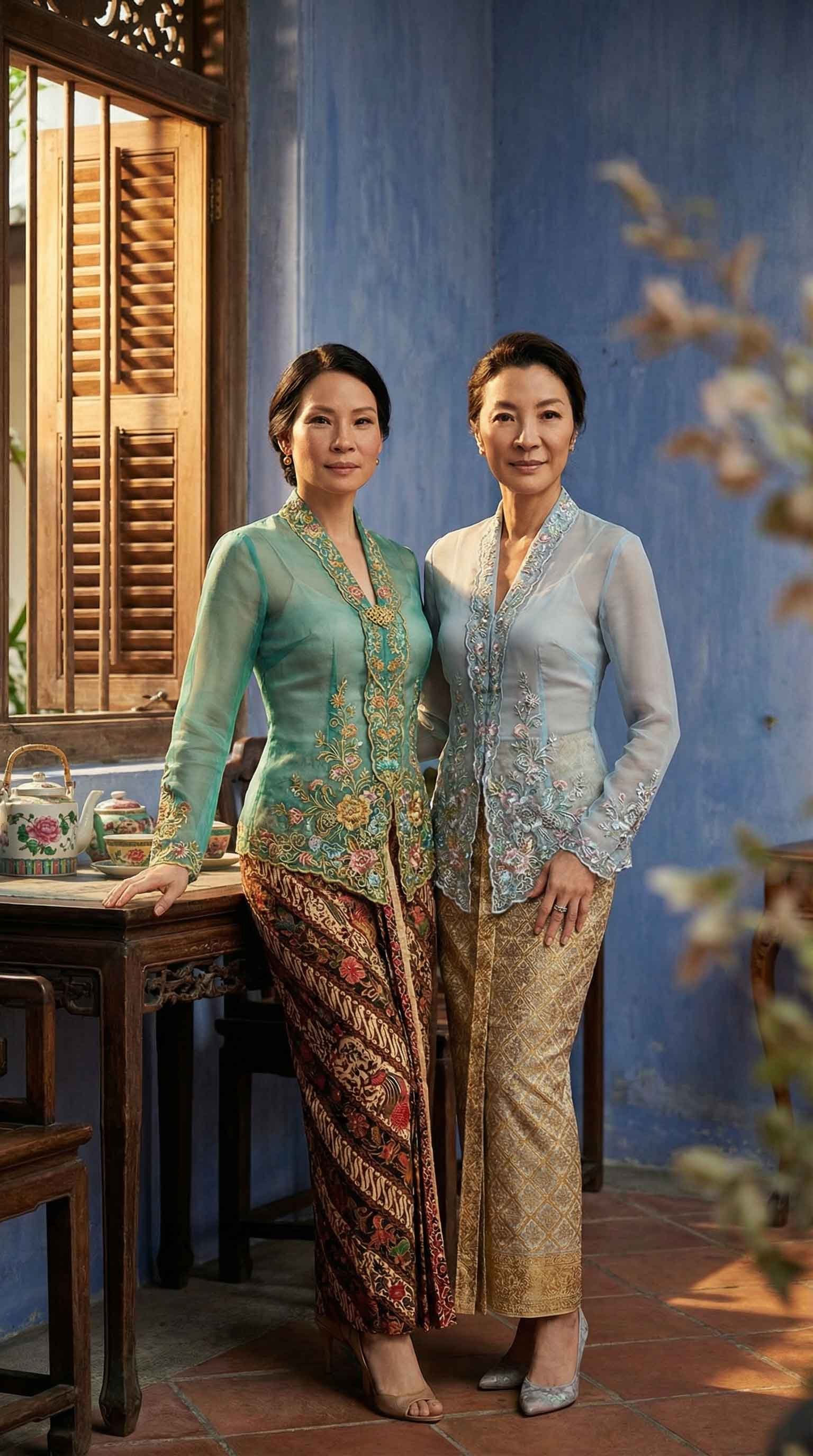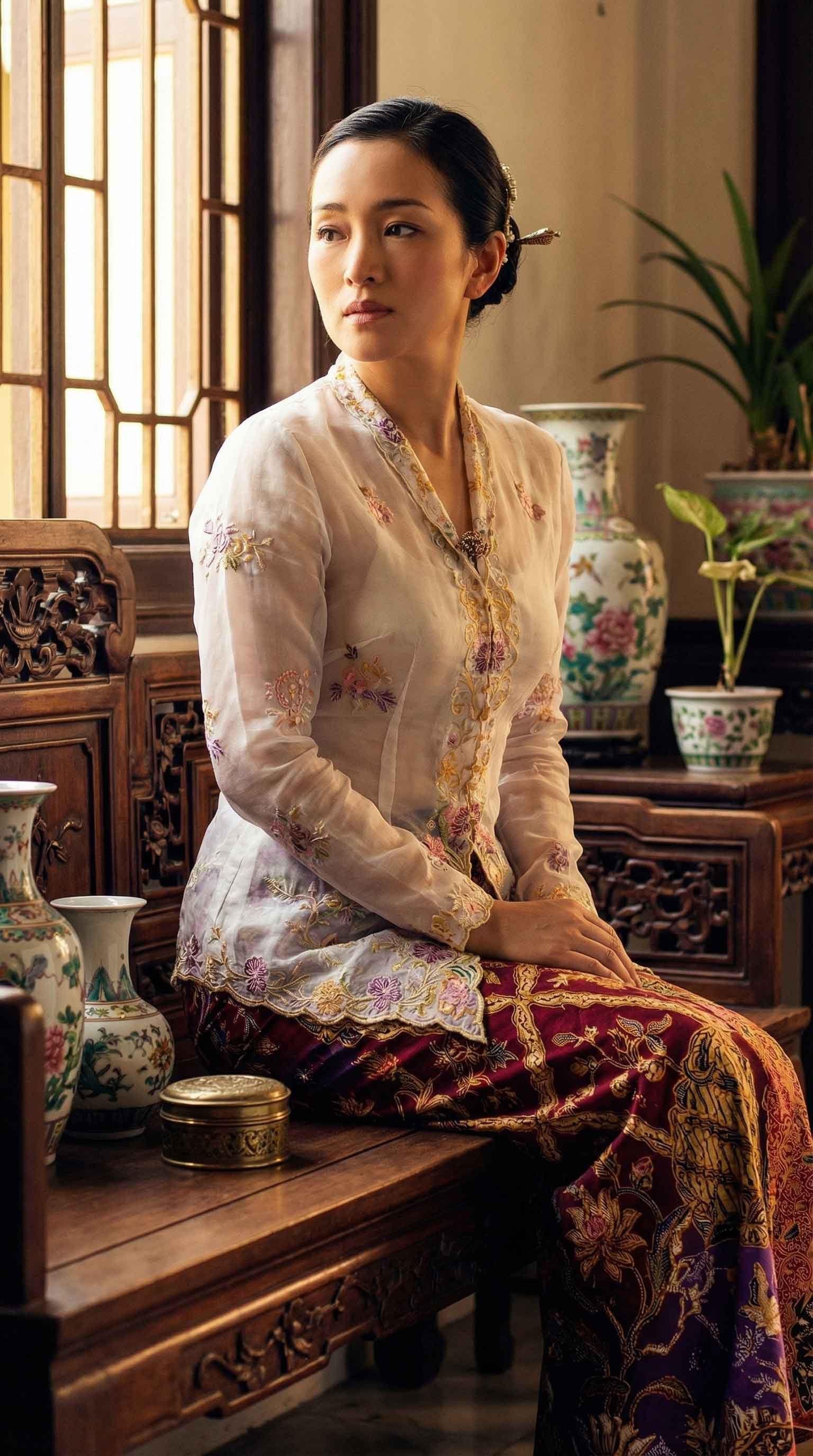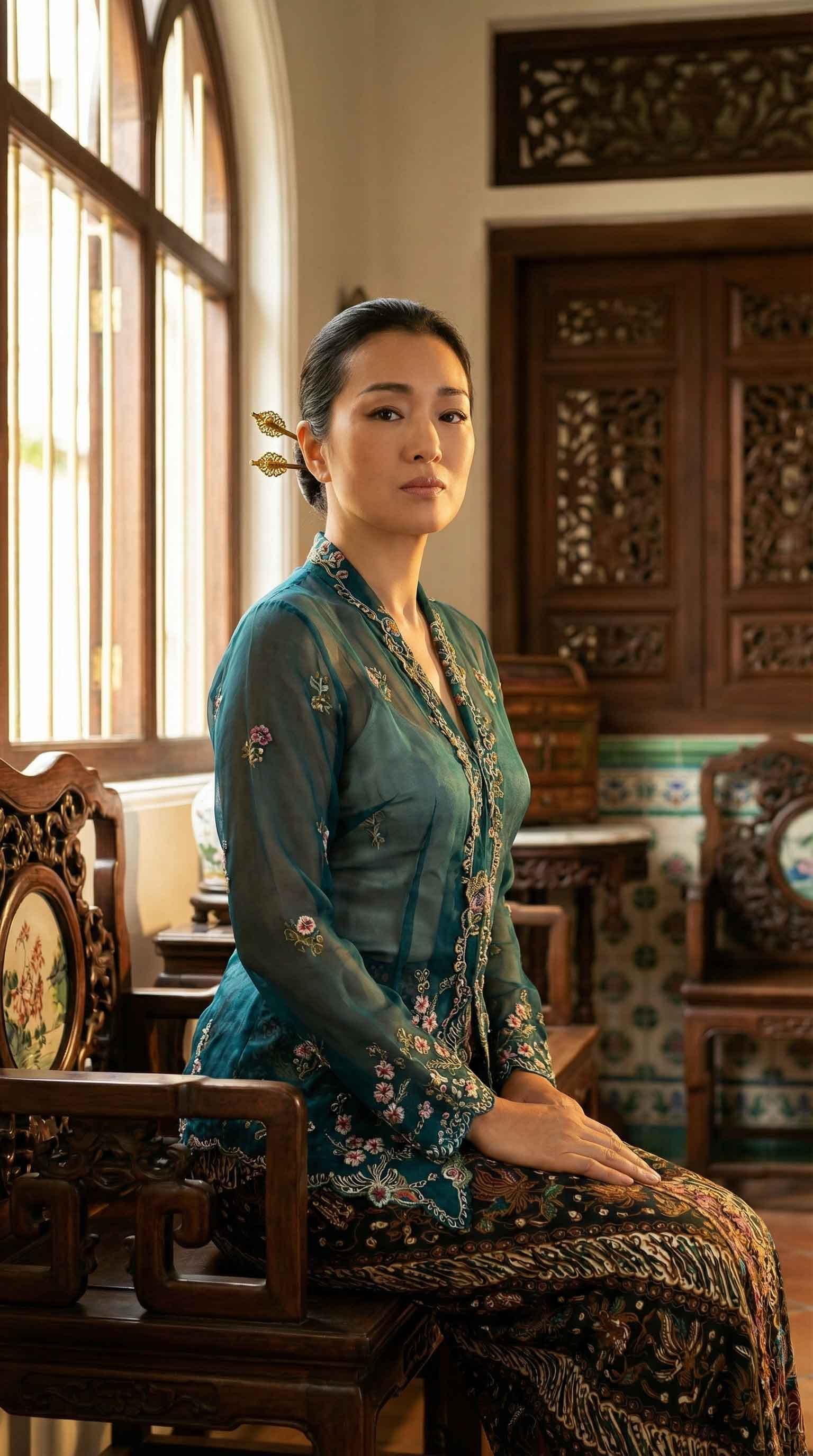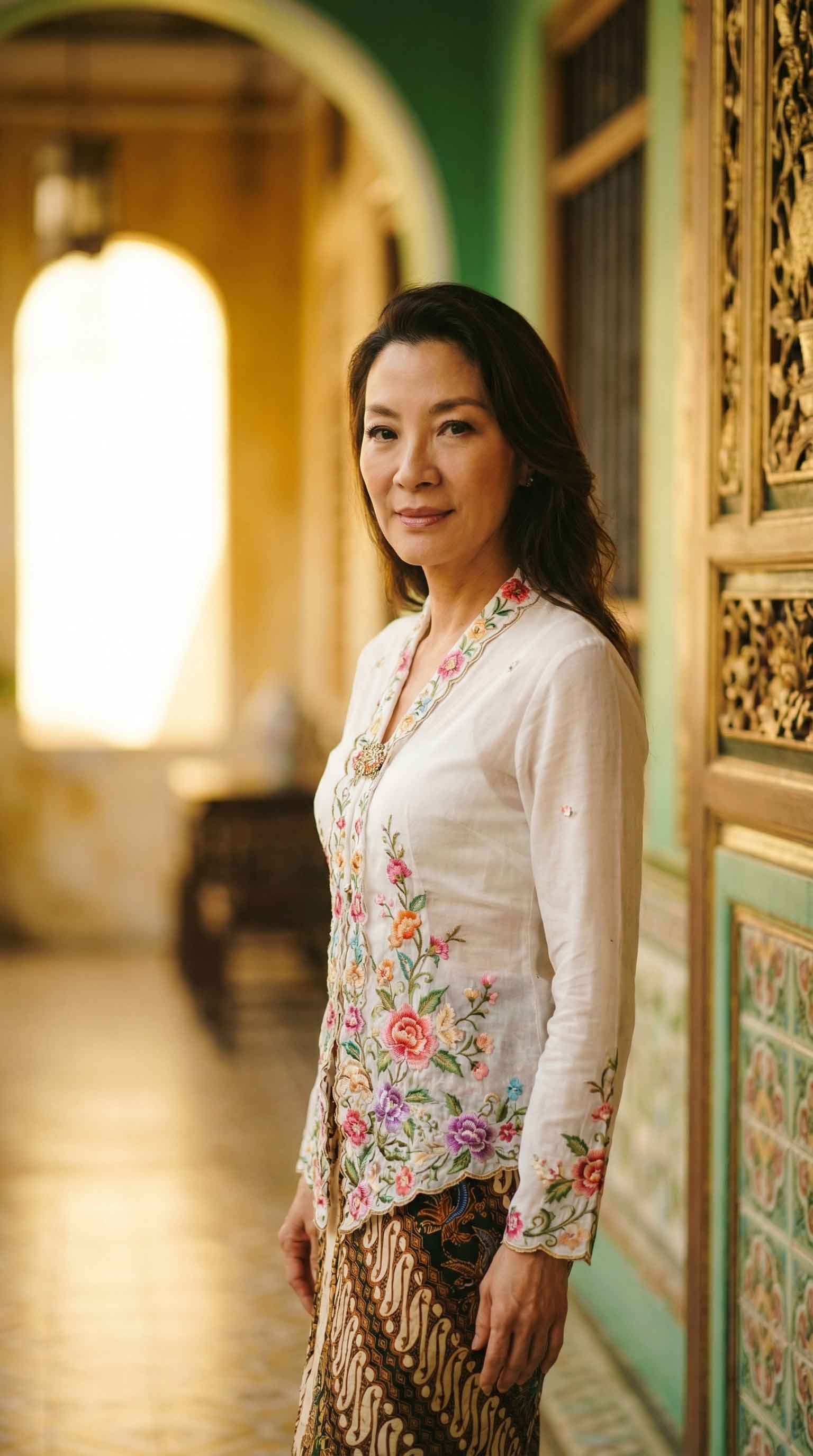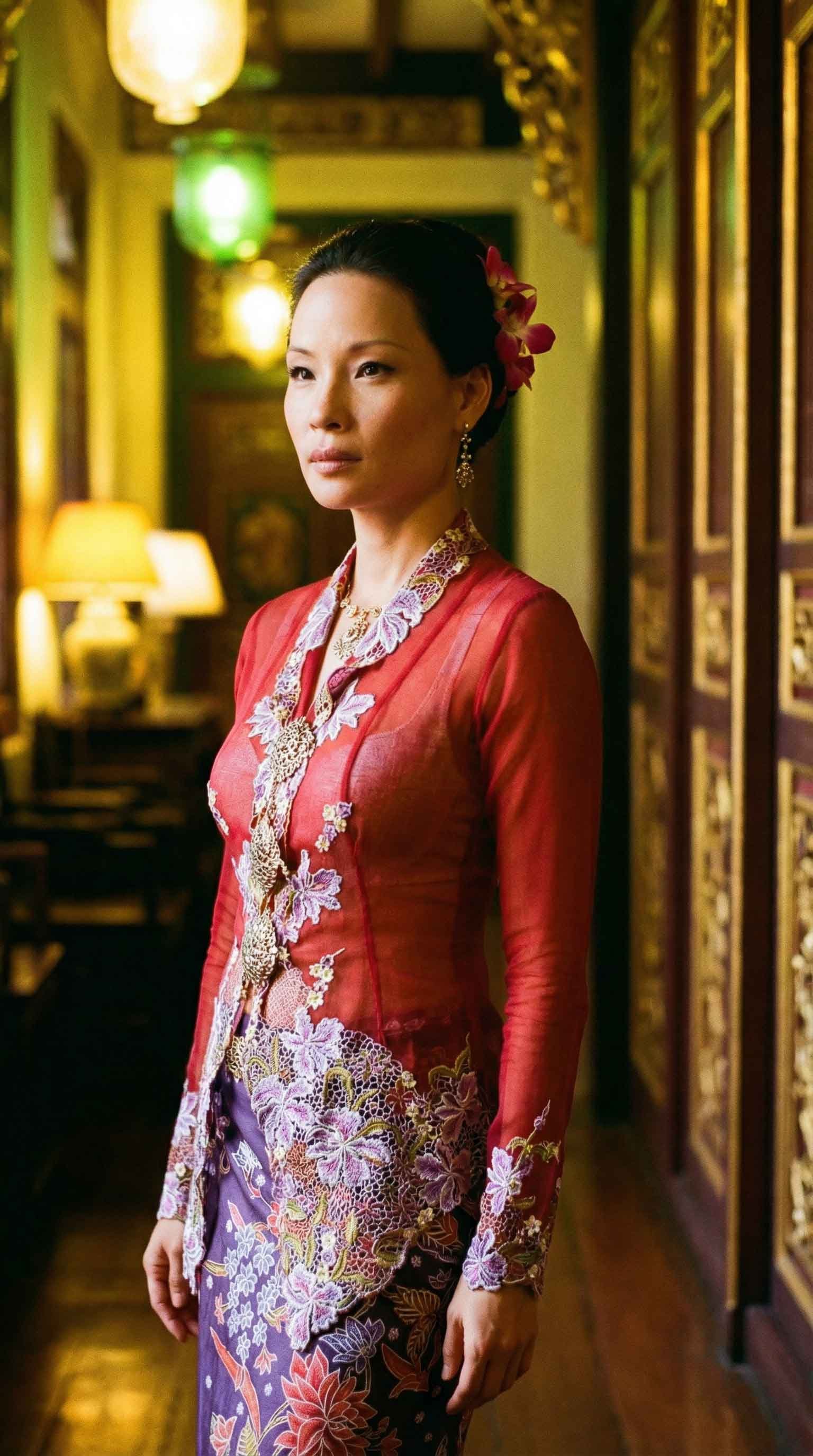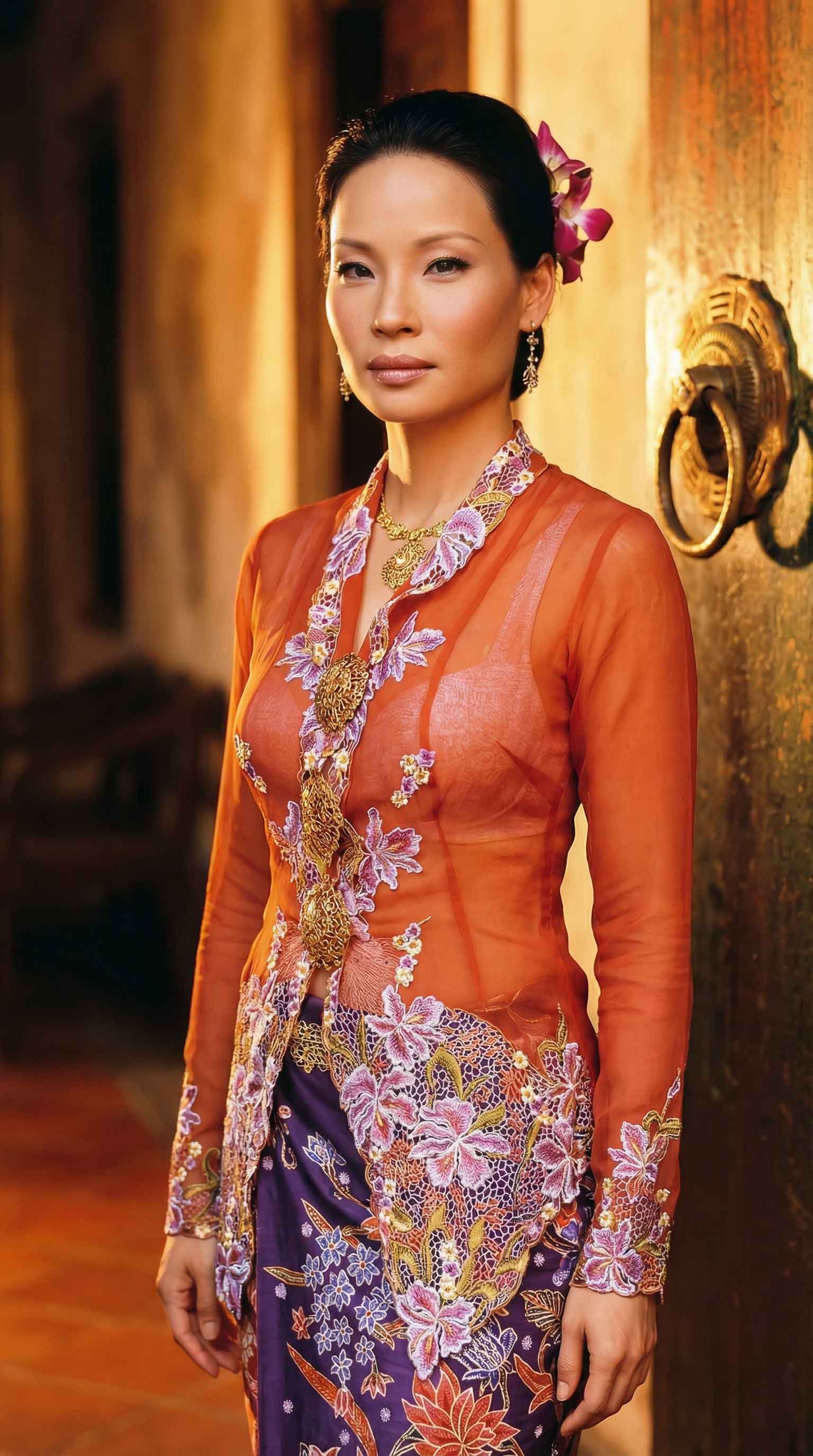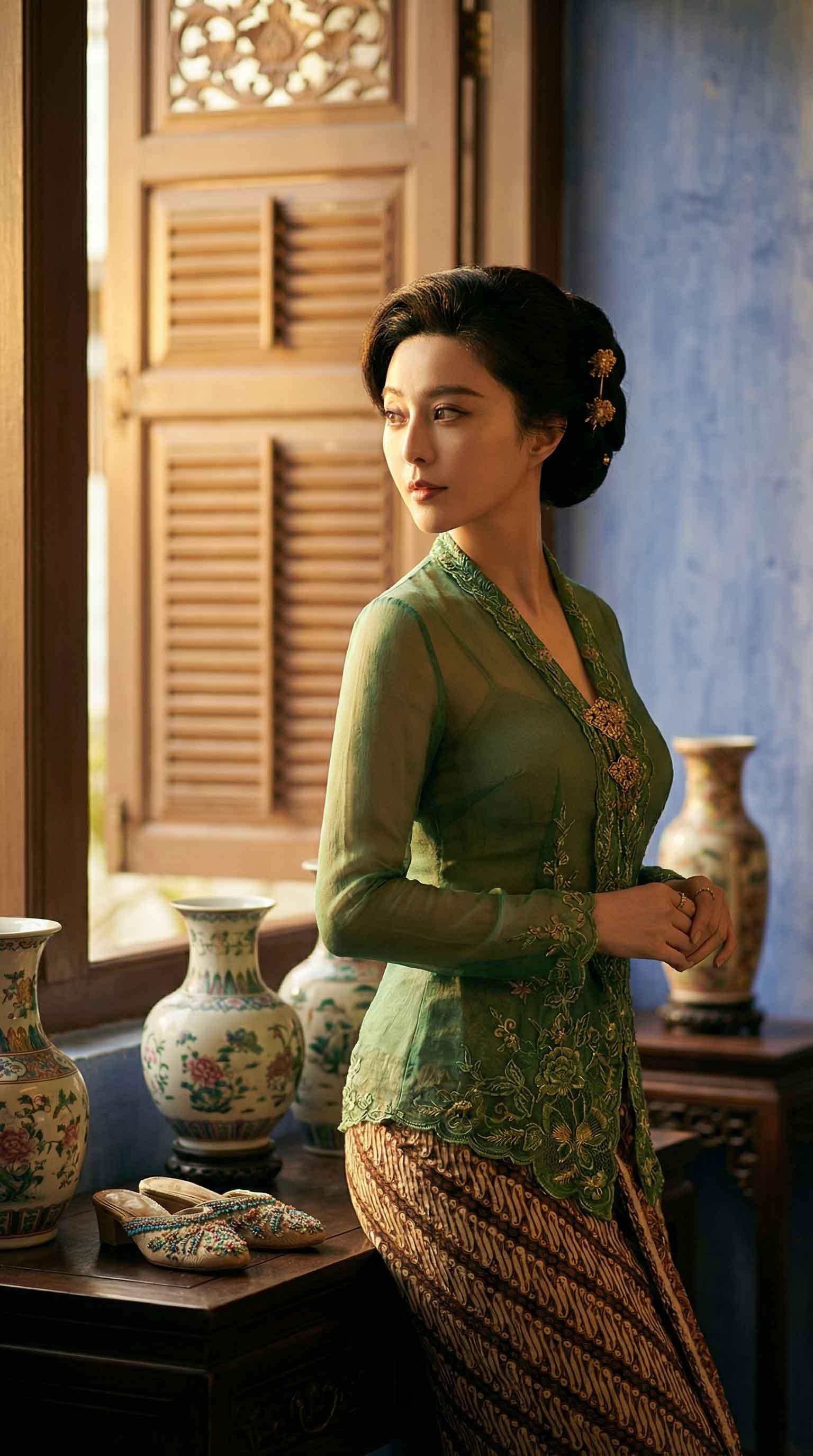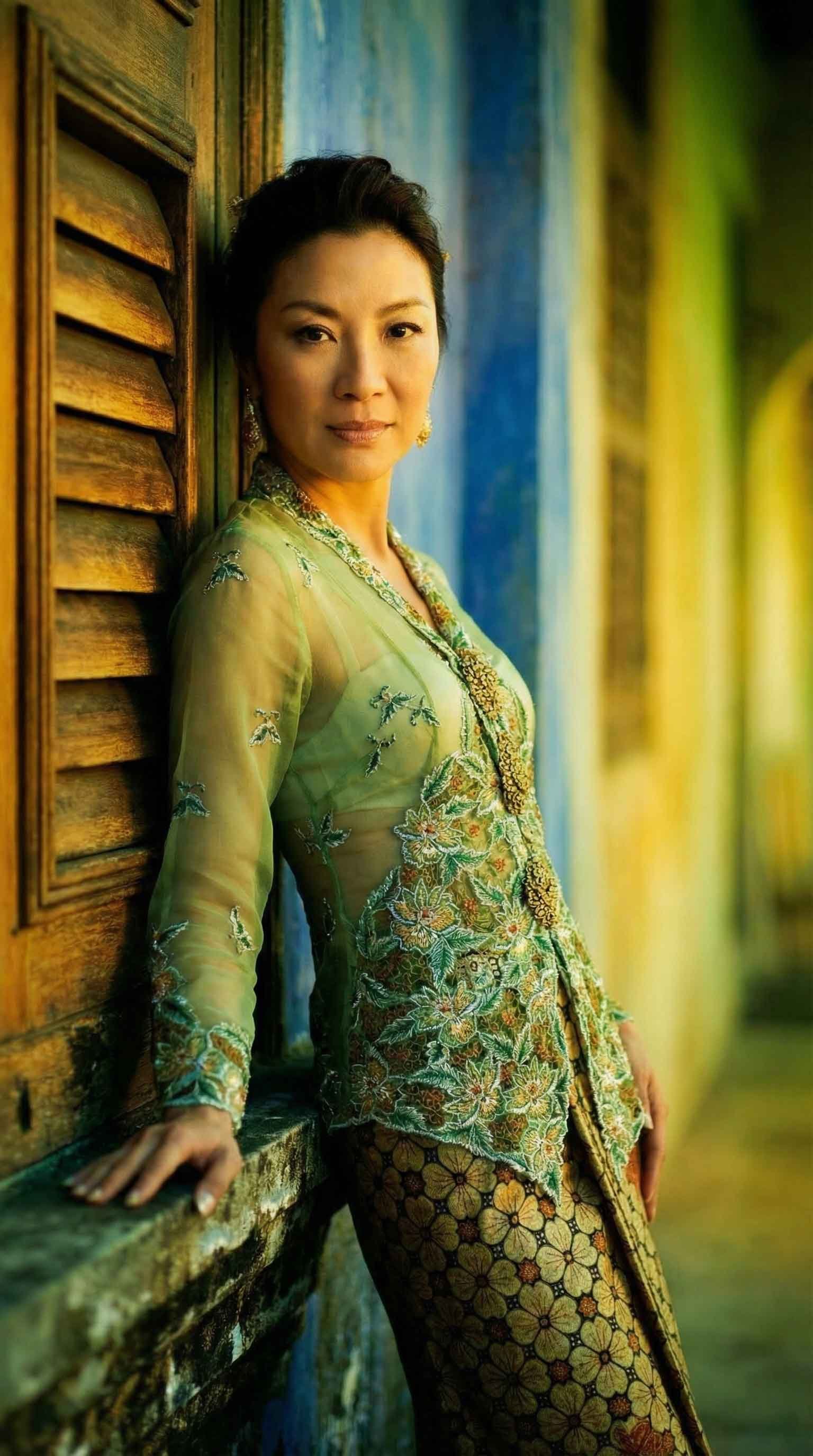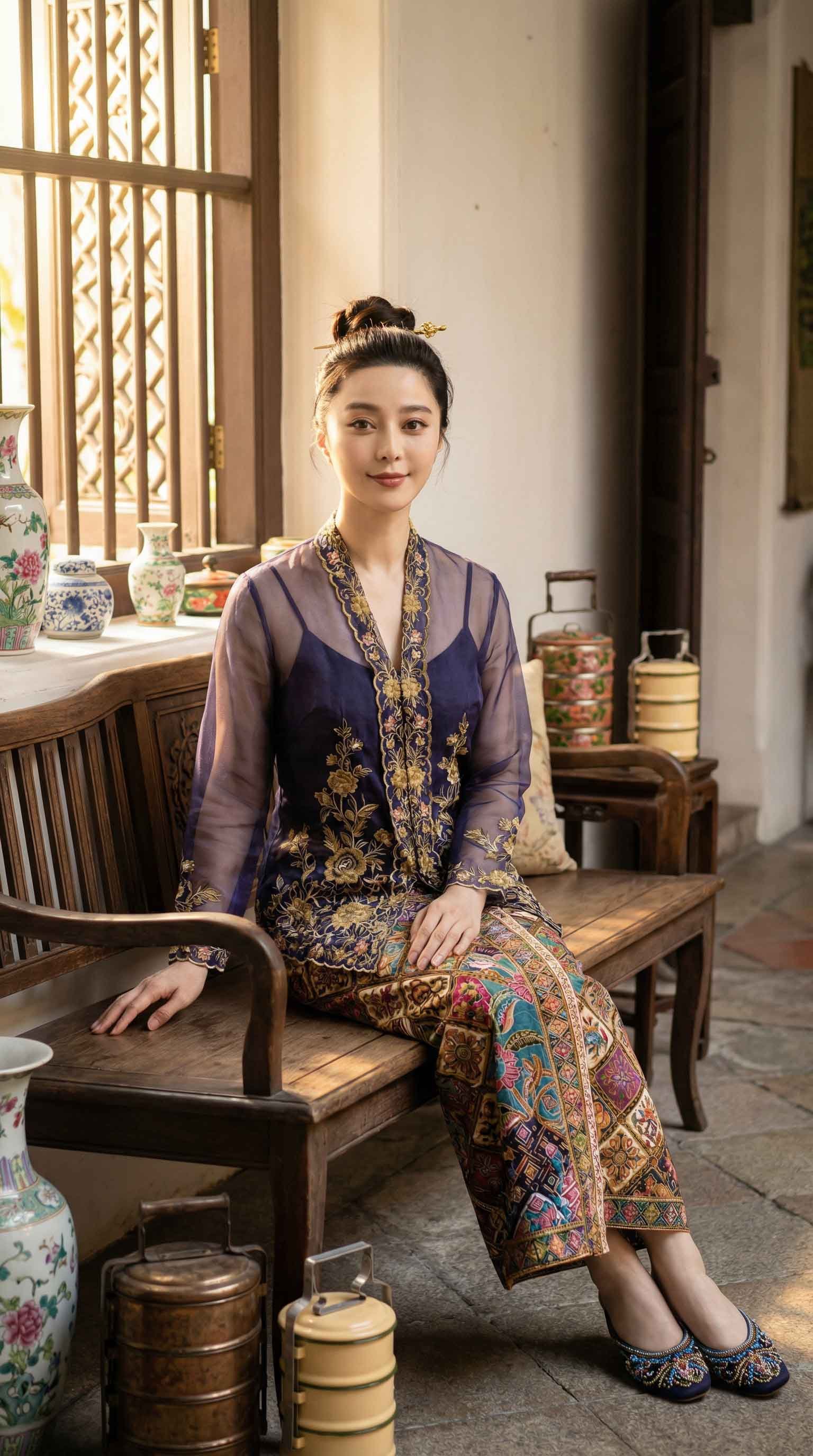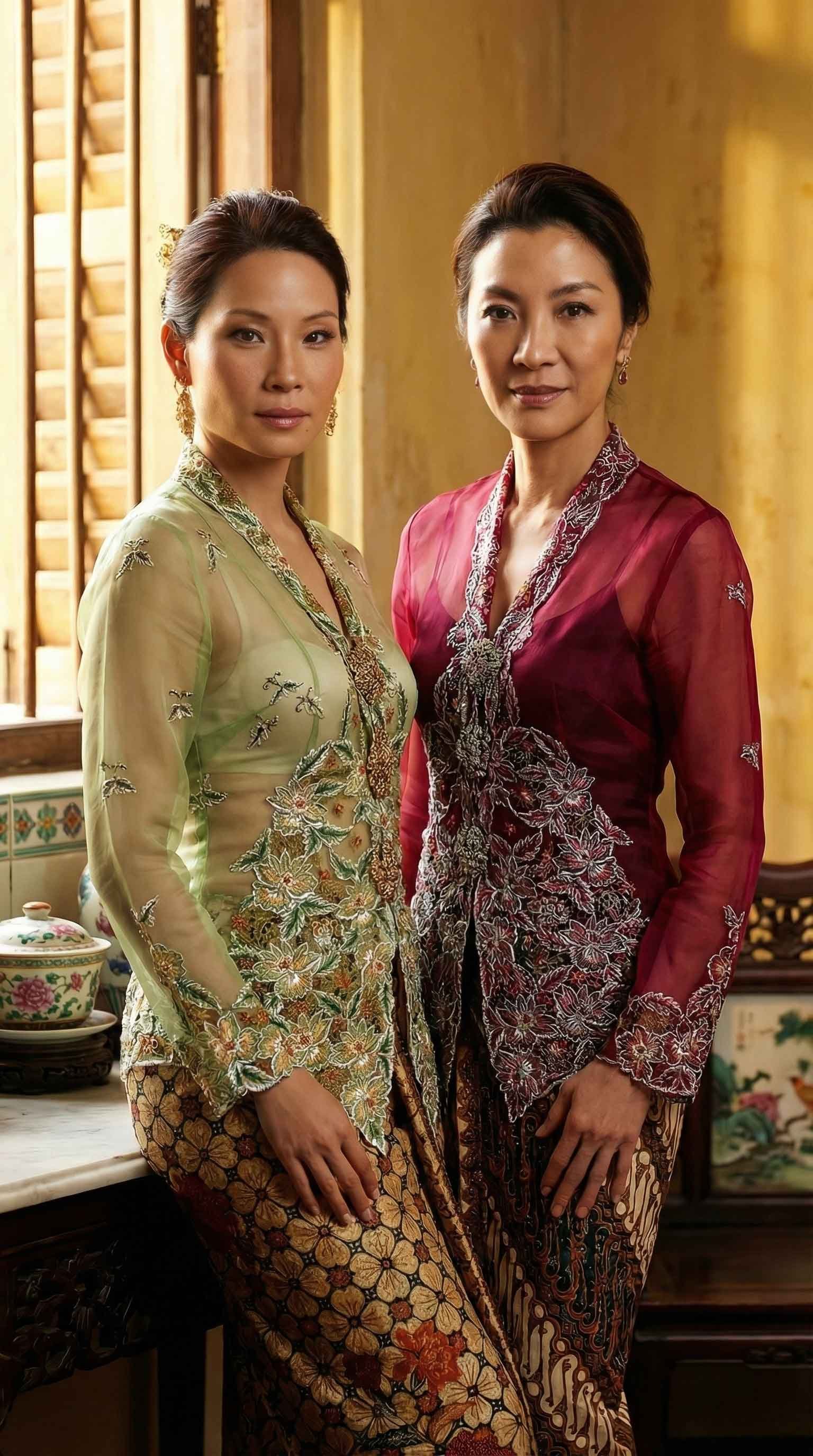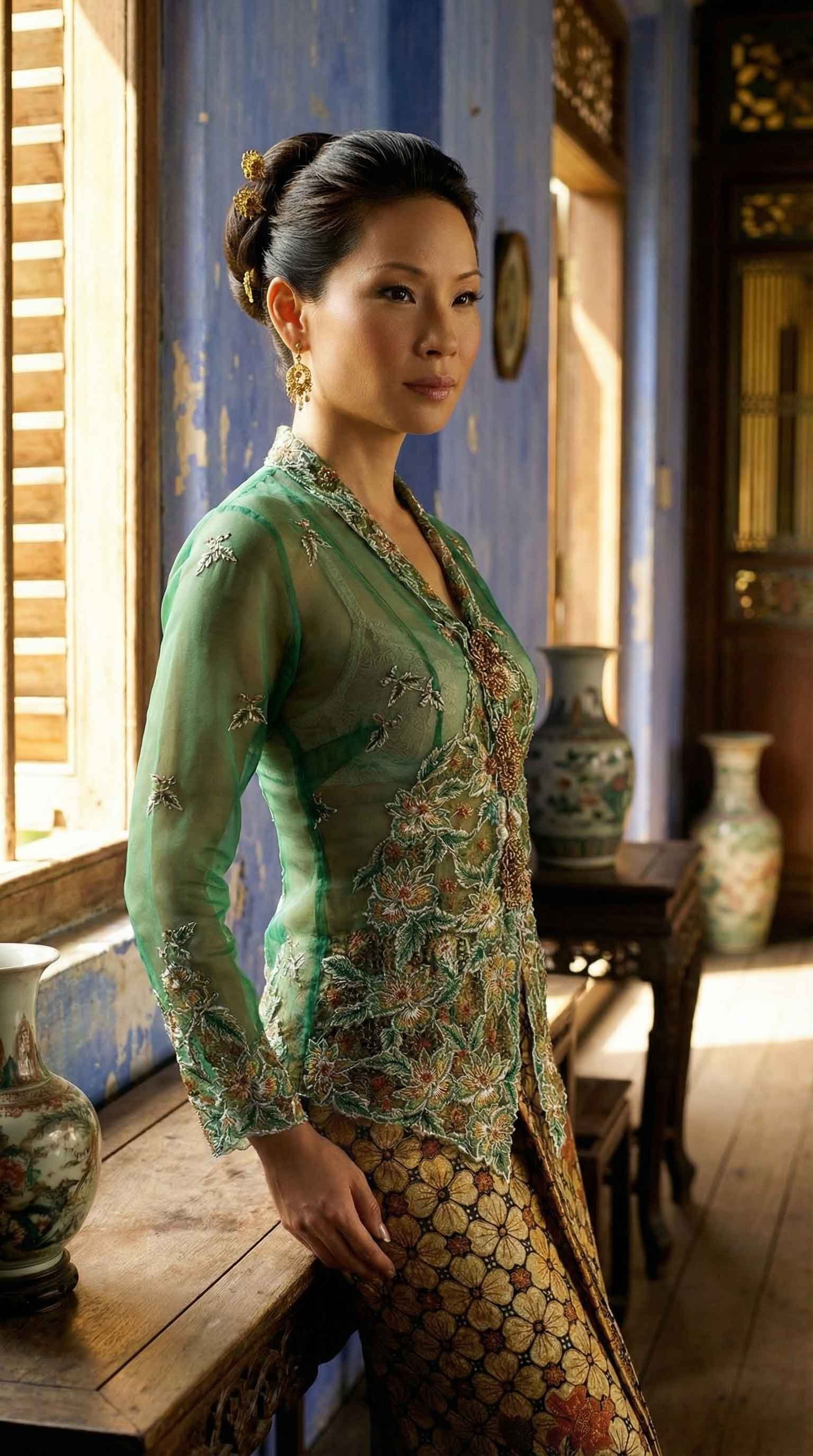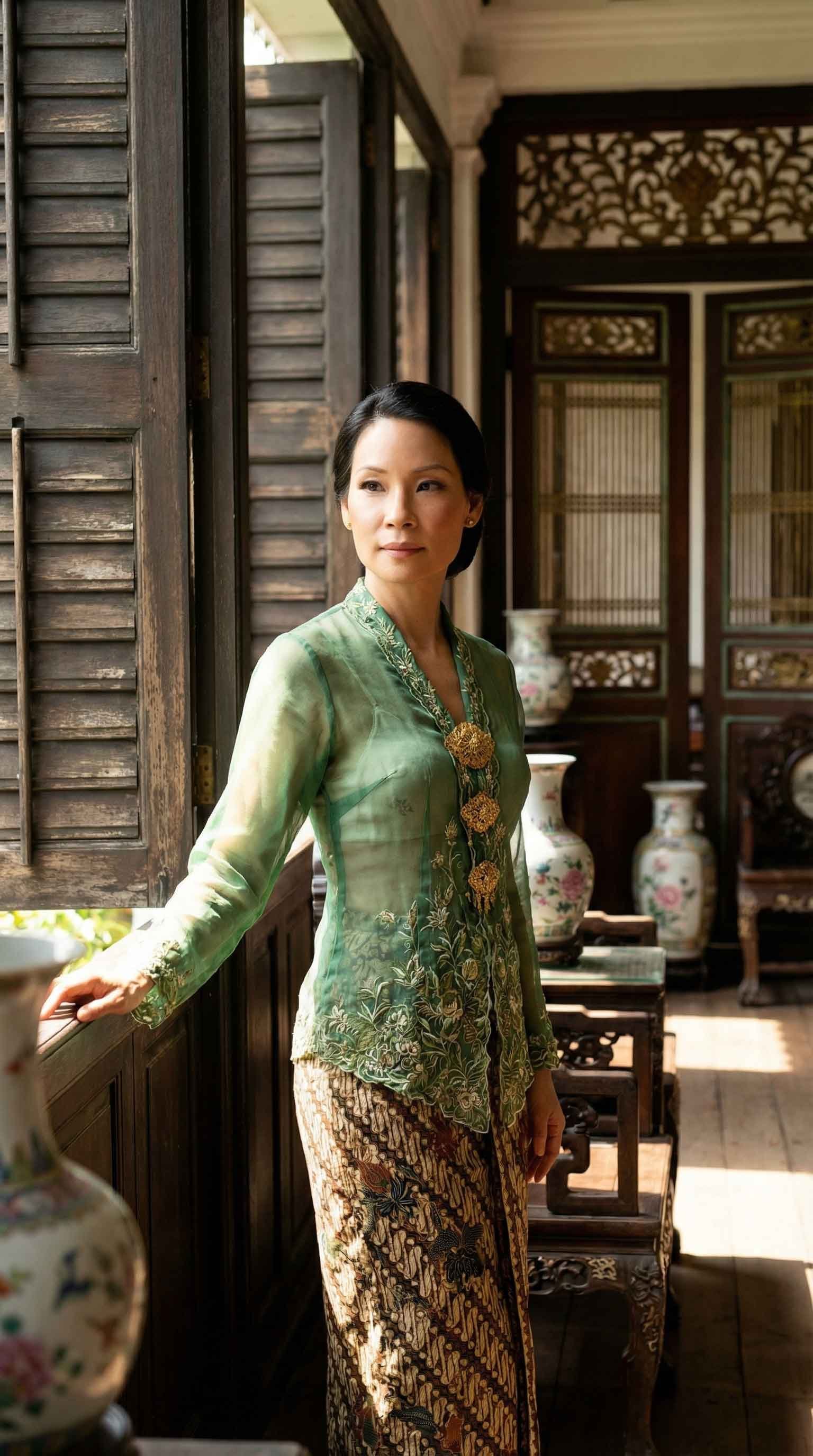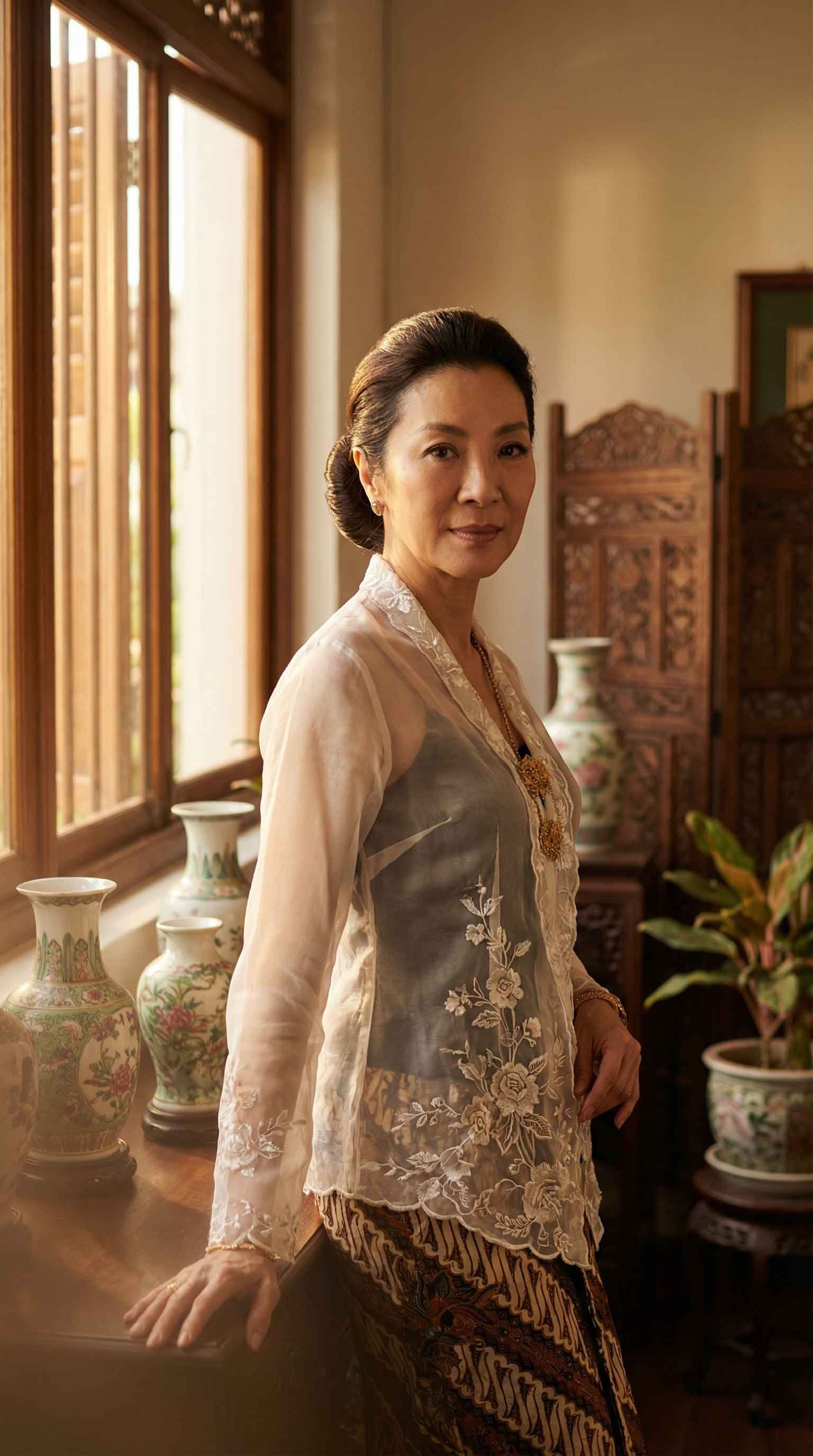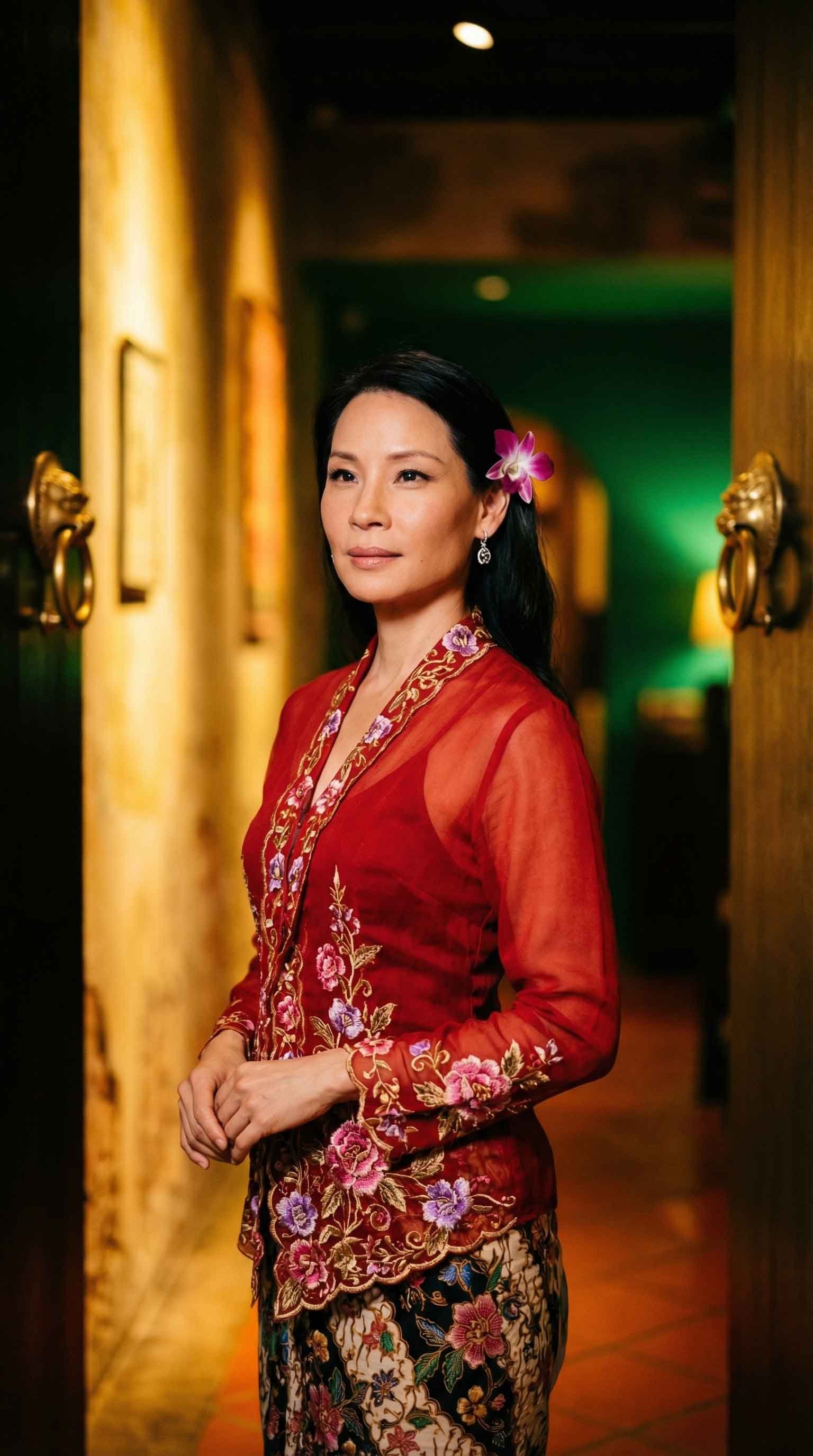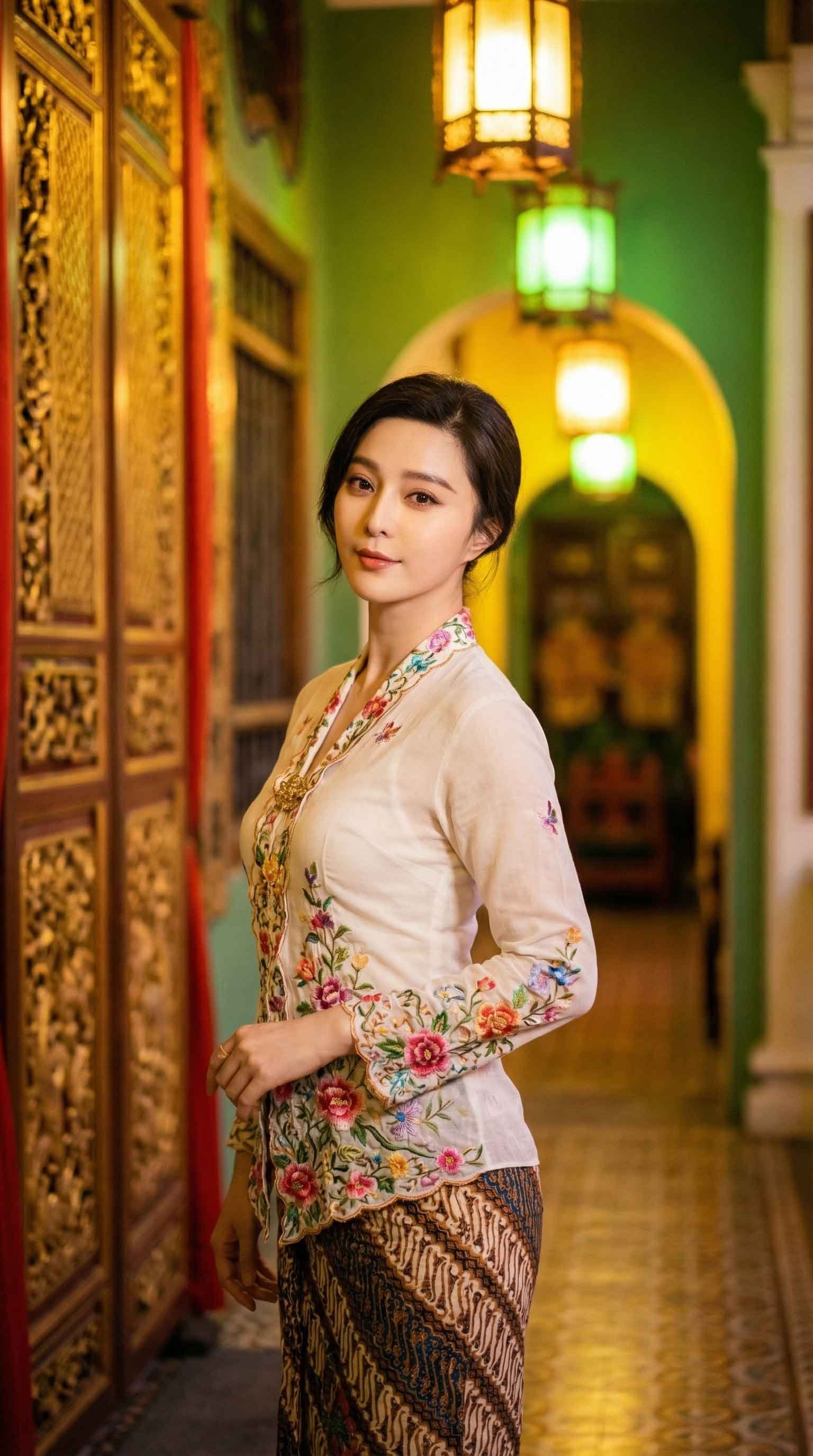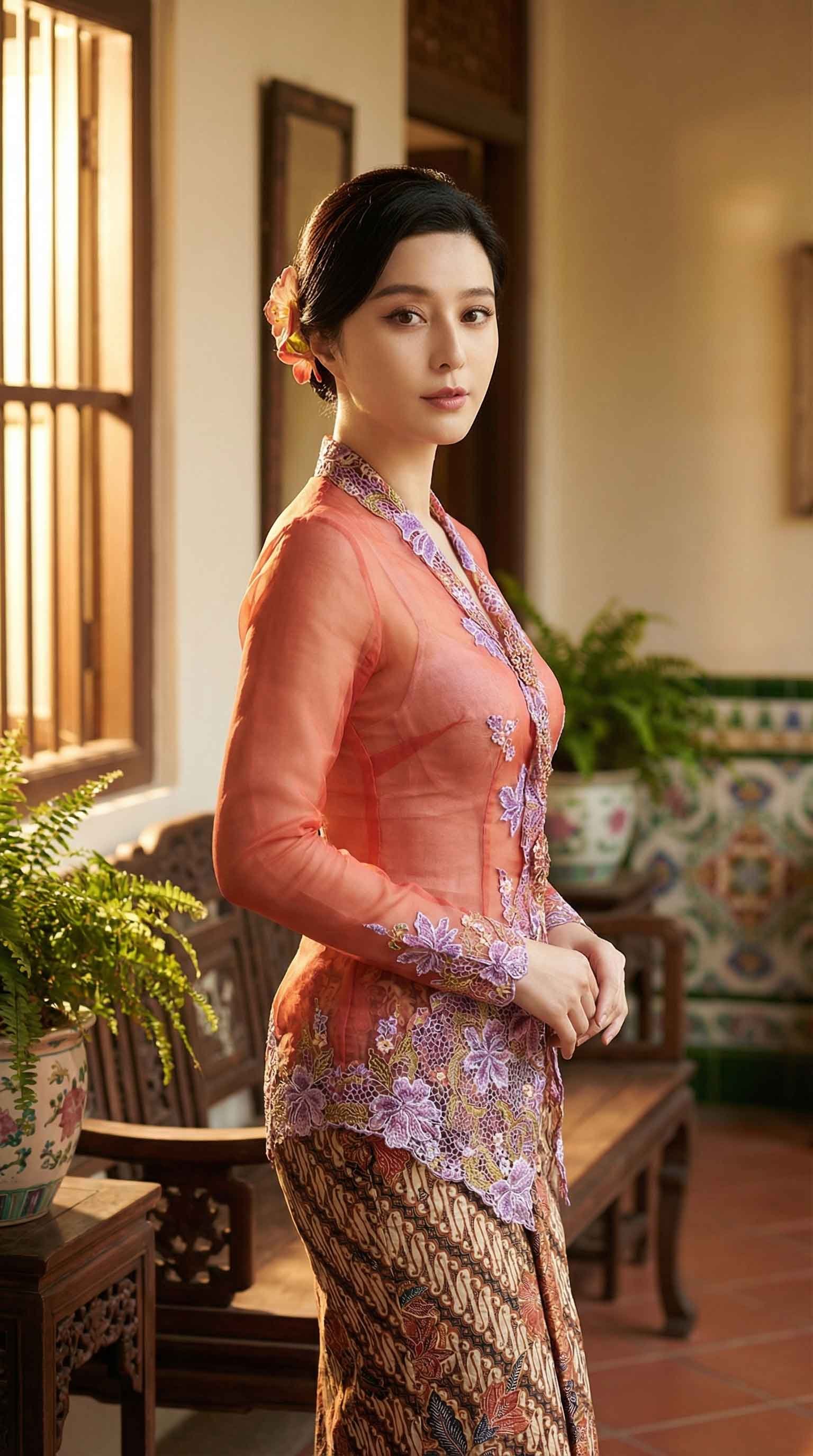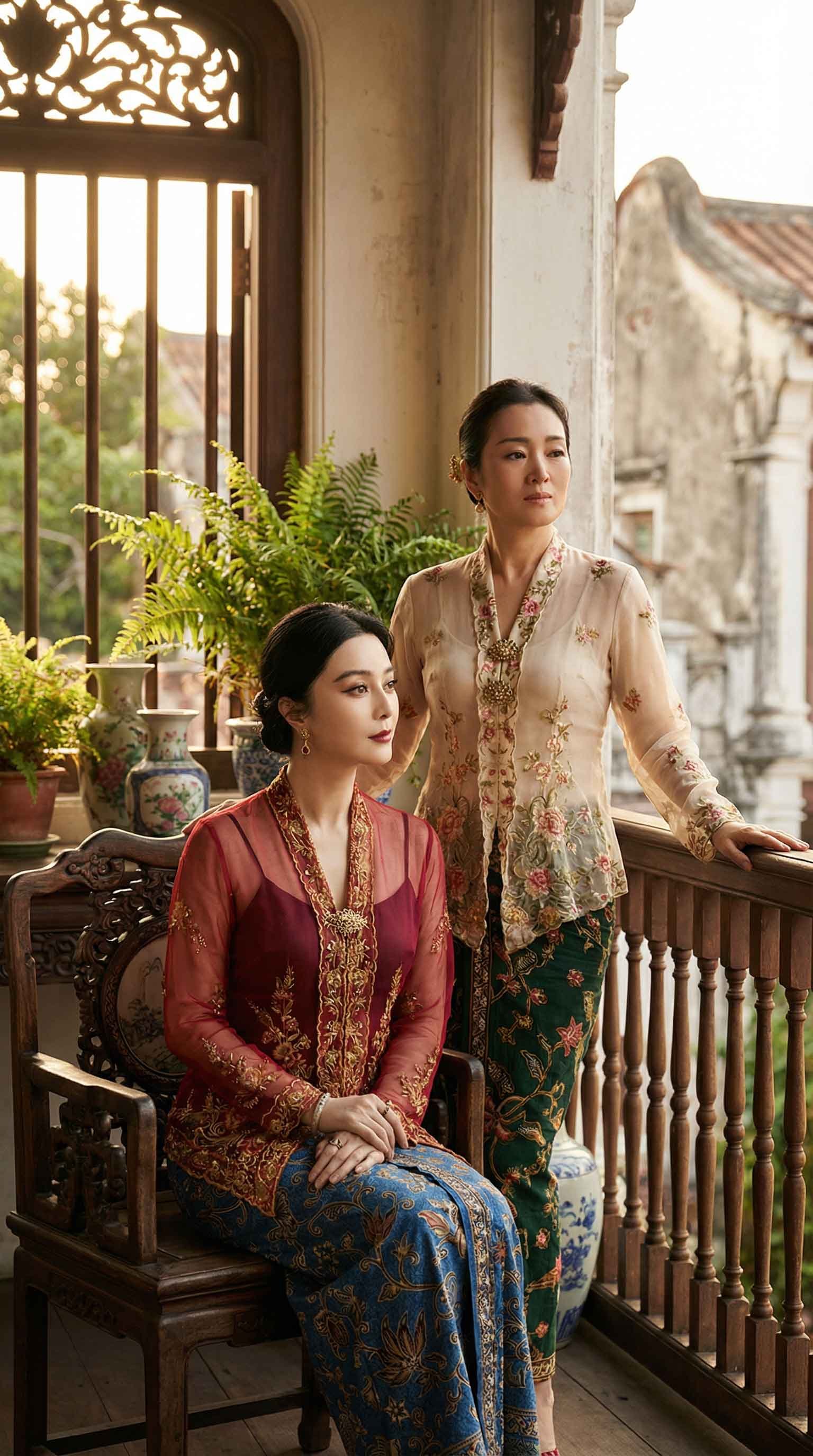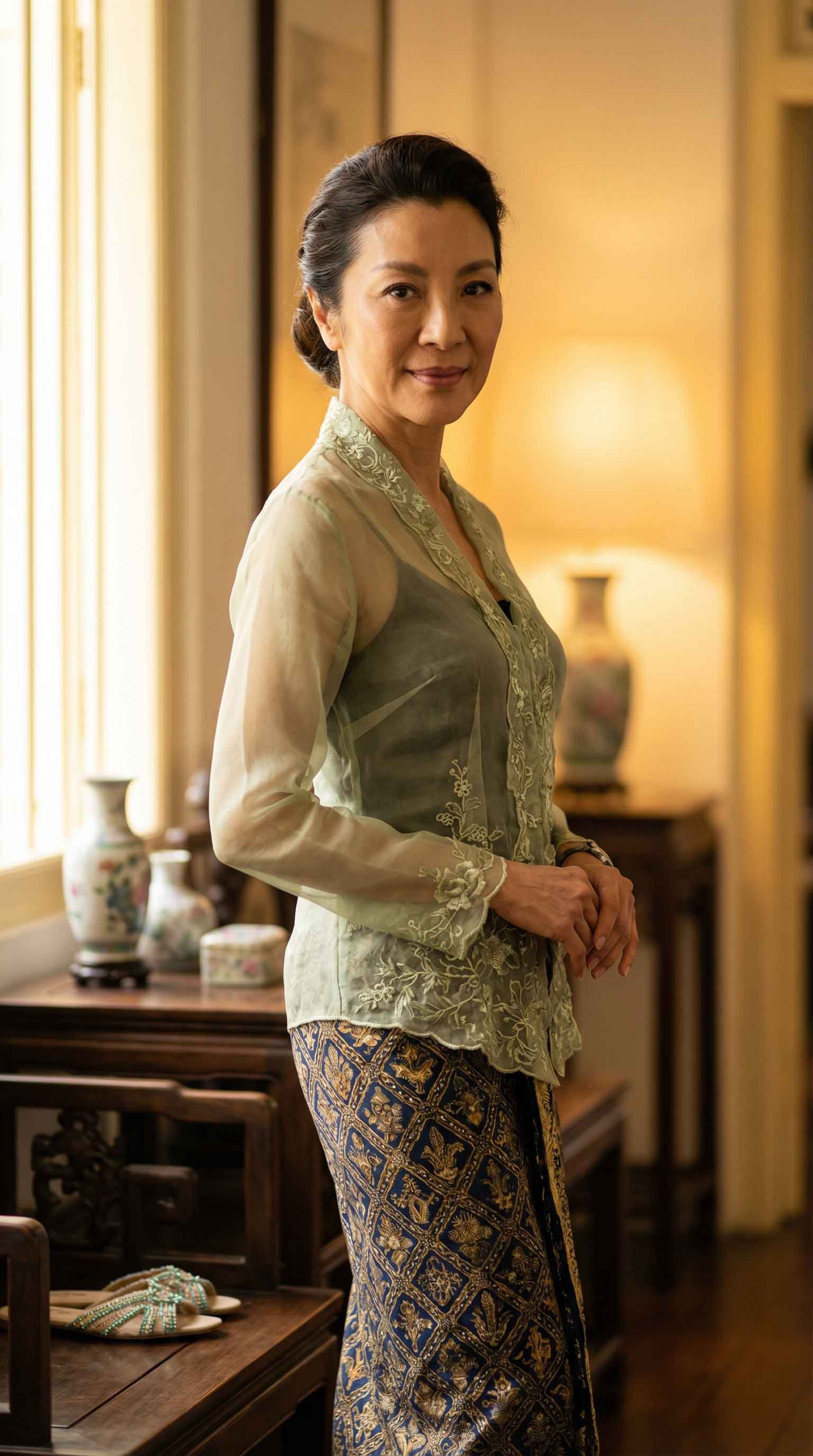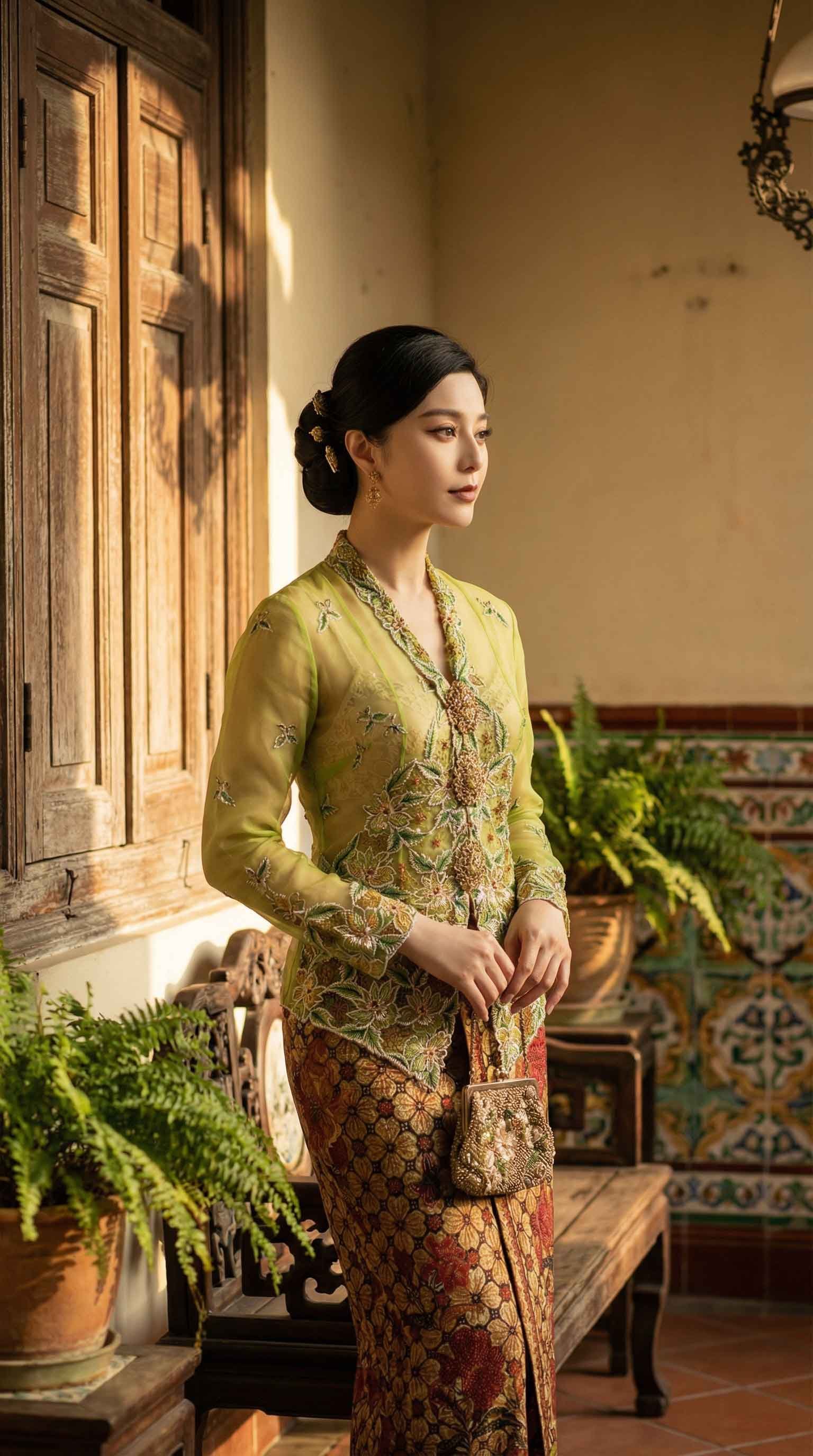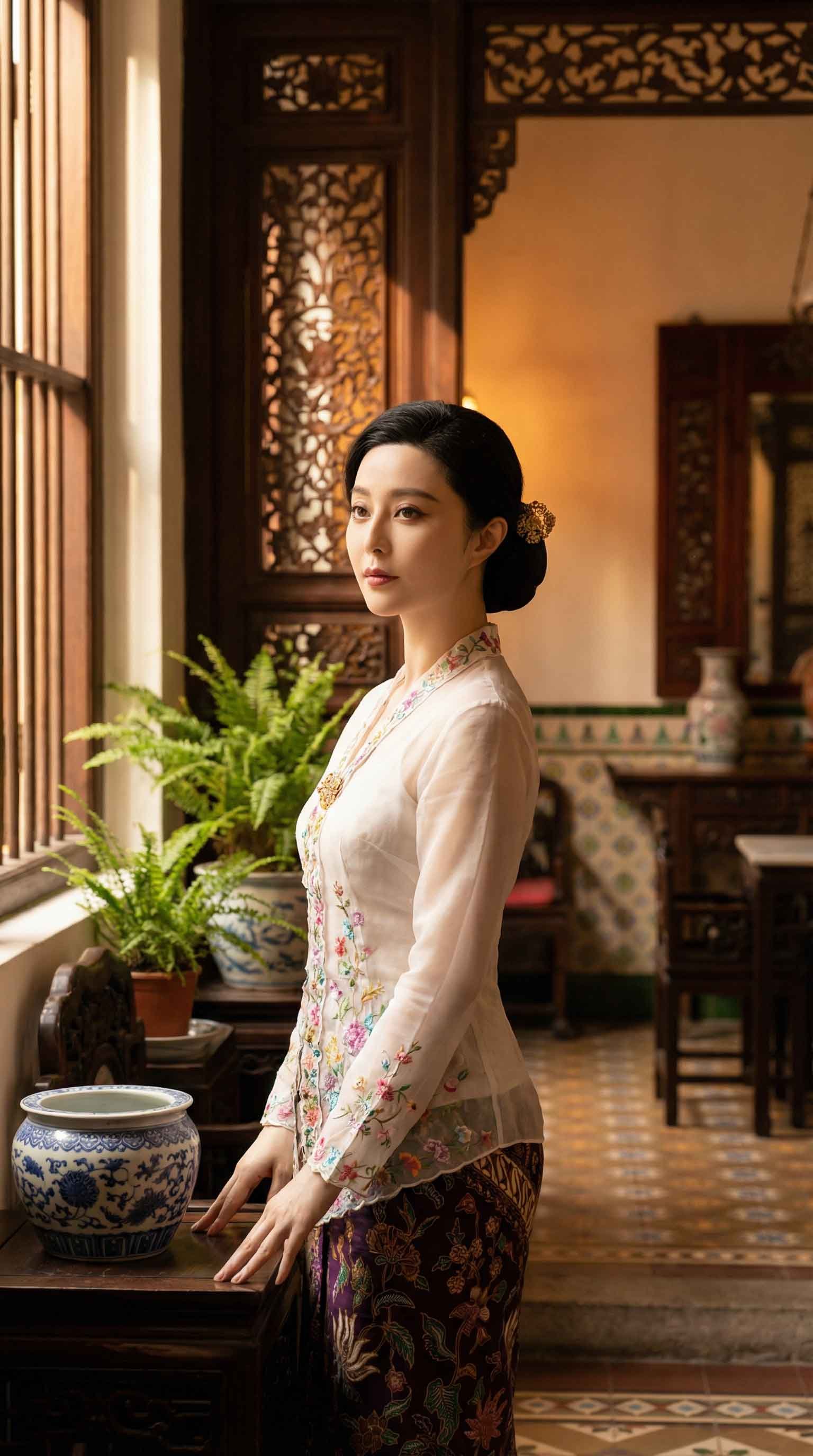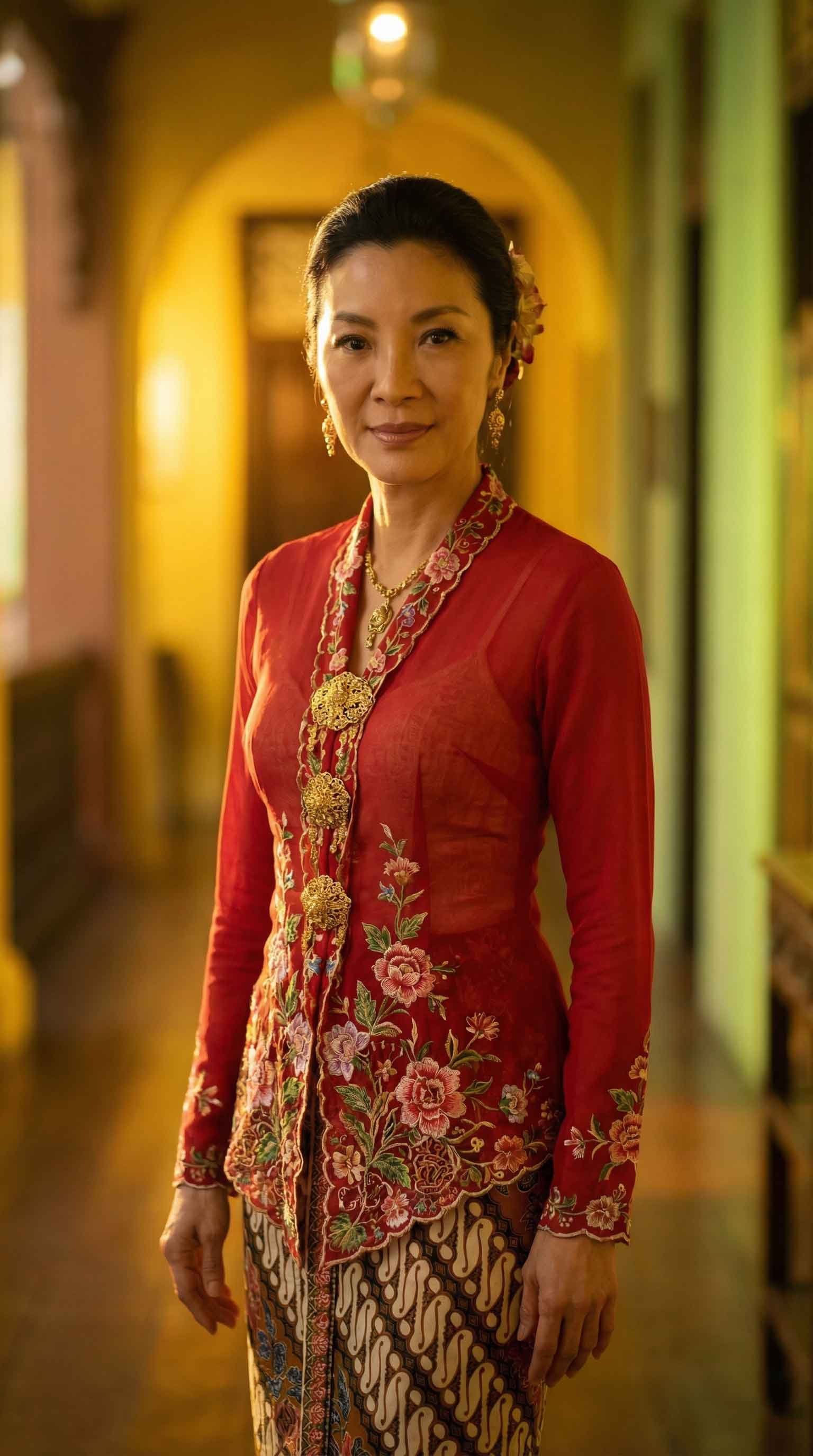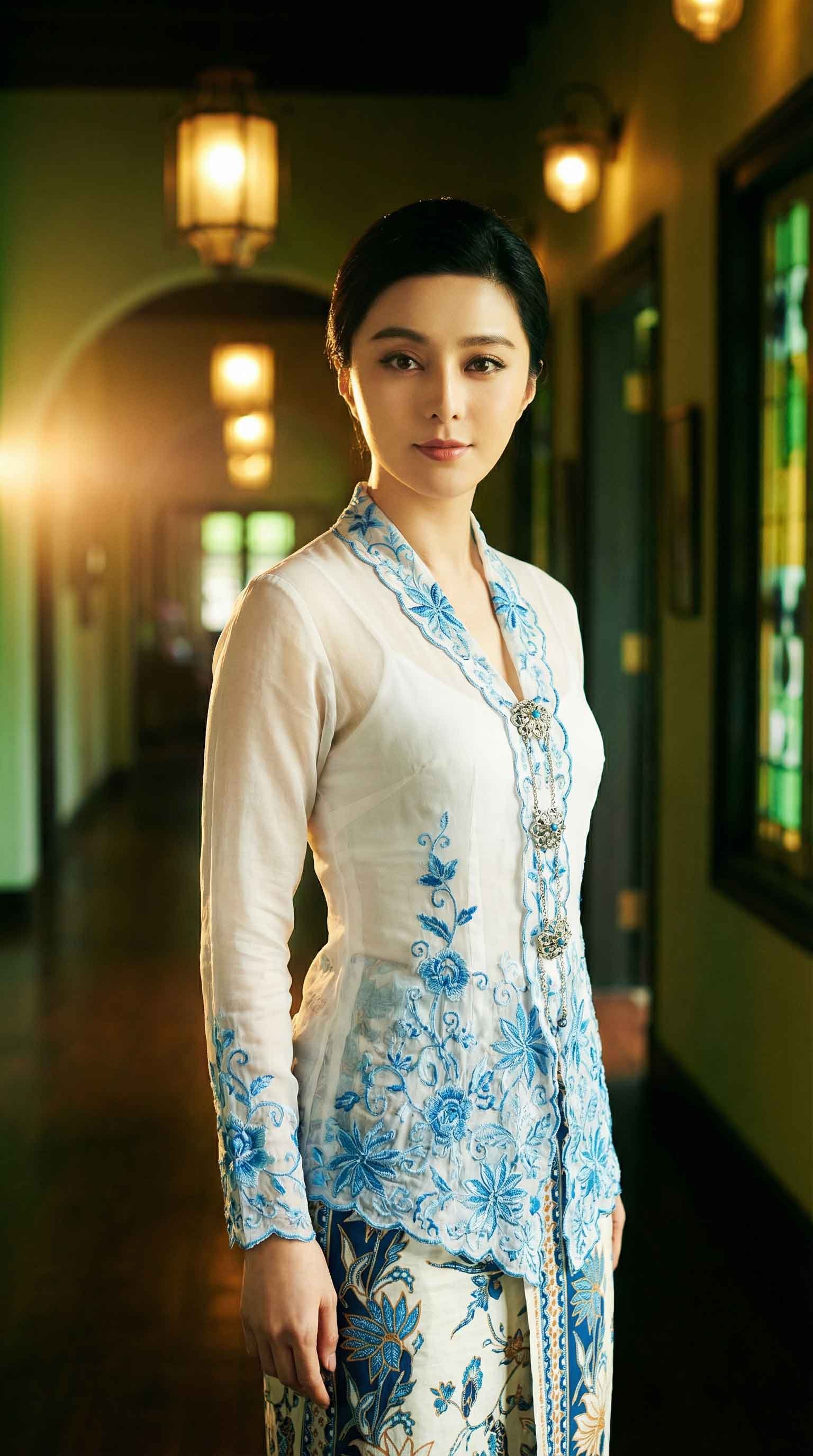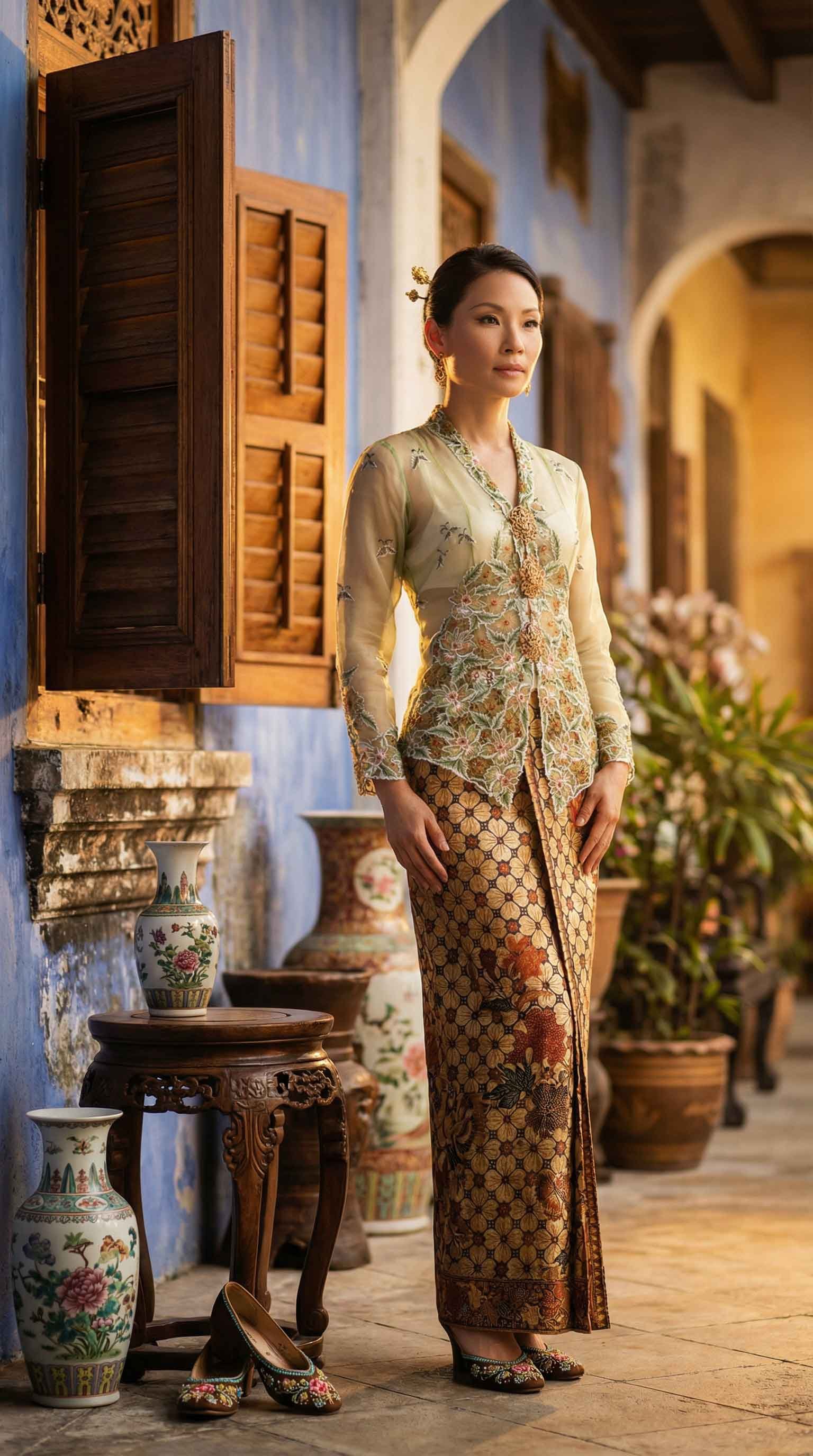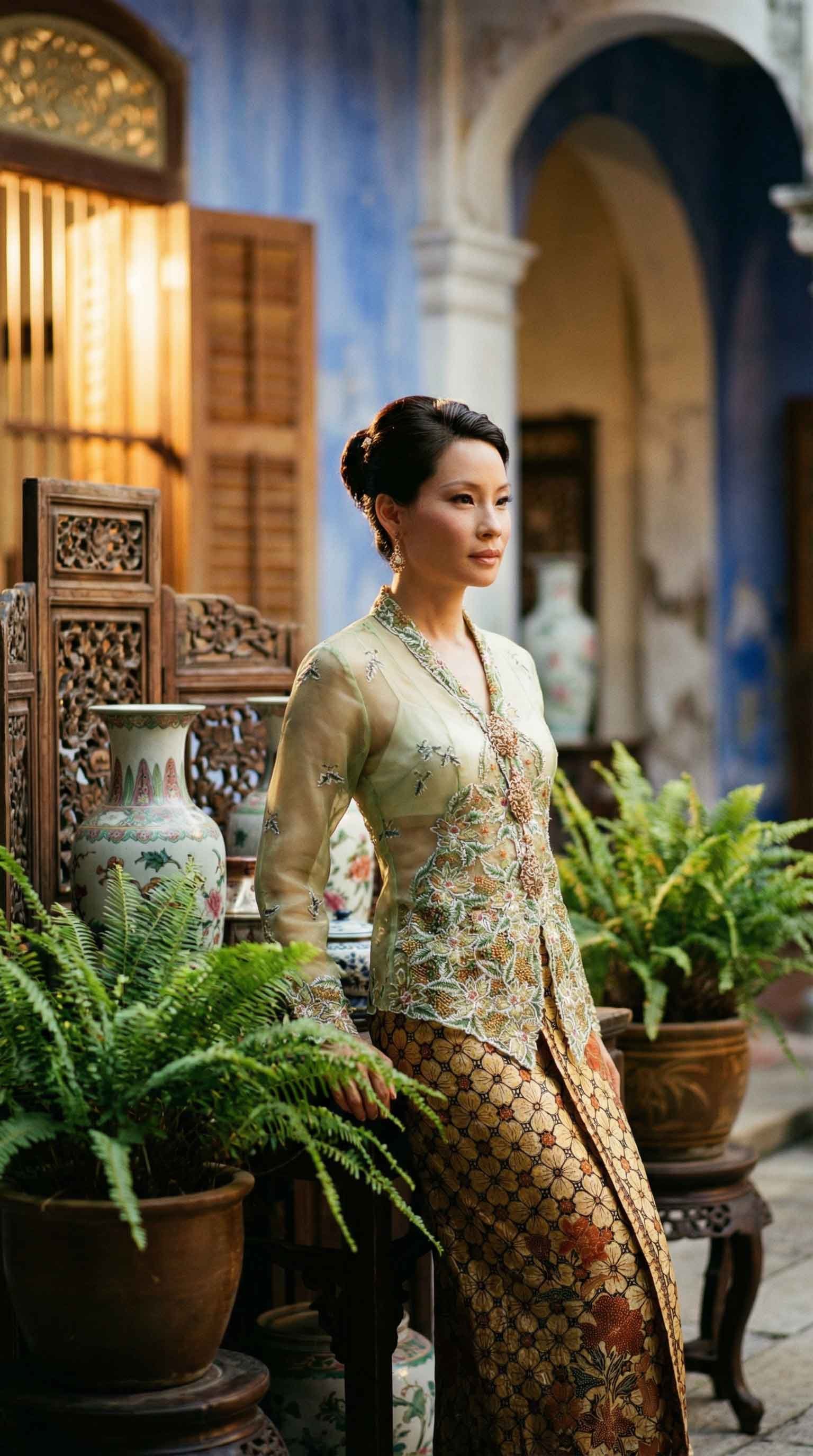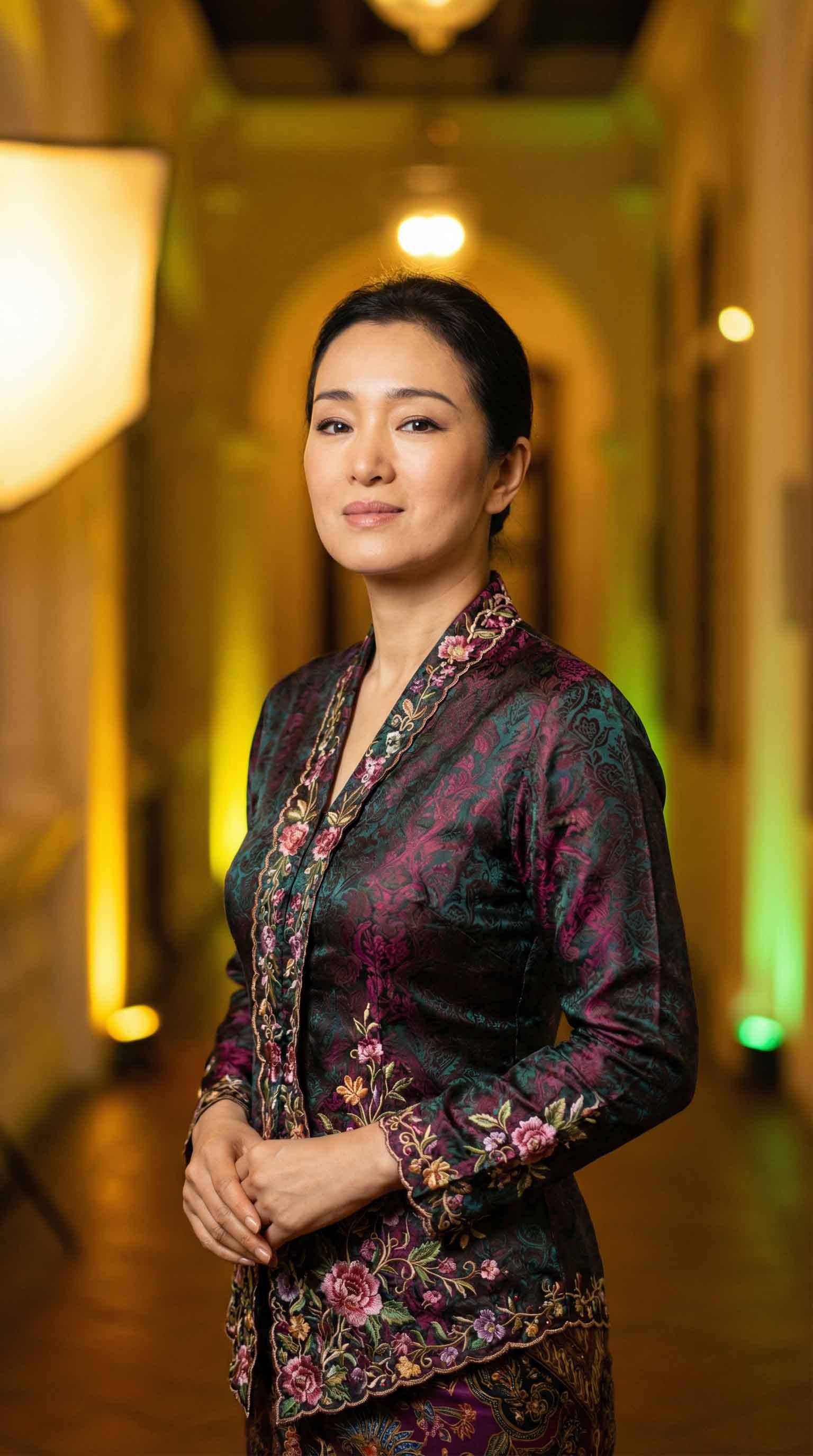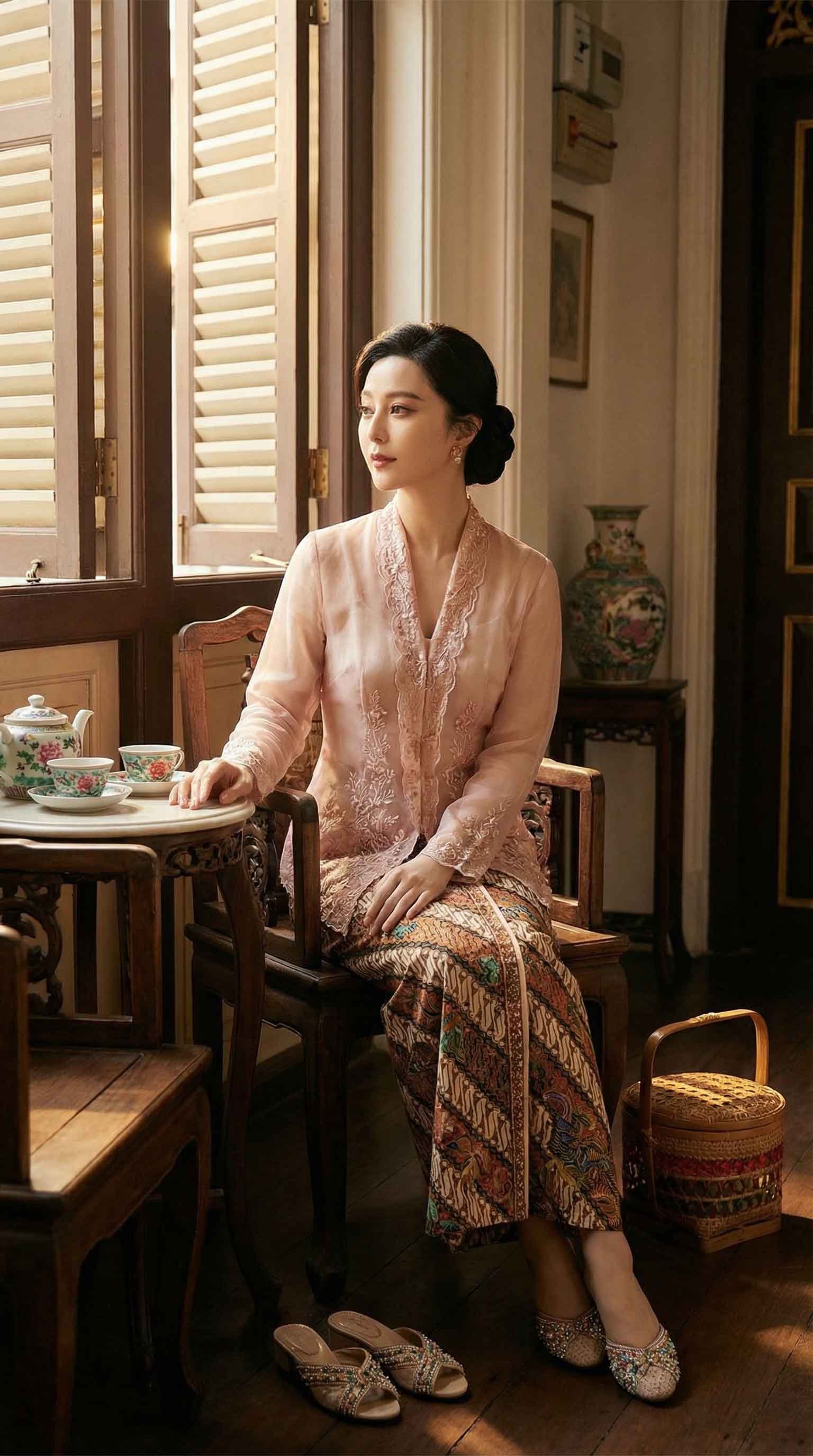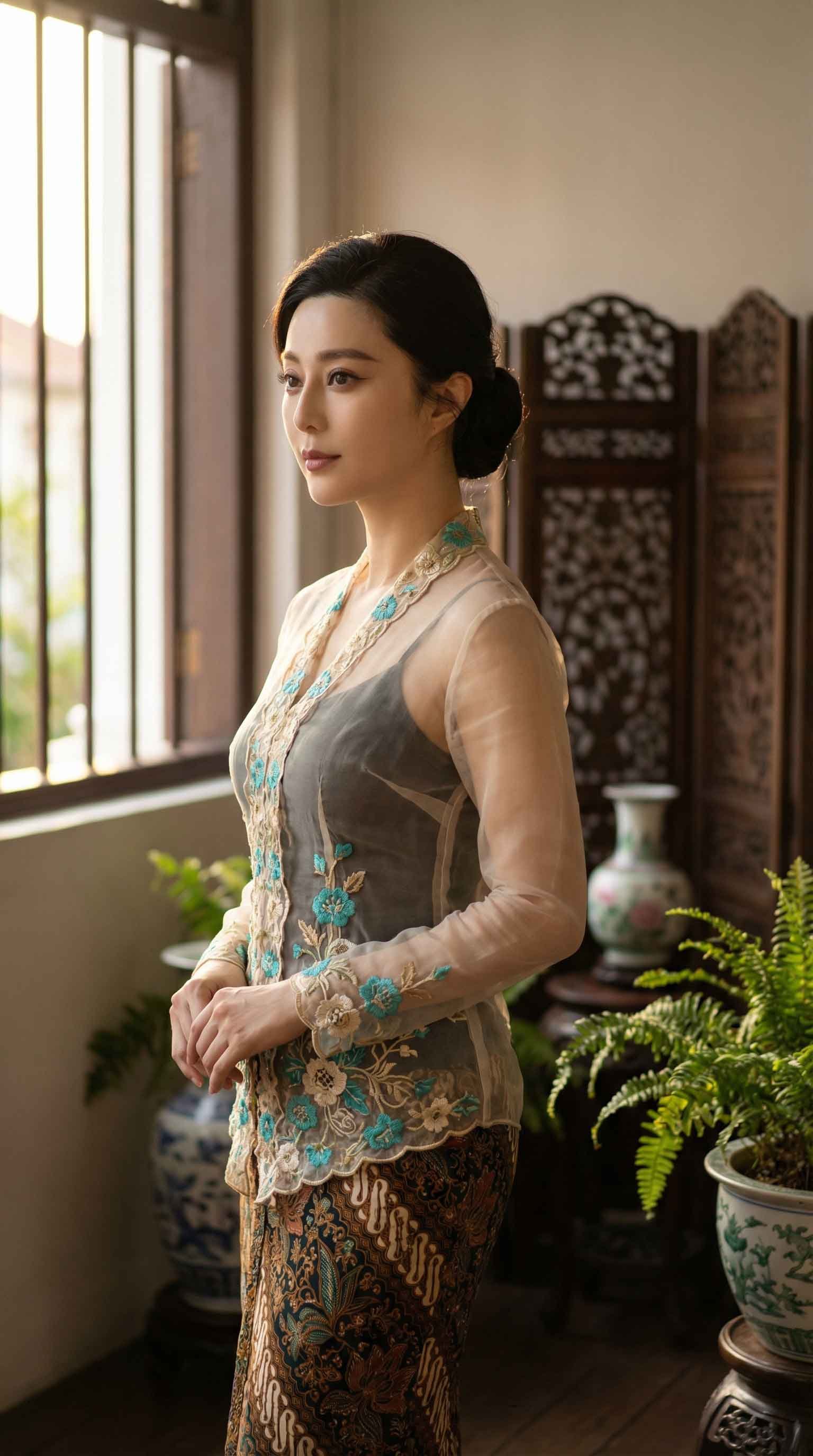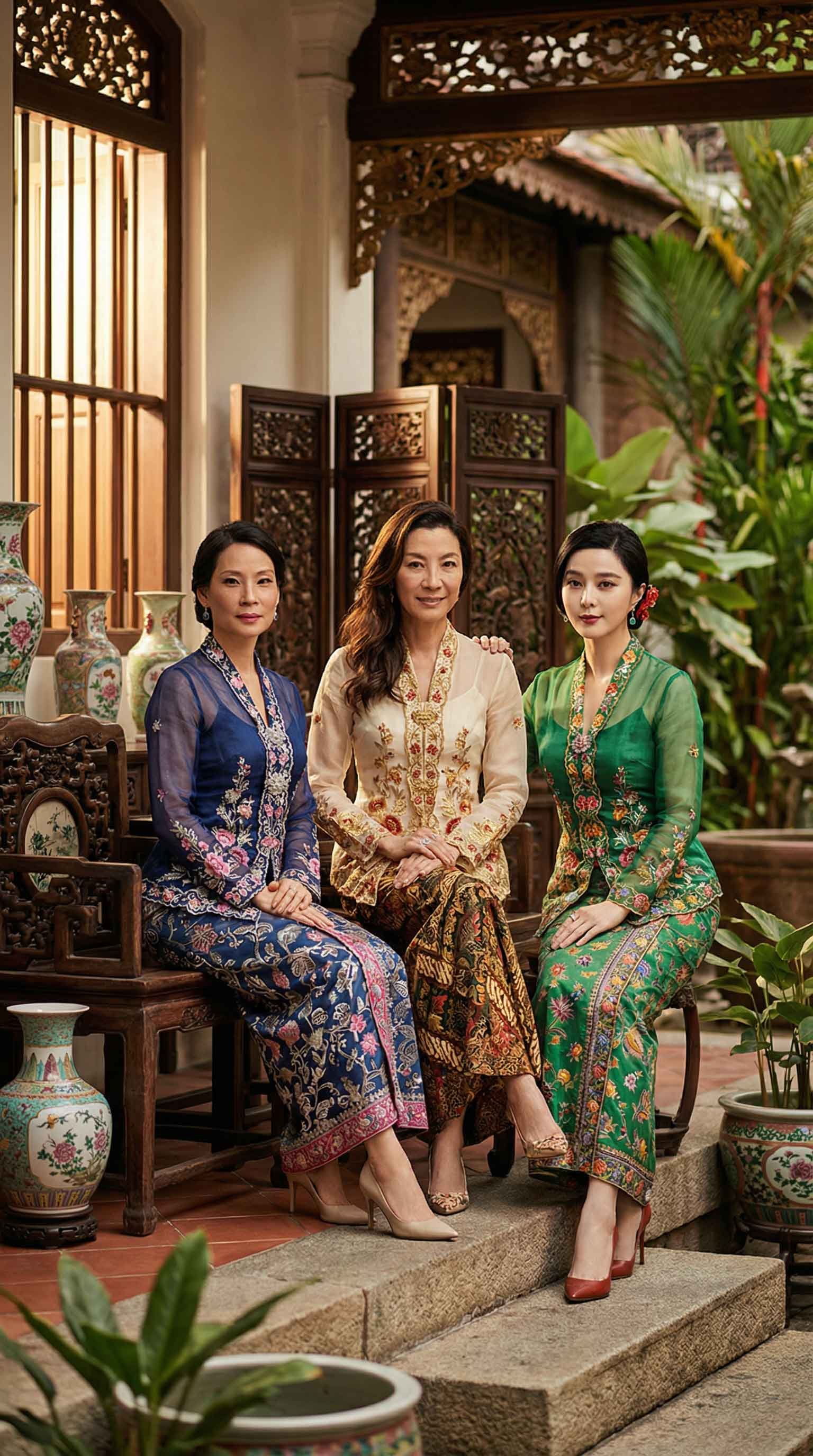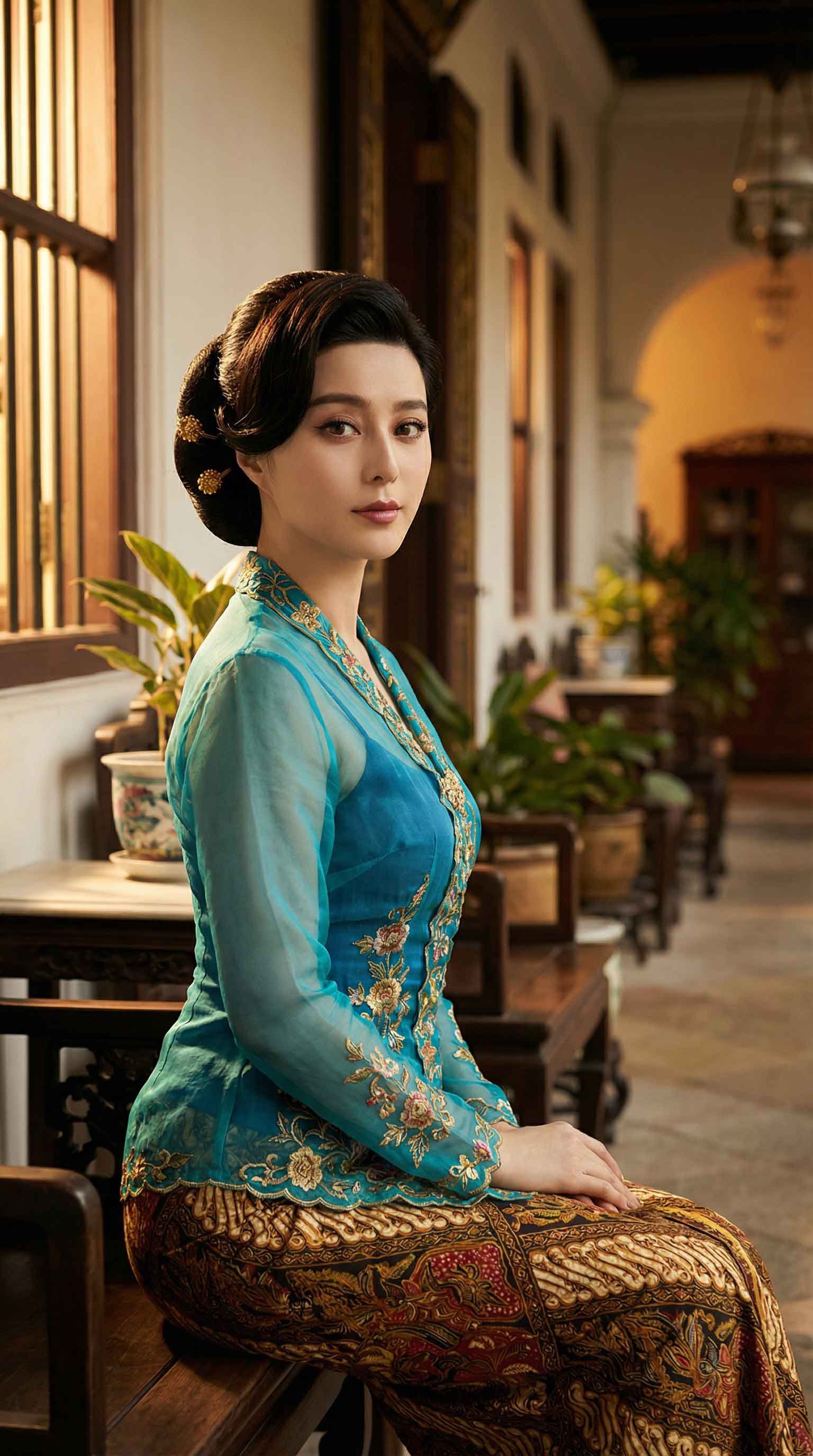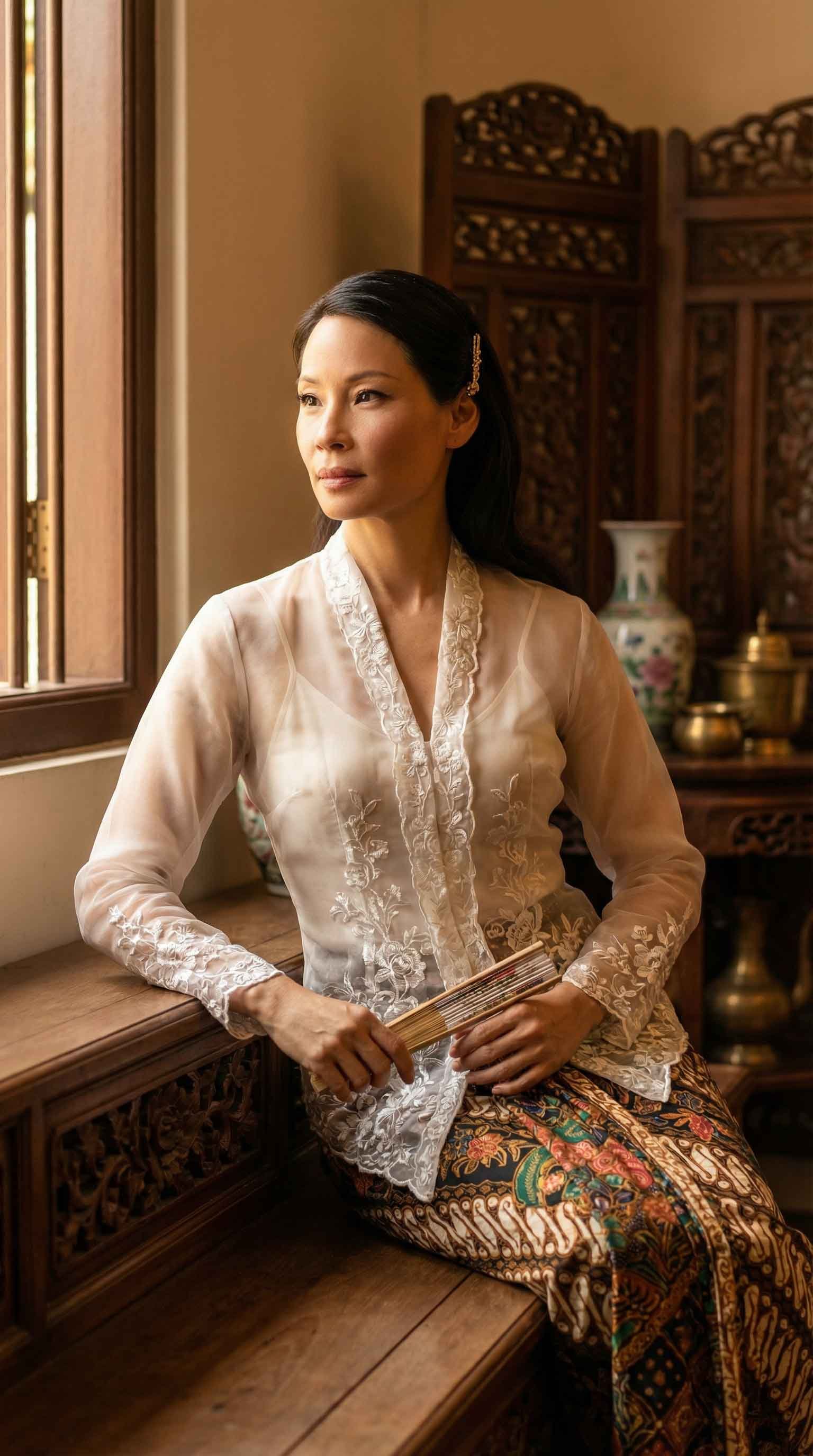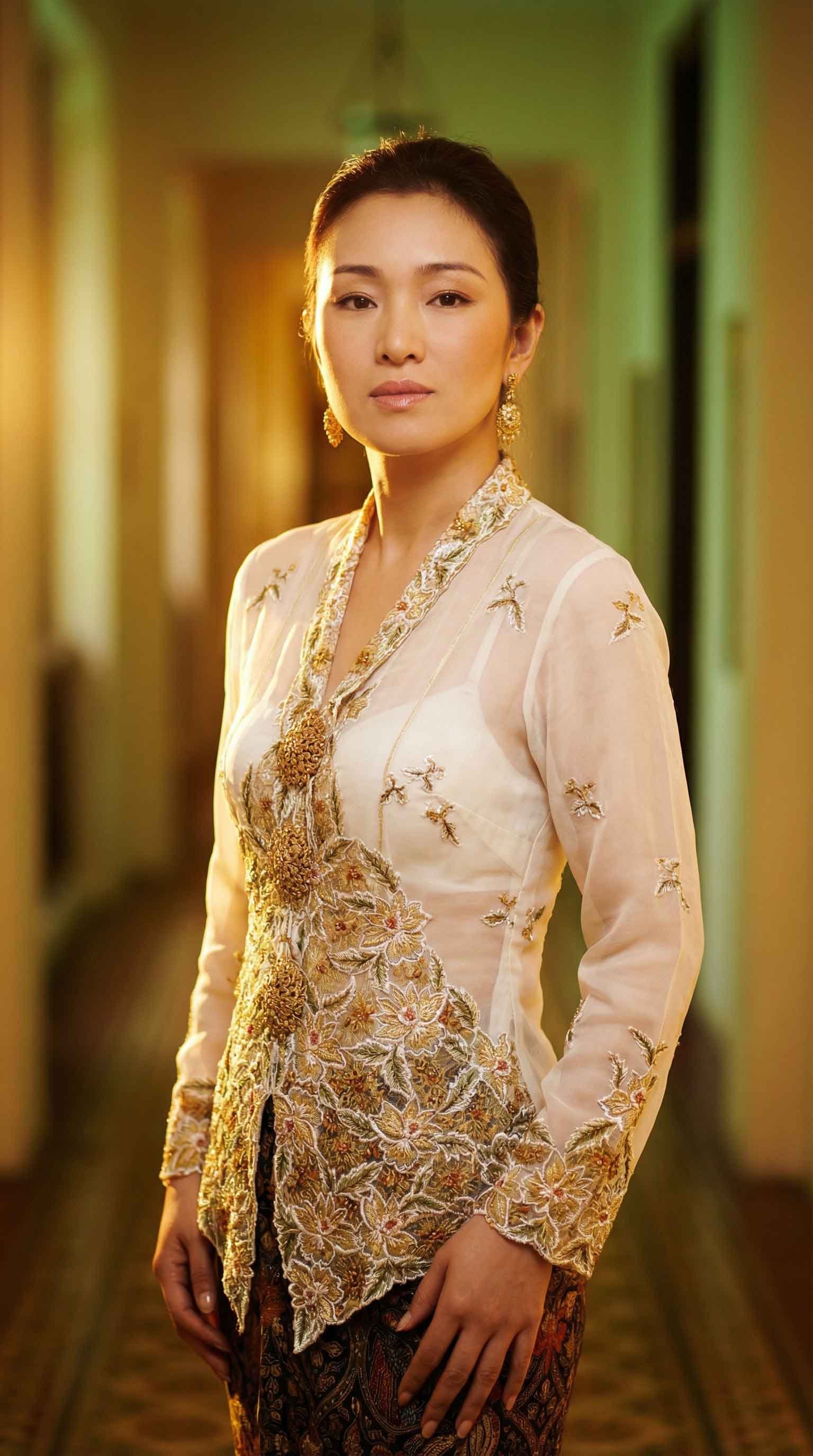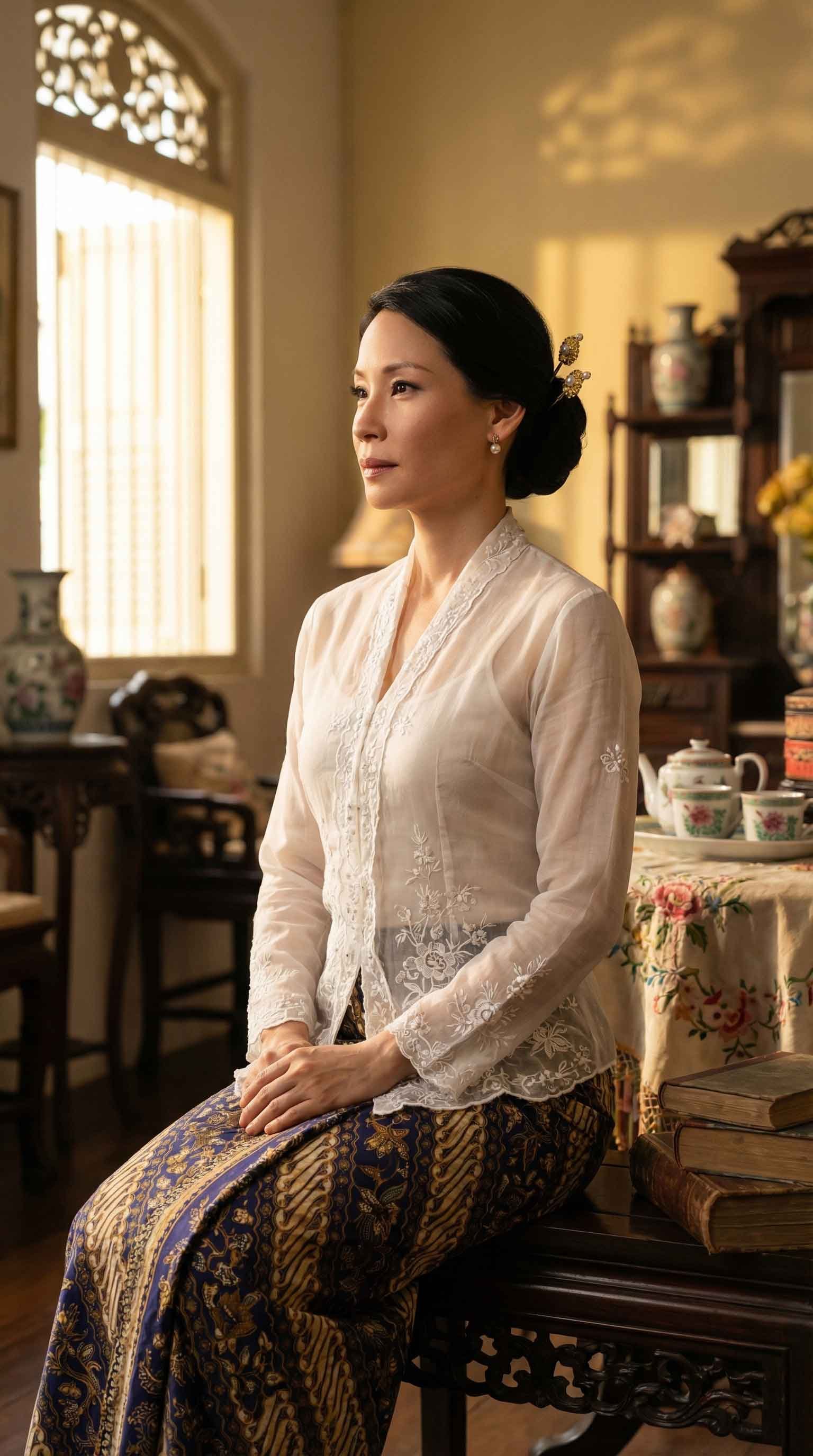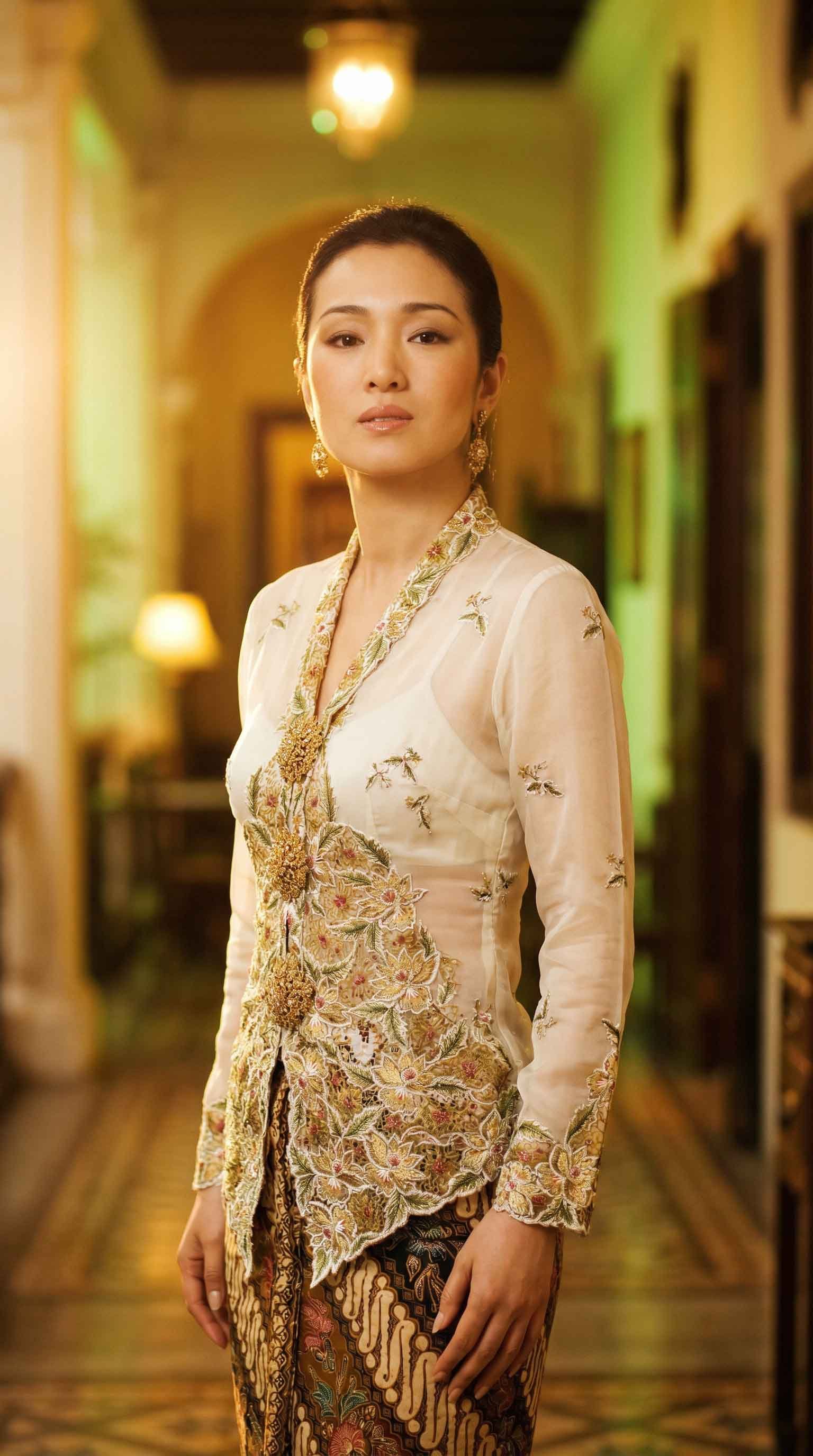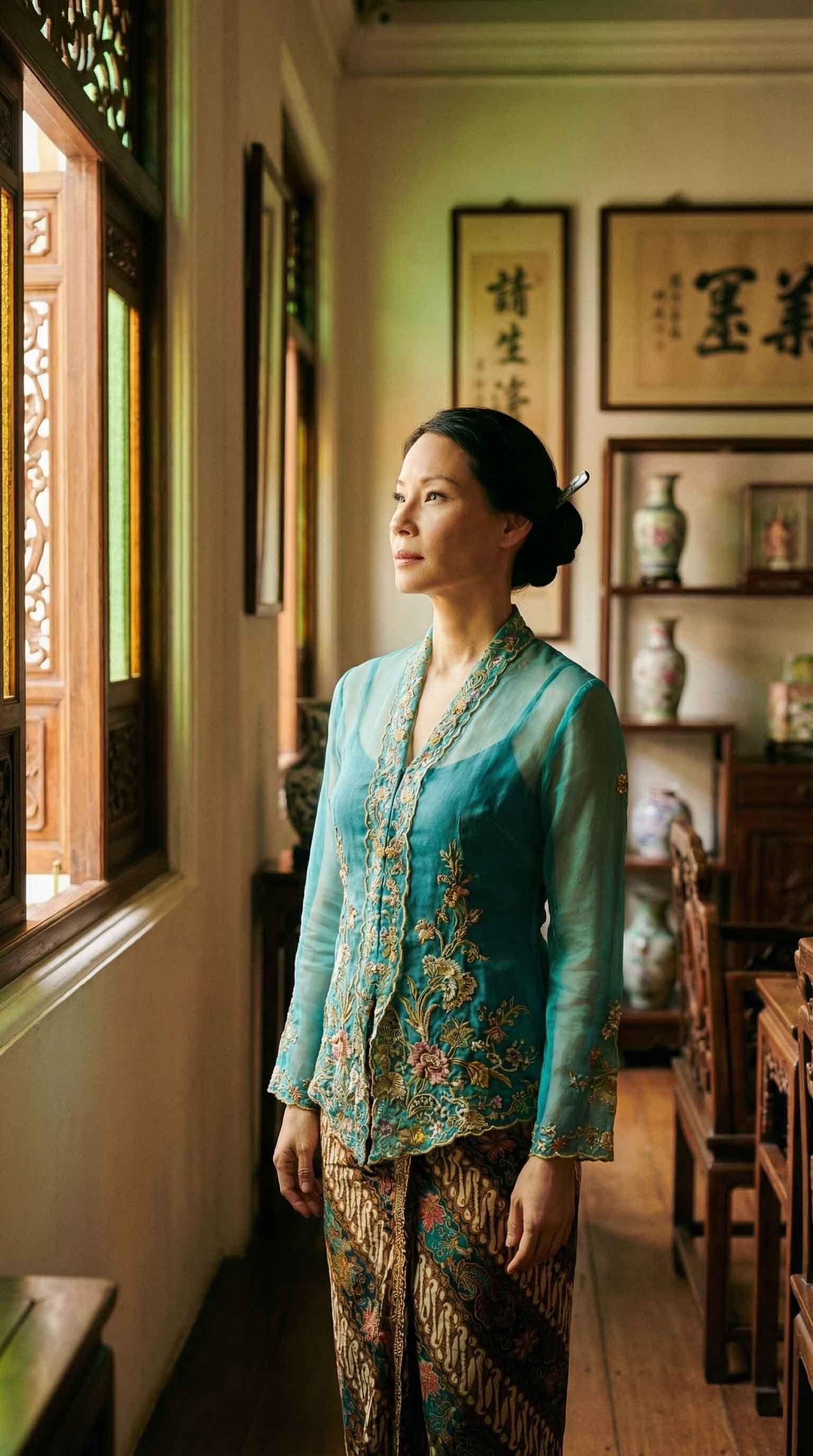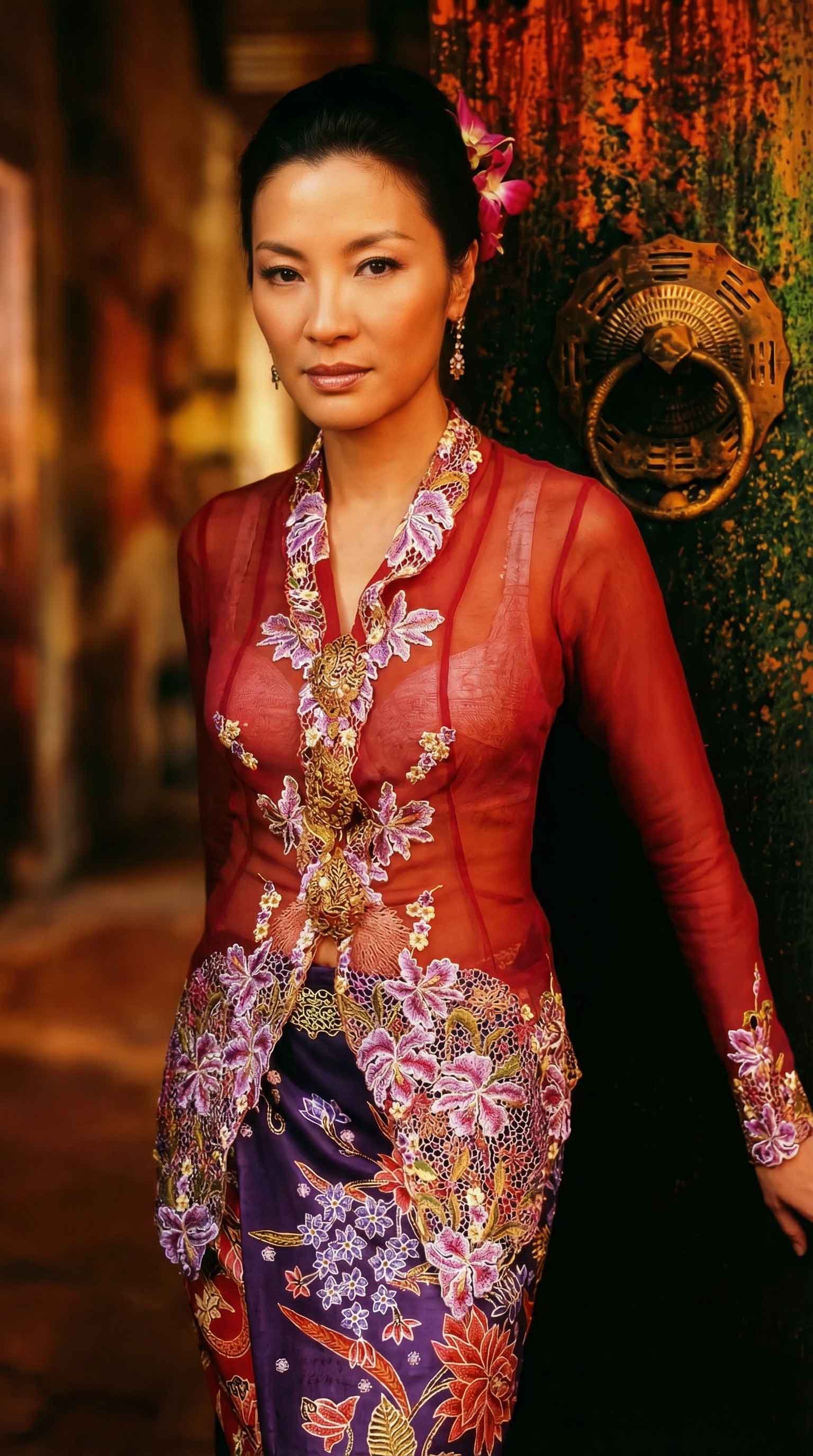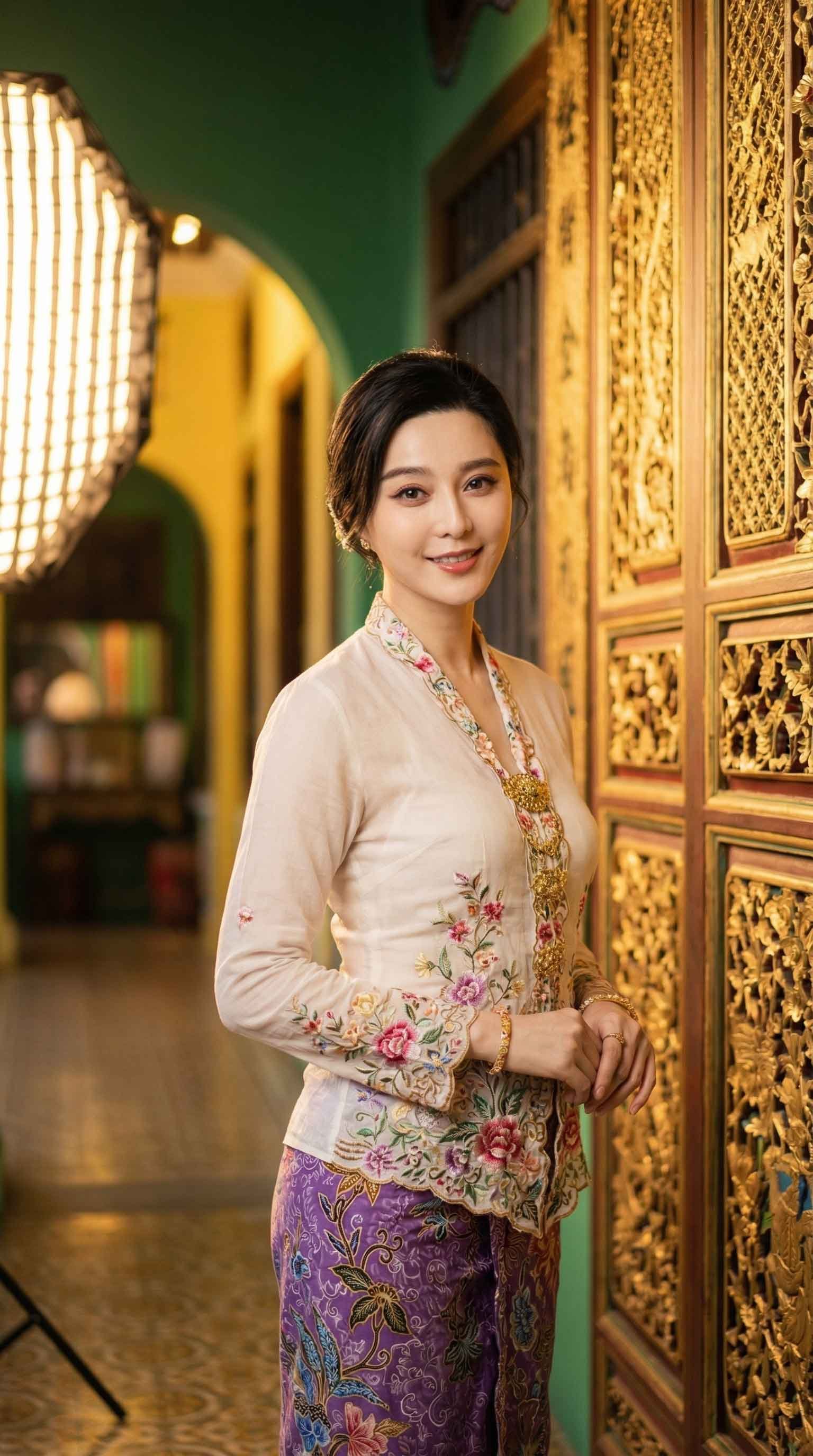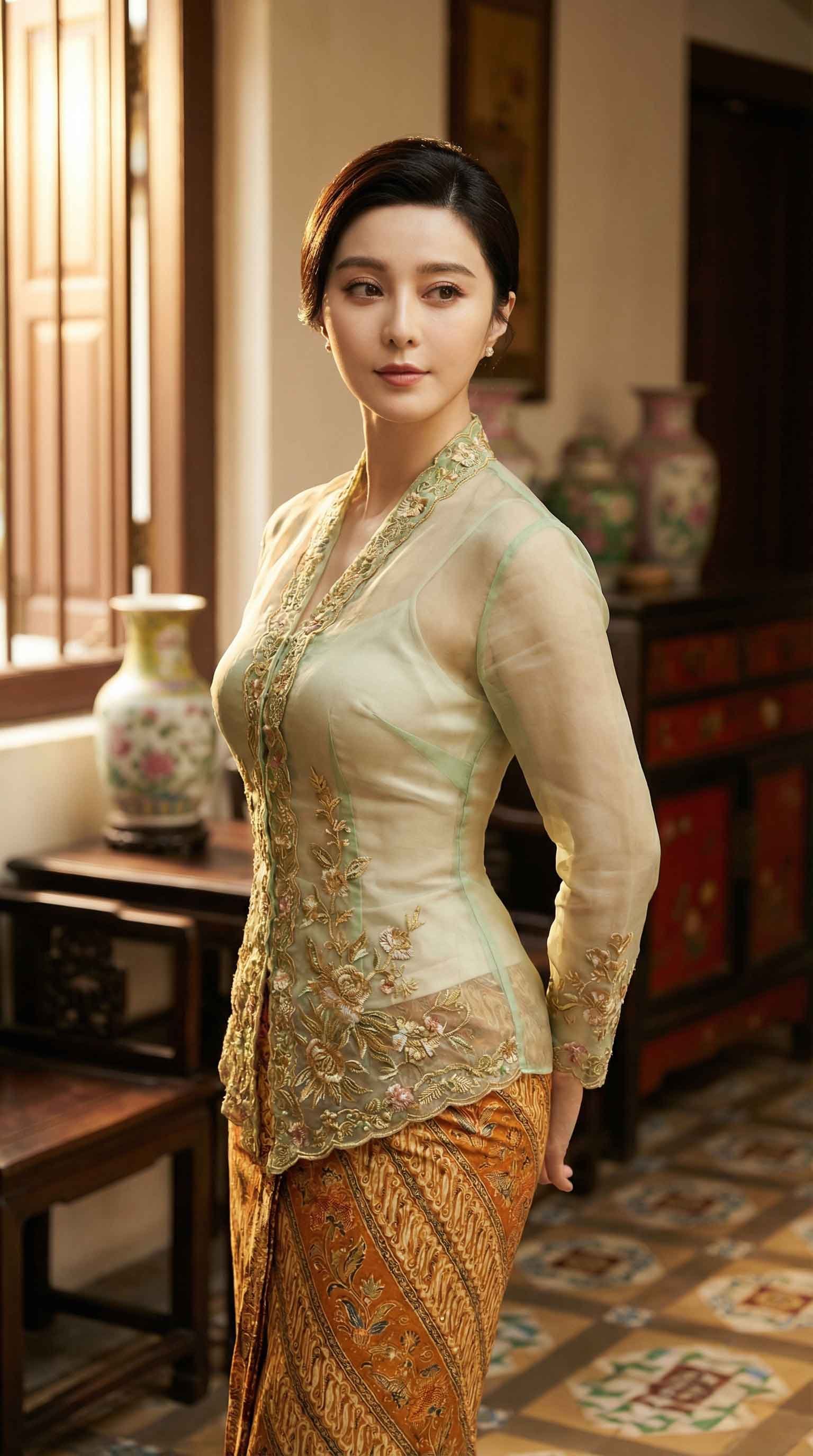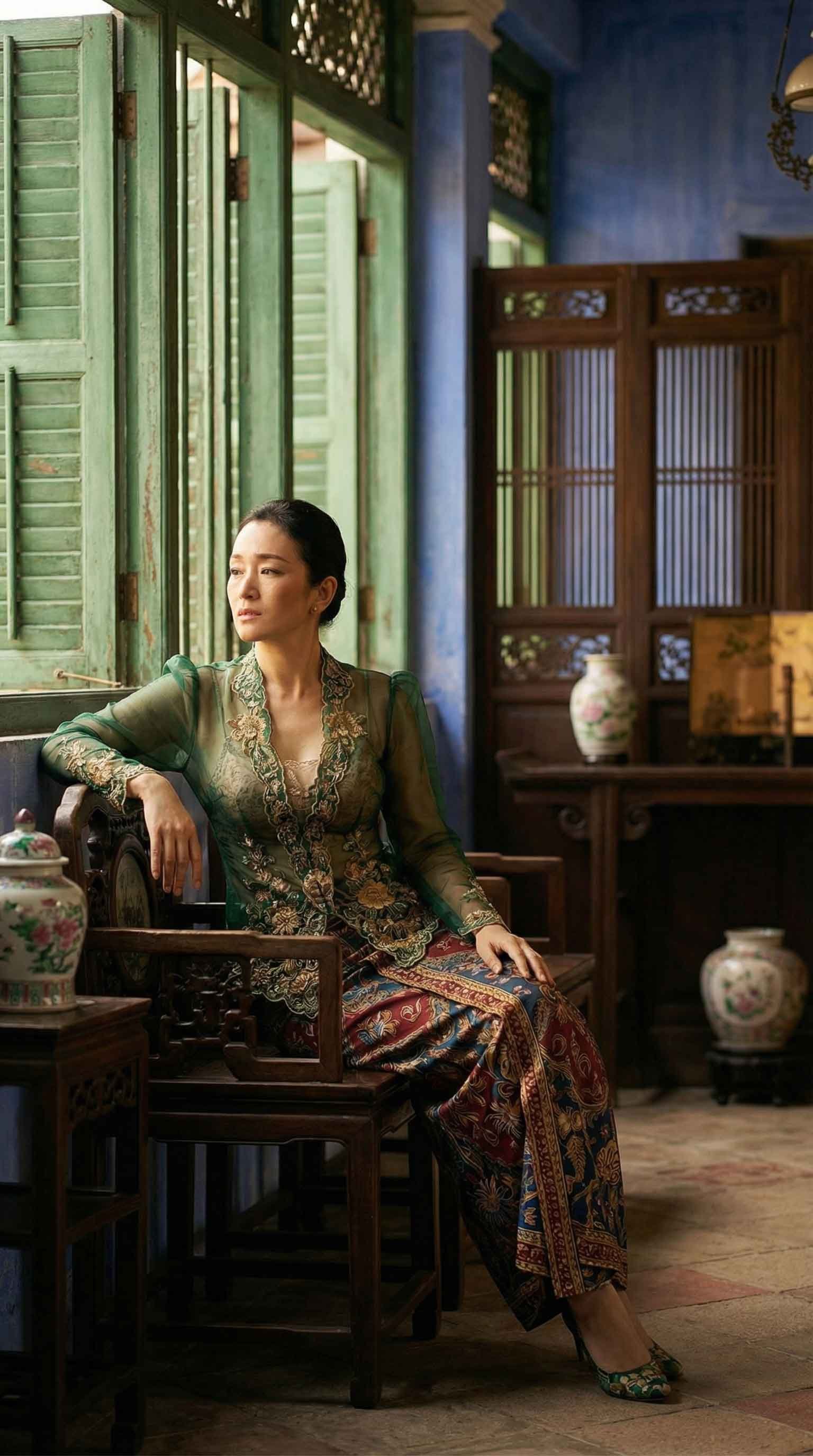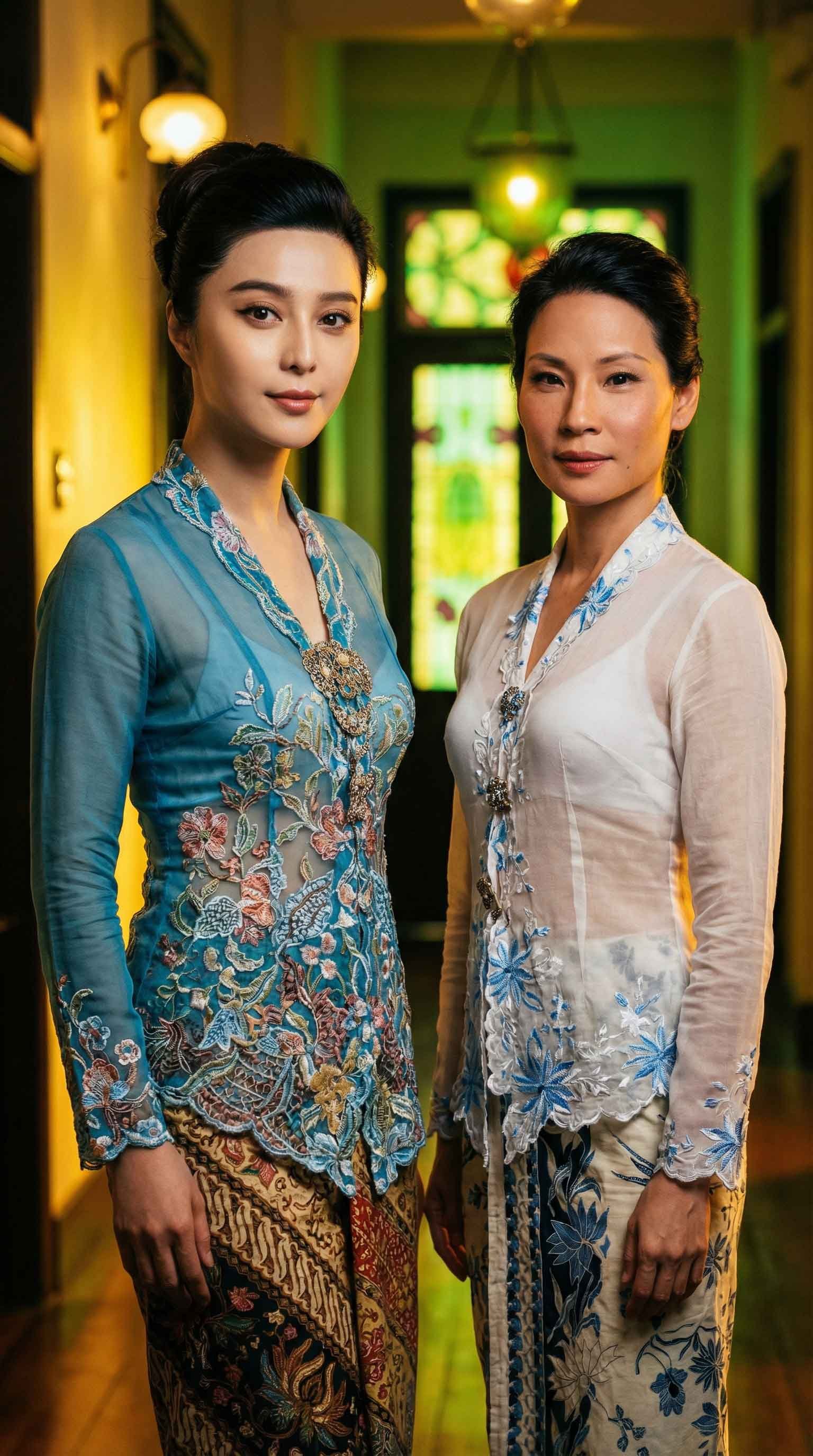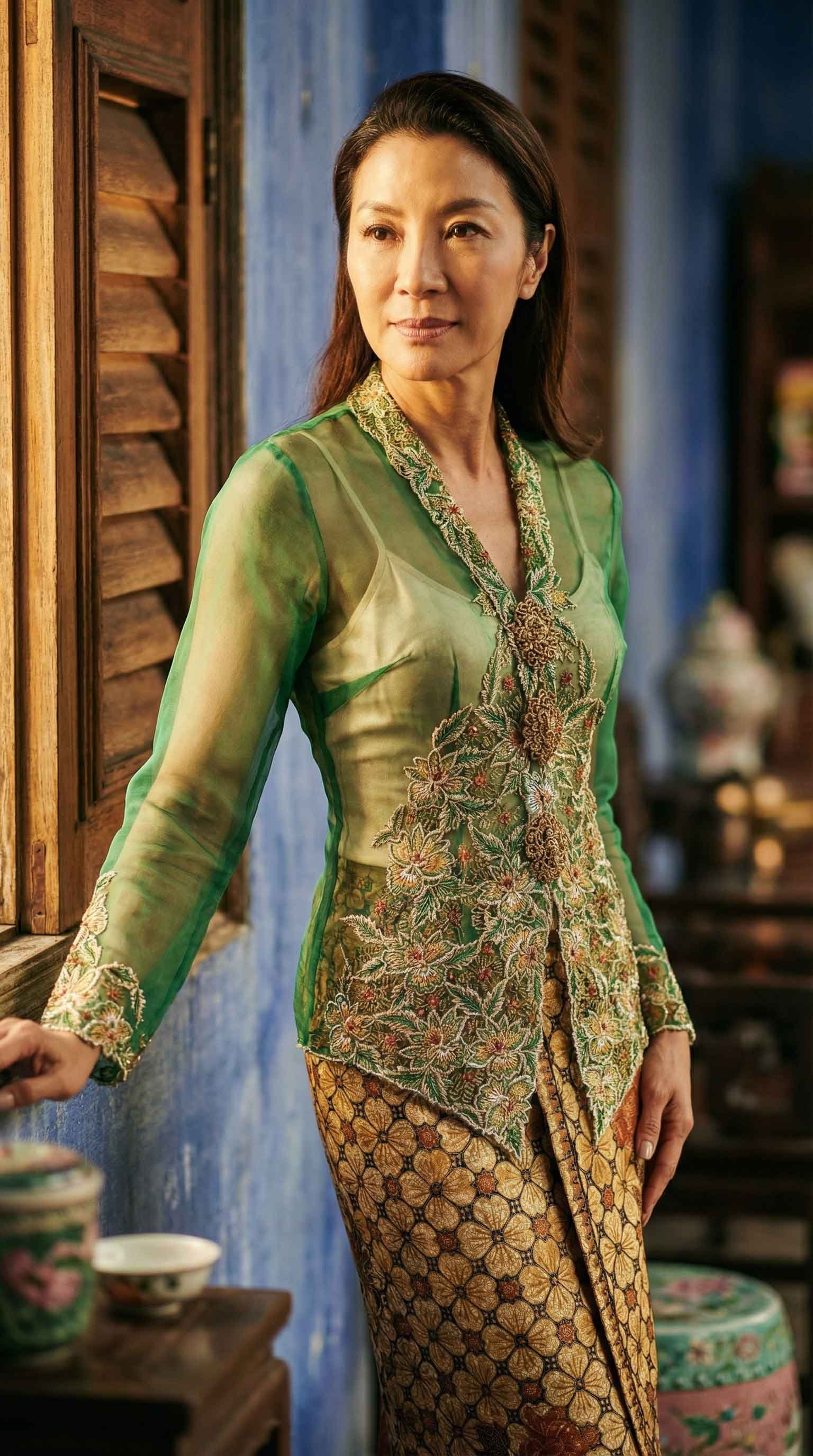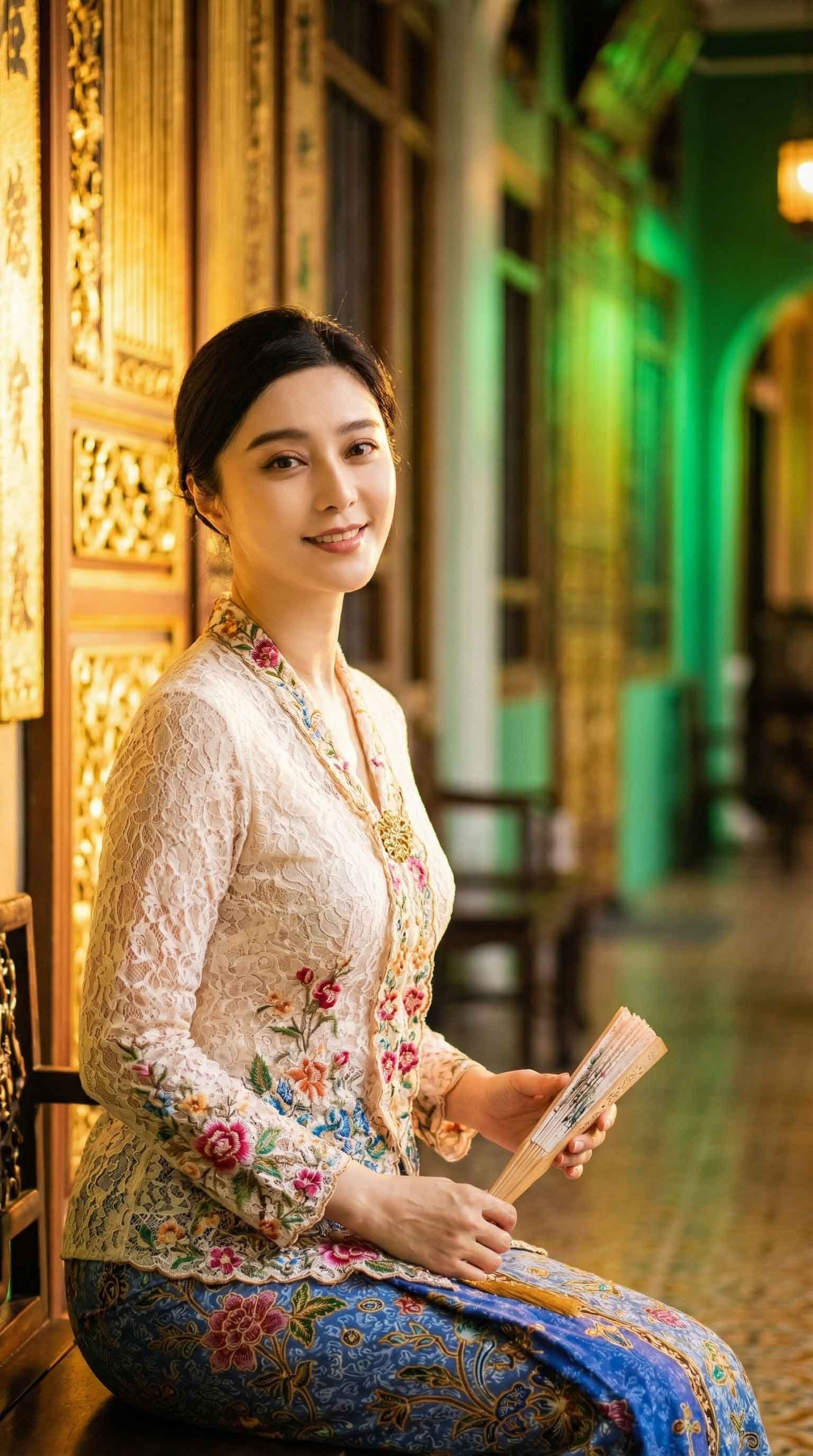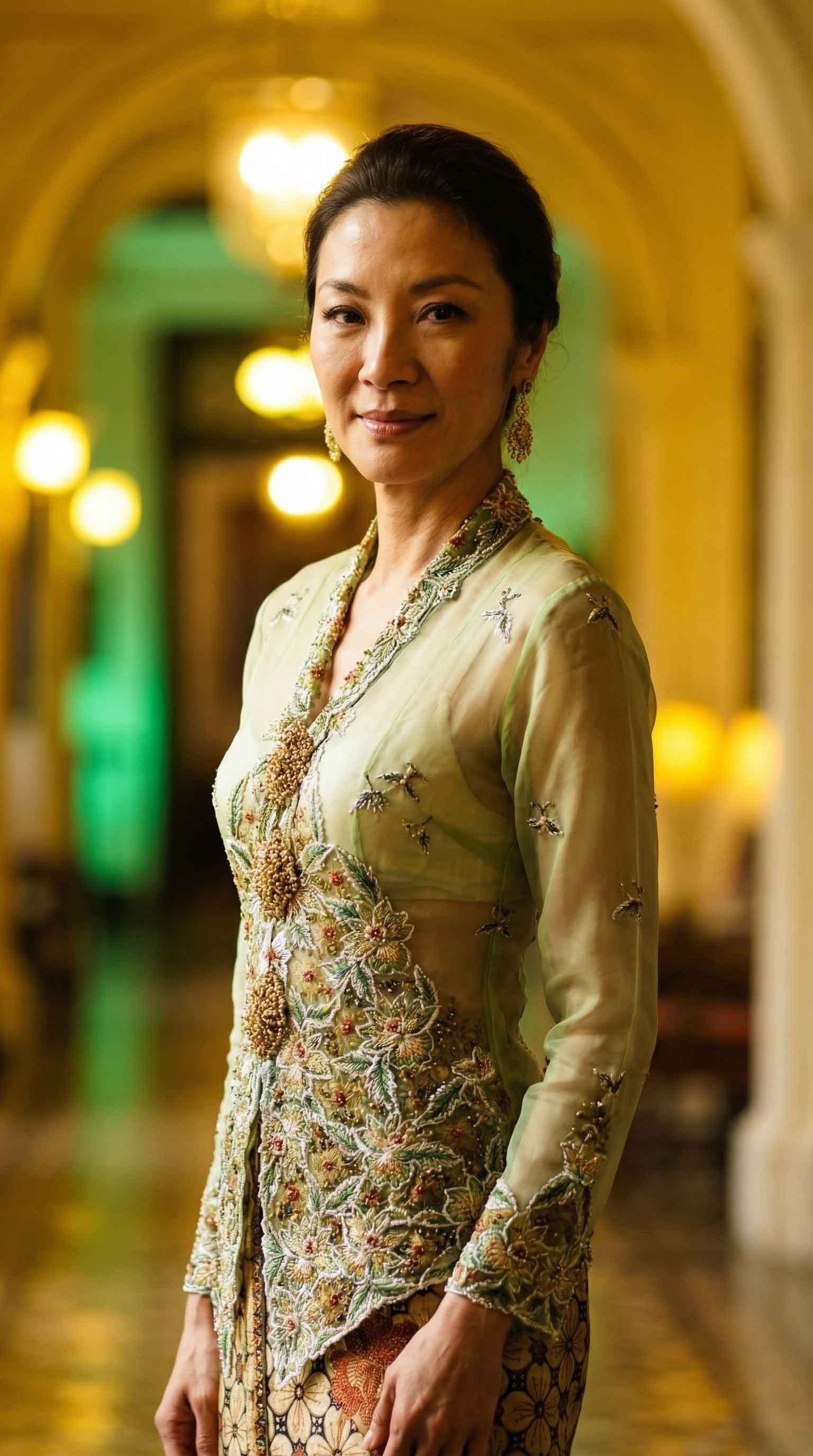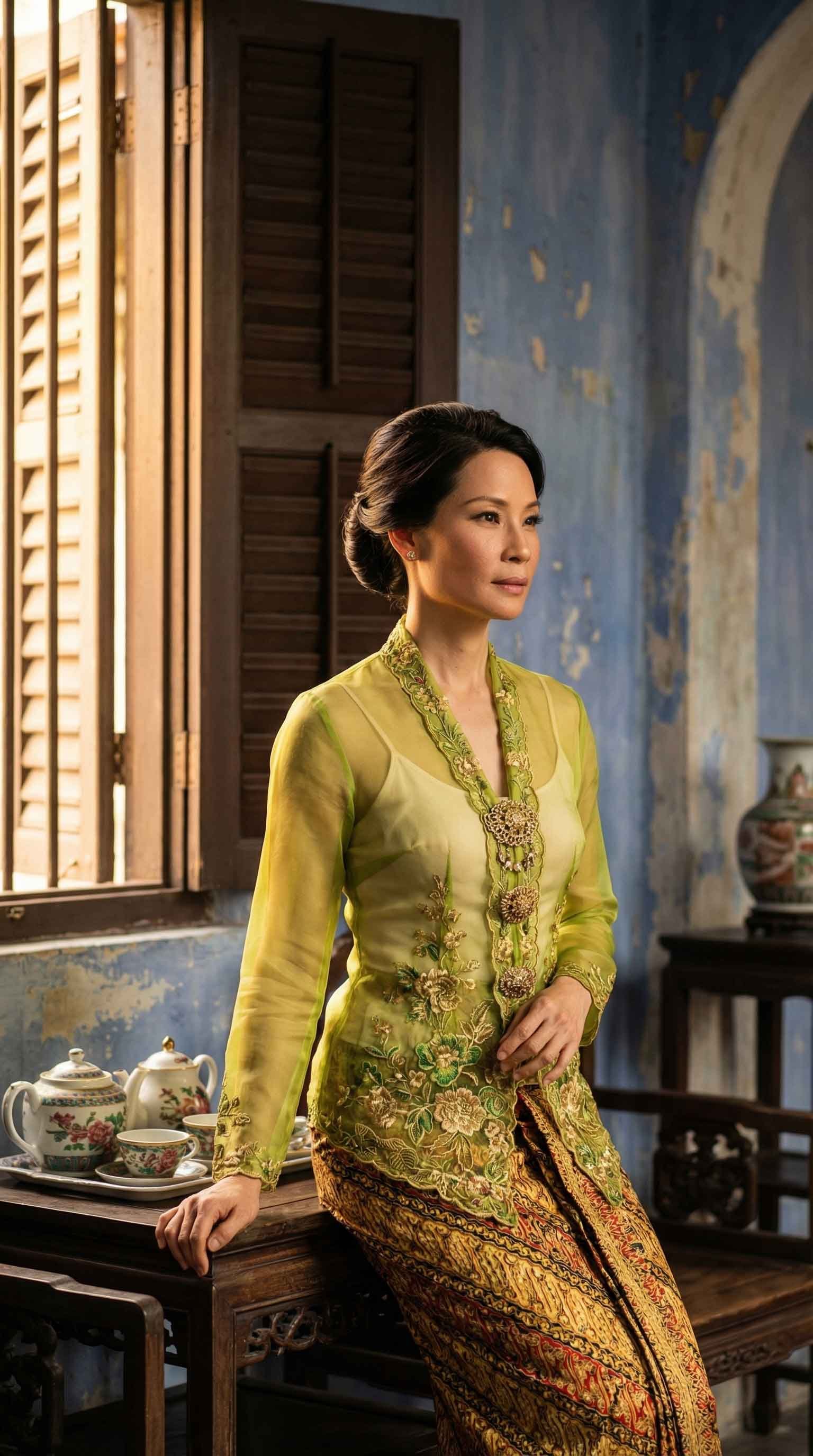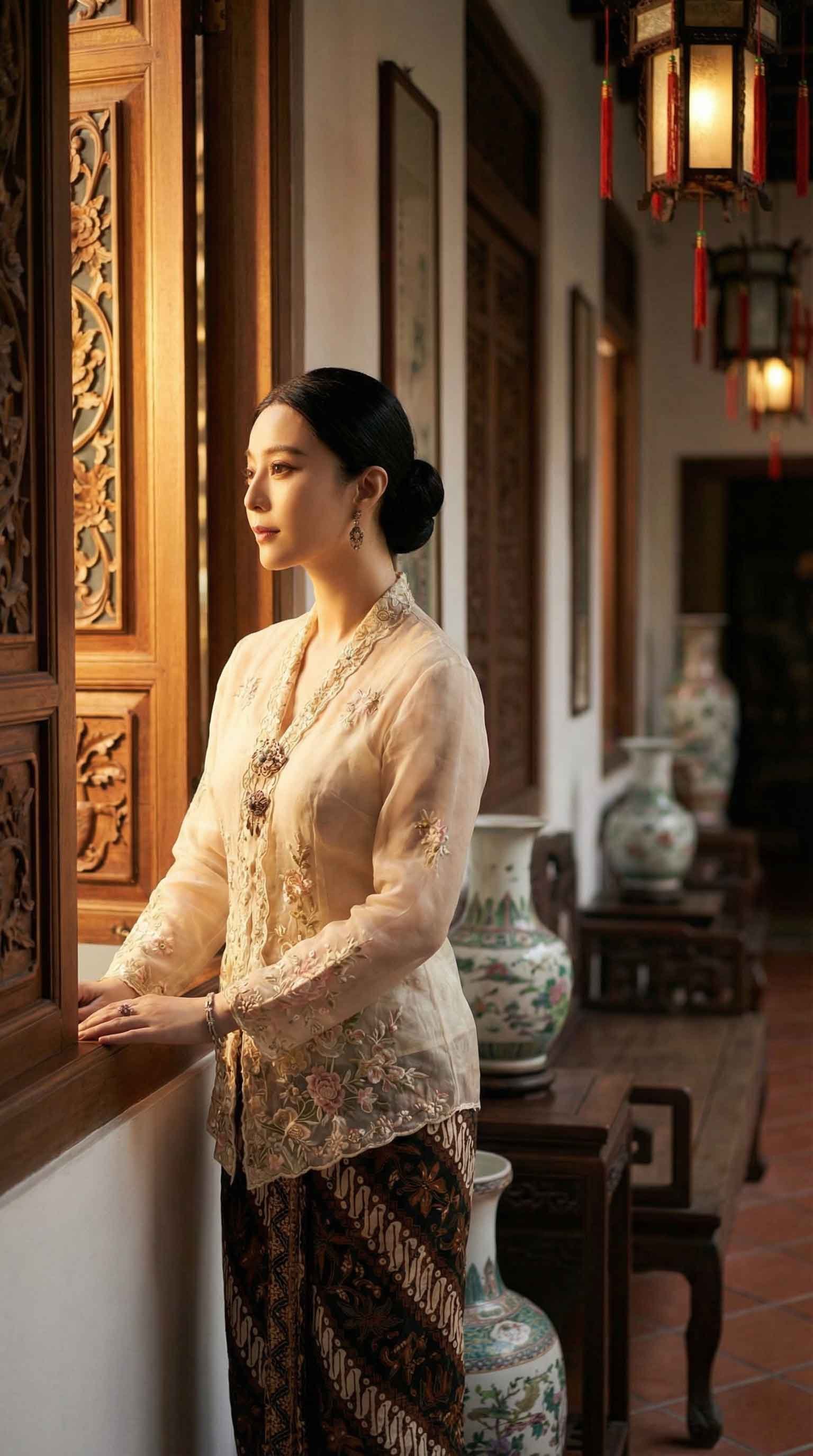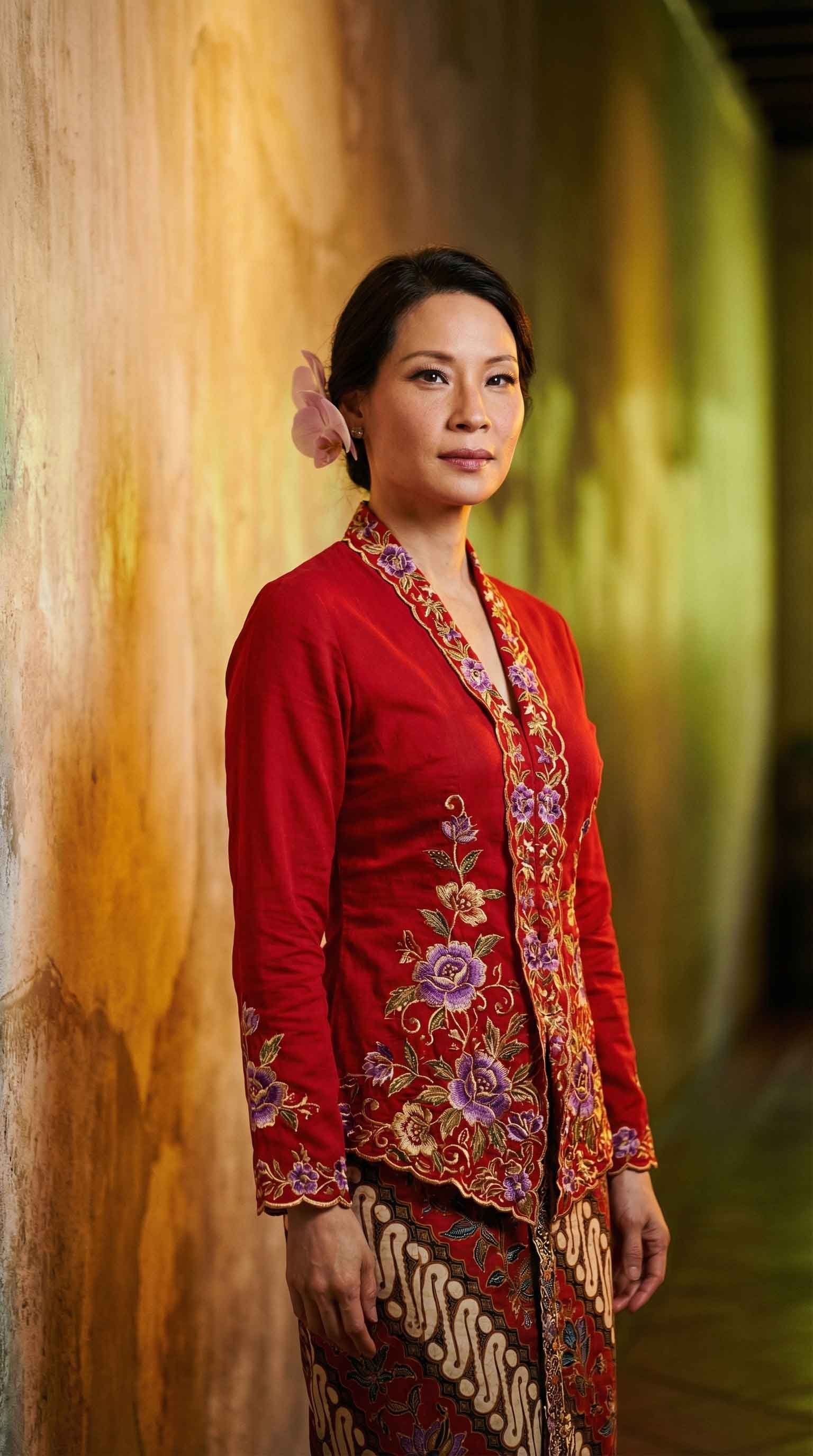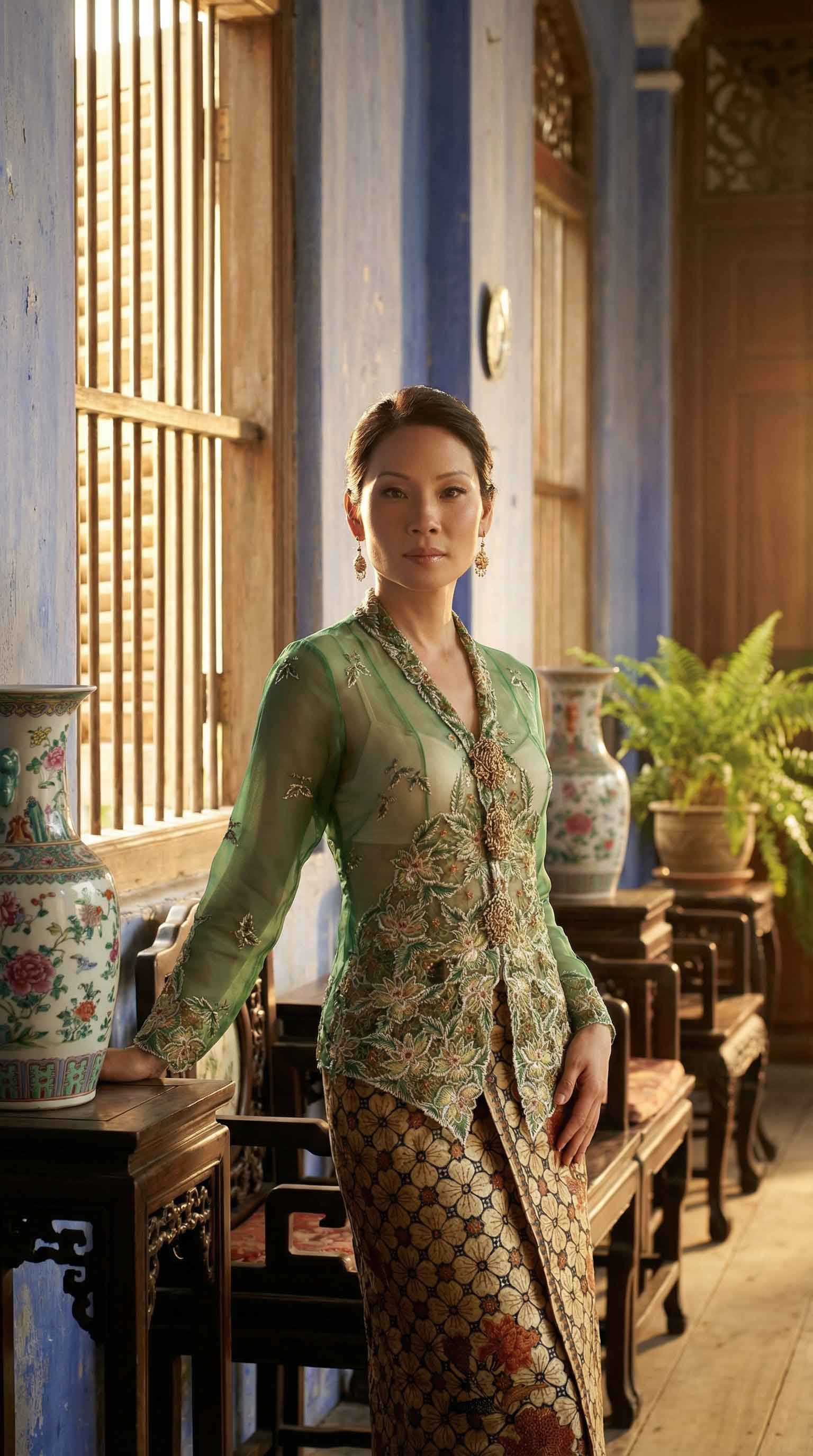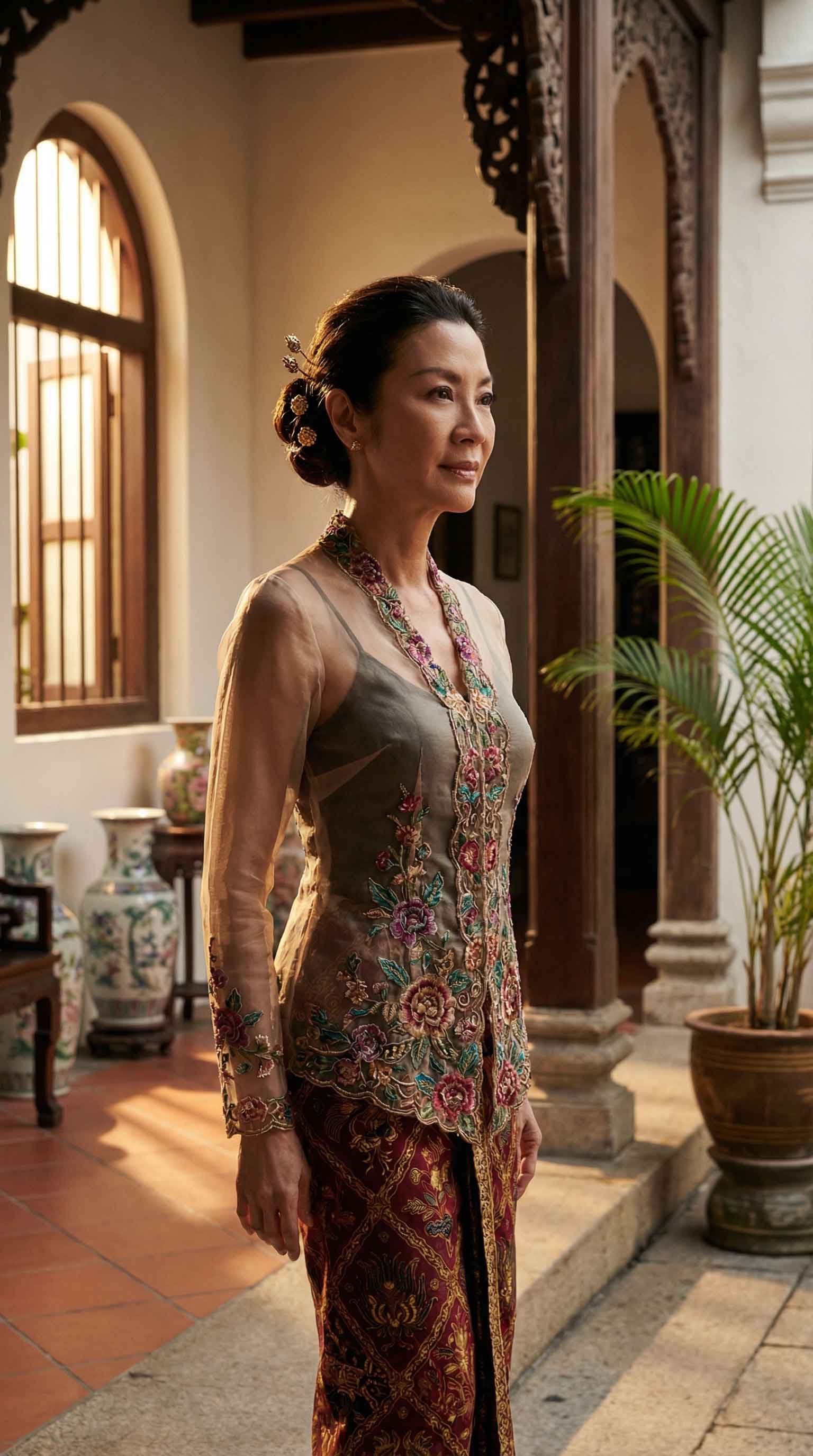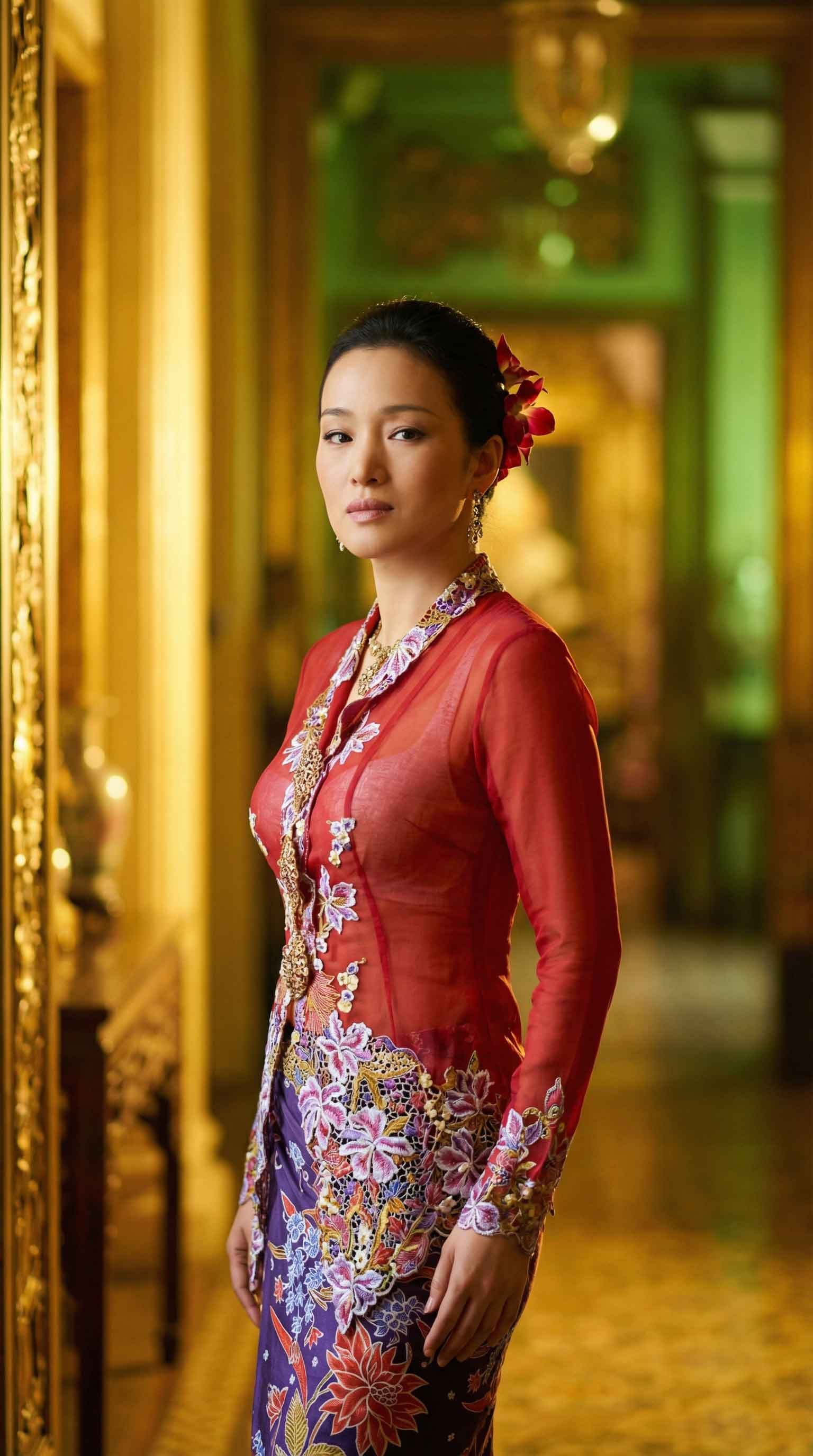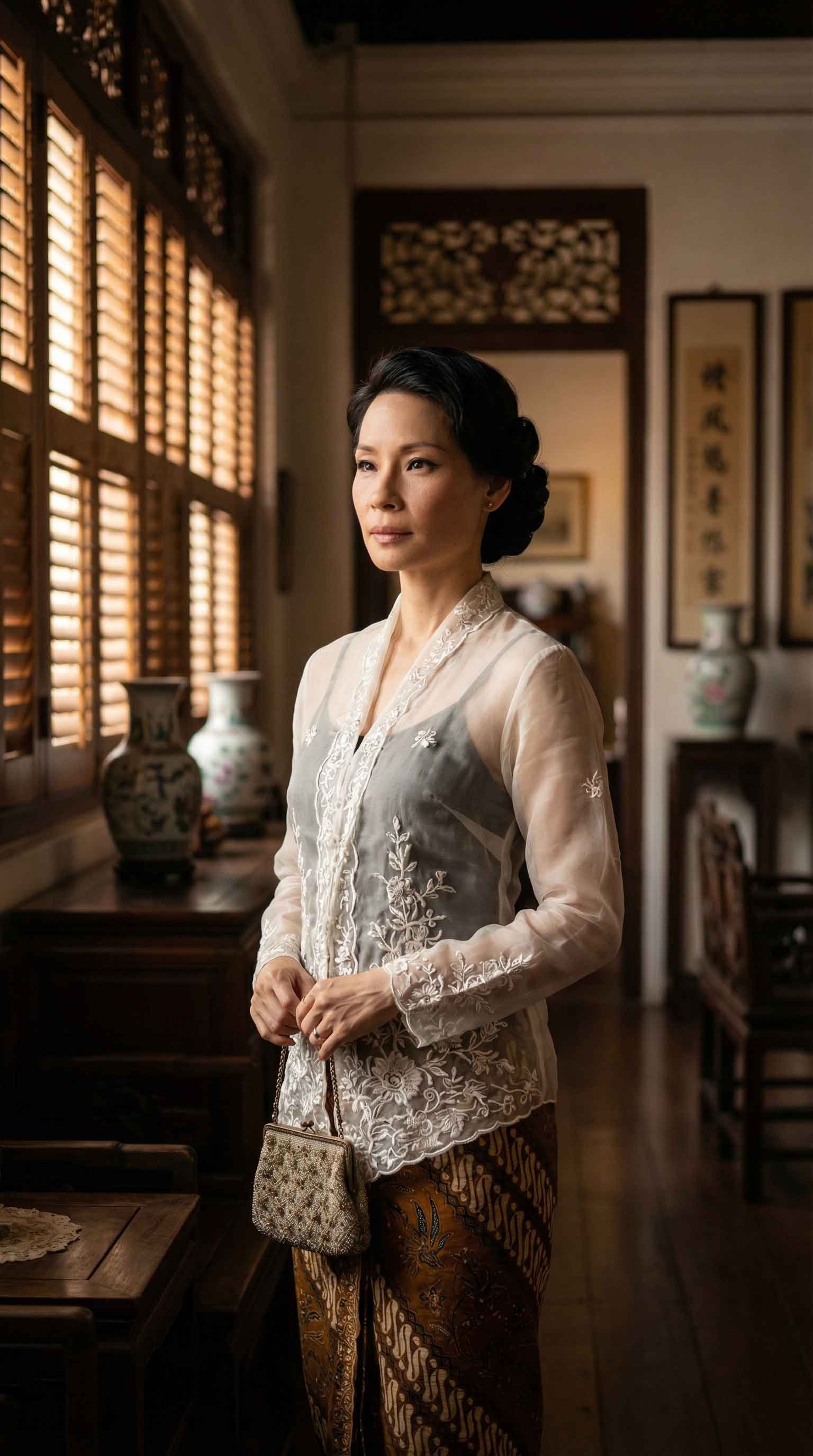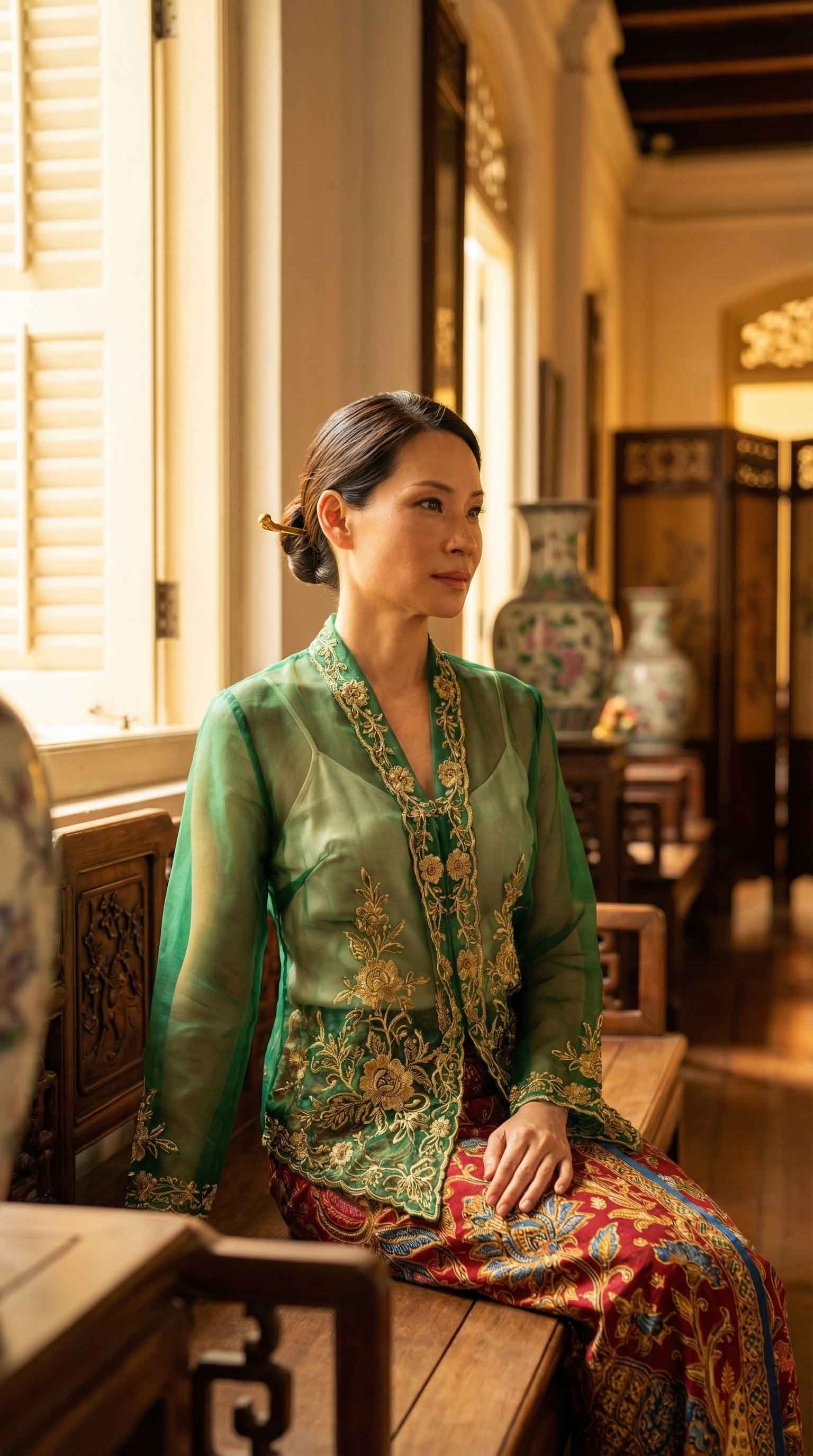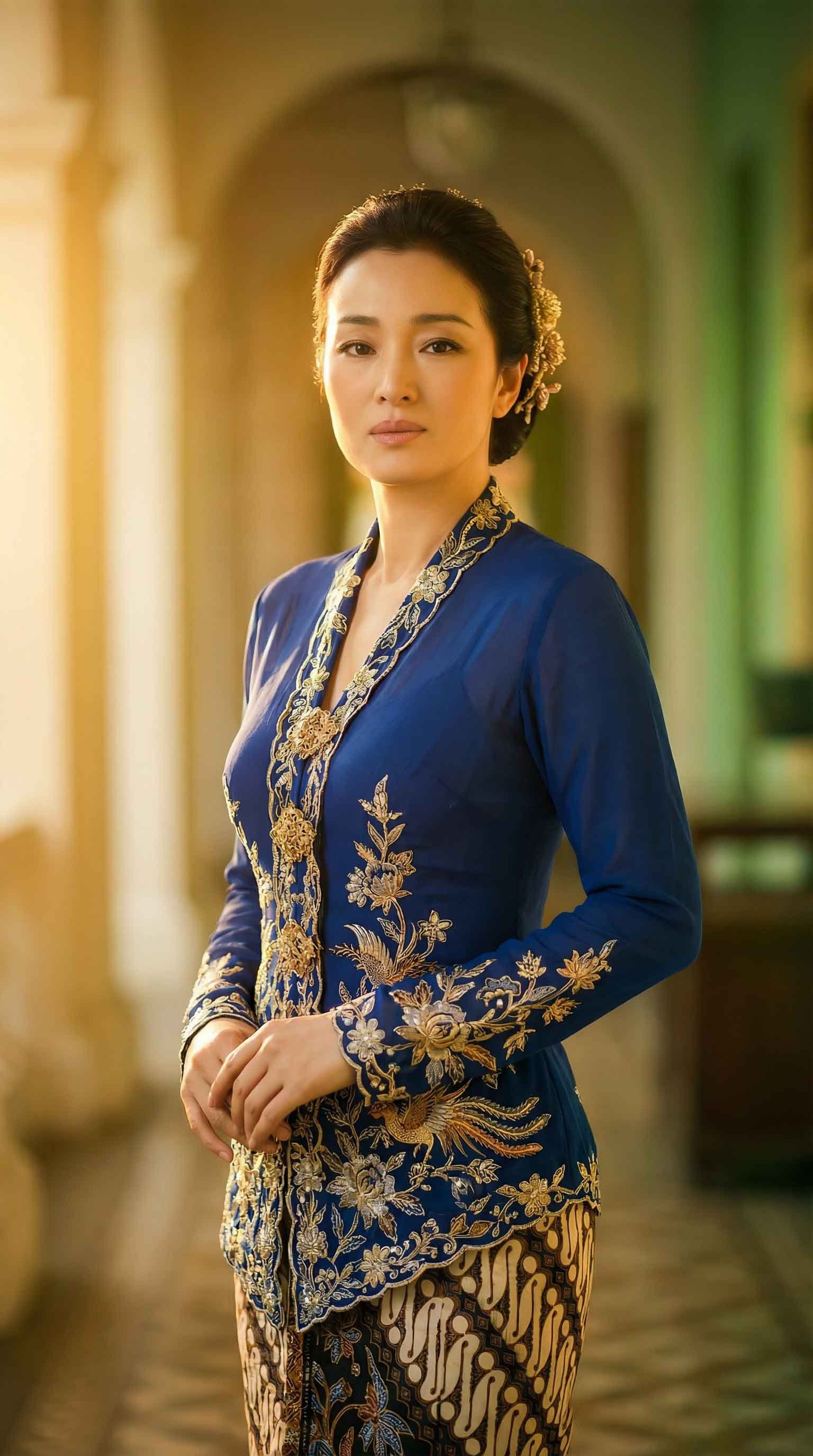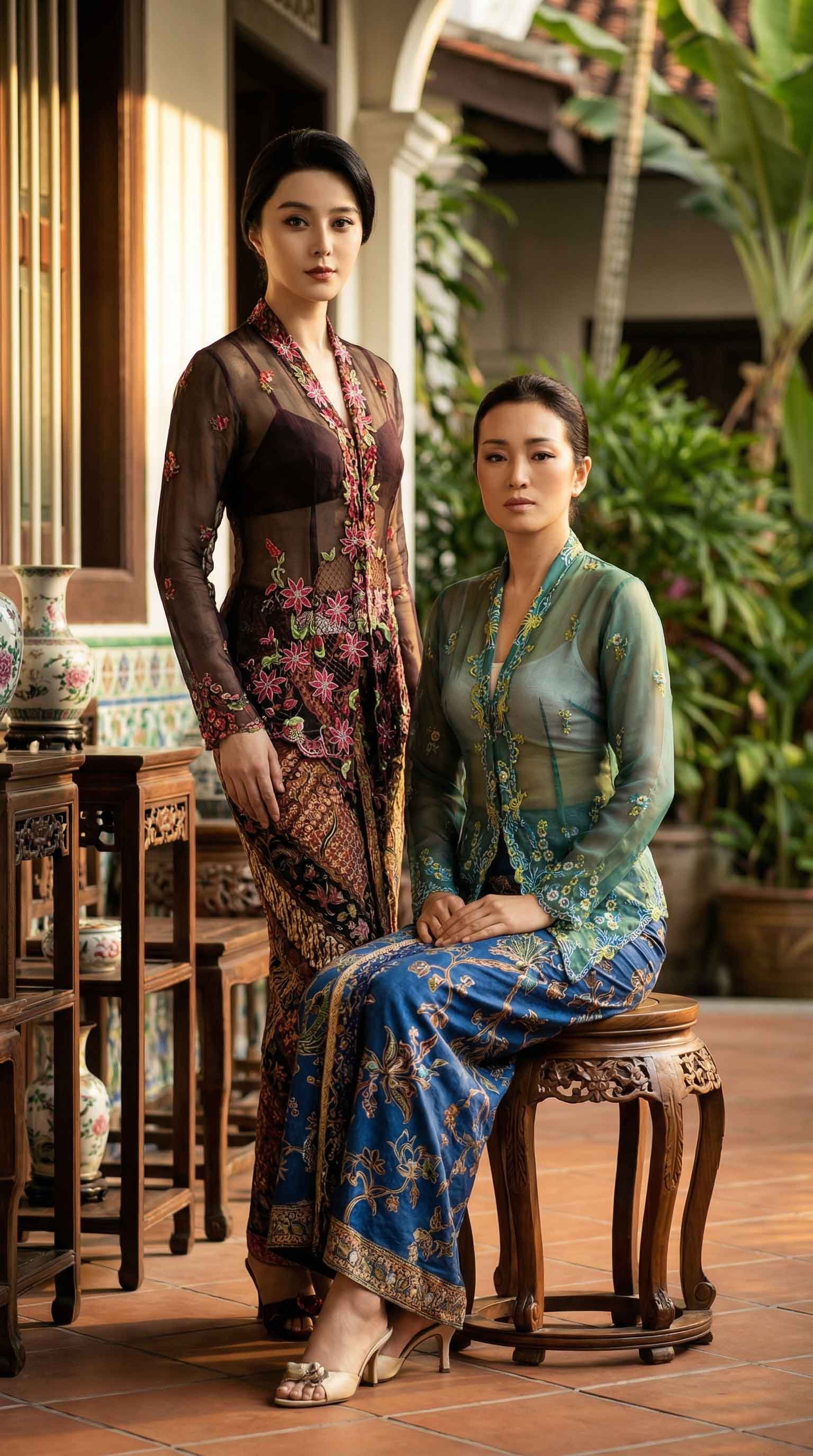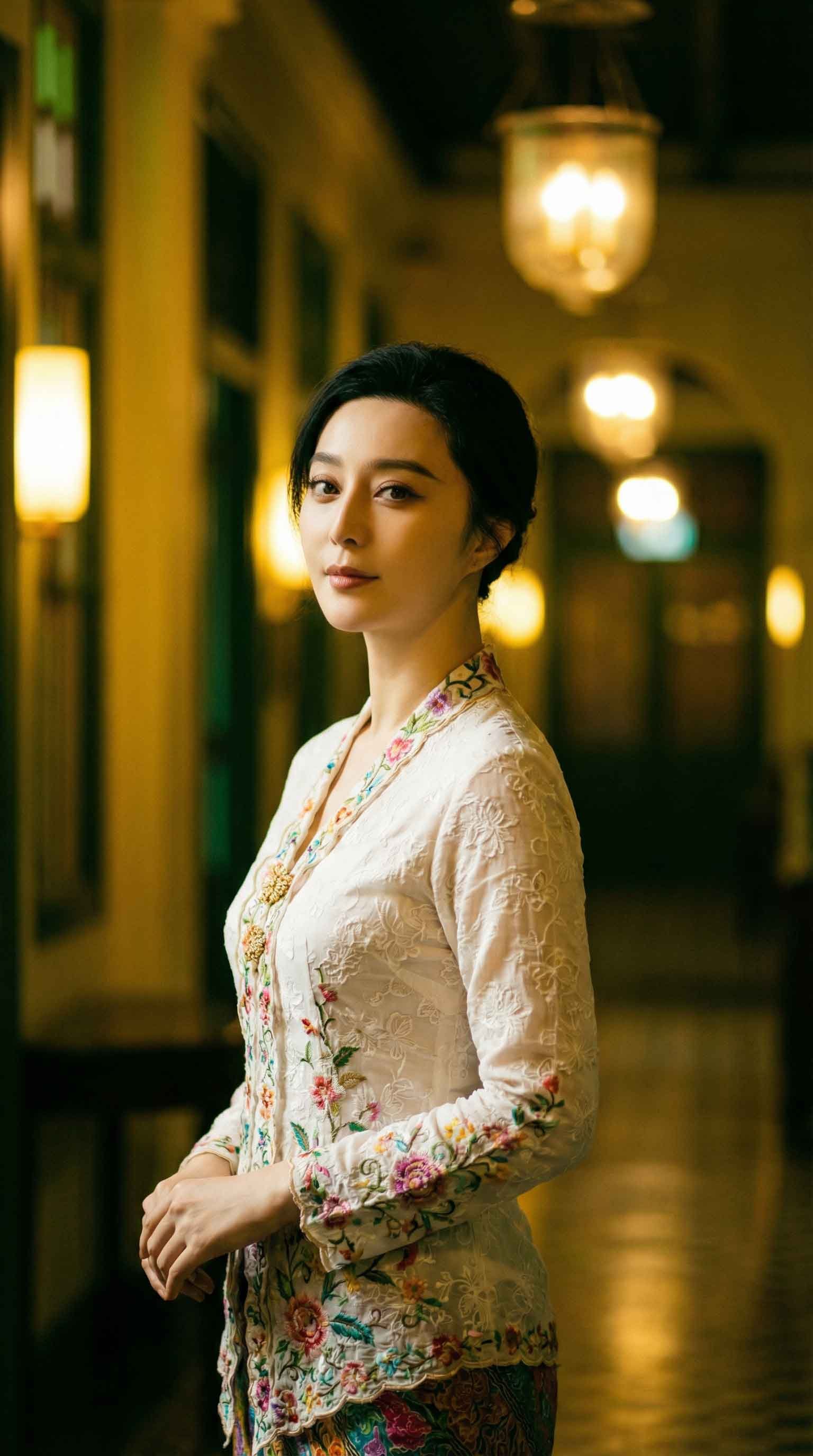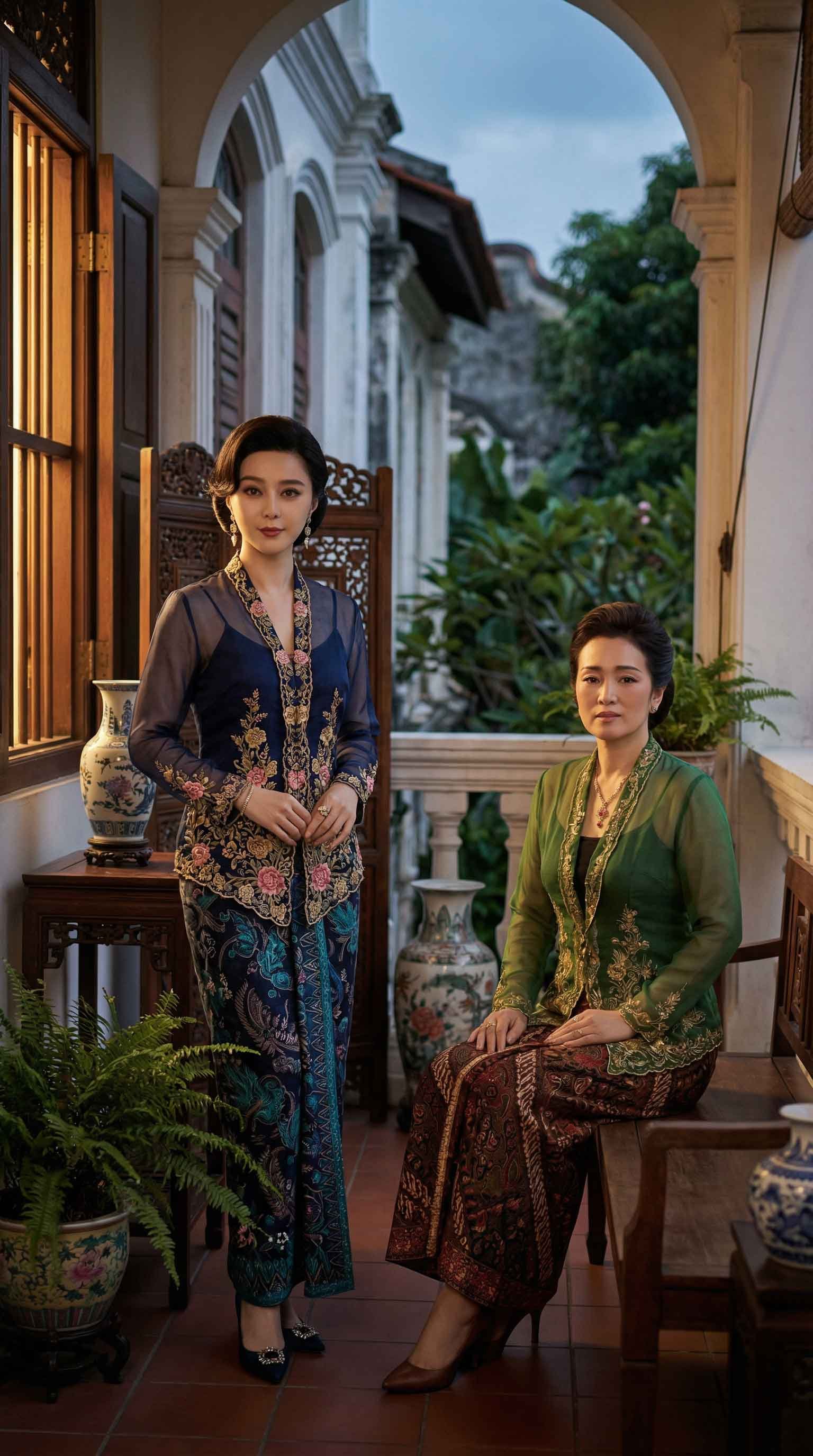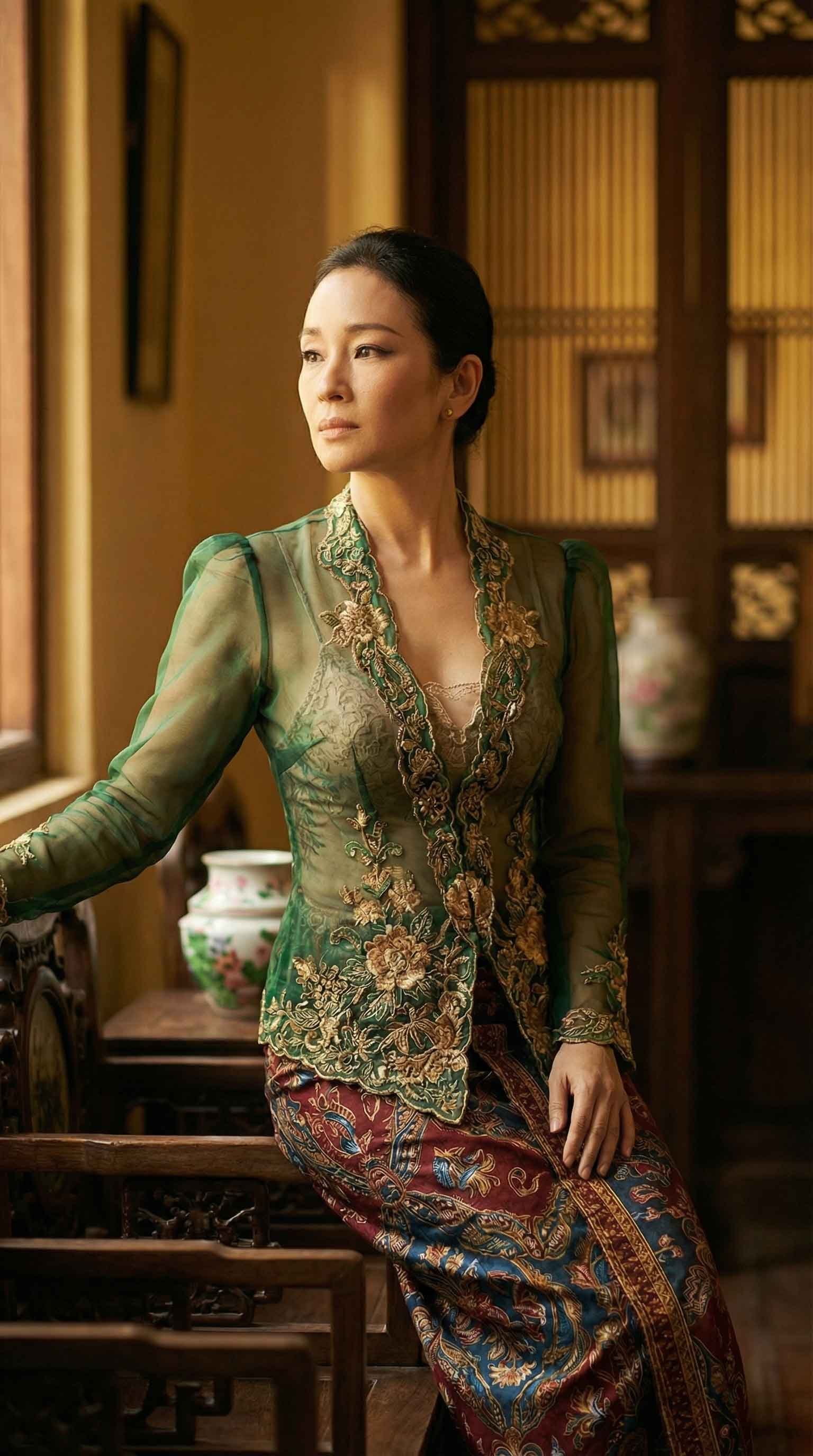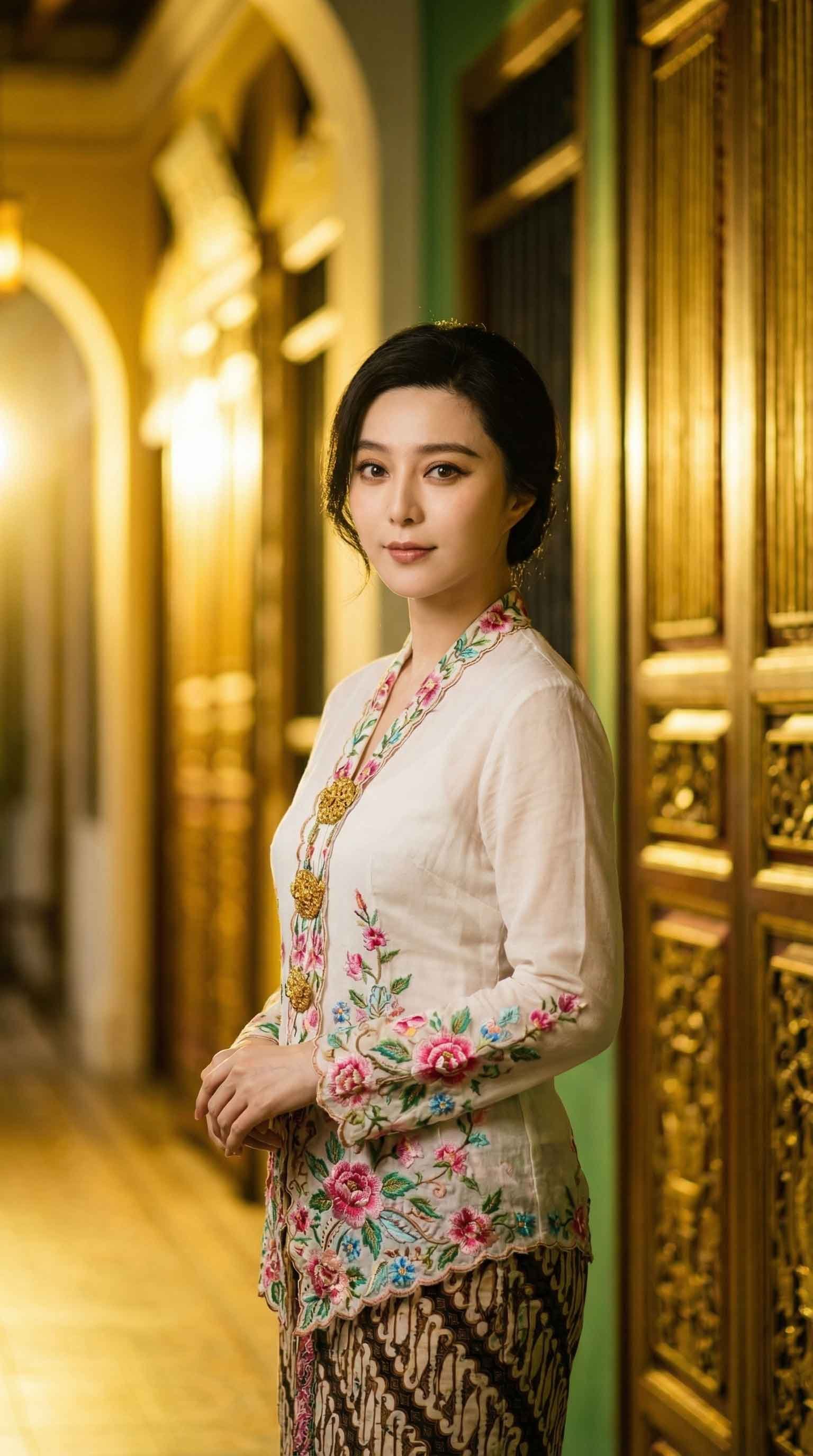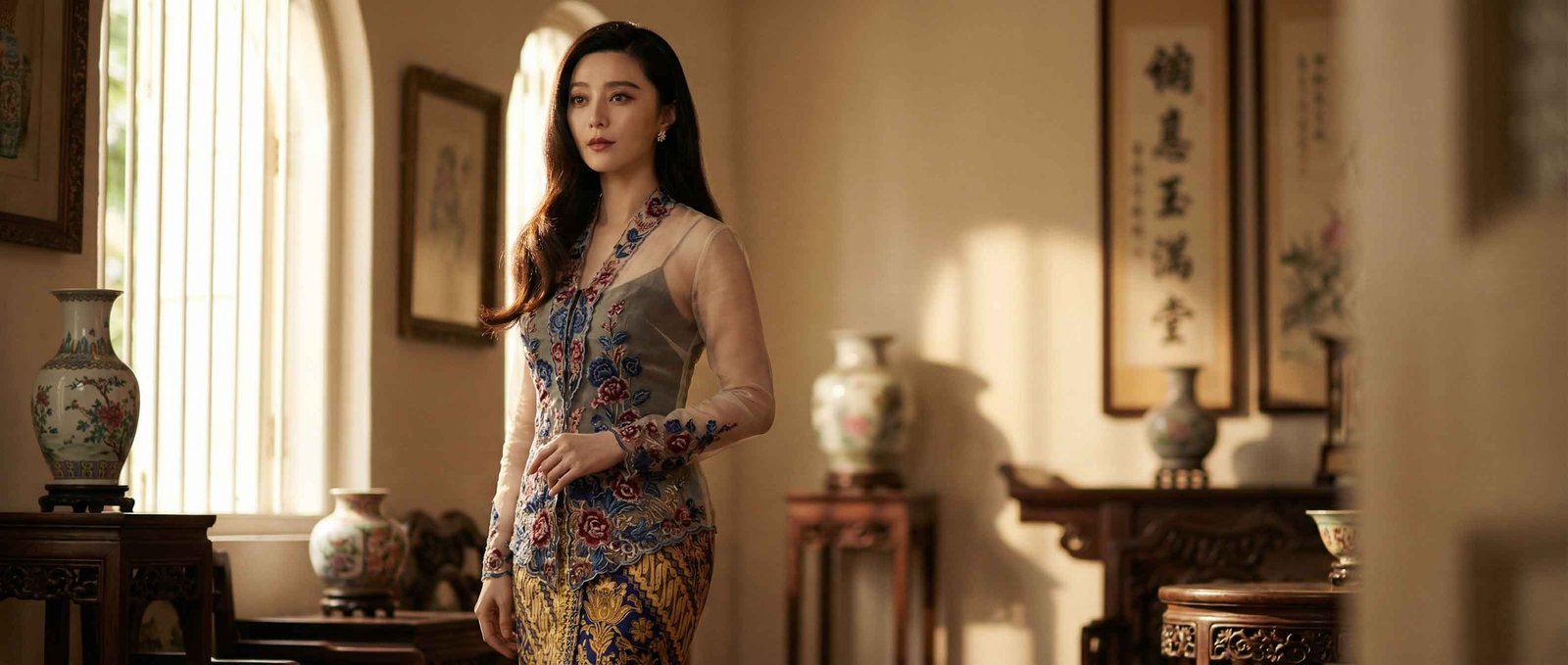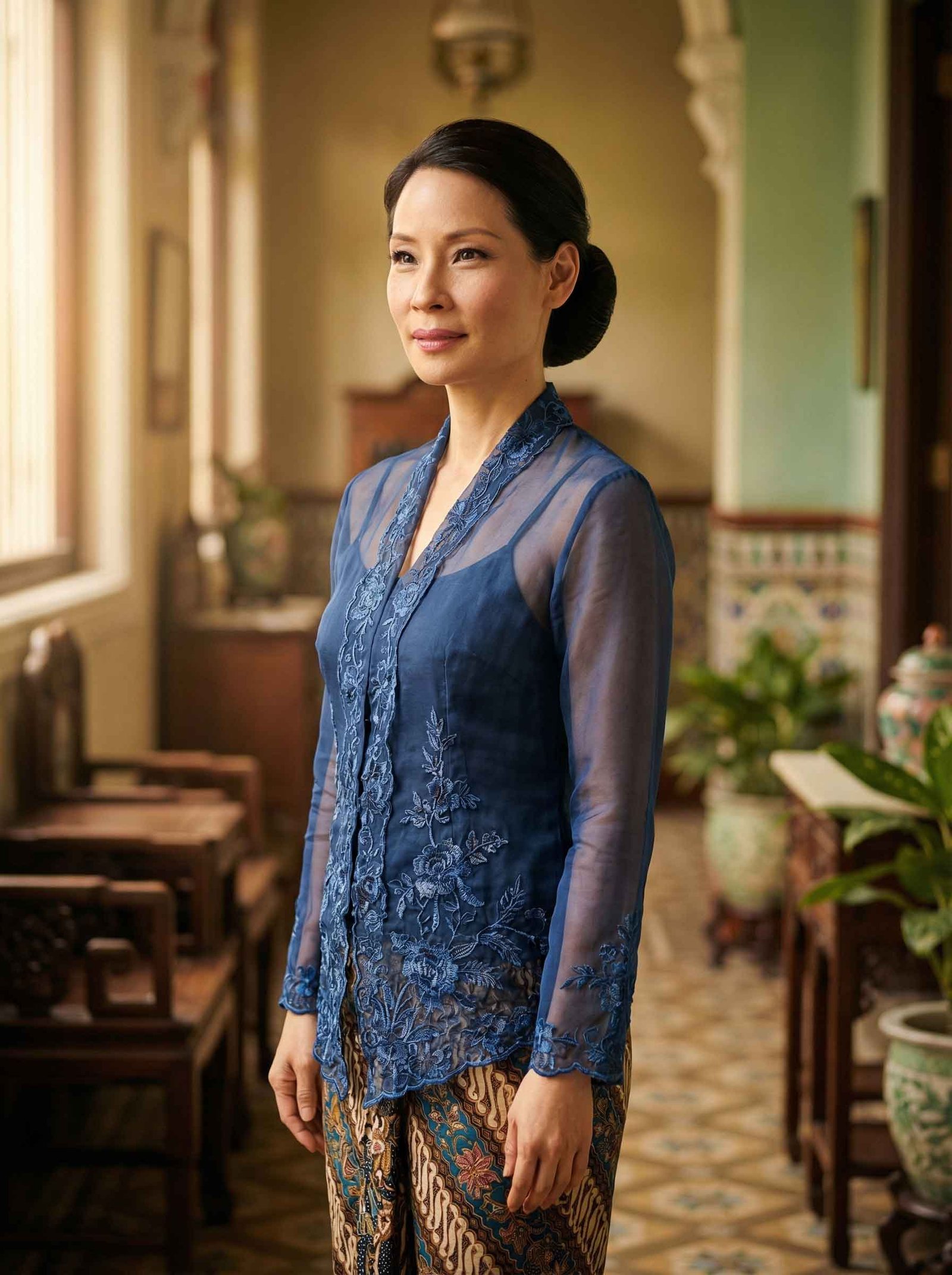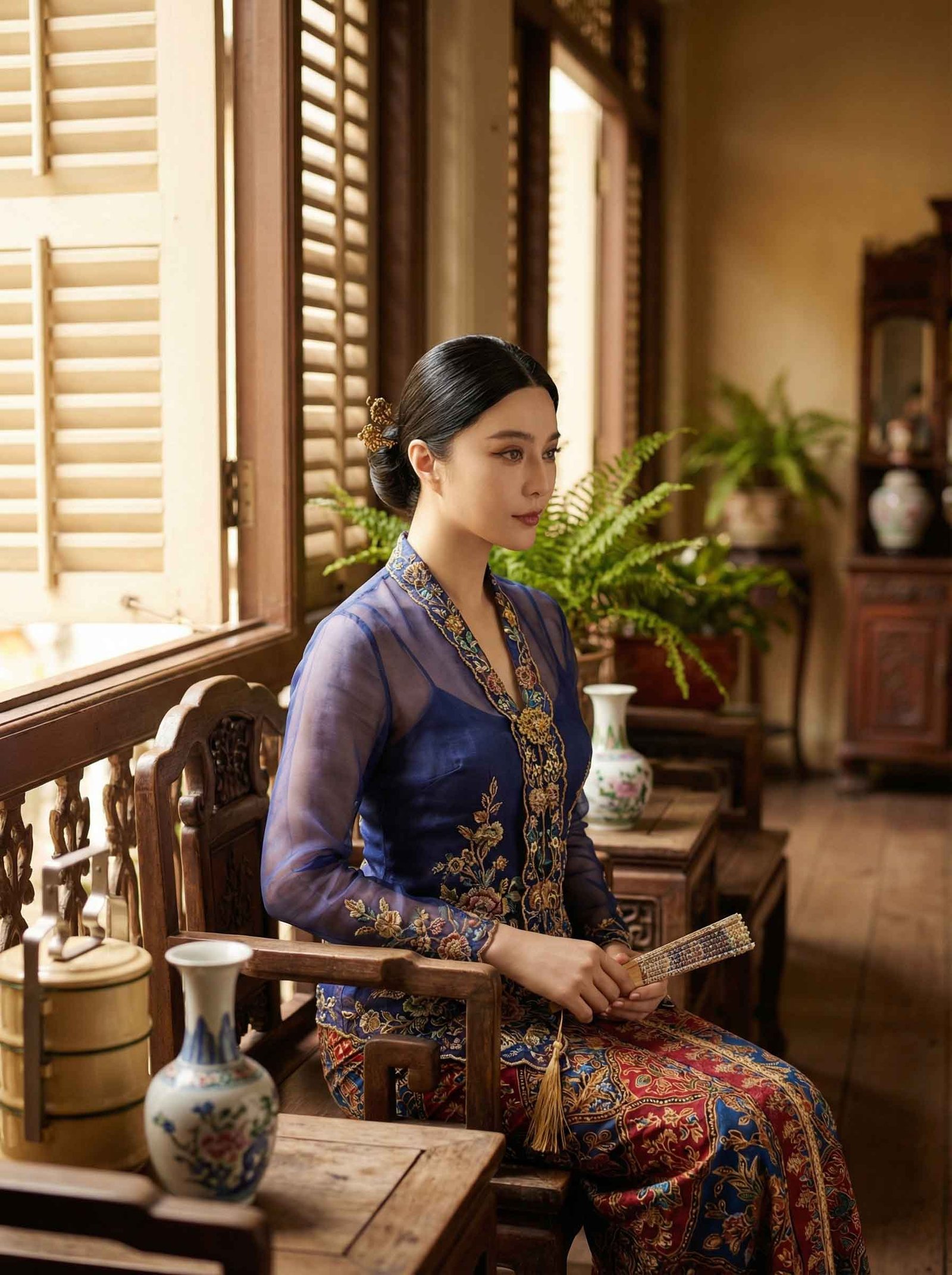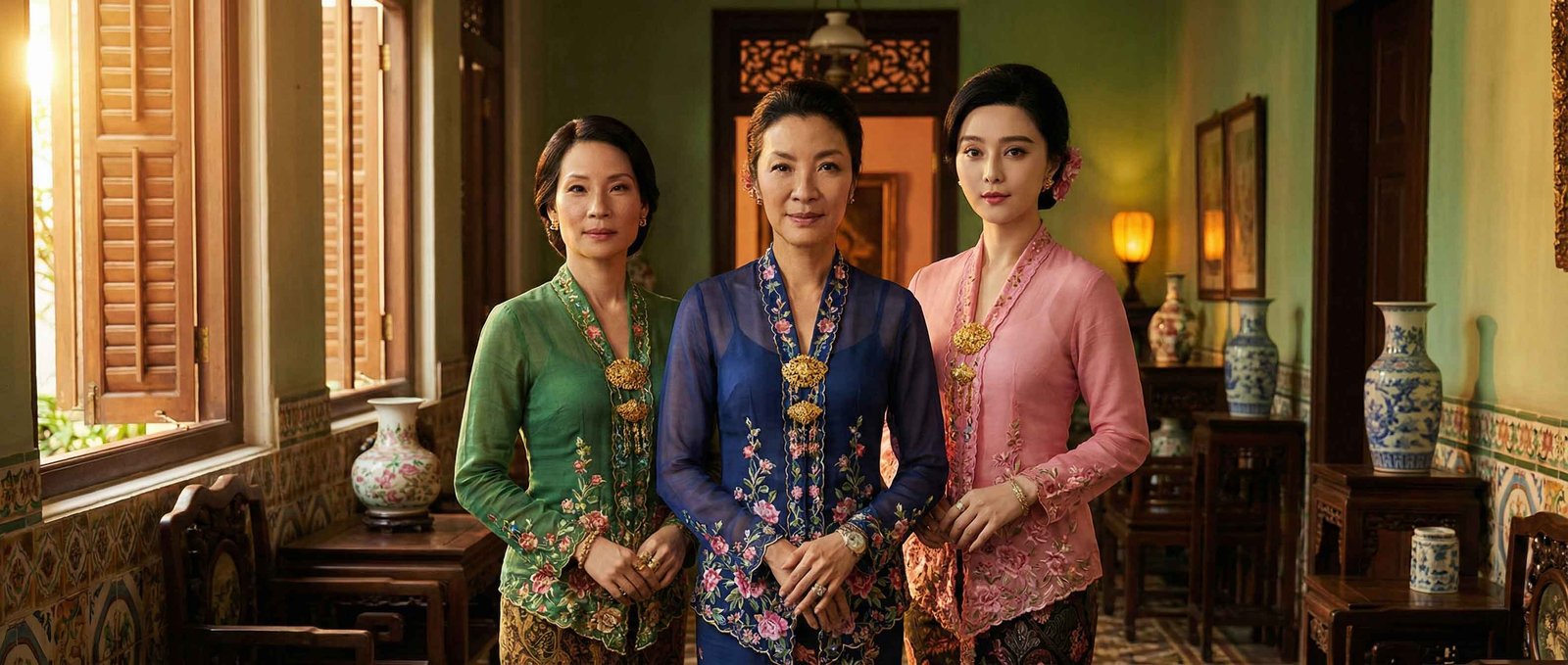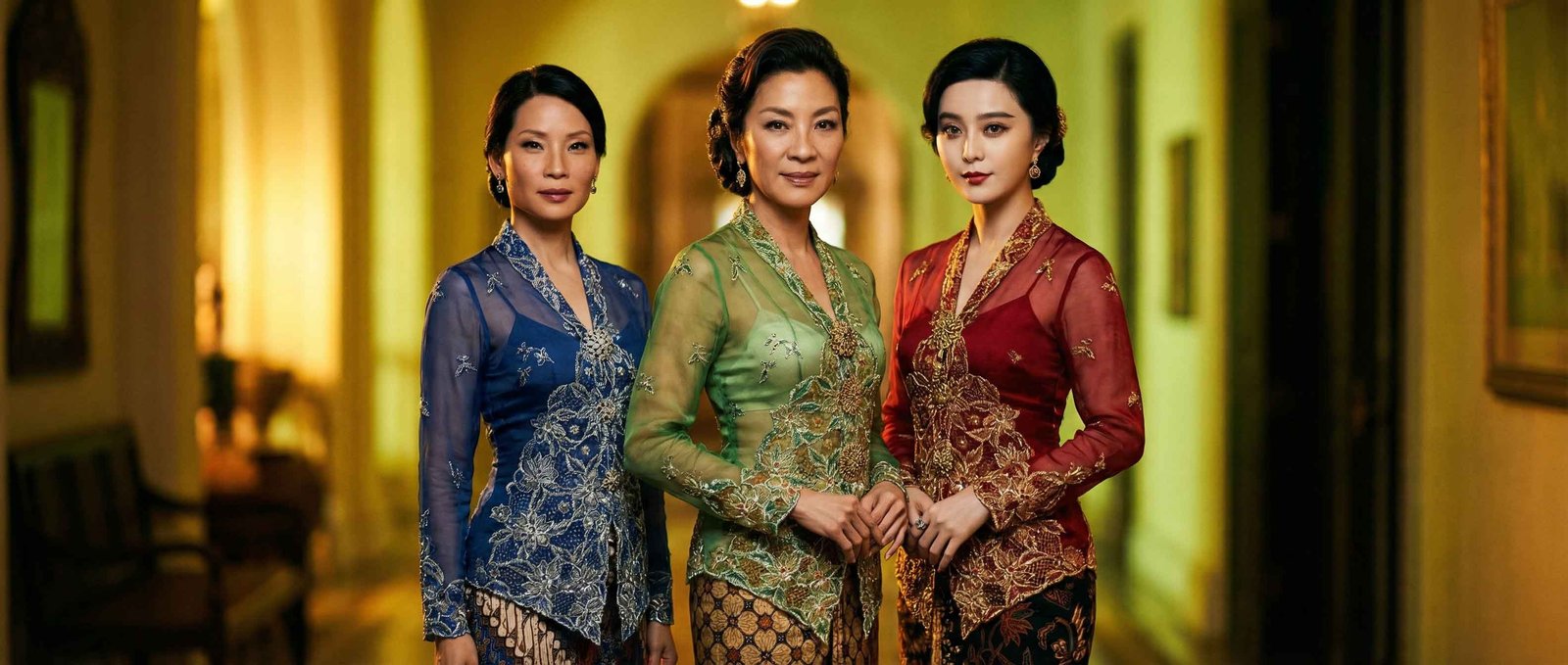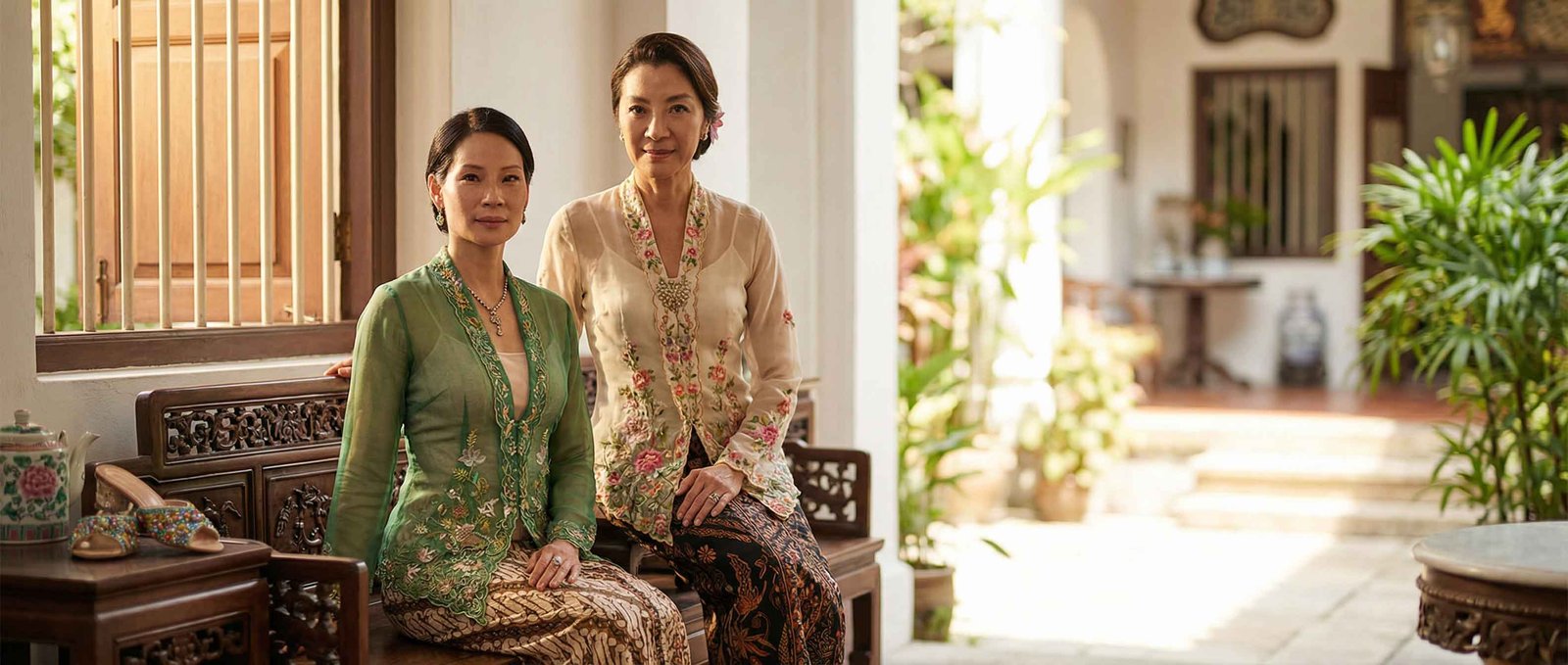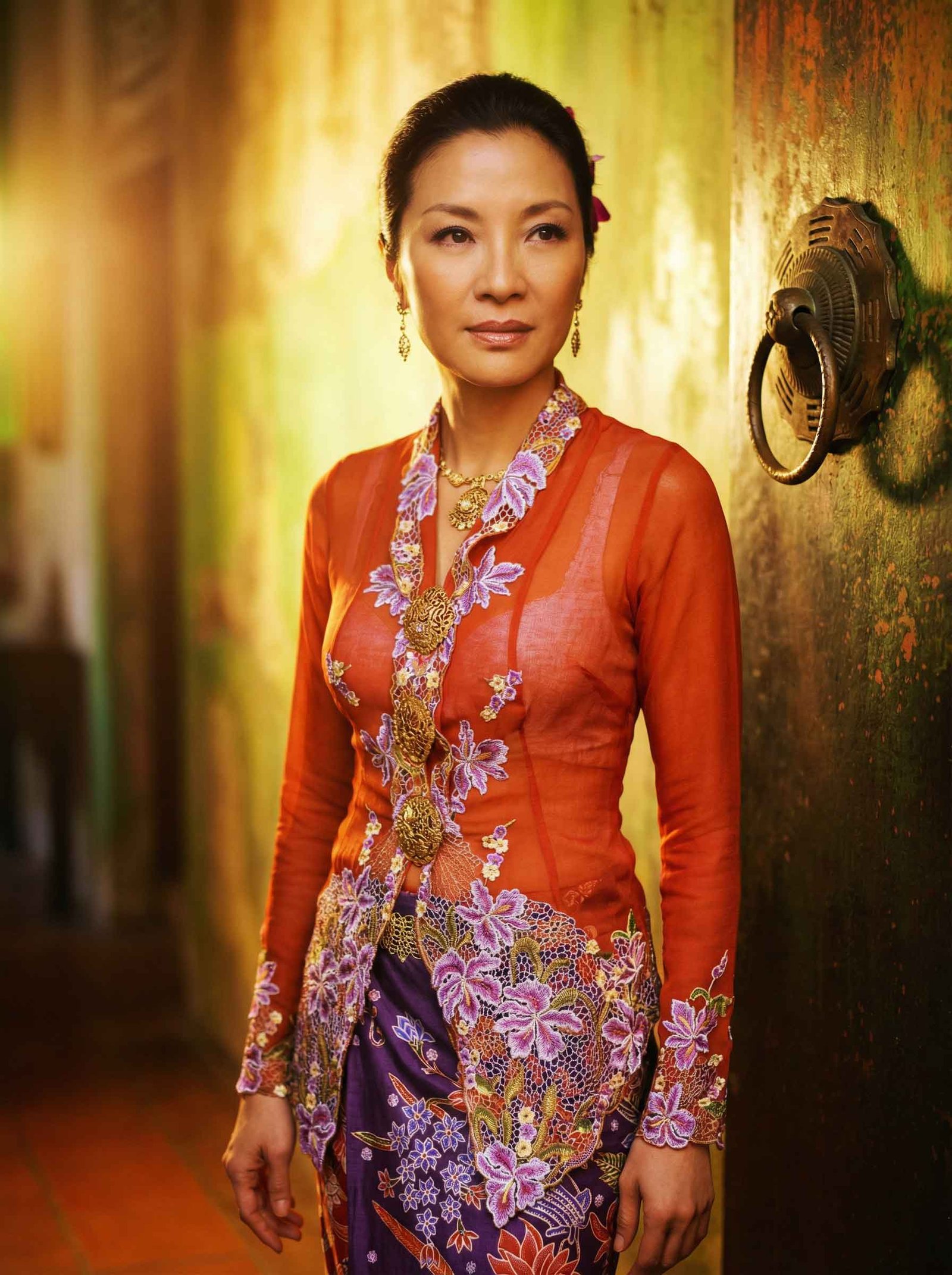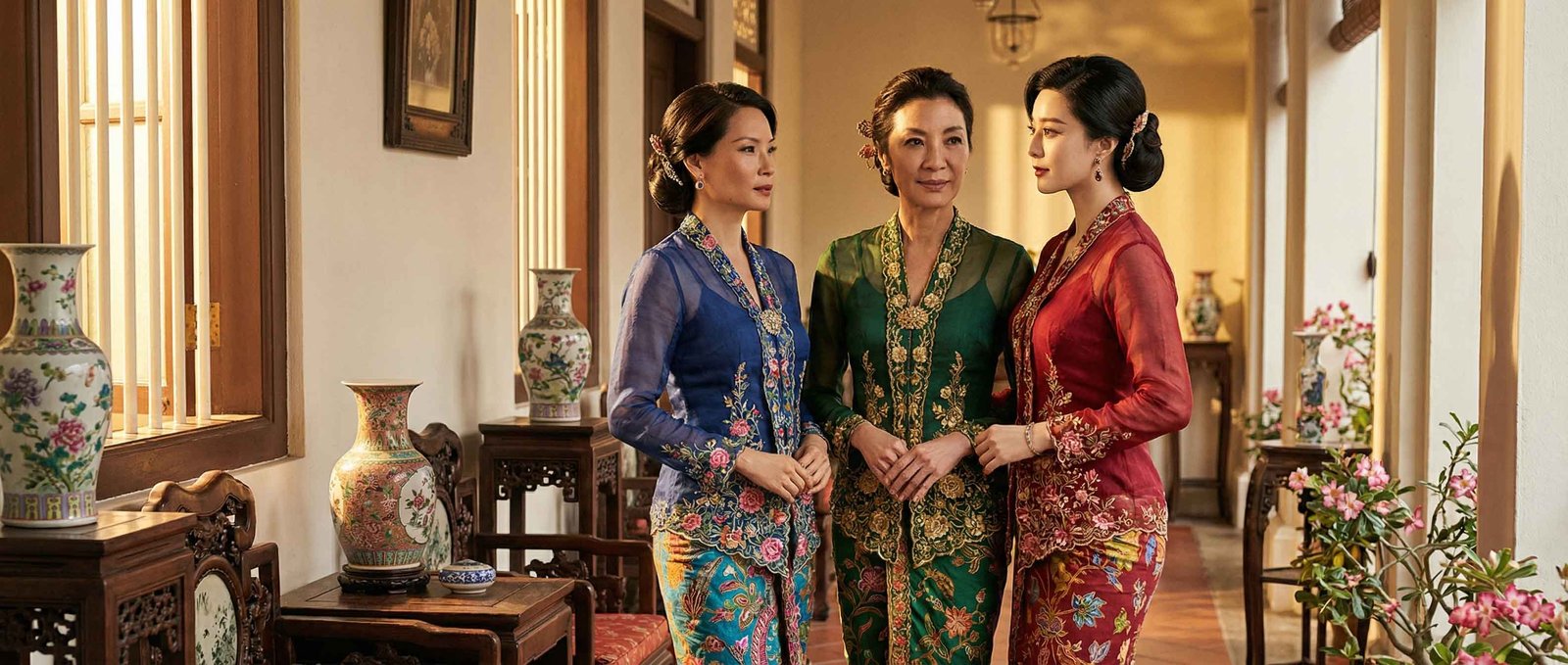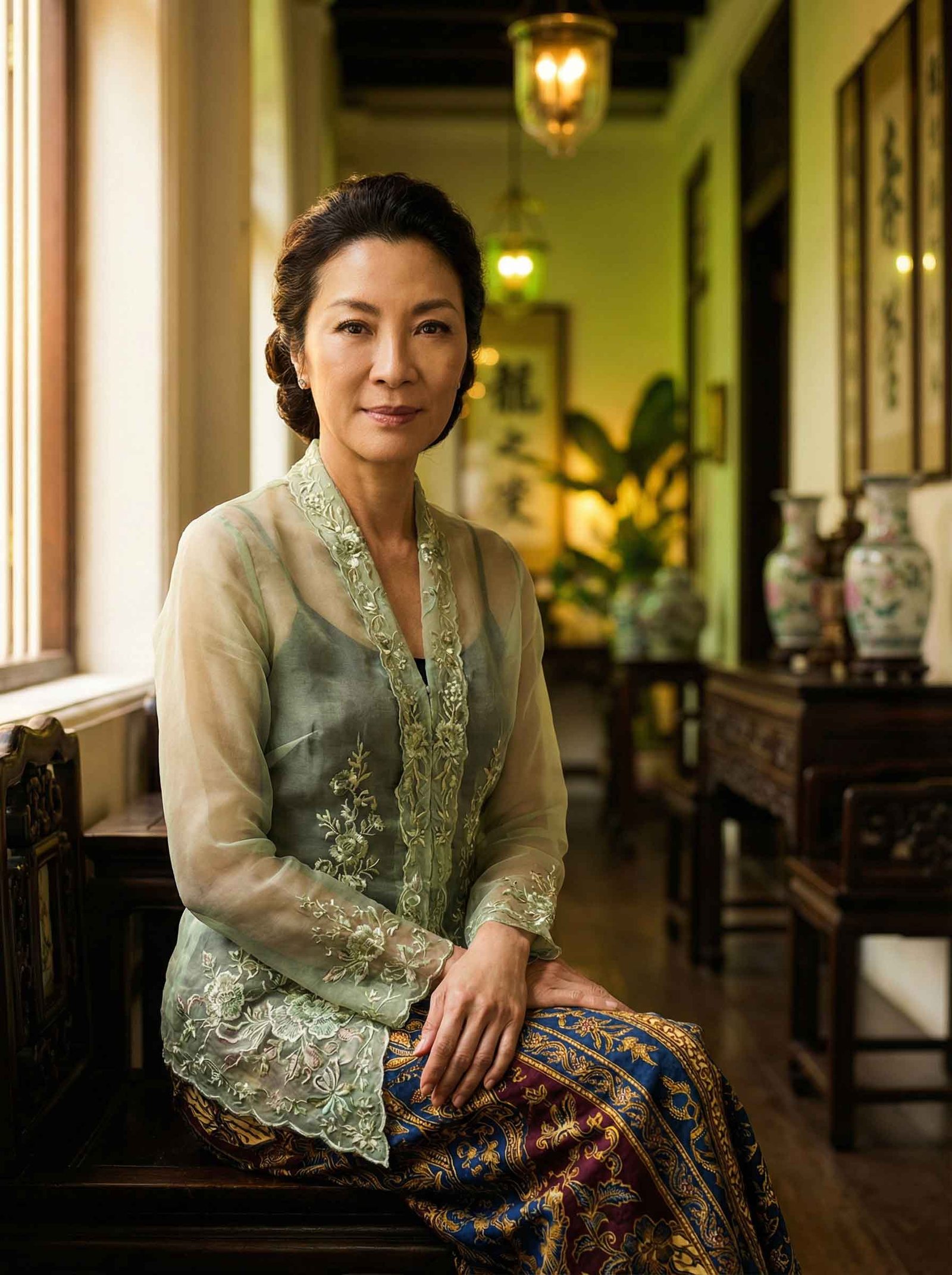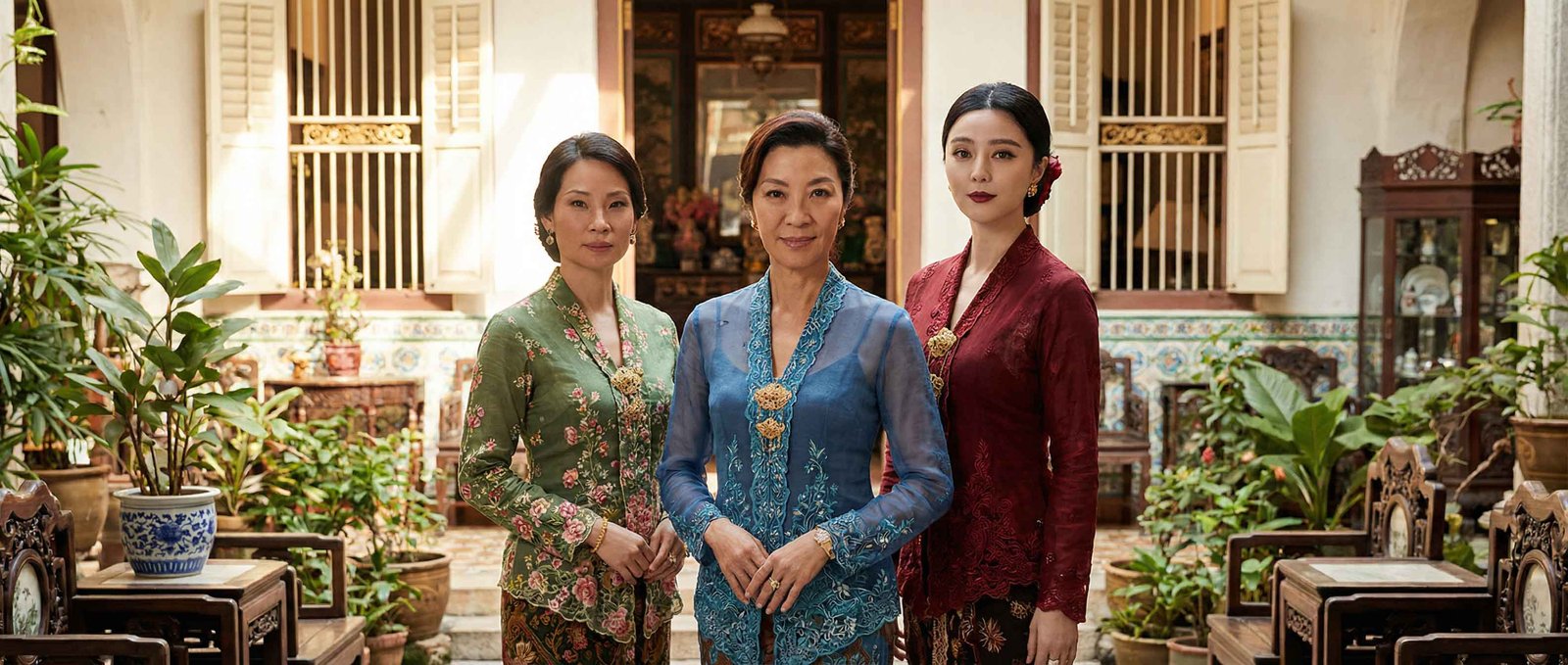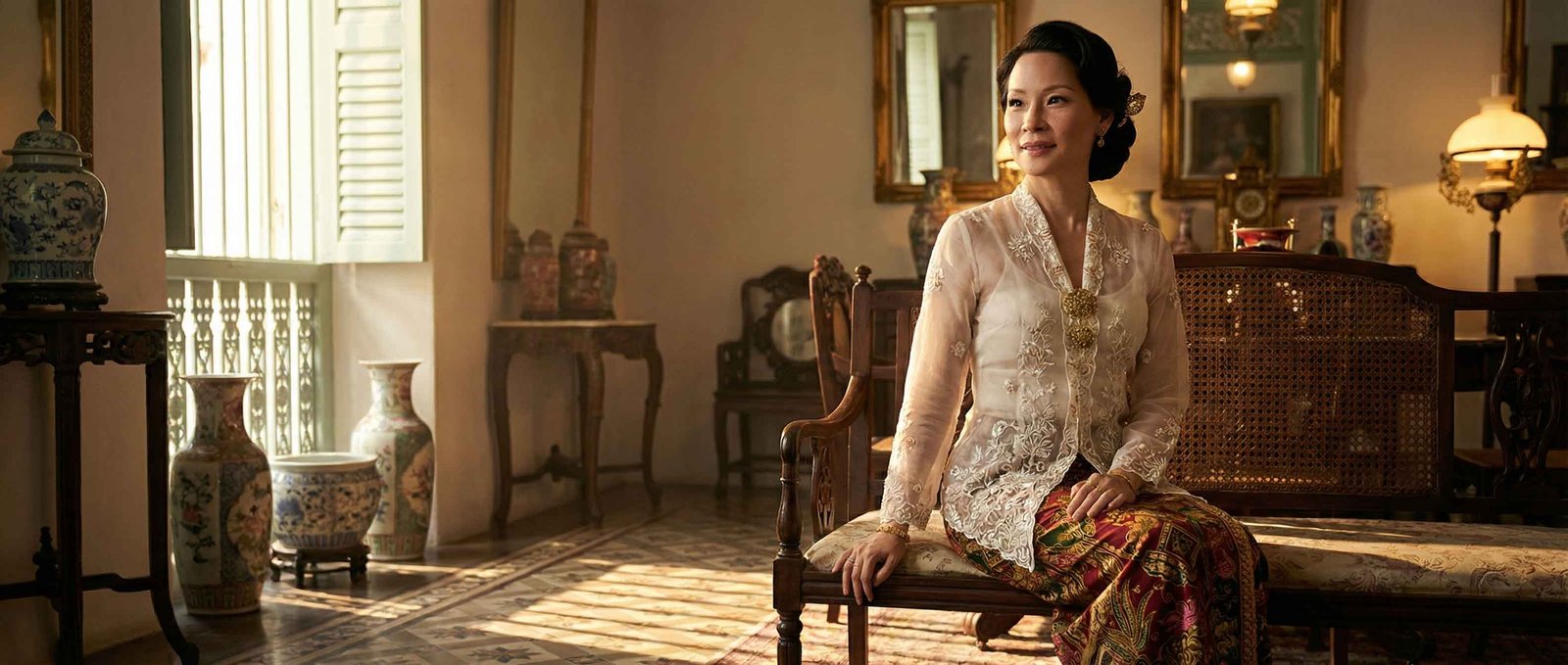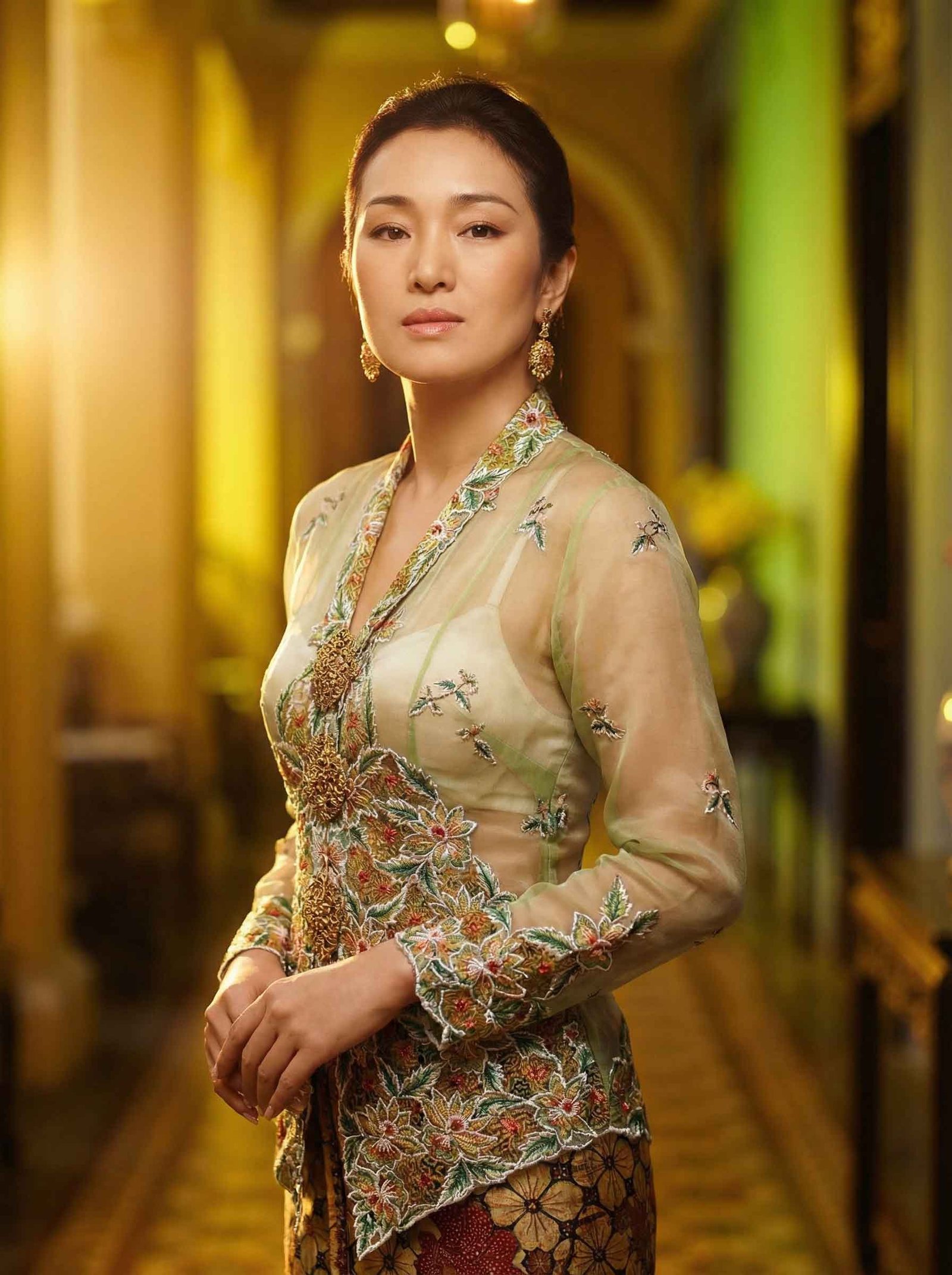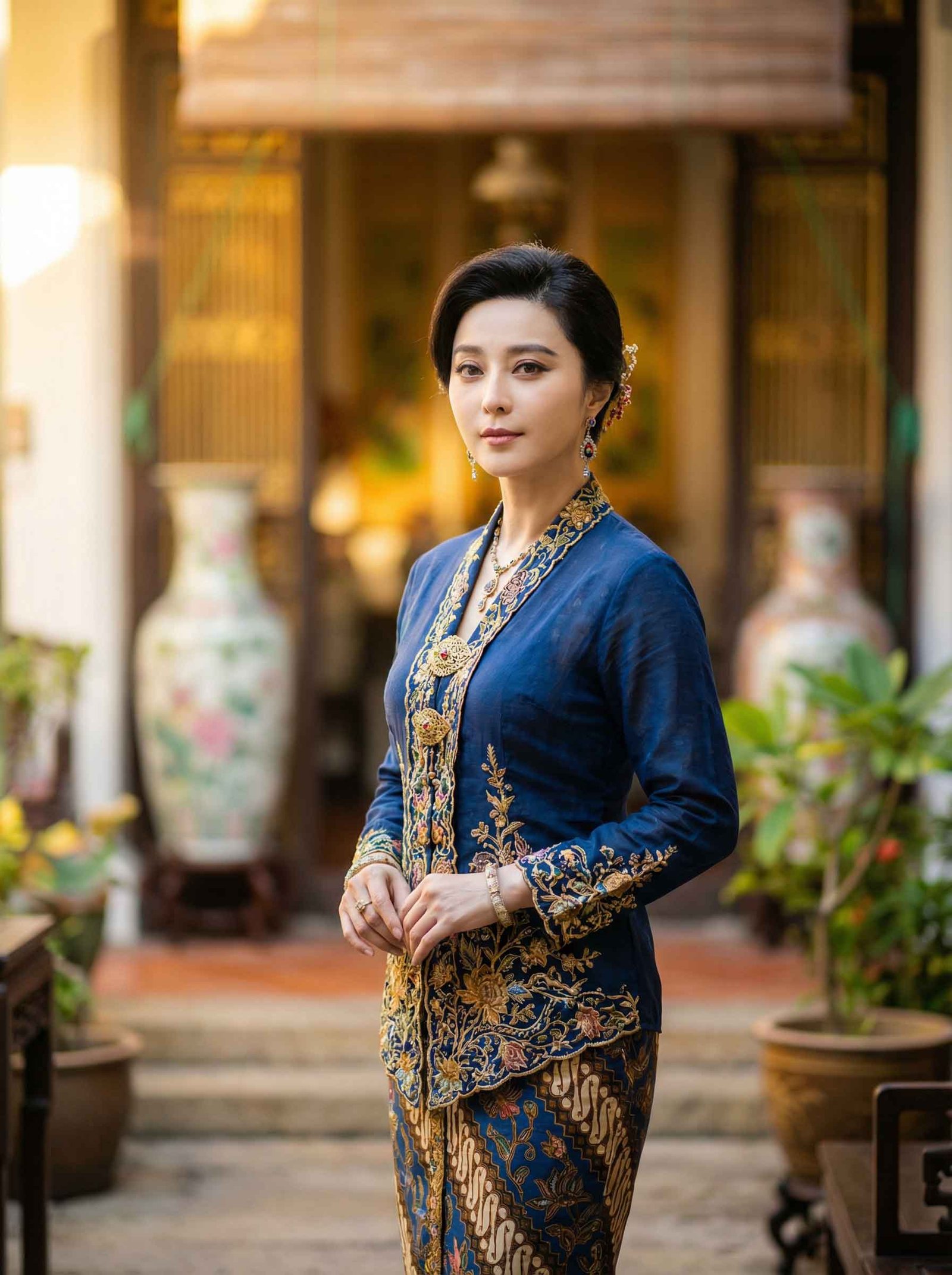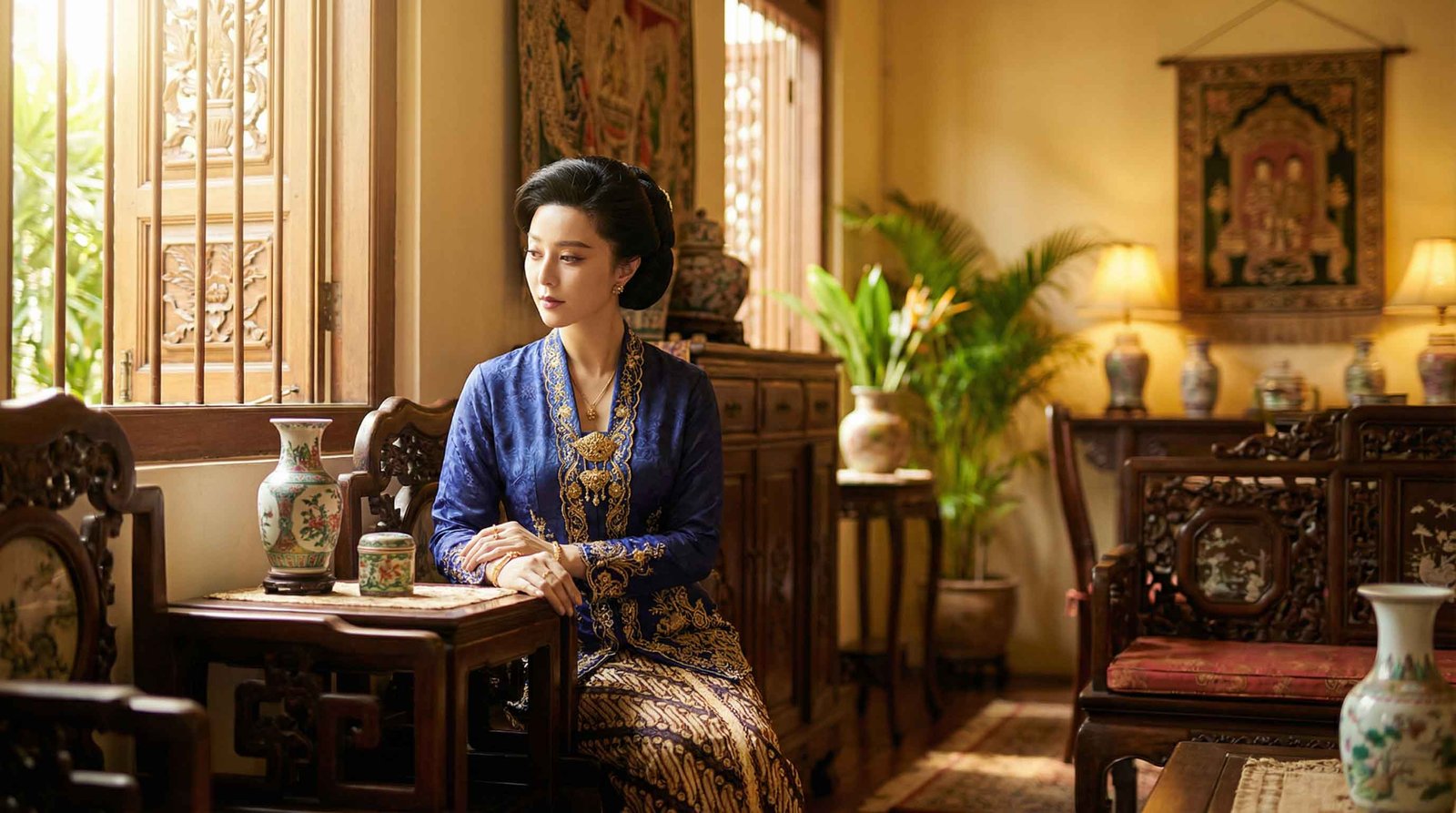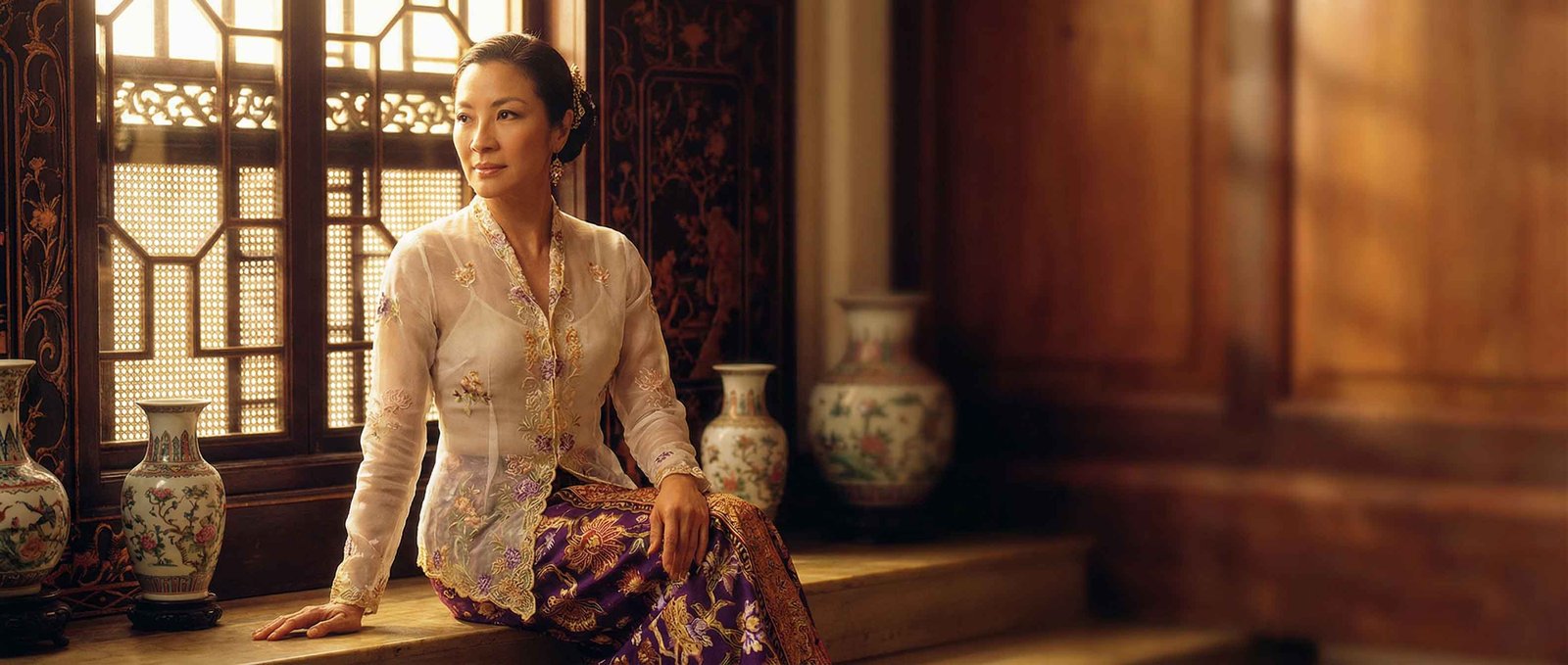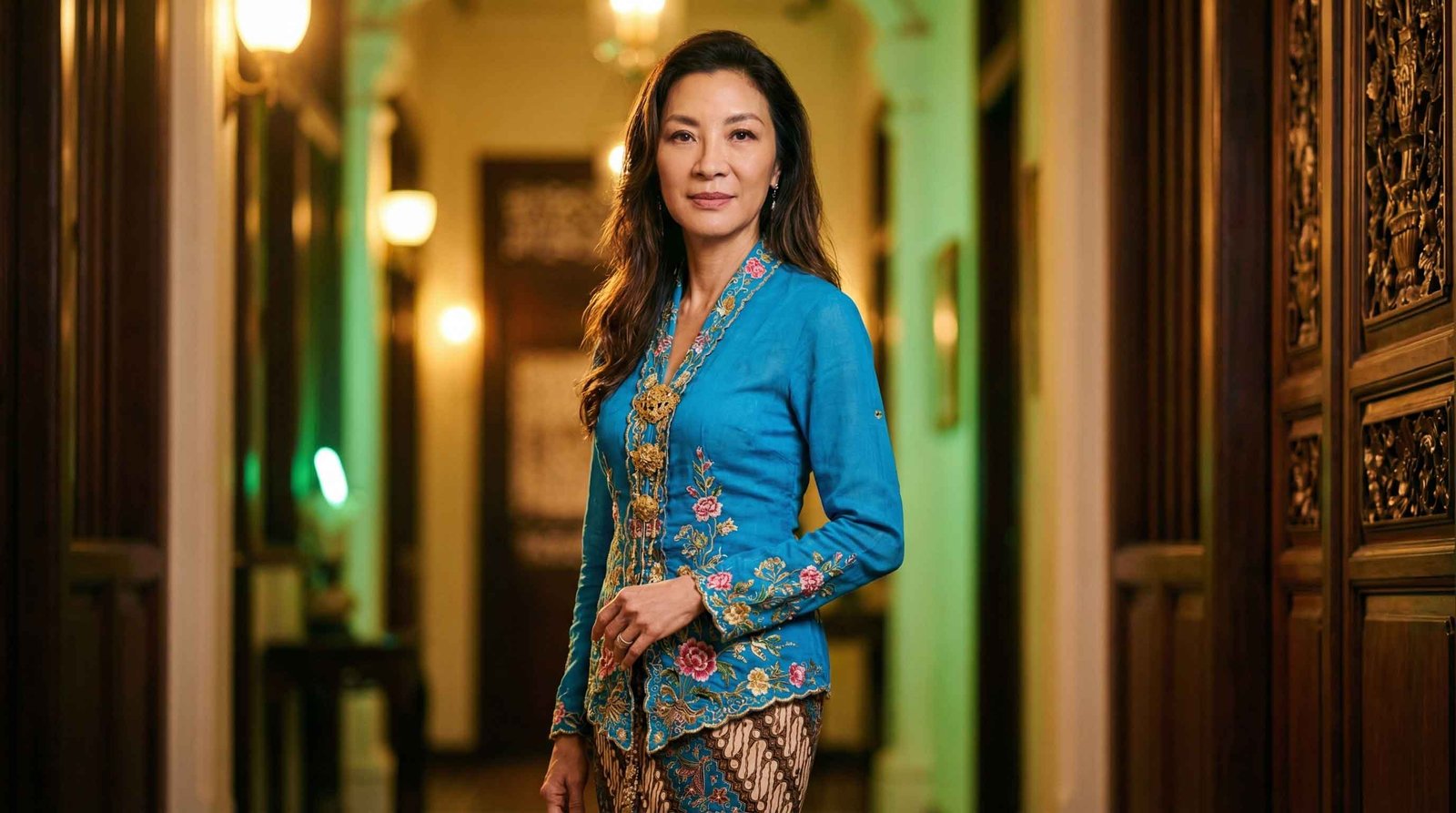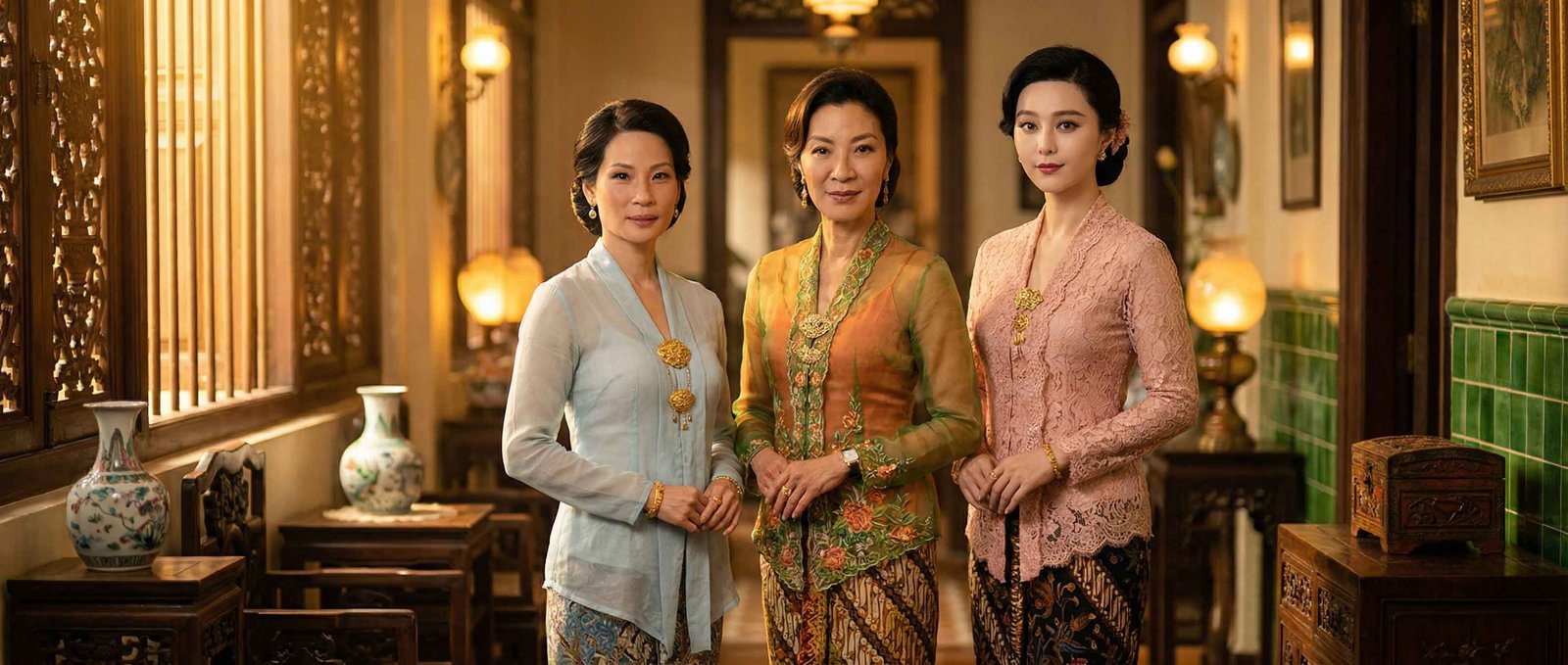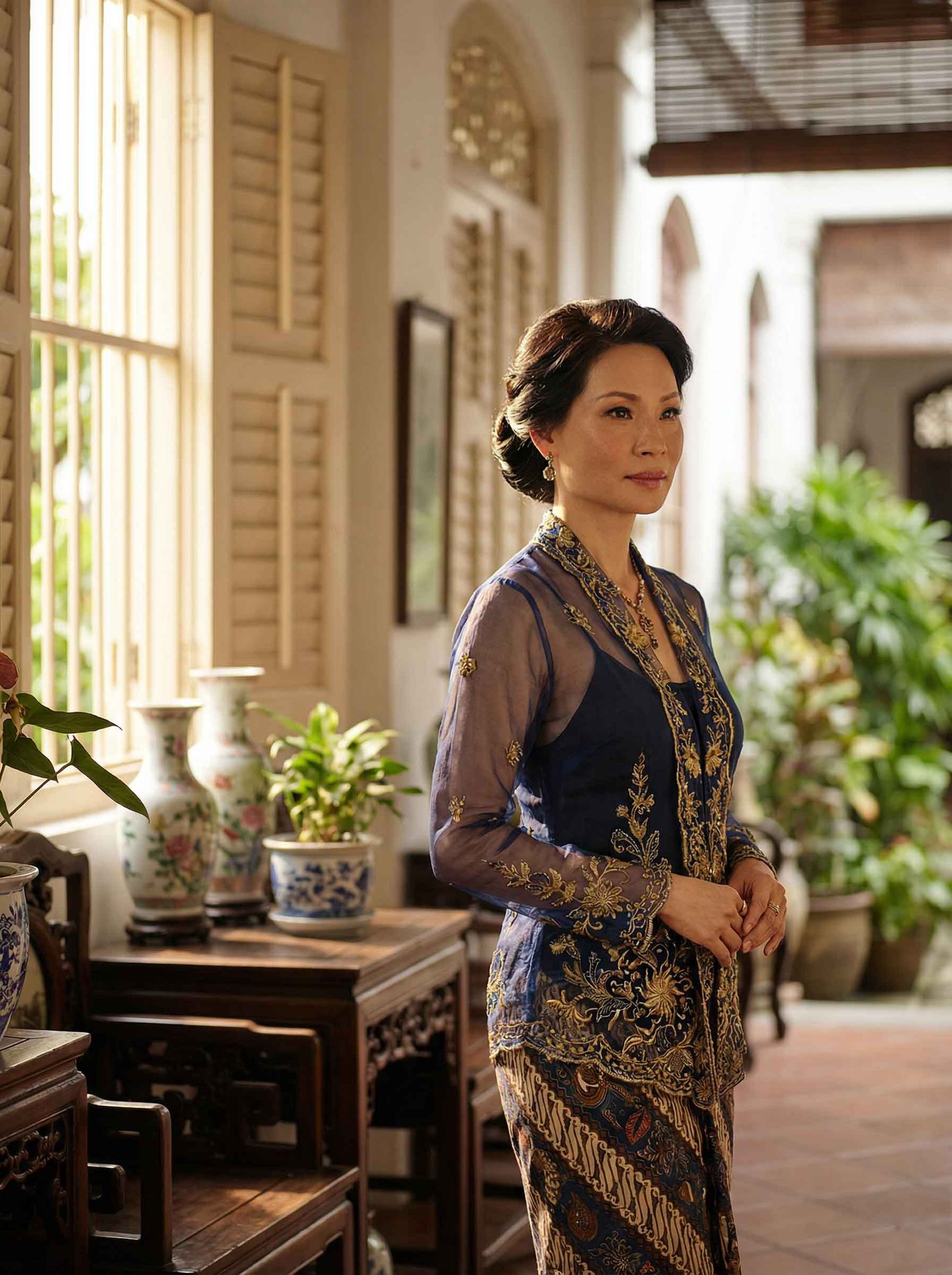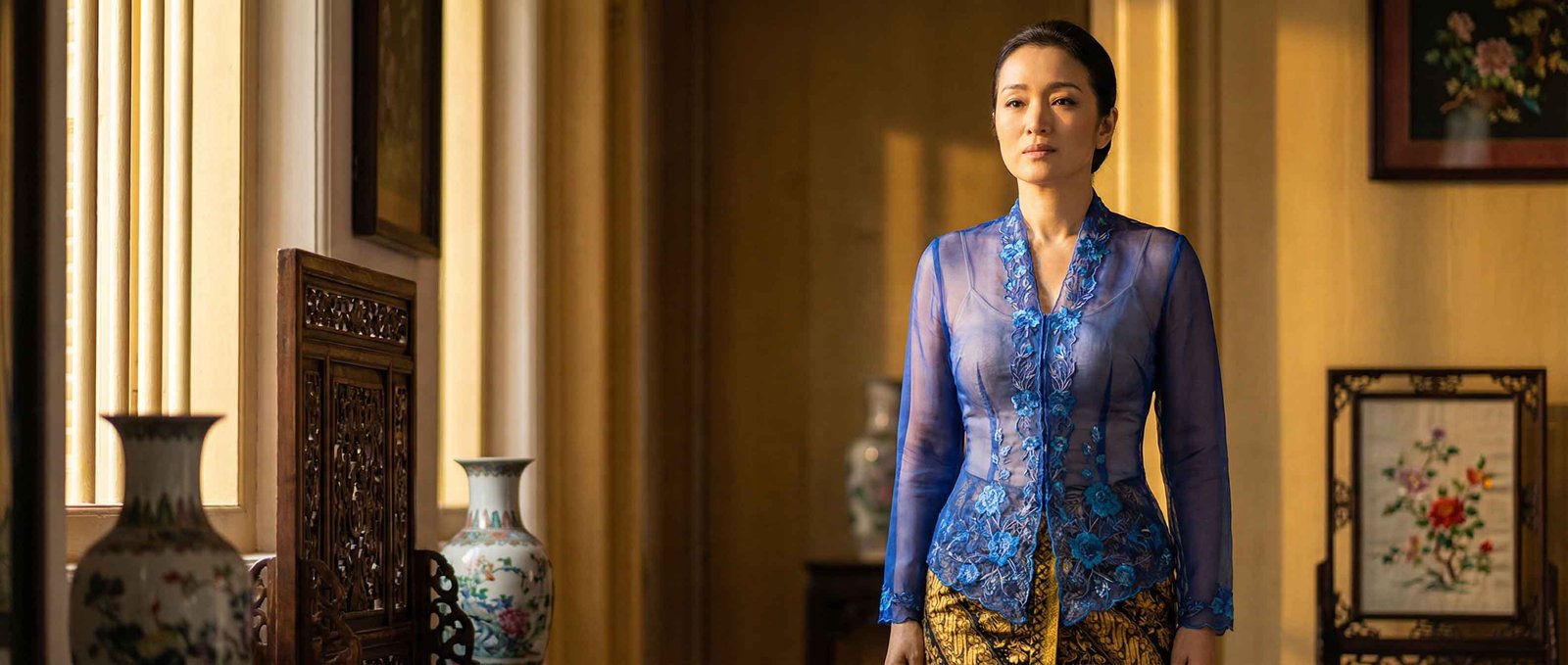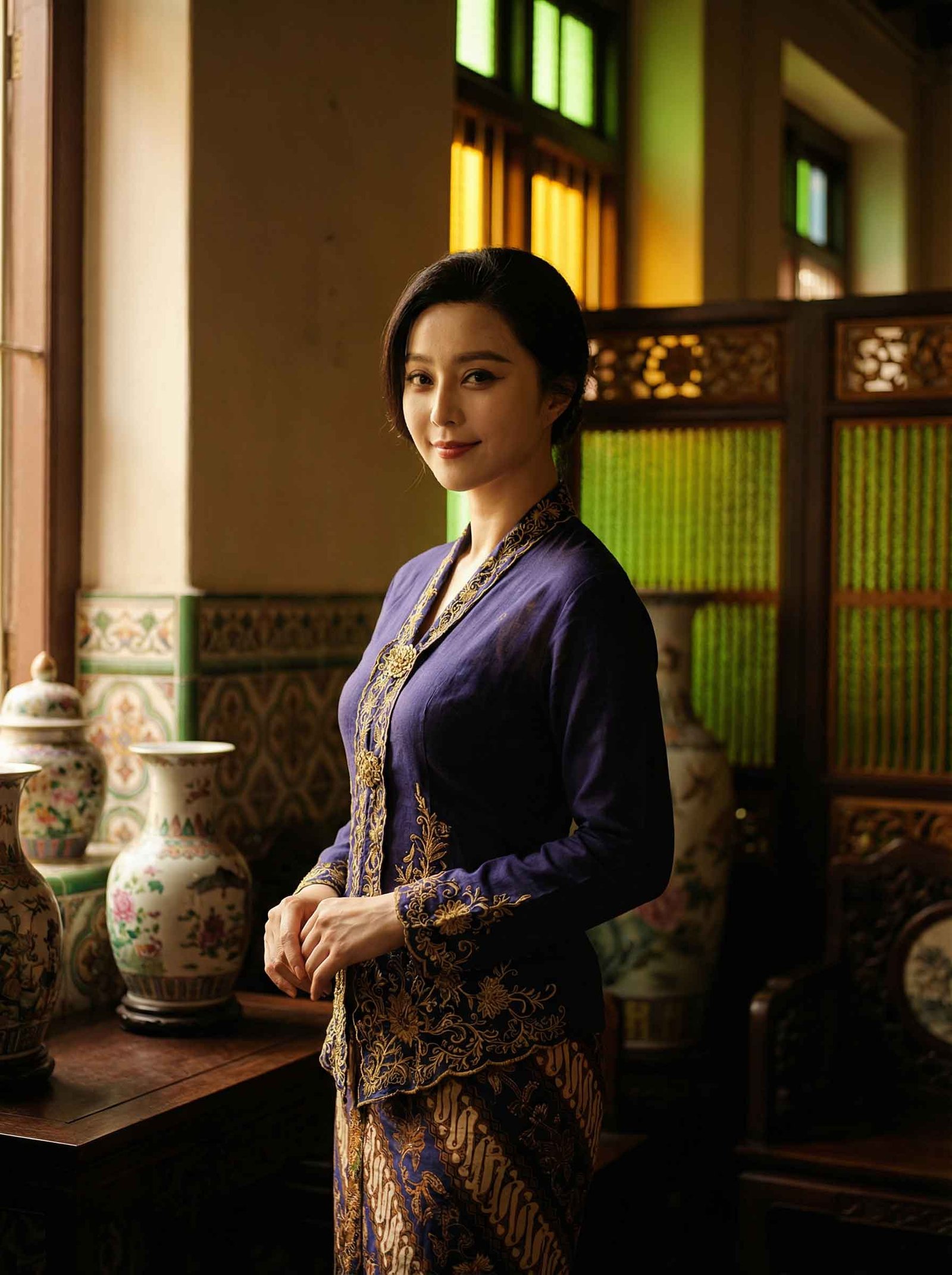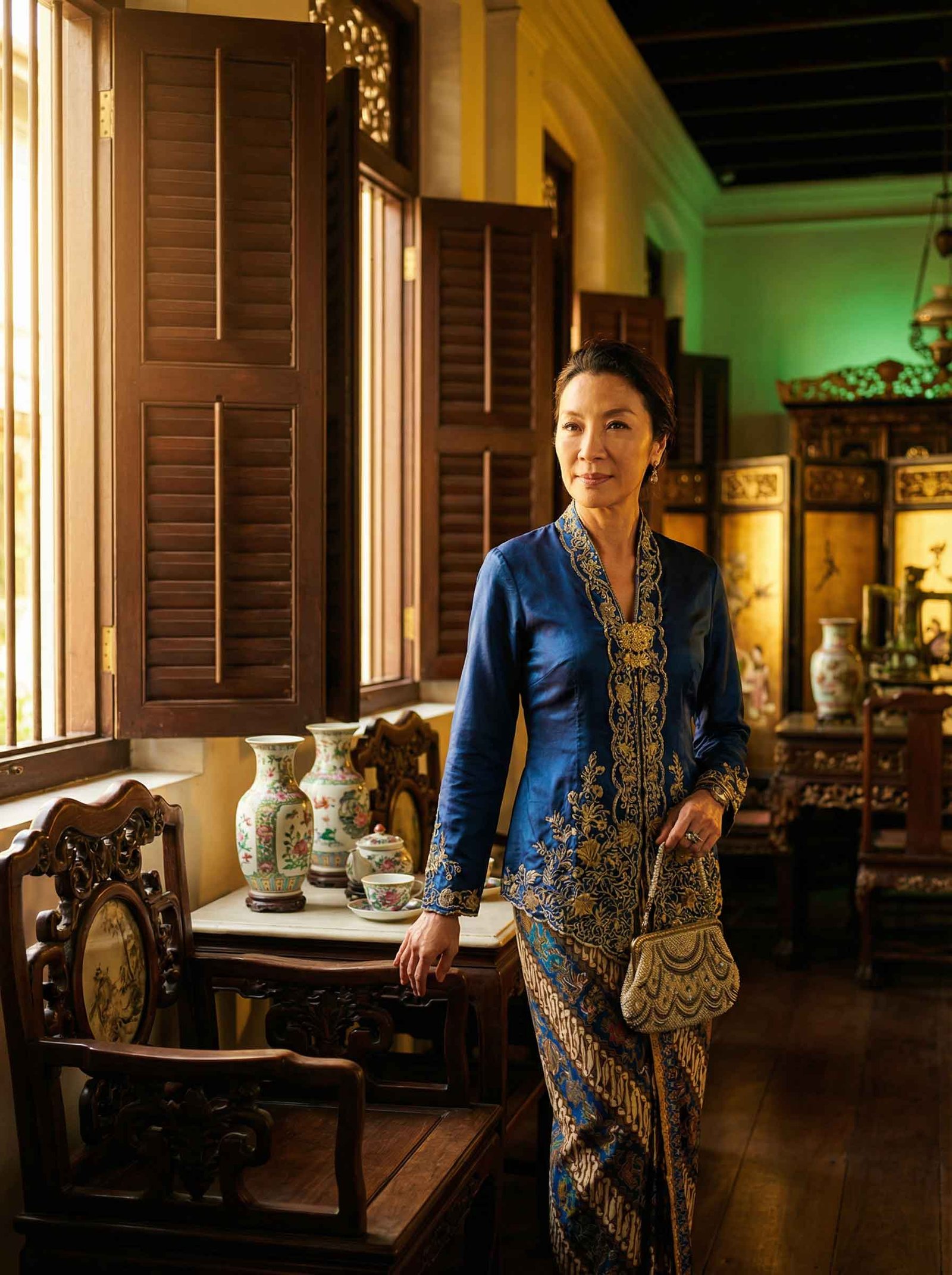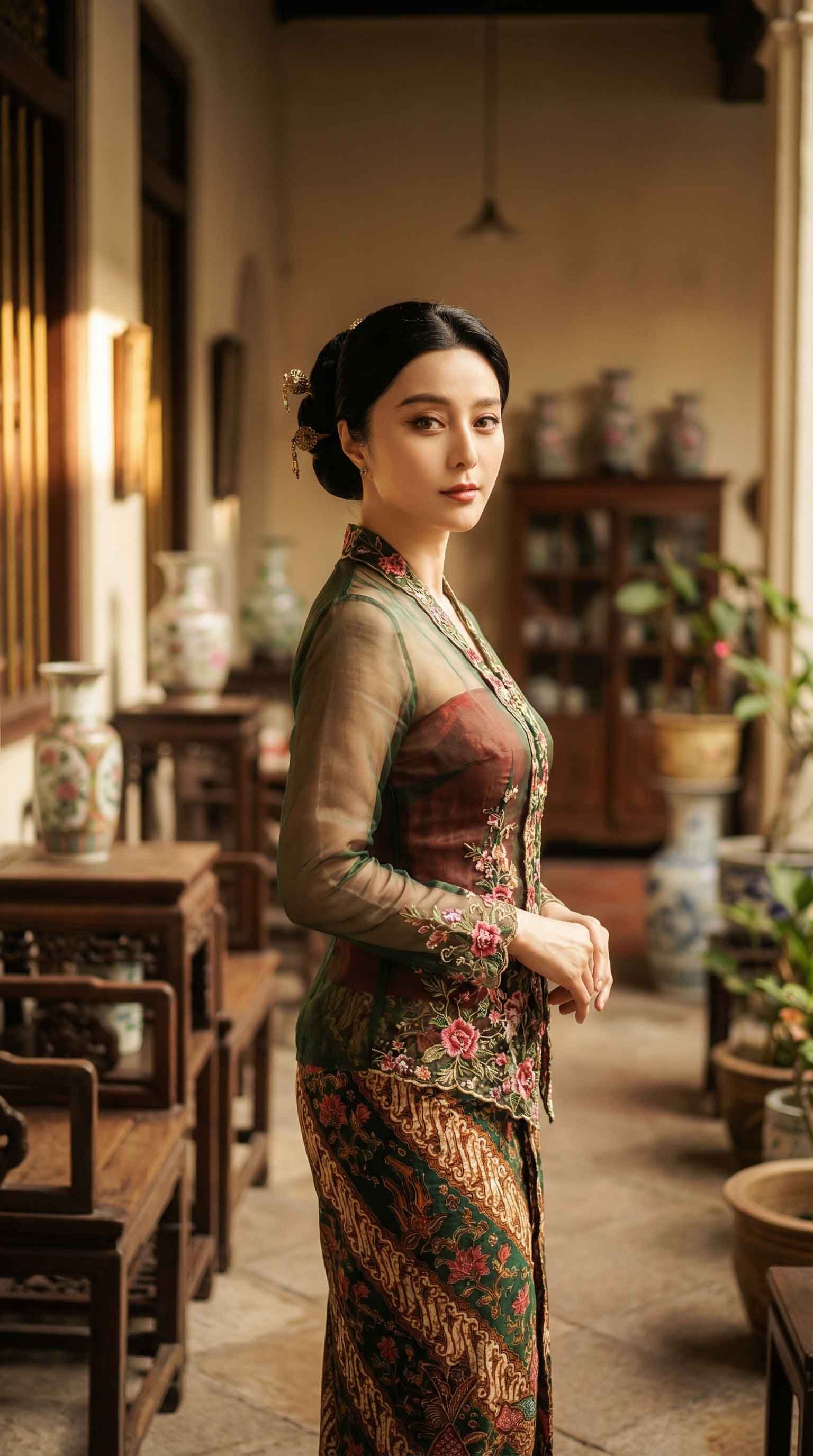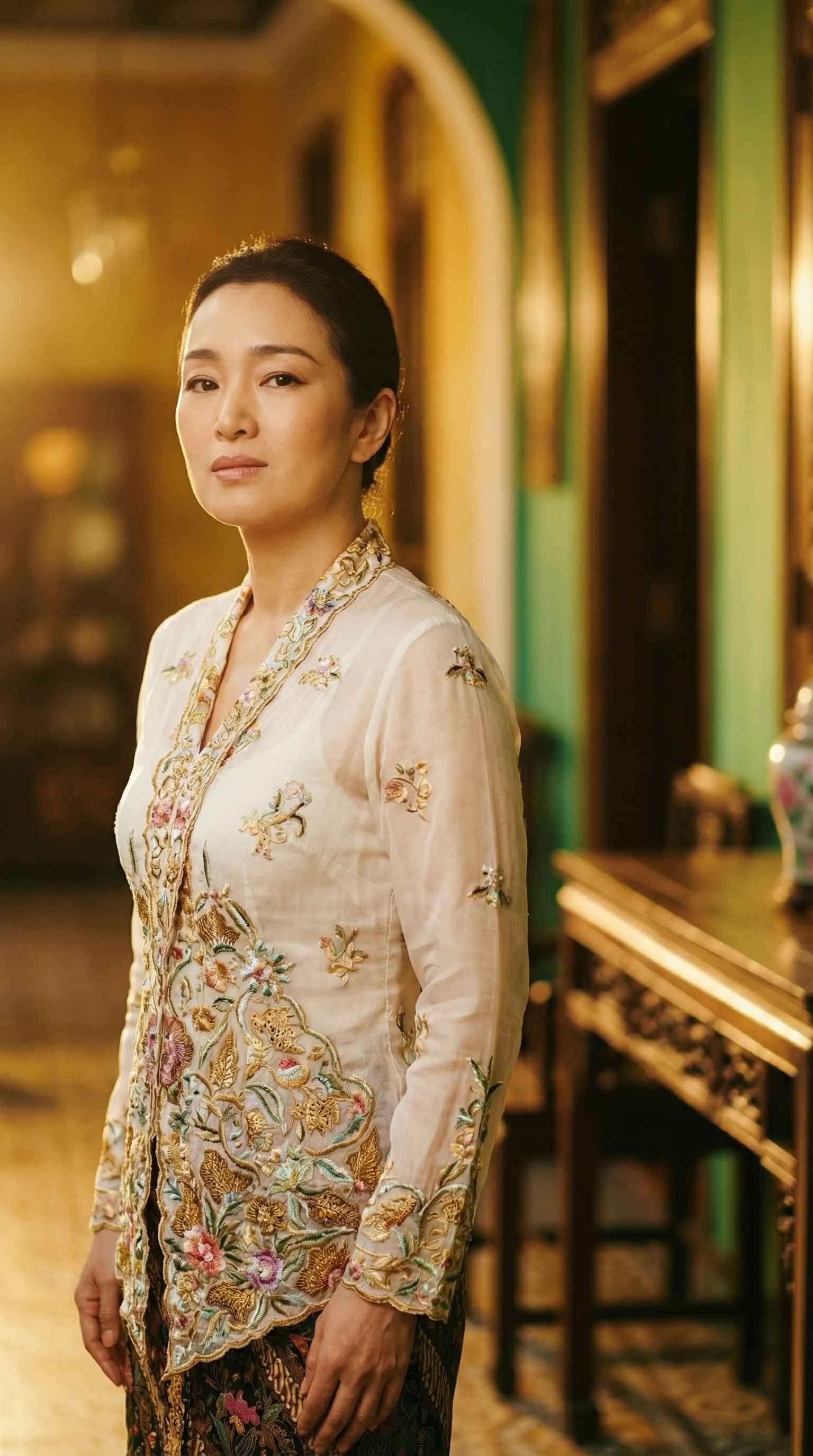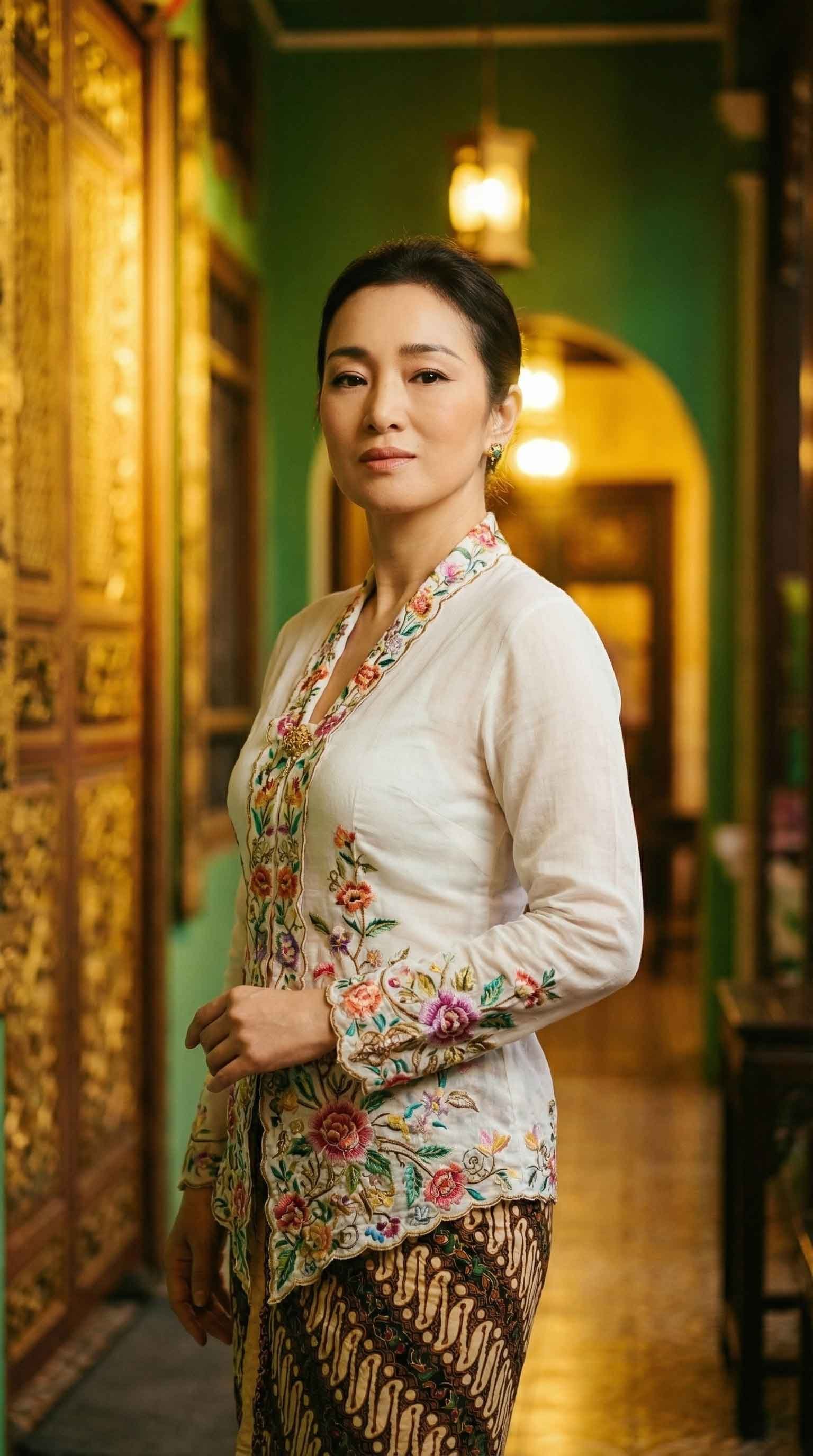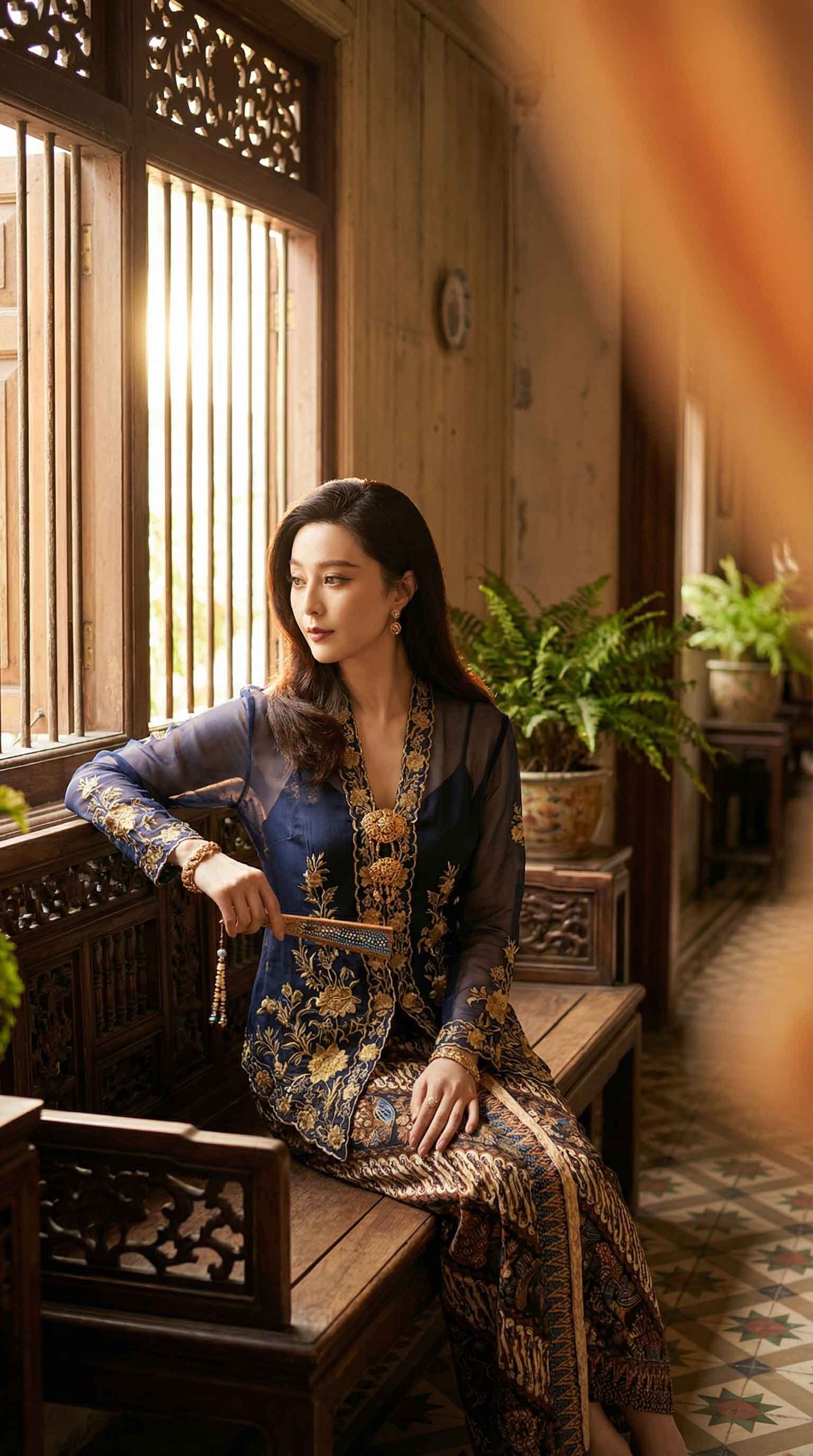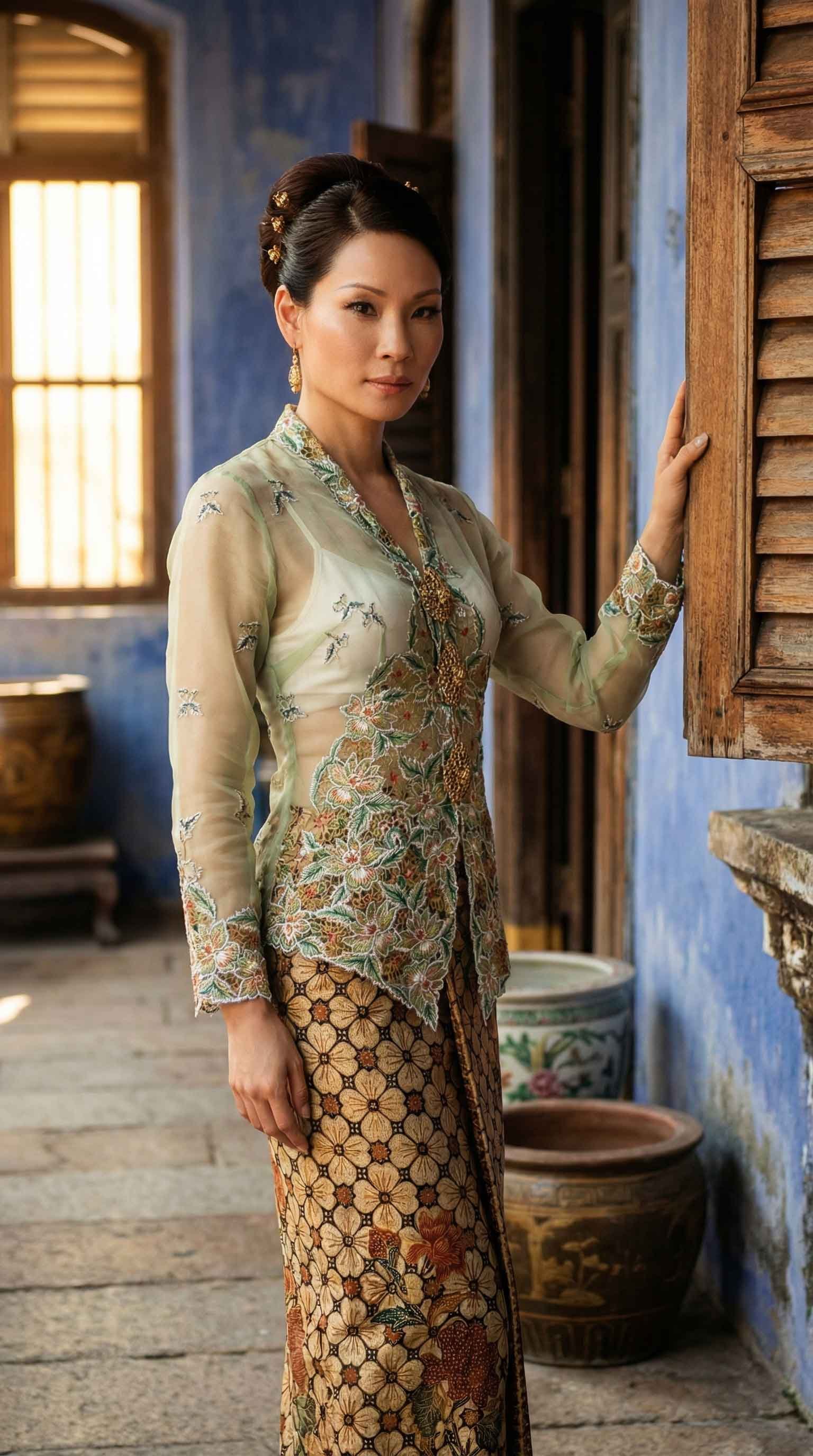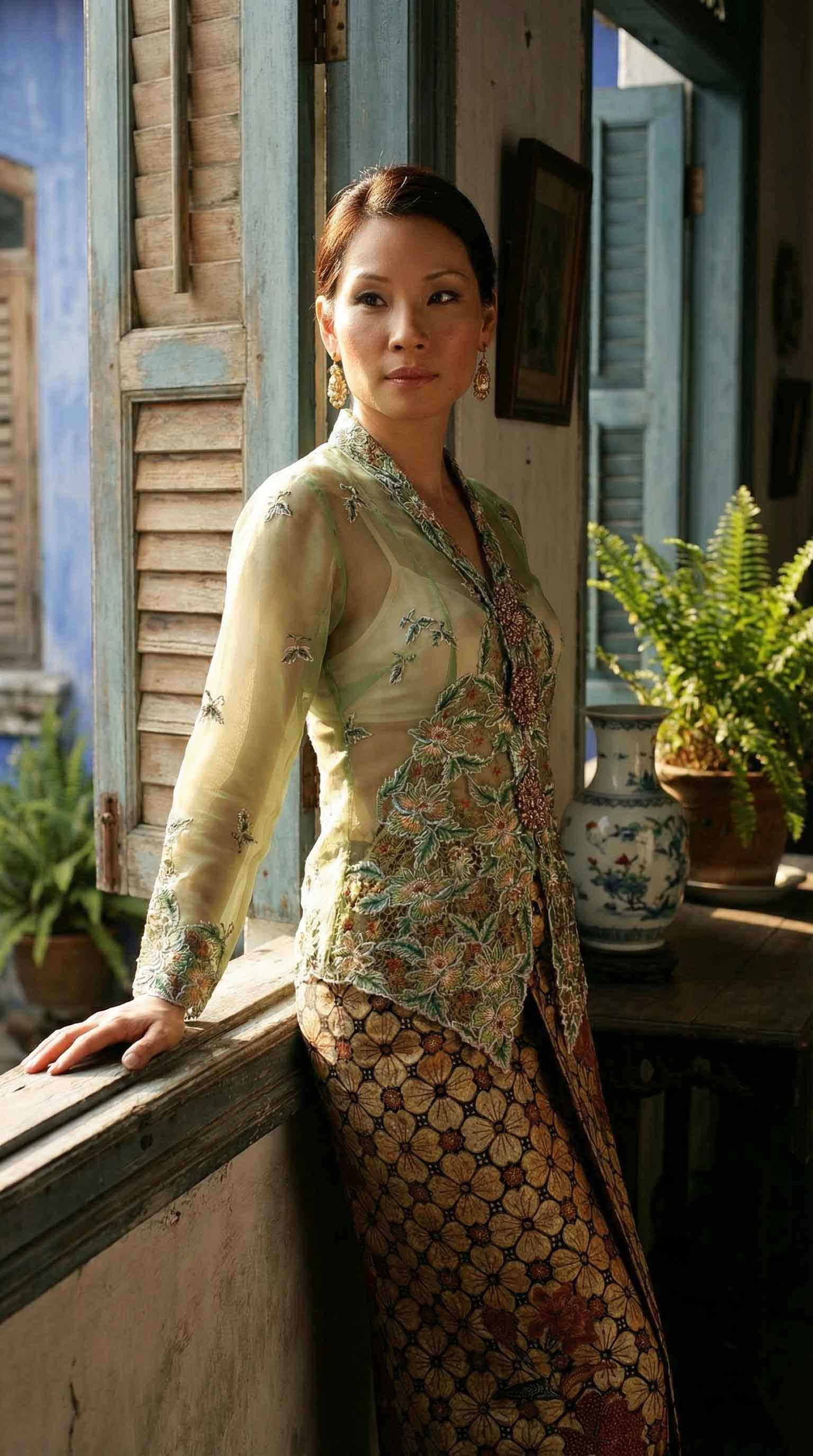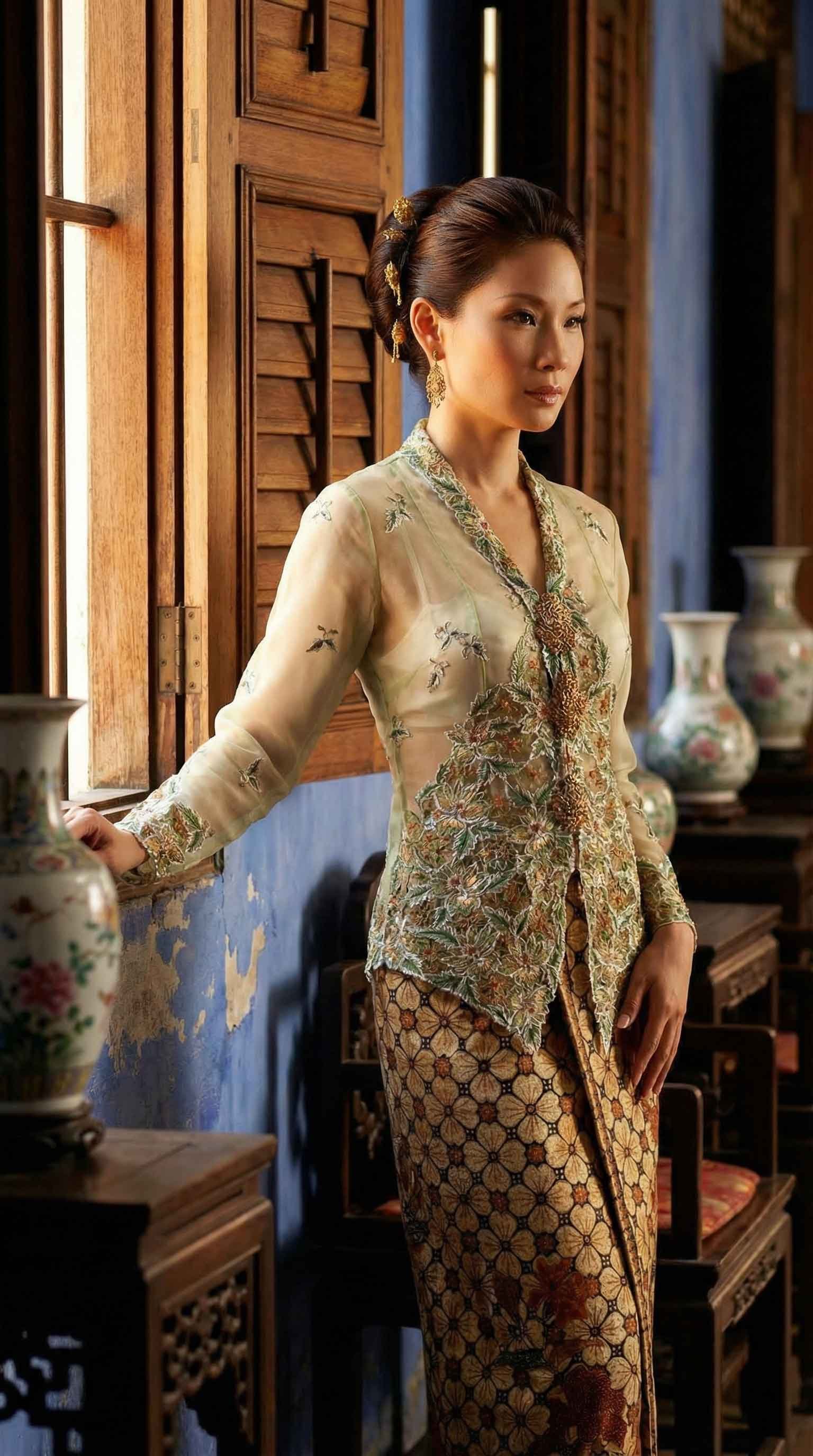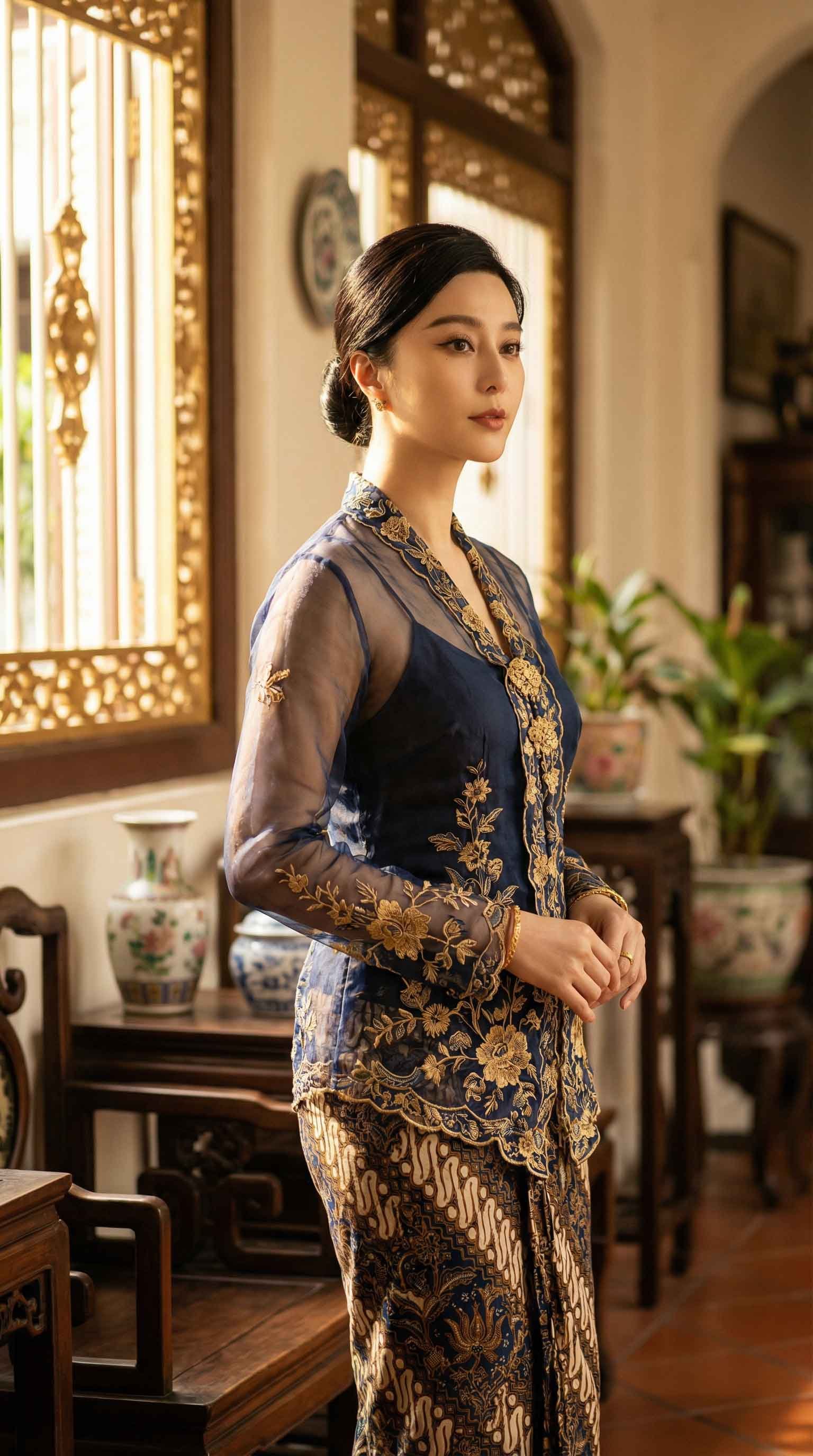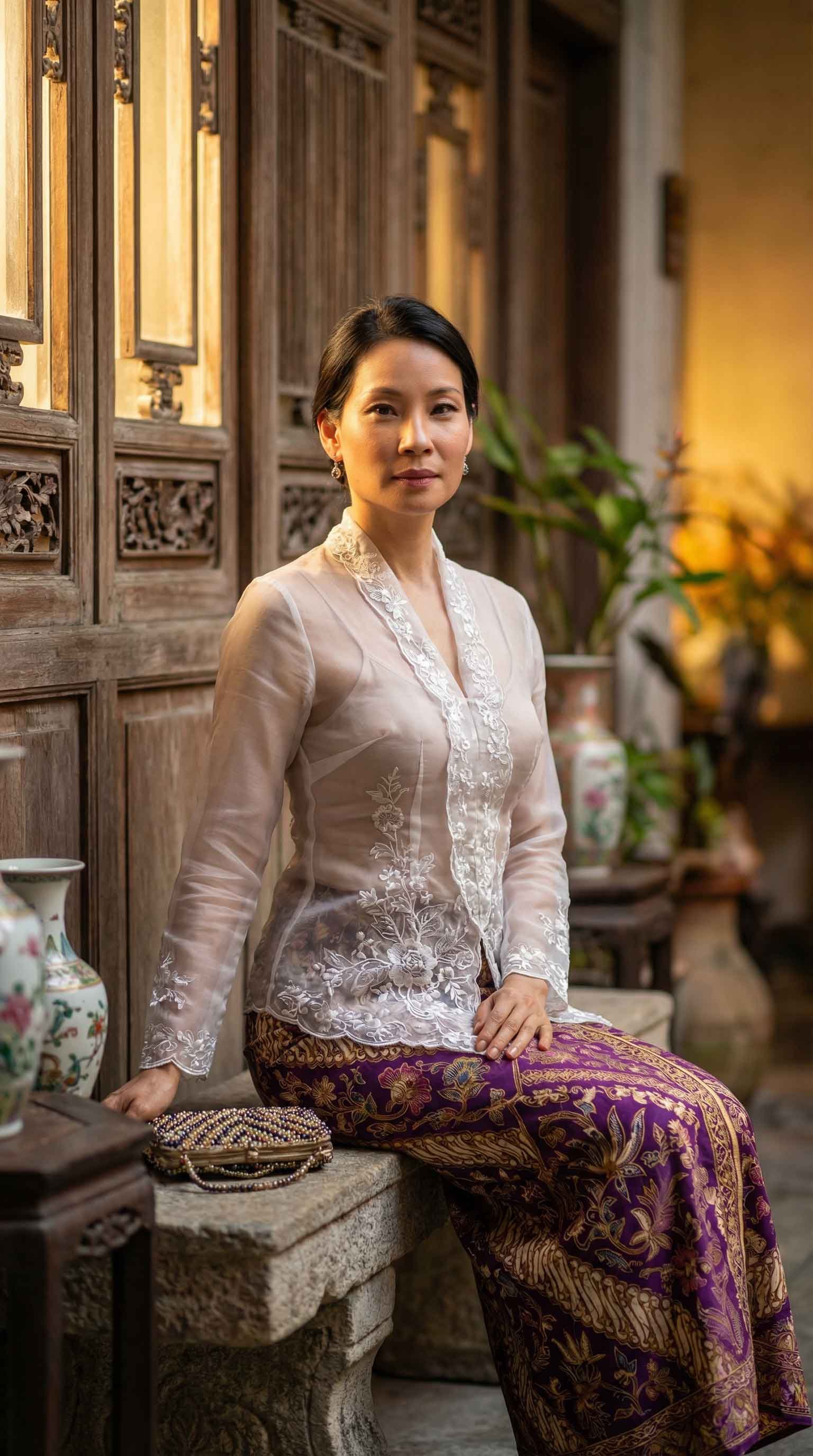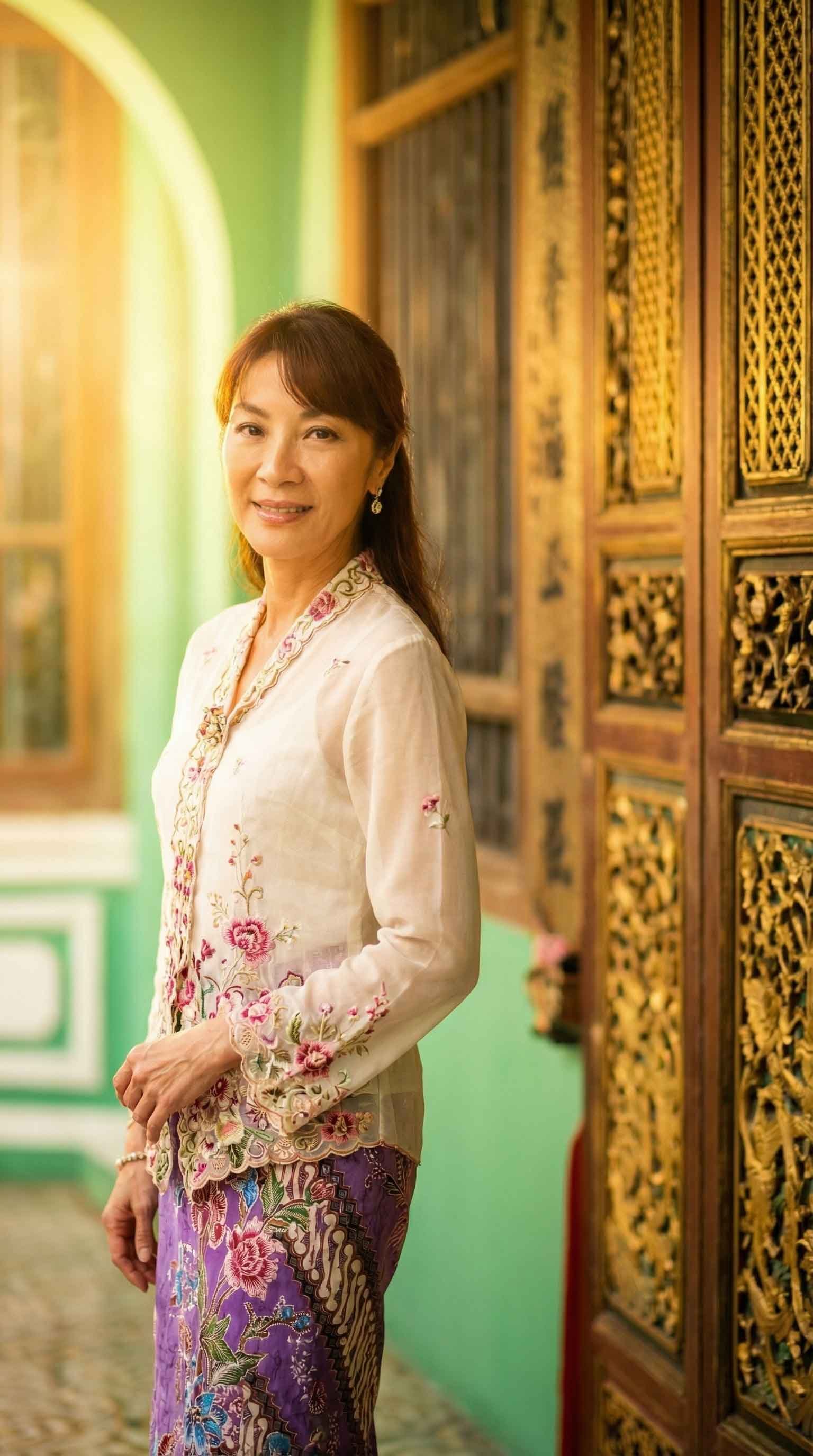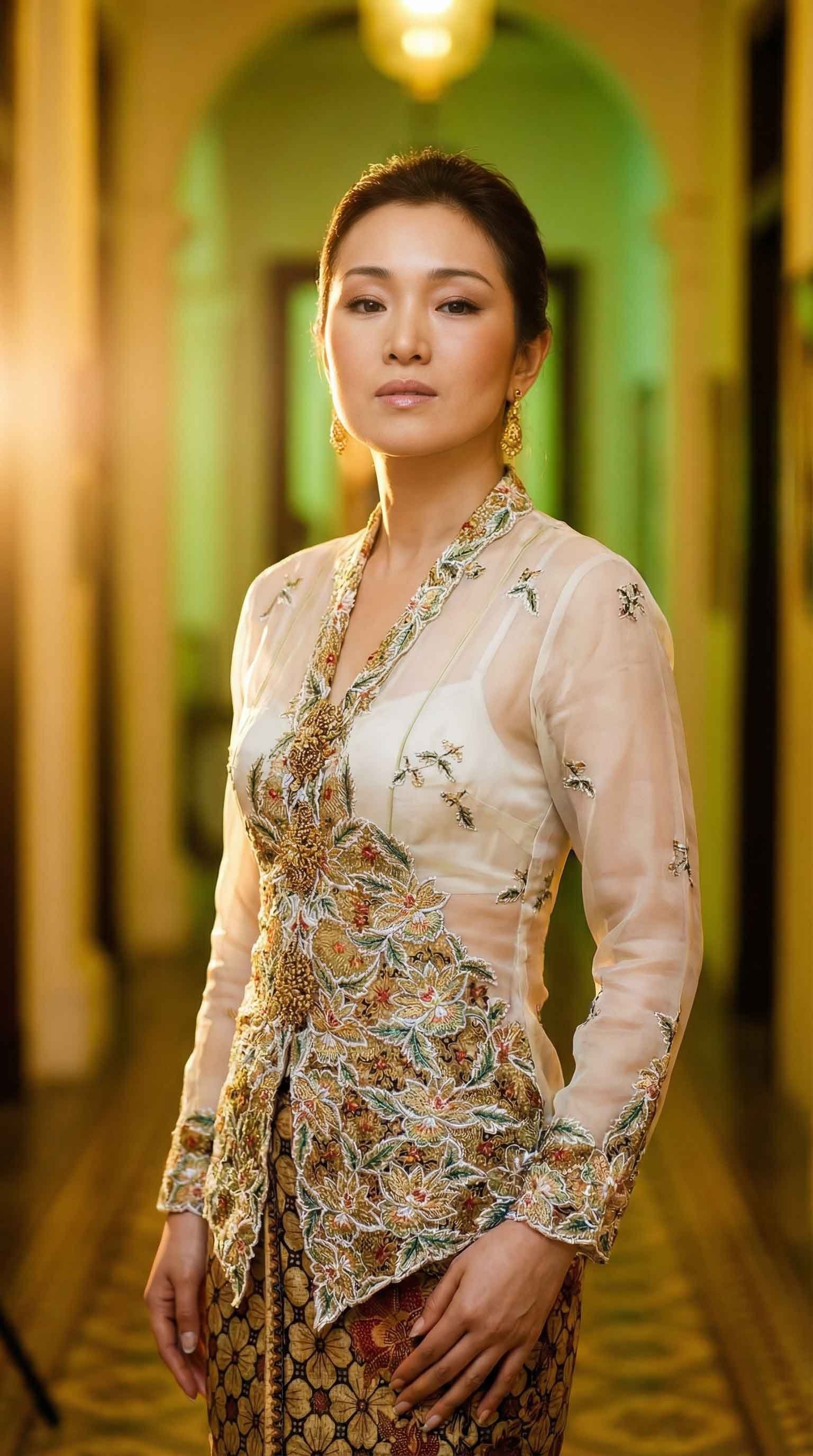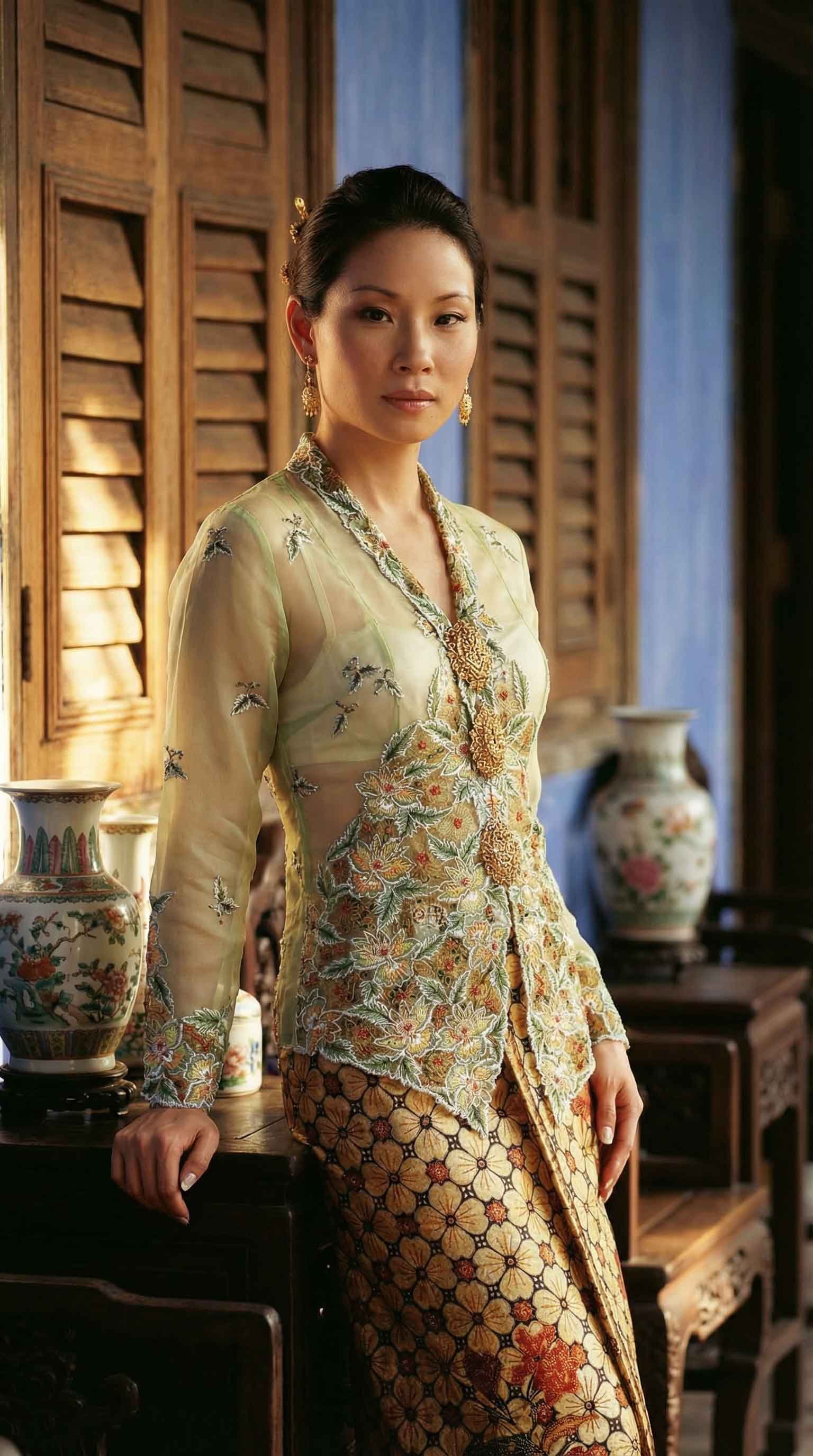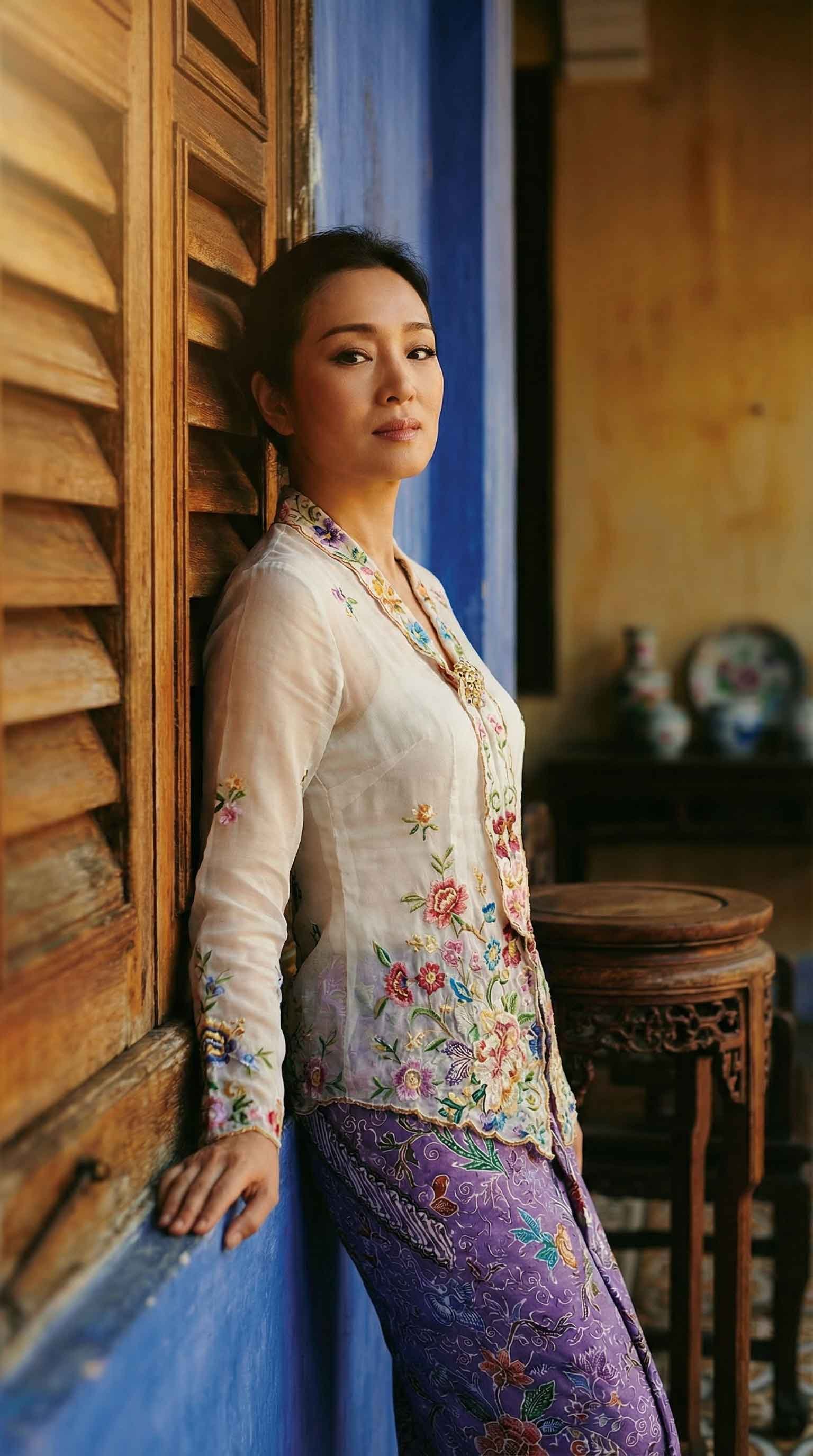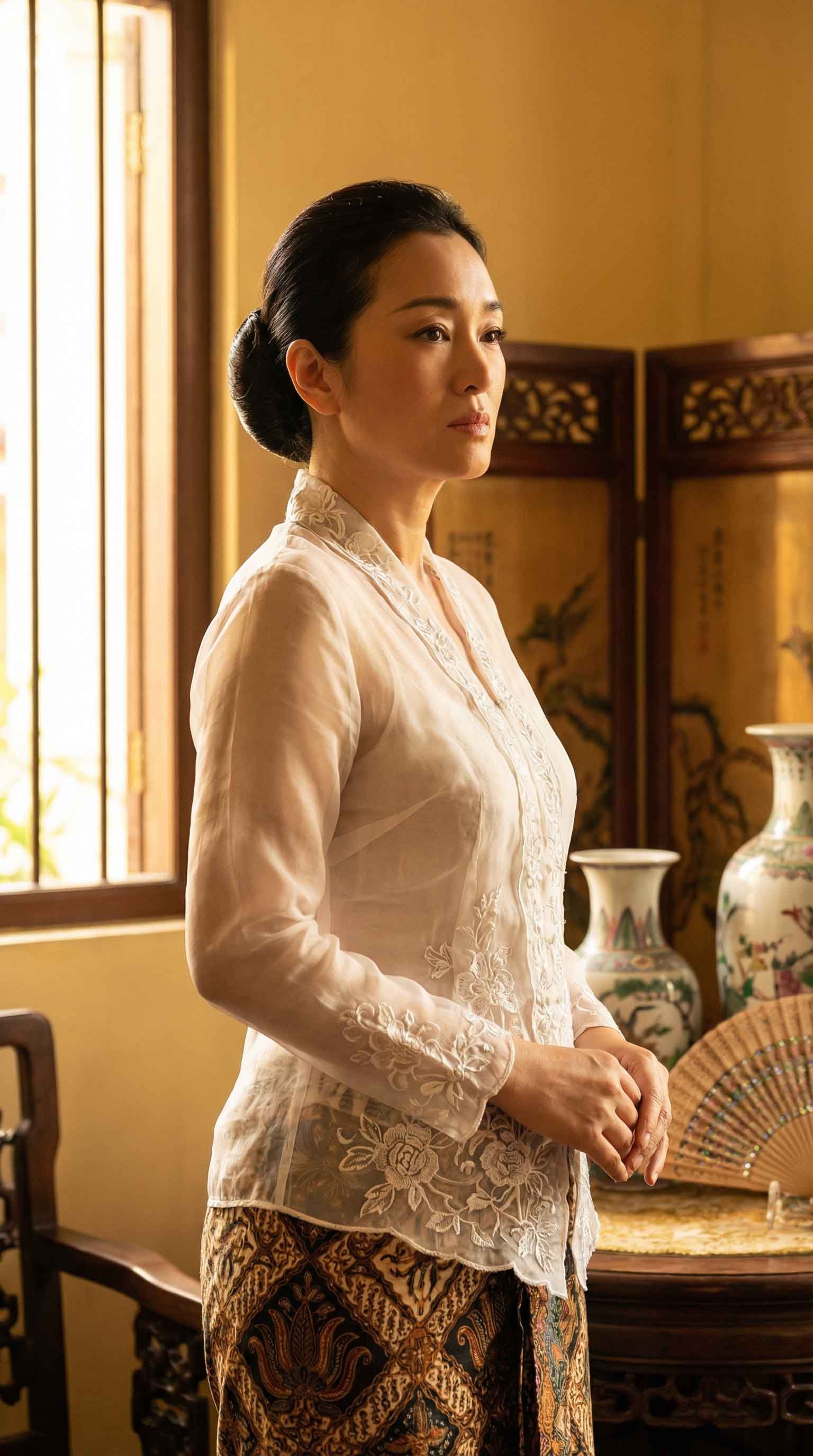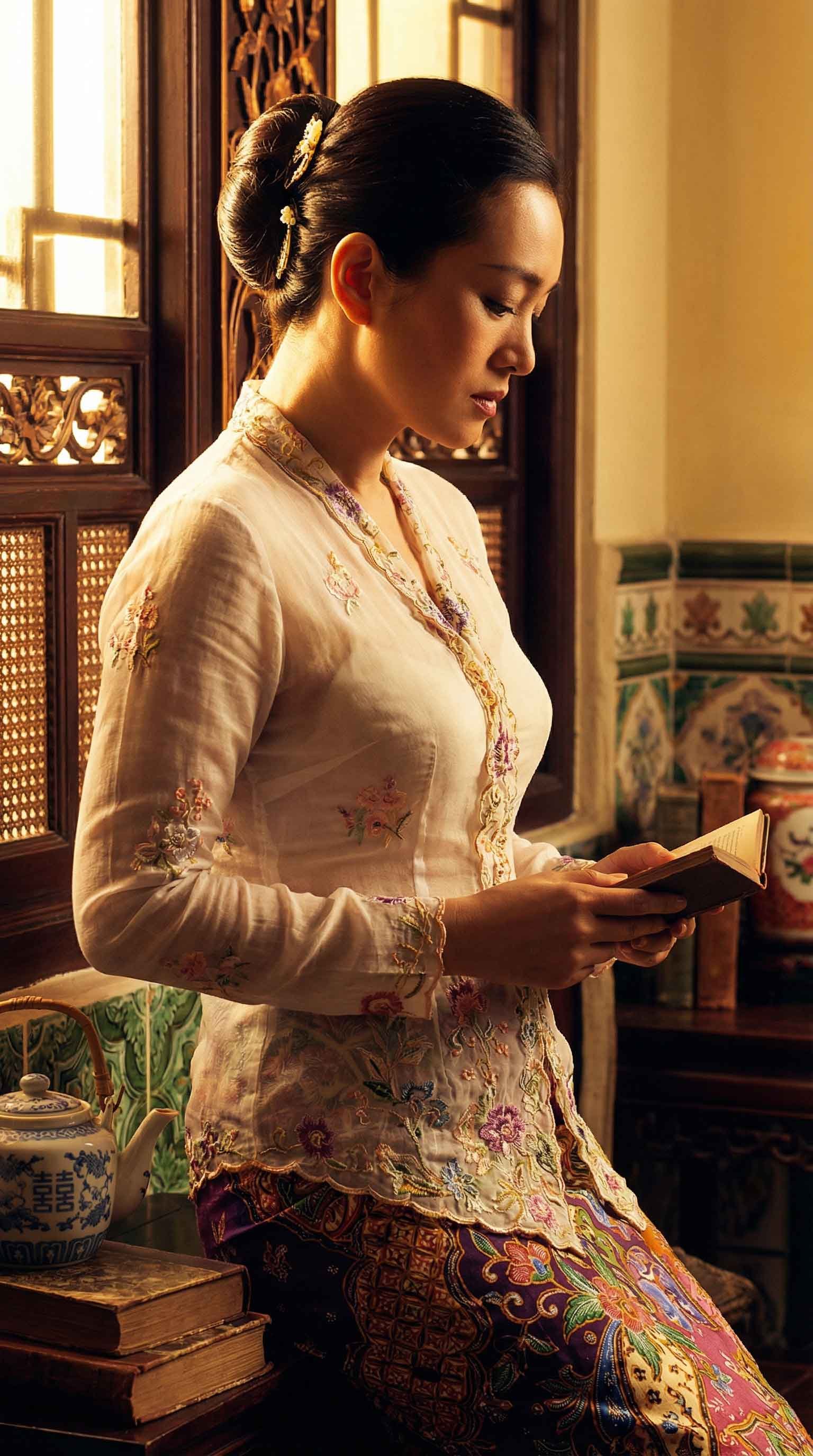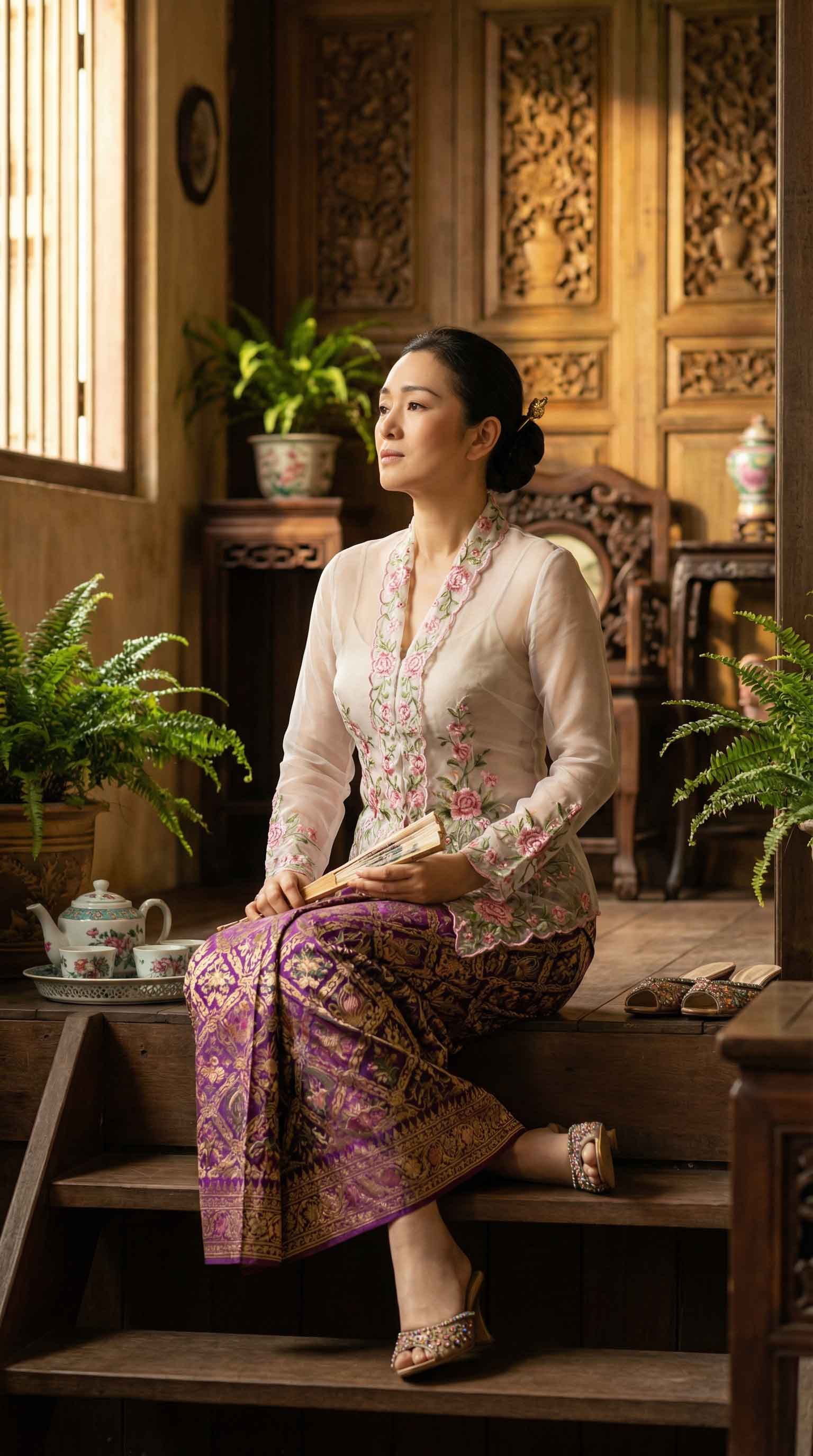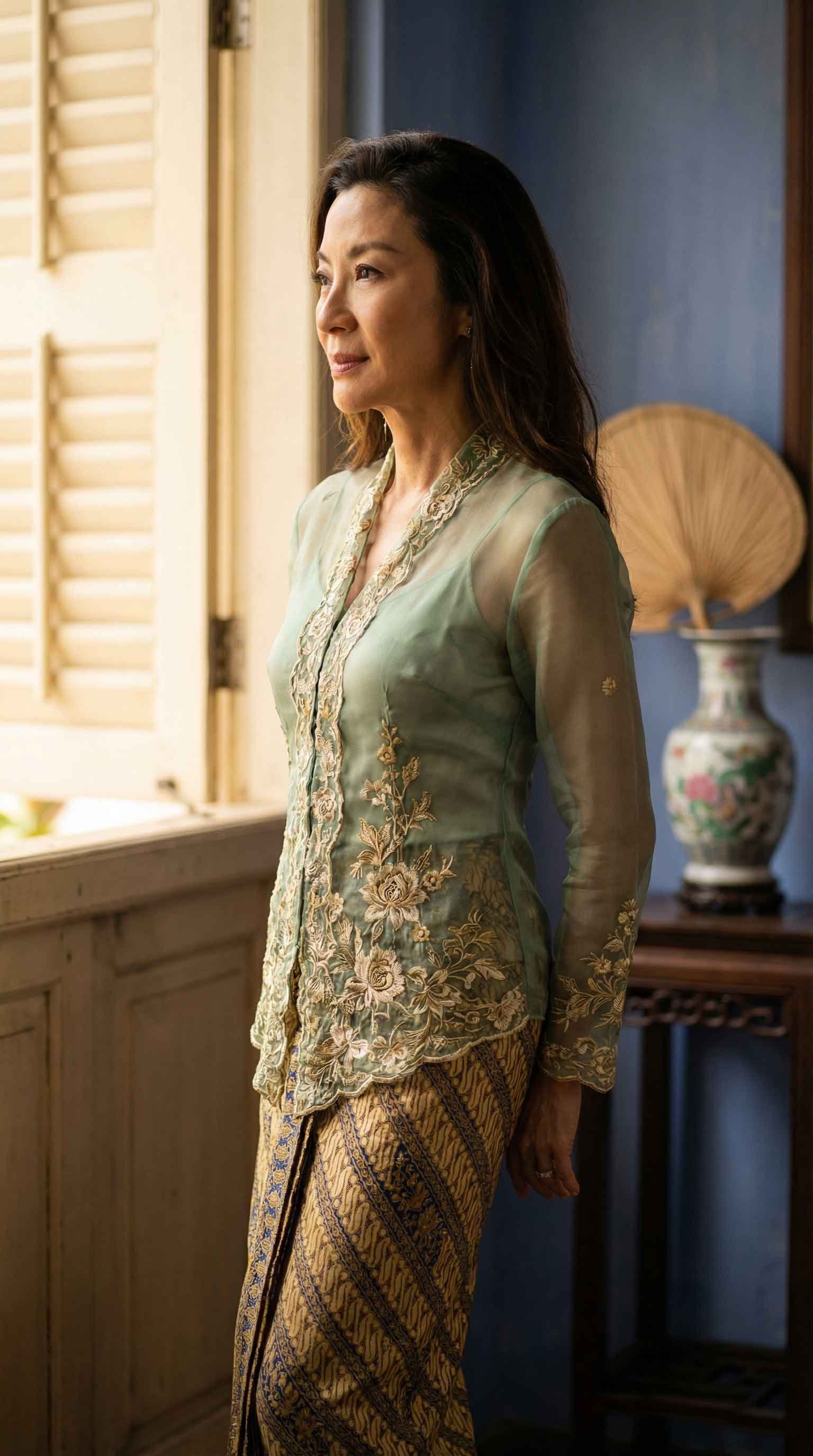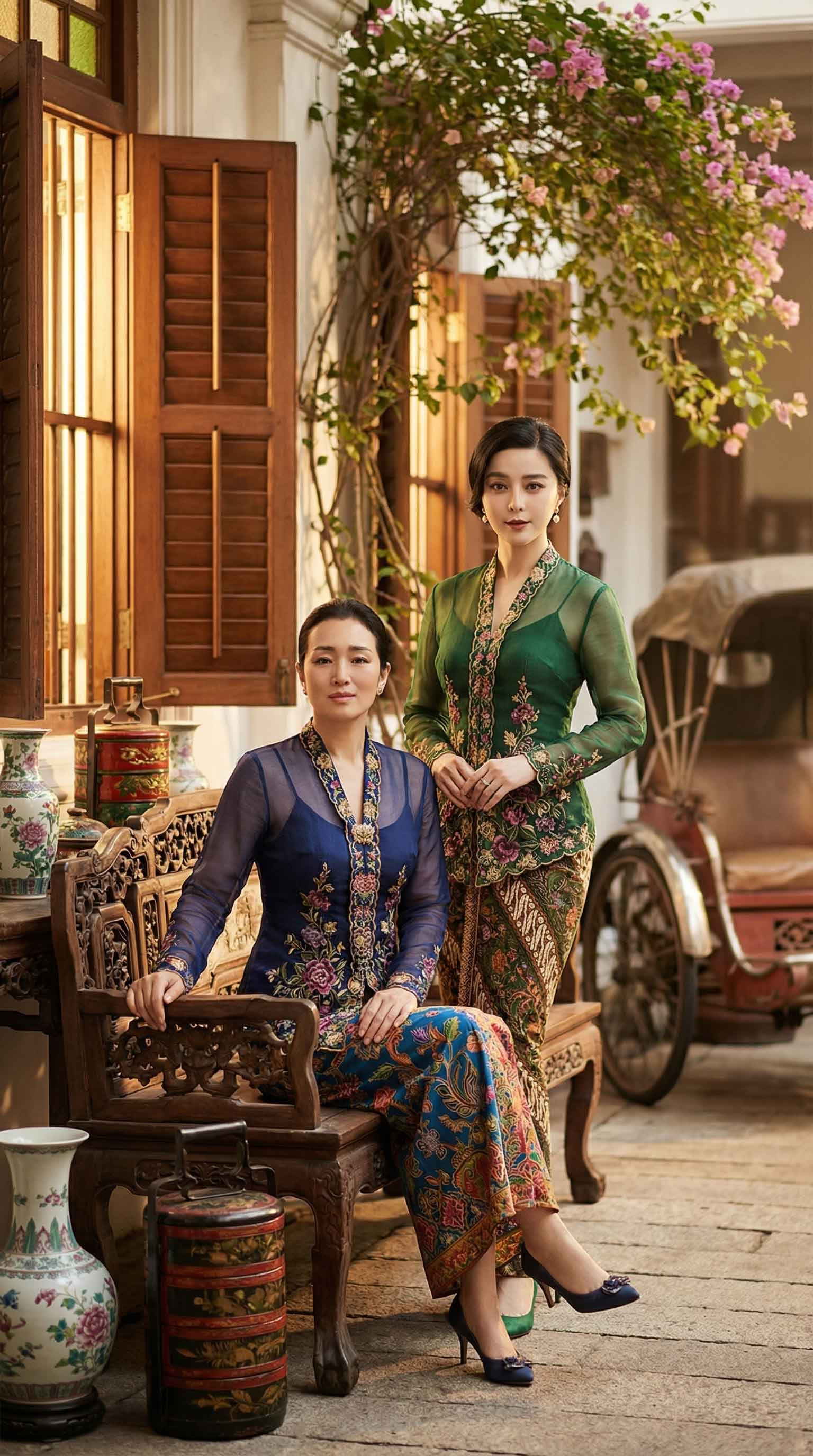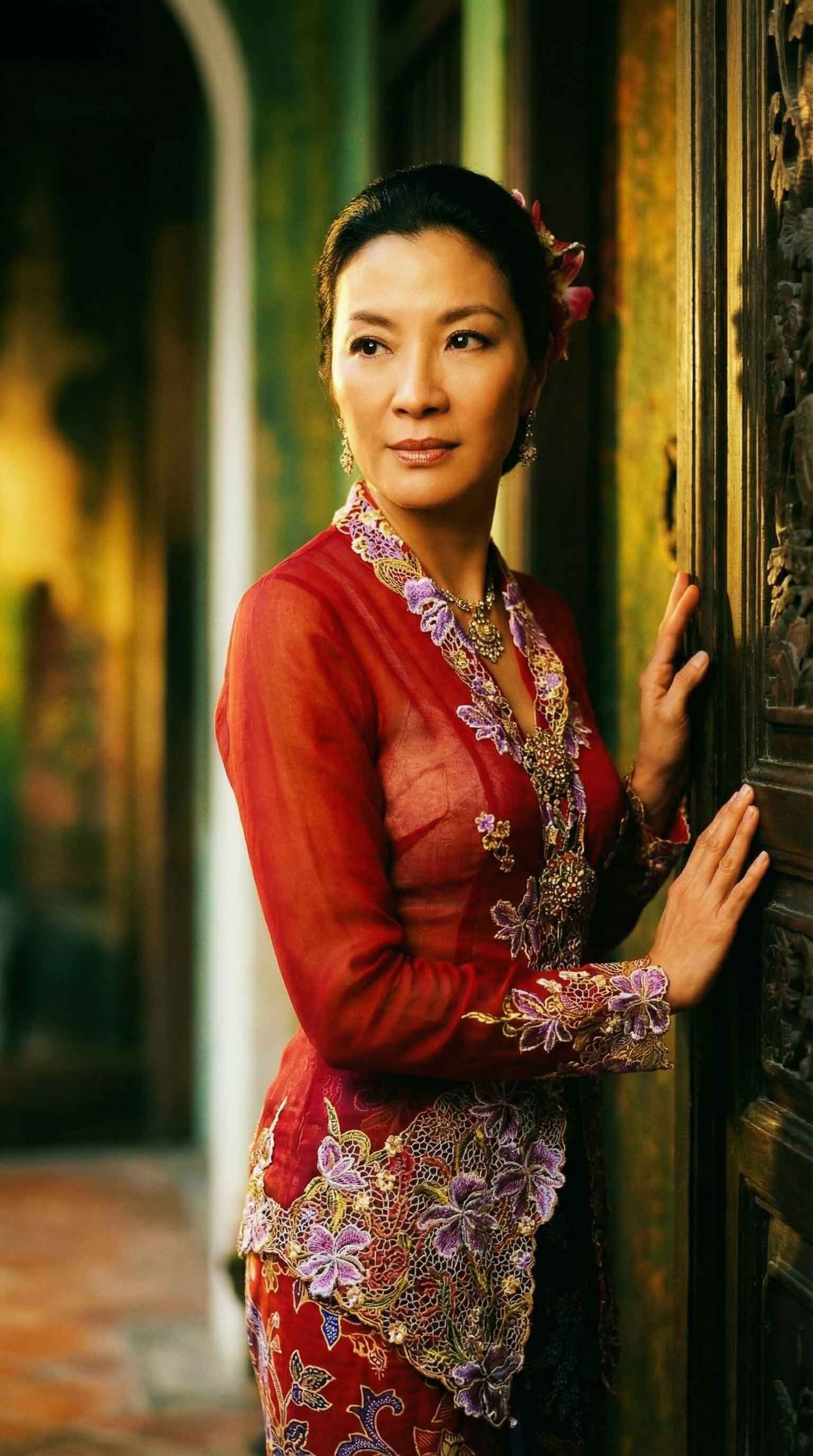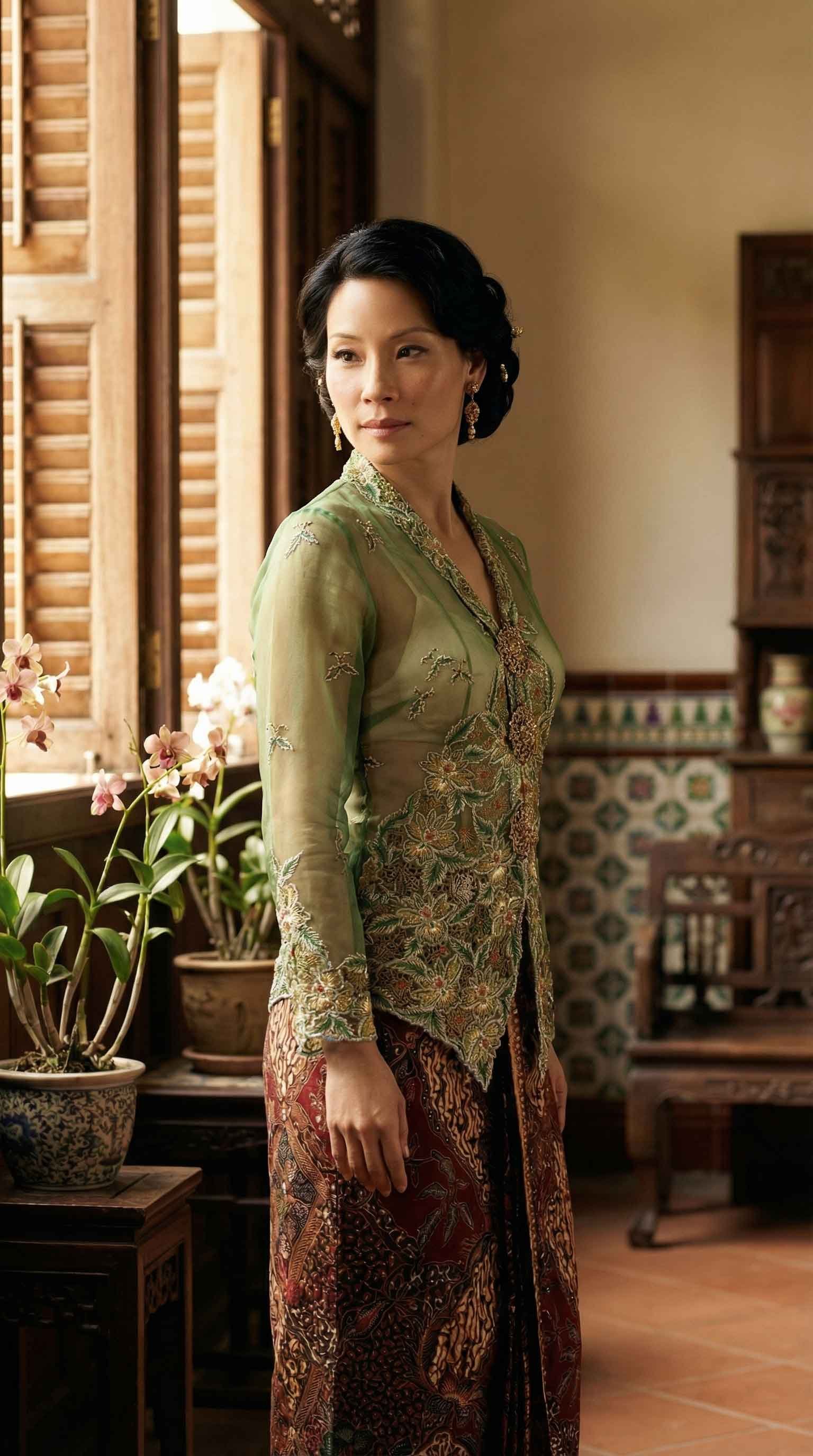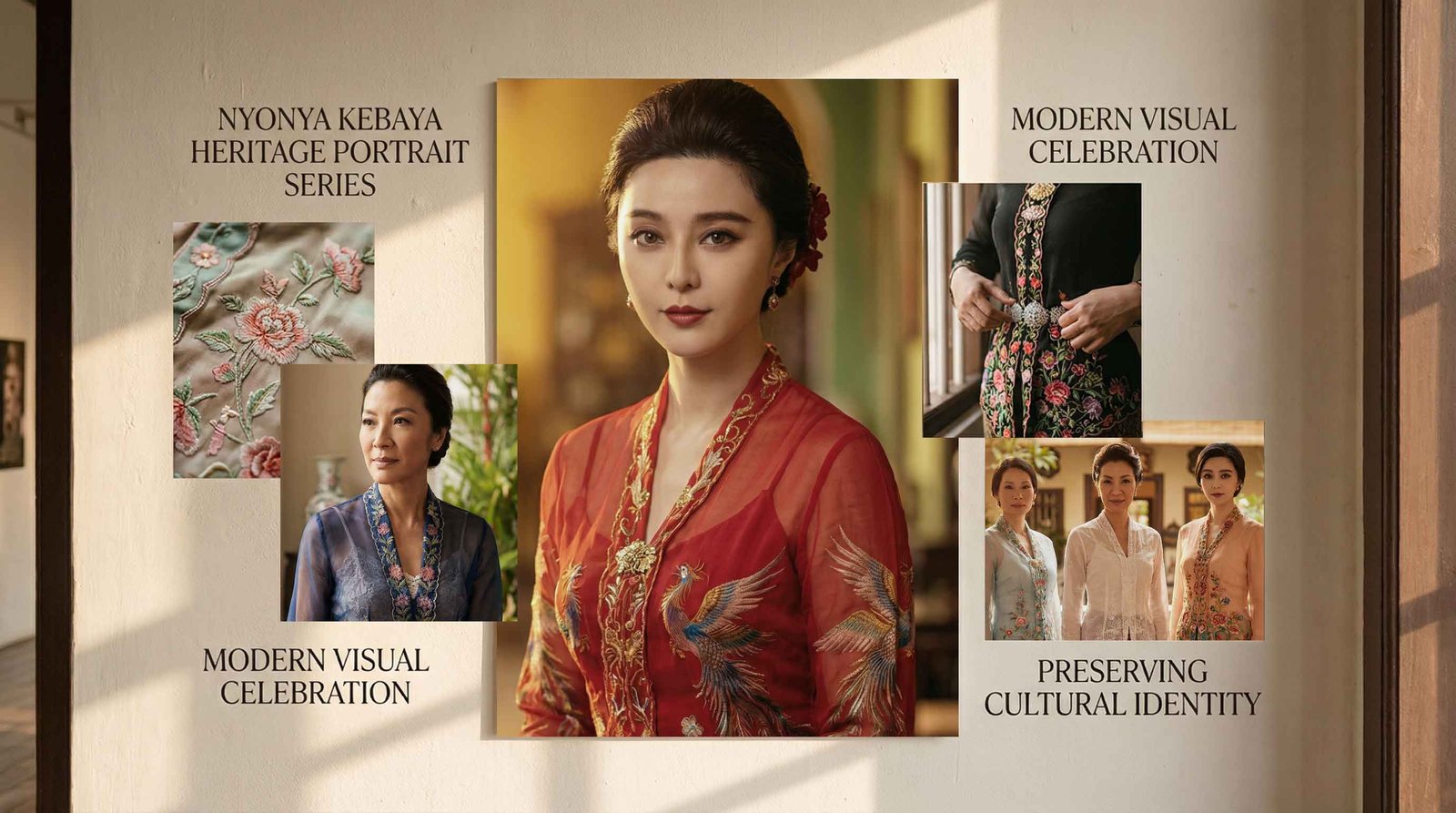
The Nyonya Kebaya Heritage AI-Portrait Series is a modern AI-generated visual celebration of one of Southeast Asia’s most iconic cultural garments. Each portrait captures the beauty, grace, and intricate craftsmanship of the Nyonya Kebaya while blending cinematic light, realistic textures, and warm emotional expression.
This series preserves cultural heritage and transforms it into modern visual storytelling—allowing global audiences to rediscover the elegance of Peranakan identity.
Originating from the Straits-born Peranakans, the Nyonya Kebaya represents centuries of cultural blending between Chinese, Malay, and local traditions.
Its vibrant colors, floral motifs, and handcrafted embroidery are symbols of femininity, refinement, and cultural pride.
AI Impressions Hub (AIH) turns these historical details into stunning portraits and arts—capturing every emotion, lace texture, and embroidered detail in stunning realism.
Soft lighting, expressive poses, and emotional warmth make each image feel like a movie still.
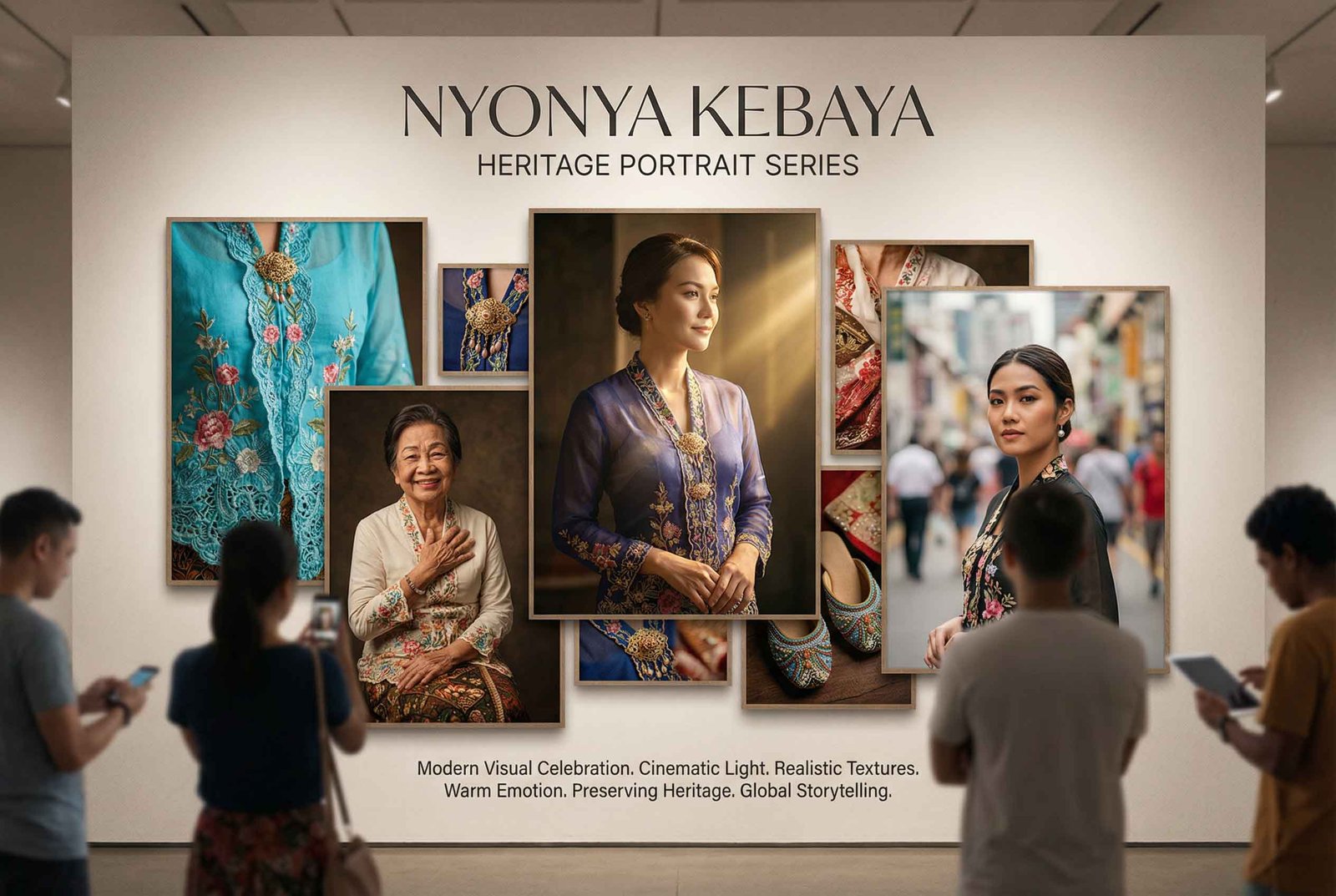
From floral embroidery to lace-panelled sleeves, the series accurately captures the craft of traditional kebaya fashion.
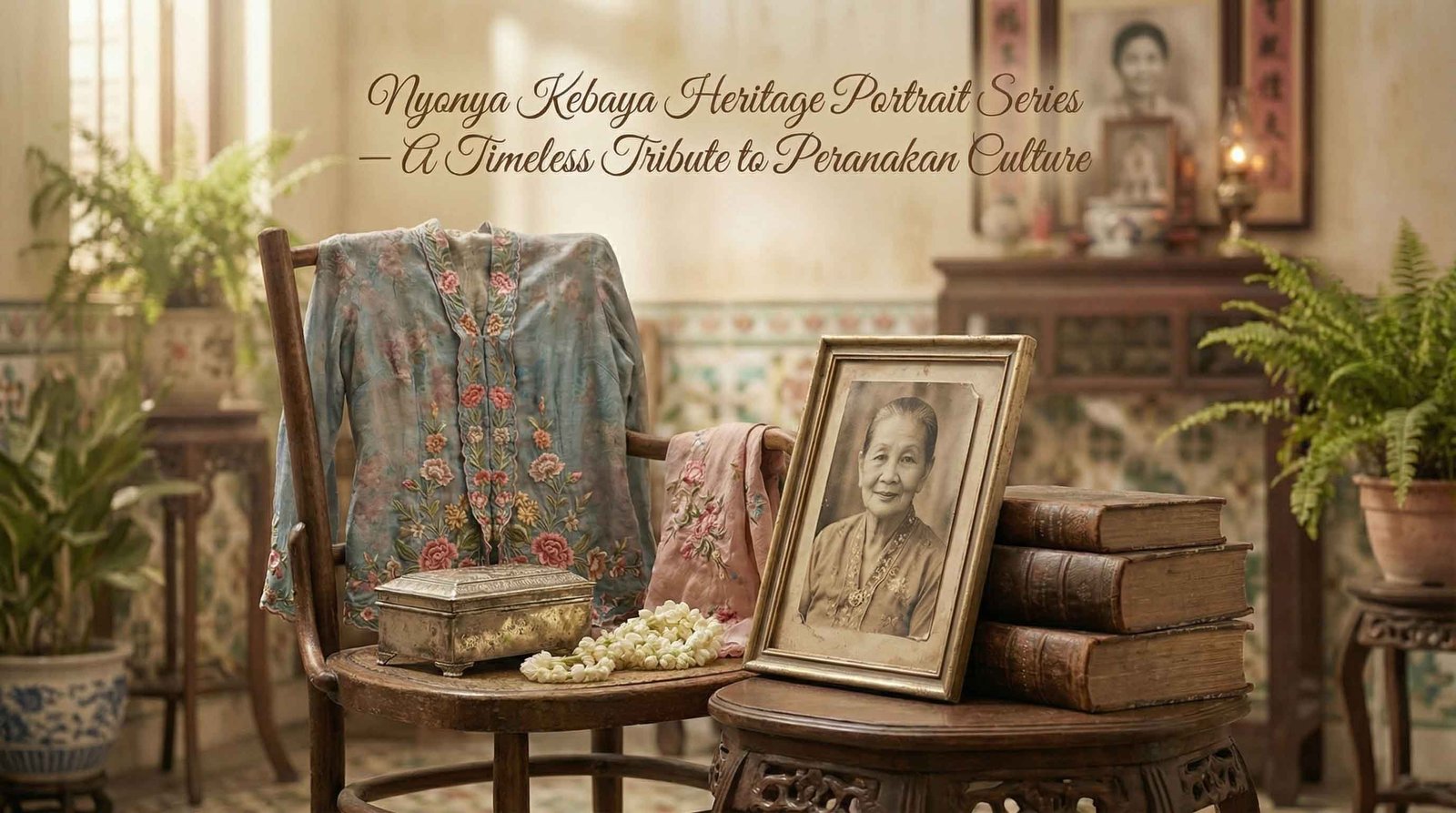
AI artistic direction blends nostalgic cultural beauty with today’s photographic and AI-enhanced techniques—creating visuals that feel timeless yet modern.
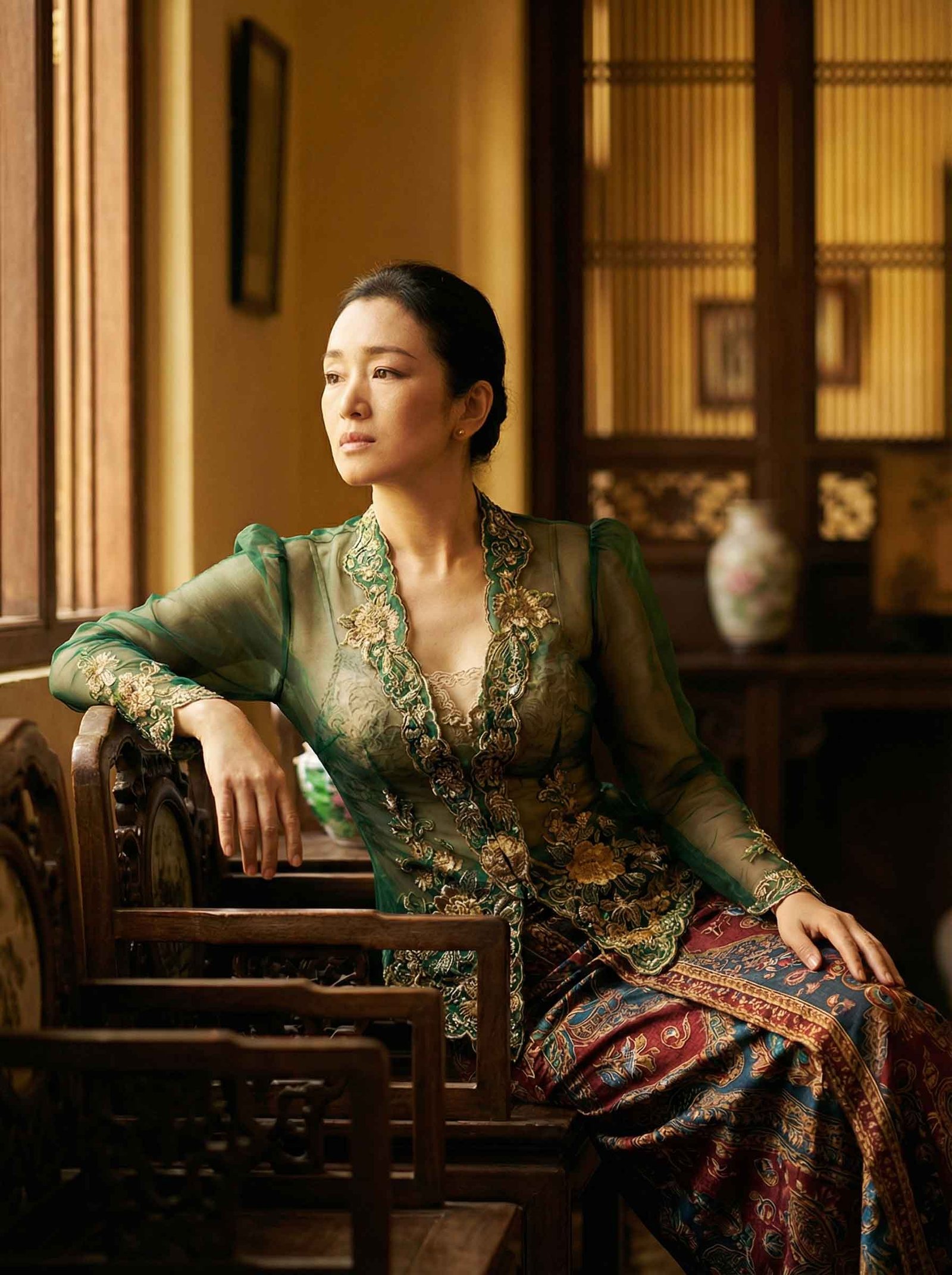
The Nyonya Kebaya’s design portray elegance, femininity, strength, and cultural identity—making each portrait emotionally resonant.
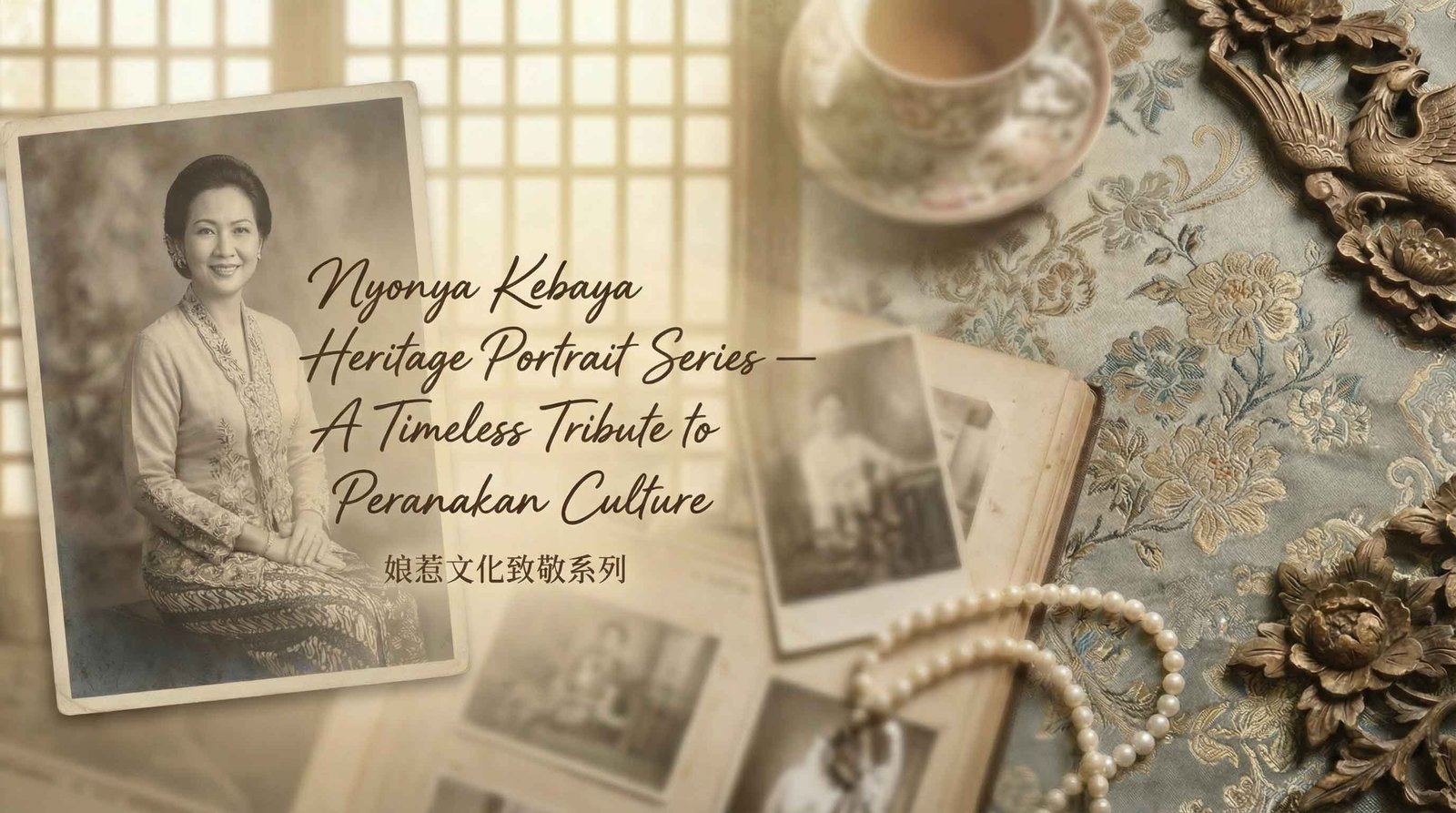
Warm highlights, gentle gestures, and pastel kebaya tones.
Bold colors, confident posture, and powerful eye expressions.
Classic poses and high-detail focus—ideal for cultural references or study.
Vintage color grades evoking Malacca, Penang, and the golden age of the Peranakans.
Explore the Nyonya Kebaya Heritage Series and rediscover a living cultural masterpiece crafted through emotion, artistry, and tradition.
Click on each of the “Gallery” below to view the pictures
The Baba Nyonya, also known as the Peranakan Chinese, are descendants of early Chinese migrants who settled in the Malay Archipelago as early as the 15th century. Over generations, they blended Chinese traditions with Malay customs, creating a rich hybrid culture known for its unique language, cuisine, attire, and ceremonies.
Learn more:
Peranakan culture overview: https://en.wikipedia.org/wiki/Peranakan
The Nyonya Kebaya is more than just clothing — it represents femininity, refinement, and cultural pride. It features:
Hand-embroidered motifs
Fine lacework
Symbolic colors and floral patterns
A silhouette that reflects elegance and modesty
For the Peranakan community, the kebaya is worn during celebrations, weddings, and family ceremonies, making it a symbol of identity and heritage.
Learn more:
Kebaya history: https://en.wikipedia.org/wiki/Kebaya
Melaka (Malacca) was one of the earliest and most important Peranakan settlements. During the 1400s, Chinese traders arrived in Melaka and married local Malay women.
This led to:
The birth of the Peranakan community
A fusion of Chinese and Malay customs
The development of the Peranakan Baba Nyonya language
Melaka became a cultural hub filled with Peranakan architecture, cuisine, fashion, and traditions that still exist today.
Learn more:
History of Melaka: https://en.wikipedia.org/wiki/Malacca
Peranakan culture stands out because it blends:
Chinese heritage
Malay traditions
Indian influences
Eurasian touches from Portuguese and Dutch colonial eras
This multicultural blend is visible in their:
Language (Baba Malay)
Cuisine (Nyonya food)
Fashion (Peranakan Kebaya & beaded shoes)
Architecture (colorful shophouses & ornate mansions)
Ceremonies (weddings, ancestral worship)
Learn more:
Nyonya cuisine: https://en.wikipedia.org/wiki/Straits_Chinese_cuisine
Melaka is a UNESCO World Heritage Site known for preserving Peranakan culture.
Visitors can explore:
Baba & Nyonya Heritage Museum
Heeren Street / Jonker Street heritage homes
Traditional Nyonya restaurants
Antique shops and kebaya tailors
This makes Melaka the cultural capital of the Peranakan community in Malaysia.
Learn more:
UNESCO Melaka information: https://en.wikipedia.org/wiki/Malacca_City
The terms are used with respect and affection, reflecting their blended cultural identity.
The Peranakans traditionally speak Baba Malay, a creole language that combines:
Malay grammar
Hokkien vocabulary
Colonial influences
Although less common today, it remains an important cultural symbol.
Learn more:
Baba Malay language: https://en.wikipedia.org/wiki/Baba_Malay
Common motifs include:
Phoenix: beauty, prosperity
Peony: grace and femininity
Butterfly: joy and transformation
Lotus: purity and strength
Birds & flora: harmony with nature
Each symbol carries cultural meaning—making every kebaya unique.
The Peranakans played a major role in shaping Malaysia’s social and cultural landscape. They contributed to:
Early trade and business
Multicultural development
Hybrid cuisine and arts
Architectural heritage
Linguistic diversity
Their culture represents the beauty of Malaysia’s mixed heritage and harmonious diversity.
Learn more:
Malaysian cultural history: https://en.wikipedia.org/wiki/Culture_of_Malaysia
Here are reliable external resources:
Baba & Nyonya Heritage Museum: https://babanyonyamuseum.com
Peranakan culture history: https://en.wikipedia.org/wiki/Peranakan
Melaka historical background: https://en.wikipedia.org/wiki/Malacca
Kebaya design and tradition: https://en.wikipedia.org/wiki/Kebaya